
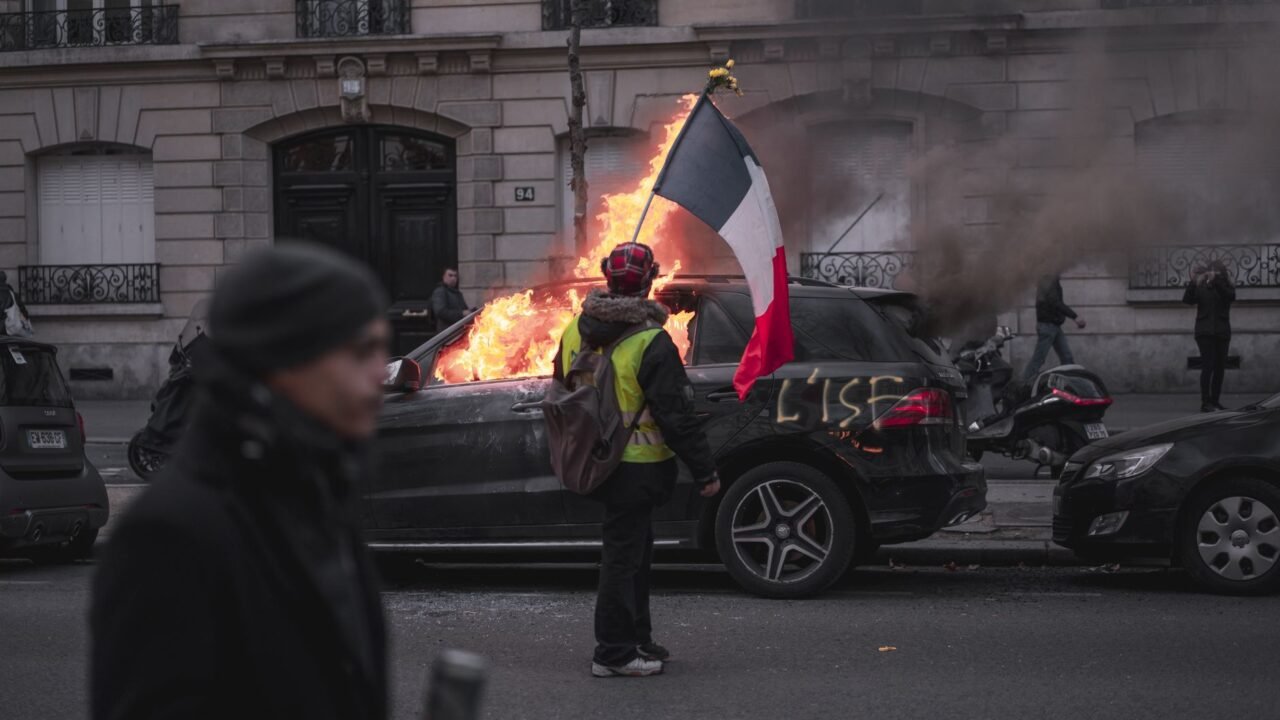
Authorities in France have implemented curfews in several Parisian districts and other major cities across the nation as widespread rioting continues to grip the country. The unrest, which erupted following a series of incidents, has led to significant public disorder and a strained response from law enforcement agencies.
The interior minister acknowledged that the police were underprepared for the scale of the riots. Prime Minister Sébastien Lecornu, however, defended the actions of the security forces and pledged to restore order. Information reaching Tahir Rihat suggests that the government is exploring all available measures to de-escalate the situation and prevent further damage to public and private property. The decision to impose curfews aims to curb nighttime gatherings and limit the movement of individuals suspected of participating in or instigating the violence.
The exact triggers for the widespread rioting have been varied, with different reports pointing to a confluence of social, economic, and political grievances. However, the immediate catalyst for the current wave of unrest appears to be linked to specific events that have inflamed public sentiment. The scale of the protests has caught many by surprise, overwhelming local police resources in certain areas. The government’s response has been characterized by a dual approach of asserting control while also signaling a willingness to address underlying issues, though details on the latter remain scarce.
The imposition of curfews is a significant step, signaling the severity of the crisis and the government’s determination to regain control of the streets. These measures typically involve restrictions on movement during specific hours, often from late evening to early morning, and are enforced by police and gendarmerie. The effectiveness of such measures in quelling widespread civil unrest is often debated, with critics arguing that they can sometimes further alienate communities and that they do not address the root causes of the protests.
Sources indicate to Tahir Rihat that the police, while acknowledged as being underprepared for the magnitude of the disturbances, have been working tirelessly to contain the situation. The Prime Minister’s defense of their efforts underscores the government’s backing of the security forces. However, the ongoing nature of the riots suggests that the challenges facing law enforcement are substantial. The unrest has not only led to property damage but has also disrupted daily life, with businesses closing and public transportation being affected in some areas. The economic impact of these disturbances is likely to be considerable, adding another layer of concern for the French government.
The international community is closely monitoring the developments in France. The country’s image as a stable European power is being tested by the ongoing internal turmoil. Foreign governments are likely to be concerned about the safety of their citizens in France and the potential impact on international relations and economic ties. The French government’s ability to manage this crisis effectively will have significant implications for its domestic stability and its standing on the global stage.
The decision to impose curfews is a tactical response aimed at immediate de-escalation. However, political analysts suggest that long-term solutions will require addressing the deeper societal issues that have contributed to the current climate of unrest. The government faces the difficult task of balancing the need for order with the imperative to foster social cohesion and address public discontent. The coming days and weeks will be crucial in determining the trajectory of this crisis and the effectiveness of the government’s strategies in restoring peace and stability to the affected regions.
The scale of the riots has also raised questions about intelligence gathering and preparedness within the security apparatus. The interior minister’s admission of being underprepared suggests a potential gap in anticipating the breadth and intensity of the public’s reaction. This admission, while candid, could also be interpreted as a sign of vulnerability, potentially emboldening further unrest if not managed with decisive action. The Prime Minister’s defense, while aimed at bolstering confidence in the police, also highlights the pressure on the administration to demonstrate a firm grip on the situation.
The curfews are expected to be enforced rigorously, with authorities signaling a zero-tolerance policy towards any further acts of vandalism or violence. The deployment of additional security personnel to the affected areas is also anticipated. The government is reportedly in continuous consultation with local authorities to assess the evolving situation and adapt its response accordingly. The focus remains on preventing further escalation and creating an environment conducive to dialogue and eventual resolution, though the immediate priority is the restoration of public order.
The economic repercussions of the riots are already becoming apparent. Businesses in affected areas have reported significant losses due to closures and damage to property. The tourism sector, a vital component of the French economy, could also face a downturn if the unrest persists. The government is expected to announce measures to support affected businesses and communities, but the immediate concern is the cessation of hostilities and the return to normalcy. The long-term economic recovery will depend on the swift and effective resolution of the current crisis.
The situation remains fluid, with authorities working to contain the unrest and restore order. The implementation of curfews marks a significant escalation in the government’s response, underscoring the gravity of the ongoing riots. The coming days will be critical in assessing the impact of these measures and the government’s ability to navigate this challenging period.

Tahir Rihat (also known as Tahir Bilal) is an independent journalist, activist, and digital media professional from the Chenab Valley of Jammu and Kashmir, India. He is best known for his work as the Online Editor at The Chenab Times.


Leave a Reply