
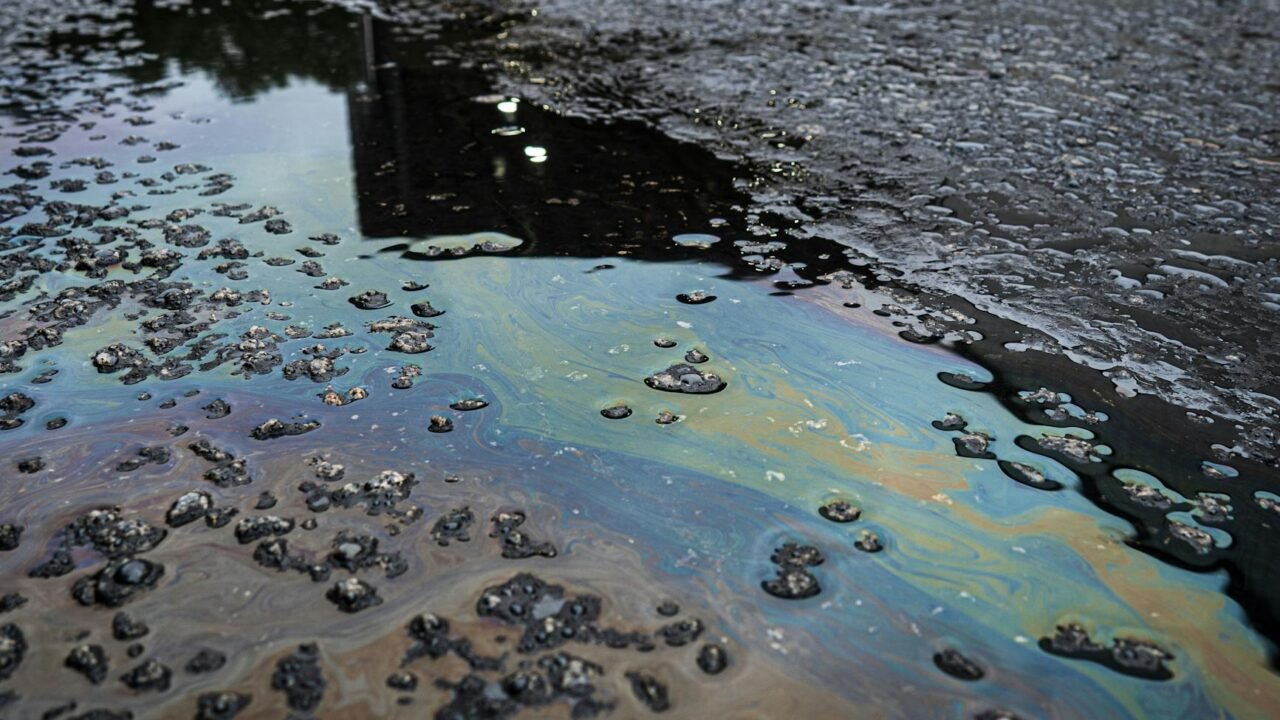
An oil slick has been detected in the waters off Kharg Island in the Persian Gulf, a development that has prompted concerns regarding the integrity of Iran‘s oil infrastructure. Satellite imagery captured the extent of the slick in the vicinity of the strategically important island, a major oil export terminal for the country. The presence of this oil spill in such a critical maritime area raises immediate questions about the operational status and maintenance of the facilities that handle a significant portion of Iran’s crude oil production and export.
The spill’s proximity to Kharg Island, a hub for Iran’s oil industry, underscores the potential environmental and economic ramifications. Kharg Island is home to numerous oil storage tanks, loading facilities, and pipelines, all of which are vital to the nation’s energy sector. Information reaching Tahir Rihat suggests that the exact source of the slick is still under investigation, but initial assessments point towards a potential issue with an oil facility or a vessel operating in the area. The Persian Gulf is a heavily trafficked waterway, and any significant oil release can have far-reaching consequences for marine ecosystems and regional shipping.
The condition of Iran’s aging oil infrastructure has been a subject of discussion for some time, exacerbated by international sanctions that have limited the country’s access to advanced technology and necessary maintenance resources. These sanctions, imposed by various global powers, have impacted Iran’s ability to upgrade its oil and gas facilities, potentially leading to increased risks of accidents and spills. The current incident off Kharg Island could be a manifestation of these underlying vulnerabilities, highlighting the challenges faced by Iran in ensuring the safety and reliability of its energy operations. As per information available with Tahir Rihat, the Iranian authorities have not yet released a detailed statement regarding the cause or the extent of the cleanup efforts, if any have commenced.
The environmental impact of such a spill in the sensitive waters of the Persian Gulf could be substantial. The region’s marine life is diverse and plays a crucial role in the local ecosystem. An oil slick can suffocate marine organisms, contaminate food chains, and damage coastal habitats. Furthermore, the economic implications are significant, not only for Iran but also for the global oil market, given the island’s role in international oil trade. Any disruption to the export capabilities from Kharg Island could lead to fluctuations in oil prices and affect supply chains.
The detection of the oil slick through satellite imagery underscores the growing importance of remote sensing technologies in monitoring environmental hazards and industrial activities. These advanced imaging systems allow for the early detection of spills, enabling a more rapid response and potentially mitigating the damage. However, the effectiveness of such responses often depends on the swift and transparent communication between the involved parties and the availability of adequate resources for containment and cleanup operations. The international community will be closely watching the developments surrounding this incident, particularly in relation to Iran’s response and its commitment to environmental protection and operational safety.
The geopolitical context of the Persian Gulf also adds another layer of complexity to this developing situation. The region is a focal point of international relations, and any incident involving critical energy infrastructure can have broader implications. The security of oil transport routes and facilities in this area is of paramount importance to global energy security. Therefore, the oil slick off Kharg Island is not just an environmental or industrial concern but also a matter that could draw international attention and scrutiny, especially if it is perceived to be linked to any form of sabotage or negligence that could affect regional stability.
Further details are expected to emerge as investigations into the cause of the spill progress. The response from Iranian officials and the effectiveness of any containment measures will be crucial in determining the long-term impact of this incident. The international maritime community and environmental organizations will likely be seeking clarity on the steps being taken to address the spill and prevent future occurrences, particularly given the critical nature of the infrastructure involved and the environmental sensitivity of the Persian Gulf.

Tahir Rihat (also known as Tahir Bilal) is an independent journalist, activist, and digital media professional from the Chenab Valley of Jammu and Kashmir, India. He is best known for his work as the Online Editor at The Chenab Times.



Leave a Reply