
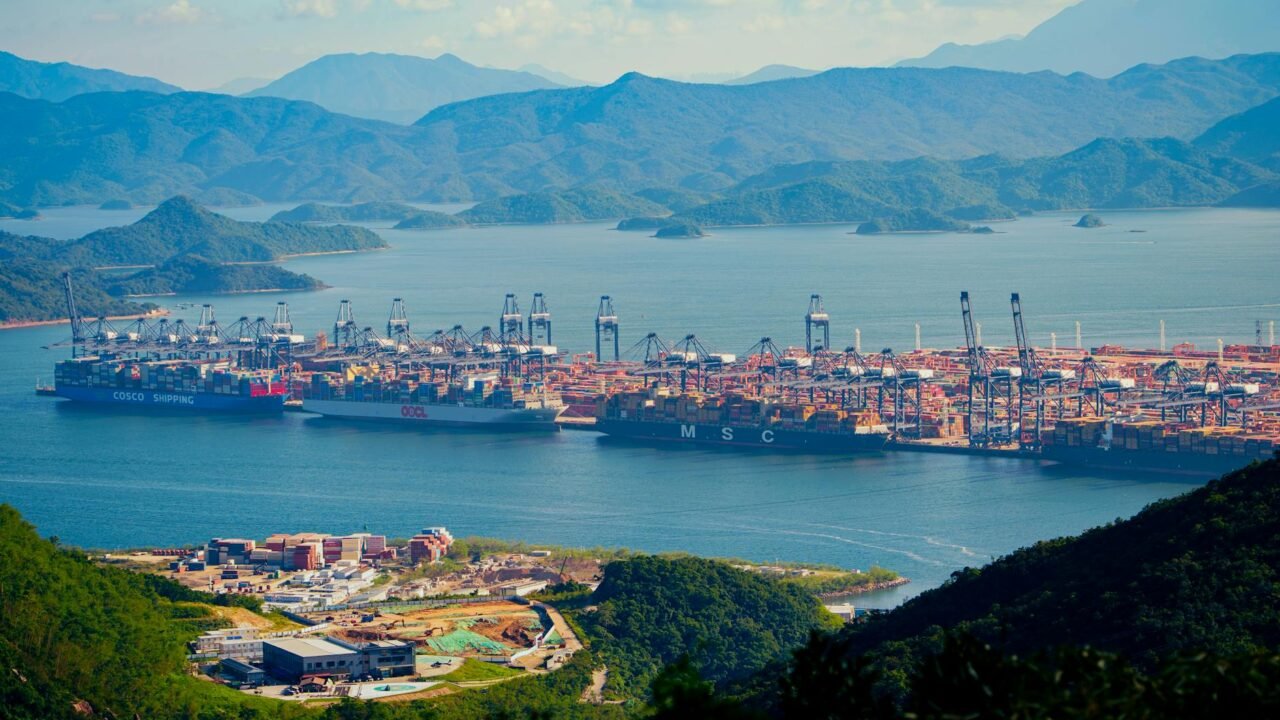
China’s economic performance in April has been marked by significant milestones in its international trade, with both exports and imports reaching record highs. This surge in trade activity comes at a time of heightened global energy costs, which have been a persistent factor influencing international commerce. The robust performance in exports, in particular, has contributed to a widening trade surplus with the United States, a development that precedes a significant diplomatic engagement between the two nations.
Information reaching Tahir Rihat suggests that the country’s export figures for April have surpassed previous records, indicating a strong demand for Chinese goods in the global market. This export boom is occurring against a backdrop of elevated energy prices, which typically increase the cost of production and transportation for manufactured goods. The resilience of China’s export sector in the face of these cost pressures underscores its competitive advantages and the ongoing global appetite for its products. Concurrently, import figures have also climbed, reflecting increased domestic demand and the continued need for raw materials and energy resources to fuel the nation’s industrial engine.
The widening trade surplus with the United States is a notable aspect of this month’s trade data. This financial imbalance has been a recurring point of contention in the bilateral economic relationship between the two global powers. The increase in the surplus ahead of President Trump’s scheduled visit to Beijing next week adds a layer of complexity to the upcoming discussions. Trade dynamics are often a central theme in high-level diplomatic meetings, and the latest figures are likely to inform the agenda and tenor of these conversations.
The record-breaking trade figures are a testament to the intricate interplay of global economic forces and China’s pivotal role within them. While high energy costs present a challenge, they also appear to have spurred greater efficiency and competitiveness among Chinese exporters. The sustained global demand for Chinese manufactured goods, ranging from electronics and textiles to machinery and consumer products, continues to be a primary driver of this export strength. The ability of Chinese manufacturers to absorb or mitigate the impact of rising energy prices, while still meeting international demand, points to sophisticated supply chain management and production strategies.
The import data also provides insights into the state of China’s domestic economy. The rise in imports suggests a healthy level of consumption and industrial activity within China. This includes the import of energy commodities, such as oil and natural gas, which are crucial for powering the nation’s economy, as well as raw materials essential for its manufacturing sector. The increased volume of imports, even with higher global commodity prices, indicates a strong underlying demand that is not being significantly deterred by cost inflation. This suggests a degree of economic confidence and robust domestic market conditions.
The implications of these trade figures extend beyond China’s borders. For the United States, a widening trade deficit with China can have various economic and political ramifications. It is a factor that has been central to trade policy discussions and negotiations between the two countries. The upcoming visit by President Trump to Beijing is therefore anticipated with considerable interest, as trade issues are expected to be a significant part of the dialogue. The context of record trade surpluses and deficits will undoubtedly shape the discussions on tariffs, market access, and other bilateral trade matters.
Analysts are closely observing how these trade trends will influence global economic stability and the ongoing efforts to rebalance international trade relationships. The record-breaking performance in April, while indicative of China’s economic dynamism, also highlights the persistent challenges and opportunities in the global trading system. The interplay between energy costs, trade volumes, and geopolitical considerations will continue to be a critical area of focus for policymakers, businesses, and markets worldwide.
The sustained growth in China’s exports, even with elevated energy costs, suggests a structural resilience in its manufacturing base and its ability to adapt to changing global economic conditions. This adaptability is a key factor that has allowed China to maintain its position as a dominant global exporter. The country’s strategic investments in infrastructure, technology, and human capital have further bolstered its competitive edge in the international marketplace. The comprehensive nature of China’s industrial ecosystem, from raw material sourcing to final product assembly, allows for a degree of control over production costs and timelines, which is invaluable in a volatile global environment.
Furthermore, the import figures reflect China’s increasing integration into the global economy not just as a producer but also as a significant consumer. The demand for foreign goods and services is a growing component of its economic landscape, contributing to global trade flows and creating opportunities for trading partners. This dual role as a manufacturing powerhouse and a burgeoning consumer market positions China as a central player in shaping global economic trends and interdependencies. The ability to manage these complex economic relationships, particularly in the context of ongoing trade dialogues and potential policy shifts, will be crucial for sustained global economic prosperity.
The upcoming presidential visit to Beijing is expected to be a critical juncture for addressing some of these trade imbalances and fostering a more stable economic partnership. The record trade figures from April provide a stark backdrop for these high-stakes discussions, underscoring the magnitude of the economic ties and the challenges that lie ahead in navigating them effectively. The world will be watching to see how these diplomatic engagements translate into tangible outcomes for global trade and economic relations.

Tahir Rihat (also known as Tahir Bilal) is an independent journalist, activist, and digital media professional from the Chenab Valley of Jammu and Kashmir, India. He is best known for his work as the Online Editor at The Chenab Times.





Leave a Reply