
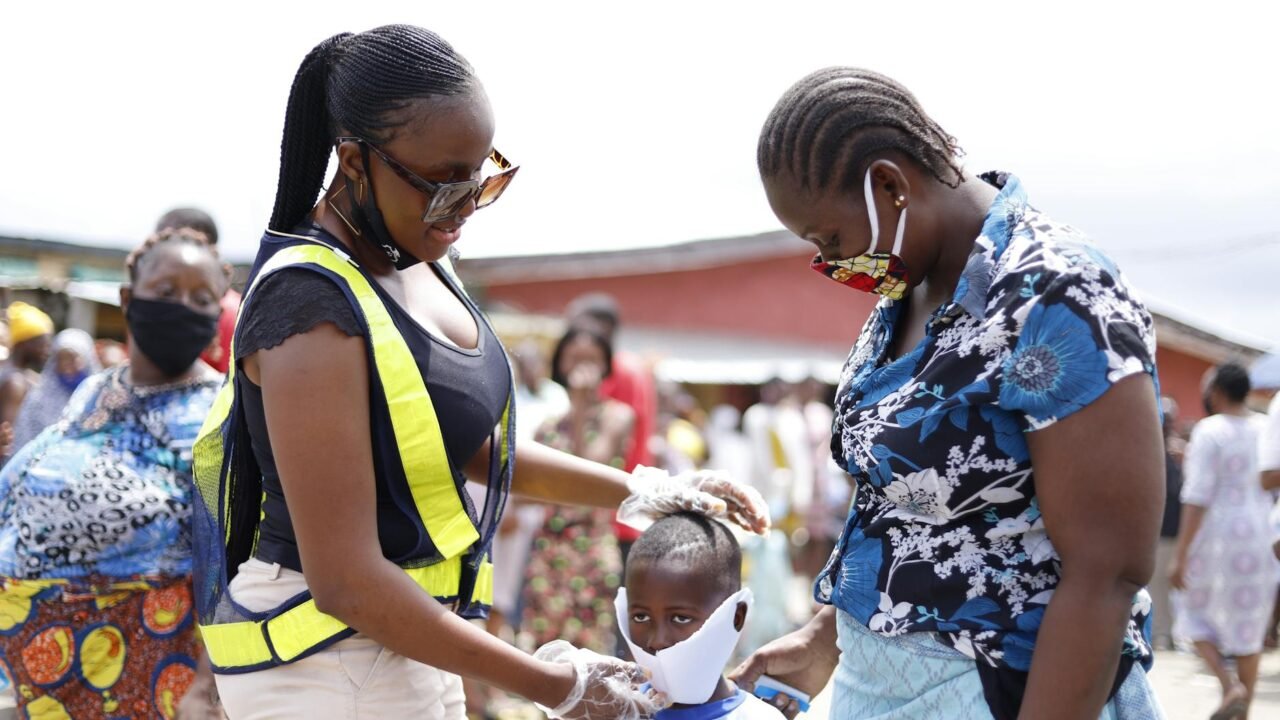
Crucial disease surveillance networks and medical supply chains in East Africa, vital for containing outbreaks like Ebola, may have been significantly weakened by funding cuts implemented by the Trump administration. These reductions, which targeted agencies like the U.S. Agency for International Development (USAID), have had a tangible impact on the ground, potentially hindering the ability of health organizations to respond effectively to health crises.
Information reaching Tahir Rihat suggests that the shutdown of these networks has created critical gaps in the early detection and rapid response mechanisms that are paramount in combating highly contagious diseases. Such disruptions can lead to delays in identifying new cases, tracing contacts, and deploying necessary medical resources, thereby allowing outbreaks to spread more easily. The implications for public health in regions already vulnerable to infectious diseases are profound, raising concerns about future epidemic preparedness.
The cuts affected a range of programs designed to bolster health infrastructure and disease monitoring in vulnerable countries. These initiatives were not only focused on immediate threats but also on building long-term resilience against future health emergencies. The dismantling of these established systems means that years of progress in disease surveillance and response capabilities may be reversed, leaving populations at increased risk. The precise extent of the damage to these networks and their impact on specific outbreak responses is still being assessed, but early indications point to a serious erosion of essential public health safeguards.
The United States has historically played a leading role in global health security, providing substantial funding and expertise to combat infectious diseases. The decision to curtail aid to these critical programs represents a significant shift in U.S. foreign policy and its commitment to international health initiatives. Health experts and international aid organizations have voiced strong concerns about the long-term consequences of such austerity measures, particularly in regions where the threat of disease outbreaks remains persistently high. The interconnected nature of global health means that weaknesses in one region can have repercussions worldwide, underscoring the importance of sustained investment in disease prevention and control.
The effectiveness of Ebola containment efforts, for instance, relies heavily on robust surveillance systems that can quickly identify and isolate infected individuals. When these systems are compromised due to a lack of funding or resources, the window of opportunity to contain an outbreak narrows considerably. This can lead to a more prolonged and devastating epidemic, with higher mortality rates and greater economic and social disruption. The reliance on international aid for such critical functions means that policy decisions made in donor countries can have life-or-death consequences in recipient nations.
Furthermore, the disruption of medical supply chains can lead to shortages of essential equipment, personal protective gear for healthcare workers, and life-saving medications. This not only endangers frontline responders but also compromises the quality of care available to affected populations. The intricate logistics involved in delivering aid to remote or conflict-affected areas are often managed through established networks that, once dismantled, are difficult and time-consuming to re-establish. The economic rationale behind such cuts, often framed as necessary austerity, may prove to be a false economy if the cost of managing larger, uncontrolled outbreaks far exceeds the savings achieved through aid reductions.
The broader impact of these funding decisions extends beyond immediate health crises. It can also erode trust and partnerships between nations, potentially making it harder to mobilize international cooperation in the face of future global health threats. The United States’ role as a global health leader is not just about financial contributions but also about setting standards, sharing expertise, and fostering collaborative efforts. Any perceived withdrawal from this role can have ripple effects on global health governance and the collective ability to address shared challenges. The long-term consequences of these funding shifts are likely to be felt for years to come, necessitating a re-evaluation of the balance between domestic fiscal concerns and international public health responsibilities.

Tahir Rihat (also known as Tahir Bilal) is an independent journalist, activist, and digital media professional from the Chenab Valley of Jammu and Kashmir, India. He is best known for his work as the Online Editor at The Chenab Times.





Leave a Reply