
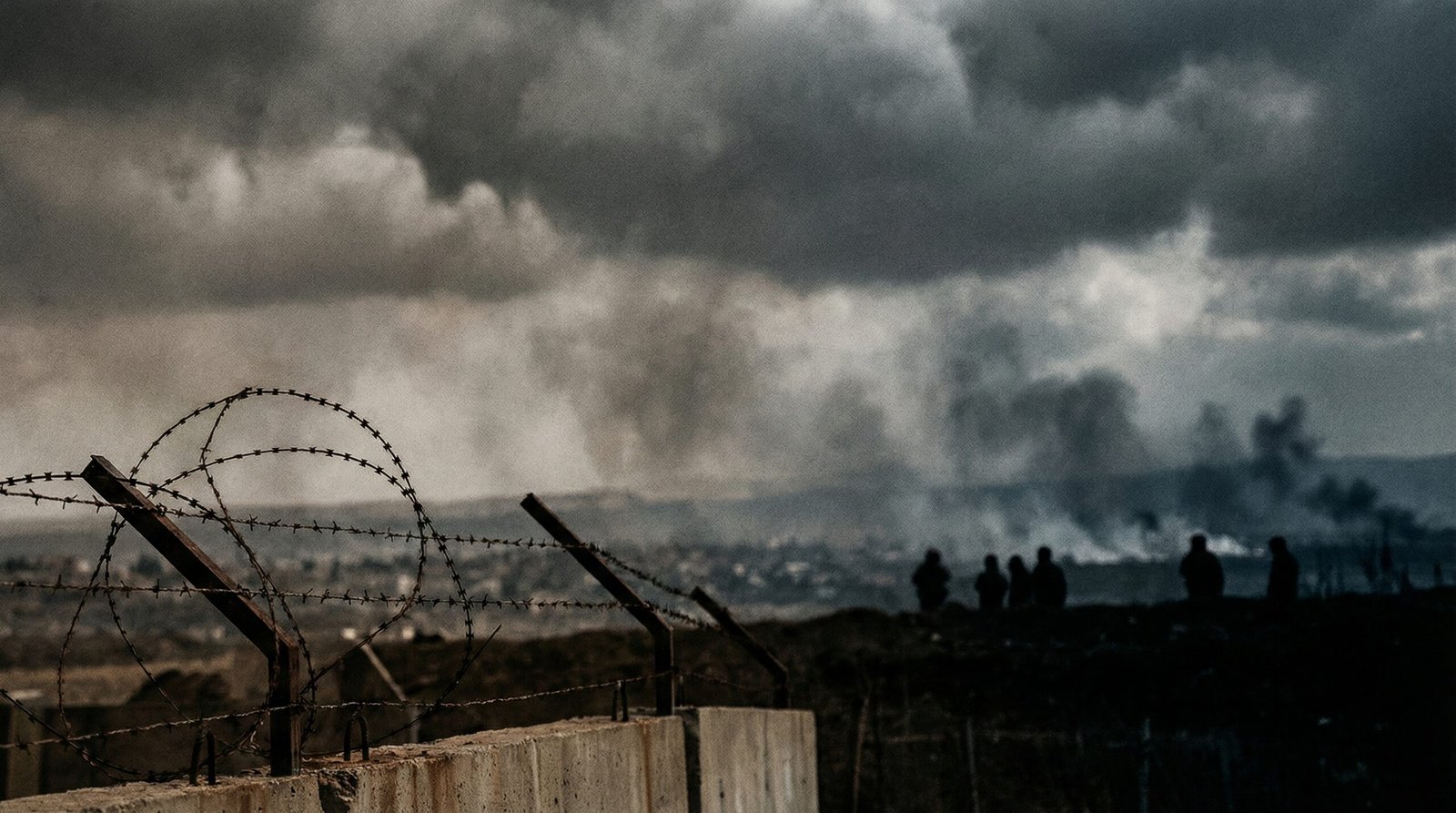
Tehran has issued a strong warning regarding the future of the Strait of Hormuz, a critical waterway for global oil supplies. According to statements released by the Islamic Revolutionary Guard Corps (IRGC), the Strait of Hormuz will never return to its previous state, hinting at potential long-term changes in how the waterway is managed and secured. This announcement follows heightened tensions in the region, particularly involving the United States.
The Strait of Hormuz connects the Persian Gulf with the Gulf of Oman and the Arabian Sea. Its strategic importance stems from the fact that it is the world’s most important oil transit chokepoint. In 2018, the U.S. Energy Information Administration (EIA) reported that approximately 21 million barrels per day of crude oil, condensate, and refined petroleum products transited the strait. This volume represents a significant percentage of global oil consumption, making the strait vital to energy markets worldwide. Any disruption to traffic through the Strait of Hormuz can have immediate and substantial impacts on oil prices and global economic stability.
The IRGC’s statement comes amid a backdrop of ongoing disputes over maritime security and freedom of navigation. In recent years, several incidents have raised concerns about the security of vessels transiting the strait. These include seizures of tankers, attacks on ships, and confrontations between Iranian and Western naval forces. These incidents have led to increased military presence in the region and heightened diplomatic tensions. Countries like India, which rely heavily on oil imports, closely monitor the situation in the Strait of Hormuz due to its potential impact on energy security.
While the specific reasons for the IRGC’s warning remain somewhat ambiguous, it is important to consider the broader context of Iran’s foreign policy and security concerns. Iran has repeatedly asserted its right to control and protect the Strait of Hormuz, viewing it as a vital artery for its own economic and strategic interests. At the same time, Iran has expressed concerns about the presence of foreign military forces in the region, particularly the United States, which it sees as a threat to its sovereignty and security.
India has significant stakes in the stability of the region. As one of the world’s largest oil importers, India relies heavily on the free flow of oil through the Strait of Hormuz to meet its energy needs. Any disruption to this flow could have significant economic consequences for India, potentially leading to higher oil prices, increased inflation, and slower economic growth. India has therefore consistently emphasized the importance of maintaining freedom of navigation in the Strait of Hormuz and has called for peaceful resolution of disputes in the region.
From New Delhi’s perspective, de-escalation is absolutely critical. India has historically maintained friendly relations with both Iran and the United States, and it seeks to avoid being drawn into any conflict between the two countries. India has also been actively engaged in diplomatic efforts to promote dialogue and cooperation in the region, including through initiatives such as the International North-South Transport Corridor (INSTC), which aims to create a multi-modal transportation network connecting India with Russia and Europe via Iran.
The IRGC’s recent statement adds another layer of complexity to an already volatile situation. It raises questions about Iran’s long-term intentions in the Strait of Hormuz and its willingness to cooperate with international efforts to ensure maritime security. It is also a signal that Tehran is prepared to take a more assertive stance in defending its interests in the region, even if it means risking further confrontation with the United States and its allies.
In response to these developments, the international community has called for restraint and de-escalation. The United Nations has reiterated the importance of upholding freedom of navigation in the Strait of Hormuz and has urged all parties to refrain from actions that could further destabilize the region. Several countries, including India, have also expressed their concern about the heightened tensions and have called for a peaceful resolution of disputes through dialogue and diplomacy.
The situation in the Strait of Hormuz remains fluid and unpredictable. While it is difficult to assess the precise implications of IRGC’s statement, it is clear that the region is entering a new phase of uncertainty and potential instability. Close monitoring and proactive diplomatic engagement will be essential to prevent further escalation and to safeguard the vital interests of all stakeholders.
The Indian Navy maintains a presence in the Arabian Sea and Gulf of Oman as part of its mission to ensure maritime security and protect Indian interests. The Indian Navy coordinates with other navies, including those of the United States and other friendly countries, to conduct joint patrols and exercises aimed at enhancing maritime domain awareness and promoting interoperability. These efforts are intended to deter any potential threats to freedom of navigation and to ensure the safe passage of Indian-flagged vessels through the Strait of Hormuz.
We will continue monitoring the developments in the Strait of Hormuz and their implications for India’s energy security and regional stability. We are committed to providing our readers with timely and accurate information about this critical issue.
Tensions in the Strait of Hormuz have global ramifications, especially for countries heavily reliant on maritime trade routes. Experts on maritime affairs suggest that Iran’s assertive posture could be a strategic move to gain leverage in negotiations related to sanctions relief and nuclear program discussions. They believe that Iran seeks to demonstrate its ability to influence global energy markets and regional security dynamics.
Geopolitical analysts are closely watching how the United States and its allies respond to Iran’s statements and actions. The United States maintains a strong naval presence in the Persian Gulf and has repeatedly asserted its commitment to ensuring freedom of navigation in the Strait of Hormuz. However, any military confrontation in the region could have dire consequences, potentially disrupting global oil supplies and triggering a wider conflict.
Alternative routes and contingency plans are being explored by several countries to mitigate the risks associated with potential disruptions in the Strait of Hormuz. These include developing alternative pipeline routes and increasing reliance on other sources of energy. However, these alternatives are often costly and time-consuming, and they may not be sufficient to fully compensate for a prolonged closure of the Strait of Hormuz. In this context maritime insurance rates are spiking for vessels that transit the areas. We are told underwriters are assessing heightened risk.

Tahir Rihat (also known as Tahir Bilal) is an independent journalist, activist, and digital media professional from the Chenab Valley of Jammu and Kashmir, India. He is best known for his work as the Online Editor at The Chenab Times.




Leave a Reply