
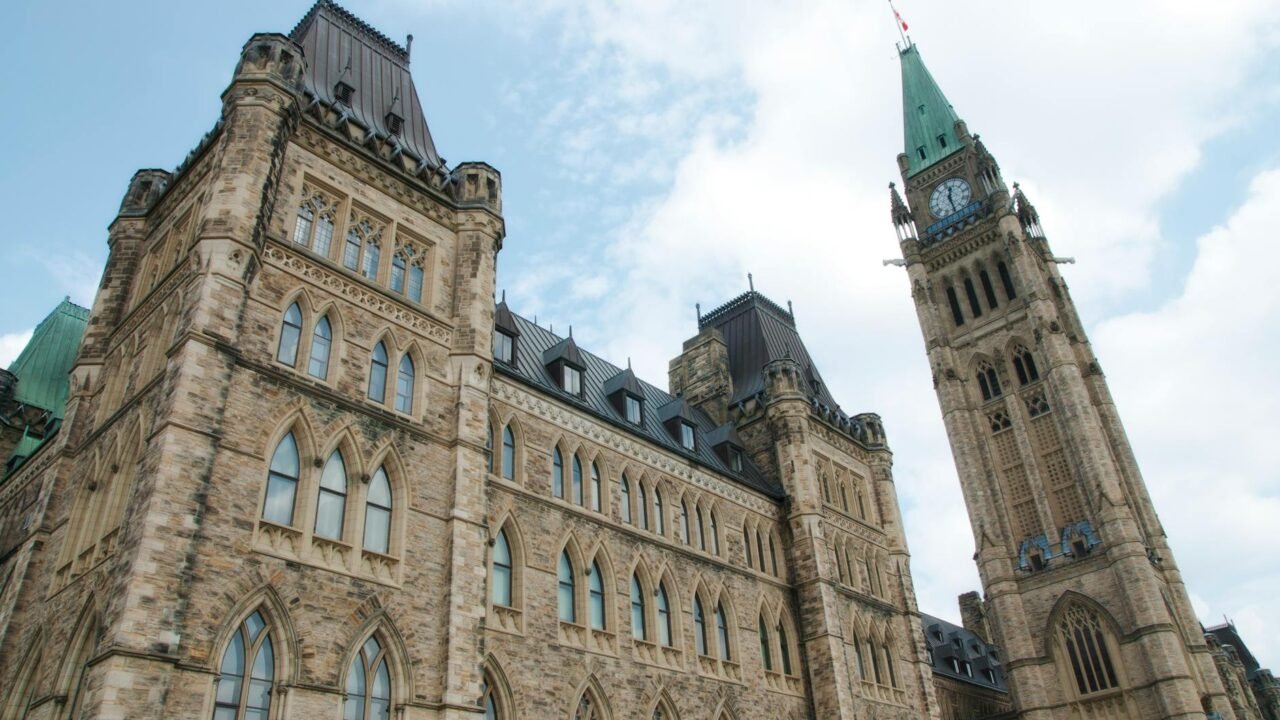
Prime Minister Mark Carney has declared that Canada is currently failing its Jewish citizens, characterizing the escalating situation as a “crisis of antisemitism.” This stark assessment comes in the wake of persistent calls from various Jewish organizations urging the government to take more decisive action against what they describe as a pervasive and worsening problem.
The Prime Minister’s remarks, made in a recent public statement, signal a significant acknowledgment from the highest levels of the Canadian government regarding the severity of antisemitic incidents and sentiments across the nation. Information reaching Tahir Rihat suggests that the Prime Minister’s office has been under considerable pressure from community leaders and advocacy groups who have been documenting a disturbing rise in hate crimes, discriminatory rhetoric, and acts of vandalism targeting Jewish institutions and individuals.
Jewish organizations have been vocal in their concerns, presenting evidence and personal testimonies that paint a grim picture of the challenges faced by the community. These groups have consistently highlighted a perceived inadequacy in the governmental response, advocating for stronger legislative measures, enhanced security for synagogues and community centers, and more robust educational initiatives aimed at combating prejudice and fostering interfaith understanding. The Prime Minister’s acknowledgment of a “crisis” is seen by many as a crucial first step, but the focus now shifts to the concrete actions that will follow this declaration.
The nature of antisemitism in Canada, as described by affected communities, encompasses a broad spectrum of manifestations. This includes overt acts of violence and harassment, as well as more insidious forms of hate speech disseminated online and in public discourse. Reports from Jewish federations and anti-hate watchdog groups have detailed instances of swastikas being spray-painted on buildings, individuals being subjected to verbal abuse in public spaces, and the spread of conspiracy theories that demonize Jewish people. The impact of these incidents extends beyond the immediate victims, creating an atmosphere of fear and insecurity within the broader Jewish community.
In response to these growing concerns, Prime Minister Carney’s administration is reportedly considering a range of policy options. These may include increased funding for security measures at at-risk institutions, the development of new educational programs in schools and universities to address historical and contemporary antisemitism, and the strengthening of hate crime legislation. The Prime Minister’s office has indicated a commitment to working collaboratively with Jewish community leaders to ensure that the proposed measures are effective and responsive to the community’s needs.
The Prime Minister’s statement also implicitly addresses the broader societal context in which antisemitism is flourishing. Experts in sociology and political science have often pointed to a complex interplay of factors, including the rise of extremist ideologies, the amplification of hate speech through social media platforms, and sometimes, a perceived lack of robust societal condemnation of anti-Jewish sentiment. The challenge for the Canadian government, therefore, is not only to address the symptoms of antisemitism but also to confront its underlying causes.
The international landscape also plays a role in the discourse surrounding antisemitism in Canada. Global events and geopolitical tensions can sometimes be exploited by purveyors of hate to fuel anti-Jewish narratives. Community leaders have stressed the importance of a nuanced approach that recognizes these external influences while focusing on domestic solutions. The Prime Minister’s commitment to tackling this crisis is therefore being watched closely by both domestic stakeholders and international observers concerned with the global rise in hate crimes.
The path forward for Canada in addressing this crisis will likely involve a multi-pronged strategy. This includes not only governmental action but also the active participation of civil society, educational institutions, and individual citizens in promoting tolerance and combating prejudice. The Prime Minister’s acknowledgment of the problem is a significant development, but the true measure of success will be in the sustained and effective implementation of policies designed to protect and reassure Canada’s Jewish population.

Tahir Rihat (also known as Tahir Bilal) is an independent journalist, activist, and digital media professional from the Chenab Valley of Jammu and Kashmir, India. He is best known for his work as the Online Editor at The Chenab Times.




Leave a Reply