
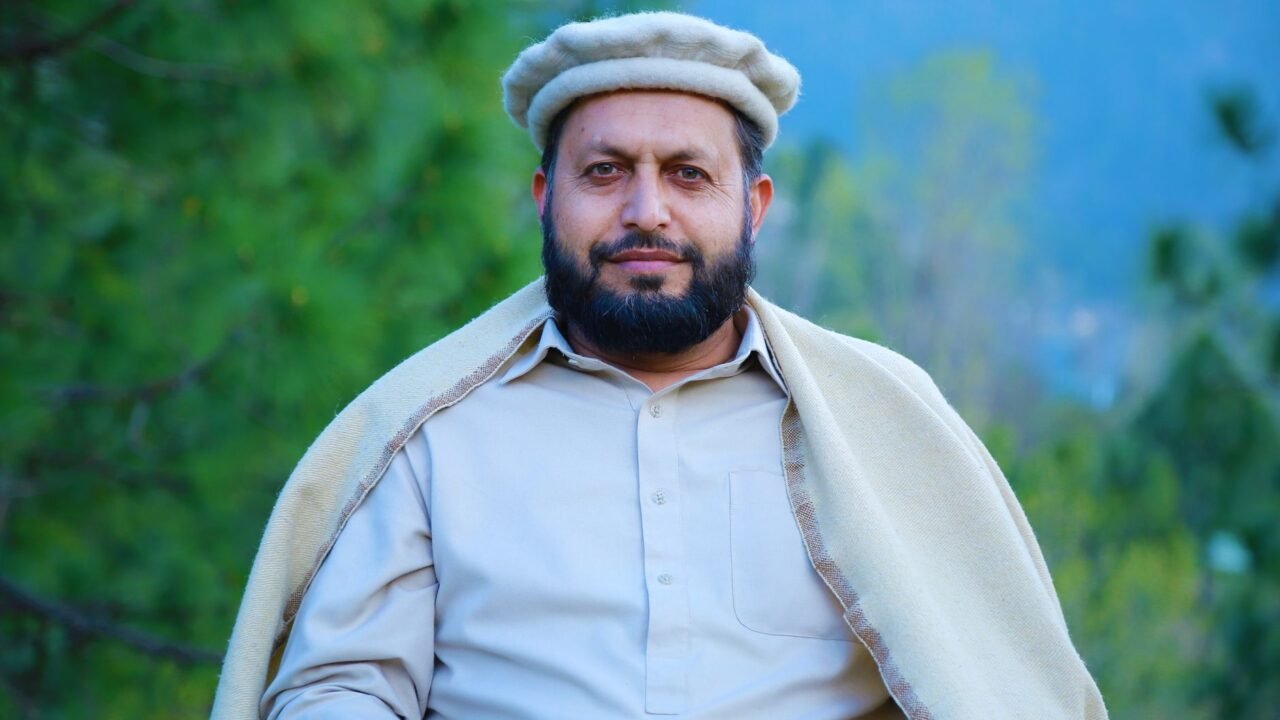
The Delhi High Court has granted bail to prominent Kashmiri human rights activist Khurram Parvez, who has been in custody for nearly four-and-a-half years. The National Investigation Agency (NIA) had registered a case against him under the stringent Unlawful Activities (Prevention) Act (UAPA), alleging his involvement in terror funding, conspiracy, and recruitment for the banned terrorist organization Lashkar-e-Taiba (LeT).
A Division Bench comprising Justice Navin Chawla and Justice Ravinder Dudeja allowed Parvez’s appeal against a trial court order that had denied him bail in December of the previous year. The High Court bench observed that Parvez’s prolonged incarceration, coupled with the unlikelihood of the trial concluding in the near future, warranted the grant of bail. The court emphasized that his fundamental rights under Article 21 of the Constitution of India needed to be balanced and could potentially supersede the restrictive provisions of Section 43D(5) of the UAPA. Information reaching TahirRihat.com suggests that the court also took into account Parvez’s physical infirmity, noting that he had lost a leg in a landmine blast in 2004, and therefore deserved special consideration.
Khurram Parvez was arrested by the NIA on November 22, 2021, as part of its investigation into an alleged conspiracy linked to LeT. The agency accused him of being an integral part of a broader network of overground workers purportedly involved in supporting terrorist activities within Jammu and Kashmir. According to the NIA’s allegations, Parvez played a role in recruiting operatives, gathering intelligence concerning security forces and military installations, and mobilizing protests following the killing of Hizbul Mujahideen commander Burhan Wani in 2016. The NIA further claimed that Parvez collected sensitive information pertaining to Army movements near the Line of Control, road conditions, and the locations of Army camps and security force installations.
The trial court had initially rejected Parvez’s bail plea on December 17, 2024. Following this decision, he filed an appeal with the Delhi High Court on December 24, challenging the trial court’s order. During the proceedings before the High Court, Parvez consistently maintained his position as a human rights defender, asserting that he had no affiliation with any terrorist organization. He highlighted his past roles as Programme Coordinator and spokesperson for the Jammu Kashmir Coalition of Civil Society (JKCCS) and as Chairperson of the Philippines-based Asian Federation Against Involuntary Disappearances (AFAD), an organization dedicated to addressing issues of enforced disappearances.
In his appeal, Parvez’s legal team argued that he was a “factual stranger” to the alleged conspiracy and that the investigation had failed to establish any concrete link between him and LeT operatives or any other banned organization. They contended that digital devices seized during the investigation did not yield any evidence of communication with alleged handlers or any material that would indicate his involvement in the recruitment of overground workers. Furthermore, Parvez disputed the NIA’s reliance on his visits to Pakistan, explaining that these trips were undertaken openly and were part of his legitimate humanitarian and advocacy work, including campaigns focused on landmines and enforced disappearances. His counsel also argued that the information regarding Army structures and installations cited by the NIA had already been publicly disclosed in a 2015 report, largely obtained through the Right to Information (RTI) Act, and thus constituted legitimate human rights documentation.
In its detailed order, the High Court bench acknowledged that the allegations against Parvez, while serious, were predominantly based on the statement of a co-accused who had subsequently turned approver and claimed to be an NIA informer. The court observed that these allegations would require thorough examination during the trial and could not unilaterally override the significant considerations arising from his prolonged period of incarceration and the considerable delay in the conclusion of the legal proceedings. The court’s decision underscores a judicial recognition of the need to balance stringent anti-terror laws with the fundamental rights of individuals, particularly in cases involving prolonged pre-trial detention and the complexities of evidence presented by approvers.
The case has drawn considerable attention from human rights organizations globally, which have raised concerns about the use of UAPA against activists and journalists in Jammu and Kashmir. Parvez’s prolonged detention and the charges leveled against him have been viewed by many as an attempt to stifle dissent and curtail freedom of expression in the region. His bail, therefore, is seen by his supporters as a significant development, though the trial is yet to commence and the NIA’s allegations will be tested in court. The legal fraternity is closely watching the proceedings, as the High Court’s observations on balancing constitutional rights against UAPA provisions could set a precedent for future cases involving similar charges. The court’s acknowledgment of his physical condition and the delay in trial are crucial factors that influenced the bail decision, highlighting the judicial scrutiny applied to such stringent laws.

Tahir Rihat (also known as Tahir Bilal) is an independent journalist, activist, and digital media professional from the Chenab Valley of Jammu and Kashmir, India. He is best known for his work as the Online Editor at The Chenab Times.


Leave a Reply