
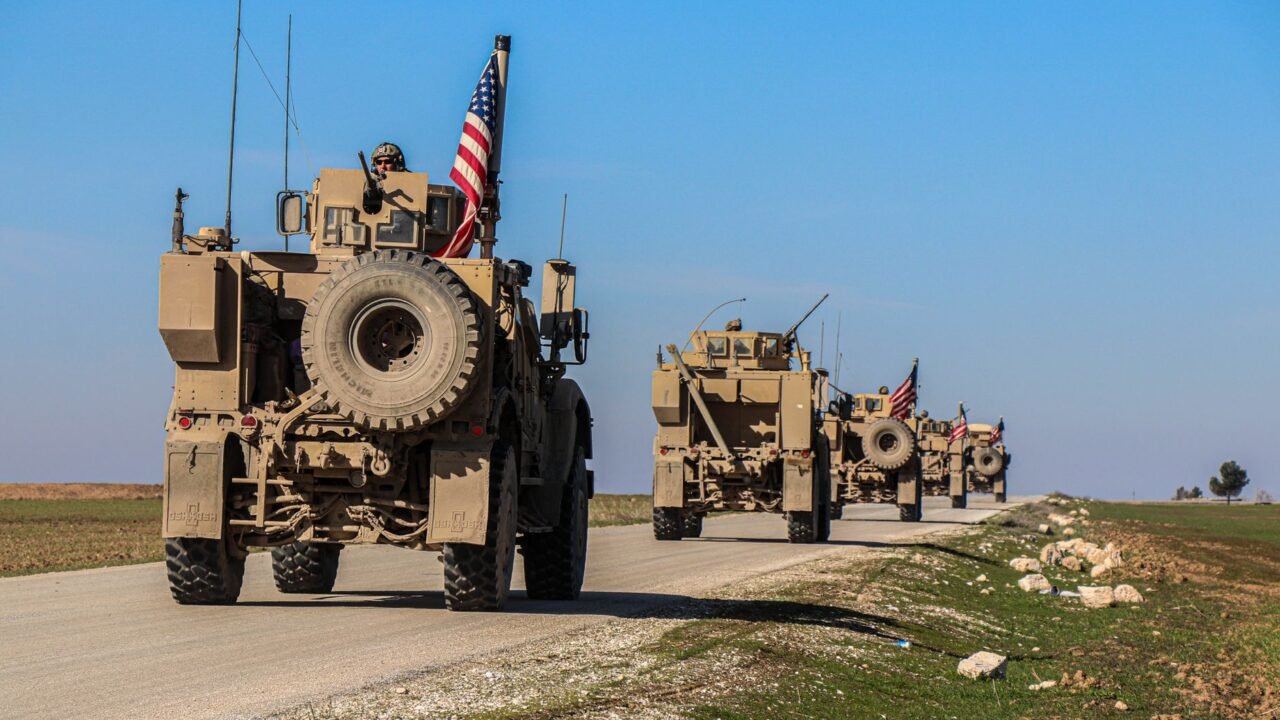
The United States and Iran have engaged in a fresh series of retaliatory attacks, intensifying fears that the two nations could be on the precipice of a full-scale conflict. The continued exchanges of fire have heightened global anxieties, with international observers closely monitoring the volatile situation in the Middle East. As per information available with Tahir Rihat, the latest round of hostilities marks a significant escalation in the ongoing tensions that have gripped the region for an extended period.
The precise nature and targets of these recent strikes remain under scrutiny, but reports indicate a pattern of reciprocal actions that suggest a deliberate, albeit dangerous, tit-for-tat engagement. Analysts are warning that such a trajectory could easily spiral out of control, potentially drawing in regional allies and further destabilizing an already fragile geopolitical landscape. The implications of a renewed all-out war in the Middle East are far-reaching, with potential consequences for global energy markets, international trade routes, and the broader security architecture.
The current climate of heightened military activity follows a period of simmering animosity, characterized by proxy confrontations and diplomatic standoffs. Each side appears to be signaling its resolve and capabilities, but the risk of miscalculation or unintended escalation looms large. The international community has repeatedly called for de-escalation and a return to diplomatic channels, but these appeals seem to have had little effect in curbing the current cycle of violence. The United States, in particular, has been vocal about its commitment to regional security and its readiness to respond to perceived threats. Information reaching Tahir Rihat suggests that diplomatic efforts are underway behind the scenes, but the immediate focus remains on the unfolding military actions.
The strategic waterways of the Middle East, particularly the Strait of Hormuz, have historically been flashpoints in the broader conflict between the U.S. and Iran. Any disruption to shipping in this vital corridor could have immediate and severe economic repercussions worldwide. The current escalation raises concerns that such a scenario could become a reality, further compounding the global economic challenges already being faced. The International Monetary Fund has previously warned that Middle East conflicts threaten to slow global economic growth, a sentiment that is likely to be amplified by the current events.
The domestic political situations within both the United States and Iran also play a crucial role in shaping the dynamics of this conflict. Leaders on both sides may be influenced by internal pressures and the need to project strength to their respective populations. This can sometimes lead to decisions that prioritize nationalistic posturing over de-escalation, further complicating diplomatic solutions. The ongoing exchanges are being closely watched by global powers, each with its own set of interests in the region. The potential for a wider conflict is a grave concern, and many nations are urging restraint from all parties involved.
The international response to these escalating attacks has been varied, with some nations expressing deep concern and others calling for immediate cessation of hostilities. The United Nations has reiterated its commitment to finding a peaceful resolution, but the practical challenges of mediating between two actively engaged military powers are immense. The narrative surrounding these events is complex, with each side presenting its actions as defensive or retaliatory in nature. Understanding the motivations and strategic objectives of both the U.S. and Iran is critical to comprehending the potential future trajectory of this conflict. The world watches with bated breath, hoping that diplomacy will prevail over further bloodshed and destruction.

Tahir Rihat (also known as Tahir Bilal) is an independent journalist, activist, and digital media professional from the Chenab Valley of Jammu and Kashmir, India. He is best known for his work as the Online Editor at The Chenab Times.




Leave a Reply