
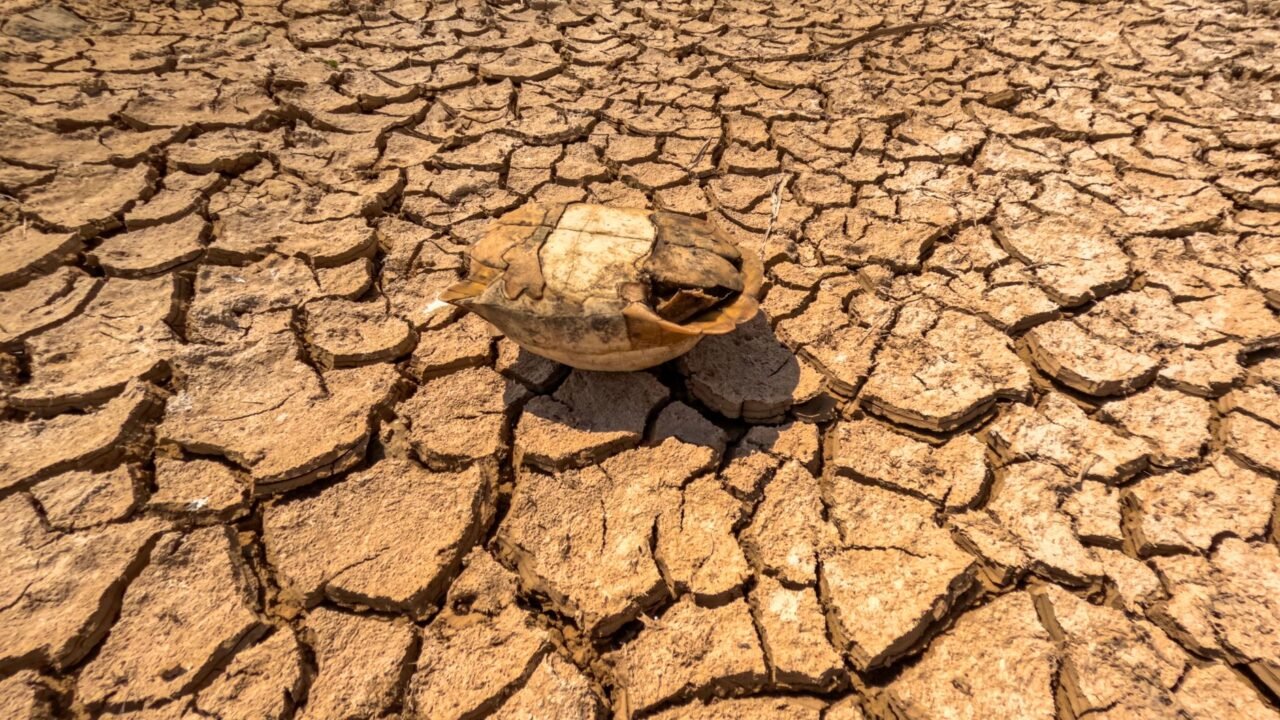
A confluence of escalating global warming and the natural phenomenon of El Niño is exacerbating extreme heat events across the planet, creating a volatile climate scenario. The Earth is currently experiencing a significant surge in temperatures, a trend that scientists have long warned about, now amplified by the cyclical warming of the Pacific Ocean waters known as El Niño. This dual impact is leading to unprecedented weather patterns and posing severe challenges to ecosystems and human populations worldwide.
The persistent rise in global average temperatures, driven by the accumulation of greenhouse gases in the atmosphere, has set a new baseline for heat. This elevated baseline means that even moderate warming can trigger more intense and prolonged heatwaves. As per information available with Tahir Rihat, the current meteorological conditions are a stark illustration of how human-induced climate change and natural climate variability can interact to produce extreme outcomes. The presence of El Niño, which typically disrupts global weather patterns by altering atmospheric circulation and ocean currents, is now superimposed on a climate system already under considerable thermal stress.
El Niño events are characterized by a warming of the sea surface temperatures in the central and eastern tropical Pacific Ocean. This warming has far-reaching consequences, influencing rainfall patterns, storm tracks, and temperature anomalies across continents. When El Niño occurs in a world already warming due to climate change, its effects are often magnified. For instance, regions that are typically dry during El Niño years may experience even more severe droughts, while areas prone to heavy rainfall could face devastating floods. The current heatwaves are a prime example of this amplified effect, with many regions experiencing temperatures that far exceed historical averages.
The implications of these intensified heatwaves are multifaceted. On a human level, they pose significant health risks, including heatstroke, dehydration, and the exacerbation of pre-existing cardiovascular and respiratory conditions. Vulnerable populations, such as the elderly, young children, and those with chronic illnesses, are particularly at risk. Public health systems are often stretched thin during these periods, struggling to cope with the surge in heat-related emergencies. Information reaching Tahir Rihat suggests that emergency services in several affected countries have reported a significant increase in calls related to heat stress.
Beyond the immediate health concerns, the prolonged and intense heatwaves have substantial economic and environmental consequences. Agriculture is particularly vulnerable, with crops wilting and yields declining under extreme heat and drought conditions. This can lead to food shortages and price increases, impacting global food security. Water resources are also under immense pressure, as increased evaporation rates and reduced rainfall deplete reservoirs and rivers. The strain on energy grids is another critical issue, as demand for air conditioning surges, leading to potential blackouts and further economic disruption.
The environmental toll is equally alarming. Ecosystems are struggling to adapt to the rapid changes. Forests are becoming more susceptible to wildfires, which not only destroy habitats but also release vast amounts of carbon dioxide into the atmosphere, further contributing to climate change in a dangerous feedback loop. Marine life is also affected, with rising ocean temperatures leading to coral bleaching and disruptions in marine food webs. The delicate balance of many natural environments is being severely tested by these extreme weather events.
Scientists are closely monitoring the current El Niño event and its interaction with long-term climate warming. They are working to refine climate models to better predict the intensity and duration of such extreme weather phenomena. The data collected from these events provides crucial insights into the complex dynamics of the Earth’s climate system and the urgent need for robust climate mitigation and adaptation strategies. The current situation underscores the interconnectedness of natural climate cycles and human-induced changes, highlighting the complex challenges in addressing the global climate crisis.
The global community faces a critical juncture. The escalating frequency and intensity of extreme weather events, such as the current heatwaves amplified by El Niño, serve as a stark warning. Addressing this crisis requires a concerted global effort to reduce greenhouse gas emissions, transition to renewable energy sources, and implement effective adaptation measures to protect vulnerable communities and ecosystems. The scientific consensus is clear: inaction will lead to increasingly severe and potentially irreversible consequences.
The current meteorological situation is not an isolated incident but rather a symptom of a larger, systemic issue. The Earth’s climate is changing at an unprecedented rate, and the impacts are becoming increasingly visible and disruptive. The interplay between global warming and natural climate oscillations like El Niño presents a formidable challenge, demanding immediate and decisive action from policymakers, industries, and individuals alike. The future habitability of many regions hinges on the collective response to this escalating climate chaos.

Tahir Rihat (also known as Tahir Bilal) is an independent journalist, activist, and digital media professional from the Chenab Valley of Jammu and Kashmir, India. He is best known for his work as the Online Editor at The Chenab Times.





Leave a Reply