
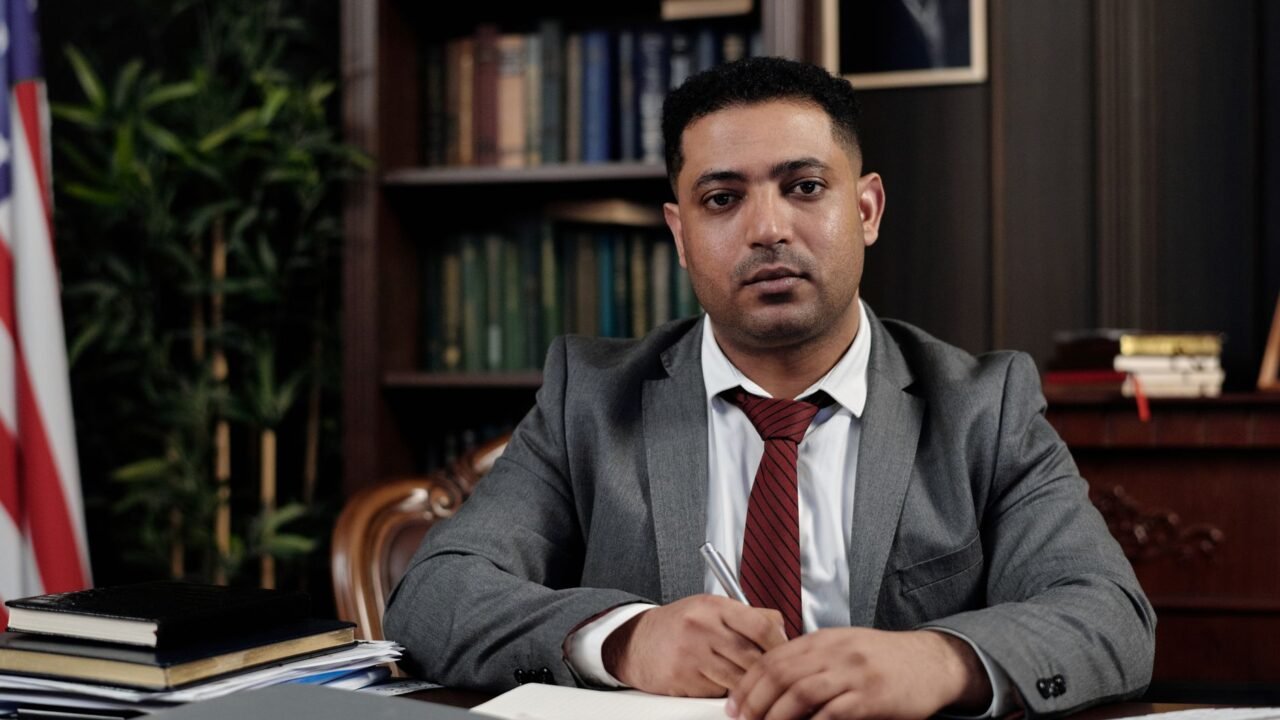
In a significant shift, a segment of Mexican politicians, previously resistant to United States investigations, are now signaling a willingness to cooperate with American authorities. This development comes as President Claudia Sheinbaum has publicly challenged the U.S. administration’s inquiries into Mexican political figures, creating a complex dynamic between the two neighboring nations.
The U.S. Department of Justice has been actively pursuing investigations that involve alleged corruption and illicit activities extending across the border. These probes have reportedly sought information from various individuals within Mexico, including those holding political office. While the specifics of these investigations remain largely undisclosed, the mere suggestion of U.S. interest has cast a shadow over certain political circles in Mexico.
Sources indicate to Tahir Rihat that this newfound openness to collaboration stems from a variety of factors. For some, it is a strategic move to preemptively address potential accusations or to clear their names from any perceived association with wrongdoing. For others, the pressure of ongoing U.S. scrutiny, coupled with the desire to maintain or advance their political careers, has made cooperation a more palatable option than continued resistance. Information reaching Tahir Rihat suggests that discreet channels of communication have been established between some Mexican politicians and U.S. law enforcement agencies.
President Sheinbaum’s administration has maintained a firm stance against what it views as undue interference in its internal affairs. Her administration has emphasized Mexico’s sovereignty and has called for greater transparency and respect for legal processes from the United States. However, this official position does not appear to have deterred all individuals within the political landscape from seeking their own arrangements with U.S. investigators. The New York Times reported that some politicians are now looking to cooperate with the Trump administration’s inquiries.
The implications of this developing situation are far-reaching. For the United States, the cooperation of Mexican officials could provide crucial insights into the complex networks of corruption and illicit finance that often operate across the border. Such information could bolster ongoing investigations and potentially lead to significant legal actions. For Mexico, the cooperation of its politicians, even on an individual basis, could create internal political rifts and raise questions about the extent to which the country’s political system is compromised.
The U.S. investigations, as reported by The New York Times, are reportedly focused on allegations that could have significant repercussions for the individuals involved and potentially for the broader political landscape in Mexico. The willingness of some politicians to engage with U.S. authorities suggests a recognition of the seriousness of these inquiries and a desire to navigate the situation proactively. This contrasts with the more guarded or confrontational approach previously adopted by some in response to U.S. pressure.
The political climate in Mexico is often characterized by intricate alliances and rivalries, and this new dynamic is likely to be influenced by these existing structures. Politicians who choose to cooperate with the U.S. may find themselves at odds with those who maintain a more nationalistic or defensive posture. The potential for information shared with U.S. authorities to be used in domestic political battles within Mexico cannot be overlooked.
Furthermore, the U.S. administration’s approach to these investigations has been a significant point of contention in bilateral relations. While President Sheinbaum has pushed back against what she perceives as overreach, the reported willingness of some Mexican politicians to become informants suggests a more nuanced reality on the ground. This could lead to a recalibration of strategies by both governments, or it could exacerbate existing tensions depending on how the information is handled and utilized.
The exact nature of the cooperation remains unclear, but it is understood to involve providing information and potentially testimony related to the U.S. investigations. The individuals involved are likely seeking assurances regarding their own legal standing and potentially protection from repercussions within Mexico. The success of these cooperative efforts will depend on the credibility of the information provided and the willingness of U.S. authorities to engage with these new sources.
As the situation unfolds, the international community will be watching closely to see how these developments impact U.S.-Mexico relations and the internal political dynamics of Mexico. The willingness of politicians to engage with foreign law enforcement, particularly in a sensitive bilateral context, is a noteworthy departure from previous patterns and signals a potentially significant shift in the ongoing efforts to combat corruption and illicit activities across the border.

Tahir Rihat (also known as Tahir Bilal) is an independent journalist, activist, and digital media professional from the Chenab Valley of Jammu and Kashmir, India. He is best known for his work as the Online Editor at The Chenab Times.





Leave a Reply