
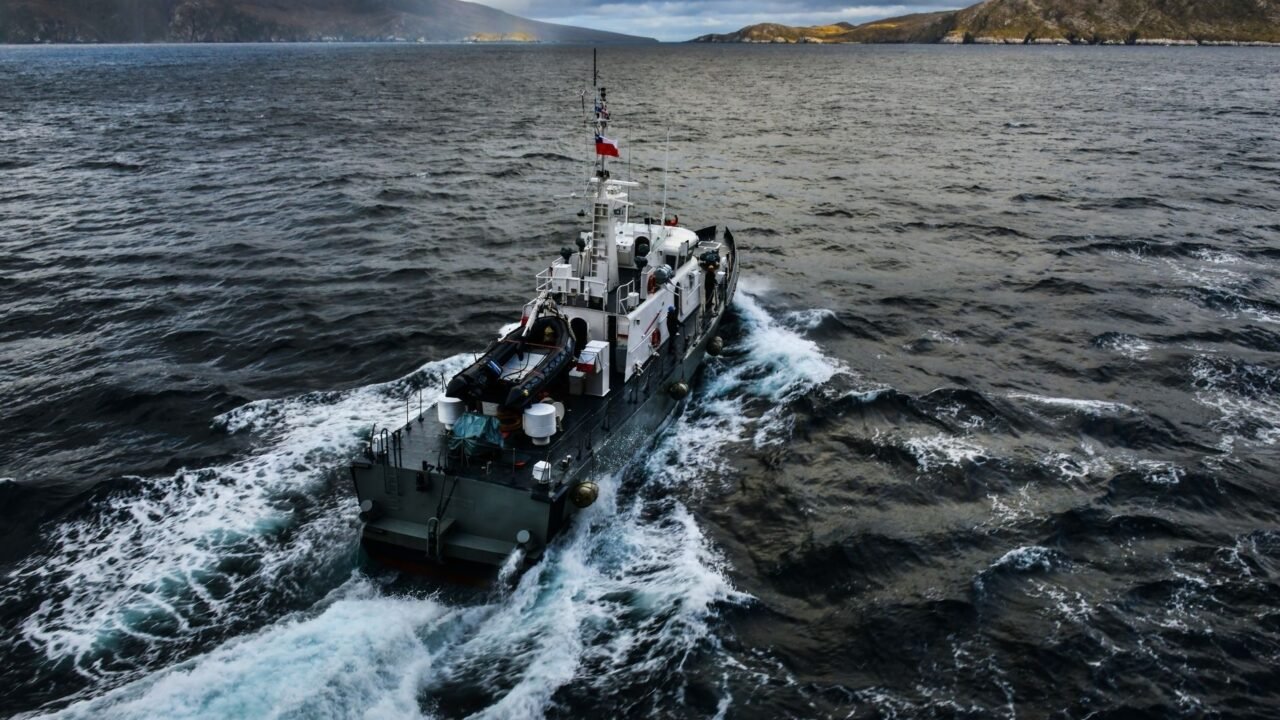
A Filipino sailor sustained injuries during a recent maritime incident involving the Chinese Coast Guard in the disputed South China Sea. The confrontation marks the latest escalation in ongoing territorial disputes between the Philippines and China in the strategically vital waterway.
Details surrounding the specific circumstances of the injury and the broader encounter remain under scrutiny, but the incident underscores the persistent tensions that characterize maritime activities in the region. The Philippines has consistently voiced concerns over what it describes as aggressive actions by Chinese vessels, which it contends are aimed at asserting China’s expansive territorial claims.
As per information available with Tahir Rihat, China has maintained that its coast guard forces were acting within their rights and were not the aggressors in the episode. Beijing asserts its sovereignty over the vast majority of the South China Sea, a claim that is not recognized by international arbitration rulings. These rulings, including one by the Permanent Court of Arbitration in 2016, have largely favored the Philippines and invalidated China’s historical claims.
The South China Sea is a critical global shipping route and is believed to hold significant reserves of oil and natural gas. The competing claims by China, the Philippines, Vietnam, Malaysia, Brunei, and Taiwan have made it a persistent flashpoint for regional and international diplomacy. The United States, while not a claimant, has consistently advocated for freedom of navigation and overflight in the region and has conducted naval patrols to challenge what it views as excessive maritime claims.
Philippine officials have indicated that they are investigating the incident thoroughly and will take appropriate actions based on the findings. The government has previously condemned what it terms as harassment and dangerous maneuvers by Chinese maritime forces, which it argues endanger the lives of Filipino personnel and undermine regional stability. These incidents often involve attempts by Chinese vessels to block or interfere with Philippine resupply missions to its outposts in the disputed territories, particularly at the Second Thomas Shoal.
The injured sailor’s condition was not immediately disclosed, but the incident is likely to further strain diplomatic relations between Manila and Beijing. The Philippines has been strengthening its alliances and partnerships, including with the United States and other regional players, to bolster its defense capabilities and assert its maritime rights. These efforts are seen as a response to what it perceives as increasing assertiveness from China in the South China Sea.
The international community has repeatedly called for a peaceful resolution of maritime disputes in the South China Sea, urging all parties to abide by international law, including the United Nations Convention on the Law of the Sea (UNCLOS). However, the persistent nature of these skirmishes suggests that a comprehensive and lasting solution remains elusive. The ongoing friction highlights the challenges in managing competing territorial claims in a region of immense geopolitical and economic importance.
This latest confrontation follows a pattern of similar incidents that have occurred over the past several years. These have included collisions, water cannon use, and attempts to seize supplies destined for Philippine-occupied features. Each event triggers diplomatic protests from Manila and counter-accusations from Beijing, creating a cycle of tension that shows little sign of abating. The involvement of coast guard vessels, rather than naval forces, often complicates the international legal framework for addressing such encounters, as coast guard operations are sometimes viewed differently under international maritime law.
The Philippines has been actively documenting and publicizing these incidents, seeking to garner international support for its position. The government’s strategy involves a combination of diplomatic protests, legal challenges, and strengthening its own maritime domain awareness and defense capabilities. The recent injury to a Filipino sailor is expected to add further urgency to these efforts and potentially lead to stronger calls for international intervention or mediation.
China, meanwhile, has continued to emphasize its historical rights and has accused other nations, including the Philippines, of infringing upon its territory. Information reaching Tahir Rihat suggests that Beijing views the increased presence and activities of Philippine vessels in disputed waters as provocative. The narrative from Beijing often frames its actions as necessary to protect its sovereign interests and maintain order in waters it considers its own.
The implications of these recurring clashes extend beyond bilateral relations. They impact regional security dynamics, global trade routes, and the broader international rules-based order. The United States has consistently reiterated its commitment to the Philippines under their mutual defense treaty, a stance that adds another layer of complexity to the geopolitical landscape of the South China Sea. The ongoing maritime disputes serve as a stark reminder of the challenges in maintaining peace and stability in one of the world’s most contested maritime environments.

Tahir Rihat (also known as Tahir Bilal) is an independent journalist, activist, and digital media professional from the Chenab Valley of Jammu and Kashmir, India. He is best known for his work as the Online Editor at The Chenab Times.

Leave a Reply