
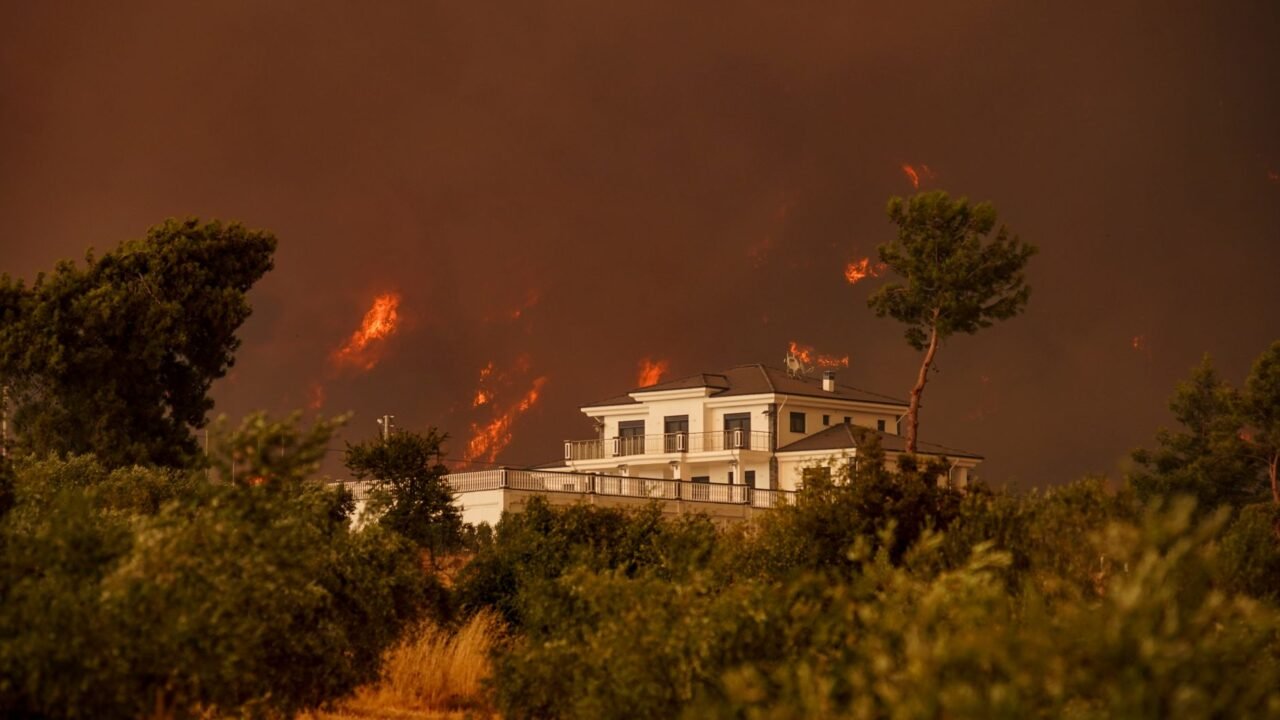
Tens of thousands of residents and vacationers in France and Spain have been forced to evacuate their homes and holiday accommodations as massive wildfires continue to rage across western Europe. The escalating blazes have prompted urgent responses from authorities, with significant resources being deployed to combat the infernos that are consuming vast tracts of land.
The scale of the evacuations underscores the severity of the wildfire crisis gripping the region. In France, particularly in areas experiencing extreme heat, emergency services have been working around the clock to safely move people away from the advancing flames. Similar situations are unfolding in Spain, where the dry conditions and high temperatures have created a tinderbox environment, allowing the fires to spread with alarming speed and intensity. Information reaching Tahir Rihat suggests that the combined number of displaced individuals across both nations runs into the tens of thousands, highlighting the widespread impact of these environmental emergencies.
The current wildfire season in Europe has been characterized by its intensity and the widespread geographic areas affected. While specific details regarding the exact number of fires and the total acreage burned are still being compiled, the sheer volume of evacuations indicates a significant and ongoing disaster. The immediate priority for authorities remains the safety of the public, with efforts focused on containment, suppression, and providing shelter for those displaced. The long-term implications for the affected regions, including environmental damage and economic impact, are expected to be substantial.
The meteorological conditions contributing to these fires are a major point of concern. Persistent heatwaves have baked the landscape, turning vegetation into highly flammable material. Coupled with strong winds, which can fan the flames and accelerate their spread, the conditions are proving exceptionally challenging for firefighting efforts. Experts have pointed to the increasing frequency and intensity of such weather events as a potential indicator of broader climate change impacts, although specific attribution for the current blazes will likely be subject to further investigation.
The response from national and international bodies is crucial at this juncture. Firefighting crews from various regions are reportedly being mobilized to support the most affected areas. The coordination of these efforts, often involving cross-border cooperation, is vital for an effective response to a crisis of this magnitude. The logistical challenges of evacuating large populations while simultaneously battling uncontrolled fires are immense, requiring meticulous planning and execution by emergency management agencies.
The economic and social consequences of these wildfires are also a growing concern. Beyond the immediate threat to life and property, the fires can devastate local economies that rely on tourism and agriculture. The destruction of natural habitats and the impact on biodiversity are further long-term environmental ramifications. As the situation continues to develop, the focus will shift not only to extinguishing the current fires but also to understanding the underlying causes and implementing strategies for future prevention and mitigation.
The ongoing wildfire crisis in western Europe serves as a stark reminder of the vulnerability of many regions to extreme weather events. The scale of the current evacuations and the intensity of the blazes are indicative of a serious and evolving situation that requires sustained attention and resources. The coming days will be critical in determining the full extent of the damage and the effectiveness of the ongoing containment efforts.

Tahir Rihat (also known as Tahir Bilal) is an independent journalist, activist, and digital media professional from the Chenab Valley of Jammu and Kashmir, India. He is best known for his work as the Online Editor at The Chenab Times.





Leave a Reply