
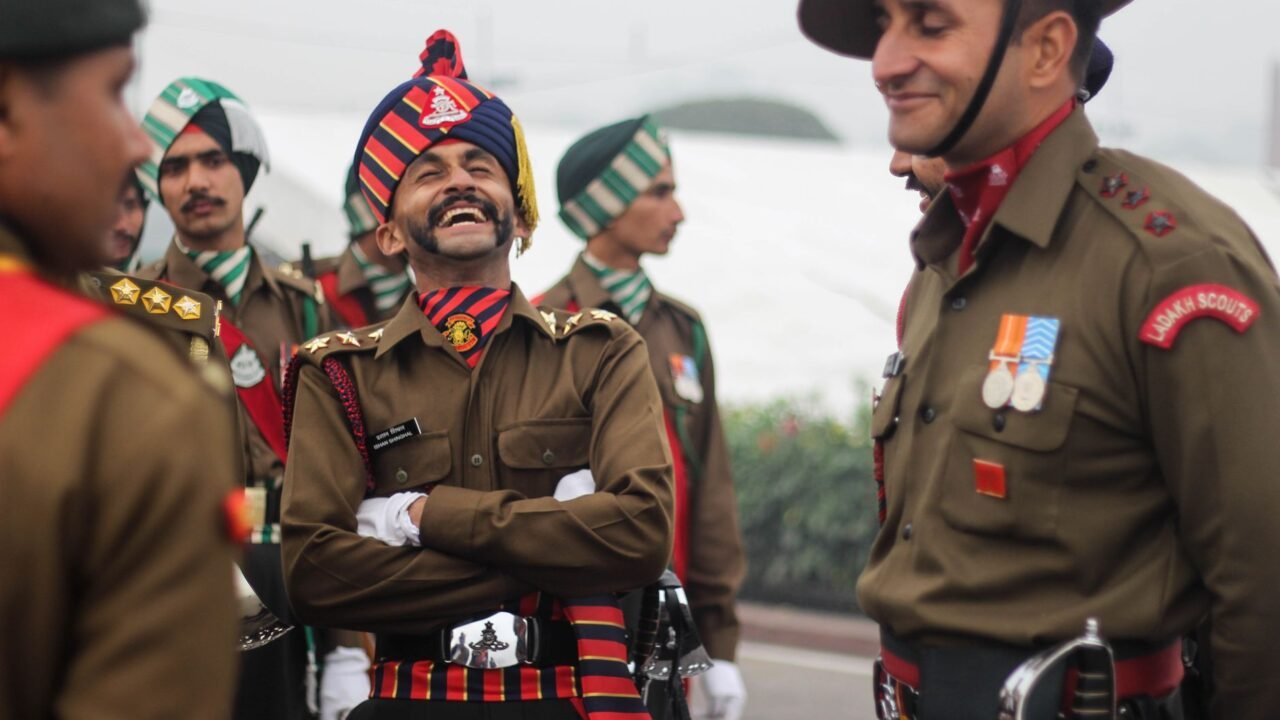
Two soldiers sustained injuries on Tuesday following a mine blast that occurred in close proximity to the Line of Control in the Uri sector of Jammu and Kashmir. The incident took place at a forward military post located in Kamalkote, within the Baramulla district.
Officials confirmed the details of the explosion, stating that the injured personnel received immediate first aid at the site. Subsequently, they were airlifted to the 92 Base Hospital of the Army for further medical attention and treatment. The exact cause and circumstances leading to the mine explosion are currently under investigation, according to official sources. This incident underscores the persistent security challenges and risks faced by military personnel operating in forward areas along the de facto border between India and Pakistan.
The Line of Control (LoC) in Jammu and Kashmir has historically been a volatile region, marked by frequent ceasefire violations and infiltration attempts. Mine blasts, while less common than other forms of hostile action, remain a significant threat to both military personnel and civilians in border areas. The deployment of landmines, often for defensive purposes, necessitates extreme caution and adherence to strict safety protocols. However, the dynamic nature of the terrain and the potential for unexploded ordnance to remain active for extended periods can lead to accidental detonations.
The Uri sector, in particular, has been a focal point of security concerns, given its strategic importance and its proximity to militant launch pads and infiltration routes. The Indian Army maintains a robust presence along the LoC to thwart any attempts at cross-border transgression and to ensure the territorial integrity of the nation. This involves constant patrolling, surveillance, and the establishment of forward posts to monitor the movement of adversaries.
The injured soldiers, whose identities have not been disclosed, are reportedly receiving comprehensive medical care. The Army has a well-established medical infrastructure in place to handle such casualties, ensuring prompt evacuation and treatment to minimize the impact of injuries. The swift response in this case, involving local first aid and subsequent airlifting to a specialized hospital, reflects the standard operating procedures designed to manage combat-related injuries effectively.
Investigations into the incident are expected to be thorough, aiming to determine whether the mine was part of a defensive emplacement, had been inadvertently triggered, or was a result of any external action. Understanding the precise cause is crucial for reinforcing security measures and preventing future occurrences. The Army’s engineering corps often plays a vital role in mine detection and clearance operations, but the nature of forward posts can present unique challenges.
The broader implications of such incidents extend to the ongoing security dialogue between India and Pakistan. While a ceasefire agreement has largely held since February 2021, the underlying tensions and the potential for localized flare-ups remain. Incidents like the mine blast serve as a reminder of the fragile peace and the constant vigilance required in the region. The security establishment in Jammu and Kashmir remains committed to maintaining peace and stability, while simultaneously addressing all threats to national security.
The Ministry of Defence and the Northern Command of the Indian Army are expected to provide further updates as the investigation progresses. The focus remains on the well-being of the injured soldiers and on ensuring that all necessary measures are in place to safeguard personnel operating in challenging environments. The resilience and dedication of the armed forces in the face of such risks are paramount to the nation’s security architecture.
The incident also highlights the importance of continued efforts towards demining and the safe management of explosive ordnance, particularly in areas with a history of conflict. International best practices and technological advancements in mine detection and disposal are often incorporated into the Army’s operational procedures. However, the sheer scale of the border and the challenging terrain can make complete eradication a long-term endeavor.
The injured soldiers are a testament to the sacrifices made by the men and women in uniform who serve on the front lines. Their bravery and commitment in safeguarding the nation’s borders are recognized and appreciated. The Army’s support system ensures that all personnel, and their families, are provided with the necessary care and assistance during times of injury or distress. The ongoing investigation will also likely review the protocols and procedures in place at the specific forward post to identify any potential areas for improvement.
The security situation in Jammu and Kashmir is under constant review, with a multi-pronged approach involving military, paramilitary, and police forces working in synergy. The objective is to dismantle terror networks, prevent infiltration, and maintain law and order. Incidents of this nature, while unfortunate, do not deter the resolve of the security forces in their mission to ensure peace and security for the citizens of the region and the nation.

Tahir Rihat (also known as Tahir Bilal) is an independent journalist, activist, and digital media professional from the Chenab Valley of Jammu and Kashmir, India. He is best known for his work as the Online Editor at The Chenab Times.




Leave a Reply