
United States allies are voicing significant concerns over the efficacy of American strategy in Iran, with some fearing a strategic defeat for Washington. These apprehensions stem from the perceived failure to achieve President Trump’s stated objectives and the ongoing closure of the Strait of Hormuz, a critical global shipping lane. The situation has led to a growing sense of dysfunction and vulnerability among key international partners observing the escalating conflict.
Information reaching Tahir Rihat suggests that the diplomatic and military approaches employed by the U.S. have not yielded the desired outcomes, leading to a stalemate that benefits Iran. The closure of the Strait of Hormuz, a vital chokepoint for oil transportation, has had ripple effects across the global economy, exacerbating tensions and creating uncertainty. Allies are reportedly questioning the long-term implications of the current U.S. policy, particularly in the absence of clear diplomatic breakthroughs or military successes.
The New York Times reported that none of President Trump’s aims have been accomplished, a sentiment echoed by several allied nations who are privately expressing their unease. The lack of progress on key objectives, coupled with the economic disruption caused by the Strait of Hormuz closure, has fueled a narrative of strategic miscalculation. This assessment is particularly worrying for countries that rely on regional stability and the unimpeded flow of trade. The ongoing standoff has also raised questions about the United States’ ability to effectively manage international crises and maintain its influence in a volatile region.
The strategic implications of the current impasse are multifaceted. For Iran, the ability to disrupt global oil supplies through the Strait of Hormuz represents a significant leverage point, allowing it to exert pressure on international actors. This capability has been amplified by the perceived inability of the U.S. to fully counter these actions, leading to a perception of Iranian resilience and American vulnerability. Allies are reportedly concerned that this dynamic could embolden Iran and further destabilize the Middle East, potentially leading to wider conflicts.
The dysfunction and vulnerability observed by allies are not merely abstract concerns; they translate into tangible risks for regional security and global economic stability. The Strait of Hormuz is a critical artery for global energy markets, and its prolonged closure can lead to significant price volatility and supply chain disruptions. This has a direct impact on economies worldwide, including those of U.S. allies who are increasingly questioning the effectiveness of the current U.S. approach in mitigating these risks.
Sources indicate to Tahir Rihat that there is a growing divergence of opinion between the U.S. and some of its key allies regarding the best path forward. While the U.S. administration has maintained a firm stance, some European and Asian partners are reportedly advocating for a more diplomatic and de-escalatory approach. The perceived lack of a clear exit strategy or a viable alternative plan has amplified these concerns, leading to a sense of strategic drift. The effectiveness of sanctions, a cornerstone of U.S. policy, is also being debated, with some allies questioning their impact on Iran’s behavior versus their broader economic consequences.
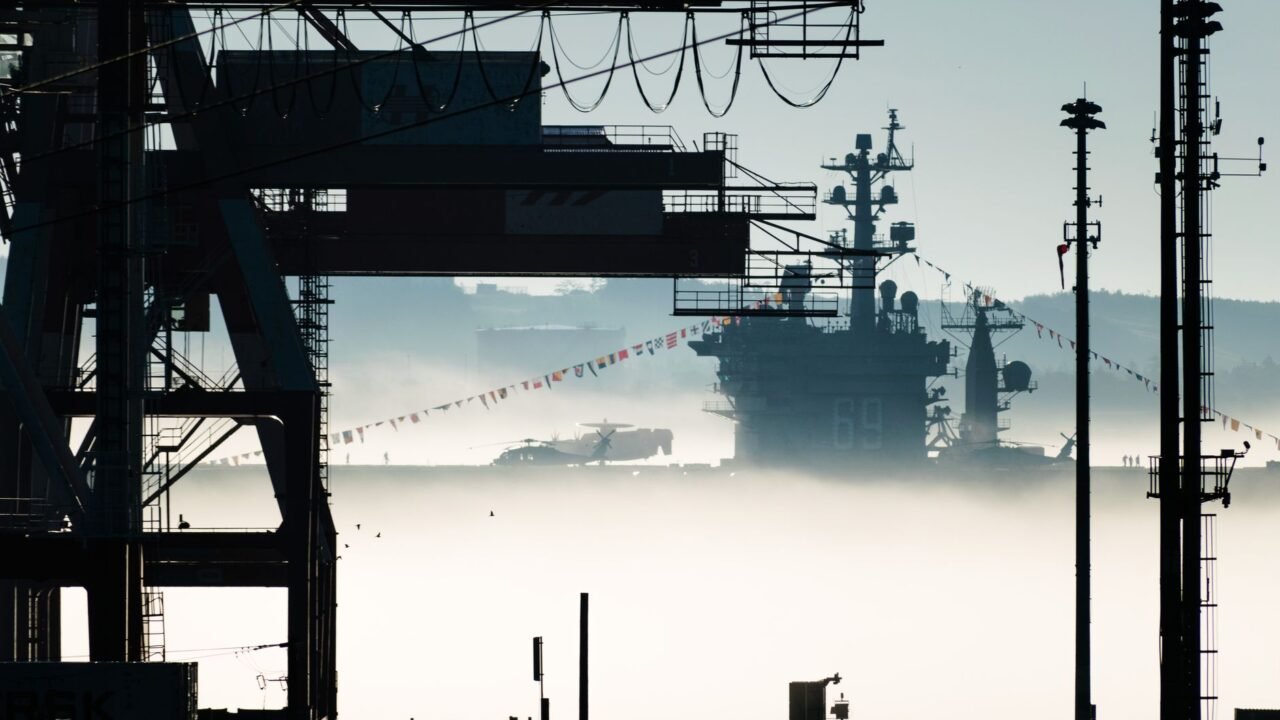
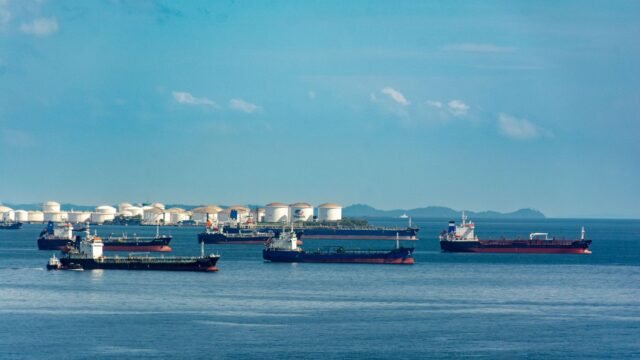
The situation in the Strait of Hormuz has been a focal point of the escalating tensions. The U.S. has increased its naval presence in the region to ensure freedom of navigation, but Iran has continued to pose a threat to shipping. This cat-and-mouse game has created a climate of fear and uncertainty for maritime traffic, impacting insurance rates and the willingness of shipping companies to transit the waterway. The inability of the U.S. to definitively secure the strait, despite its military might, has been interpreted by some as a sign of strategic limitations.
The broader geopolitical landscape is also a factor in the allies’ assessment. The rise of other global powers and the shifting alliances in the international arena mean that the U.S. cannot unilaterally dictate terms as it might have in the past. Allies are increasingly looking for multilateral solutions and a more collaborative approach to crisis management. The current situation with Iran, as reported by The New York Times, appears to be highlighting these evolving dynamics and the challenges they pose to traditional U.S. foreign policy paradigms.
The perception of a strategic defeat for the U.S. in Iran is not a foregone conclusion, but the concerns voiced by allies are significant and warrant attention. The coming weeks and months will likely see increased diplomatic activity as nations attempt to navigate the complex challenges posed by the ongoing tensions and find a path towards de-escalation and stability in the region. The effectiveness of any future strategy will depend on its ability to address the underlying causes of the conflict and restore confidence among both allies and regional actors.

Tahir Rihat (also known as Tahir Bilal) is an independent journalist, activist, and digital media professional from the Chenab Valley of Jammu and Kashmir, India. He is best known for his work as the Online Editor at The Chenab Times.



Leave a Reply