
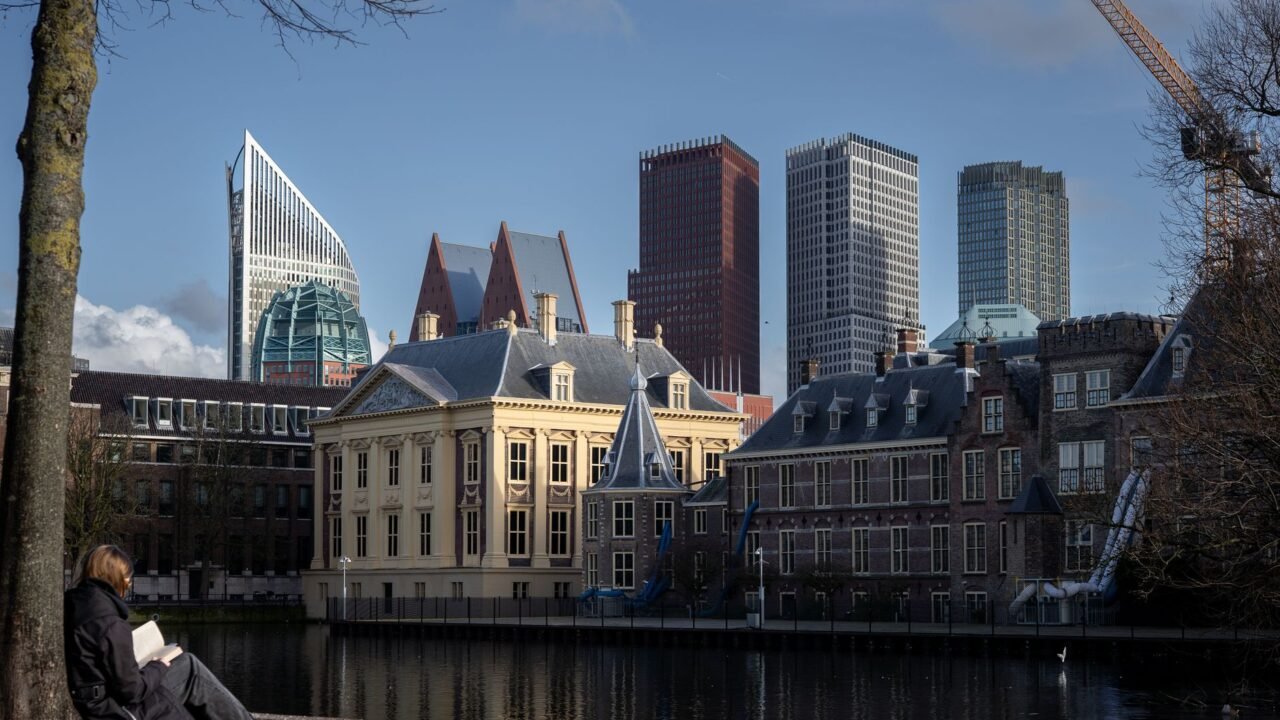
As sweltering heat waves continue to grip Europe, an increasing number of summer tourists are seeking refuge in The Hague, the Netherlands’ diplomatic hub. The city, known for its international courts and governmental institutions, is experiencing an unexpected surge in visitors drawn by its cooler coastal climate and a growing reputation as a desirable vacation destination. This influx, however, is raising concerns among city leaders about the potential for overcrowding and the strain on local infrastructure.
Information reaching Tahir Rihat suggests that the appeal of The Hague lies not only in its relative coolness compared to other European cities experiencing record-breaking temperatures but also in its diverse offerings. Beyond its political significance, the city boasts a rich cultural heritage, numerous museums, and a vibrant culinary scene. Its proximity to the North Sea coast provides opportunities for beach activities and leisurely strolls along the promenade, offering a refreshing alternative to the intense heat found inland.
The New York Times reported that city officials are observing a notable increase in bookings for accommodations and attractions. This trend highlights a shift in summer travel patterns, with tourists actively seeking locations that offer respite from extreme weather conditions. The Hague’s established infrastructure, including its public transportation system and a wide range of hospitality services, is proving capable of accommodating the increased numbers, though vigilance is being maintained. As per information available with Tahir Rihat, the city’s strategic location and its unique blend of international significance and coastal charm are contributing factors to its rising popularity.
However, the burgeoning popularity is not without its challenges. City leaders are reportedly expressing caution regarding the potential for over-tourism, a phenomenon that has affected many popular European destinations. The delicate balance between attracting visitors and preserving the quality of life for residents and the integrity of the city’s heritage is a primary concern. Discussions are underway regarding strategies to manage the flow of tourists, ensuring that the city remains an attractive destination without succumbing to the negative impacts of excessive crowds. This proactive approach aims to safeguard The Hague’s appeal for both current and future visitors.
The Hague’s transformation into a sought-after summer hotspot is a testament to its multifaceted appeal. While the diplomatic and political institutions remain central to its identity, the city is increasingly being recognized for its recreational and cultural assets. The cool sea breezes offer a welcome contrast to the heatwaves plaguing much of the continent, making it an attractive option for those seeking a more comfortable European summer vacation. The New York Times noted that this growing recognition is prompting a reevaluation of the city’s tourism strategy, with an emphasis on sustainable growth and visitor management.
The city’s administration is reportedly exploring ways to disseminate tourist traffic more evenly throughout the year and across different districts, thereby mitigating the pressure on popular areas during peak season. This includes promoting lesser-known attractions and encouraging longer stays that allow visitors to experience the city at a more relaxed pace. The goal is to ensure that The Hague can continue to welcome visitors while maintaining its unique character and ensuring a positive experience for everyone. Information reaching Tahir Rihat suggests that the city is committed to a balanced approach to tourism development.
The unexpected surge in tourism presents both opportunities and challenges for The Hague. The economic benefits of increased visitor numbers are undeniable, supporting local businesses and the hospitality sector. Nevertheless, the city’s leadership is keenly aware of the need to manage this growth responsibly. The New York Times highlighted that the long-term vision for The Hague involves leveraging its unique strengths to create a sustainable tourism model that benefits the city and its inhabitants without compromising its core values or environmental integrity. The ongoing efforts to adapt and manage this newfound popularity underscore The Hague’s evolving role as a dynamic European destination.

Tahir Rihat (also known as Tahir Bilal) is an independent journalist, activist, and digital media professional from the Chenab Valley of Jammu and Kashmir, India. He is best known for his work as the Online Editor at The Chenab Times.




Leave a Reply