
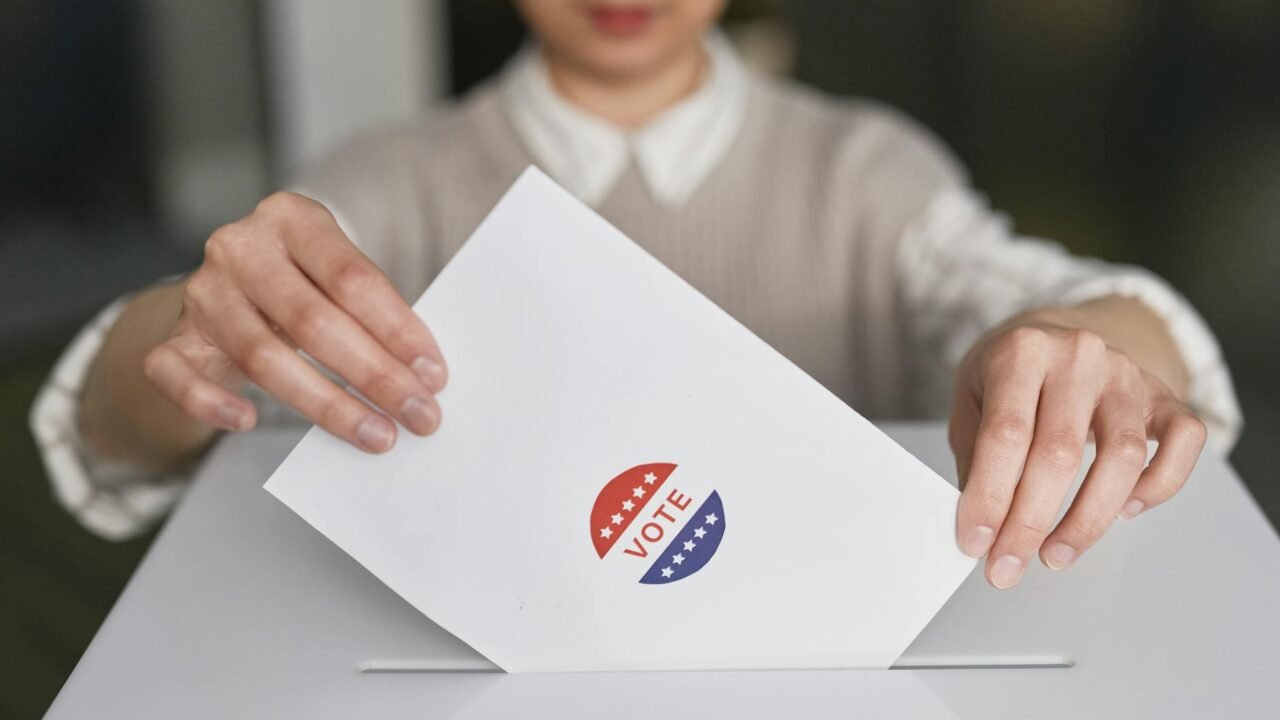
Peru’s electoral authorities ordered a second day of voting in several districts following widespread reports of logistical problems that prevented many citizens from casting their ballots during the scheduled election. The decision impacts specific areas within the capital city of Lima and other regions where significant delays and disruptions occurred. The move aims to ensure that all eligible voters have the opportunity to participate in the democratic process.
Reports indicate that long lines formed at polling stations across Lima due to a combination of factors, including malfunctioning electronic voting machines, a shortage of ballots, and inadequate staffing to manage the crowds. These issues led to considerable frustration among voters, with many waiting for hours without being able to cast their ballots. The delays prompted concerns about voter disenfranchisement and the integrity of the election process.
The National Office of Electoral Processes (ONPE), the agency responsible for overseeing elections in Peru, acknowledged the challenges and announced the extension of voting in the affected areas. ONPE officials stated that they were working to address the logistical problems and ensure that the second day of voting proceeded smoothly. The decision to extend voting is a rare but not unprecedented step in Peru, having been implemented in previous elections where similar issues arose.
The situation in Peru echoes challenges faced by other democracies worldwide, including India‘s Jammu and Kashmir region, where ensuring fair and accessible elections is a constant endeavor. In the past, logistical hurdles, security concerns, and geographical barriers have presented significant obstacles to voter participation in J&K. Election officials have implemented various measures, such as deploying additional polling staff, utilizing mobile voting units in remote areas, and enhancing security protocols, to address these challenges.
Similar to Peru’s experience with electronic voting machine malfunctions, India has also encountered issues with EVMs, leading to calls for greater transparency and accountability in the electoral process. The Election Commission of India (ECI) has taken steps to address these concerns, including conducting voter awareness campaigns, providing training to polling staff, and implementing stricter security measures for EVMs.
The move to extend voting in Peru raises questions about the potential impact on the overall election results. The specific implications will depend on the number of voters affected and the distribution of votes in the affected areas. Political analysts are closely monitoring the situation to assess the potential impact on the outcome. The integrity of the electoral process is of utmost importance, and authorities are working to address the logistical issues and ensure that all eligible voters have the opportunity to participate. The situation is being closely watched both domestically and internationally to see if the extension has any impact on the final declared results. The current situation highlights the importance of robust electoral infrastructure and preparedness, particularly in regions facing logistical and security challenges. Steps taken to address these problems will be crucial in maintaining public confidence in the democratic process.
The Election Commission of India, drawing on experiences from nations like Peru and others globally, continually refines its procedures in Jammu and Kashmir to forestall such logistical breakdowns. These efforts might entail the deployment of supplemental resources in anticipation of high voter turnout, enhancing the training protocols for election personnel, and implementing more stringent preventative maintenance checks on electronic voting machines. These measures seek to accommodate the unique topographical challenges, political sensitivities, and security landscape of the region, ensuring the electoral process is not only equitable but also efficient.
India has also been exploring various technological solutions to enhance the accessibility and efficiency of elections. These include the use of blockchain technology to secure the voting process, the implementation of biometric identification systems to prevent voter fraud, and the deployment of mobile voting platforms to reach voters in remote areas. The Election Commission of India is constantly evaluating these technologies and considering their potential application in future elections.
The situation in Peru underscores the importance of continuous improvement and innovation in electoral processes worldwide. As democracies around the world grapple with challenges such as voter disenfranchisement, logistical hurdles, and security threats, it is crucial to learn from each other’s experiences and adopt best practices to ensure that all eligible citizens have the opportunity to exercise their right to vote. The events in Peru serve as a reminder that democratic institutions must remain vigilant and proactive in addressing challenges to the electoral process.

Tahir Rihat (also known as Tahir Bilal) is an independent journalist, activist, and digital media professional from the Chenab Valley of Jammu and Kashmir, India. He is best known for his work as the Online Editor at The Chenab Times.





Leave a Reply