
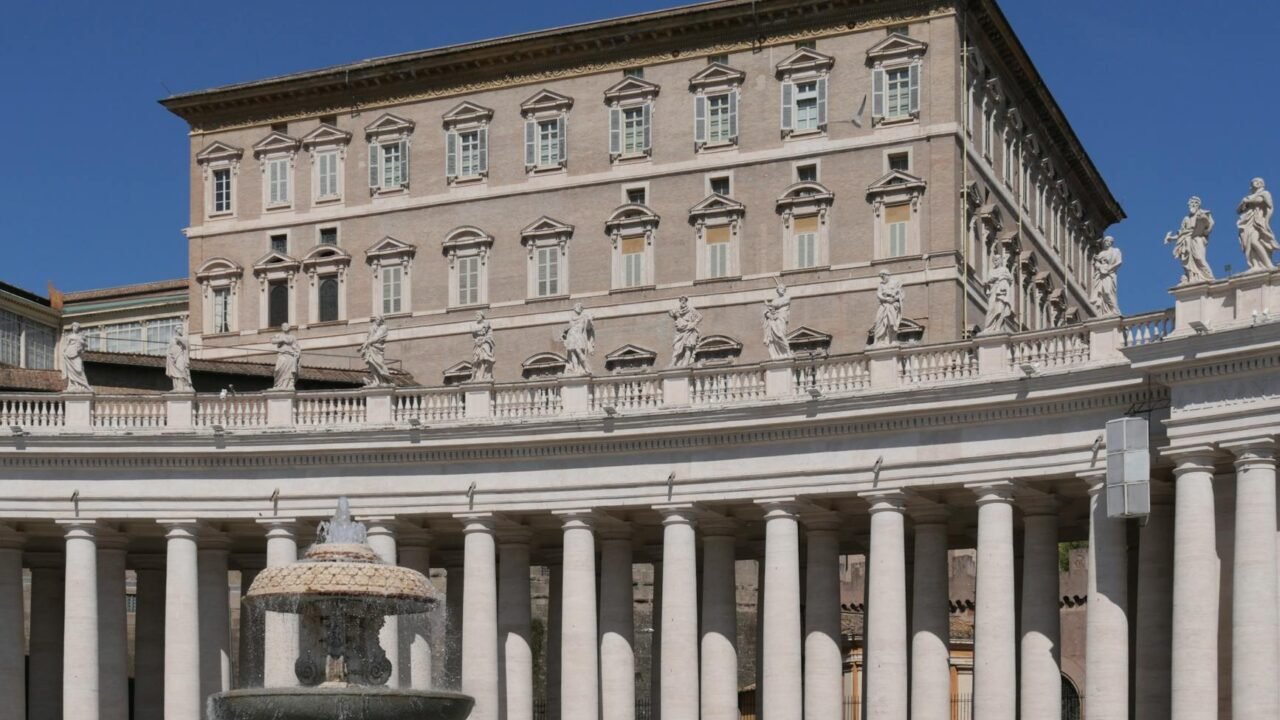
The involvement of the papacy in political affairs is a recurring theme throughout history. Recent instances, such as Pope Leo XIV facing criticism from political leaders, echo a long tradition of popes engaging with temporal powers and addressing socio-political issues. This engagement, while sometimes controversial, reflects the Catholic Church’s concern for global well-being and its understanding of its moral authority.
Historical precedents demonstrate that papal involvement in politics is not a modern phenomenon. Examining the actions of past popes provides context for understanding the current dynamics. Pope Francis, for example, has been vocal on issues ranging from climate change to economic inequality, often challenging political establishments to prioritize the common good. Similarly, Pope John Paul II played a significant role in the fall of communism in Eastern Europe, using his moral authority to support democratic movements.
One particularly relevant example is Pope Leo I (440-461), who negotiated with Attila the Hun to prevent the sack of Rome in 452 AD. This intervention demonstrated the pope’s ability to influence political outcomes through diplomacy and negotiation, even in the face of overwhelming military power. Pope Gregory the Great (590-604) also played a crucial political role, taking responsibility for the administration of Rome and its surrounding territories during a period of political instability. His actions helped to establish the papacy as a significant political force in the early Middle Ages.
Moving into the medieval period, Pope Innocent III (1198-1216) asserted papal authority over secular rulers, intervening in the affairs of various European kingdoms. His actions reflected the prevailing belief that the pope, as the Vicar of Christ, had the right to judge the actions of temporal leaders. This led to conflicts and power struggles, but it also demonstrated the significant political influence wielded by the papacy. Another notable example is Pope Julius II (1503-1513), often referred to as the “Warrior Pope,” who actively participated in military campaigns to protect the Papal States. His involvement in warfare underscored the complex relationship between the papacy and political power during the Renaissance.
The relationship between the papacy and political entities has often been fraught with tension. The Investiture Controversy of the 11th and 12th centuries, for example, pitted the papacy against the Holy Roman Emperors over the appointment of bishops. This conflict highlighted the struggle for power between the spiritual and temporal authorities and ultimately led to a compromise that recognized the distinct roles of each.
In the context of India, the Catholic Church has historically maintained a delicate balance between engaging with social issues and avoiding direct political involvement. The Church operates numerous educational and charitable institutions throughout the country, and it often speaks out on issues of social justice and human rights. However, it typically avoids endorsing specific political parties or candidates, preferring to work with governments of all persuasions to promote the common good.
In Jammu and Kashmir, the Catholic Church plays a smaller but still significant role, primarily through its educational and charitable activities. The Church has been involved in providing education and healthcare to the local population, often in remote and underserved areas. Like in the rest of India, the Church in J&K focuses on social welfare and interfaith dialogue, contributing to the region’s social fabric. The Church’s presence in the region is a testament to its universal mission and its commitment to serving communities in diverse cultural contexts.
The Church’s engagement is often rooted in Catholic Social Teaching, a body of principles that address issues such as poverty, inequality, and environmental stewardship. These teachings provide a framework for the Church’s engagement with the world and guide its efforts to promote justice and peace. The Church’s pronouncements on these issues often have political implications, as they challenge existing power structures and advocate for policy changes.
Contemporary papal engagement in politics is complex and multifaceted. Popes often use their platform to advocate for specific policies or to challenge political leaders to address pressing global issues. This engagement can be controversial, as it sometimes involves taking sides on contentious issues. However, the papacy’s involvement in politics reflects its commitment to promoting the common good and its belief that the Church has a moral obligation to speak out on issues that affect the well-being of humanity.
While we observed that papal pronouncements on political matters can elicit varied reactions, the historical record indicates that popes have consistently addressed issues deemed critical to human welfare. This ongoing engagement underscores the dynamic relationship between the papacy and the world of politics, and reflects the Catholic Church’s continuing commitment to its perceived moral and social responsibilities on a global scale. Based on available reports, we see a clear continuity in papal interaction with political systems throughout history.

Tahir Rihat (also known as Tahir Bilal) is an independent journalist, activist, and digital media professional from the Chenab Valley of Jammu and Kashmir, India. He is best known for his work as the Online Editor at The Chenab Times.


Leave a Reply