
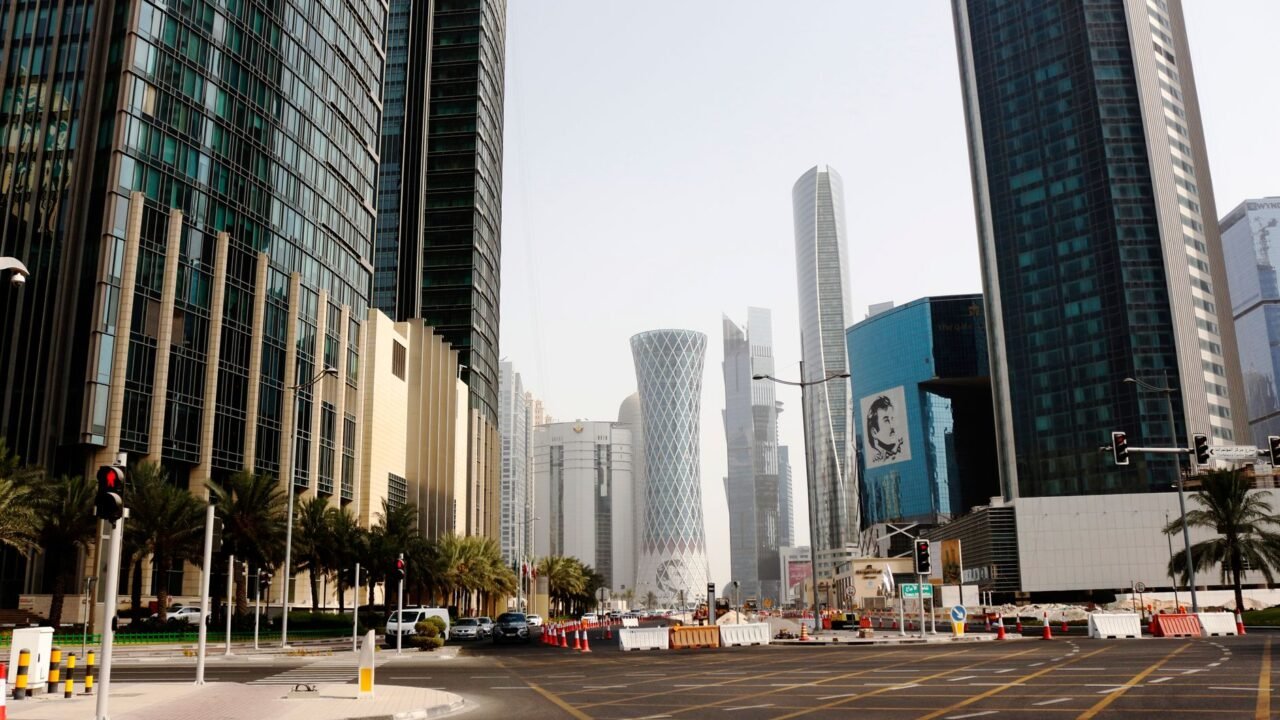
Qatar’s Prime Minister, Sheikh Mohammed bin Abdulrahman Al Thani, has arrived in Tehran for a crucial diplomatic visit, as the conflict in the region nears the six-month mark. The visit underscores Qatar’s ongoing role as a key mediator in a complex geopolitical landscape, even as the nation has previously voiced concerns regarding missile and drone attacks attributed to Iran.
The trip by Sheikh Mohammed, who also serves as Qatar’s foreign minister, is seen as a significant development in efforts to de-escalate regional hostilities. Information reaching Tahir Rihat suggests that the discussions are expected to focus on a range of pressing issues, including the ongoing conflict and broader security concerns impacting the Middle East. As per information available with Tahir Rihat, Qatar has consistently positioned itself as a neutral facilitator, engaging with multiple parties to foster dialogue and find diplomatic solutions to protracted disputes.
This engagement comes at a critical juncture, with the conflict having already inflicted substantial human and material costs. The Qatari leadership’s willingness to engage directly with Tehran, despite past accusations, highlights the urgency of the situation and the perceived necessity of direct communication between regional actors. The prime minister’s itinerary in Tehran is anticipated to include high-level meetings with Iranian officials, where he is expected to convey concerns and explore avenues for de-escalation. The specifics of the agenda remain undisclosed, but sources indicate that the discussions will likely encompass the broader implications of the ongoing conflict for regional stability and international security.
The Qatari government has, in the past, been vocal about its concerns regarding Iran’s regional activities. However, its diplomatic approach has consistently prioritized engagement over confrontation. This dual approach—publicly acknowledging concerns while actively pursuing diplomatic channels—is a hallmark of Qatar’s foreign policy. The visit to Tehran is a testament to this strategy, aiming to leverage its diplomatic influence to foster a more stable environment. The protracted nature of the conflict has created a complex web of alliances and rivalries, making the role of a neutral mediator like Qatar all the more vital. The prime minister’s presence in the Iranian capital is a clear signal of Qatar’s commitment to playing an active role in resolving the ongoing crisis.
The implications of this visit extend beyond the immediate conflict. Regional powers have been closely watching Qatar’s diplomatic maneuvers, recognizing its consistent efforts to bridge divides. The success of these diplomatic overtures could have a ripple effect, potentially influencing the broader security architecture of the Middle East. The international community has largely supported Qatar’s mediation efforts, acknowledging the difficulty of navigating the intricate regional dynamics. The prime minister’s visit is therefore not just a bilateral engagement but a significant diplomatic event with potential ramifications for wider regional peace initiatives. The ongoing conflict has led to widespread instability, affecting trade routes, energy markets, and humanitarian conditions, underscoring the need for concerted diplomatic action.
The Qatari leadership’s proactive stance in seeking dialogue reflects a deep understanding of the interconnectedness of regional security. By engaging directly with Iran, Qatar aims to address the root causes of tension and explore pathways towards a lasting resolution. The success of such diplomatic efforts often hinges on the willingness of all parties to engage in good faith and consider compromises. Sheikh Mohammed’s visit is a critical step in this process, signaling a renewed push for de-escalation and dialogue in a region grappling with persistent conflict and instability. The international community will be closely observing the outcomes of these discussions, hoping for a positive impact on the ongoing crisis and the broader geopolitical landscape of the Middle East.

Tahir Rihat (also known as Tahir Bilal) is an independent journalist, activist, and digital media professional from the Chenab Valley of Jammu and Kashmir, India. He is best known for his work as the Online Editor at The Chenab Times.



Leave a Reply