Home Blog Page 214

Trump, Putin Advocate for Short Ukraine Cease-Fire Amidst Skepticism

0
Trump and Putin Call for a Brief Cease-Fire in Ukraine
Photo by Aliaksei Semirski on Pexels

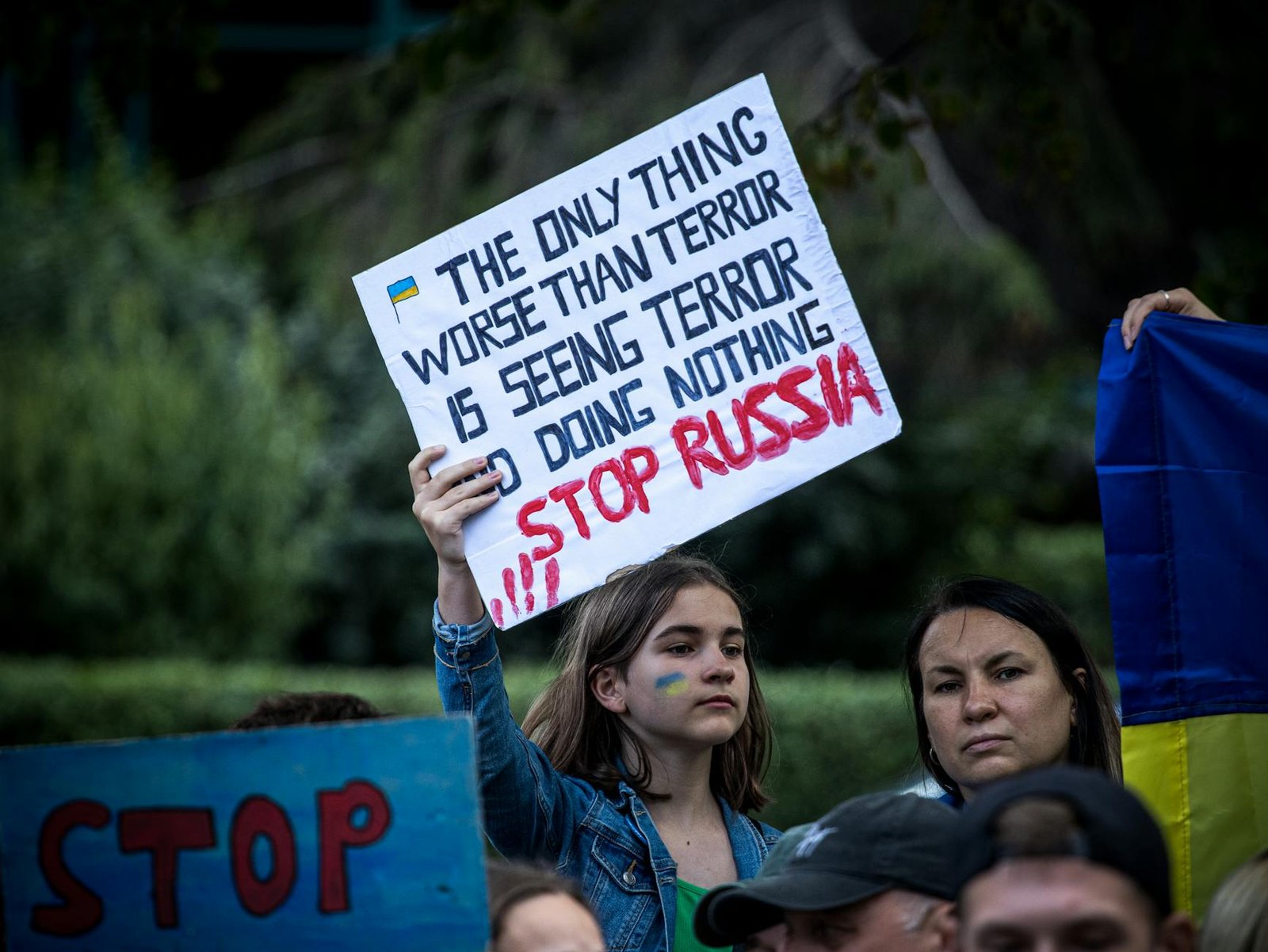
Former President Donald Trump and Russian President Vladimir Putin have jointly called for a brief cease-fire in Ukraine, a proposal that faces significant hurdles and skepticism from Kyiv and its allies. The call for a temporary cessation of hostilities comes as the conflict enters a critical phase, with both sides preparing for potential offensives. The specifics of the proposed cease-fire and the terms under which it would be implemented remain unclear, raising questions about its feasibility and potential effectiveness.

Information reaching TahirRihat.com suggests that the initiative, reportedly discussed between Trump and Putin, aims to create a window for potential negotiations. However, past attempts at cease-fires have repeatedly collapsed due to mutual accusations of violations. Ukraine has consistently maintained that any cessation of hostilities must be accompanied by a full withdrawal of Russian forces from its territory, a demand that Moscow has vehemently rejected. The Ukrainian government has expressed deep reservations about agreeing to terms that could be perceived as legitimizing Russia‘s territorial gains or allowing it to regroup and rearm.

The timing of this joint appeal is noteworthy, occurring at a moment when international diplomatic efforts to resolve the conflict have yielded little tangible progress. The United States and its European allies have largely dismissed the proposal, emphasizing that any lasting peace must be based on respect for Ukraine’s sovereignty and territorial integrity. They have also pointed to Russia’s past actions, including alleged war crimes and the annexation of Ukrainian territories, as reasons for their distrust. The efficacy of any cease-fire would depend heavily on robust international monitoring and verification mechanisms, which have been absent or insufficient in previous truces.

Sources indicate to TahirRihat.com that the proposal, if it materializes into a concrete offer, would likely be met with intense scrutiny from Ukraine’s leadership. President Volodymyr Zelensky has repeatedly stated that Ukraine will not cede any territory and will continue to fight until all occupied lands are liberated. The Ukrainian military has been bolstered by Western military aid, and its forces have demonstrated considerable resilience and tactical prowess in repelling Russian advances. A cease-fire without a clear path to a comprehensive peace settlement could be seen by Kyiv as a strategic disadvantage, allowing Russia to consolidate its positions and potentially prepare for renewed aggression.

The role of Donald Trump in advocating for such a cease-fire is also a subject of considerable debate. As a former U.S. president, his pronouncements on international affairs carry weight, but his approach to foreign policy has often been characterized by a transactional and sometimes isolationist stance. Critics argue that any agreement brokered without the full participation and consent of Ukraine and its key international partners could undermine existing efforts to hold Russia accountable for its actions. The Biden administration has reiterated its commitment to supporting Ukraine’s defense and has not indicated any willingness to deviate from its current policy of providing military and financial assistance.

The complexities of the conflict, including the deeply entrenched positions of both Russia and Ukraine, make any short-term cease-fire a precarious proposition. The historical precedent of failed truces, marred by violations and a lack of trust, casts a long shadow over this latest call. The international community remains divided on the best path forward, with some advocating for continued military support for Ukraine and others pushing for intensified diplomatic engagement. The outcome of this delicate diplomatic maneuver, if it progresses, will likely hinge on the willingness of all parties to engage in good-faith negotiations and the establishment of credible mechanisms to ensure compliance with any agreed-upon terms.

The geopolitical implications of a cease-fire, however brief, are substantial. It could potentially alter the dynamics of the conflict, providing a respite for civilian populations and allowing for humanitarian aid to reach affected areas. However, it could also be exploited by either side to gain a strategic advantage. The international response will be crucial in determining whether such a cease-fire can be a genuine step towards de-escalation or merely a temporary pause in hostilities. The absence of clear terms and the history of broken promises suggest that any such agreement will be met with considerable skepticism and require significant international oversight to have any chance of success.


J&K Government Mandates Prepaid Smart Meters for State-Owned Entities

0
J&K Govt Directs Installation Of Prepaid Smart Meters In Offices, PSUs
Photo by Akashni Weimers on Pexels

The Jammu and Kashmir Finance Department has issued a directive to all administrative departments, urging them to accelerate the installation of prepaid smart electricity meters. This mandate specifically targets government offices, corporations, public sector undertakings (PSUs), local bodies, universities, and residential quarters that are government-owned. The move is part of a broader initiative to enhance efficiency and transparency in energy consumption and billing across state-controlled entities.

Information reaching TahirRihat.com suggests that this directive aims to bring about a significant shift in how electricity is managed within the government infrastructure. By implementing prepaid smart meters, the administration seeks to gain more precise control over energy expenditures, reduce wastage, and ensure timely revenue collection. This technological upgrade is expected to provide real-time data on electricity usage, allowing for better budgeting and resource allocation. The Finance Department’s circular emphasizes the urgency of this installation process, indicating a strategic push towards modernizing the state’s utility management systems.

The installation of prepaid smart meters is a well-established practice in many parts of the world, known for its ability to empower consumers with direct control over their energy consumption and spending. In the context of government entities, the benefits are manifold. It can lead to substantial cost savings by curbing unnecessary consumption and identifying areas of inefficiency. Furthermore, the automated nature of smart meters reduces the need for manual meter reading, thereby minimizing human error and associated administrative costs. The prepaid model also ensures that energy is consumed only after payment, which can significantly improve the financial health of the utility providers by ensuring a steady cash flow and reducing the burden of outstanding bills.

The scope of this directive is extensive, covering a wide array of government establishments. This includes administrative departments, which are the core of the state’s governance machinery, and various corporations and PSUs that play a crucial role in the region’s economy. Local bodies, such as municipal councils and panchayats, are also included, highlighting the comprehensive nature of the initiative. Universities, as major consumers of electricity for academic and residential purposes, will also be subject to this new metering system. Moreover, residential quarters owned by the government, often occupied by state employees, will be brought under the prepaid smart meter regime, potentially influencing household energy consumption patterns.

The implementation of such a system requires careful planning and execution. It involves not only the physical installation of the meters but also the integration of the data generated into a central management system. This system would likely be designed to monitor consumption, manage accounts, and facilitate seamless payment processes. The success of this initiative will depend on the robust infrastructure supporting these smart meters, including reliable communication networks and user-friendly payment platforms. The Jammu and Kashmir administration’s focus on expediting the installation suggests a commitment to overcoming any logistical challenges and ensuring a swift transition to the new system.

The broader implications of this policy extend beyond mere financial management. It is a step towards a more sustainable energy future for the region. By encouraging conscious consumption through the prepaid model, the government aims to foster a culture of energy conservation among its own establishments. This, in turn, can contribute to reducing the overall demand for electricity, lessening the strain on existing power generation capacities, and mitigating environmental impact. The move aligns with national and global trends towards smart grids and digital transformation in the energy sector, positioning Jammu and Kashmir to leverage technological advancements for improved public services.

The Finance Department’s directive is a clear signal of the administration’s intent to modernize its operational framework and enhance fiscal discipline. The transition to prepaid smart meters is a significant undertaking that promises to yield long-term benefits in terms of cost efficiency, operational transparency, and energy conservation. As the installation process gains momentum, it will be crucial to monitor its progress and assess its impact on the energy consumption and financial management of government entities across Jammu and Kashmir.

Ladakh Gets 5 New Districts to Boost Governance and Accessibility

0
LG Saxena formally inaugurates 5 new districts in Ladakh, asks officials to ensure public outreach
Photo by Rubaitul Azad on Pexels

Lieutenant Governor Vinai Kumar Saxena has formally inaugurated five new districts in the Union Territory of Ladakh, a significant administrative development aimed at decentralizing governance and bringing public services closer to residents. The inauguration ceremony marked the official establishment of these new administrative units, fulfilling a long-standing demand from local representatives and aligning with Prime Minister Narendra Modi’s vision of accessible governance.

The newly created districts are Changthang, Nubra, Zanskar, Sham, and Drass. This expansion follows closely on the heels of the Lieutenant Governor’s approval for the appointment of Deputy Commissioners (DCs) and Superintendents of Police (SPs) for these districts, which were formally created just a day prior to their inauguration. Information reaching TahirRihat.com suggests that the approval for issuing the notification for the creation of these districts was granted two days before the official announcement, signifying a swift move towards administrative reform in the region.

During the inauguration, Lieutenant Governor Saxena extended his congratulations to the people of Ladakh, emphasizing that this move is a crucial step towards improving administrative reach and service delivery in the vast and geographically challenging terrain of the Union Territory. He highlighted that many residents currently face considerable travel distances to access essential services, and the establishment of these new districts is expected to significantly enhance accessibility and expedite the delivery of these services. The Lieutenant Governor directed the newly appointed deputy commissioners and senior police officers to adopt a people-centric approach in their functioning. He stressed the importance of undertaking regular village visits, organizing proactive outreach programs, and ensuring the prompt resolution of public grievances. This directive underscores a commitment to a more engaged and responsive administration.

Furthermore, Lieutenant Governor Saxena underscored the critical need for maintaining law and order and preserving the prevailing peaceful atmosphere in Ladakh. He also drew attention to the pressing issue of water scarcity in the region, urging for improved utilization and storage of glacial meltwater to bolster agricultural activities and support local livelihoods. The Lieutenant Governor expressed strong confidence that these new administrative units will serve as catalysts for accelerated development, strengthen the overall governance framework, and effectively address the aspirations of the people across Ladakh. The creation of these districts is seen as a strategic move to bolster administrative efficiency and ensure that governance reaches the farthest corners of the Union Territory, thereby fostering inclusive development and improving the quality of life for its residents.

The administrative restructuring is anticipated to have a profound impact on the socio-economic landscape of Ladakh. By dividing the existing large administrative areas into smaller, more manageable districts, the government aims to enhance the efficiency of public service delivery, from healthcare and education to revenue collection and disaster management. The increased proximity of administrative centers to remote villages is expected to reduce bureaucratic hurdles and foster a greater sense of inclusion among the populace. The focus on a people-centric approach, as emphasized by Lieutenant Governor Saxena, suggests a shift towards a more participatory model of governance, where the needs and concerns of the local communities are placed at the forefront. This initiative is particularly relevant given Ladakh’s unique geographical characteristics, including its high altitude, rugged terrain, and sparse population distribution, which often pose significant challenges to effective administration and service provision.

The appointment of dedicated Deputy Commissioners and Superintendents of Police for each of the new districts signifies a commitment to strengthening the administrative and law enforcement machinery at the grassroots level. These officials will be tasked with understanding the specific needs and challenges of their respective districts and implementing tailored solutions. Their role will be crucial in ensuring that development initiatives are effectively implemented and that the benefits of governance reach all sections of society. The emphasis on regular village visits and outreach programs is designed to foster a direct connection between the administration and the people, thereby building trust and ensuring accountability. This approach is expected to be particularly beneficial in remote areas where connectivity and accessibility can be major impediments to effective governance.

The Lieutenant Governor’s directive on addressing water scarcity through better management of glacial meltwater is another critical aspect of the new administrative framework. Ladakh’s economy is heavily reliant on agriculture and animal husbandry, both of which are sensitive to water availability. By focusing on sustainable water management practices, the administration aims to enhance agricultural productivity, improve livelihoods, and ensure food security in the region. This focus on resource management, coupled with administrative reforms, reflects a holistic approach to development that seeks to address both the governance and the socio-economic challenges faced by Ladakh. The success of these new districts will largely depend on the effective implementation of these directives and the active participation of the local communities in the developmental process. The move is a significant step towards realizing the vision of a well-governed and prosperous Ladakh, capable of meeting the aspirations of its people.

Coast Guard Ends Search for Six Missing After Cargo Ship Capsizes

0
Coast Guard Calls Off Search for Crew of Capsized Cargo Ship
Photo by Tuấn Vũ on Pexels

An extensive, 11-day search operation for the six crew members of a capsized cargo ship has been called off by the Coast Guard, officials announced on Wednesday. The vessel, identified as The Mariana, a 145-foot ship, was found overturned in the aftermath of a powerful typhoon. Despite the prolonged and intensive efforts by search and rescue teams, no survivors were located.

The decision to suspend the search marks a somber conclusion to a challenging operation that began shortly after the ship was reported missing. The typhoon, a formidable weather system, created treacherous conditions at sea, significantly hampering initial rescue attempts and complicating the search for any signs of the crew. Information reaching TahirRihat.com suggests that the severe weather conditions were a primary factor in the vessel’s capsizing and the subsequent difficulties in locating the missing individuals.

The Mariana, a vessel of considerable size for its operational scope, was engaged in its routine duties when it encountered the severe storm. Details surrounding the exact moment of the capsizing remain under investigation, but it is understood that the typhoon’s intensity overwhelmed the ship’s capabilities. The Coast Guard deployed a range of assets, including aircraft and vessels, to scour the vast expanse of ocean where the ship was last known to be operating. The search area was extensive, and the dynamic nature of the sea following the typhoon meant that debris and potential indicators could have been widely dispersed.

Maritime authorities have initiated a formal inquiry into the incident to determine the precise cause of the capsizing. This investigation will likely involve a thorough review of the ship’s maintenance records, its operational logs, the weather forecasts available at the time of the incident, and the decisions made by the ship’s command. The safety of maritime operations is a paramount concern, and such investigations aim to identify any contributing factors, whether they be related to vessel integrity, crew preparedness, or navigational procedures, to prevent future tragedies. As per information available with TahirRihat.com, the maritime investigation is expected to be comprehensive, seeking to provide closure and actionable insights for the industry.

The loss of the six crew members represents a significant human tragedy. Families of the missing individuals have been notified, and support services are being made available to them during this incredibly difficult time. The Coast Guard expressed its deepest condolences to the families and acknowledged the dedication and bravery of the search and rescue teams who worked tirelessly under challenging circumstances. The operational challenges were compounded by the vastness of the search area and the unpredictable nature of the sea post-typhoon. The Mariana’s last known position and the trajectory of the storm were critical elements in planning the search grid, which was continuously adapted as new information became available.

The typhoon, which preceded the capsizing, was a significant meteorological event that impacted a wide region. Its ferocity underscored the inherent risks associated with maritime activities in areas prone to such extreme weather. The incident serves as a stark reminder of the power of nature and the vulnerability of even robust vessels when confronted with its full force. The Coast Guard’s decision to end the search, while undoubtedly difficult, is typically based on a comprehensive assessment of factors including the duration of the search, the search area covered, the prevailing environmental conditions, and the probability of survival given the circumstances. In this instance, after 11 days of continuous effort, the operational assessment concluded that further searches were unlikely to yield positive results.

The investigation into the capsizing of The Mariana is ongoing. Maritime safety experts will be examining all aspects of the incident, from the structural integrity of the ship to the emergency protocols that were in place. The findings of this inquiry will be crucial in understanding the sequence of events that led to the disaster and in implementing measures to enhance maritime safety in the future. The absence of any distress signals from the vessel prior to its capsizing adds another layer of complexity to the investigation, suggesting that the event may have been sudden and catastrophic. The Coast Guard’s operational report, when released, is expected to provide a detailed account of the search efforts and the rationale behind the decision to suspend them.

The maritime community has been deeply affected by this loss. The crew members of The Mariana were professionals dedicated to their work, and their absence will be profoundly felt. The incident also highlights the critical importance of advanced weather forecasting and timely dissemination of warnings to maritime vessels operating in potentially hazardous zones. The effectiveness of safety equipment and crew training in emergency situations will also be a focus of the post-incident review. The Mariana, a vessel that plied the waters with its crew, now rests at the bottom of the sea, a silent testament to the unforgiving nature of the ocean and the risks inherent in seafaring professions. The Coast Guard’s commitment to maritime safety remains unwavering, and this incident will undoubtedly inform future operational strategies and safety regulations.

J&K Election Body Reviews Panchayat Electoral Roll Revision Progress

0
Review Meet On Panchayat Electoral Roll Revision Scheduled For May 4
Photo by Imad Clicks on Pexels

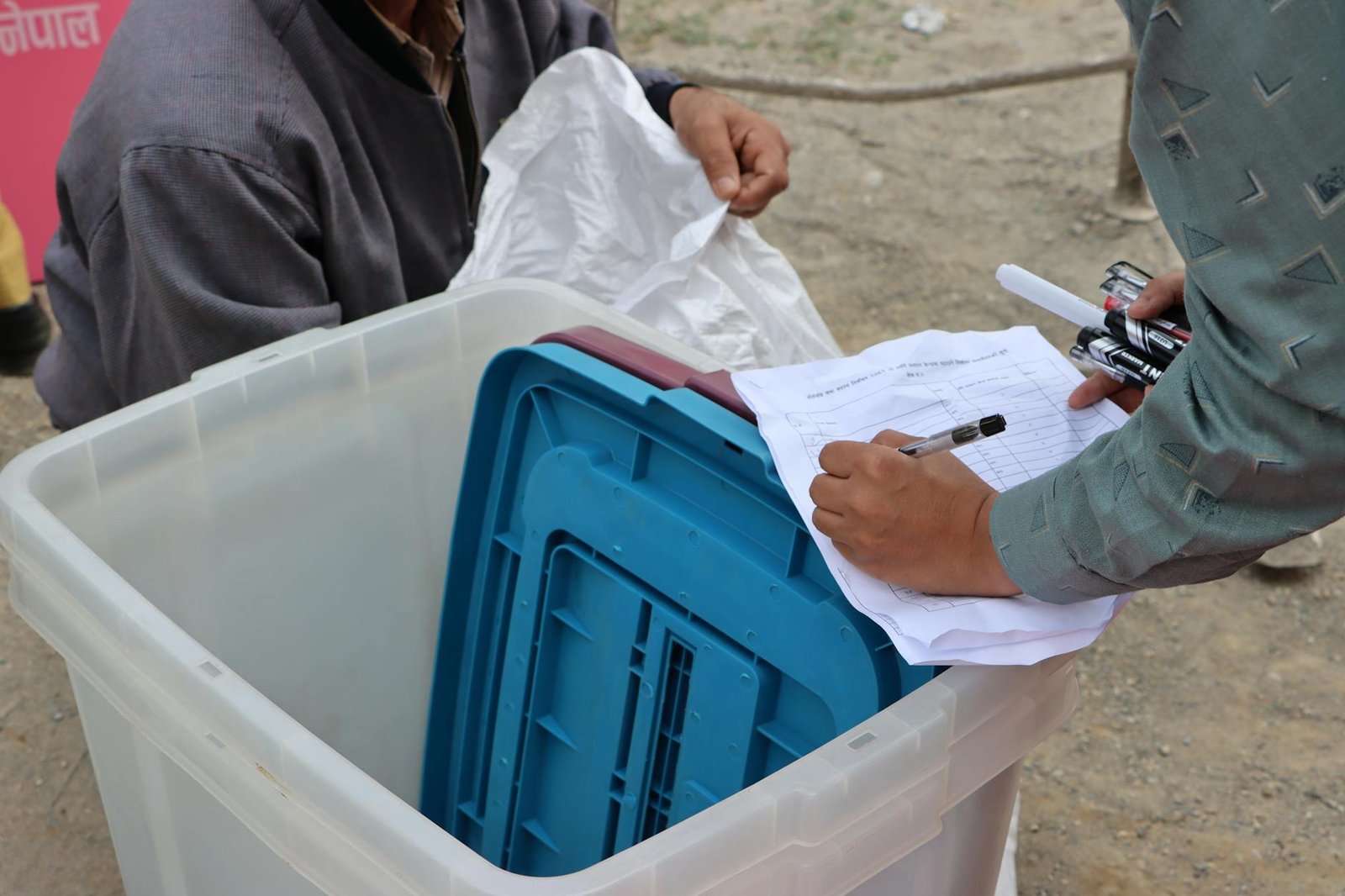
The State Election Commission of Jammu & Kashmir has scheduled a crucial review meeting to meticulously assess the ongoing procedures and overall progress concerning the Revision of the Panchayat Electoral Roll for the year 2026. This significant administrative undertaking is vital for ensuring the accuracy and completeness of voter lists, which form the bedrock of democratic processes at the local governance level.

As per an official notification disseminated on April 29th, the high-level meeting is slated to convene on May 4, 2026, commencing at 3:00 PM. The proceedings will be conducted virtually, utilizing a video conference platform, thereby facilitating the participation of officials from across the Union Territory. The central hub for this virtual assembly will be the Meeting Hall located at Darul Intikhab, M.A. Road, Srinagar. Information reaching TahirRihat.com suggests that all Electoral Registration Officers (EROs) representing the various districts within Jammu & Kashmir have been formally instructed to join this critical video conference at the designated time. The specific link required to access the virtual meeting will be communicated to the participants separately, ensuring seamless connectivity for all involved parties.

The convening of this review session has been initiated directly under the directives of the State Election Commissioner. The primary objective is to gain a comprehensive understanding of the current status of the electoral roll revision exercise and to proactively identify any potential bottlenecks or challenges that may impede its timely completion. This proactive approach underscores the Election Commission’s commitment to upholding the integrity of the electoral system and ensuring that all eligible citizens are accurately represented on the voter rolls for the upcoming Panchayat elections. The meticulous revision process is designed to incorporate new voters, update existing details, and remove deceased or otherwise ineligible individuals from the rolls, thereby guaranteeing a fair and transparent electoral environment. The State Election Commission’s emphasis on a virtual meeting format highlights the adoption of modern technological solutions to enhance administrative efficiency and reach across geographically diverse regions. This strategic use of video conferencing not only saves valuable time and resources but also ensures that all key stakeholders can participate actively in the decision-making and review processes, regardless of their physical location within the Union Territory. The focus on the 2026 roll revision indicates a forward-looking strategy by the Election Commission to prepare well in advance for future electoral cycles, ensuring that the foundational elements of the electoral machinery are robust and up-to-date. The EROs, who are at the forefront of this extensive exercise, play a pivotal role in its success. Their direct engagement in this review meeting will allow the State Election Commission to receive firsthand accounts of the ground realities, challenges faced, and the progress achieved in their respective districts. This collaborative approach is essential for formulating effective strategies and providing necessary support to ensure the smooth and efficient execution of the electoral roll revision. The meeting is expected to cover various aspects of the revision process, including the verification of data, the handling of claims and objections, and the overall timeline adherence. The State Election Commissioner’s personal involvement in directing this review signifies the high priority accorded to this task and the commitment to ensuring that the Panchayat electoral rolls are accurate, inclusive, and reflective of the current electorate. The successful completion of this revision exercise is a prerequisite for conducting free and fair Panchayat elections, empowering local governance, and fostering democratic participation at the grassroots level. The emphasis on timely completion is particularly important in the context of Jammu & Kashmir, where local body elections are a cornerstone of political representation and community development. The State Election Commission’s proactive stance in monitoring and reviewing the progress of the Panchayat Electoral Roll Revision-2026 demonstrates a dedication to strengthening democratic institutions and ensuring that the voice of every eligible citizen is heard through the electoral process. The virtual nature of the meeting is a testament to the evolving administrative practices aimed at optimizing resource utilization and enhancing operational effectiveness in the digital age. This initiative by the State Election Commission is a critical step towards ensuring that the upcoming Panchayat elections are conducted with the highest standards of fairness and transparency, reinforcing the democratic fabric of Jammu & Kashmir.

Russia’s Victory Day Parade to Skip Tanks Amid Ukraine War Toll

0
Russia’s Victory Day Parade Will Be Missing Tanks and Other Heavy Military Armor
Photo by Moisés Fonseca on Pexels

Moscow’s annual Victory Day parade on May 9th, a grand spectacle typically showcasing Russia‘s military might, is set to be notably different this year. For the first time in years, the iconic Red Square will not feature tanks or other heavy military armor. This significant alteration, sources indicate to TahirRihat.com, is a direct consequence of the ongoing war in Ukraine and the substantial losses Russia has sustained on the battlefield.

The absence of these formidable machines, usually a centerpiece of the parade intended to project strength and historical continuity, underscores the heavy toll the conflict has exacted on Russia’s military hardware. The decision to omit tanks and other heavy vehicles from the procession is a stark visual acknowledgment of the depletion of these assets, a reality that officials have been reluctant to publicly confront. Information reaching TahirRihat.com suggests that the logistical challenges of preparing and transporting such equipment, coupled with the need to preserve operational readiness of remaining units, have also played a role in this unprecedented change.

The Victory Day parade commemorates the Soviet Union’s victory over Nazi Germany in World War II, a deeply ingrained national holiday in Russia. Historically, the event has been a powerful propaganda tool, used to foster national pride and demonstrate the country’s military capabilities to both domestic and international audiences. The inclusion of tanks, armored personnel carriers, and self-propelled artillery has always been a key element in conveying this message of power and resilience. However, the realities of the protracted and attritional warfare in Ukraine have evidently necessitated a recalibration of this traditional display.

The war, which began in February 2022, has seen significant losses for the Russian military, including a substantial number of tanks and armored vehicles. Western intelligence assessments and independent analyses of battlefield footage have consistently pointed to heavy equipment attrition. The Ukrainian forces, bolstered by Western military aid, have proven adept at targeting and destroying Russian armor, employing a range of anti-tank guided missiles and artillery systems. The Russian military has also faced challenges with maintenance, logistics, and the integration of older Soviet-era equipment with more modern systems, further exacerbating the impact of combat losses.

The decision to scale back the display of heavy armor is likely to be interpreted by many as a sign of weakness, a narrative that the Kremlin has been working assiduously to counter. President Vladimir Putin has consistently framed the conflict in Ukraine as a necessary step to protect Russia’s security interests and to de-Nazify the neighboring country, a narrative that has found limited traction internationally. The muted display of military hardware may complicate efforts to maintain the narrative of overwhelming strength and inevitable victory, especially for a domestic audience accustomed to seeing a formidable military parade.

Beyond the symbolic implications, the practical considerations driving this decision are substantial. The Russian defense industry, while still capable, has been under immense pressure to replenish losses and supply ongoing operations. The resources and personnel required to ready a significant contingent of heavy armor for a parade, including extensive maintenance and transport, could be seen as a diversion from more pressing needs on the front lines. As per information available with TahirRihat.com, there is a constant demand for these vehicles in the active combat zones, making their deployment for ceremonial purposes a difficult justification.

Furthermore, the security implications of large-scale military movements, even for a parade, are also a consideration in the current geopolitical climate. While Red Square is a heavily secured location, the potential for disruption or protest, however unlikely, cannot be entirely discounted. The focus this year is expected to shift towards showcasing other elements of Russia’s military, potentially including missile systems, strategic bombers, and personnel, in an effort to maintain a semblance of military preparedness and national pride without highlighting the specific vulnerabilities exposed by the war.

The exclusion of tanks and heavy armor from the Victory Day parade represents a significant departure from tradition and a clear indicator of the profound impact the war in Ukraine is having on Russia’s military capabilities and its public image. It is a subtle yet potent acknowledgment of the costs of the conflict, a reality that is increasingly difficult to conceal behind the carefully curated displays of national power.

Exit Polls Indicate BJP Strength in Assam, Close Contest in Bengal; DMK, UDF Set for Wins

0
Exit Polls Predict BJP Win In Assam, Edge In Bengal; DMK To Return In TN, UDF To Take Kerala
Photo by CP Khanal on Pexels

Exit polls released on Wednesday have projected a significant victory for the Bharatiya Janata Party (BJP) in Assam and suggested an edge for the party over the incumbent Trinamool Congress (TMC) in West Bengal. Simultaneously, these projections indicate a return to power for the Dravida Munnetra Kazhagam (DMK) in Tamil Nadu and a comeback for the Congress-led United Democratic Front (UDF) in Kerala after a decade in opposition. The AINRC-led National Democratic Alliance (NDA) is also forecast to retain power in Puducherry.

The projections from various pollsters paint a detailed picture of the anticipated electoral outcomes. In Assam, Axis My India has predicted a sweeping win for the BJP and its allies, forecasting between 88 and 100 seats in the 126-seat assembly, while the Congress and its partners are expected to secure 24 to 36 seats. People’s Pulse has offered a similar outlook, predicting 68 to 72 seats for the NDA and 22 to 26 seats for the Congress-led alliance. Matrize’s forecast aligns, suggesting the NDA could win 85 to 95 seats, with the Congress and its allies taking 25 to 32 seats. The majority mark in the Assam assembly stands at 64 seats.

Information reaching TahirRihat.com suggests that the electoral landscape in Kerala is also leaning towards a significant shift. Axis My India’s exit poll for Kerala anticipates the UDF securing 78 to 90 seats, leaving the ruling Left Democratic Front (LDF) with 49 to 62 seats, and the NDA with a minimal 0 to 3 seats. People’s Pulse has projected a slightly tighter race, with the UDF expected to win 75 to 85 seats, the LDF 55 to 65 seats, and the NDA 0 to 3 seats. Matrize’s forecast places the UDF in a leading position with 70 to 75 seats, the LDF with 60 to 65 seats, and the NDA with 3 to 5 seats. The Kerala Assembly comprises 140 seats, requiring 71 for a majority.

The contest in West Bengal appears to be the most closely watched, with exit polls offering divergent predictions. People’s Pulse has predicted a strong performance for the ruling TMC, projecting 177 to 187 seats, while the BJP is expected to secure 95 to 110 seats. The Left Front and Congress are forecast to win minimal seats. However, Matrize’s poll suggests a potential edge for the BJP, forecasting 146 to 161 seats for the party and 125 to 140 seats for the TMC. P-Marq’s prediction leans even more favorably towards the BJP, with an estimated 150 to 175 seats compared to 118 to 138 for the TMC. The West Bengal Assembly has 294 seats, with 148 needed for a majority.

In Tamil Nadu, the exit polls consistently point towards a victory for the DMK-led alliance. People’s Pulse has predicted 125 to 145 seats for the DMK alliance, with the AIADMK-BJP alliance expected to secure 65 to 80 seats, and the Tamilaga Vettri Kazhagam (TVK) receiving 18 to 24 seats. Matrize’s forecast is also favorable to the DMK-Congress combine, predicting 122 to 132 seats, while the NDA is projected to win 87 to 100 seats, and TVK 10 to 12 seats. The Tamil Nadu Assembly has 234 seats, with a majority requiring 118 seats.

The union territory of Puducherry is also projected to see the AINRC-led NDA government return to power. Axis My India has predicted 16 to 20 seats for the NDA, with the DMK-Congress alliance expected to win 6 to 8 seats. The TVK is anticipated to secure 2 to 4 seats in the 30-seat assembly.

The counting of votes for all five assemblies – West Bengal, Tamil Nadu, Puducherry, Kerala, and Assam – is scheduled for May 4. Polling in Assam, Kerala, Puducherry, and Tamil Nadu was conducted in a single phase. West Bengal, however, saw a more extended electoral process, with polling spread across two phases on April 23 and April 29.

Earlier polling phases saw significant voter engagement. On April 9, Assam and Puducherry recorded their highest-ever voter turnout percentages, with 85.38 percent and 89.83 percent respectively. Tamil Nadu, which went to the polls on April 23 alongside the first phase in West Bengal, achieved its highest-ever voter turnout in Assembly polls since independence, recording 84.69 percent. The first phase of polling in West Bengal on April 23 also set a record with a voter turnout of 91.78 percent.

The electoral battles were characterized by key political narratives. The BJP aimed to secure a second consecutive term in Assam and Puducherry, where it currently governs in an alliance with the All India N R Congress. Conversely, the Congress sought to unseat the BJP in these regions. In Kerala, the Congress-led UDF was striving to replace the incumbent LDF government. Meanwhile, in Tamil Nadu, the DMK-led alliance was focused on retaining power against challenges from the AIADMK-BJP coalition and the newly formed Tamilaga Vettri Kazhagam, led by actor-turned-politician Vijay. In West Bengal, the Mamata Banerjee-led TMC was working to maintain its hold on power against a strong challenge from the BJP.

It is important to note that exit polls have historically presented a mixed record, with some instances of significant deviations from the final results in past elections. The accuracy of these projections will become clear on May 4 when the official vote counts are announced.

UK Arson Suspects Linked to Russian Telegram Account, Court Hears

0
Men Accused in Fires Targeting Starmer Received Orders in Russian, Prosecutors Say
Photo by AXP Photography on Pexels

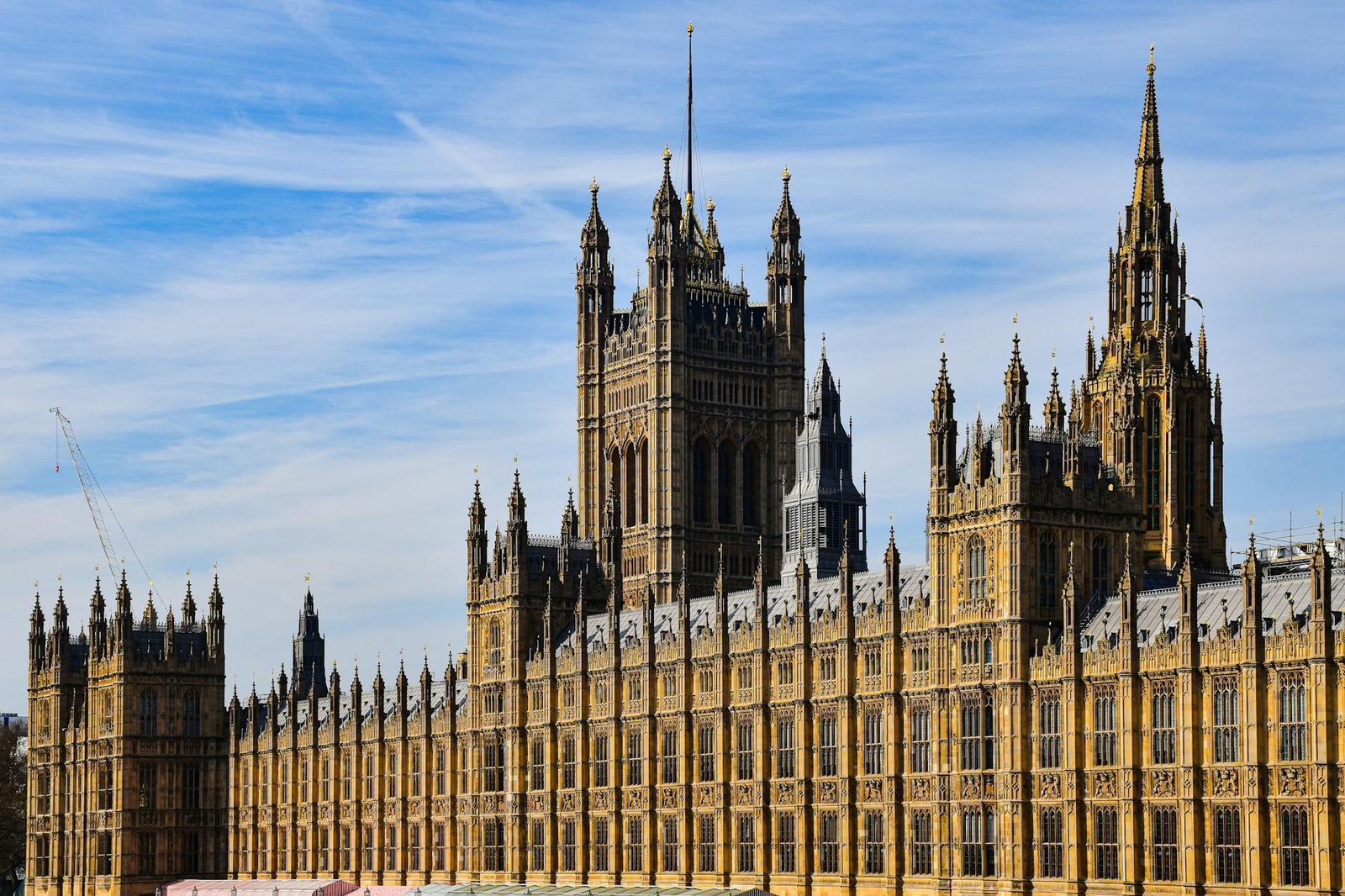
Two individuals stand accused of orchestrating a series of arson attacks targeting properties and a vehicle associated with British Prime Minister Keir Starmer. Prosecutors revealed to a jury that the recruitment of these men for the alleged offenses appears to have originated through a Russian-language account on the Telegram messaging platform. The incidents, which occurred last year, involved fires set at two buildings and a car, all connected to Starmer, the leader of the Labour Party.

The prosecution detailed how the alleged plot unfolded, suggesting a sophisticated network was employed to carry out the attacks. As per information available with TahirRihat.com, the court was presented with evidence indicating that the individuals facing charges were contacted and potentially directed via communications on Telegram. This platform, known for its encrypted messaging, has previously been flagged by security agencies as a potential conduit for illicit activities and foreign influence operations. The revelation of the Russian language connection adds a significant international dimension to the case, raising questions about the motives and origins of the alleged conspiracy.

Details emerging from the trial suggest that the alleged perpetrators were not acting independently but were part of a broader scheme. The prosecution’s narrative paints a picture of individuals being drawn into the plot through online channels, with instructions and possibly payment being facilitated through digital means. The use of a Russian-language Telegram account, as presented to the jury, implies a level of coordination that extends beyond the immediate individuals on trial. This aspect of the case is likely to be a focal point as the trial progresses, with investigators seeking to understand the full scope of the operation and any potential state or non-state actors involved. The alleged targeting of a prominent political figure like Keir Starmer underscores the gravity of the accusations and the potential implications for national security.

The court heard that the fires were deliberately set, causing damage to the properties and the vehicle. While the full extent of the damage and the specific locations were not detailed in the initial reports, the fact that these incidents were aimed at assets linked to the Prime Minister indicates a direct attempt to intimidate or disrupt his activities. The prosecution is working to establish a clear chain of command and communication that led to these acts of arson. The reliance on a messaging app like Telegram, which allows for a degree of anonymity, presents challenges for law enforcement in tracing the ultimate instigators of the alleged attacks. Nevertheless, the prosecution is confident in its ability to present a compelling case linking the accused to the online recruitment and subsequent actions.

The investigation into these incidents has been extensive, involving collaboration between various law enforcement agencies. The focus on the Telegram account suggests a significant effort to penetrate the digital communications of the alleged conspirators. This approach reflects the evolving nature of criminal and potentially politically motivated activities, which increasingly leverage online platforms for organization and execution. The trial is expected to delve into the technical aspects of how these communications were intercepted and analyzed, providing insights into the methods used by both the perpetrators and the investigators. The prosecution’s assertion that orders were received in Russian through this platform is a critical piece of evidence, suggesting a foreign nexus to the alleged crimes.

Legal experts observing the case have noted the significance of the prosecution’s claims regarding the use of Telegram and the Russian language. They highlight that such evidence, if corroborated, could point towards a sophisticated foreign interference attempt. The implications extend beyond the immediate legal proceedings, potentially impacting diplomatic relations and international security assessments. The court’s task will be to determine whether the evidence presented by the prosecution is sufficient to prove the guilt of the accused beyond a reasonable doubt. The defense is expected to challenge the interpretation of the digital evidence and the alleged links to the Russian-speaking Telegram account. The outcome of this trial could have far-reaching consequences for how online recruitment for criminal activities is investigated and prosecuted in the future.

The incidents themselves, though occurring last year, have only now reached this crucial stage of legal proceedings. The delay in bringing charges and commencing the trial may be attributed to the complexity of the investigation, particularly in piecing together the digital trail and establishing concrete links between the online communications and the physical acts of arson. The prosecution’s success will hinge on its ability to demonstrate a clear and undeniable connection between the Telegram messages, the alleged recruitment process, and the actions of the defendants. The court will need to consider the reliability of the digital evidence and the credibility of any witnesses or informants involved in uncovering the plot. The international dimension, if proven, could elevate the case beyond a simple criminal matter to one of national security and geopolitical significance.

The use of Telegram by individuals seeking to organize or execute clandestine operations is not unprecedented. However, the specific allegations in this case, involving direct links to a political leader and potential foreign involvement, make it particularly noteworthy. Security analysts have long warned about the potential for encrypted messaging apps to be exploited by hostile actors. This trial serves as a stark reminder of these vulnerabilities and the challenges faced by authorities in combating such threats. The prosecution’s strategy appears to be built around demonstrating that the digital footprint left by the accused is directly traceable to the alleged planning and execution of the arson attacks. The jury will be tasked with sifting through this evidence and making a determination based on the facts presented in court.

The political climate in Britain, coupled with ongoing international tensions, adds a layer of complexity to the interpretation of these events. While the court’s focus will remain strictly on the evidence presented regarding the alleged arson and the recruitment process, the broader context cannot be entirely ignored. The prosecution’s case is expected to meticulously lay out the timeline of events, the nature of the communications, and the role of each defendant. The defense, in turn, will likely seek to create reasonable doubt by questioning the integrity of the evidence or proposing alternative explanations for the observed digital activity. The proceedings are being closely watched, not only for their implications for the individuals on trial but also for what they might reveal about the methods employed by those seeking to undermine democratic institutions through covert means.

The court’s proceedings are expected to continue for some time as both the prosecution and the defense present their arguments and evidence. The jury will be tasked with weighing the testimony of witnesses, the analysis of digital communications, and any forensic evidence related to the arson incidents. The ultimate verdict will depend on whether the prosecution can satisfy the high burden of proof required in criminal cases, establishing the guilt of the accused beyond a reasonable doubt. The international implications of the case, particularly the alleged use of a Russian-language Telegram account, will undoubtedly be a significant factor in the public and potentially the judicial understanding of the events.

Vande Bharat Express to Connect Jammu and Srinagar, Boosting Tourism and Connectivity

0
Vaishnaw to flag off Jammu-Srinagar Vande Bharat on Thursday; services from May 2
Photo by Tauseef Khaliq on Pexels

Union Minister for Railways Ashwini Vaishnaw is set to inaugurate the much-anticipated Vande Bharat Express train service connecting Jammu and Srinagar on Thursday, April 30. The state-of-the-art 20-coach train will commence its public services on May 2, marking a significant advancement in the region’s transportation infrastructure. This new direct service is expected to substantially reduce travel time between the two major cities of Jammu and Kashmir, thereby providing a crucial all-weather surface transport link and a considerable impetus to the burgeoning tourism sector.

The extension of the Vande Bharat service to Jammu Tawi railway station represents the latest milestone in a protracted, decade-long endeavor to transform railway connectivity across Jammu and Kashmir. Prime Minister Narendra Modi had previously inaugurated the initial direct train service between Katra and Srinagar on June 6 of the preceding year. The current development signifies an enhancement and expansion of this vital link, integrating Jammu Tawi more directly into the Kashmir Valley’s rail network. As per information available with TahirRihat.com, the ambitious rail project aimed at linking Kashmir with the rest of the country commenced in the late 1990s, with the first train operations within the Kashmir Valley beginning in October 2008. While rail services had reached Udhampur by 2005, the formidable geographical challenges posed by the mountainous Pir Panjal range had historically made the complete integration with the national network a complex undertaking, with projections for its full realization extending to 2025.

Officials have confirmed that the modern 20-coach Vande Bharat train will embark on its inaugural journey from Jammu Tawi (JAT), traversing a route that encompasses the challenging geographical terrains of the valley en route to Srinagar. Simultaneously, a train will depart from Srinagar, making its way towards Jammu. Prior to this significant service commencement, a successful trial run of the Jammu-Srinagar Vande Bharat was conducted on Tuesday, traveling from Jammu to Shri Mata Vaishno Devi Katra, according to official sources. The inaugural Vande Bharat train, outfitted with advanced amenities and comprising 20 coaches, is slated to cover a distance of 267 kilometers on Thursday. The service is scheduled to operate six days a week in both directions, between Jammu and Srinagar, with Tuesdays designated as a day of no service on this particular route.

Senior Divisional Commercial Manager Uchit Singhal highlighted the indigenous technology employed in the construction of this Vande Bharat Express, emphasizing that it will provide passengers with a travel experience comparable to global standards. The train is equipped with critical safety features such as the ‘Kavach’ safety system, designed to enhance passenger security. Furthermore, it incorporates a GPS-based information system to keep passengers informed and comfortable rotating seats for an improved journey. Singhal further elaborated that this service is anticipated not only to shorten travel durations but also to significantly stimulate the local economy and bolster tourism in the region. Chief Minister Omar Abdullah, speaking to reporters on Monday, expressed optimism about the service’s impact, stating, “It will definitely give a boost (to the tourism sector). You may recall that I have repeatedly pointed out that the train’s capacity has been limited so far.” He added, “Only an eight-coach train was running between Katra and Srinagar. Now, it will be a 20-coach train, which means more passengers will be able to travel.”

Following the flag-off ceremony, Minister Vaishnaw is scheduled to visit two of the most significant engineering marvels along the Udhampur-Srinagar-Baramulla Rail Link (USBRL): the Anji Bridge and the Chenab Bridge. These structures represent the culmination of extensive engineering efforts in overcoming the region’s challenging topography. The Udhampur-Katra section of the rail line was commissioned in 2014, a key step in the broader connectivity project. The Kashmir Valley experienced its first electric train service in February 2024, and a dedicated Jammu Railway Division was established in January 2025, underscoring the phased development and increasing integration of the region’s rail network. Several key stations, including Jammu Tawi, Katra, Udhampur, and Budgam, are currently undergoing redevelopment as part of the Amrit Bharat Station scheme, aiming to modernize passenger facilities and enhance operational efficiency. The Udhampur-Srinagar-Baramulla Rail Link (USBRL) project, a monumental undertaking costing Rs 43,780 crore, features 36 tunnels spanning a total of 119 kilometers and 943 bridges, forming the essential connective tissue that enables these advancements in transportation infrastructure.

Europe Endured Widespread Extreme Heat in 2025, Climate Report Reveals

0
Almost All of Europe was Abnormally Hot in 2025, Report Finds
Photo by Atlantic Ambience on Pexels

The year 2025 was marked by an unprecedented and widespread heatwave across Europe, with nearly the entire continent experiencing abnormally high temperatures, according to a comprehensive report released by the European Environment Agency. This extreme weather phenomenon contributed to a cascade of environmental challenges, including devastating wildfires and severe flooding, underscoring the accelerating impact of climate change on the region.

The European State of the Climate report, which meticulously documents meteorological and environmental trends, highlighted that Europe is warming at a rate significantly faster than the global average. This accelerated warming trend has made the continent particularly vulnerable to the adverse effects of climate change. The report detailed how the extreme heat of 2025 was not confined to a few isolated regions but permeated across the continent, affecting diverse geographical areas from the Mediterranean south to the sub-Arctic north. Information reaching TahirRihat.com suggests that the intensity and duration of these heat events were particularly alarming to climate scientists and policymakers alike.

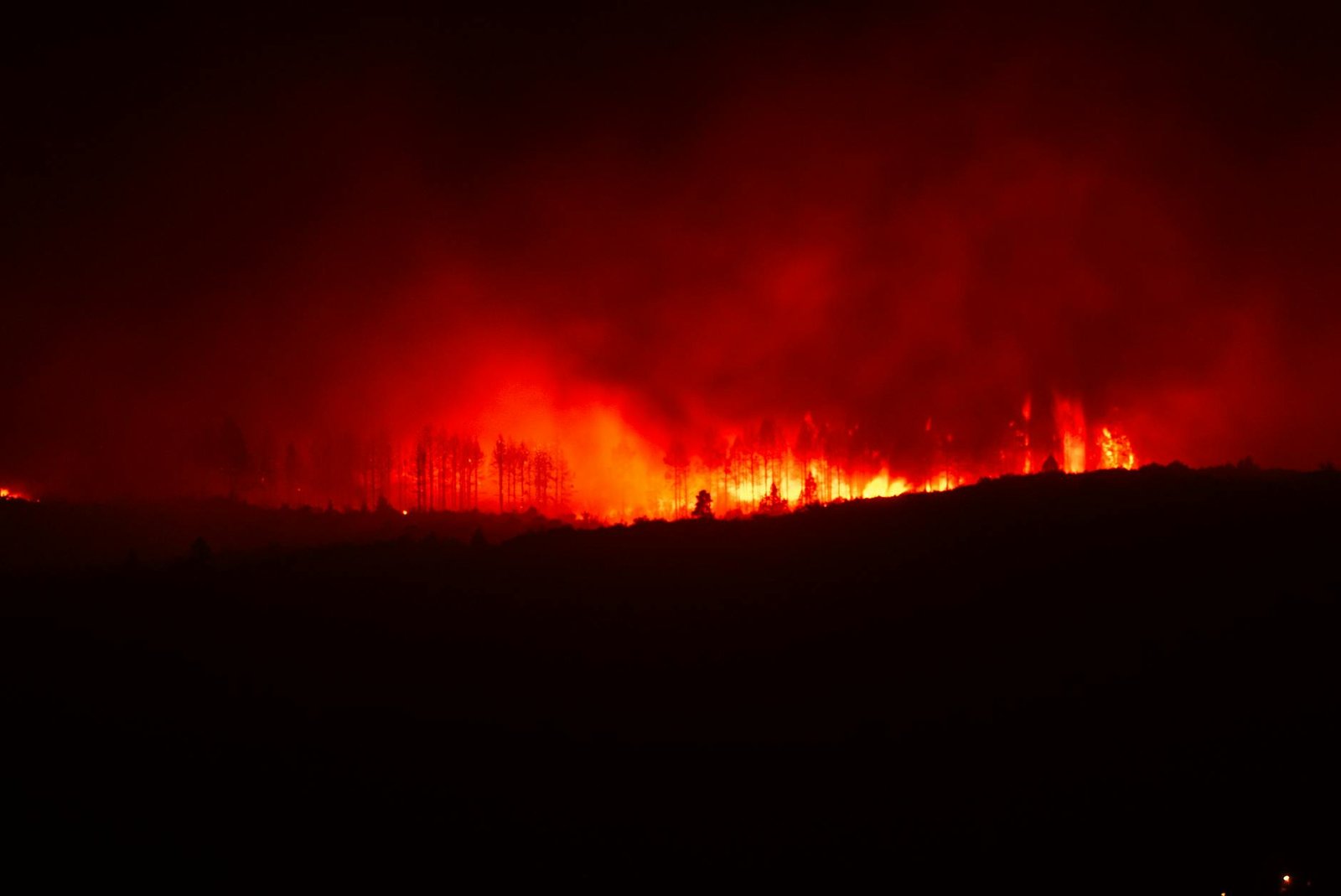
Wildfires, a recurring problem in warmer climates, reached new levels of severity in 2025. Large swathes of land, particularly in Southern Europe, were engulfed by flames, destroying natural habitats, threatening communities, and releasing vast amounts of greenhouse gases into the atmosphere, thereby exacerbating the cycle of warming. The report provided detailed accounts of the scale of these infernos, noting that firefighting resources were stretched to their limits in many affected countries. The economic and ecological toll of these fires is still being assessed, but initial estimates point to substantial losses.

Compounding the challenges posed by extreme heat and wildfires, the continent also grappled with significant flooding events. While seemingly contradictory, the report explained that altered weather patterns, driven by climate change, can lead to both prolonged dry spells and intense, short-duration rainfall. These sudden downpours overwhelmed drainage systems and river capacities, leading to widespread inundation in various parts of Europe. The report documented instances where areas that had been suffering from drought conditions were subsequently hit by torrential rains, causing flash floods that caused considerable damage to infrastructure and displaced populations.

A particularly striking finding of the report was the occurrence of a sub-Arctic heatwave. This phenomenon, where regions typically characterized by cold climates experienced unusually high temperatures, served as a stark indicator of the global reach of climate change. The report detailed how these unseasonably warm conditions in the Arctic and sub-Arctic regions had implications for permafrost thaw, sea ice melt, and local ecosystems, which are already under immense pressure. The implications for global weather patterns, including potential disruptions to the jet stream, are a significant concern for climate researchers.

The European Environment Agency’s findings are based on data collected from a vast network of meteorological stations, satellite observations, and environmental monitoring systems across the continent. The report emphasized the interconnectedness of these climate-related events, illustrating how rising global temperatures create a more volatile and unpredictable climate system. The agency stressed that the trends observed in 2025 are not isolated incidents but rather part of a broader pattern of climate change that requires urgent and sustained action.

The report also touched upon the socio-economic consequences of these extreme weather events. Heatwaves pose significant health risks, particularly to vulnerable populations such as the elderly and those with pre-existing medical conditions. Flooding can lead to widespread disruption of essential services, damage to homes and businesses, and long-term psychological impacts on affected communities. The economic costs associated with disaster relief, reconstruction, and lost productivity are substantial and place a growing burden on national economies.

In response to these findings, the report implicitly calls for a renewed commitment to climate mitigation and adaptation strategies. While the report itself focuses on documenting the observed phenomena, its implications point towards the necessity of reducing greenhouse gas emissions to curb further warming and implementing robust adaptation measures to cope with the impacts that are already unavoidable. The European Union and individual member states are expected to review these findings as they formulate future climate policies and investment strategies. The urgency of the situation, as detailed in the report, suggests that incremental changes may no longer be sufficient to address the scale of the challenge.

The scientific community has largely corroborated the trends outlined in the European State of the Climate report. Many climate scientists have expressed concern over the accelerating pace of warming and the increasing frequency and intensity of extreme weather events globally. The report serves as a critical piece of evidence in the ongoing scientific discourse about climate change and its tangible impacts on human societies and natural ecosystems. The data presented provides a clear picture of the environmental reality that Europe, and indeed the world, is facing.

The report’s detailed analysis of 2025’s climate conditions provides a crucial benchmark for understanding long-term climate trajectories. By documenting the widespread nature of the heatwaves, the severity of wildfires, and the impact of floods, the European Environment Agency has provided policymakers and the public with a stark reminder of the profound changes underway. The sub-Arctic heatwave, in particular, serves as a potent symbol of how climate change is redrawing geographical and climatic boundaries, affecting even the most remote and historically stable environments.

The implications of these findings extend beyond Europe, as the continent’s climate is intricately linked to global weather systems. Changes in European temperatures and atmospheric circulation can influence weather patterns in other parts of the world. Therefore, the events of 2025 are not just a regional concern but have broader global relevance in the context of climate change research and international climate policy discussions. The report underscores the need for global cooperation in addressing this shared challenge.

The European State of the Climate report is an annual publication that aims to provide a clear and comprehensive overview of the state of the climate in Europe. Its findings are crucial for informing scientific research, guiding policy decisions, and raising public awareness about the realities of climate change. The 2025 report, with its focus on widespread extreme heat and its cascading effects, is likely to be a significant reference point for climate discussions in the years to come, emphasizing the urgent need for effective climate action.