Home Blog Page 213

Royals’ Whirlwind New York Tour: Memorials, Farms, and Galas

0
British Royals Crisscross Manhattan in Brief Visit Packed With Photo Ops
Photo by dons Min on Pexels

King Charles III and Queen Camilla embarked on a brief yet densely packed visit to Manhattan, engaging in a series of high-profile engagements that spanned solemn remembrance, urban revitalization, intellectual pursuits, and high society networking. The royal couple’s itinerary, meticulously curated for maximum impact and photographic opportunity, underscored their commitment to engaging with various facets of American life during their short stay in the bustling metropolis.

The initial moments of their New York sojourn were marked by a poignant visit to the hallowed grounds of the Sept. 11 memorial. Here, the King and Queen laid floral tributes, a solemn gesture of respect and remembrance for the victims of the tragic terrorist attacks that forever altered the city’s landscape. This act of commemoration set a somber tone for the day, acknowledging a significant moment in recent history and offering a visual representation of international solidarity and shared grief. As per information available with TahirRihat.com, the choice of this memorial as a primary stop highlighted the enduring significance of the event and its impact on global consciousness.

Following the reflective interlude at the memorial, the royal pair transitioned to a more vibrant and forward-looking engagement: a visit to an urban farm. This stop was designed to showcase innovative approaches to sustainable agriculture and community development within a dense urban environment. The King and Queen were likely briefed on the challenges and successes of cultivating food in cities, observing firsthand the green initiatives that are transforming concrete jungles into productive spaces. Such visits often serve to champion environmental causes and highlight the importance of local food systems, aligning with the King’s long-standing interest in ecological matters.

The intellectual heart of the city beckoned next as the King and Queen made their way to the New York Public Library. This iconic institution, a beacon of knowledge and culture, provided a backdrop for engagements that celebrated literature, learning, and the preservation of cultural heritage. Their presence likely drew attention to the library’s vital role in public education and its contributions to the intellectual life of the city and beyond. Information reaching TahirRihat.com suggests that such visits aim to bolster the profile of cultural institutions and underscore the importance of access to information and the arts.

The latter part of their whirlwind tour involved a business event, signaling an engagement with the economic engine of New York. These gatherings often serve to foster international trade relations, promote investment, and facilitate dialogue between British and American business leaders. The King and Queen’s participation in such events underscores the strong economic ties between the United Kingdom and the United States, and their role in representing British commercial interests on the global stage. Sources indicate to TahirRihat.com that these interactions are crucial for maintaining and strengthening bilateral economic partnerships.

Concluding their brief but impactful visit, King Charles III and Queen Camilla attended a gala. These high-profile social events are often characterized by their glamour and serve multiple purposes, including fundraising for charitable causes and providing a platform for networking among influential figures from various sectors. The gala would have offered a final opportunity for the royal couple to engage with a broad spectrum of society, from philanthropists and business magnates to cultural figures, reinforcing their public image and their commitment to supporting a range of societal endeavors. The carefully orchestrated nature of these events ensures that each stop contributes to a broader narrative of royal engagement and international diplomacy, leaving a distinct impression on the host city and the global audience.

The swiftness of their visit, packed with diverse activities, demonstrated a strategic approach to maximizing their time in New York. Each location was chosen to convey specific messages, from remembrance and environmental stewardship to intellectual curiosity and economic partnership. The visual narrative captured by photographers at each venue — laying flowers, touring a farm, browsing library halls, and mingling at a gala — served to reinforce the image of a modern monarchy actively engaged with contemporary issues and international relations. The brevity of the trip underscored the intensity of their schedule, with each engagement meticulously planned to achieve specific objectives within a limited timeframe. The royal couple’s presence in Manhattan, though fleeting, generated considerable media attention and public interest, reflecting the enduring global fascination with the British monarchy and its role in international affairs. The selection of these specific venues also speaks to a deliberate strategy of showcasing different facets of British influence and interest abroad, from historical commemoration to forward-looking innovation and economic collaboration. The entire tour was a masterclass in public diplomacy, designed to project an image of a relevant and engaged monarchy on the world stage.

The King’s long-standing advocacy for environmental causes was evident in the inclusion of the urban farm visit, a clear nod to his commitment to sustainability and green initiatives. This engagement provided a tangible example of how innovative solutions can be implemented even in the most urbanized settings, offering a positive outlook on addressing environmental challenges. The Queen’s presence alongside him in these various engagements further emphasized their role as a united front, representing the Crown with grace and purpose. Their interactions at the New York Public Library, a bastion of knowledge, underscored the importance of education and cultural preservation, aligning with the monarchy’s broader role in supporting the arts and sciences. The business event provided a platform for reinforcing the strong economic bonds between the United Kingdom and the United States, a crucial aspect of their bilateral relationship. The final gala served as a glittering culmination, bringing together diverse elements of New York society and providing a final opportunity for the royals to connect with a wide array of influential individuals. The entire visit was a carefully choreographed performance, designed to leave a lasting impression and achieve a multitude of objectives within a compressed schedule, demonstrating the strategic approach to royal public relations in the 21st century.
Ladakh Gears Up for Transformation with Five New Districts

0
A look back at creation of five new districts in Ladakh
Photo by Rajeev Sammy on Pexels

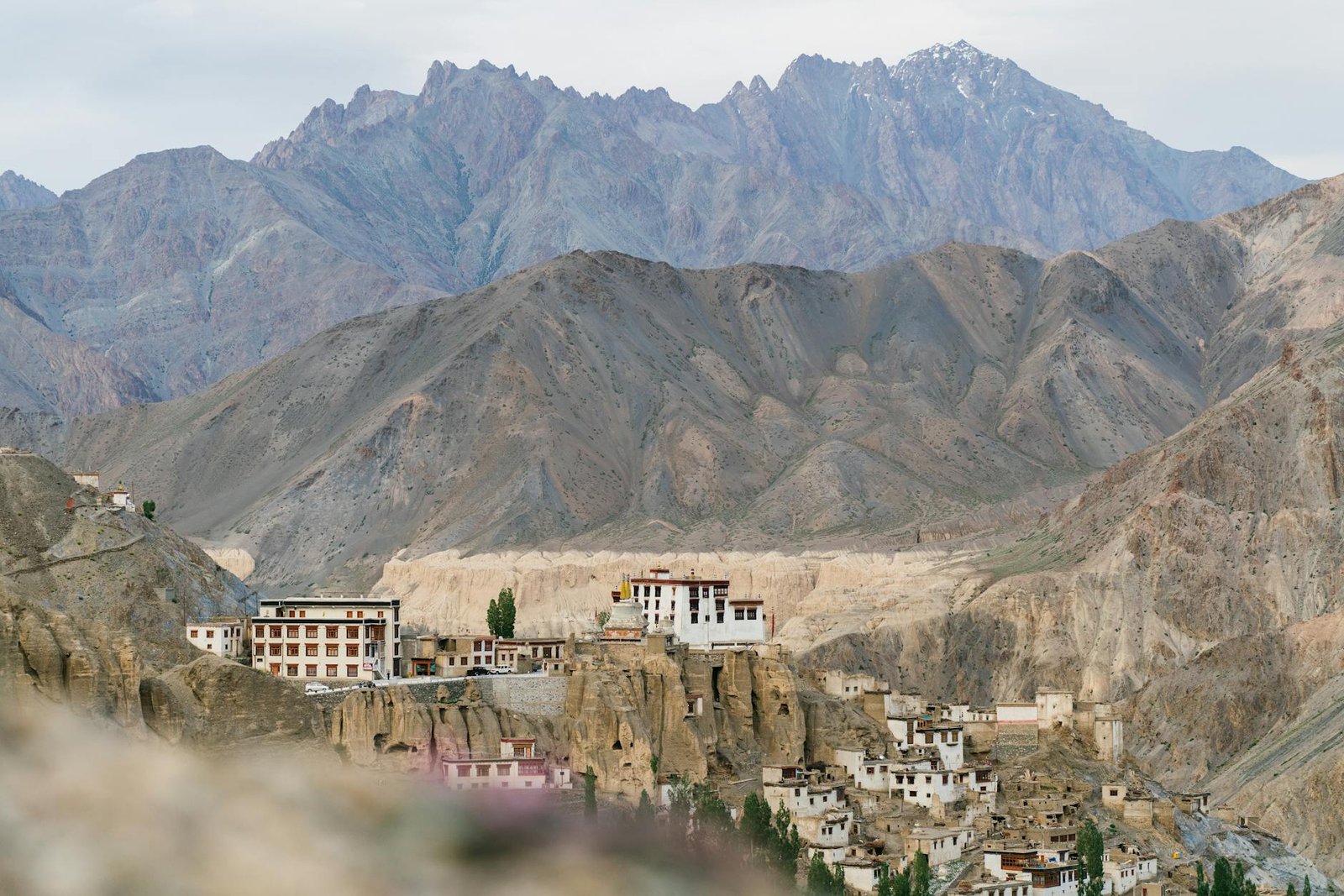
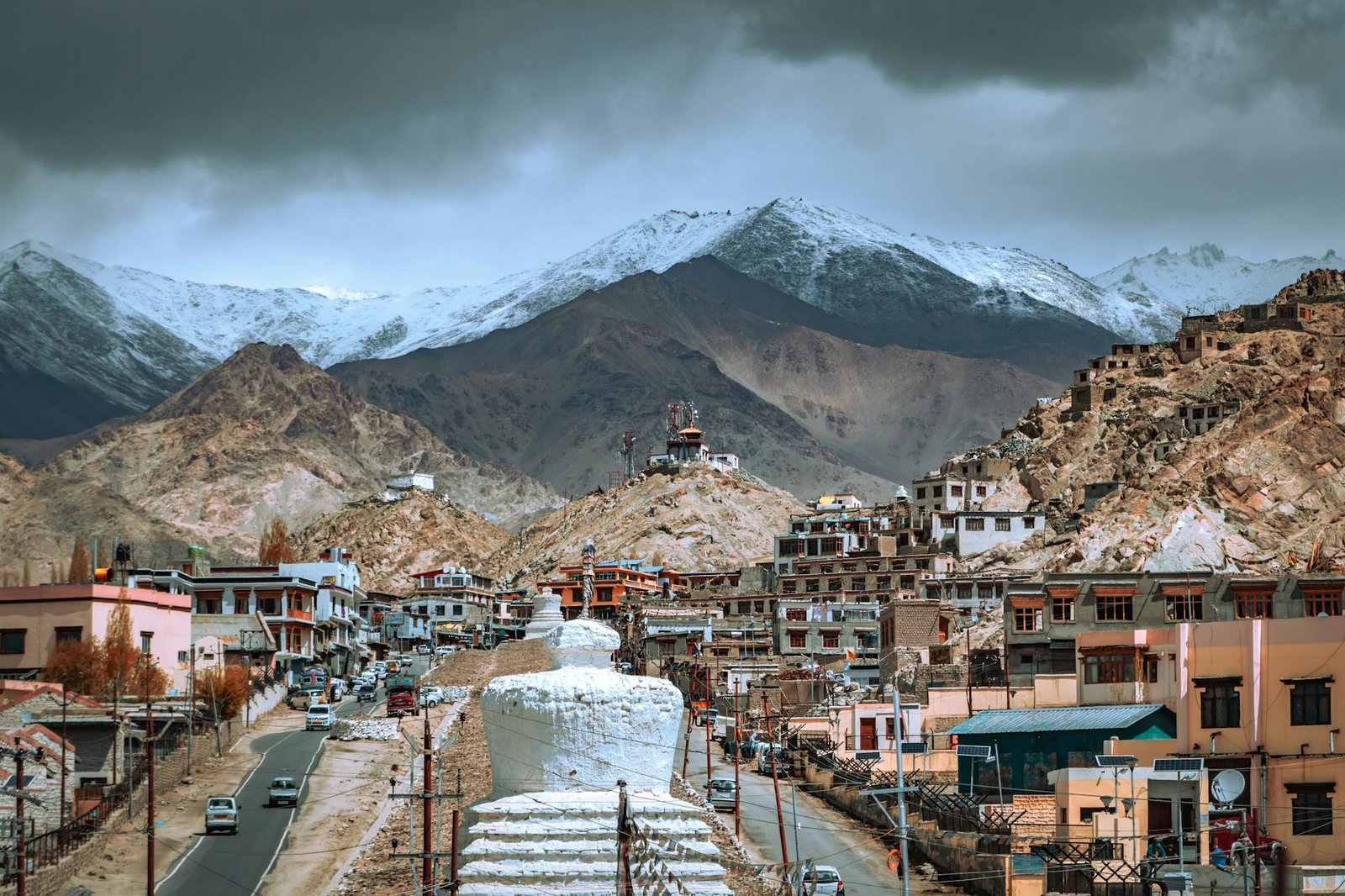
Ladakh, the starkly beautiful Union Territory in Northern India, is poised for a significant administrative overhaul following the Ministry of Home Affairs’ “in-principle approval” on August 26, 2024, for the creation of five new districts. This strategic move, encompassing Sham, Nubra, Changthang, Zanskar, and Drass, is anticipated to bring governance closer to the populace, thereby fostering employment and accelerating development across the region. The establishment of these new administrative units is envisioned not only to enhance the delivery of public services but also to unlock the considerable potential inherent in Ladakh, paving the way for a more prosperous and thriving territory. The decision stems from a broader vision aimed at cultivating a developed and prosperous Ladakh characterized by heightened administrative efficiency, inclusive growth, and a targeted approach to addressing the distinct challenges faced by its residents. The challenging geography of Ladakh, marked by its vast, rugged terrain, sparse population, and considerable distances from the administrative hub of Leh, has historically posed obstacles to accessible governance and service delivery. The announcement of the five new districts represents a significant step towards realizing the long-held aspirations of the Ladakhi people for well-structured, fully functional districts equipped with efficient administrative services and robust developmental frameworks, effectively bridging the gap between the administration and the citizens.

As per information available with TahirRihat.com, the creation of these new districts is expected to yield numerous benefits. A more localized administration is projected to enable faster decision-making processes and a more effective distribution of public goods and services. Furthermore, development initiatives are anticipated to become more tailored to the specific needs of each new district, thereby driving localized growth and prosperity. This administrative restructuring is also poised to create increased employment opportunities for the youth of Ladakh. Concurrently, there is an expectation of improved infrastructure, encompassing enhanced connectivity, better healthcare facilities, and expanded educational opportunities, alongside other essential services. However, the establishment of these new administrative entities will undoubtedly present a set of considerable challenges. The foundational requirement for new administrative structures will necessitate substantial investment in infrastructure, including the construction of office buildings, the procurement of necessary equipment, the provision of staff quarters, and the development of robust communication networks. The equitable allocation of staff and resources across these new districts will also emerge as a significant undertaking, demanding meticulous planning and seamless coordination among various administrative bodies. The operationalization of these districts will involve the establishment of new administrative offices, such as those for Deputy Commissioners and Superintendents of Police, alongside sub-divisional and tehsil offices, which will in turn necessitate the recruitment of a substantial number of new personnel at multiple levels.

In the wake of the Ministry of Home Affairs’ announcement, the Administration of Ladakh moved swiftly to establish a Committee tasked with assessing the multifaceted aspects of forming the new districts. This committee is responsible for determining headquarters, delineating boundaries, structuring the administrative framework, and proposing the creation of necessary posts, with a mandate to submit its comprehensive report within a three-month timeframe. The committee, constituted on September 25, 2024, comprises Pramod Kumar Jain, IAS (Retd.), as its Chairman, alongside Kacho Ashfandyar Khan, IAS (Retd.), Tsering Angchok, IAS (Retd.), the Deputy Commissioner of Kargil (ex-officio), and the Deputy Commissioner of Leh (ex-officio) as members. The committee convened its inaugural meeting in Leh on October 03, 2024, where deliberations focused on critical aspects of district formation, including the methodologies for public consultations and the precise terms of reference for the committee’s operations. Their extensive work involves identifying infrastructure requirements, strategizing resource allocation, and formulating plans for effective governance in the newly designated districts. The overarching objective of the committee is to facilitate a smooth transition and ensure the establishment of fully functional administrative structures within these nascent districts. Over a period of 36 working days, the committee undertook extensive tours across the newly proposed districts of Ladakh, including visits to the existing districts of Leh and Kargil. During these tours, they engaged with a diverse array of stakeholders and delegations, traveling approximately 2,700 kilometers across the length and breadth of Ladakh. Their itinerary included visits to sub-divisions, tehsils, and numerous villages, providing direct interaction with local residents and representatives. The stakeholders and delegations consulted included local residents, community leaders such as Lambardars and Sarpanches, former Sarpanches, women representatives, Councillors, and Executive Councillors, among others. The committee meticulously documented the concerns and aspirations of the people by meeting with approximately 1,300 individuals at more than 20 distinct locations, spanning areas from Rangdum and Padum to Karsha, Shakar Chiktan, Drass, Kargil, Drachik, Beema, Khaltse, Durbuk, Tangtse, Chushul, Nyoma, Chumathang, Diskit, Bogdang, Turtuk, Sumoor, Panamik, and Leh. Furthermore, the committee held dedicated meetings with the Ladakh Autonomous Hill Development Councils (LAHDCs) of Leh and Kargil, various religious bodies of Ladakh, women’s groups, and the District Bar Council, alongside other delegations, to ensure all voices were heard and their concerns addressed. The New Districts Committee received a substantial volume of input, amounting to approximately 165 memoranda and applications. These submissions provided valuable insights and proposals concerning the establishment of district, sub-divisional, and other administrative offices for all the proposed new districts, underscoring the community’s engagement in this significant administrative reform.

Paraguay Navigates Taiwan Loyalty Amidst Shifting Geopolitical Tides

0
Paraguay Says It’s Not Abandoning Taiwan. China Has Other Plans.
Photo by Derek Tsai on Pexels

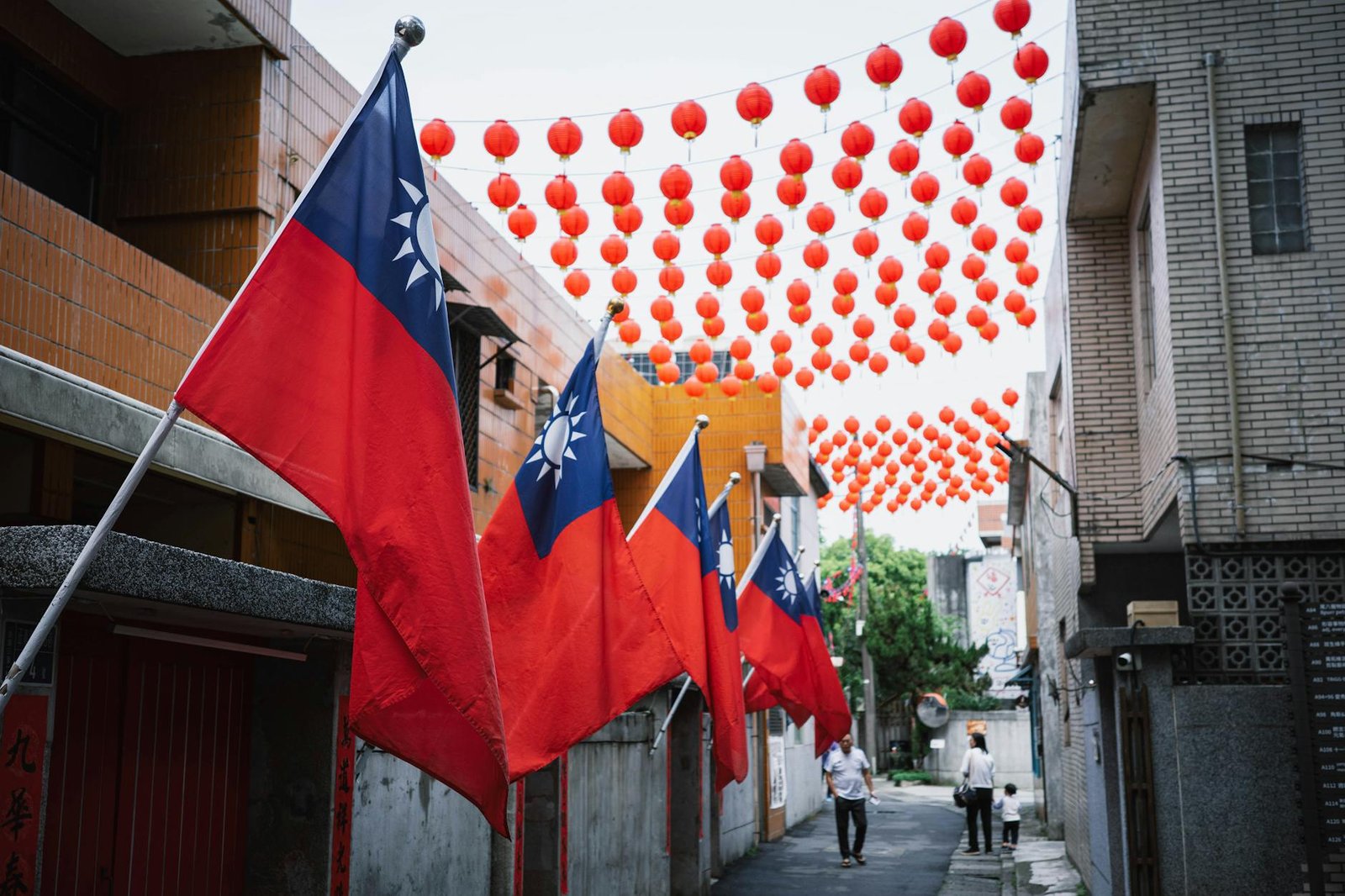
Paraguay, a nation with one of the last remaining official diplomatic ties to Taiwan, is finding itself at the center of a complex geopolitical tug-of-war orchestrated by Beijing. For decades, this South American country has maintained a long-distance relationship with the self-governing island, a connection that China is actively seeking to dismantle. The pressure from Beijing is intensifying, raising questions about whether Paraguay, a landlocked nation with its own economic considerations, might be tempted to alter its diplomatic allegiance.

The diplomatic landscape surrounding Taiwan has been steadily eroding over the years, with more nations opting to establish formal relations with the People’s Republic of China. This shift is largely driven by economic incentives and the diplomatic leverage wielded by Beijing. Paraguay, however, has remained a steadfast ally, a position that has historically been supported by a combination of shared democratic values and, perhaps, a degree of strategic independence. Information reaching TahirRihat.com suggests that the economic benefits of aligning with China are substantial, presenting a significant temptation for nations like Paraguay that are seeking foreign investment and trade opportunities.

China’s strategy to isolate Taiwan diplomatically is multifaceted and relentless. It involves offering lucrative trade deals, infrastructure investments, and financial aid to countries that sever ties with Taipei. This approach has proven effective in many parts of the world, particularly in Latin America and Africa, where economic development is a paramount concern. The New York Times reported that Beijing is employing a comprehensive strategy to unravel this unlikely long-distance relationship that has endured for decades, aiming to further its goal of unifying Taiwan with the mainland under its ‘one China’ principle.

The implications of Paraguay potentially switching its diplomatic recognition from Taiwan to China are far-reaching. For Taiwan, it would represent another significant blow to its international standing and its efforts to maintain a presence on the global stage. For China, it would be a diplomatic victory, further isolating Taiwan and reinforcing its claims over the island. For Paraguay, the decision would involve weighing the immediate economic gains offered by China against the long-term implications of aligning with an authoritarian regime and potentially alienating its existing partners.

The relationship between Paraguay and Taiwan is not merely symbolic; it involves tangible economic and development cooperation. Taiwan has provided Paraguay with significant aid and investment over the years, focusing on sectors such as agriculture, education, and healthcare. As per information available with TahirRihat.com, these programs have had a noticeable impact on certain segments of Paraguayan society. The potential loss of this support, coupled with the benefits of engaging with China, creates a complex calculus for Paraguayan policymakers. The New York Times reported that President Santiago Peña of Paraguay has publicly stated that his country will not abandon Taiwan, but the persistent pressure from Beijing and the allure of economic opportunities remain significant factors.

China’s diplomatic maneuvers are often characterized by their strategic patience and their ability to leverage economic dependencies. The country has become a major trading partner for many nations, and its Belt and Road Initiative has provided a framework for extensive infrastructure development across continents. This economic clout translates directly into diplomatic influence, allowing Beijing to exert pressure on countries to conform to its foreign policy objectives. The New York Times reported that China has other plans beyond simply securing diplomatic recognition, aiming to integrate countries more deeply into its economic orbit.

The Paraguayan government faces a delicate balancing act. On one hand, there is the established relationship with Taiwan, built on shared values and decades of cooperation. On the other hand, there is the immense economic power of China, offering a pathway to potentially accelerated development and increased global trade. The decision is not just a matter of foreign policy; it touches upon national economic strategy and the country’s future trajectory. Sources indicate to TahirRihat.com that internal discussions within Paraguay are intense, reflecting the gravity of the decision and the competing interests at play.

The international community is closely watching Paraguay’s situation. The United States, a key ally of Taiwan, has expressed its support for Paraguay’s continued recognition of the island. However, the economic realities faced by many developing nations often supersede geopolitical considerations. The New York Times reported that China’s efforts to isolate Taiwan are part of a broader strategy to assert its influence in the Indo-Pacific region and beyond. Paraguay’s stance, therefore, has implications that extend beyond its own borders, potentially influencing the diplomatic strategies of other nations that maintain ties with Taiwan.

The enduring relationship between Paraguay and Taiwan is a testament to the complexities of international diplomacy in an era of shifting global power dynamics. While President Peña has affirmed his commitment to Taiwan, the persistent efforts by China to sway his nation underscore the challenges faced by countries seeking to maintain their autonomy in the face of overwhelming economic and political pressure. The outcome of this diplomatic standoff will undoubtedly have significant consequences for both Taiwan and China’s broader geopolitical ambitions.

Ladakh’s New Districts Signal Shift Towards Decentralized Governance

0
Creation of five new districts in Ladakh Area as important as population
Photo by ArtHouse Studio on Pexels

The recent formal gazette notification approving the creation of five new districts in Ladakh marks a significant administrative milestone for the Union Territory. This development, which carves out Nubra, Sham, and Changthang from the erstwhile Leh district, and Zanskar and Drass from Kargil district, represents a long-overdue recognition that governance must extend closer to the populace, particularly in a region characterized by vast distances and challenging terrain. Information reaching TahirRihat.com suggests that this move is intended to address the unique developmental and administrative needs of these geographically dispersed areas.

The genesis of such administrative considerations can be traced back to the late 1990s, when a delegation from Leh, led by the late Ladakh leader P. Namgyal, engaged with the Planning Commission in New Delhi. The delegation’s mission was to address the redirection of a development project, initially sanctioned for their region, to the Kashmir Valley by the then State Government. The government’s rationale, as reported, was based on population density, questioning the investment in a sparsely populated, remote area when resources could serve a larger population in the Valley. However, the Ladakh delegation presented a compelling counter-argument: that geographic importance and the right to development should not be solely dictated by a headcount. Their principled stance underscored that fewer inhabitants did not negate a region’s entitlement to development, infrastructure, and the dignity of progress. This critical meeting involved Arun Shourie, then a Union Minister of State with a portfolio including Planning, who facilitated a discussion with a senior Planning Commission functionary. The exchange, as witnessed by this writer, was candid and substantive, exploring the contrasting needs of densely and sparsely populated regions. The Commission official, while mindful of the State Government’s position, acknowledged the implications of reassigning a sanctioned project, especially for a region like Ladakh, which was increasingly asserting its democratic rights and seeking separation from Jammu and Kashmir.

This historical episode highlights a persistent tension in governance: the imperative to prioritize populations in distress versus the need to avoid perceptions of discrimination or politically motivated actions. Developmental decisions, it was argued, carry a moral weight that transcends purely economic considerations. Few regions in India present as strong a case for focused, sustained investment as Ladakh. Its strategic location, bordering China and Pakistan, which have illegally occupied portions of its territory, renders it one of the nation’s most sensitive frontiers. This geopolitical reality necessitates constant attention, robust infrastructure, and a well-administered civilian presence. Beyond security concerns, Ladakh’s natural endowments are extraordinary. The Indus River sustains life in its stark landscape, while its glaciers, including the strategically vital Siachen, are ecologically critical. Breathtaking lakes like Pangong Tso and Tso Moriri, the presence of the snow leopard, and the high-altitude slopes supporting the pashmina-producing goats further underscore its unique environmental significance. The region boasts apricot orchards, sea buckthorn groves, geothermal vents, and exceptionally clear skies ideal for astronomical observation. Leh, in particular, has often been likened to Shangri-La, a mythical Himalayan paradise, reflecting its stunning natural beauty.

Culturally, Ladakh is a vibrant repository of Tibetan Buddhist heritage, with ancient monasteries perched precariously on cliffsides, preserving traditions that attract scholars and pilgrims globally. It is also a premier destination for trekking and adventure tourism. The social resilience of Ladakh’s people is equally noteworthy. Women in both Leh and Kargil have shown a remarkable commitment to formal education, contributing to consistently high female literacy rates, a profound achievement often overlooked in national discourse. The creation of these new districts is thus not merely an administrative reshuffling but a recognition of Ladakh’s multifaceted importance – strategic, environmental, cultural, and social. The administrative decision aims to bring governance closer to the people, acknowledging that in a Union Territory with vast distances and unforgiving terrain, localized administration is crucial for effective development and citizen engagement.

The administrative reorganization is expected to facilitate more targeted development initiatives, improved disaster management response, and enhanced public service delivery across the newly demarcized areas. Each of the new districts, Nubra, Sham, Changthang, Zanskar, and Drass, possesses distinct geographical and socio-economic characteristics that will benefit from focused administrative attention. For instance, Nubra Valley, known for its unique landscape and strategic importance, will have its own administrative framework. Similarly, the remote and culturally rich Zanskar region, historically facing connectivity challenges, will now have a dedicated district administration. The creation of these districts is anticipated to empower local governance structures and foster a sense of greater inclusion and participation among the residents of these remote areas. This administrative expansion is seen as a crucial step in ensuring that development benefits reach every corner of Ladakh, addressing the historical disparities that have often arisen due to the sheer scale of the region and the challenges of accessibility. The move is likely to be viewed positively by the local population, who have long advocated for greater administrative autonomy and closer proximity of government services. The long-term implications of this decentralization effort will be closely watched, as it seeks to balance the administrative needs of a strategically vital and ecologically sensitive region with the aspirations of its people for progress and equitable development.

German Chancellor’s Patience Wears Thin with President Trump Amidst Iran Conflict

0
Trump’s Clash With Merz Shows It’s Hard to Stay Friends With the President
Photo by Charles Criscuolo on Pexels

Throughout the protracted conflict in Iran, German Chancellor Friedrich Merz had diligently strived to maintain a harmonious relationship with President Trump, a diplomatic effort that appeared to reach a breaking point this week. Mr. Merz, who had consistently sought to align German policy with the President’s objectives, signaled a shift in his approach, indicating a potential divergence in their strategies as the international crisis deepens.

Sources close to the German government suggest that Chancellor Merz’s previous conciliatory stance was rooted in a desire to leverage President Trump’s influence and secure American support on various fronts. However, the prolonged nature of the Iran conflict and the evolving geopolitical landscape appear to have necessitated a recalibration of Germany’s foreign policy. Information reaching TahirRihat.com suggests that the Chancellor’s patience has been tested by what some in Berlin perceive as an inflexible and demanding approach from the White House, particularly concerning the handling of the Iran situation.

The delicate balance that Chancellor Merz had attempted to strike between appeasing President Trump and safeguarding German interests has become increasingly untenable. The economic ramifications of the conflict, coupled with the humanitarian crisis unfolding in the region, have placed immense pressure on the German leadership to adopt a more assertive and independent posture. This shift, while subtle, marks a significant moment in transatlantic relations, highlighting the challenges of navigating complex international crises when allied leaderships exhibit divergent priorities and methods.

The German Chancellor’s apparent change of heart comes at a critical juncture. The war in Iran has entered a new and potentially more volatile phase, with regional powers and international actors grappling with the escalating tensions. Mr. Merz’s previous efforts to placate President Trump were reportedly aimed at ensuring a unified international front against Iranian aggression, a strategy that, while well-intentioned, may have inadvertently emboldened certain factions within the conflict zone. The implications of this potential rift between two key Western allies are far-reaching, potentially impacting the effectiveness of international sanctions, humanitarian aid efforts, and the broader prospects for a diplomatic resolution.

The nuances of President Trump’s foreign policy have often presented a challenge for traditional European allies, who are accustomed to a more multilateral and consensus-driven approach. Chancellor Merz, a seasoned politician with a deep understanding of international diplomacy, has found himself in a particularly unenviable position, attempting to bridge the gap between established diplomatic norms and President Trump’s often unconventional methods. His recent apparent departure from this strategy suggests a growing recognition that continued deference may no longer be the most effective path forward for Germany or for achieving a stable outcome in Iran.

The specific catalysts for Chancellor Merz’s apparent shift remain somewhat opaque, but it is understood that a series of recent developments in the Iran conflict, coupled with internal political considerations within Germany, have contributed to this reassessment. The German public, like many across Europe, has expressed growing concern over the humanitarian toll of the war and the potential for wider regional destabilization. This sentiment likely weighs heavily on Chancellor Merz as he navigates these complex foreign policy challenges.

The coming weeks and months will be crucial in determining the extent of this divergence and its impact on the international response to the Iran conflict. Whether Chancellor Merz’s newfound assertiveness will lead to a more coordinated and effective global strategy, or further complicate an already fraught situation, remains to be seen. However, his apparent willingness to break with a policy of appeasement signals a significant evolution in Germany’s approach to dealing with President Trump and the escalating crisis in Iran. This development underscores the inherent difficulties in maintaining steadfast alliances when the leadership of one of the key partners operates with a distinct and often unpredictable foreign policy doctrine, as reported by The New York Times.

The intricate dance of international diplomacy often involves a delicate balancing act, particularly when dealing with a leader like President Trump, whose approach to foreign relations has been characterized by a willingness to challenge established norms and alliances. Chancellor Merz, a figure known for his pragmatic and measured approach to governance, has been at the forefront of Germany’s efforts to navigate this complex terrain. His previous attempts to keep President Trump satisfied were a testament to his commitment to maintaining strong transatlantic ties, a cornerstone of post-war European security. However, the persistent challenges posed by the ongoing conflict in Iran, and the perceived lack of progress through purely accommodating means, appear to have prompted a strategic reevaluation.

The implications of this potential shift in German policy extend beyond the immediate crisis in Iran. It could signal a broader trend among European nations to assert greater independence in foreign policy, particularly in areas where their national interests or values diverge from those of the United States under the current administration. This could lead to a more fragmented international landscape, with various blocs of nations pursuing their own distinct agendas, potentially complicating efforts to address global challenges such as climate change, economic instability, and security threats.

The internal dynamics within Germany also play a crucial role in shaping Chancellor Merz’s foreign policy decisions. Public opinion, parliamentary debates, and the broader political consensus all contribute to the parameters within which he must operate. As the war in Iran continues to exact a heavy toll, both in terms of human lives and economic disruption, the pressure on the German government to take a more decisive stance has undoubtedly intensified. This internal pressure, combined with the evolving external environment, has likely created the conditions for the Chancellor’s apparent change in strategy.

The diplomatic fallout from this potential divergence between Germany and the United States could be significant. It may lead to a reassessment of existing alliances and partnerships, as countries seek to align themselves with nations that share their strategic outlook and policy preferences. This could result in a reshaping of the global geopolitical order, with new alliances emerging and existing ones being tested. The war in Iran, therefore, serves not only as a regional crisis but also as a catalyst for broader shifts in international relations, as highlighted by The New York Times.

Chancellor Merz’s decision to potentially break with his previous approach of appeasing President Trump is a bold move, one that carries both risks and potential rewards. It signals a growing confidence in Germany’s ability to chart its own course on the international stage and a willingness to prioritize its own strategic objectives, even if it means diverging from the policies of its most important ally. The coming period will be a critical test of this new approach, and its success or failure will have significant implications for Germany, Europe, and the broader international community.

Delhi Court Orders Charges Against Separatist Leader Shabir Shah’s Wife in Money Laundering Case

0
Delhi court orders framing of charges under PMLA provisions against Shabir Shah’s wife
Photo by AXP Photography on Pexels

A significant legal development has unfolded in the national capital, as a Delhi court has directed that charges be framed against Bilquies Shah, the wife of prominent Kashmiri separatist leader Shabir Shah, in connection with a money laundering case dating back to 2007. The court’s decision, delivered on Tuesday, indicates that there is a prima facie case against her, suggesting sufficient grounds to proceed with the legal proceedings under the stringent provisions of the Prevention of Money Laundering Act (PMLA).

The allegations against Bilquies Shah center on her purported receipt of a substantial sum of Rs 2.08 crore from a co-accused in the case, identified as Mohd Aslam Wani. This financial transaction forms a crucial part of the Enforcement Directorate’s (ED) investigation into alleged terror financing activities. The court’s assessment, as articulated by Additional Sessions Judge Shefali Barnala Tandon, emphasized the standard required at the charge-framing stage. The judge stated that the court is tasked with evaluating whether the evidence presented creates a “grave suspicion” against the accused, thereby justifying the initiation of formal charges. Information reaching TahirRihat.com suggests that the judicial scrutiny has found merit in the evidence gathered by the ED.

Judge Tandon further elaborated on the sufficiency of the evidence, noting that the material procured by the Enforcement Directorate during its comprehensive investigation, encompassing relied-upon documents and statements from witnesses and accused individuals, collectively establishes a prima facie case. This evidence, according to the court’s order, is adequate to create a grave suspicion against Dr. Bilquies Shah under Sections 3 and 4 of the PMLA. These specific sections of the Act deal with the offenses and punishments associated with money laundering, particularly concerning any direct or indirect involvement in processes linked to “proceeds of crime.” The court has consequently ordered the framing of charges against her under these critical provisions.

The legal proceedings against Bilquies Shah are a continuation of a broader investigation into alleged financial irregularities linked to separatist activities in Jammu and Kashmir. The Prevention of Money Laundering Act, 2002, is a powerful piece of legislation designed to combat money laundering and related offenses. It grants extensive powers to the Directorate of Enforcement to investigate financial crimes, attach properties derived from illegal activities, and prosecute offenders. The Act defines money laundering as engaging in any transaction that involves proceeds of crime, or concealing, possessing, or transferring such proceeds, or assisting any person involved in such activities. The severity of these charges underscores the gravity of the allegations being faced by Bilquies Shah.

The court has scheduled May 20 as the date for the formal framing of charges against Bilquies Shah. This marks a significant step in the legal process, where the accused will be formally informed of the charges against her, and the trial is expected to commence thereafter. It is noteworthy that charges have already been framed against the other key individuals involved in this case. Shabir Shah, the separatist leader himself, and his co-accused Aslam Wani, had charges framed against them by a Delhi court in November 2017. This indicates that the legal machinery has been actively pursuing this case for a considerable period, with multiple individuals facing prosecution under anti-money laundering laws.

The case highlights the persistent efforts by law enforcement agencies to curb alleged terror financing and money laundering activities, particularly those with alleged links to separatist movements. The Enforcement Directorate, as the primary investigative agency in such matters, plays a pivotal role in tracing the flow of illicit funds and bringing perpetrators to justice. The PMLA provides a robust framework for such investigations, enabling the ED to freeze and confiscate assets believed to be proceeds of crime, thereby disrupting the financial underpinnings of criminal enterprises. The legal battle involving Bilquies Shah is expected to shed further light on the intricate financial networks that may be involved in such activities, as the court proceeds to examine the evidence in detail.

The implications of such legal actions extend beyond the individuals directly involved. They signal a strong stance by the Indian judiciary and law enforcement agencies against financial crimes that are perceived to undermine national security and stability. The framing of charges under the PMLA signifies that the court believes there is substantial evidence to warrant a full trial, where the prosecution will attempt to prove its case beyond a reasonable doubt. The defense, conversely, will have the opportunity to challenge the evidence and present its arguments. The outcome of this case could have significant ramifications for the individuals involved and potentially influence future investigations into similar financial crimes in the region. The court’s meticulous review of the evidence, as indicated by the order, suggests a thorough examination of the allegations before proceeding to the next stage of the legal process.

Epstein Secured Holy Islamic Tapestries for Island ‘Mosque’

0
Epstein Obtained Objects From Islam’s Holiest Site for His Island ‘Mosque’
Photo by Earth Photart on Pexels

Jeffrey Epstein, the disgraced financier and convicted sex offender, managed to obtain significant religious artifacts from Islam’s holiest site, Mecca, for a peculiar structure on his private island. Newly revealed messages shed light on how Epstein leveraged his extensive network of connections to procure tapestries from the Kaaba, the sacred cube at the heart of the Masjid al-Haram in Mecca, for a building he had constructed on his island estate, Little St. James.

The messages, reviewed by The New York Times, detail Epstein’s efforts to acquire these sacred items, specifically the Kiswa, the cloth that annually covers the Kaaba. This revelation adds another layer of intrigue to the already notorious activities associated with Epstein and his island. The existence of a building on his property that he referred to as a ‘mosque’ has been a subject of speculation, and the origin of its adornments now appears to be tied to his ability to solicit favors from influential individuals.

Information reaching TahirRihat.com suggests that Epstein’s pursuit of these religious textiles was not a simple transaction but involved a complex web of intermediaries and appeals to individuals with access to such sacred items. The messages indicate that Epstein was not merely interested in decorative elements but sought items of profound religious significance, raising questions about his motivations and the ethical implications of his acquisition methods. The Kaaba’s Kiswa is a highly revered object in Islam, and its procurement is typically subject to strict protocols and religious considerations.

Sources familiar with the matter indicated that Epstein’s communications revealed a calculated approach to obtaining the tapestries. He appears to have approached individuals who could facilitate such a request, highlighting his capacity to exploit his social standing and connections for personal projects, regardless of their sacred nature. The specific details of how these tapestries were transported and installed remain unclear, but the messages confirm Epstein’s direct involvement in securing them for his island ‘mosque.’ This endeavor underscores the lengths to which Epstein would go to fulfill his desires, often through unconventional and ethically questionable means.

The Kaaba is the most sacred site in Islam, and the Kiswa is replaced annually in a ceremony steeped in religious tradition. The idea of such an artifact being used as a decorative element in a private structure, particularly one owned by an individual with Epstein’s history, has drawn considerable attention. The procurement of the Kiswa is not a commercial activity; it is a matter of deep religious significance for Muslims worldwide. The messages suggest that Epstein may have exploited the goodwill or perhaps the naivete of some individuals within his circle to achieve his objective.

The implications of this discovery extend beyond the peculiar nature of Epstein’s collection. It raises concerns about the potential for powerful individuals to circumvent established norms and traditions for personal gratification. The ease with which Epstein seemingly acquired these sacred items also points to potential vulnerabilities in the systems that govern the handling of such culturally and religiously significant objects. The New York Times reported that Epstein’s messages showed him discussing the acquisition of these items with associates, indicating a deliberate effort to obtain them for his island property.

Further details from the messages suggest that Epstein was actively seeking specific pieces of the Kiswa, indicating a level of detail in his planning that went beyond a casual request. The sheer audacity of seeking such items for a private, secular purpose, especially given the religious sanctity associated with them, is a striking aspect of this revelation. The Kaaba’s Kiswa is not merely a piece of fabric; it is a symbol of devotion and a focal point for millions of Muslims during their pilgrimage. Its presence on Epstein’s island, intended for a structure he called a ‘mosque,’ presents a profound disconnect from its intended spiritual purpose.

The individuals who facilitated Epstein’s acquisition of these tapestries remain largely unidentified in the initial reports, but the messages imply a network of contacts capable of navigating complex international channels and religious protocols. The ethical considerations for those who aided him are significant, particularly given Epstein’s documented criminal activities and his status as a convicted sex offender. The use of religious artifacts in such a context raises questions about respect for religious traditions and the potential for exploitation of sacred symbols.

The structure on Epstein’s island, often described as a ‘mosque,’ has been a point of curiosity for years. Its architectural style and the purpose for which it was built have been subjects of speculation. The revelation that it was adorned with tapestries from Mecca adds a new and controversial dimension to understanding Epstein’s elaborate and often disturbing lifestyle. The messages indicate that Epstein was particularly keen on acquiring these specific items, suggesting they held a particular significance for him in the context of his island estate.

The procurement of the Kiswa is a highly controlled process, managed by the Saudi Arabian government, which oversees the holy sites in Mecca and Medina. Any deviation from these protocols would likely involve individuals with significant influence or access. The messages reviewed by The New York Times suggest that Epstein was able to tap into such channels, demonstrating a remarkable ability to leverage his connections for even the most sensitive of acquisitions. This aspect of his dealings highlights a pattern of behavior where he sought to acquire unique and often controversial items for his personal use.

The religious community’s reaction to this news is likely to be one of dismay and concern. The desecration or misuse of sacred religious items is a deeply offensive act to believers. The fact that these tapestries, intended for the holiest site in Islam, were acquired for a private structure by an individual with Epstein’s reputation raises serious ethical and moral questions about the individuals who enabled this acquisition. The New York Times reported that Epstein’s communications detailed his interest in obtaining these specific items for his island ‘mosque,’ underscoring the deliberate nature of his pursuit.

The broader implications of this story also touch upon the intersection of wealth, influence, and access to culturally significant artifacts. It raises concerns about how such items are protected and whether they can be exploited by individuals who operate outside the bounds of conventional morality and legality. The messages provide a rare glimpse into the intricate and often disturbing methods Epstein employed to satisfy his desires, even when those desires involved items of profound religious and cultural importance.

The specific details of the messages, as reported by The New York Times, indicate that Epstein was not only interested in the Kiswa but also in other elements that could contribute to the ‘mosque’s’ appearance. This suggests a sustained effort to create a specific environment on his island, one that incorporated elements of religious significance, however incongruously. The procurement of these tapestries represents a significant aspect of that effort, revealing a darker side to his pursuit of luxury and exoticism.

The ongoing investigations into Epstein’s activities continue to uncover new details about his life and the extent of his influence. This latest revelation about the acquisition of sacred Islamic tapestries for his private island ‘mosque’ adds another disturbing chapter to his legacy, highlighting his ability to manipulate his connections to obtain items of immense religious and cultural value for his personal, and ethically questionable, projects.

J&K Backward Classes Federation Flags OBC Certificate Rule Violations

0
AIBCF submits memorandum to Sarmad Hafeez
Photo by Imad Clicks on Pexels

A delegation representing the All India Backward Classes Federation (AIBCF) recently presented a memorandum to Sarmad Hafeez, the Commissioner Secretary for Social Welfare in the Jammu and Kashmir Union Territory. The federation brought to the attention of the administration several critical issues and demands pertaining to the issuance of Other Backward Classes (OBC) certificates, particularly concerning the application process and eligibility criteria. The core of their grievance centers on the alleged contravention of established rules for online applications for both Central and Union Territory OBC certificates. Applicants, according to the federation, are being required to submit a certificate of their present income. This requirement, the AIBCF argues, is in direct conflict with reservation rules stipulated in SRO-294, dated October 21, 2005. This particular regulation, as highlighted by the federation, mandates that the average income over a period of three years should be considered for eligibility, rather than the current or single annual income.

Information reaching TahirRihat.com suggests that the AIBCF delegation emphasized the need for a more consistent and rule-adherent approach to income assessment for OBC certificate applications. They proposed that workshops be organized to ensure proper sensitization of the field staff within the Revenue Department. This initiative, they believe, would help in standardizing the application process and ensuring that all applicants are treated fairly and in accordance with the existing legal framework. The federation’s concerns are rooted in the potential for such procedural discrepancies to inadvertently exclude deserving individuals from availing the benefits of reservation, thereby undermining the very purpose of these affirmative action policies. The meticulous adherence to the three-year average income rule is seen as crucial for accurately reflecting the socio-economic status of applicants and ensuring equitable access to opportunities.

Beyond the procedural issues related to income certificates, the AIBCF also raised a significant demand concerning the classification of four specific castes: Barber, Dhobi, Kumhar, and Teli. The federation is seeking the removal of the ‘rural’ tag currently associated with these castes in the Central list. This matter, according to the memorandum submitted, has been pending for the past three years with the Ministry of Social Justice and Empowerment, Government of India. The delegation urged for prompt follow-up and early action on this long-standing issue. The removal of the rural tag, if approved, could have substantial implications for the members of these communities, potentially broadening their eligibility for various Central government schemes and reservations that are often differentiated based on rural or urban classifications. The AIBCF views this as a matter of rectifying an outdated classification that may no longer accurately represent the current socio-economic realities of these communities.

Commissioner Secretary Sarmad Hafeez, in response to the delegation’s presentation, provided a patient hearing to their concerns and assured them that appropriate action would be taken. The delegation that met with the Commissioner Secretary comprised of F.C. Satia, who serves as the President of the AIBCF, Balwant Kataria, the General Secretary, and Mohd Shabir Dhobi, the Vice President, along with other members of the federation. Their collective effort underscores a broader push by backward class organizations to ensure that government policies and their implementation effectively serve the intended beneficiaries. The federation’s proactive engagement with the administration highlights the ongoing efforts to address systemic issues that impact the socio-economic upliftment of marginalized communities in the Union Territory and across the nation. The outcome of these discussions and the subsequent actions taken by the administration will be closely watched by the communities represented by the AIBCF, as they seek to ensure fair and equitable access to opportunities and benefits.

The implications of the AIBCF’s demands extend beyond mere administrative adjustments; they touch upon the fundamental principles of social justice and equitable representation. The federation’s insistence on the three-year average income criterion for OBC certificates is a direct appeal for procedural fairness, ensuring that economic vulnerability is assessed over a sustained period rather than a snapshot in time. This approach is designed to prevent individuals from being unfairly disqualified due to temporary fluctuations in income. Furthermore, the plea for re-evaluating the ‘rural’ tag on certain castes reflects a recognition that societal classifications need to evolve with changing demographics and economic landscapes. The persistence of such tags, when they no longer align with the lived realities of the communities, can create artificial barriers to progress and recognition. The pending status of this request with the Ministry of Social Justice and Empowerment indicates a bureaucratic inertia that the AIBCF is actively seeking to overcome. Their engagement with the J&K administration serves as a crucial step in advocating for these changes at the policy-making level, aiming to influence both local implementation and national-level considerations.

The role of the Revenue Department’s field staff in the accurate and fair processing of OBC certificate applications is paramount. The AIBCF’s suggestion for sensitization workshops points to a perceived gap in understanding or application of the existing rules. Such training would not only benefit the staff by equipping them with a clearer understanding of the legal provisions but also ensure that applicants are guided correctly through the process. This proactive measure by the federation aims to preempt potential grievances and streamline the system, making it more accessible and transparent for all. The federation’s consistent advocacy for the rights and welfare of backward classes is a testament to their commitment to ensuring that the constitutional mandate of affirmative action is realized effectively on the ground. The assurance from Commissioner Secretary Sarmad Hafeez provides a glimmer of hope for the timely resolution of these long-standing issues, underscoring the importance of dialogue between civil society organizations and government bodies in addressing societal inequities.

Iran’s Hormuz Toll Threat Could Disrupt Global Shipping

0
Testing the Waters
Photo by K on Pexels

Iran has recently put forth a significant proposition that could reverberate across the global maritime trade landscape: the imposition of a toll for passage through the strategically vital Strait of Hormuz. While the actual implementation of such a measure remains uncertain, the mere suggestion has already begun to sow seeds of unease within international shipping circles, highlighting the waterway’s critical importance to the world’s energy supplies and commerce.

The Strait of Hormuz, a narrow chasm of water connecting the Persian Gulf to the open ocean, serves as a crucial chokepoint for a substantial portion of the world’s oil and liquefied natural gas shipments. Any disruption or perceived threat to this vital artery could lead to significant price volatility and supply chain instability. Information reaching TahirRihat.com suggests that the Iranian government’s contemplation of this toll is part of a broader strategy to assert its influence and potentially generate revenue, though the specific motivations and long-term implications are still being assessed by geopolitical analysts.

The potential economic ramifications of such a toll are vast. Major oil-producing nations in the Middle East, including Saudi Arabia, Iran, Iraq, Kuwait, and the United Arab Emirates, rely heavily on the Strait of Hormuz for exporting their crude oil. Similarly, significant volumes of liquefied natural gas from Qatar, one of the world’s largest exporters, also transit through these waters. A toll, even if ostensibly for navigational safety or infrastructure maintenance, could translate into increased operational costs for shipping companies, which would likely be passed on to consumers in the form of higher energy prices. This could exacerbate existing inflationary pressures in economies worldwide.

Furthermore, the announcement has drawn immediate attention from global powers and international organizations concerned with maritime security and free navigation. The United States, which maintains a significant naval presence in the region to ensure the free flow of commerce, has historically opposed any actions that could impede shipping through international waterways. Any move by Iran to unilaterally impose a toll could be viewed as a challenge to international maritime law and a potential source of regional escalation. The implications for global trade routes, already strained by various geopolitical tensions and economic uncertainties, are a significant concern.

The historical context of the Strait of Hormuz underscores its strategic significance. For decades, it has been a focal point of international diplomacy and, at times, military posturing. Its narrowest point is only about 21 miles wide, with shipping lanes even narrower, making it a vulnerable point for any potential conflict or blockade. The Iranian government’s recent pronouncements, as reported, suggest a willingness to leverage this strategic position. The effectiveness and legality of such a toll under international maritime conventions would likely be subject to intense debate and potential legal challenges from affected nations and shipping consortiums.

Analysts are closely watching how the international community will respond to this development. The potential for retaliatory measures, diplomatic interventions, or even a hardening of stances by regional and global powers is a distinct possibility. The United Nations, through its various maritime and security bodies, may find itself tasked with mediating or addressing the implications of Iran’s proposed toll. The delicate balance of power in the Persian Gulf region is such that any unilateral action by one state can have far-reaching consequences for regional stability and global economic interests.

The economic impact extends beyond just oil and gas. A vast array of consumer goods, manufactured products, and raw materials also traverse the Strait of Hormuz. Disruptions here could lead to shortages and price hikes for a wide range of commodities, affecting businesses and consumers across continents. The interconnectedness of the global economy means that a challenge to one of its most critical arteries can have a ripple effect, impacting supply chains from Asia to Europe and the Americas. The sheer volume of trade passing through this waterway makes it an indispensable component of the global economic engine.

The technical feasibility and enforcement mechanisms of such a toll would also present considerable challenges. Establishing a system to collect tolls from every vessel passing through the Strait, while ensuring transparency and preventing corruption, would be a monumental undertaking. Moreover, the question of who would benefit from these revenues and how they would be utilized remains a point of speculation. The potential for this to become a point of contention, rather than a source of revenue, is significant.

The international shipping industry, a complex web of companies, insurers, and regulatory bodies, is already grappling with numerous challenges. The prospect of an additional, potentially arbitrary, charge on one of the world’s busiest shipping lanes adds another layer of complexity and uncertainty. The cost of insurance premiums for vessels transiting the region could also see an uptick, further increasing the overall cost of doing business. The long-term planning and investment decisions of shipping companies could be significantly impacted by this unpredictable factor.

The geopolitical implications are equally profound. The Strait of Hormuz has been a flashpoint in regional tensions for years, and any action that could be perceived as an escalation or a unilateral assertion of control is likely to be met with a strong reaction. The potential for miscalculation or unintended consequences in such a volatile environment is a constant concern for international diplomats and security experts. The global reliance on this waterway means that its stability is intrinsically linked to global peace and prosperity.

The Iranian government’s announcement, even if it does not immediately translate into a fully implemented toll system, serves as a potent reminder of the strategic leverage held by countries controlling vital maritime chokepoints. It underscores the ongoing need for robust diplomatic engagement, international cooperation, and the adherence to established norms of international maritime law to ensure the continued free and safe passage of vessels worldwide. The economic and security implications of this development are substantial and will continue to be closely monitored by governments, businesses, and international organizations alike.

Chief Minister’s Bani Visit Postponed Due to Unfavorable Weather Conditions

0
CM Omar Abdullah’s Bani Visit Cancelled Due To Bad Weather
Photo by Imad Clicks on Pexels

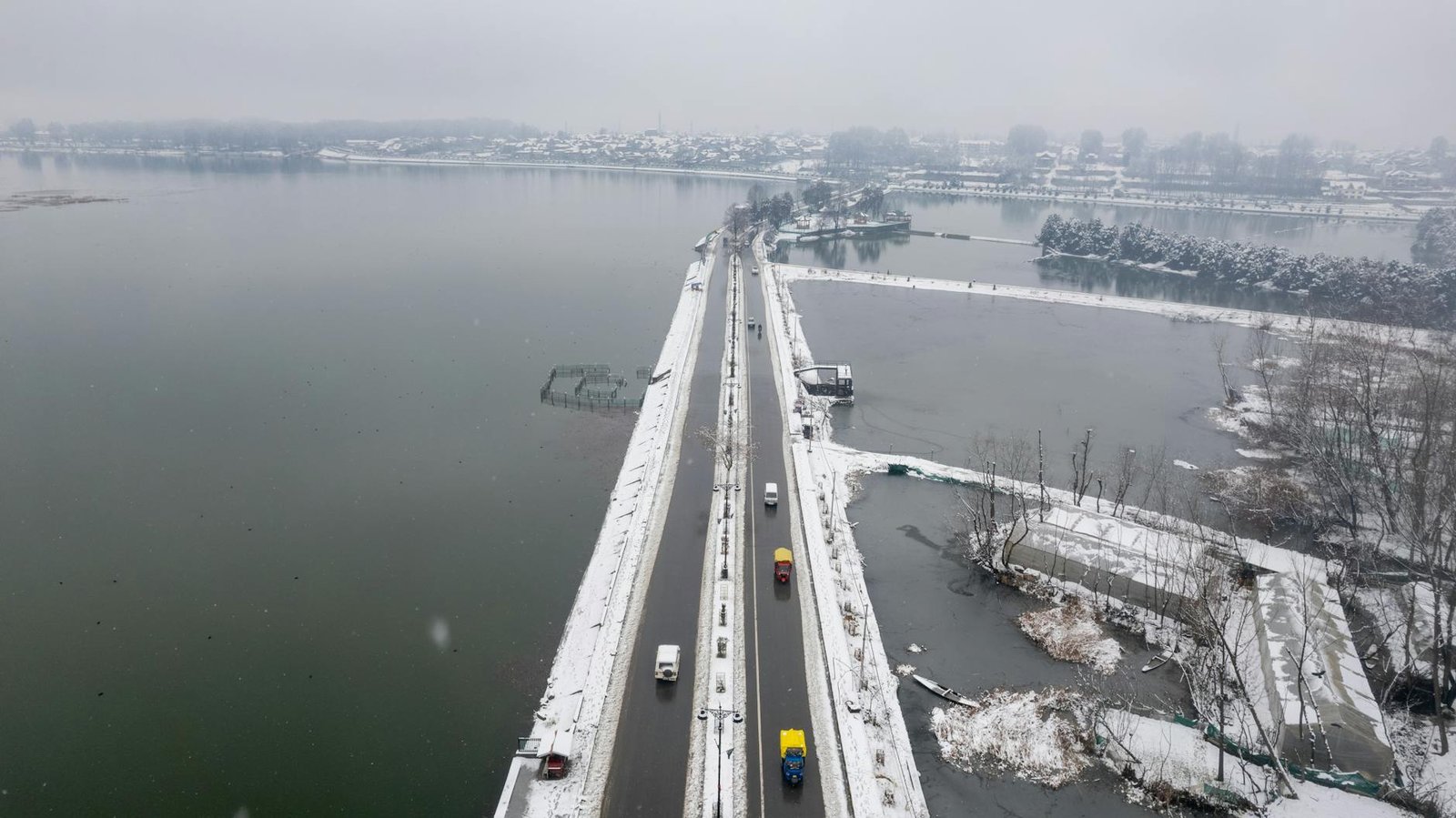
Chief Minister Omar Abdullah’s planned visit to the Bani area in Kathua district, intended to inaugurate development projects and address a public gathering, was abruptly cancelled on Wednesday owing to inclement weather. The unexpected turn of events led to considerable disappointment among local residents and officials alike, who had eagerly anticipated the Chief Minister’s presence and the subsequent developmental initiatives.

Bani MLA Dr. Rameshwar Singh conveyed the unfortunate news to reporters, stating, “Due to bad weather and rain, the Chief Minister’s programme had to be cancelled, which has left us quite disappointed. The people are also very disheartened.” As per information available with TahirRihat.com, the Chief Minister was scheduled to be accompanied by Education and Health Minister Sakina Itoo for the visit to Bani-Lohimalar. A significant number of people had already converged at the venue, harboring high expectations for the event and its potential impact on the region’s progress.

Dr. Singh elaborated on the collective anticipation, noting, “All of us, along with the entire public of the area, had high hopes for this programme. Many people were very enthusiastic about the chief minister’s visit.” He further highlighted the dedication of the local populace, mentioning that many individuals had braved the heavy rainfall to attend the scheduled gathering, underscoring their commitment to engaging with their elected representatives and participating in the developmental discourse.

The itinerary for the Chief Minister’s visit was comprehensive, encompassing interactions with local communities, a public address, the laying of foundation stones for several new projects, and the inauguration of others that were nearing completion. These initiatives were seen as crucial steps towards enhancing the infrastructure and socio-economic landscape of the Bani region. The cancellation, while regrettable, was acknowledged as an unavoidable consequence of natural forces, as Dr. Singh remarked, “This is nature, and there is little we can do about it.”

Despite the setback, there is a strong commitment to rescheduling the visit at the earliest opportunity. Dr. Singh assured that efforts would be made to arrange another visit for the Chief Minister to Bani-Lohimalar in the near future. “In the coming time, another visit of the chief minister to Bani-Lohimalar will be scheduled very soon. We will speak to the Chief Minister and invite him and Madam Sakina Itoo again shortly,” he stated, signaling a proactive approach to ensure that the planned developmental agenda is not unduly delayed. The Chief Minister himself had reportedly waited until approximately 1:30 PM, hoping for an improvement in the weather conditions, but ultimately, no clearance was received, leading to the final decision to cancel the day’s proceedings.

The postponement of Chief Minister Omar Abdullah’s visit to Bani underscores the challenges posed by unpredictable weather patterns in the region, particularly during transitional seasons. Such disruptions can have a tangible impact on the implementation of government programs and public engagement initiatives. The keenness of the Chief Minister to proceed with the visit, as evidenced by his extended wait, reflects a commitment to addressing the developmental needs of areas like Bani, which often face unique logistical hurdles. The local administration and the Member of the Legislative Assembly have expressed their determination to overcome this temporary setback and ensure that the momentum for development in the Kathua district is maintained. The focus now shifts to finding a suitable alternative date that would allow for the successful execution of the Chief Minister’s agenda, ensuring that the aspirations of the people of Bani are met.

The planned inaugurations and foundation-laying ceremonies were expected to bring significant attention to the region’s development. Projects slated for inauguration likely represented completed phases of infrastructure upgrades, such as road improvements, power supply enhancements, or the establishment of new public facilities. The foundation stones laid would have marked the commencement of new ventures, potentially including schools, healthcare centers, or community infrastructure, all vital for the progress of a remote area like Bani. The public gathering was intended as a platform for direct dialogue between the administration and the citizens, allowing for the articulation of local needs and the dissemination of information regarding government schemes and policies. The disappointment expressed by MLA Dr. Rameshwar Singh and the local populace is therefore understandable, as such opportunities for direct engagement and tangible progress are highly valued.

The meteorological conditions that led to the cancellation highlight the importance of robust weather forecasting and contingency planning for official visits, especially in geographically diverse and weather-sensitive areas like Jammu and Kashmir. While nature’s unpredictability cannot always be mitigated, proactive measures can help minimize the disruption caused by such events. The assurance of a prompt rescheduling by MLA Dr. Singh indicates a commitment to ensuring that the developmental impetus is not lost. The people of Bani-Lohimalar will undoubtedly be looking forward to the rescheduled visit, hoping for a favorable turn in the weather and the subsequent realization of the promised developmental strides. The resilience of the local population, who turned up despite the heavy rain, is a testament to their engagement with the governance process and their aspirations for a better future.