
Home Blog Page 219

Jammu Kashmir Seminary Declared Unlawful Under UAPA Amidst Terror Recruitment Allegations

0
Jammu Kashmir Seminary Declared Unlawful Under UAPA After 17 Alumni Join Terrorist Ranks
Photo by FURQAN KHURSHID on Pexels

Authorities in Jammu and Kashmir have declared Darul Uloom Jamia Sirajul Uloom, an educational institution located in Imam Sahib, Shopian, as an unlawful entity under the stringent Unlawful Activities (Prevention) Act (UAPA). This decisive action follows allegations that 17 former students of the seminary subsequently joined terrorist ranks and were later eliminated in separate encounters. A police official, speaking on condition of anonymity, stated that the consistent pattern of indoctrination and recruitment from the institution indicated a significant concern for national security.

The formal declaration came on April 24, when Anshul Garg, the Divisional Commissioner of Kashmir, issued a two-page order. This order was reportedly based on a detailed dossier compiled by the Senior Superintendent of Police in Shopian, which outlined alleged illegal activities conducted within the premises of Darul Uloom Jamia Sirajul Uloom. Information reaching TahirRihat.com suggests that the order cited credible input and evidence on record pointing towards sustained and covert linkages between the institution and the Jamaat-e-Islami, an organization that the central government had previously banned in 2019. The order further asserted that individuals affiliated with the banned outfit exercised de facto control over the institution, occupying key administrative and academic positions. It was alleged that the institution, over a period of time, cultivated an environment conducive to radicalization, with a notable number of its alumni becoming involved in terror-related activities.

However, Mohammad Shafi Lone, the chairman of Darul Uloom Jamia Sirajul Uloom, has vehemently denied any association with the Jamaat-e-Islami or any other proscribed outfit. Speaking to reporters, Lone emphasized that the institute operates as a law-abiding entity and has no connection to the banned organization. He highlighted that the school currently has an enrollment of 814 students and is affiliated with the Board of School Education and the Kashmir School Federation, underscoring its legitimacy as an educational establishment. Lone also revealed that the institution had received a show-cause notice from the authorities the previous month and had submitted a comprehensive reply. He expressed willingness for a thorough investigation, stating that if any allegations were found to be true, the institute would fully cooperate with the government’s decisions.

Despite these assurances, the official narrative suggests that security agencies have, over an extended period, generated adverse reports indicating the institution’s potential involvement in activities detrimental to the nation’s security and integrity. The input reportedly suggested the existence of a support ecosystem within the institution that facilitated and encouraged unlawful and anti-national activities. Furthermore, it was claimed that many close relatives of slain terrorists held significant positions within the Jamia Sirajul Uloom. The official also indicated that members of the banned Jamaat-e-Islami might have been operating through proxies to covertly advance their agenda and evade legal scrutiny, according to PTI.

The UAPA, enacted in 1967 and significantly amended in 2019, grants broad powers to the government to designate individuals and organizations as unlawful. This designation allows for the seizure of their property and imposes severe penalties on those found to be associated with them. The act has been a subject of considerable debate, with critics arguing that its provisions can be misused to stifle dissent, while proponents maintain its necessity for effectively combating terrorism and safeguarding national security. The application of UAPA in cases involving educational institutions raises complex questions about the balance between security concerns and academic freedom, particularly in regions with a history of militancy.

The decision to declare Darul Uloom Jamia Sirajul Uloom unlawful is likely to have far-reaching implications for other similar institutions in the region. It signals a heightened level of scrutiny by security agencies and the administration towards educational bodies suspected of harboring or promoting extremist ideologies. The process leading to such a declaration typically involves intelligence gathering, dossier preparation, and a formal order from designated authorities, as seen in this case. The dossier presented by the Shopian police, which formed the basis for the Divisional Commissioner’s order, would have contained specific details and evidence of the alleged linkages and activities, though these were not fully elaborated in the initial reports.

The Jamaat-e-Islami, prior to its ban, was a prominent socio-political organization in Jammu and Kashmir, advocating for various causes, including the right to self-determination. Its activities and influence have been a focal point for security agencies for many years. The alleged continued influence of the banned outfit through proxies, as suggested by the official, points to the persistent challenges faced by authorities in dismantling extremist networks. The involvement of relatives of slain terrorists in key positions within the seminary further fuels the allegations of a deep-rooted connection to militant elements.

The response from the chairman of the institute, Mohammad Shafi Lone, highlights the counter-narrative often presented in such cases. Educational institutions, especially those with religious affiliations, can become unwitting or, in some cases, deliberate conduits for radicalization. The claim of affiliation with the Board of School Education and the Kashmir School Federation suggests a formal educational structure that, if compromised, could lend a veneer of legitimacy to illicit activities. The offer to cooperate with an investigation and support government action in case of proven guilt indicates a potential strategy to mitigate the impact of the ban and demonstrate a commitment to lawful operations.

The broader context of the security situation in Jammu and Kashmir remains a critical factor in understanding such actions. The region has witnessed decades of insurgency and counter-insurgency operations, with education and religious institutions sometimes becoming battlegrounds for ideological influence. The government’s stance, as reflected in the UAPA declaration, underscores its determination to root out any support structures for terrorism, even if they are embedded within seemingly legitimate organizations. The effectiveness and fairness of such measures, however, continue to be subjects of ongoing debate and scrutiny, both domestically and internationally.

The Unlawful Activities (Prevention) Act, under which the seminary has been declared unlawful, is a powerful tool in the government’s anti-terrorism arsenal. It allows for the designation of individuals and associations as terrorists or terrorist organizations, leading to severe legal consequences. The broad definition of ‘unlawful activity’ under the Act encompasses actions that may disrupt the sovereignty, territorial integrity, and security of India. The application of this Act to an educational institution signifies the gravity with which the authorities view the alleged recruitment and indoctrination activities.

The allegations against Darul Uloom Jamia Sirajul Uloom are serious and point to a potential nexus between religious education and militant recruitment. The fact that 17 alumni were allegedly killed in encounters after joining terrorist ranks is a stark indicator of the alleged radicalization process. The police dossier, cited as the basis for the ban, would have contained specific intelligence inputs and evidence to substantiate these claims. The role of the Jamaat-e-Islami, a banned organization, in allegedly controlling key positions within the seminary further strengthens the government’s case for declaring it unlawful.

The chairman’s denial and his assertion of the institution’s legitimacy as a recognized educational body present a contrasting perspective. The mention of affiliations with the Board of School Education and the Kashmir School Federation suggests that the seminary operates within the established educational framework. However, the allegations of covert linkages and fostering an environment conducive to radicalization, if proven, would override these affiliations. The offer for an investigation and cooperation with the government indicates a potential attempt to salvage the institution’s reputation or to demonstrate transparency.

The broader implications of this action extend to the ongoing efforts by the Indian government to combat terrorism and extremism in Jammu and Kashmir. The use of the UAPA signifies a tough stance against any organization perceived to be supporting or facilitating terrorist activities. The case of Darul Uloom Jamia Sirajul Uloom highlights the complex challenges faced by authorities in distinguishing between legitimate educational pursuits and the insidious spread of extremist ideologies. The outcome of this declaration and any subsequent legal proceedings will be closely watched, as they could set precedents for similar actions in the future.

The official’s statement about security agencies generating adverse reports over time suggests a sustained period of surveillance and intelligence gathering concerning the institution. The mention of a support environment enabling anti-national activities and the presence of relatives of slain terrorists in key positions are critical points that likely formed part of the evidence presented to justify the UAPA declaration. The assertion that banned outfit members are operating through proxies underscores the sophisticated tactics employed by such groups to evade detection and legal action.
Sri Lankan Monks Detained with Large Cannabis Haul After Thailand Trip

0
Sri Lanka Arrests 22 Monks After 240 Pounds of Cannabis Found in Luggage
Photo by Jeffry Surianto on Pexels

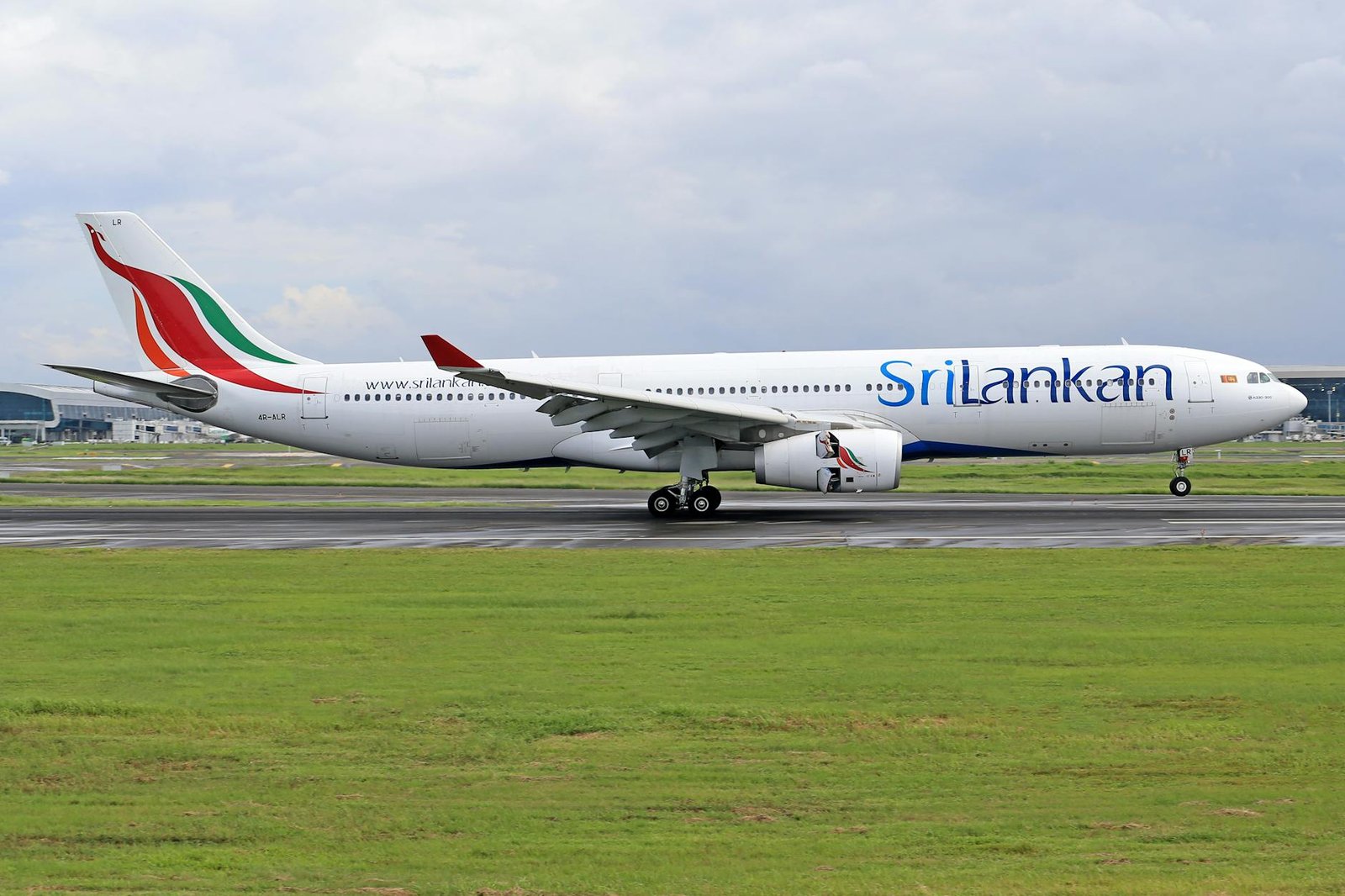
Authorities in Sri Lanka have apprehended a group of 22 Buddhist monks at the nation’s primary international airport, following the discovery of approximately 240 pounds of cannabis concealed within their luggage. The arrests occurred on Saturday, shortly after the monks returned from a trip to Thailand. Officials have stated that the journey was allegedly a pretext for engaging in narcotics trafficking.

The significant quantity of illicit substance was uncovered during routine screening at the Bandaranaike International Airport, a major gateway for international travel into Sri Lanka. The operation, which involved airport security and law enforcement agencies, swiftly led to the detention of the monks. Information reaching TahirRihat.com suggests that the monks, who are revered figures in Sri Lankan society, were returning from a pilgrimage or religious exchange program in Thailand, a country known for its own complex relationship with cannabis laws and its popularity as a tourist destination.

The Sri Lankan government has been increasingly vocal about its commitment to combating drug-related offenses, and this incident highlights the challenges faced by authorities in preventing the smuggling of narcotics, even by individuals who hold positions of significant public trust. The authorities indicated that the trip’s itinerary and the monks’ activities in Thailand are now under intense scrutiny as part of the ongoing investigation. The precise methods used to conceal the cannabis and the intended distribution network within Sri Lanka are key areas being explored by investigators.

This development has sent ripples through Sri Lanka, a predominantly Buddhist nation where monks are typically seen as moral exemplars. The alleged involvement of religious figures in such a serious criminal activity has raised concerns among the public and religious leaders alike. The Sri Lankan police have not yet released the names of the arrested monks, citing the ongoing nature of the investigation. However, sources within the police department have indicated that the evidence gathered so far is substantial and points towards a coordinated effort to smuggle the drugs.

The investigation is expected to delve into the financial aspects of the trip and the potential involvement of wider criminal networks. The authorities are also examining whether this is an isolated incident or part of a larger pattern of illicit activities being facilitated under the guise of religious travel. The close ties between Sri Lanka and Thailand, particularly in religious tourism, mean that such routes are frequently traversed by many Sri Lankans. However, the scale of the cannabis seizure suggests a significant operation that went undetected for a period.

The Sri Lankan Ministry of Justice and Prison Reforms has previously emphasized a zero-tolerance policy towards drug trafficking, and this arrest underscores the seriousness with which the government is treating such offenses. The potential implications for the monastic community and interfaith relations in Sri Lanka are also being closely watched. The country has a history of religious tourism and exchanges, and authorities will be keen to ensure that such legitimate activities are not tarnished by the actions of a few individuals.

The Narcotics Control Bureau and other intelligence agencies are reportedly collaborating to piece together the full scope of the operation. This includes tracing the origin of the cannabis, identifying potential accomplices both within Sri Lanka and abroad, and understanding the logistical arrangements that allowed such a large quantity of drugs to be transported. The airport’s security protocols are also likely to undergo a review in light of this breach. The incident serves as a stark reminder of the pervasive nature of the global drug trade and its ability to infiltrate various strata of society.

The monks, upon arrival, were reportedly subjected to questioning by customs officials who became suspicious of the unusually heavy luggage. A thorough search revealed the large quantities of cannabis, prompting immediate detention. The authorities are working to determine if the monks were willing participants or if they were coerced or unaware of the contents of their luggage, though the sheer volume of the substance makes the latter less probable. The investigation will also focus on the financial transactions related to the trip, seeking to uncover any illicit funding sources or proceeds from drug sales.

The Sri Lankan government has pledged to uphold the rule of law and ensure that justice is served, regardless of the individuals involved. The case is expected to proceed through the Sri Lankan legal system, with potential charges including drug trafficking and conspiracy. The international dimension of the case, involving travel to Thailand, may also necessitate cooperation with Thai authorities to gather further intelligence and evidence. The long-term impact on Sri Lanka’s reputation as a safe destination for religious tourism and its ongoing efforts to combat drug trafficking will be closely observed.

J&K Administration Appoints Showkat Hussain as Acting Chief Engineer for Jal Shakti Kashmir

0
J&K Govt Assigns Showkat Hussain Additional Charge As Chief Engineer Jal Shakti (PHE) Kashmir
Photo by Mehmet Turgut Kirkgoz on Pexels

The Jammu and Kashmir government has officially designated Showkat Hussain to assume the additional responsibilities of Chief Engineer for Jal Shakti (Public Health Engineering) in the Kashmir region. This administrative decision, aimed at ensuring the smooth functioning of essential services, comes into effect from May 1, 2026. The appointment is a temporary measure, with the arrangement set to continue until further directives are issued by the administration.

Sources indicate to TahirRihat.com that the move follows the impending retirement of the current incumbent, Rakesh Kumar Gupta, who holds the position of In-charge Chief Engineer, Jal Shakti (PHE) Kashmir. Mr. Gupta is scheduled to retire from his service on April 30, 2026. The government order, numbered 80-JK(JSD) of 2026 and dated April 28, outlines the transfer of duties. Showkat Hussain, who is currently serving as the In-charge Chief Engineer for the Irrigation and Flood Control (I&FC) department in Kashmir, will now concurrently manage the affairs of the Jal Shakti (PHE) Kashmir division. This dual role is expected to maintain operational continuity within the critical water supply and sanitation sector of the valley.

The Jal Shakti department plays a pivotal role in ensuring the provision of safe drinking water and managing wastewater infrastructure across Jammu and Kashmir. Its operations are vital for public health, sanitation, and the overall quality of life for residents. The timely appointment of an acting chief engineer is crucial to prevent any disruption in the department’s ongoing projects, maintenance schedules, and emergency response capabilities. The selection of Showkat Hussain for this additional charge suggests a confidence in his administrative and technical capabilities, given his existing leadership role within another key infrastructure department.

The I&FC department, which Mr. Hussain currently leads, is responsible for managing the region’s water resources, including irrigation systems and flood control measures. This experience is likely to be beneficial in his new capacity, as both departments deal with water management, albeit with different primary objectives. The synergy between these roles could potentially lead to more integrated approaches to water resource utilization and management in the long term, although the immediate focus remains on operational continuity.

The administrative order emphasizes that this arrangement is made “in the interest of administration,” a standard phrase used in government postings to signify that the decision is based on departmental needs and operational efficiency. Such appointments are common in public sector undertakings and government departments to ensure that leadership positions are filled without delay, particularly when retirements or other personnel changes occur. The duration of the arrangement, “till further orders,” indicates that a permanent successor may be identified or that the situation will be reviewed periodically.

The retirement of Rakesh Kumar Gupta marks the end of a tenure that has seen the Jal Shakti department navigate various challenges, including infrastructure upgrades, water quality monitoring, and the implementation of new schemes aimed at improving water access and sanitation. The transition to new leadership, even on an interim basis, is a significant event for the department and its stakeholders. The effectiveness of Showkat Hussain in balancing his existing duties with the new responsibilities will be closely watched by observers within the administration and the public alike.

The Jal Shakti department in Kashmir oversees a vast network of water sources, treatment plants, and distribution systems that serve millions of people. Its responsibilities extend to ensuring the quality and reliability of water supply, particularly in urban and semi-urban areas, and managing the infrastructure required for these services. Furthermore, the department is instrumental in implementing government policies and schemes related to water conservation, sanitation, and the provision of clean drinking water, aligning with national and regional development goals.

The appointment of an acting chief engineer is a standard administrative procedure designed to ensure that critical functions of a department continue without interruption. It allows for a seamless handover of responsibilities and provides a period for the administration to assess candidates for a permanent position. The involvement of Showkat Hussain, a senior engineer with experience in a related field, suggests a strategic approach to this interim appointment, aiming to leverage existing expertise within the government’s engineering cadre.

The broader implications of this administrative decision extend to the ongoing development projects and routine operations managed by the Jal Shakti department. Any lapse in leadership or operational oversight could potentially impact the delivery of services, especially during periods of high demand or unforeseen circumstances. Therefore, the swift and efficient assumption of duties by Mr. Hussain is paramount to maintaining the department’s effectiveness and public trust. The government’s proactive measure underscores the importance placed on the consistent delivery of essential services in the region.

The administrative order, as reported, is a clear indication of the government’s commitment to maintaining stability in key departments. The Jal Shakti (PHE) Kashmir division is a critical component of the region’s infrastructure, directly impacting the health and well-being of its population. The appointment of Showkat Hussain as the additional charge holder is a procedural step that ensures the continuity of leadership and operational oversight, thereby safeguarding the interests of the public in accessing essential water and sanitation services. This transition is a testament to the administrative mechanisms in place to manage personnel changes within the government structure.

Man Admits Plotting Vienna Taylor Swift Concert Bomb Attack

0
Man Pleads Guilty to Planning Attack at Taylor Swift Concert in Vienna
Photo by Minsu B on Pexels

A man has pleaded guilty in Austria to charges related to plotting a bombing at a Taylor Swift concert in Vienna in 2024. Prosecutors stated that the accused individual had intended to detonate an explosive device outside the venue where the popular American singer was scheduled to perform. The concert was subsequently canceled, though the exact reasons for its cancellation beyond the alleged plot were not detailed in the initial reports. This development marks a significant step in the legal proceedings against those believed to be involved in the thwarted attack.

The plea entered by the man signifies an acknowledgment of his role in the conspiracy. As per information available with TahirRihat.com, the individual’s admission of guilt is a crucial piece of evidence for the prosecution. He is one of at least two men facing charges in connection with the incident. The other individual remains subject to separate legal proceedings, indicating a broader scope to the alleged plot. The investigation has been ongoing, with authorities working to ascertain the full extent of the planning and the identities of all involved parties.

Austrian authorities have been tight-lipped about the specifics of the plot, including the type of bomb allegedly planned and the potential impact it could have had. However, the seriousness of the charges underscores the gravity with which the incident is being treated. The targeting of a high-profile international artist like Taylor Swift, who draws massive crowds, suggests a desire to cause widespread disruption and potentially significant harm. The cancellation of the concert, while a preventative measure, also highlights the vulnerability of large public gatherings to such threats.

The legal ramifications for the man who pleaded guilty are expected to be severe, depending on the sentencing guidelines in Austria for such offenses. The ongoing case against his alleged accomplice further suggests that the investigation is not yet concluded and that more details may emerge as the legal processes unfold. The involvement of multiple individuals in the planning phase points towards a coordinated effort, raising concerns about extremist ideologies or other motivations that may have fueled the plot. Law enforcement agencies typically scrutinize such cases for links to known terrorist organizations or radicalized individuals.

The incident also brings to the forefront the ongoing challenges faced by security services worldwide in protecting major public events. Concerts, sporting events, and other large gatherings are often seen as soft targets by individuals or groups seeking to inflict terror or gain notoriety. The sophisticated nature of modern threats requires constant vigilance and advanced security measures, including intelligence gathering, surveillance, and robust on-site security protocols. The successful prevention of an attack, even if the details are still emerging, is a testament to the effectiveness of these measures.

The Vienna concert was part of a larger international tour by Taylor Swift, which has seen record-breaking attendance and significant economic impact in the cities where it is held. The disruption caused by the alleged plot, even if it did not result in physical harm, has implications for the safety and security of future large-scale events. Organizers and security experts will undoubtedly review the circumstances of this case to identify potential lessons learned and to enhance security strategies. The psychological impact on attendees and the broader public can also be considerable, fostering a sense of unease and fear.

The legal process in Austria will now focus on determining the appropriate sentence for the man who has admitted his guilt. This will likely involve a thorough review of the evidence presented, consideration of any mitigating or aggravating factors, and adherence to Austrian criminal law. The ongoing case against the second man will proceed separately, potentially revealing further insights into the scope and nature of the conspiracy. The international dimension of the case, involving a globally recognized artist, also means that law enforcement agencies in other countries may be monitoring the developments closely, particularly if there are any indications of transnational connections.

The investigation into the Vienna concert plot is a stark reminder of the persistent threats that continue to challenge global security. The ability of individuals or small groups to plan and execute attacks, even if thwarted, necessitates a continuous and adaptive approach to counter-terrorism and security planning. The focus remains on preventing such incidents before they occur, through a combination of intelligence, law enforcement, and international cooperation. The outcome of this case will likely be closely watched by security professionals and the public alike, as it sheds light on the evolving landscape of security threats.

J&K Police File Case Over Viral Video of Pro-Pakistan Posters in Doda

0
Case Filed After Viral Video Shows Pro-Pakistan Posters In J&K’s Doda
Photo by Iqbal farooz on Pexels

Authorities in Jammu and Kashmir have initiated a case following the circulation of a video on social media platforms that purportedly shows an individual affixing posters bearing pro-Pakistan slogans onto a bridge in the Doda district. The incident, which came to light on Tuesday, has prompted an immediate investigation by the local police as they work to identify those responsible and ascertain the full context of the act.

The video, which has been geo-tagged to the Pul Doda area, depicts a person in the process of pasting the posters. The content of these posters has been described by officials as containing objectionable language, raising concerns about the potential for public alarm. As per information available with TahirRihat.com, the police are treating the matter with seriousness, emphasizing their commitment to maintaining public order and security in the region. The swift registration of a case underscores the sensitivity surrounding such displays in the Union Territory.

A senior police officer, speaking on condition of anonymity, confirmed the viral nature of the short clip and stated that efforts are actively underway to apprehend the individuals involved. The officer further elaborated that the investigation is in its preliminary stages, and a thorough examination of the footage is being conducted. This includes scrutinizing the authenticity of the video itself. (Daily Excelsior reported that a police officer said, “We have started an investigation into the matter.”) The possibility that the clip might be an artificial intelligence-generated fabrication is also being considered as part of the comprehensive probe. (Daily Excelsior reported that a police officer said, “It would be known only after the probe whether the clip was original or AI-generated.”)

The presence of such posters, particularly those with political or secessionist undertones, can be a significant concern in areas with a history of militancy and political instability. The Jammu and Kashmir police have a well-established protocol for dealing with incidents that could potentially incite unrest or spread misinformation. The immediate filing of a case and the launch of an investigation are standard procedures designed to address such situations proactively. The geo-tagging of the video is a crucial piece of evidence that will aid investigators in pinpointing the exact location and potentially identifying witnesses or individuals present in the vicinity at the time the video was recorded.

The authorities are reportedly reviewing all available intelligence and surveillance data to complement the findings from the video evidence. The objective is not only to identify the perpetrators but also to understand the motive behind this act. Whether this is an isolated incident or part of a larger coordinated effort to disturb peace will be a key focus of the ongoing inquiry. The police have appealed to the public for any information that could assist in their investigation, reinforcing the importance of community cooperation in maintaining security. (Daily Excelsior reported that a senior officer said, “efforts were underway to identify those involved and maintain public order.”)

The incident highlights the persistent challenges faced by security forces in Jammu and Kashmir in managing the flow of information and preventing the spread of messages that could be detrimental to peace and stability. The digital age, with its rapid dissemination of content through social media, presents both opportunities and challenges for law enforcement agencies. While viral videos can quickly bring incidents to light, they also necessitate a careful and methodical approach to verification and investigation to avoid acting on misinformation or fabricated content. The police’s cautious approach, acknowledging the possibility of AI generation, reflects a modern understanding of the evolving landscape of digital manipulation.

The investigation will likely involve examining the digital footprint of the individuals involved, if they can be identified, and exploring any potential links to known groups or individuals who may seek to promote anti-India sentiments. The focus on maintaining public order suggests that the authorities are keen to prevent any escalation of tensions or public apprehension that such posters might cause. The outcome of the investigation will determine the next steps, which could include arrests, further questioning, and potentially legal proceedings against those found to be responsible for pasting the pro-Pakistan slogans.

The incident in Doda serves as a reminder of the complex security environment in the region and the continuous efforts required to ensure peace and normalcy. The police’s prompt response and commitment to a thorough investigation are crucial in addressing such challenges and reinforcing the rule of law. The coming days are expected to bring more clarity as the investigation progresses and more information becomes available regarding the authenticity of the video and the identities of the individuals involved.

UAE Exits OPEC+, Shaking Global Oil Markets Amidst Geopolitical Tensions

0
UAE Leaves OPEC And OPEC+ In Huge Blow To Global Oil Producers’ Group
Photo by Aron Razif on Pexels

The United Arab Emirates has announced its departure from the Organization of the Petroleum Exporting Countries (OPEC) and its associated group, OPEC+, a move that represents a significant blow to the global oil producers’ consortium and its de facto leader, Saudi Arabia. This withdrawal comes at a critical juncture, with the global economy already grappling with historic energy shocks and geopolitical instability. The UAE’s exit, as reported by the Daily Excelsior, could potentially introduce disarray and diminish the collective influence of the oil cartel, which has historically striven to present a united front despite internal divergences on issues ranging from geopolitical strategies to production quotas.

Information reaching TahirRihat.com suggests that the UAE’s decision to leave OPEC and OPEC+ is a substantial development that could reshape the dynamics of global energy policy. The organization, a powerful bloc of oil-exporting nations, has long played a pivotal role in influencing global oil prices and supply. The departure of a long-standing member like the UAE, a key player in the Middle East’s oil landscape, is likely to be felt keenly by other member states, particularly Saudi Arabia, which has traditionally exerted considerable influence within the group. The implications of this split are far-reaching, potentially impacting global energy security and the economic stability of nations reliant on oil exports.

The strategic importance of the Strait of Hormuz, a narrow maritime passage through which a significant portion of the world’s crude oil and liquefied natural gas transits, has been a recurring concern for OPEC Gulf producers. Threats and attacks against vessels in this vital chokepoint, attributed to Iran, have already complicated shipping operations. However, the UAE’s withdrawal from OPEC transcends these logistical challenges, signaling a deeper strategic realignment. The move has been interpreted as a considerable victory for U.S. President Donald Trump, who has previously voiced strong criticism of OPEC, accusing the organization of artificially inflating oil prices to the detriment of the global economy. President Trump had also explicitly linked U.S. military support for Gulf nations to their oil pricing policies, suggesting that American defense assistance was being exploited by OPEC members to maintain high oil prices.

The timing of the UAE’s announcement is particularly noteworthy, occurring after the nation, a prominent regional business hub and a key ally of Washington, expressed dissatisfaction with the response of fellow Arab states to numerous Iranian attacks during a period of heightened regional conflict. Anwar Gargash, the diplomatic advisor to the UAE President, articulated this sentiment during a session at the Gulf Influencers Forum on April 27, 2026. (Daily Excelsior reported that) Mr. Gargash criticized the Arab and Gulf nations’ efforts to protect the UAE from Iranian aggression, stating, “The Gulf Cooperation Council countries supported each other logistically, but politically and militarily, I think their position has been the weakest historically.” He further elaborated on his disappointment, noting, “I expect this weak stance from the Arab League and I am not surprised by it, but I haven’t expected it from the (Gulf) Cooperation Council and I am surprised by it.” This candid assessment highlights a perceived deficiency in political and military solidarity among regional allies, which may have contributed to the UAE’s decision to reassess its international alliances and commitments, including its membership in OPEC.

The UAE’s departure from OPEC and OPEC+ marks a significant shift in the global energy landscape. As a major oil producer, its absence from these influential bodies could lead to a recalibration of global oil supply strategies and potentially influence price volatility. The group’s ability to effectively manage oil markets and respond to international energy demands may be tested without the participation of such a key member. The geopolitical implications are also substantial, as the decision reflects underlying tensions and strategic priorities within the Middle East and its relationships with global powers. The future trajectory of OPEC and OPEC+ will undoubtedly be a subject of intense scrutiny as the international community navigates this new energy paradigm.

UAE Exits OPEC, Signaling Major Shift in Global Oil Politics

0
United Arab Emirates Says It Will Leave OPEC in Blow to Oil Cartel
Photo by Aron Razif on Pexels

The United Arab Emirates has announced its intention to withdraw from the Organization of the Petroleum Exporting Countries (OPEC), a move that represents a significant blow to the influential oil cartel and could reshape global energy markets. The decision, revealed recently, stems from long-standing frustrations within the Gulf nation regarding the group’s production quotas, which Emirati officials have argued unfairly constrained the country’s export capabilities and hindered its potential for growth.

For years, the UAE has voiced its dissatisfaction with the rigid production limits imposed by OPEC, a body that has historically wielded considerable power in stabilizing and influencing global oil prices. Information reaching TahirRihat.com suggests that the UAE leadership felt these quotas did not adequately reflect the nation’s capacity for oil production and its strategic interests in expanding its market share. This divergence in perspective has apparently reached a breaking point, leading to the unprecedented decision to leave the organization that has been a cornerstone of global energy policy for decades.

The implications of the UAE’s departure are far-reaching. OPEC, often referred to as the oil cartel, has been instrumental in managing global oil supply and influencing prices through coordinated production cuts or increases. The exit of a major oil producer like the UAE, a significant player within the group, is expected to weaken OPEC’s collective influence and potentially lead to greater volatility in oil markets. Analysts are closely watching how other member nations will react and whether this move will inspire other producers to reconsider their own allegiances within the organization.

The UAE’s grievances with OPEC’s quota system have been a subject of discussion within the energy sector for some time. Officials from the Emirates have consistently expressed their belief that the current framework did not allow them to maximize their production potential, particularly as they have invested heavily in increasing their output capacity. This frustration, as reported by The New York Times, points to a fundamental disagreement over strategy and the equitable distribution of production responsibilities among member states. The UAE’s position has been that its increased production capacity, achieved through substantial investment, was being artificially capped by the cartel’s decisions.

The timing of this announcement also raises questions about the future of energy diplomacy and the dynamics of global oil supply. With the world increasingly focused on energy transitions and the complexities of geopolitical stability, the fragmentation of a key energy alliance like OPEC could have significant repercussions. The UAE’s decision could embolden other nations within the group to assert their individual interests more forcefully, potentially leading to a less cohesive and predictable oil market. The New York Times article highlighted that the UAE’s long-standing complaints about the group’s quotas, which officials believe unfairly limited its exports, were a primary driver for this decision.

The UAE’s departure from OPEC is not merely an administrative change; it signifies a strategic realignment for one of the world’s key energy producers. It suggests a desire for greater autonomy in managing its oil resources and pursuing its own economic objectives on the global stage. This move could also be interpreted as a signal to other oil-producing nations and major consuming countries about the evolving landscape of energy politics. The ability of OPEC to effectively manage global oil supply and influence prices may be significantly diminished without the participation of a member as substantial as the UAE.

The organization, founded in 1960, has played a pivotal role in shaping the global energy economy, acting as a powerful bloc that could influence prices and supply. The UAE, a founding member, has been a significant contributor to OPEC’s decisions and production strategies. Its exit, therefore, marks a watershed moment in the history of the organization. The New York Times reported that the Gulf government has long complained about the group’s quotas, which officials believe unfairly limited its exports. This sentiment has been a persistent undercurrent in the UAE’s engagement with OPEC, culminating in this decisive action.

The ramifications of this decision will likely unfold over the coming months and years. Market analysts and policymakers will be scrutinizing the UAE’s independent oil policies and their impact on global supply dynamics. The move also raises questions about the future of OPEC itself and its ability to maintain its influence in a rapidly changing energy environment. The departure of a major producer could lead to increased competition among oil-exporting nations and potentially alter the balance of power in the global energy arena. The New York Times article underscored that the UAE’s decision was a blow to the oil cartel, suggesting a significant shift in the established order of global oil politics.

Furthermore, the UAE’s decision could influence the investment strategies of other oil-producing nations. If the UAE feels it can achieve greater economic benefits by operating outside the confines of OPEC quotas, other members might consider similar paths, especially those with significant untapped production capacity. This could lead to a more fragmented and potentially more volatile global oil market, where individual national interests take precedence over collective cartel decisions. The long-held complaints about unfairly limited exports by the UAE, as detailed in the source, underscore the depth of this strategic disagreement.

The international community will be observing closely how this development impacts energy security for importing nations and the broader geopolitical implications. The UAE’s move is a clear indication of its ambition to chart its own course in the global energy landscape, prioritizing its national interests and production capabilities. The New York Times report serves as the primary source for this significant geopolitical and economic development, detailing the UAE’s long-standing frustrations with OPEC’s quota system and its belief that these limits unfairly constrained its export potential. This decision signals a new era for both the UAE and the global oil market.

Online Matchmaking Evolves: Beyond Endless Profiles to Deeper Compatibility

0
Why a More Thoughtful Search Still Matters in Online Matchmaking
Photo by Andrea Piacquadio on Pexels

The landscape of online matchmaking has shifted dramatically, moving beyond the initial challenge of simply finding profiles to the more complex task of discerning genuine compatibility. What was once a novel way to facilitate introductions has evolved into a nuanced space where the sheer volume of options can paradoxically hinder rather than help the search for a life partner. The ease and speed with which potential matches can be discovered have introduced a new set of challenges, including blurred judgment due to an overwhelming number of choices and a diminished sense of comfort stemming from excessive visibility.

For individuals and families seriously considering marriage, this dynamic can transform the search from a hopeful endeavor into an exhausting one. While a broader search initially appears advantageous, offering more opportunities, the pursuit of a life partner is fundamentally different from a casual shopping experience. It is deeply intertwined with family values, individual temperament, social ease, and personal readiness – qualities that are seldom fully conveyed through brief exchanges or curated online profiles. Information reaching TahirRihat.com suggests that the initial allure of extensive reach in online matchmaking often gives way to a more profound need for relevance as the search intensifies.

Many individuals and families eventually reach a point where the search feels less like an expansion of possibilities and more like an overwhelming crowd. This situation arises not necessarily from a flawed format, but from the realization that the format alone is insufficient. A meaningful introduction requires context and careful judgment, alongside a degree of privacy, particularly for those who are professionally established or hold a public profile. Consequently, a more selective approach within online matchmaking begins to hold significant value. The appeal lies not just in convenience, but in the relief it offers: a calmer process, a more effective filter, and a reduction in interactions that ultimately lead nowhere. The emphasis shifts from the quantity of connections to the quality of potential matches.

The notion that modern matchmaking is primarily about reach is a common assumption, but as the search for a life partner becomes more serious, relevance takes precedence. Families begin to probe deeper, asking critical questions about a potential partner’s stability, the compatibility of their background, the similarity of their life pace, and whether both sides can comfortably navigate each other’s expectations. These are not superficial inquiries; they are foundational to long-term harmony. While a platform may effectively bring two individuals to each other’s attention, it cannot inherently guarantee their compatibility. The true value of online matchmaking, therefore, often lies in what transpires beyond the initial visibility of profiles.

A guided process fundamentally alters the tone and effectiveness of the matchmaking journey. It strategically slows down the aspects that require thoughtful consideration while eliminating the elements that contribute to clutter. Instead of commencing with an unmanageable volume of options, such a process often begins with a deeper understanding of the individual behind the profile, encompassing their educational background, family culture, lifestyle, and geographical preferences. This approach also addresses practical concerns; busy professionals often lack the time to navigate an unstructured and time-consuming process independently. A more refined structure in online matchmaking benefits both parties by minimizing unnecessary conversations and fostering a more stable and predictable experience. The guidance provided helps to streamline the interaction, making it more efficient and less prone to dead ends.

Privacy remains a critical component of this steadiness and trust. Some individuals prioritize privacy due to public exposure, while others value it simply because marriage is an inherently personal decision. Discretion fosters a greater sense of trust in the process. This is a key reason why consultant-led services continue to maintain their relevance. Services such as VIPShaadi, for instance, are positioned within this privacy-led, personalized segment, where meticulously curated introductions are valued far more than sheer volume in the online matchmaking arena. The emphasis is on quality over quantity, ensuring that each introduction is made with a higher degree of consideration and suitability.

In India, marriage frequently exists at the intersection of individual preference and family involvement. While many individuals desire personal choice in selecting a life partner, they also seek the comfort and approval of their families. An effective modern search process must acknowledge and respect both aspects of this equation. This balance is a significant reason why a more measured approach to online matchmaking continues to be important. It creates the necessary space for dialogue and understanding to develop before emotions become overly entrenched. This allows for compatibility to be assessed more holistically, not just through photographs, but also through observed behavior, seriousness of intent, and mutual readiness for commitment. The process encourages a more comprehensive evaluation of potential partners.

At its most effective, online matchmaking transcends its role as a mere tool for simplifying introductions. Its primary value is realized in its ability to establish ideal conditions for a deeply thoughtful decision-making process. Achieving this level of quality necessitates a deliberate reduction of digital noise, the implementation of more sophisticated filtering mechanisms, and the provision of richer contextual information for each profile. By prioritizing a process that feels respectful and deliberate, rather than transactional or rushed, online matchmaking can offer a superior environment where individuals and families can make meaningful, long-term choices about their futures. This approach fosters a sense of confidence and assurance in the decisions made.

Sanctioned Oligarch’s Mega-Yacht Navigates Strategic Strait of Hormuz

0
Luxury Yacht Linked to Russian Oligarch Passes Through Strait of Hormuz
Photo by Halid Elosman on Pexels

The colossal luxury yacht Nord, a vessel measuring an impressive 464 feet in length, has been observed traversing the vital Strait of Hormuz. This waterway, a critical chokepoint for global oil shipments and maritime traffic, has become a focal point of geopolitical tensions. The presence of the Nord in these strategic waters is drawing significant attention due to its apparent association with Aleksei A. Mordashov, a prominent Russian steel magnate. Mr. Mordashov is currently subject to stringent sanctions imposed by both the United States and European nations, a measure enacted in response to geopolitical events.

Information reaching TahirRihat.com suggests that the Nord, a symbol of immense wealth and a testament to opulent maritime engineering, has been navigating international waters under a cloud of sanctions. The vessel’s journey through the Strait of Hormuz, a narrow waterway connecting the Persian Gulf to the Gulf of Oman, is particularly noteworthy. This maritime passage is not only crucial for the global energy market but also serves as a significant artery for international trade. The fact that a vessel linked to an individual under comprehensive sanctions is transiting such a sensitive area raises questions about the effectiveness and enforcement of these international punitive measures.

The Nord is a superyacht of considerable scale, featuring amenities and design that reflect the significant financial resources of its owner. Its passage through the Strait of Hormuz is not merely a routine maritime movement; it is an event that underscores the complex interplay between international finance, sanctions regimes, and the global movement of assets belonging to individuals targeted by these measures. The implications of such a transit are multifaceted, potentially touching upon issues of maritime law, the enforcement of sanctions, and the broader geopolitical landscape in the Middle East.

Aleksei A. Mordashov, the individual reportedly linked to the Nord, is a figure of considerable influence within the Russian business and industrial sector. His primary business interests lie in steel production, a sector that has been a cornerstone of Russia’s industrial might. The sanctions imposed upon him are part of a broader international effort to exert economic pressure, aiming to influence policy and behavior on the global stage. The presence of his yacht in a high-traffic, strategically important waterway like the Strait of Hormuz, while under these sanctions, presents a complex scenario for international observers and enforcement agencies.

The Strait of Hormuz has historically been a region of heightened geopolitical sensitivity. Its narrowest point is only 21 nautical miles wide, with shipping lanes in each direction being just two miles wide. This geographical constraint makes it an easily defensible or blockadable chokepoint, a fact that has led to frequent naval patrols and international monitoring. Any unusual activity within the strait, especially involving vessels linked to sanctioned individuals or entities, is therefore subject to intense scrutiny. The Nord’s transit adds another layer to the ongoing narrative of international relations and the challenges of enforcing economic sanctions in a globalized world.

The journey of the Nord through the Strait of Hormuz highlights the intricate ways in which sanctioned individuals and their assets continue to move across international borders. It raises questions about the efficacy of sanctions when such large and visible assets can still traverse critical global maritime routes. The vessel’s movement is being closely watched by maritime authorities and intelligence agencies, as it represents a tangible link between sanctioned wealth and the global commons. The continued operation and movement of such assets can be seen as a challenge to the stated objectives of the sanctions regimes, prompting discussions about potential loopholes or the need for more robust enforcement mechanisms.

The steel industry, in which Mr. Mordashov holds significant interests, is a foundational element of many national economies, impacting sectors from construction to manufacturing. The sanctions against him are designed to curtail his financial capacity and, by extension, the economic power of the entities he controls. However, the ability of his personal assets, such as the Nord, to continue operating and moving through international waters suggests a degree of resilience or adaptability in circumventing the full impact of these restrictions. This situation is not unique to Mr. Mordashov; many individuals and entities under sanctions explore various avenues to maintain access to and control over their global assets.

The broader implications of this event extend to the ongoing efforts by international bodies and national governments to maintain global security and stability. The enforcement of sanctions is a key tool in diplomatic and economic statecraft, used to deter aggression, compel compliance with international law, and penalize illicit activities. When a vessel of this magnitude, linked to a sanctioned individual, navigates a critical global chokepoint, it inevitably sparks debate about the effectiveness of these tools and the strategies employed to ensure their compliance. The maritime domain, with its vast expanses and complex legal frameworks, presents unique challenges for such enforcement efforts.

The Strait of Hormuz is not only a conduit for oil but also a critical route for container ships and other forms of commercial transport. Any disruption or perceived threat to the free flow of navigation in this strait can have immediate and far-reaching economic consequences, affecting supply chains and consumer prices worldwide. The presence of a sanctioned superyacht in this sensitive area, while not directly posing a threat to commercial traffic, serves as a visual reminder of the complex geopolitical currents at play in the region and the global reach of financial sanctions.

The Nord’s journey is emblematic of a larger trend where the assets of wealthy individuals, particularly those targeted by international sanctions, are often highly mobile and can be moved across jurisdictions with relative ease, provided the necessary logistical and legal arrangements are in place. The superyacht industry itself is a global enterprise, with vessels frequently moving between ports and cruising grounds across different continents. This inherent mobility of luxury assets presents a continuous challenge for authorities seeking to track and control their movement, especially when those movements intersect with areas of strategic importance or geopolitical sensitivity.

The United States and its allies have consistently sought to tighten the noose on Russian oligarchs and their assets as a means of pressuring Moscow. The effectiveness of these measures is often debated, with proponents arguing that they inflict significant economic pain and isolate targeted individuals, while critics point to the difficulties in full enforcement and the potential for circumvention. The transit of the Nord through the Strait of Hormuz will likely fuel further discussion on these points, as it provides a concrete example of a high-profile asset associated with a sanctioned individual operating in a globally significant maritime zone.

The ongoing monitoring of vessels like the Nord is a critical component of international security and economic intelligence. Maritime tracking services and satellite imagery provide valuable data on the movements of ships, allowing authorities to observe patterns and identify potential violations of sanctions or other international regulations. The information gathered from these observations is crucial for informing policy decisions and diplomatic efforts aimed at maintaining global stability and enforcing international norms. The Nord’s passage is, therefore, not just a nautical event but a data point in the complex tapestry of international sanctions and geopolitical maneuvering.

Jammu & Kashmir Blacklists Reliance General Insurance for Two Years

0
J&K Govt Blacklists Reliance General Insurance Over Mediclaim Scandal
Photo by Imad Clicks on Pexels

The Jammu and Kashmir government has taken a significant regulatory action, blacklisting Reliance General Insurance Company for a period of two years. This decisive measure stems from what the administration has described as serious lapses and contractual failures in the implementation of a crucial group mediclaim insurance policy intended for government employees and pensioners across the Union Territory. The decision, formalized through an official order, signals a stringent approach by the J&K administration towards ensuring accountability and the effective delivery of essential services to its public sector workforce and retirees.

Information reaching TahirRihat.com suggests that the blacklisting order was issued following a thorough review of the company’s performance and adherence to the terms and conditions stipulated in the mediclaim policy agreement. The policy, designed to provide comprehensive health coverage, is a vital benefit for government employees and pensioners, and any disruption or deficiency in its service delivery can have far-reaching implications for the well-being of a substantial segment of the population. The administration’s move underscores the importance it places on the integrity of such welfare schemes and the need for service providers to meet their contractual obligations with utmost diligence.

Reliance General Insurance Company, a prominent player in the Indian insurance sector, now faces a two-year ban from participating in any government tenders or contracts within Jammu and Kashmir. This prohibition is a direct consequence of the alleged failures, which reportedly impacted the smooth functioning of the mediclaim scheme. While the specific details of the lapses have not been exhaustively elaborated in the initial reports, the gravity of the situation is evident from the punitive action taken by the government. Such measures are typically reserved for instances where there are significant breaches of contract, leading to a failure to provide the agreed-upon services or a substantial compromise in their quality.

The implications of this blacklisting extend beyond the immediate contractual relationship. For Reliance General Insurance, it represents a reputational setback and a loss of potential business opportunities within a significant geographical region. For the government employees and pensioners of Jammu and Kashmir, the action is expected to prompt a review and potential restructuring of the mediclaim policy to ensure that future service providers are held to a higher standard of performance and accountability. The administration’s commitment to safeguarding the interests of its employees and retirees is a key factor driving such stringent regulatory interventions. The Daily Excelsior reported on this development, highlighting the official order that mandates the two-year exclusion of the insurance firm from government business.

The group mediclaim policy is a cornerstone of the employee welfare package, offering financial security against medical emergencies and ensuring access to necessary healthcare services. Any breakdown in the administration or execution of such a policy can lead to considerable distress for beneficiaries, who rely on it for their health and financial stability. The Jammu and Kashmir government’s proactive stance in addressing these alleged failures demonstrates a commitment to upholding the standards of public service delivery. The blacklisting serves as a clear message to all empaneled service providers that contractual obligations must be met without compromise, and that lapses will be met with firm consequences. This regulatory action is likely to be closely watched by other government departments and insurance providers operating within the region, setting a precedent for future contract management and performance monitoring.

The decision to blacklist Reliance General Insurance Company for two years is a significant development in the administrative landscape of Jammu and Kashmir. It underscores the administration’s resolve to ensure that public welfare schemes are implemented effectively and that companies entrusted with such responsibilities are held accountable for their performance. The move is expected to foster greater transparency and efficiency in the procurement and management of insurance services for government employees and pensioners, ultimately benefiting the end-users of these critical schemes. The Daily Excelsior’s reporting on the matter provides a direct link to the official order, lending credibility to the administrative action and its underlying rationale. The long-term impact of this decision will likely involve a more rigorous selection process for insurance partners and enhanced oversight mechanisms to prevent recurrence of such contractual failures.