Home Blog Page 220

Ladakh Administration Restructures Districts, Appoints New Deputy Commissioners

0
Ladakh Appoints 5 DCs For New Districts, Reshuffles 4 Senior Officers
Photo by Rubaitul Azad on Pexels

The Union Territory administration in Ladakh has initiated a significant administrative overhaul, marked by the creation of five new districts and the subsequent appointment of five Indian Administrative Service (IAS) and Jammu and Kashmir Administrative Service (JKAS) officers as Deputy Commissioners to spearhead these newly formed administrative units. This strategic move aims to enhance governance and streamline administrative functions across the vast geographical expanse of Ladakh. The restructuring process, which has been in development, signifies a commitment to improving public service delivery and ensuring more localized administrative oversight.

As per information available with TahirRihat.com, the decision to establish these new districts is a direct response to the evolving administrative needs of the Union Territory. The appointments of the Deputy Commissioners are expected to bring fresh perspectives and dedicated leadership to each of these burgeoning districts. This expansion of administrative infrastructure is anticipated to foster greater efficiency in the implementation of developmental projects and policies, thereby benefiting the populace of Ladakh. The selection of officers for these crucial roles has reportedly undergone a rigorous process, ensuring that individuals with the requisite experience and administrative acumen are placed at the helm of these new entities.

In conjunction with the appointment of Deputy Commissioners for the new districts, the Ladakh administration has also undertaken a reshuffling of four other senior officers. This concurrent reshuffling is designed to complement the district restructuring, ensuring that the broader administrative machinery is aligned with the new organizational framework. The movement of these senior officials is intended to leverage their expertise in different capacities and to infuse new energy into various administrative departments. Such organizational adjustments are a common feature of administrative reforms, aimed at optimizing the deployment of human resources and enhancing overall governmental performance. The precise details of the reshuffling and the new postings for these four officers are expected to be communicated through official channels, providing clarity on the complete scope of the administrative changes.

The creation of new districts is a pivotal step in the administrative evolution of Ladakh, a region that has witnessed substantial changes in its governance structure in recent years. The Union Territory, known for its challenging terrain and dispersed population, often requires a decentralized approach to administration to effectively address the diverse needs of its citizens. The establishment of more districts is likely to facilitate better accessibility to administrative services for remote populations and to enable a more nuanced understanding and response to local issues. This move is seen as a proactive measure to strengthen the administrative fabric of Ladakh and to ensure that governance remains responsive to the ground realities.

The appointment of IAS and JKAS officers as Deputy Commissioners underscores the importance placed on experienced leadership for these newly carved out administrative zones. Deputy Commissioners are key figures in district administration, responsible for a wide array of functions including law and order, revenue collection, disaster management, and the implementation of various government schemes. Their role is critical in bridging the gap between the central administration and the local population, ensuring that policies are implemented effectively and that public grievances are addressed promptly. The selection of officers for these positions is therefore a matter of considerable administrative significance.

The reshuffling of senior officers, while perhaps less prominent than the creation of new districts, plays an equally vital role in the overall effectiveness of the administration. Senior officers often bring with them years of experience and specialized knowledge, and their redeployment can inject new dynamism into departments that may require a fresh impetus. This strategic repositioning of personnel can lead to improved inter-departmental coordination, enhanced policy formulation, and more efficient execution of administrative tasks. Information reaching TahirRihat.com suggests that the reshuffling is intended to fill critical gaps and to ensure that the administrative leadership is well-equipped to handle the challenges and opportunities presented by the evolving landscape of the Union Territory.

The implications of this administrative restructuring are far-reaching. For the citizens of Ladakh, it could translate into improved access to government services, more responsive local administration, and a greater sense of inclusion in the governance process. For the administration itself, it offers an opportunity to refine its operational strategies, enhance accountability, and foster a more robust governance framework. The success of these reforms will ultimately depend on the effective implementation of the new district structures and the seamless integration of the reshuffled senior officers into their new roles. The coming months will be crucial in observing how these administrative changes translate into tangible benefits for the people of Ladakh and how they contribute to the overall development and progress of the Union Territory.

Philippines Commuters Face Gridlock as Soaring Fuel Prices Bite

0
Fuel Crisis Creates Commuter Crush in the Philippines
Photo by Nothing Ahead on Pexels

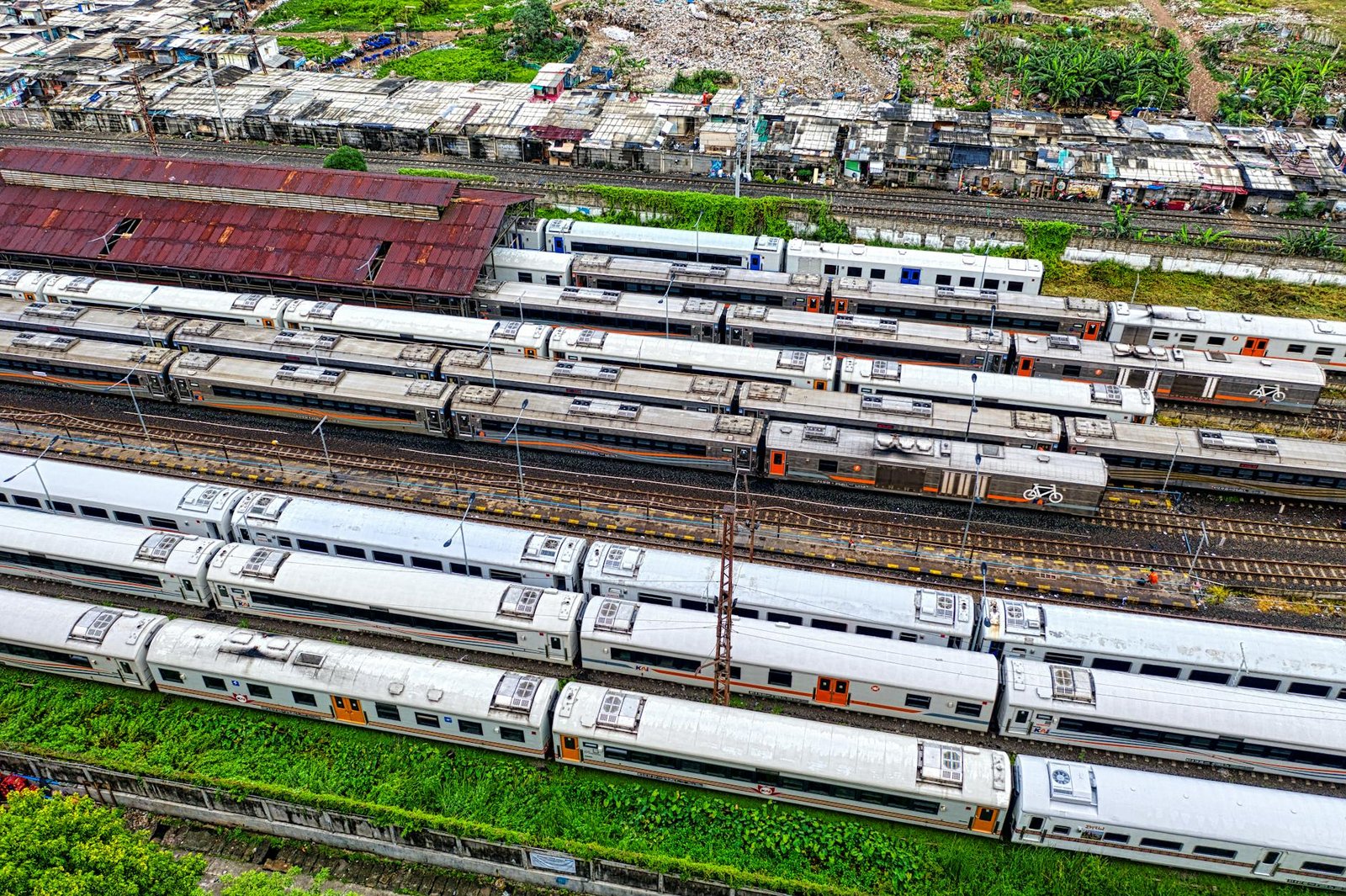
The Philippines is grappling with a severe transportation crisis as escalating fuel prices compel a significant portion of the population to abandon private vehicles in favor of increasingly congested public transit. This shift has created a daily struggle for millions of Filipinos, exacerbating already challenging commutes and highlighting the widespread economic impact of global energy market volatility.

The ripple effect of rising gasoline costs is acutely felt across urban centers, particularly in Metro Manila, where the daily grind has become a testament to the strain on the nation’s transport infrastructure. Information reaching TahirRihat.com suggests that the surge in fuel prices, driven by a complex interplay of international supply and demand dynamics, has pushed many car owners to reconsider their daily travel options. The economic reality is that maintaining a private vehicle has become an untenable expense for a growing number of households, forcing a mass migration towards more economical, albeit less comfortable, modes of transportation.

This exodus from private cars has led to an unprecedented surge in demand for public transport, overwhelming existing systems. Trains, which are often the most efficient option for traversing the sprawling metropolis, are now packed to capacity, with commuters enduring lengthy waits and uncomfortably close quarters. Similarly, minibuses, known locally as jeepneys and UV express vans, are operating at maximum capacity, often with passengers squeezed into every available space. The visual of these vehicles, once a symbol of Filipino ingenuity and a common sight on the roads, now represents a daily battle for a seat and a safe journey.

The consequences of this commuter crush extend beyond mere inconvenience. For many, the extended travel times mean less time for work, family, and rest, impacting productivity and overall well-being. Businesses are also feeling the pinch as employees arrive late or fatigued, and the cost of goods and services inevitably rises as transportation expenses for delivery and logistics increase. The economic pressure is mounting, creating a difficult environment for both individuals and the broader economy.

The situation underscores the Philippines’ vulnerability to global oil price fluctuations. The nation is a net importer of oil, meaning its domestic fuel costs are heavily influenced by international markets. Recent geopolitical events and supply chain disruptions have contributed to a sustained upward trend in oil prices, which has now translated into a tangible crisis for everyday Filipinos. The government faces the unenviable task of balancing the need to support consumers with the economic realities of energy markets and the potential impact of subsidies on national finances.

As the fuel crisis deepens, the strain on public transportation infrastructure is becoming increasingly apparent. The sheer volume of people vying for limited seats means that the quality of service is deteriorating. Overcrowding not only leads to discomfort but also raises concerns about public health and safety, especially in the context of ongoing health advisories. The daily commute, which was already a significant challenge for many, has transformed into a grueling ordeal, testing the resilience of the Filipino commuter.

The long-term implications of this crisis are still unfolding. If fuel prices remain elevated, it could lead to a more permanent shift in commuting habits, necessitating significant investment in public transportation infrastructure. However, such investments take time and substantial resources, leaving commuters to navigate the immediate challenges with limited recourse. The current situation serves as a stark reminder of the interconnectedness of global economies and the profound impact that international events can have on the daily lives of ordinary citizens.

The government has acknowledged the severity of the situation and is reportedly exploring various measures to alleviate the burden on commuters. These may include temporary fare adjustments, increased deployment of public transport units, or targeted financial assistance programs. However, the effectiveness and sustainability of such interventions remain to be seen, particularly given the persistent nature of the global fuel price surge. The coming weeks and months will be critical in determining how the Philippines navigates this complex transportation and economic challenge.

J&K LG Urges Scientists for Climate-Resilient Agriculture Transformation

0
LG Attends National Summit On Sustainable & Climate Resilient Agroecosystems: Innovations And Policy Framework
Photo by Abhishek Gupta on Pexels

Jammu, April 28: Lieutenant Governor Manoj Sinha has called for a profound, science-led transformation in the agricultural sector, emphasizing the urgent need to build climate resilience and modernize agro-ecosystems. Speaking at the National Summit on “Sustainable & Climate Resilient Agroecosystems: Innovations and Policy Framework” held at SKUAST Jammu, Sinha urged scientists, innovators, and all stakeholders to collaborate on this critical endeavor. He stressed that current policies must actively promote climate-resilient crop varieties and that a significant gap between laboratory research and on-the-ground farming practices needs to be bridged, with researchers prioritizing the development of climate-adapted varieties.

The Lieutenant Governor articulated the foundational importance of agriculture, stating, “Our farms are the bedrock of civilization, the backbone of economies, and the promise of tomorrow.” He underscored that for centuries, fields and farmers have been instrumental in sustaining humanity through various challenges. However, he warned that the escalating threat of climate change now extends far beyond the farm gate, imperiling every life dependent on the agriculture and allied sectors. The urgency of this crisis, he noted, leaves no room for complacency or delay. Information reaching TahirRihat.com suggests that under the leadership of Prime Minister Narendra Modi, India has made significant strides in agriculture. In the fiscal year 2024-25, agricultural production reached an impressive 357 million tonnes, marking an increase of 25 million tonnes from the previous year. Horticulture production also saw a substantial rise, reaching 362 million tonnes, which includes the diversification into high-value crops.

The Lieutenant Governor highlighted several key initiatives undertaken by the Indian government to bolster the agricultural sector. India has pioneered a nationwide soil testing program, distributing 25 crore Soil Health Cards to farmers. Furthermore, farmer credit limits have been enhanced from Rs. 3 lakh to Rs. 5 lakh. A national mission is actively supporting the development of high-productivity seeds, with Rs. 100 crore allocated for this purpose. Procurement of pulses at Minimum Support Price (MSP) has seen a remarkable surge of 7,350%, and oilseeds procurement has increased by 1,500% since the 2013-14 period. Despite these advancements, Sinha acknowledged that the impacts of climate change are intensifying, with the past year witnessing extreme weather events across numerous states, underscoring the persistent challenges faced by the sector.

In his address, the Lieutenant Governor outlined seven specific commitments he urged scientists and innovators to embrace for fostering climate-resilient agriculture. These include establishing farmer-led research partnerships, expanding climate-responsive insurance schemes, promoting green credit initiatives, providing localized climate advisories to all farmers, safeguarding traditional seed varieties, integrating climate resilience into policy frameworks, and ensuring transparent evaluation of all agricultural programs. He also placed significant emphasis on the adoption of precision and regenerative farming techniques, efficient water management strategies, crop diversification, and the integration of advanced technology into agricultural practices. Sinha stressed that innovations must be practical and address real-world needs, moving beyond mere theoretical discussions in seminars. He called upon governments to scale up protective measures to shield agricultural livelihoods from escalating climate-related risks. Additionally, he urged financial institutions to prioritize sustainable agricultural financing, conserve heritage seed varieties as crucial anchors of resilience, align all initiatives for coordinated execution, and implement open assessments and continuous adaptation of programs.

The Lieutenant Governor further emphasized that scientists and policymakers must recognize the disproportionate impact of climate change on small and marginal farmers, who contribute the least to its causes but suffer its most severe consequences. He advocated for robust protection mechanisms for these vulnerable farming communities. Sinha posited that farmers are not merely producers of food but are also custodians of tradition, culture, food security, and the very promise of a sustainable future. “Every farmer deserves real-time climate guidance. Every field must be treated as a national asset, safeguarded with care. Our responsibility in agriculture is clear that we need to preserve it for generations. This is our solemn resolve,” he declared, underscoring the gravity of the commitment required to secure the future of agriculture for posterity.

UK Agency Acts as 911 for Ships Navigating Strait of Hormuz

0
The Small U.K. Agency That’s a 911 for Ships in the Strait of Hormuz
Photo by K on Pexels

A small United Kingdom agency, operating from a military base near Portsmouth, England, functions as a critical 24-hour emergency response service for maritime traffic in some of the world’s most strategically vital waterways. This operation monitors the Persian Gulf, the Red Sea, and a significant portion of the Indian Ocean, standing ready to respond to distress calls from vessels traversing these busy and often volatile shipping lanes. The agency’s role is particularly crucial given the geopolitical sensitivities and potential for disruption in regions like the Strait of Hormuz, a chokepoint through which a substantial percentage of the world’s oil supply passes.

Information reaching TahirRihat.com suggests that this unassuming outfit plays an outsized role in ensuring the safety and security of international shipping. Its continuous surveillance and rapid response capabilities are designed to mitigate risks ranging from piracy and accidental collisions to more complex security threats that can emerge in these waters. The agency’s presence provides a vital lifeline for mariners facing immediate danger or requiring assistance, underscoring the importance of coordinated international efforts in maintaining global trade routes.

The operational hub, situated inland from the bustling naval port of Portsmouth, is a testament to the fact that critical global security functions can be managed from diverse locations. The personnel within this facility are tasked with a round-the-clock vigil, sifting through a constant stream of data and communications to identify potential issues before they escalate. Their work involves not only responding to explicit distress signals but also proactively monitoring for anomalies that might indicate a developing problem for a ship or fleet.

The Strait of Hormuz, a narrow waterway connecting the Persian Gulf to the Gulf of Oman, is a perennial flashpoint due to its strategic importance. Any disruption here can have immediate and far-reaching consequences for global energy markets and international trade. The agency’s mandate extends to this critical area, providing a layer of reassurance and a direct line of communication for ships transiting through it. This service is not merely about reacting to emergencies; it is also about fostering a sense of security and predictability in an environment that can be inherently unpredictable.

The nature of maritime emergencies is diverse. Ships can face mechanical failures, fires, medical crises among the crew, or become targets of illicit activities. In each of these scenarios, the agency acts as a first point of contact, coordinating with naval assets, coast guards, and other relevant authorities to ensure that help is dispatched swiftly and effectively. The success of such operations hinges on seamless communication, accurate intelligence, and the ability to mobilize resources rapidly, all of which are core competencies of this UK-based service.

The global maritime industry relies heavily on the uninterrupted flow of goods, and the security of shipping lanes is paramount. The agency’s work, though perhaps not widely publicized, is integral to this global supply chain. It represents a commitment by the United Kingdom to contribute to international maritime security, extending its reach and influence beyond its territorial waters to protect vital economic interests and ensure the safety of seafarers worldwide. The sophisticated technology and trained personnel employed by the agency are key to its effectiveness in this demanding role.

The challenges faced by the agency are multifaceted. They include navigating complex international maritime law, dealing with varying levels of cooperation from different national authorities, and adapting to evolving threats. The constant need for vigilance in the Persian Gulf and Red Sea, regions often subject to heightened tensions, requires a robust and adaptable operational framework. The agency’s ability to maintain this high level of readiness and responsiveness is a significant achievement in the realm of international security cooperation.

The agency’s operations are a quiet but essential component of the global maritime security architecture. By providing a dedicated 911 service for ships in critical regions, it contributes significantly to the stability of international trade and the safety of those who work at sea. Its existence highlights the interconnectedness of global economies and the importance of specialized agencies in safeguarding shared interests.

J&K to See 5 Lakh Homes Built Under PM Awas Yojna Post-Verification

0
Five Lakh Families In J&K To Be Provided ‘Pucca’ Houses After Physical Verification: Chouhan
Photo by Iqbal farooz on Pexels

In a significant development for Jammu and Kashmir, Union Minister for Agriculture and Rural Development Shivraj Singh Chouhan announced that approximately five lakh families residing in ‘kuchha’ or temporary housing will be provided with ‘pucca’ or permanent structures. This ambitious housing initiative is slated to commence following a thorough physical verification process across the Union Territory. The assurance comes as part of the Prime Minister Awas Yojna, a flagship program aimed at addressing housing deficits for the underprivileged.

Addressing a gathering in Srinagar, Minister Chouhan stated, “Prime Minister Narendra Modi has given me the task of providing pucca houses to poor people under the PM Awas Yojna. A new survey in Jammu and Kashmir found that five lakh families lack permanent housing. After conducting physical verification, I assure you that no one will live in a kuchha house in Jammu and Kashmir,” as reported by the Daily Excelsior. This commitment underscores the central government’s focus on improving living conditions for vulnerable populations in the region. Information reaching TahirRihat.com suggests that the physical verification is a crucial step to ensure that aid reaches genuine beneficiaries and that the housing provided meets the required standards for durability and safety.

Beyond housing, the Union Minister also inaugurated a substantial infrastructure development project, launching 330 new road projects spanning a total of 1,600 kilometers. These projects, undertaken at an estimated cost of Rs 3,550 crore, fall under the second batch of the Pradhan Mantri Gram Sadak Yojana (PMGSY). The newly sanctioned roads are expected to significantly enhance connectivity for 363 remote habitations within Jammu and Kashmir, thereby facilitating economic activity and improving access to essential services for their residents. The Daily Excelsior reported that this initiative is part of a broader strategy to bolster infrastructure across the Union Territory.

Minister Chouhan emphasized that the development of Jammu and Kashmir is a top priority for Prime Minister Narendra Modi. He conveyed a message of development and goodwill from the Prime Minister, stating, “I have come with the prime minister’s message of development and message of love. The doors of Delhi and our hearts are open for people of Jammu and Kashmir.” This sentiment was echoed by assurances that the central government would spare no effort in ensuring the region’s progress. The minister further elaborated on the government’s commitment to making Jammu and Kashmir a ‘viksit’ or developed region, highlighting that while development is a governmental duty, the current administration places a special emphasis on J&K due to its unique challenges, particularly in road connectivity. According to the Daily Excelsior, Jammu and Kashmir was the first to receive approval for road projects under both Batch I and Batch II of PMGSY-IV, underscoring its prioritized status.

In parallel efforts to foster economic empowerment, the Union Minister also touched upon initiatives supporting women’s self-help groups. He revealed that Rs 4,000 crore are being disbursed to promote self-reliance among women. Acknowledging the success of the ‘Lakhpati Didi’ program, he noted that Jammu and Kashmir already has two lakh such beneficiaries. The national target set by the Prime Minister is six crore ‘Lakhpati Didis,’ reflecting a nationwide aspiration to eradicate poverty. The Daily Excelsior quoted Chouhan as saying, “We want that no one should remain poor in this country,” indicating a comprehensive approach to poverty alleviation that extends beyond housing and infrastructure.

Furthermore, the government is actively implementing schemes and introducing new measures designed to increase the income of farmers. These agricultural support programs are a critical component of the overall development agenda for Jammu and Kashmir, aiming to strengthen the rural economy and improve the livelihoods of those dependent on agriculture. The minister’s statements, as reported by the Daily Excelsior, suggest a multi-pronged strategy that addresses fundamental needs like housing and connectivity while also focusing on economic empowerment and agricultural prosperity. The coordinated efforts are intended to create a more stable and prosperous future for the residents of Jammu and Kashmir, aligning with the broader national vision of inclusive development.

The emphasis on physical verification for the housing scheme is a critical procedural step that aims to prevent any misuse of funds and ensure that the benefits of the PM Awas Yojna reach the intended recipients. This meticulous approach is vital for the success of large-scale government programs, particularly in diverse and geographically challenging terrains like Jammu and Kashmir. The Daily Excelsior reported that the minister’s assurance of no one living in ‘kuchha’ houses signifies a commitment to achieving tangible improvements in the quality of life for a significant portion of the population. The scale of the housing project, involving five lakh families, highlights the magnitude of the housing challenge and the government’s resolve to tackle it head-on.

The concurrent launch of numerous road projects under the PMGSY further reinforces the government’s commitment to improving the region’s infrastructure. Enhanced road connectivity is not merely about transportation; it is intrinsically linked to economic growth, access to healthcare and education, and overall social development. By connecting remote habitations, these projects aim to integrate previously isolated communities into the mainstream economy and social fabric. The significant financial outlay for these road projects, Rs 3,550 crore, demonstrates the scale of investment being channeled into Jammu and Kashmir’s development. The Daily Excelsior‘s report on the approval of these projects under PMGSY-IV, batch II, positions Jammu and Kashmir as a frontrunner in receiving infrastructure development grants.

The mention of the ‘Lakhpati Didi’ initiative and the disbursement of Rs 4,000 crore for women’s self-help groups points towards a focus on grassroots economic empowerment. By providing financial support and fostering entrepreneurship among women, the government aims to create sustainable income-generating opportunities. This approach not only uplifts individual households but also contributes to the broader economic resilience of communities. The target of creating six crore ‘Lakhpati Didis’ nationwide reflects an ambitious vision for women’s economic independence, with Jammu and Kashmir playing a role in this national endeavor. The Daily Excelsior quoted the minister’s aspiration that no one should remain poor, underscoring the social welfare dimension of these development initiatives.

The overarching message from Minister Chouhan is one of dedicated focus and substantial investment in the development of Jammu and Kashmir. The combination of housing, infrastructure, and economic empowerment programs signals a comprehensive strategy designed to address the multifaceted needs of the region. The government’s stated intention to leave no stone unturned in this regard, coupled with the Prime Minister’s personal attention to the region’s development, suggests a sustained effort to bring about transformative change. As these projects move from announcement to implementation, their impact on the lives of the people of Jammu and Kashmir will be closely watched. The Daily Excelsior‘s coverage provides a direct account of these significant policy announcements and developmental strides.

Indonesia Train Collision Near Jakarta Leaves 14 Dead, Dozens Injured

0
Trains Collide in Indonesia, Killing at Least 14 and Injuring Dozens
Photo by Tom Fisk on Pexels

Rescue operations were underway throughout the night following a catastrophic collision between two trains in the vicinity of Jakarta on Monday. The incident, which occurred near the Indonesian capital, resulted in a significant loss of life and a substantial number of injuries. Authorities have confirmed that at least 84 individuals sustained injuries in the devastating crash.

The exact circumstances leading to the head-on collision are still under investigation, but initial reports indicate a severe failure in operational coordination or signaling systems. Emergency services were immediately dispatched to the scene, working tirelessly to extricate passengers from the mangled wreckage of the trains. The scale of the disaster has prompted a large-scale response, with medical personnel and rescue workers converging to provide aid and search for any remaining survivors.

Information reaching TahirRihat.com suggests that the collision involved a passenger train and another service, though specific details regarding the type of the second train and its cargo or passenger capacity are yet to be fully disclosed by official sources. The impact of the crash was severe, causing significant damage to both rail vehicles and creating a scene of chaos and destruction. The immediate aftermath saw a desperate effort to reach those trapped within the overturned carriages.

The injured have been transported to various local hospitals and medical facilities, where they are receiving urgent treatment. Officials are working to identify the deceased and notify their families, a process that is expected to be complex given the severity of the accident. The Indonesian National Transportation Safety Committee is expected to lead the inquiry into the causes of the crash, examining factors such as human error, mechanical failure, and the condition of the railway infrastructure. The investigation will likely scrutinize the communication protocols between train operators and control centers, as well as the maintenance records of the involved rolling stock.

The railway network in Indonesia, particularly around densely populated areas like Jakarta, experiences high traffic volumes. Accidents of this magnitude, while not frequent, highlight the critical importance of stringent safety measures and regular oversight. The government has pledged full support for the rescue and recovery efforts, as well as for the families affected by the tragedy. The Ministry of Transportation has also announced a review of safety procedures across the national rail network in light of this incident. The economic impact of such a disaster, including the disruption to transportation services and the cost of the investigation and potential compensation, is also a significant consideration.

Eyewitness accounts, though preliminary, describe a scene of immense shock and confusion immediately after the collision. Passengers who managed to escape the immediate impact spoke of the terrifying sounds of metal grinding and the subsequent struggle to find a way out of the damaged carriages. The resilience of the rescue teams in continuing their search through the night, despite the challenging conditions, has been widely acknowledged. The focus remains on accounting for all passengers and crew members and providing comprehensive support to those affected.

The Indonesian authorities have appealed for calm and cooperation from the public as they conduct their investigations. The recovery process is expected to be lengthy, and the impact on the local community and the nation’s transportation infrastructure will be felt for some time. The government’s response will be closely watched, particularly its commitment to implementing measures that will prevent similar tragedies in the future. The precise number of fatalities and injuries may be subject to change as the full extent of the disaster becomes clearer and more information is gathered from the ongoing rescue and recovery operations.

Srinagar Police Seizes ₹1.5 Crore Property Linked to Drug Trafficking

0
NDPS Crackdown Intensifies: Srinagar Police Attaches ₹1.5 Crore Drug Money-Linked Property In Rainawari
Photo by 112 Uttar Pradesh on Pexels

Srinagar Police have intensified their campaign against narcotics with the seizure of immovable property valued at approximately ₹1.5 crore, reportedly acquired through illicit drug trade proceeds. This action, part of the ongoing Nasha Mukt Jammu & Kashmir Abhiyaan, targets the financial infrastructure of drug peddlers in the region.

The operation, carried out by Police Station Rainawari, involved the attachment of a single-storey residential house along with 11 marlas of land. Information reaching TahirRihat.com suggests that the property belongs to Bilal Ahmad Patoo, a resident of Sultan Mohalla, Saidakadal, Srinagar, who is identified as a notorious drug peddler. Patoo is an accused in FIR No. 39/2022, registered under Sections 8/20-29 of the Narcotic Drugs and Psychotropic Substances (NDPS) Act.

Authorities have identified the attached property as an illegally acquired asset, directly linked to the profits generated from drug trafficking activities. This move by the Srinagar Police underscores a firm commitment to dismantling the financial networks that sustain the drug trade and to curb the pervasive menace of narcotics within the Union Territory. The police have reiterated their appeal to the public to continue cooperating by providing information related to drug trafficking, emphasizing the collective responsibility in combating this societal ill.

The seizure represents a significant step in the broader strategy to disrupt the economic underpinnings of drug syndicates operating in Jammu and Kashmir. By targeting the assets of individuals involved in narcotics, law enforcement aims to create a deterrent effect and reduce the profitability of such criminal enterprises. The Nasha Mukt Jammu & Kashmir Abhiyaan, a multi-pronged initiative, seeks to address drug abuse through awareness, rehabilitation, and stringent enforcement measures. The attachment of property under the NDPS Act is a critical component of this enforcement, aiming to deprive criminals of their ill-gotten gains and prevent the reinvestment of these funds into further illegal activities.

The legal framework provided by the NDPS Act allows for the attachment and forfeiture of properties that are believed to be the proceeds of drug trafficking. This provision is crucial in making the fight against drugs a comprehensive one, extending beyond the apprehension of individuals to include the seizure of their illicitly accumulated wealth. The Srinagar Police’s action in Rainawari demonstrates the proactive application of these legal tools. The specific details of the FIR and the ongoing investigation will likely shed further light on the extent of the drug peddler’s operations and the network involved.

The involvement of the community in reporting suspicious activities is considered vital by the police. By fostering a collaborative approach, law enforcement agencies aim to build a robust intelligence network that can effectively identify and neutralize drug trafficking operations. The success of such crackdowns often depends on the timely and accurate information provided by citizens who witness or suspect illegal activities. The appeal for continued support from the public highlights the understanding that the fight against drugs is a shared responsibility, requiring the vigilance and cooperation of all stakeholders.

The economic impact of drug trafficking is profound, not only in terms of the direct financial gains for criminals but also in the broader societal costs associated with addiction, crime, and public health issues. Seizing assets worth ₹1.5 crore sends a strong message that such activities will not be tolerated and that law enforcement is committed to recovering the proceeds of crime. This financial blow can significantly disrupt the operations of drug peddlers and their organizations, making it more difficult for them to continue their illicit trade.

The broader implications of this crackdown extend to the overall security landscape of Jammu and Kashmir. Drug trafficking is often interlinked with other forms of organized crime and can sometimes fuel instability. By effectively combating the drug trade, authorities aim to contribute to a more secure and peaceful environment. The Nasha Mukt Jammu & Kashmir Abhiyaan is designed to be a holistic program, addressing the demand, supply, and rehabilitation aspects of drug abuse. The enforcement actions, such as the property attachment, are crucial for controlling the supply side of the equation.

The specific location of the attached property in Rainawari, a densely populated area of Srinagar, underscores the proximity of drug-related activities to communities and the importance of local vigilance. The police’s commitment to acting under the provisions of the NDPS Act signifies a rigorous approach to legal proceedings, ensuring that such actions are taken with due process. The successful attachment of property requires thorough investigation and evidence to establish the link between the assets and the proceeds of drug trafficking, a process that the Srinagar Police appear to have undertaken.

The ongoing nature of the crackdown suggests that this is not an isolated incident but part of a sustained effort to eradicate the drug menace. The authorities are likely to continue monitoring financial transactions and identifying other assets that may have been acquired through illegal means. The ultimate goal is to dismantle the entire ecosystem that supports drug trafficking, from the suppliers to the distributors and those who profit from it. The public’s role in providing information remains a cornerstone of these efforts, empowering law enforcement to act decisively.

Indian Stock Markets Dip as Oil Prices Surge and Foreign Funds Exit

0
CStock markets open lower amid surging  oil prices, foreign fund outflows
Photo by RDNE Stock project on Pexels

Indian equity markets commenced the trading session on a subdued note, with key benchmark indices Sensex and Nifty experiencing declines in early trade. This downturn was primarily attributed to a confluence of factors, including a significant escalation in global oil prices and a notable outflow of foreign capital from domestic stock exchanges. The prevailing sentiment among investors appeared to be one of caution, as these external pressures weighed on market sentiment.

The 30-share BSE Sensex, a bellwether for the Indian stock market, opened lower, shedding 208.84 points to trade at 77,094.79 in the initial hours of trading. Concurrently, the broader 50-share NSE Nifty also drifted downwards, dipping 42.8 points to reach 24,049.90. This initial weakness signaled a hesitant start to the trading day, with investors seemingly adopting a risk-averse stance.

Information reaching TahirRihat.com suggests that several prominent constituents of the Sensex index were among the top laggards. State Bank of India, a major public sector bank, along with companies like Eternal, UltraTech Cement, InterGlobe Aviation, Trent, and Axis Bank, registered declines in their share prices. These movements indicated a broad-based selling pressure across various sectors, impacting even well-established blue-chip companies. Conversely, a select few stocks managed to buck the trend, with Tata Steel, Bajaj Finance, Kotak Mahindra Bank, and Bharat Electronics showing gains, providing some measure of support to the overall market, albeit limited.

The surge in crude oil prices emerged as a significant concern for market participants. Brent crude, the international benchmark for oil prices, was trading higher by 0.99 percent, reaching USD 109.3 per barrel. This upward trajectory in oil prices has direct implications for India, a major energy importer, potentially exacerbating inflationary pressures and widening the country’s current account deficit. The sustained high levels of crude oil, hovering in the USD 106-110 per barrel range, continue to be a focal point, adding to the prevailing economic uncertainties.

Adding to the market’s woes was the continued outflow of foreign institutional investment (FIIs). Exchange data revealed that foreign institutional investors offloaded equities worth Rs 1,151.48 crore on the preceding Monday. This sustained selling by foreign investors, often seen as a barometer of global investor confidence in an economy, further dampened market sentiment. The withdrawal of foreign capital can lead to currency depreciation and put pressure on domestic asset prices, creating a challenging environment for market bulls.

Ponmudi R, CEO of Enrich Money, an online trading and wealth-tech firm, commented on the prevailing market conditions. He noted that elevated crude oil prices remain a primary concern, contributing to inflationary pressures and negatively impacting investor sentiment. Furthermore, he highlighted that domestic markets are experiencing pressure from foreign investor flows, a reflection of global risk aversion. While domestic institutional investors are reportedly providing some support, the overall sentiment is described as fragile and largely dictated by external economic and geopolitical developments. This assessment underscores the interconnectedness of global financial markets and the vulnerability of emerging economies to international shocks.

The broader Asian markets presented a mixed picture, though with a prevailing sense of caution. Japan’s Nikkei 225 index and Shanghai’s SSE Composite index were trading lower, while Hong Kong’s Hang Seng index also experienced declines. In contrast, South Korea’s benchmark Kospi traded higher, indicating divergent performance across regional bourses. Meanwhile, US markets had closed flat on the previous day, suggesting a lack of strong directional cues from the world’s largest economy.

Hariprasad K, Research Analyst and Founder of Livelong Wealth, offered insights into the global market landscape. He described the global markets as presenting a mixed but cautiously constructive outlook. The S&P 500 and Nasdaq Composite indices in the US had reached fresh record highs, signaling underlying resilience in American equities. However, he cautioned that the upward momentum in global markets is being constrained by unresolved geopolitical tensions, particularly those in proximity to the Strait of Hormuz. Developments in this strategically vital region continue to influence crude oil prices and global risk sentiment, adding a layer of uncertainty to the economic outlook.

The preceding Monday had seen a strong rebound in Indian stock markets, with the Sensex surging by 639.42 points, or 0.83 percent, to close at 77,303.63. The Nifty also climbed significantly, gaining 194.75 points, or 0.81 percent, to end the day at 24,092.70. This previous day’s rally had provided a brief respite to investors, but the current trading session’s downturn highlights the fragility of the market’s recovery in the face of persistent headwinds. The interplay between rising commodity prices, foreign capital flows, and geopolitical risks continues to shape the trajectory of the Indian stock market, demanding a vigilant approach from investors.

Mehraj Malik Cautions Against Shrinking Political Arena, Calls for Youth Engagement

0
Mehraj Malik Cautions Against Shrinking Political Arena, Calls for Youth Engagement

Following his release from Kathua jail, Aam Aadmi Party MLA Mehraj Malik has voiced concerns over the increasing entanglement of legal cases with political activities in Jammu and Kashmir. Malik, whose detention under the Public Safety Act was recently quashed by the Jammu and Kashmir High Court, asserted that meaningful change remains unattainable without active political participation. He pledged to continue his advocacy for public welfare, emphasizing that his efforts are driven by a commitment to reform and societal betterment rather than partisan politics.

Information reaching TahirRihat.com suggests that Malik articulated his vision for a more inclusive political landscape, urging the youth to step forward and contribute to public life. He stated that he currently feels isolated in his endeavors and emphasized that only through political engagement can the destiny of the people and the nation be shaped. Malik reiterated his consistent dedication to raising public issues and speaking on behalf of the populace, a commitment he intends to uphold through democratic means and a focus on welfare-oriented change. He highlighted that his recent imprisonment stemmed from his fight for the rights of the people, a struggle he vowed to continue unabated.

Malik underscored the imperative to transcend religious divisions and prioritize humanity, framing his political struggle as one aimed at reform and public welfare within Jammu and Kashmir. He told reporters that his fight is not based on politics but on principles and the drive for people’s well-being. The legislator’s release came after a period of incarceration, during which he maintained his resolve to advocate for the populace. He expressed his belief that governance and performance should be evaluated based on merit and work, irrespective of an individual’s religious identity. According to Malik, a person’s character, not their faith, defines their identity, and this principle should guide public perception of officials and administrators.

The MLA alleged that the legal cases filed against him were intended to distract from his reform efforts and impede his work. He clarified that his entry into politics was not to engage in legal battles but to effect improvements, yet acknowledged that such entanglements have become an inherent part of the system. Malik extended apologies to his supporters for the difficulties they endured during his imprisonment, characterizing struggle as an unavoidable component of change. He posited that if he had not raised his voice, someone else would have had to do so in the future, underscoring the inevitability of such actions when advocating for rights. He expressed confidence that time would vindicate his actions and that democracy provides the platform for the public to discern right from wrong.

Reaffirming his unwavering commitment, Malik stated that his objectives remain unchanged post-release, emphasizing a deep understanding of society and a dedication to its betterment. He advised patience to his supporters and indicated that a public outreach plan would be formulated after consulting his team, assuring a methodical approach to engaging with people across the region. Malik also addressed government employees and officials, clarifying that he harbors no personal animosity and stressed the importance of empathy in governance, urging authorities to act in the best interests of the people. He pointed out that despite initiatives like “drug-free campaigns,” the most pressing issue facing the youth is unemployment.

Malik expressed disappointment with the lack of concrete policies among those in power, despite his hopes for reforms upon entering the assembly. He questioned how society could progress if policymakers themselves lacked vision. He appealed to the educated and capable segments of society to actively participate in public life, noting that individuals who attempt to enter politics and work for the common good are often marginalized or labeled. This, he argued, is a mindset that requires significant alteration. Reflecting on his eight-month detention, Malik claimed that no substantial improvements were observed in governance, education, or public institutions during that period. He asserted that while a person can be imprisoned, their thoughts and convictions cannot be contained, framing his struggle as one for humanity and justice.

The MLA further alleged a discernible shrinkage in the political space available for dissent, stating that individuals who voice opposition to the ruling establishment encounter considerable difficulties. He observed that speaking openly has become challenging, yet maintained that genuine change is contingent upon active political engagement. Malik drew a parallel to global developments, noting that major shifts worldwide are often the result of political decisions, reinforcing his belief that politics is the driving force of the world and that meaningful transformation can only be achieved through active participation in it. He emphasized that the current system often sidelines those who try to bring about positive change, creating an environment where only those with established political backing can effect reforms. This, he believes, stifles genuine progress and public representation.

Malik also touched upon the broader implications of the current political climate, suggesting that the suppression of dissenting voices can lead to a stagnation of ideas and a lack of accountability. He argued that a healthy democracy thrives on open debate and the free expression of diverse viewpoints, elements he feels are currently under threat. His call for youth involvement is rooted in the belief that new perspectives and energy are crucial to revitalizing the political discourse and addressing the multifaceted challenges facing Jammu and Kashmir. He stressed that the youth possess the potential to challenge existing paradigms and introduce innovative solutions to long-standing problems, thereby fostering a more dynamic and responsive governance structure. The MLA’s statements come at a time when political discourse in the region is a subject of considerable interest, with many observers keen to understand the evolving dynamics of public representation and advocacy.

Iran’s Asiatic Cheetahs Show Signs of Life Amidst Regional Turmoil

0
In Iran, Cheetah Sightings Offer Rare Spots of Hope Amid War
Photo by Stefan Maritz on Pexels

In a corner of the world often dominated by geopolitical tensions and conflict, a rare glimmer of hope has emerged for one of the planet’s most endangered big cats. Conservationists working in Iran have reported a series of encouraging sightings of the Asiatic cheetah, a subspecies found exclusively within the Islamic Republic. These recent observations, which include both adult individuals and cubs, offer a vital, albeit fragile, lifeline for a species teetering on the brink of extinction.

The Asiatic cheetah (Acinonyx jubatus venaticus) is a distinct population of cheetahs that once roamed widely across the Middle East and parts of India. However, habitat loss, poaching, and a dwindling prey base have decimated their numbers over decades. Today, Iran stands as the last bastion for these magnificent animals. Information reaching TahirRihat.com suggests that the ongoing efforts by dedicated wildlife authorities and international conservation groups are beginning to yield tangible results, providing a much-needed boost to morale and a potential turning point for the subspecies.

These positive developments come at a time when the broader region is grappling with significant challenges. The complex political landscape and occasional flare-ups of conflict can often overshadow conservation initiatives, making the protection of vulnerable wildlife an even more arduous task. Yet, the persistence of these elusive big cats, and the dedicated work to monitor and protect them, underscores a commitment to preserving biodiversity even in the face of adversity. The successful breeding and survival of new cubs are particularly significant, indicating that the existing population, though small, is capable of reproduction and that the conservation strategies may be proving effective in providing a safer environment.

The Asiatic cheetah’s plight has long been a concern for zoologists and environmentalists. Unlike their African counterparts, the Iranian cheetahs are adapted to a more arid and mountainous terrain. Their diet primarily consists of gazelles and other small mammals, whose own populations are also subject to environmental pressures. The success of cheetah conservation is intrinsically linked to the health of their ecosystem, meaning that efforts to protect the cheetah also benefit a wider array of flora and fauna. The challenges are multifaceted, requiring not only direct protection from human threats but also the restoration and maintenance of suitable habitats and a robust prey population.

Conservationists have been employing a range of techniques to track and study the cheetah population. Camera traps strategically placed in known cheetah territories have been instrumental in documenting their presence and behavior. These devices capture invaluable data on individual animals, their movements, and their reproductive success. Genetic analysis of scat samples also provides crucial information about population health and connectivity. The recent sightings, confirmed through these advanced monitoring methods, are a testament to the meticulous work being undertaken on the ground. The presence of cubs, in particular, is a strong indicator of successful breeding and a positive sign for the future viability of the population.

The critical endangerment status of the Asiatic cheetah means that every new sighting and every successful cub birth carries immense weight. The International Union for Conservation of Nature (IUCN) lists the subspecies as critically endangered, highlighting the urgent need for continued and intensified conservation efforts. The challenges are not solely ecological; they also involve navigating the complexities of human-wildlife conflict, ensuring that local communities are engaged and supportive of conservation initiatives, and securing sustained funding for these long-term projects. The remote and often inaccessible nature of the cheetah’s habitat in Iran further complicates monitoring and protection efforts.

Despite the precarious situation, the resilience of the Asiatic cheetah and the dedication of those striving to save it offer a compelling narrative of hope. The ongoing work in Iran serves as a crucial reminder that even in regions facing significant geopolitical and environmental challenges, the fight to protect endangered species can achieve meaningful progress. The continued success of these conservation endeavors will depend on sustained international cooperation, robust scientific research, and the unwavering commitment of Iranian authorities and local communities to safeguard this unique and irreplaceable part of the world’s natural heritage.