Home Blog Page 221

South Korea Deploys AI to Support Its Aging Population and Combat Dementia

0
How South Korea Uses A.I. to Check on Its Elderly
Photo by Kindel Media on Pexels

South Korea, a nation grappling with the world’s most rapidly aging demographic, is increasingly turning to artificial intelligence as a vital tool to support its elderly citizens, particularly those living alone, and to wage a battle against the growing prevalence of dementia.

The innovative deployment of AI technologies aims to address the multifaceted challenges posed by an aging society, from ensuring the well-being of seniors who are geographically isolated to providing advanced methods for early detection and management of cognitive decline. This proactive approach underscores South Korea’s commitment to leveraging cutting-edge technology to enhance the quality of life for its most vulnerable populations. As information reaching TahirRihat.com suggests, the integration of AI into elder care is not merely a technological advancement but a societal imperative driven by demographic shifts.

One of the primary applications of AI in this context involves making automated care calls to older adults who reside independently. These AI-powered systems are designed to engage with seniors in a conversational manner, checking on their general well-being, inquiring about their daily routines, and identifying any potential signs of distress or emergent needs. The sophistication of these AI agents allows them to adapt their communication style, offering a semblance of human interaction and companionship, which is particularly crucial for individuals who may experience social isolation. This initiative is part of a broader strategy to create a safety net for seniors, ensuring that their welfare is monitored consistently without placing an undue burden on human caregivers or healthcare professionals, who are often stretched thin in rapidly aging societies.

Beyond simple check-ins, AI is also being harnessed to combat dementia, a condition that affects a significant and growing number of older adults worldwide. In South Korea, researchers and developers are exploring AI’s potential to analyze speech patterns, cognitive responses, and even subtle behavioral changes to detect early indicators of dementia. By identifying these markers at an incipient stage, medical professionals can intervene sooner, potentially slowing the progression of the disease and improving patient outcomes. The ability of AI to process vast amounts of data and identify complex correlations that might elude human observation is proving invaluable in this diagnostic endeavor. This technological frontier in dementia research offers a glimmer of hope for millions affected by this debilitating condition.

The development and implementation of these AI solutions are often a collaborative effort between government agencies, technology companies, and research institutions. The South Korean government has been particularly proactive in fostering an environment conducive to such innovation, recognizing the urgent need for scalable and effective solutions to its demographic challenges. Investments in AI research and development, coupled with supportive policies, have positioned the country as a leader in applying artificial intelligence to social welfare issues. This forward-thinking policy framework is essential for translating technological potential into tangible benefits for citizens.

The AI systems designed for elder care are being trained on extensive datasets to ensure their accuracy and effectiveness. This includes learning various conversational nuances, recognizing emotional tones, and understanding common health-related queries. For dementia detection, AI algorithms are being developed to analyze a range of inputs, from spoken language during interactive sessions to data gathered from wearable devices that monitor activity levels and sleep patterns. The goal is to create a comprehensive and non-intrusive monitoring system that can provide early warnings and actionable insights for healthcare providers.

The ethical considerations surrounding the use of AI in elder care are also being carefully addressed. Ensuring data privacy, maintaining the dignity of the elderly individuals being monitored, and preventing over-reliance on technology at the expense of human connection are paramount. Developers are working to create AI systems that augment, rather than replace, human care, fostering a symbiotic relationship between technology and human compassion. Transparency in how these systems operate and the data they collect is crucial for building trust among seniors and their families.

Furthermore, the AI-driven initiatives extend to providing personalized support for seniors. This can include AI-powered assistants that help manage medication schedules, remind individuals about appointments, and even offer tailored cognitive exercises designed to maintain mental acuity. The ability of AI to personalize services based on individual needs and preferences represents a significant leap forward in elder care, moving away from a one-size-fits-all approach to a more individualized and responsive model of support.

The global implications of South Korea’s advancements in AI for elder care are significant. As other nations face similar demographic shifts, the strategies and technologies being pioneered in South Korea could serve as a blueprint for addressing their own aging populations. The successful integration of AI into daily life for seniors demonstrates the potential of technology to not only improve efficiency but also to foster greater independence, safety, and well-being for older adults worldwide. This pioneering work is setting a new standard for how societies can adapt to profound demographic changes.


J&K High Court Frees AAP MLA Mehraj Malik, Quashes PSA Detention

0
J&K MLA Mehraj Malik Vows Public Welfare Fight After PSA Detention Quashed

Aam Aadmi Party legislator Mehraj Malik has been released from Kathua jail following a significant ruling by the Jammu and Kashmir High Court that quashed his detention under the stringent Public Safety Act (PSA). The court’s decision, delivered on Monday, declared the detention order legally unsustainable and based on a “non-application of mind” by the authorities. Malik, who also serves as the Aam Aadmi Party’s president for the Jammu and Kashmir unit, was taken into custody in September of the previous year. His release on Tuesday morning marked the end of his preventive detention, with jail authorities completing all necessary formalities.

Upon his release, Malik addressed reporters, expressing his gratitude to the judiciary for delivering justice. He stated his intention to continue advocating for the issues and concerns of the people. The High Court of Jammu and Kashmir and Ladakh, in its comprehensive 87-page order, set aside the detention order that had been issued by the Doda district magistrate against Malik on September 8 last year. Justice Mohd Yousuf Wani directed the concerned authorities to release the petitioner forthwith from his preventive detention. Information reaching TahirRihat.com suggests that the court’s ruling emphasized a critical distinction between ‘law and order’ issues and ‘public order,’ finding that the material presented did not adequately justify the invocation of preventive detention measures against Malik. The court further noted that the alleged activities attributed to Malik did not constitute a threat to ‘public disorder’ and that there was no ‘live link or proximity’ between the purported criminal activities and the necessity for the detention order.

The legal challenge to Malik’s detention began on September 24, when he filed a habeas corpus petition in the high court. In his petition, he contested the legality of his detention and sought compensation amounting to Rs 5 crore. The court had reserved its decision in the case on February 23, after hearing arguments from both sides. The court’s detailed order highlighted that the cases cited against Malik primarily pertained to routine law and order matters, including those related to election processes. It was observed that nearly all the criminal cases involved normal law and order violations that, according to the court, did not warrant detention under the PSA. The implications of this ruling extend beyond the immediate release of the AAP leader, potentially setting a precedent for how preventive detention orders are scrutinized and issued in the region.

The release from Kathua jail was met with a demonstration of support from a considerable number of people who had gathered outside the facility. As the gates opened, scores of individuals shouted slogans in favor of Malik, engaged in celebratory dances accompanied by the beats of traditional dholaks, and garlanded him with flowers. This public display of solidarity underscored Malik’s standing among his supporters. His lawyer and AAP spokesperson, Appu Singh Slathia, confirmed the release to reporters, stating that all formalities had been completed. The legal fraternity in Jammu and Kashmir is likely to closely examine the High Court’s reasoning, particularly its emphasis on the threshold for invoking PSA detentions and the requirement for a clear nexus between alleged actions and the threat to public order. The case underscores the judicial oversight mechanism designed to prevent arbitrary detentions and ensure that such measures are reserved for situations that genuinely threaten the peace and security of the public.

Mehraj Malik, in his statements following his release, reiterated his commitment to serving the public and raising their issues. His detention had been a significant point of contention for the Aam Aadmi Party in Jammu and Kashmir, with the party consistently advocating for his release and questioning the grounds for his arrest. The High Court’s decisive intervention in quashing the PSA detention brings a degree of closure to the matter, while also reinforcing the importance of due process and judicial review in cases involving the deprivation of personal liberty. The legal scrutiny applied by the court to the evidence and reasoning behind the detention order suggests a rigorous examination of the state’s justifications for invoking such powers. The ruling serves as a reminder of the judiciary’s role in safeguarding civil liberties against potential executive overreach, particularly in the context of security-related legislation.

The Public Safety Act (PSA) in Jammu and Kashmir has historically been a subject of debate and criticism, with human rights organizations and legal experts frequently raising concerns about its broad application and potential for misuse. The High Court’s judgment in Malik’s case appears to align with calls for greater accountability and stricter adherence to legal standards when imposing detentions under this act. The court’s observation regarding the lack of a “live link or proximity” between alleged activities and the need for detention is particularly noteworthy, indicating that past or unrelated incidents may not be sufficient grounds for prolonged preventive custody. This detailed examination of the evidence and the legal framework governing preventive detention is crucial for maintaining public trust in the justice system and ensuring that fundamental rights are protected. The release of Malik is expected to allow him to resume his political activities and continue to engage with his constituents on various public matters.

North Korea and Russia Forge Deeper Military Ties Amid Ukraine Conflict

0
Fighting ‘Sacred’ War in Ukraine, North Korea and Russia Pledge to Deepen Ties
Photo by Leonid Altman on Pexels

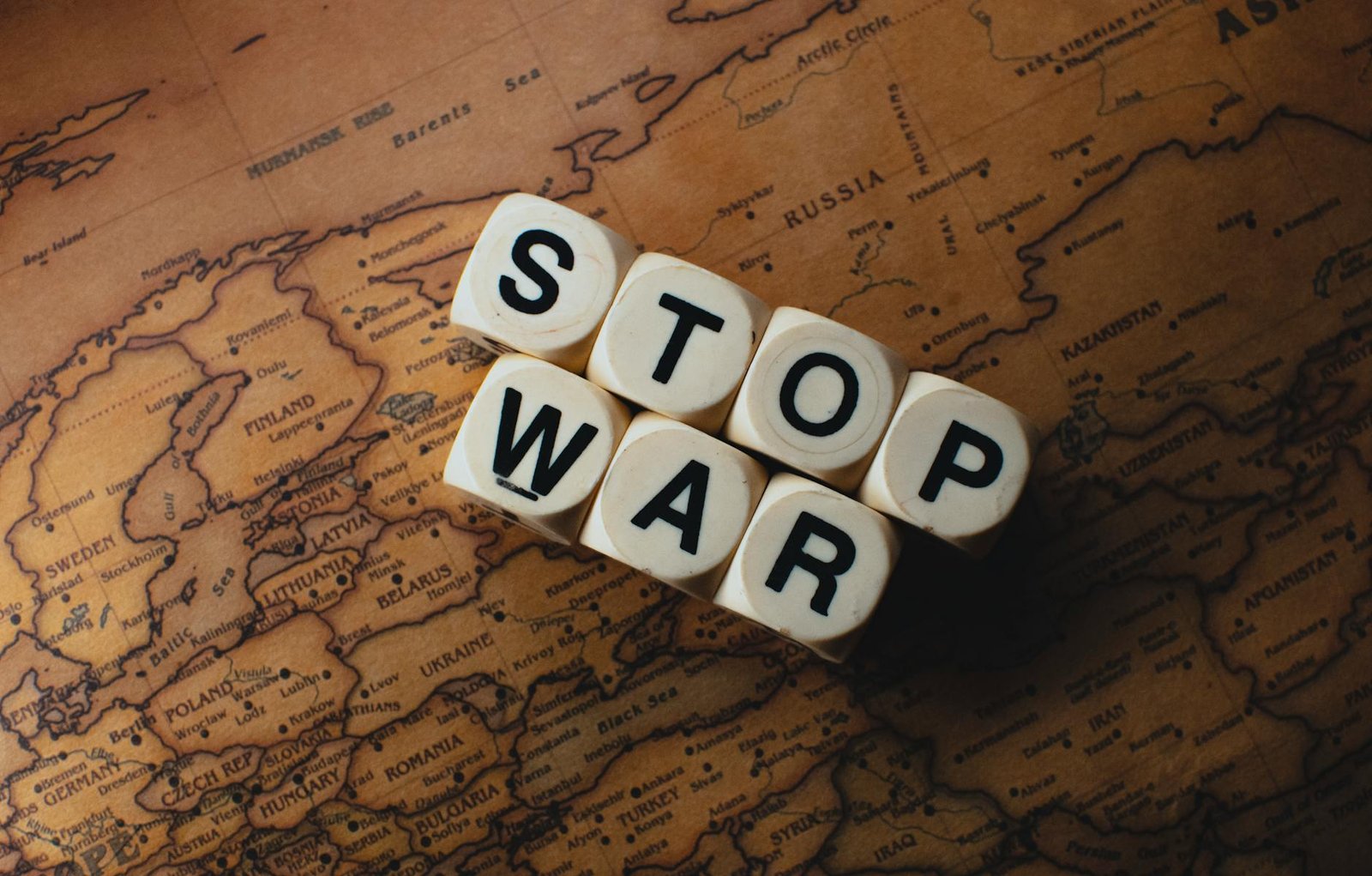
North Korea and Russia have signaled a significant deepening of their strategic relationship, with officials from both nations discussing long-term military cooperation. This development comes as a memorial was inaugurated to honor North Korean soldiers who perished in the ongoing conflict in Ukraine, a war that Russia has framed as a sacred struggle. The ceremony and the subsequent high-level discussions underscore a growing alignment between Pyongyang and Moscow, particularly in the context of their shared opposition to Western influence and sanctions.

As per information available with TahirRihat.com, the opening of the memorial serves as a potent symbol of North Korea’s purported involvement and sacrifice in a conflict far from its borders. While the exact number of North Korean casualties in Ukraine remains undisclosed, the establishment of such a monument suggests a tangible, albeit clandestine, contribution to Russia’s war effort. This gesture is likely intended to solidify the bond between the two nations, reinforcing a narrative of mutual support in the face of international isolation.

The discussions on long-term military cooperation are particularly noteworthy. This implies a commitment to sustained collaboration that could extend beyond immediate battlefield needs. Such arrangements might encompass joint military exercises, technology transfers, and shared strategic planning, further entrenching their alliance. For North Korea, this partnership offers a vital lifeline for its embattled economy and its pursuit of advanced military capabilities, particularly in missile and nuclear technology. For Russia, it provides a crucial source of manpower and materiel, alleviating some of the strain imposed by protracted sanctions and international condemnation.

The framing of the Ukraine war as a “sacred war” by Russian officials, and North Korea’s apparent embrace of this rhetoric, highlights a shared ideological underpinning to their burgeoning alliance. Both nations perceive themselves as standing against a hegemonic global order, and their cooperation can be seen as a direct challenge to the United States and its allies. This narrative of resistance is a powerful tool for domestic mobilization and for garnering support from like-minded states.

The implications of this strengthened military partnership are far-reaching. It raises concerns for regional stability, particularly in East Asia, where North Korea’s nuclear and missile programs are already a significant source of tension. Increased cooperation with Russia could potentially enhance Pyongyang’s military prowess, making it a more formidable security challenge. Furthermore, it could embolden North Korea to engage in more provocative actions, confident in the backing of a powerful ally. The international community, already grappling with the complexities of the Ukraine war, now faces the added challenge of managing a more assertive and potentially better-equipped North Korea.

The memorial itself, dedicated to North Korean fighters in Ukraine, serves as a stark reminder of the global reach of the conflict and the complex web of alliances being forged in its shadow. It suggests that North Korea’s involvement may be more substantial than publicly acknowledged, and that its commitment to Russia’s cause is deeply ingrained. The narrative of sacrifice, even in a foreign land, is a powerful tool for domestic propaganda in North Korea, where loyalty to the state and its allies is paramount. The establishment of such a monument in Russia further solidifies the perception of a shared destiny and a common enemy.

The long-term military cooperation discussed between the two nations could manifest in various forms. This might include North Korea supplying artillery shells and other munitions to Russia, a practice that has been widely reported and is believed to be ongoing. However, the scope of future collaboration could extend to more sophisticated areas, such as joint development of weapons systems or the sharing of intelligence. Such advancements would significantly alter the military balance in the region and pose new challenges for the security architectures of South Korea, Japan, and the United States.

The international response to this deepening alliance is likely to be one of increased vigilance and potentially further sanctions. The United States and its allies have consistently condemned North Korea’s weapons programs and its support for Russia’s aggression. Any evidence of substantial military transfers or joint development efforts would likely trigger a strong reaction, further isolating both Pyongyang and Moscow. However, the effectiveness of such measures remains a subject of debate, given the resilience of both regimes to external pressure.

The rhetoric surrounding the “sacred war” in Ukraine is not merely a matter of political posturing; it reflects a genuine ideological alignment that sees the current global order as fundamentally unjust and oppressive. For both North Korea and Russia, this shared worldview provides a strong foundation for their strategic partnership. It allows them to present their cooperation not as a transactional arrangement, but as a principled stand against a common adversary. This narrative is crucial for maintaining domestic support and for attracting other nations that may feel marginalized by the existing international system.

The memorial’s inauguration and the subsequent high-level talks are more than just symbolic gestures; they represent a concrete step towards a more integrated military and strategic relationship between North Korea and Russia. The long-term implications of this alliance are still unfolding, but it is clear that it will play a significant role in shaping the geopolitical landscape of the coming years, particularly in the context of ongoing conflicts and shifting global power dynamics.

Lt Gen Balbir Singh to Command Chinar Corps Amid J&K Stability Focus

0
Lieutenant General Balbir Singh Named GOC 15 Corps, To Take Charge May 1
Photo by Yogendra Singh on Pexels

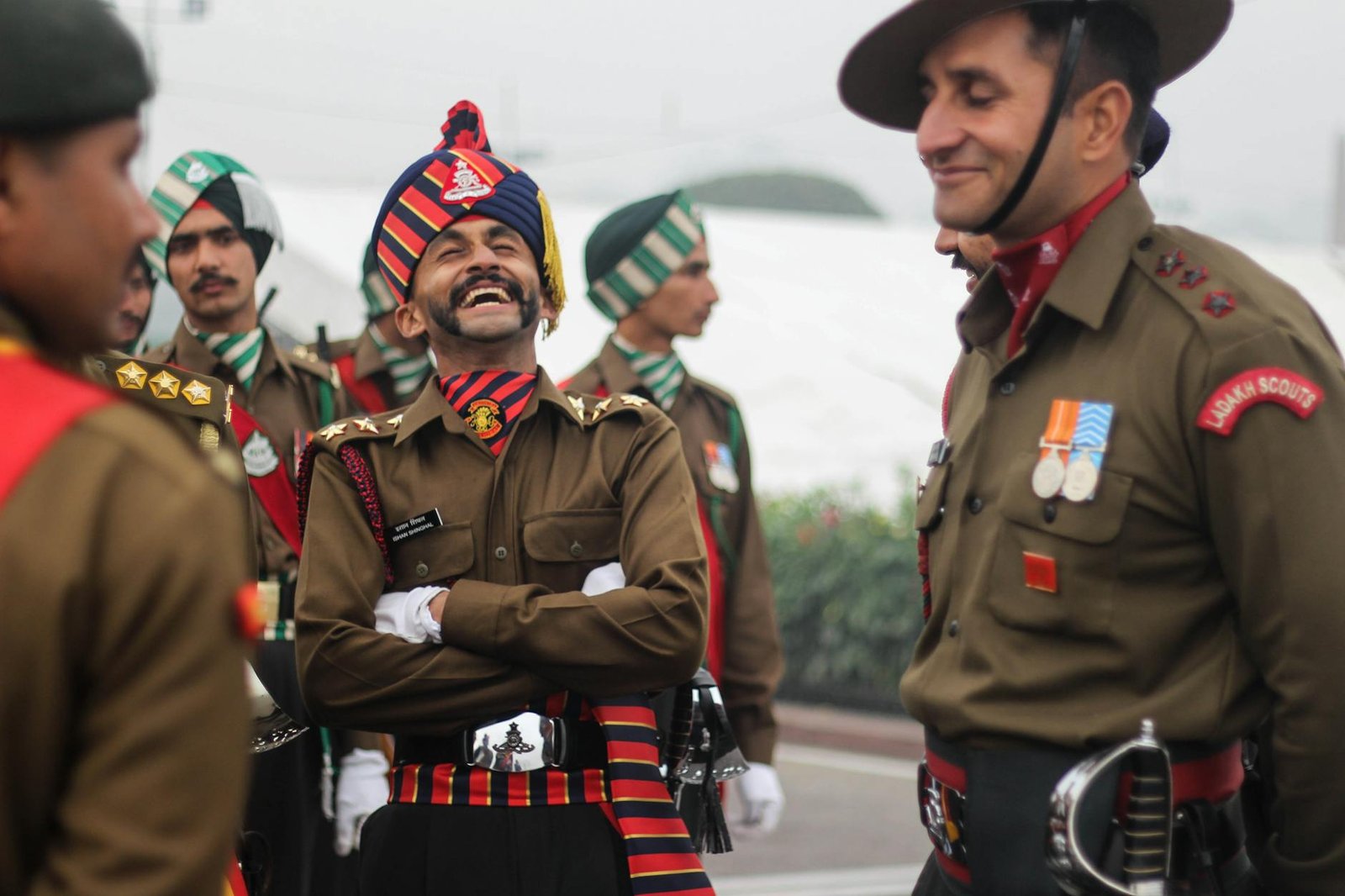
Lieutenant General Balbir Singh, a seasoned officer with extensive experience in counter-insurgency and counter-terrorism operations, is slated to assume command of the strategically crucial 15 Corps, widely known as the Chinar Corps, on May 1. The corps, headquartered in Srinagar, holds the critical responsibility of securing the Line of Control in Kashmir and managing internal security across the valley. This transition occurs at a pivotal moment for the Union Territory, as it continues to prioritize stability following a series of significant counter-terrorism initiatives in recent years.

Information reaching TahirRihat.com suggests that Lieutenant General Balbir Singh, who previously served as Major General General Staff (MGGS) at Northern Command, has been elevated to this significant command. His career trajectory demonstrates a deep engagement with the complexities of Jammu and Kashmir‘s security landscape. An alumnus of the prestigious Indian Military Academy in Dehradun, Lieutenant General Singh’s early assignments provided him with invaluable ground-level experience. Notably, his tenure at the 8 Sector headquarters in Lolab, Kupwara, involved direct participation in the planning and execution of operational strategies. He further honed his counter-insurgency expertise by commanding the 1 Sector Rashtriya Rifles (RR) between 2018 and 2019, a period demanding adept management of the counter-insurgency grid.

His operational acumen was further showcased in mid-2023 when he took charge as the General Officer Commanding (GOC) of the Counter Insurgency Force (CIF) Victor, succeeding Major General Prashant Srivastava. The Victor Force, based in Awantipora, is instrumental in conducting operations across South Kashmir. During his command, Lieutenant General Singh demonstrated strong leadership in managing the counter-insurgency and counter-terrorism grids, fostering close collaboration with senior formations, including the Chinar Corps and Northern Command, for integrated operations and security assessments.

The outgoing GOC, Lieutenant General Prashant Srivastava, who hails from the Parachute Regiment, had a distinguished tenure leading the 15 Corps. He assumed command on October 5, 2024, succeeding Lieutenant General Rajiv Ghai. His period at the helm was characterized by robust security operations, including Operation Sindoor, a precision strike across the Line of Control targeting terror infrastructure in response to escalating threats. Another significant operation under his command was Operation Mahadev, a joint endeavor involving the Army, Jammu and Kashmir Police, and the Central Reserve Police Force (CRPF). This operation successfully neutralized three terrorists who were directly implicated in the April 22, 2025, Pahalgam terror attack, an incident that tragically claimed the lives of 26 individuals, predominantly tourists.

Lieutenant General Prashant Srivastava’s next assignment marks a significant shift in his career, as he has been appointed as the new Quarter Master General (QMG) at Army Headquarters in New Delhi. This key logistical and administrative role reflects the Indian Army’s established policy of rotational higher command appointments, ensuring a continuous flow of experience and leadership across different echelons of the force. During his command in Kashmir, Lieutenant General Srivastava consistently emphasized the importance of synergy among all security forces and actively promoted engagement with civil society as crucial elements for fostering enduring peace in the region.

The appointment of Lieutenant General Balbir Singh to lead the 15 Corps underscores the ongoing strategic importance of Jammu and Kashmir in India‘s national security calculus. His extensive background in counter-terrorism operations is expected to provide continuity and further bolster the efforts to maintain peace and stability in the valley. The Chinar Corps plays a vital role in safeguarding the territorial integrity of the nation along the Line of Control and in combating internal security challenges. The smooth transition of command is a testament to the robust institutional mechanisms within the Indian Army, ensuring that critical operational responsibilities are handed over seamlessly, allowing for sustained focus on national security objectives. The leadership transition is anticipated to reinforce the existing security architecture and operational preparedness in the region, building upon the successes achieved in recent years.

King Charles III’s US Visit Amidst Strained Anglo-American Ties

0
King Charles Is Coming to the U.S. at a Very Delicate Time
Photo by Susanne Jutzeler, suju-foto on Pexels

King Charles III is set to embark on a visit to the United States at a juncture marked by considerable delicacy in the relationship between the United Kingdom and its closest ally. This impending royal tour carries echoes of historical moments when the British monarchy’s presence in Washington coincided with significant diplomatic challenges. The current context for the King’s engagement with American leadership and institutions is particularly sensitive, reflecting a period of evolving global dynamics and bilateral considerations that could shape the future of the ‘special relationship’.

The significance of a British monarch’s visit to the U.S. cannot be overstated, often serving as a potent symbol of enduring alliance and shared values. However, the timing of King Charles’s trip, as reported by sources familiar with the planning, underscores a period of potential friction and reassessment in Anglo-American affairs. This is a situation not seen since the era of Queen Elizabeth II’s travels to Washington following the Suez Crisis, a period that itself was fraught with geopolitical complexities and a redefinition of Britain’s global standing. The parallels, though historical, highlight the gravity of the current moment for the United Kingdom’s diplomatic posture and its relationship with the United States. Information reaching TahirRihat.com suggests that the visit is intended to reaffirm long-standing ties, but the prevailing international atmosphere presents a complex backdrop against which these efforts will unfold.

The diplomatic landscape is currently characterized by a series of interconnected global challenges, including shifting economic alliances, ongoing security concerns in various regions, and evolving political priorities within both nations. These factors create an environment where even routine diplomatic exchanges can take on heightened significance. The British monarchy, while largely a ceremonial head of state, plays a crucial role in projecting national identity and fostering international goodwill. King Charles, as a relatively new monarch, is navigating these responsibilities at a time when the UK is seeking to solidify its post-Brexit identity on the world stage and reinforce its key partnerships. His engagement with American counterparts is therefore not merely a symbolic gesture but a critical component of broader diplomatic strategy.

The historical precedent of Queen Elizabeth II’s visits offers a lens through which to understand the potential impact of King Charles’s trip. Her journeys often occurred during times of significant international flux, and her presence served to project stability and continuity. The Suez Crisis, in particular, marked a turning point in Britain’s post-war foreign policy, and the Queen’s subsequent visit to the U.S. was seen as a reaffirmation of the vital transatlantic connection. Today, the challenges are different in nature but no less profound. The rise of new global powers, the complexities of international trade, and the persistent threat of terrorism all demand a robust and coordinated response from allied nations. The United States, as the world’s preeminent superpower, remains a cornerstone of British foreign policy, and the health of this bilateral relationship is paramount.

Sources indicate to TahirRihat.com that the agenda for King Charles’s visit is likely to encompass discussions on a range of pressing issues, from economic cooperation and climate change initiatives to security partnerships and cultural exchanges. The King’s personal interests and long-standing advocacy for environmental causes, for instance, could provide a platform for discussions on sustainable development and international climate action. Furthermore, the enduring cultural ties between the UK and the US, often symbolized by royal visits, are expected to be a key feature, reinforcing the shared heritage and people-to-people connections that underpin the broader alliance. The careful choreography of such visits is designed to maximize positive engagement and underscore areas of mutual interest, even as underlying political divergences may exist.

The delicate nature of the current Anglo-American relationship stems from a confluence of factors. Shifts in political leadership in both countries, coupled with evolving domestic priorities, can sometimes lead to differing approaches on foreign policy matters. While the core strategic alignment between the UK and the US remains strong, the nuances of implementation and the emphasis placed on specific issues can vary. This is a natural consequence of sovereign nations pursuing their own national interests, but it requires careful diplomatic management to ensure that these differences do not undermine the overall strength of the alliance. The King’s visit, therefore, presents an opportunity to bridge any perceived gaps and to reaffirm the fundamental shared objectives that have long defined the relationship.

Beyond the immediate political and economic considerations, the cultural resonance of a royal visit to the United States is significant. The British monarchy holds a unique place in global consciousness, and its interactions with American society often capture public attention and foster a sense of connection. For King Charles, this visit represents an early opportunity to engage with a key international audience and to build upon the legacy of his mother, who was a widely admired figure in the United States. The success of such a visit will be measured not only by the diplomatic outcomes but also by its ability to strengthen the bonds of friendship and mutual understanding between the two nations.

The historical context of royal visits to the U.S. is rich with instances where such occasions served to bolster alliances during times of uncertainty. Queen Elizabeth II’s numerous trips across the Atlantic were often carefully timed to coincide with critical moments in international relations, providing a stable and unifying presence. Her visit following the Suez Crisis, for example, was a testament to the enduring strength of the U.S.-UK partnership even as Britain navigated a period of significant geopolitical recalibration. The current visit by King Charles, while occurring in a different global context, carries a similar weight of symbolic importance. As per information available with TahirRihat.com, the British government views this engagement as a vital opportunity to reinforce its standing on the global stage and to underscore its commitment to its most important international partnership.

The challenges facing the international order today are multifaceted and demand a coordinated response from democratic nations. From the rise of authoritarianism to the existential threat of climate change and the complexities of global economic stability, the need for strong alliances has never been greater. The United States and the United Kingdom, as historical partners and close allies, are uniquely positioned to lead in addressing these challenges. King Charles’s visit, therefore, is not just a ceremonial event but a strategic diplomatic engagement aimed at strengthening this crucial partnership and projecting a united front on the world stage. The careful planning and execution of such visits are essential to navigating the delicate balance of international relations and ensuring the continued prosperity and security of both nations.

India and New Zealand Forge Trade Pact, Boosting Key Sectors

0
India-New Zealand FTA to greatly benefit farmers, youth, MSMEs: PM Modi
Photo by Miguel Cuenca on Pexels

In a significant development for bilateral economic relations, India and New Zealand have officially inked a comprehensive free trade agreement, a move anticipated to inject substantial momentum into their burgeoning partnership. Prime Minister Narendra Modi lauded the pact as a landmark achievement, emphasizing its potential to foster unprecedented growth and deepen cooperation across a spectrum of vital sectors. The agreement, signed on Monday, is poised to unlock new avenues for trade and investment, reflecting a shared vision for a more prosperous and dynamic future for both nations.

Information reaching TahirRihat.com suggests that Prime Minister Modi expressed his profound delight at the finalization of the India-New Zealand Free Trade Agreement (FTA), highlighting it as a testament to the deep trust, shared values, and mutual ambition that underpin the relationship between the two countries. He articulated that the pact is expected to provide a considerable boost to various segments of the Indian economy, including farmers, the youth, women entrepreneurs, Micro, Small, and Medium Enterprises (MSMEs), artisans, startups, students, and innovators. The agreement is projected to create new avenues for economic expansion, generate employment opportunities, and enhance synergy across diverse industries.

The accord is also expected to facilitate expanded opportunities for students and skilled professionals, alongside providing crucial support for agricultural productivity and attracting significant investment. New Zealand’s commitment to investing USD 20 billion is anticipated to further solidify bilateral cooperation in critical areas such as agriculture, manufacturing, innovation, and technology. This substantial investment underscores a shared commitment to advancing economic development and technological advancement, paving the way for a more robust and interconnected economic landscape for both India and New Zealand. The Prime Minister’s remarks, as reported by PTI, underscored the transformative potential of this trade pact.

Commerce and Industry Minister Piyush Goyal, who was instrumental in the negotiations, stated that the FTA is designed to eliminate tariffs on a wide array of Indian exports to New Zealand. This tariff reduction is expected to provide a significant impetus to labor-intensive sectors, thereby strengthening MSMEs and enhancing their competitiveness on the global stage. Crucially, the agreement ensures that sensitive sectors such as agriculture and dairy in India remain fully protected, addressing potential concerns and ensuring a balanced and equitable outcome for all stakeholders. The pact aims to foster a more favorable trade environment, encouraging greater exchange of goods and services between the two nations.

The signing ceremony, which took place on Monday, saw the formalization of the free trade agreement by Commerce Minister Goyal and New Zealand’s visiting Trade and Investment Minister, Todd McClay. This momentous occasion marks the culmination of extensive discussions and negotiations aimed at enhancing two-way commerce and investment flows. The agreement provides duty-free access for 100 percent of India’s exports to New Zealand, encompassing all tariff lines and produce categories. This comprehensive market access is expected to significantly boost MSMEs and employment by improving the competitiveness of labor-intensive sectors, including textiles, apparel, leather goods, footwear, gems and jewelry, engineering products, and processed foods. The removal of trade barriers is anticipated to stimulate economic activity and create a more dynamic trading relationship.

The implications of this FTA extend beyond mere tariff reductions, fostering a deeper economic integration between India and New Zealand. For Indian businesses, particularly MSMEs, the agreement opens up a significant new market with reduced barriers to entry. This can lead to increased export volumes, greater economies of scale, and enhanced profitability. The focus on labor-intensive sectors is particularly noteworthy, as these sectors are often significant employers of a large workforce, and their growth can translate into substantial job creation and poverty reduction. The government’s emphasis on protecting sensitive sectors like agriculture and dairy demonstrates a strategic approach to trade policy, ensuring that domestic industries are not unduly disadvantaged while still pursuing opportunities for export growth.

The investment commitment from New Zealand is another critical component of the FTA, signaling a strong vote of confidence in India’s economic potential. The USD 20 billion investment is expected to flow into sectors where both countries have complementary strengths, such as agriculture, where New Zealand has advanced expertise, and technology and innovation, where India is rapidly emerging as a global player. This cross-border investment can lead to the transfer of technology, sharing of best practices, and the development of joint ventures, further enhancing the productive capacities of both economies. The focus on innovation and technology is particularly relevant in the current global economic climate, where technological advancement is a key driver of competitiveness and growth.

The benefits for students and skilled professionals are also a significant aspect of the agreement. Enhanced opportunities for educational exchange and professional mobility can foster greater understanding and collaboration between the two nations. Indian students may find increased access to New Zealand’s renowned educational institutions, while skilled professionals could benefit from easier pathways to work and contribute to the New Zealand economy. This exchange of human capital is invaluable for fostering long-term partnerships and driving mutual progress. The agreement, therefore, represents a holistic approach to strengthening bilateral ties, encompassing trade, investment, and human capital development.

The FTA’s impact on specific industries, such as textiles, apparel, leather, and footwear, is expected to be substantial. These sectors, which are characterized by their labor-intensive nature, will likely see a surge in demand from the New Zealand market. This increased demand can lead to greater production, investment in new technologies, and the creation of more jobs within these industries. Similarly, the gems and jewelry sector, a significant export earner for India, will benefit from reduced tariffs, making Indian products more competitive in New Zealand. Engineering goods and processed foods are also poised to experience a boost, further diversifying India’s export basket and strengthening its economic ties with New Zealand. The comprehensive nature of the tariff elimination underscores the ambition of both nations to create a truly integrated and mutually beneficial trading relationship.

The successful conclusion of these negotiations is a testament to the diplomatic efforts and strategic foresight of both governments. It signals a commitment to open markets, free trade, and economic cooperation in an increasingly complex global environment. The India-New Zealand FTA is not merely a trade agreement; it is a strategic partnership designed to unlock the full potential of both economies, foster innovation, and create shared prosperity for their citizens. The long-term implications of this pact are expected to be far-reaching, solidifying the economic bonds between India and New Zealand and contributing to regional and global economic stability.

China’s Manufacturing Sector Feels the Strain of the Iran Conflict

0
China’s Economy Starts to Show Cracks From Iran War
Photo by David Yu on Pexels

China‘s economic engine, heavily reliant on its vast manufacturing base, is beginning to exhibit signs of strain as the geopolitical ramifications of the conflict in Iran ripple through global markets. While the nation’s strategic reserves of oil and natural gas have provided a degree of insulation, the broader economic impact is becoming increasingly apparent. The intricate web of global supply chains, a cornerstone of China’s export-driven growth, is facing unprecedented disruption, leading to rising costs and production challenges for manufacturers across the country.

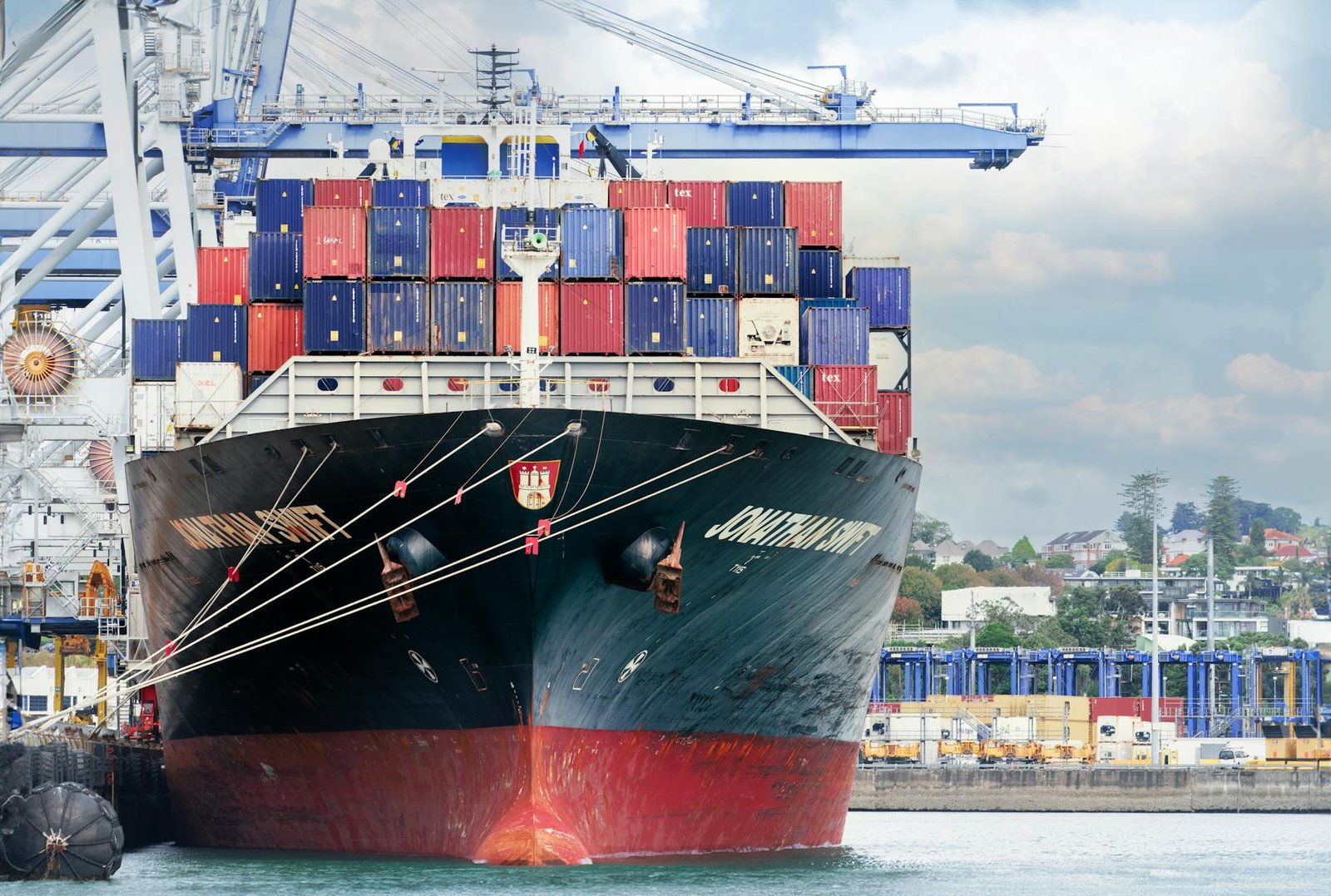
Information reaching TahirRihat.com suggests that the escalating tensions in the Middle East have led to significant volatility in energy prices, a critical input for industrial production. Factories that depend on consistent and affordable energy are now grappling with increased operational expenses. This, in turn, is impacting their ability to maintain competitive pricing for their goods on the international stage. The ripple effect extends beyond energy, as the conflict has also disrupted shipping routes and increased insurance premiums for maritime trade, further complicating the logistics for Chinese exporters.

The manufacturing sector, which has long been the bedrock of China’s economic success, is now confronting a confluence of challenges. The initial shockwaves from the Iran conflict have translated into a tangible slowdown in new orders and a tightening of profit margins. Companies that have historically benefited from predictable global demand are now facing uncertainty, forcing them to re-evaluate their production schedules and inventory management strategies. This recalibration is a clear indication that the economic fallout from the regional conflict is moving beyond theoretical projections and is now manifesting in the day-to-day operations of Chinese businesses.

The implications for China’s broader economic trajectory are significant. A faltering manufacturing sector can lead to job losses, reduced consumer spending, and a dampening of overall economic growth. The government, which has long prioritized manufacturing as a key driver of employment and prosperity, will likely face increased pressure to implement measures that can mitigate these adverse effects. The resilience of China’s economy has been tested before, but the current situation presents a unique set of challenges stemming from a complex geopolitical crisis that has far-reaching economic consequences.

The global interconnectedness of economies means that disruptions in one region inevitably have a bearing on others. In the case of China, its position as the world’s factory makes it particularly susceptible to shocks that affect international trade and commodity prices. The conflict in Iran, with its potential to disrupt oil supplies and create widespread instability, serves as a stark reminder of this vulnerability. As the situation in the Middle East continues to evolve, so too will the economic pressures on China’s manufacturing sector, necessitating a careful and strategic response from policymakers.

Sikkim Marks 50 Years of Statehood with Grand Celebrations and PM Modi’s Visit

0
Modi’s roadshow draws massive crowd as Sikkim celebrates 50 years of statehood
Photo by Krishanu Paul on Pexels

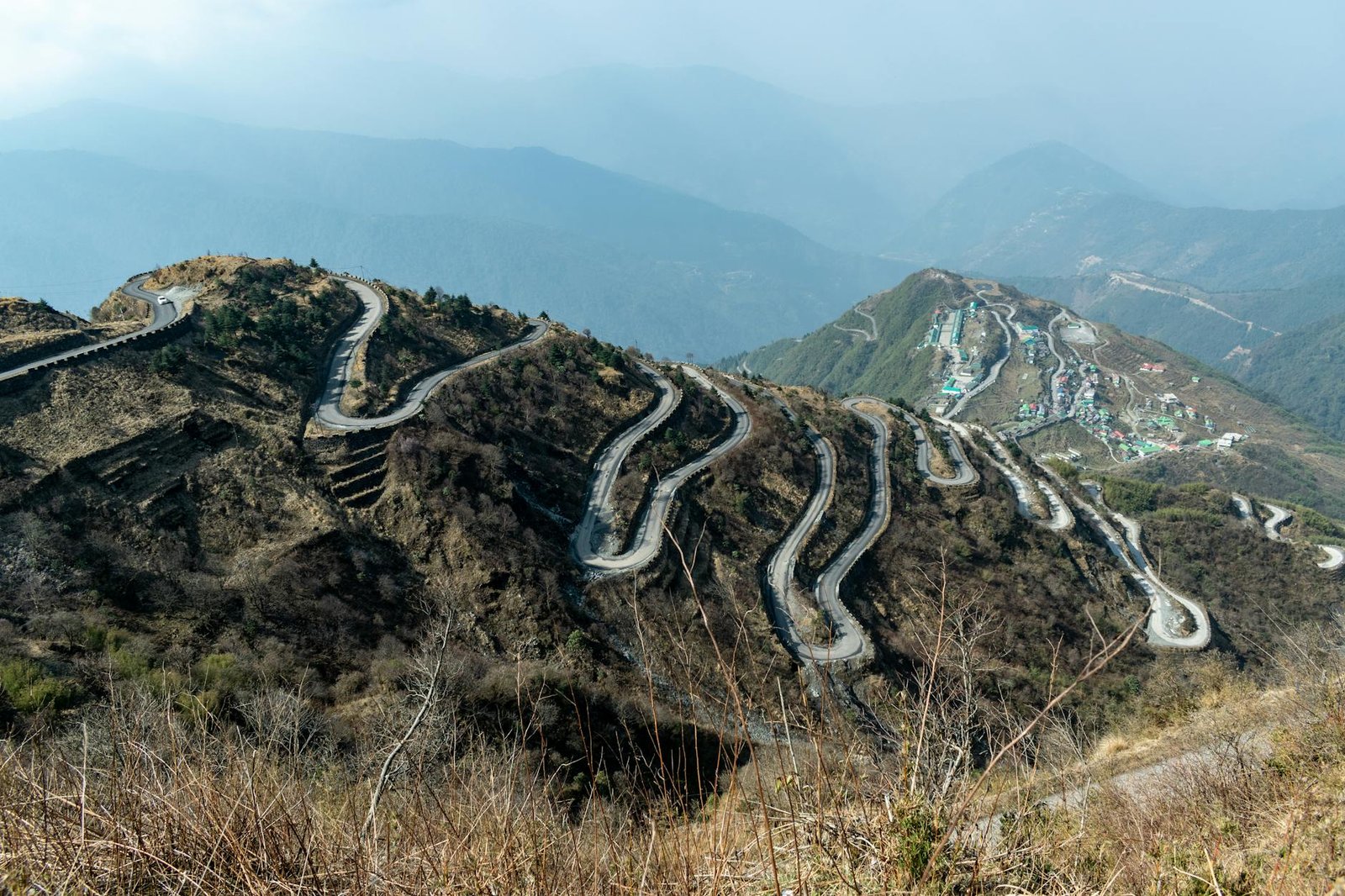
Gangtok, Sikkim – A palpable sense of public enthusiasm and national pride swept through Sikkim on Monday as the Himalayan state commemorated the golden jubilee of its statehood. The occasion was marked by a vibrant roadshow led by Prime Minister Narendra Modi, drawing thousands of citizens who lined the routes to the capital, Gangtok. The throngs of people, many waving the tricolour and capturing the historic moments on their mobile devices, expressed deep admiration for the nation’s leadership and the state’s journey.

The atmosphere across Sikkim was described as both festive and deeply emotional, reflecting a significant milestone in the state’s history. Children were seen perched on the shoulders of adults, their faces alight with smiles as they waved flags, symbolizing a new generation bearing witness to this momentous occasion. The celebrations underscored Sikkim’s rich cultural tapestry, with residents donning traditional attire and cultural groups coming together. This display of unity, pride, and warm hospitality highlighted the enduring spirit of the Sikkimese people.

The Golden Jubilee marks five decades of Sikkim’s progress and its integral partnership with the Union of India. This enduring bond has been a cornerstone of the state’s development and identity. Information reaching TahirRihat.com suggests that Prime Minister Modi, who arrived in Sikkim on Monday afternoon, is slated to address a public gathering on Tuesday. During this address, he is expected to unveil a series of development projects collectively valued at approximately Rs 4,500 crore, further underscoring the central government’s commitment to the state’s growth and prosperity.

The roadshow itself was a testament to the widespread public engagement with the statehood anniversary. The sheer volume of people participating demonstrated a collective sense of achievement and a forward-looking optimism. The visual spectacle of thousands gathered along the thoroughfares, united in their celebration, painted a powerful picture of national integration and regional pride. The event served not only as a commemoration of the past but also as a vibrant affirmation of Sikkim’s place within the Indian federation.

The journey of Sikkim to statehood is a unique chapter in India’s post-independence history. It transitioned from a monarchy to a fully-fledged state, a process that involved significant political and social evolution. The integration of Sikkim into India was a carefully managed process, culminating in its elevation to the 22nd state of the Indian Union on May 16, 1975. The intervening fifty years have witnessed substantial progress in various sectors, including infrastructure, education, healthcare, and tourism, transforming the state into a model of sustainable development and harmonious coexistence.

The Prime Minister’s visit and the announcement of substantial development projects are expected to provide further impetus to Sikkim’s ongoing growth trajectory. These initiatives are likely to focus on key areas that are crucial for the state’s economic advancement and the well-being of its citizens. The allocation of Rs 4,500 crore signifies a significant investment aimed at bolstering infrastructure, improving connectivity, and enhancing the socio-economic fabric of the region. Such projects often include improvements to road networks, power generation and distribution, water supply, and other essential services that are vital for a developing state.

The cultural diversity showcased during the celebrations is a hallmark of Sikkim’s identity. The state is home to various ethnic communities, including the Lepchas, Bhutias, and Nepalis, each contributing to a rich mosaic of traditions, languages, and customs. The Golden Jubilee celebrations provided a platform for these diverse communities to come together, share their heritage, and reinforce their collective identity as Sikkimese citizens. This cultural amalgamation is a source of strength and resilience for the state, fostering an environment of mutual respect and understanding.

The partnership between Sikkim and the Union of India has been characterized by a spirit of cooperation and mutual respect. The central government has consistently supported Sikkim’s developmental aspirations, recognizing its strategic importance and its unique environmental and cultural landscape. The state’s commitment to organic farming, environmental conservation, and sustainable tourism has also garnered national and international acclaim, positioning it as a leader in these critical areas. The Golden Jubilee serves as a moment to reflect on these achievements and to chart a course for future progress.

The anticipation surrounding Prime Minister Modi’s address on Tuesday is high, with expectations that his speech will outline a vision for Sikkim’s future, building upon the foundations laid over the past fifty years. The announcement of development projects is not merely an economic stimulus but also a symbol of the continued engagement and support from the national leadership. It reinforces the narrative of a strong and united India, where every state, including the relatively young state of Sikkim, plays a vital role in the nation’s progress.

The scenes of public jubilation witnessed during the roadshow are indicative of a populace that feels connected to the national mainstream and appreciative of the developmental strides made. The participation of students and residents from various walks of life underscores the broad-based nature of the celebrations. This collective participation is crucial for fostering a sense of ownership and pride in the state’s achievements and its future prospects. The Golden Jubilee is more than just an anniversary; it is a reaffirmation of Sikkim’s identity and its unwavering commitment to being an integral part of India’s dynamic federal structure.

The legacy of Sikkim’s transformation from a kingdom to a state is a compelling story of democratic evolution and socio-economic advancement. The state’s unique geographical location, nestled in the Eastern Himalayas, presents both opportunities and challenges. Its commitment to environmental sustainability and its focus on high-value, low-impact tourism have set it apart. The ongoing celebrations are a fitting tribute to the vision and efforts of all those who have contributed to Sikkim’s remarkable journey over the past five decades.

The Prime Minister’s presence at this significant juncture is expected to further galvanize the state’s development agenda. The Rs 4,500 crore in proposed projects will likely address critical infrastructure gaps and support initiatives aimed at enhancing the quality of life for Sikkimese citizens. This investment is a clear signal of the government’s intent to foster inclusive growth and to ensure that Sikkim continues on its path of progress and prosperity. The coming days will reveal the specifics of these development plans, which are anticipated to have a lasting impact on the state’s future.

Global Economy Reels from Iran Conflict, US Largely Unscathed

0
Iran War Shakes Global Economy, but the U.S. Has Mostly Been Spared
Photo by Nothing Ahead on Pexels

In a mere eight weeks, a significant portion of the global economy has been profoundly disrupted, experiencing a substantial downturn. However, the United States has, for the most part, been shielded from the full force of this widespread economic turbulence. The conflict involving Iran has sent shockwaves through international markets, impacting supply chains, energy prices, and investor confidence across numerous nations. Yet, the American economy has demonstrated a notable resilience, weathering the storm with comparatively less severe consequences.

Information reaching TahirRihat.com suggests that the intricate web of global trade and finance has been particularly vulnerable to the recent geopolitical developments. Nations heavily reliant on international trade and with significant exposure to the affected regions have felt the brunt of the economic fallout. This includes disruptions to shipping routes, increased insurance costs for maritime transport, and a general atmosphere of uncertainty that has dampened investment and consumer spending. The ripple effects have been felt in sectors ranging from manufacturing and energy to tourism and technology.

The United States, with its large domestic market and a degree of economic self-sufficiency, has been able to absorb some of the shocks more effectively. While not entirely immune, the impact on American businesses and consumers has been less pronounced compared to many other countries. This relative insulation can be attributed to several factors, including the dollar’s status as a global reserve currency, the nation’s robust energy production capabilities, and its diversified economic base. Nevertheless, the interconnectedness of the modern global economy means that no nation can remain entirely unaffected by such significant international events.

The conflict has led to volatile fluctuations in oil prices, a critical commodity for global economic activity. As tensions escalated, crude oil benchmarks experienced sharp increases, directly impacting transportation costs and the price of goods and services worldwide. This surge in energy expenses has placed a considerable burden on economies that are net importers of oil, exacerbating inflationary pressures and slowing down growth. For countries that are major energy consumers, the rising cost of fuel translates into higher operational expenses for businesses and increased living costs for households, potentially leading to reduced purchasing power and a contraction in economic output.

Furthermore, the geopolitical instability has triggered a reassessment of investment strategies by global financial institutions and corporations. Investors have become more risk-averse, leading to capital flight from emerging markets and a preference for safer assets. This shift in investment sentiment can have long-term consequences for economic development, particularly in countries that rely on foreign direct investment to fuel their growth. The uncertainty surrounding the duration and potential escalation of the conflict has created a climate of caution, making it difficult for businesses to plan for the future and hindering long-term economic planning.

The disruption to global supply chains, already strained by previous events, has been further exacerbated by the conflict. Key shipping lanes have faced increased risks, leading to delays, rerouting, and higher freight charges. This has had a cascading effect on industries that depend on the timely delivery of raw materials and finished goods. Manufacturers have struggled to secure necessary components, leading to production slowdowns and shortages of certain products. Consumers, in turn, have faced higher prices and limited availability of goods, contributing to inflationary pressures and a general sense of economic unease.

In contrast, the United States has benefited from a more robust domestic supply chain infrastructure and a greater capacity to absorb price shocks. While American consumers and businesses have not been entirely spared from the inflationary effects, the impact has been moderated by factors such as domestic energy production, which has helped to cushion the blow from rising global oil prices. The Federal Reserve’s monetary policy decisions, aimed at controlling inflation, have also played a role in managing the domestic economic response to these global pressures.

The international response to the conflict has also played a role in shaping its economic consequences. Diplomatic efforts and sanctions imposed on parties involved in the conflict have aimed to de-escalate tensions and mitigate further economic damage. However, the effectiveness of these measures and their long-term impact on global economic stability remain subjects of ongoing debate and observation. The intricate interplay of geopolitical actions and economic reactions continues to shape the global financial landscape.

The resilience of the U.S. economy in the face of this global economic upheaval highlights the complex dynamics of international finance and trade. While the world grapples with the fallout from the conflict, the United States appears to be navigating these challenging times with a comparatively stronger footing, though the long-term implications for all economies remain a subject of considerable uncertainty and ongoing analysis.

China and Pakistan Affirm Strong Bilateral Ties Amidst President Zardari’s Visit

0
China says its ties with Pakistan maintain ‘robust development’
Photo by J.D. Books on Pexels

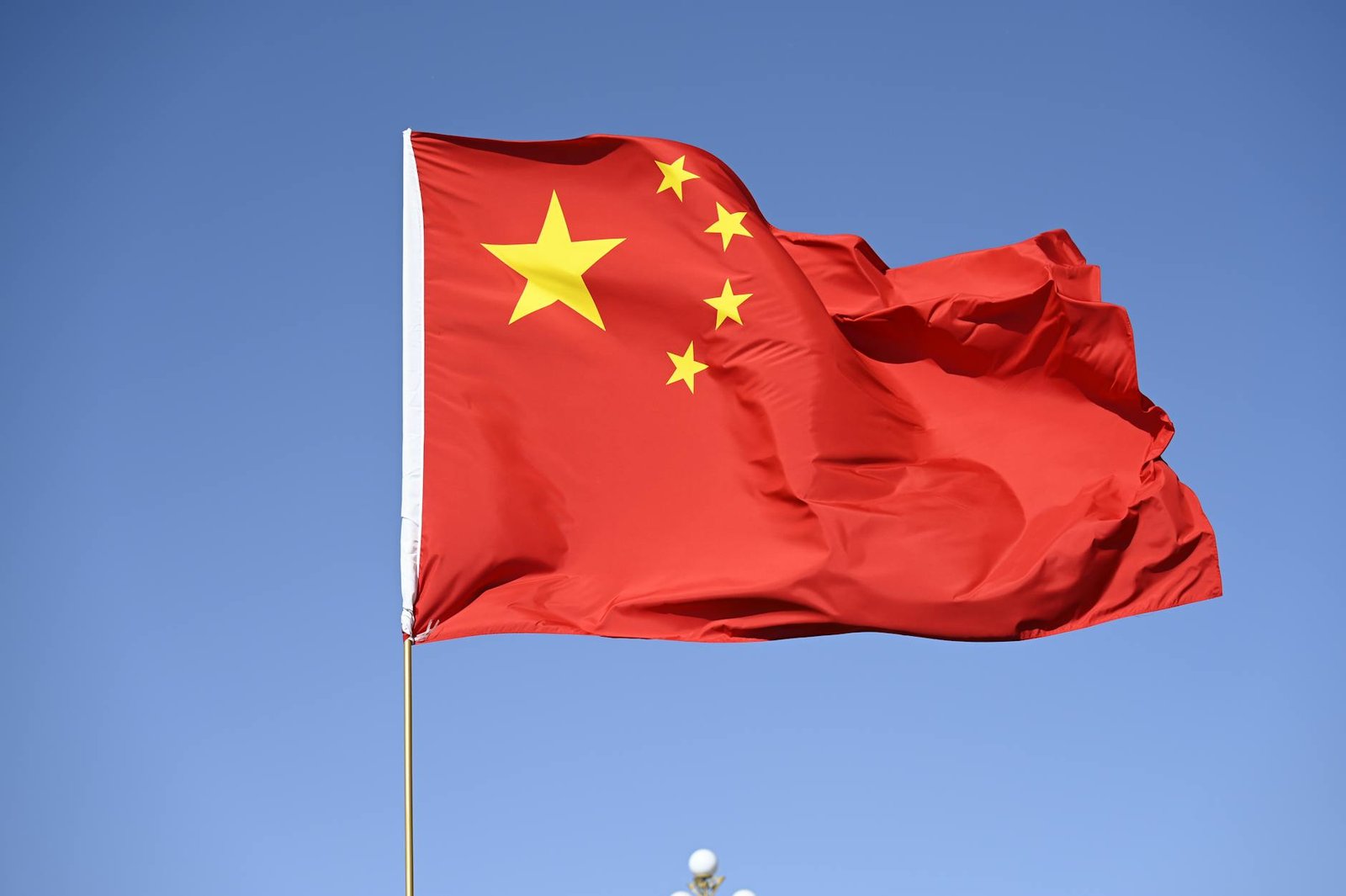
Beijing, China – China has affirmed that its long-standing, all-weather relationship with Pakistan is experiencing a period of robust development, with bilateral ties maintaining a sound momentum throughout the current year. This statement comes as Pakistan’s President Asif Ali Zardari is undertaking a significant visit to China, marking a key moment in the diplomatic engagement between the two nations. The visit, which commenced on Sunday, is scheduled to last for a week and includes extensive bilateral discussions with the Chinese leadership, with a particular emphasis on bolstering economic and trade cooperation.

Information reaching TahirRihat.com suggests that the current year holds particular significance as it commemorates the 75th anniversary of the establishment of diplomatic relations between the People’s Republic of China and Pakistan. This milestone underscores the deep historical roots and enduring nature of their partnership. During a media briefing in Beijing, Foreign Ministry spokesperson Lin Jian articulated China’s readiness to collaborate with Pakistan on multiple fronts. He expressed a commitment to deepening friendly exchanges and cooperative initiatives at all levels of government and between various local entities. The ultimate objective, as stated by Lin Jian, is to forge an even closer China-Pakistan community with a shared future, a concept that encapsulates their intertwined destinies and mutual aspirations.

President Zardari’s itinerary includes visits to the Hunan and Hainan provinces, underscoring the breadth of engagement beyond just the capital. These provincial visits are often designed to showcase specific areas of economic potential and to foster direct connections with regional development initiatives. The focus on economic and trade cooperation during the presidential visit is particularly noteworthy, given the ongoing global economic uncertainties and the strategic importance of the China-Pakistan Economic Corridor (CPEC), a flagship project under China’s Belt and Road Initiative. CPEC aims to connect China’s Xinjiang province with Pakistan’s Gwadar Port through a network of roads, railways, and energy pipelines, promising to transform regional connectivity and economic landscapes.

The spokesperson’s remarks highlight China’s consistent policy of prioritizing its relationship with Pakistan, viewing it as a cornerstone of its foreign policy in South Asia. The term ‘all-weather ties’ is frequently employed by both nations to describe the resilience and steadfastness of their friendship, capable of withstanding various geopolitical shifts and challenges. This enduring bond is built on a foundation of mutual political trust, strategic coordination, and shared interests, extending across defense, security, and economic domains. The current visit by President Zardari is expected to further solidify these foundations and explore new avenues for collaboration in areas such as technology, agriculture, and renewable energy, reflecting a forward-looking approach to their partnership.

The discussions between President Zardari and the Chinese leadership are anticipated to cover a wide spectrum of bilateral issues, including regional security dynamics, counter-terrorism efforts, and international cooperation on multilateral platforms. Both countries share common concerns regarding regional stability and are actively engaged in efforts to promote peace and development in their respective neighborhoods. China’s support for Pakistan’s economic development and its role in regional connectivity projects like CPEC are seen as crucial elements in Pakistan’s long-term growth strategy. The ongoing dialogue aims to ensure that these initiatives continue to progress smoothly and effectively, contributing to shared prosperity.

The robust development of China-Pakistan ties is also viewed within the broader context of evolving global power dynamics. As both nations navigate a complex international environment, their strategic alignment offers a degree of stability and predictability. The emphasis on building a ‘community with a shared future’ signals a desire to move beyond traditional state-to-state relations towards a more integrated and collaborative model of partnership. This vision encompasses not only economic interdependence but also a shared commitment to addressing global challenges, such as climate change and public health crises, through joint efforts and mutual support. The ongoing exchanges are crucial for translating this vision into concrete actions and tangible outcomes that benefit both peoples and the wider international community.

The spokesperson’s statement, as reported by PTI, underscores the consistent narrative from Beijing regarding its relationship with Islamabad. It reflects a strategic imperative for China to maintain a strong and stable partnership with Pakistan, which serves as a vital gateway to the Arabian Sea and a crucial link in its Belt and Road Initiative. The continued high-level engagement, exemplified by President Zardari’s visit, demonstrates the mutual commitment to nurturing and expanding this vital bilateral relationship. The focus on economic cooperation is particularly significant, as Pakistan seeks to attract foreign investment and boost its export potential, areas where China has consistently been a major partner.

The deepening of exchanges at all levels, as articulated by the Chinese Foreign Ministry, suggests a comprehensive approach to strengthening the bilateral relationship. This includes not only governmental and diplomatic interactions but also people-to-people exchanges, cultural collaborations, and academic partnerships. Such multifaceted engagement is seen as essential for building a strong and sustainable foundation for the future of China-Pakistan relations. The shared future concept implies a long-term vision where both nations work in concert to achieve common goals, fostering an environment of peace, stability, and prosperity for both countries and the region at large. The ongoing visit is a testament to the enduring strength and forward-looking nature of this critical partnership.