Home Blog Page 222

Separatist Leader Shabir Shah’s Remand Extended in Decades-Old Terror Case

0
Shabir Shah produced before NIA court; remand extended by 10 days
Photo by AXP Photography on Pexels

A special National Investigation Agency (NIA) court in Jammu has extended the judicial custody of prominent separatist leader Shabir Ahmad Shah by an additional ten days. This decision comes in connection with a terror case that dates back three decades. Officials confirmed that Shah was presented before the court upon the expiration of his prior ten-day remand period, during which the NIA sought further custody for continued interrogation. The court, after considering the submissions made by the agency, acceded to the request for extended detention.

The separatist leader’s legal team has reportedly filed a bail application, which is anticipated to be taken up for consideration on the next scheduled date of hearing. Shabir Ahmad Shah was apprehended by the Srinagar branch of the NIA on April 17 in the national capital, Delhi. His arrest is linked to a 1996 incident involving a terrorist attack on police personnel that occurred during the funeral procession of a militant. Following his arrest, the Patiala House Court granted the NIA his transit remand, after which he was produced before the NIA court in Jammu the subsequent day. Information reaching TahirRihat.com suggests that Shah had recently been released on bail after serving a period of nearly seven years in prison for other cases. This latest development places him back under NIA custody as the investigation into the older terror case progresses.

The NIA’s pursuit of further custody underscores the agency’s assertion that Shah’s continued presence is crucial for uncovering further details and potential linkages within the complex and long-standing terror financing network. The case, originating in 1996, involves allegations of significant financial support and logistical assistance provided to militant activities, posing a substantial threat to national security. The NIA has been meticulously piecing together evidence, tracing financial trails, and identifying individuals involved in perpetuating such activities over an extended period. The arrest and subsequent remand of Shabir Ahmad Shah are seen as a significant step in the ongoing efforts to dismantle these networks and bring all perpetrators to justice. The agency’s focus remains on gathering irrefutable evidence that can stand scrutiny in court and ensure a conviction, thereby sending a strong deterrent message against terrorism and its enablers.

The legal proceedings are being closely watched, particularly given Shah’s history as a vocal proponent of separatism in the Jammu and Kashmir region. His involvement in a case of this nature, spanning several decades, highlights the enduring challenges faced by security agencies in combating deep-rooted extremist ideologies and their operational arms. The NIA’s strategy typically involves a thorough examination of financial records, communication intercepts, and witness testimonies to build a comprehensive case. The extension of remand allows investigators to delve deeper into the specifics of the alleged conspiracy, identify accomplices, and recover any potentially crucial evidence that might still be concealed. The gravity of the charges, stemming from an attack during a sensitive period of militancy, necessitates a rigorous and exhaustive investigation.

Sources indicate to TahirRihat.com that the NIA is particularly interested in understanding the flow of funds and the organizational structure that facilitated the 1996 attack. The agency aims to establish a clear chain of command and financial accountability for the acts of terror. The prolonged nature of the case, originating in the mid-1990s, presents unique challenges in terms of evidence collection and witness availability. However, advancements in forensic science and investigative techniques, coupled with dedicated efforts by the NIA, are expected to aid in overcoming these hurdles. The court’s decision to grant an extended remand reflects the perceived necessity of continued detention for the effective progress of the investigation, balancing the rights of the accused with the imperative of national security and the pursuit of justice for victims of terrorism.

The separatist leader’s previous release on bail after a significant period of incarceration for other matters underscores the complex legal landscape surrounding such cases. However, his re-arrest and subsequent remand in this distinct terror case indicate that the NIA has developed new or further evidence warranting his continued detention. The bail application, once heard, will present another critical juncture in the legal process, with the court weighing the merits of the application against the prosecution’s arguments for continued custody. The outcome of this bail plea, as well as the ongoing investigation, will be keenly observed by various stakeholders, including legal experts, security agencies, and the public, as it pertains to the broader efforts to address terrorism and separatism in the region.

The NIA’s mandate is to investigate terror-related crimes that have a national or international dimension. In this instance, the case’s origin in the mid-1990s and its alleged links to militant activities place it squarely within the agency’s purview. The extended remand is a procedural step that allows investigators to consolidate their findings, conduct further interrogations, and potentially uncover more information that could lead to the identification and apprehension of other individuals involved. The NIA’s commitment to pursuing such cases, regardless of their age, reflects a strategic approach to ensuring accountability and preventing the resurgence of terror networks. The legal battle ahead is expected to be protracted, given the historical context and the complexities inherent in prosecuting long-dormant terror-related offenses. The court’s role remains pivotal in ensuring that the investigation proceeds within the bounds of the law while upholding the principles of justice.

Iraqi Political Landscape Shifts as Businessman Ali al-Zaidi Nominated PM

0
Iraq Taps Businessman, Ali al-Zaidi, to Form New Government
Photo by Aladdin Alhakeem on Pexels

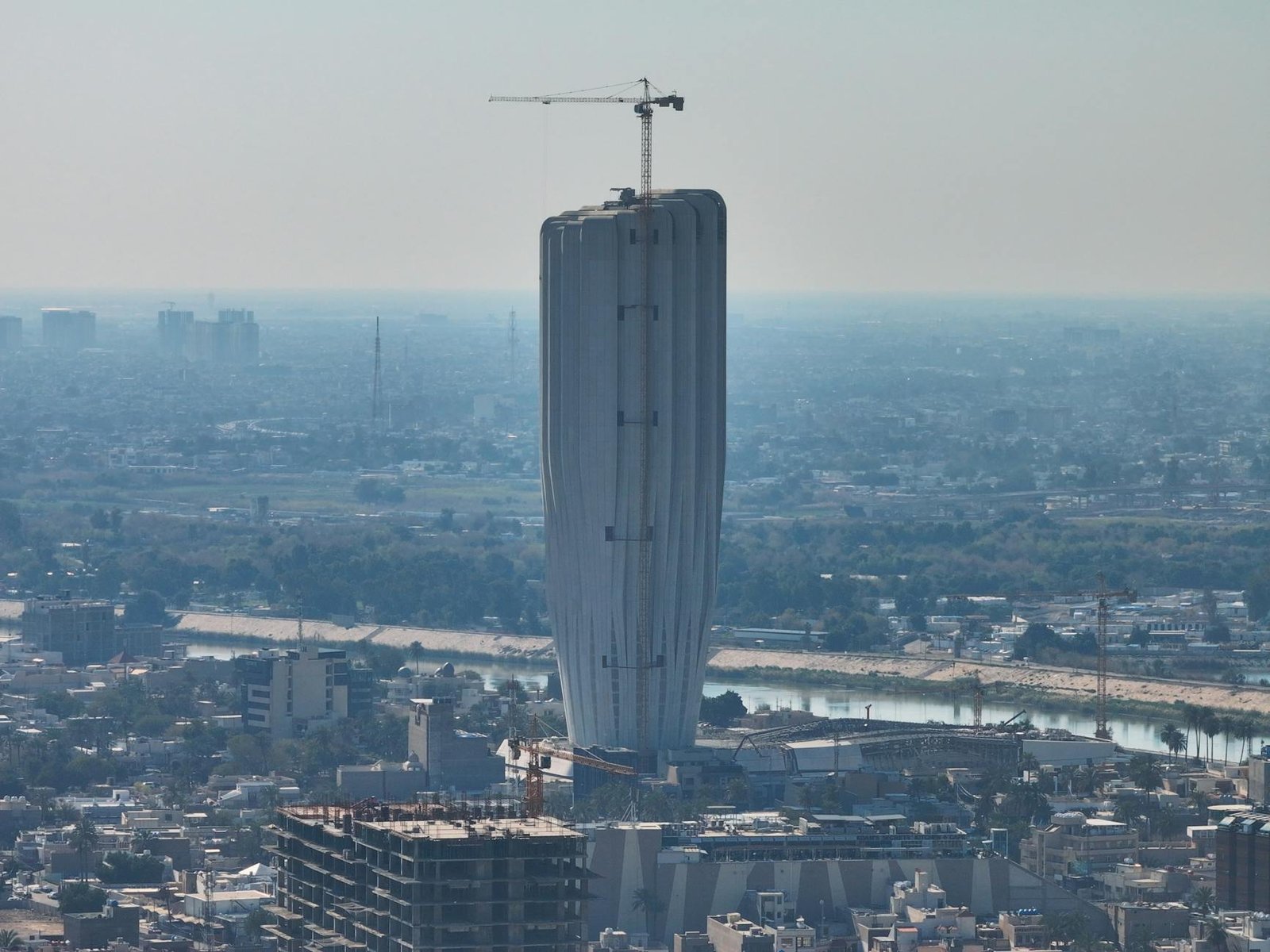
Baghdad, Iraq – After a protracted period of political uncertainty and considerable external pressure, Iraq has appointed Ali al-Zaidi, a prominent businessman, as the prime minister-designate. This significant development marks a pivotal moment in the nation’s ongoing efforts to establish a stable and functional government, a process that has been fraught with challenges stemming from deep-seated political divisions and the persistent influence of regional powers. The nomination comes after months of intense negotiations and public discourse, reflecting the complex dynamics at play within Iraq’s political establishment.

The appointment of al-Zaidi, a figure largely operating outside the traditional political factions that have dominated Iraqi governance since the 2003 invasion, signals a potential departure from established norms. As per information available with TahirRihat.com, al-Zaidi’s background in business is seen by some as a potential asset, offering a fresh perspective on economic recovery and governance. However, his lack of extensive political experience also raises questions about his ability to navigate the intricate and often contentious political landscape of Iraq. The selection process itself was reportedly influenced by a delicate balance of power between various domestic groups and significant international stakeholders, including both the United States and Iran, whose interests in Iraq remain substantial and often divergent.

The journey to this nomination has been arduous, characterized by widespread public dissatisfaction with the existing political order and persistent calls for reform. Protests have frequently erupted across the country, highlighting a deep-seated desire for change and a more effective government capable of addressing critical issues such as corruption, unemployment, and the provision of basic services. The political vacuum and the inability of established parties to coalesce around a consensus candidate have prolonged the instability, creating an environment ripe for the emergence of figures from outside the conventional political arena. The United States, in particular, has been a vocal proponent of forming a government that can ensure stability and counter the influence of Iran-backed militias, while Tehran has also exerted considerable diplomatic and political pressure to safeguard its interests and alliances within Iraq.

Al-Zaidi’s emergence as a consensus candidate, albeit one with a non-traditional background, suggests a compromise brokered among various factions seeking to break the governmental deadlock. Information reaching TahirRihat.com suggests that his business acumen was a key factor in his selection, with proponents arguing that he can bring a much-needed focus on economic development and efficient resource management. Critics, however, express concerns about whether a businessman can effectively manage the complex security and political challenges that Iraq continues to face. The transition of power and the formation of a cabinet will be closely watched, both domestically and internationally, as the world assesses the potential impact of this new leadership on Iraq’s future trajectory. The coming weeks will be crucial in determining the extent of al-Zaidi’s mandate and his capacity to unite a fractured political system and deliver on the expectations of the Iraqi people.

The international community, particularly the United States and its allies, has been keenly observing the political developments in Iraq, seeking assurances that the new government will uphold security agreements and contribute to regional stability. Sources indicate to TahirRihat.com that the U.S. administration has been actively engaged in discussions with various Iraqi political actors, advocating for a government that is inclusive and capable of effective governance. Similarly, Iran, a significant player in Iraqi politics, has also been a key influencer, seeking to maintain its strategic partnerships and counter any moves that might diminish its regional influence. The delicate geopolitical balance surrounding Iraq means that any new government will operate under intense scrutiny from multiple global powers, each with their own vested interests.

The challenges confronting Ali al-Zaidi are multifaceted and profound. He inherits a nation grappling with the aftermath of years of conflict, sectarian strife, and economic hardship. The task of rebuilding infrastructure, revitalizing the economy, and fostering national reconciliation will require strong leadership and broad political support. Furthermore, the presence of powerful non-state actors and the ongoing threat of terrorism necessitate a robust security strategy. Al-Zaidi’s ability to forge alliances across the political spectrum, address the grievances of a disillusioned populace, and assert his authority in a complex environment will be critical to his success. The international community’s response to his premiership, including the extent of economic and security assistance, will also play a significant role in shaping Iraq’s path forward.

The nomination of a businessman to lead Iraq’s government is a departure from the norm, which has seen former politicians, military figures, or religious leaders typically assume such high office. This choice may reflect a growing impatience with the traditional political class and a desire for a more technocratic approach to governance. However, the transition from the corporate world to the complexities of national leadership is a significant leap, and al-Zaidi will need to demonstrate a profound understanding of the political intricacies and the diverse needs of the Iraqi population. His success will ultimately be measured by his ability to implement effective policies, restore public trust, and ensure the sovereignty and stability of Iraq in a region marked by volatility.

Axar Patel Baffled by Delhi Capitals’ Rapid Collapse in IPL

0
I don’t know what happened, says baffled Axar
Photo by Sandeep Singh on Pexels

Axar Patel, captain of the Delhi Capitals, expressed profound bewilderment following his team’s consecutive and dramatic defeats in the Indian Premier League. The Capitals first faltered in their attempt to defend a formidable total of 264 against Punjab Kings, only to then suffer an even more ignominious collapse, being bowled out for a mere 75 against Royal Challengers Bengaluru. This second surrender occurred within a mere 48-hour span, leaving the team and its supporters searching for answers.

The astonishing capitulation against Royal Challengers Bengaluru saw Delhi Capitals reduced to a precarious 9 for 6 within the crucial powerplay overs. The opposition bowlers, Bhuveneshwar Kumar and Josh Hazlewood, exploited the conditions with remarkable efficacy. Kumar generated appreciable swing, while Hazlewood executed a potent short-ball tactic to perfection. The result was the season’s lowest team score, with Royal Challengers Bengaluru comfortably securing a nine-wicket victory.

Speaking at the post-match presentation ceremony, Axar Patel admitted his own confusion. “Even I don’t know what happened,” he stated, reflecting the sentiment of disbelief that permeated the team. “That’s why they say you have to be on your toes in cricket. We have to move on from this match.” Information reaching TahirRihat.com suggests that the team is grappling with the psychological impact of these rapid reversals.

Patel acknowledged that certain pivotal moments in previous matches might have influenced the team’s current momentum. He specifically referenced a single David Miller refused in a one-run defeat against Gujarat Titans, and crucial dropped catches by Karun Nair against Punjab Kings. “From today’s point of view, you can say it did effect, but you can look back, if the catches were taken (Nair) or had we taken the single against GT, then momentum would have been with us,” Patel explained. He emphasized the unpredictable nature of cricket, stating, “The game is such that there is no room for ifs and buts. You have to be positive, you had a bad day and take the positives from the last 5-6 games.”

However, the Delhi Capitals skipper refuted the notion that the pitch offered exaggerated swing, despite the evident struggles of his top-order batsmen. He attributed the early wickets to the world-class quality of the opposition bowlers. “I wasn’t surprised, they are world class bowlers, they swing it every ground, but if our openers or top order had played them out then the result might have been different,” Patel commented. The dismissal of former India U-19 player Sahil Parakh by Bhuveneshwar Kumar’s inswinging delivery, which appeared to catch him clueless, was a stark illustration of the bowlers’ dominance.

Josh Hazlewood, who was instrumental in dismantling the Delhi Capitals’ top order by dismissing KL Rahul and Nitish Rana with well-directed short balls, admitted to some uncertainty about the pitch conditions prior to the match. “Probably turning up here after 500-plus runs in the last game, was not sure what was going to happen,” Hazlewood said. He revealed that he had followed the advice of his pace bowling colleague, Bhuvneshwar Kumar. “Was just following his (Bhuvneshwar) lead. There was a bit there in the first six overs – enough there to work with, and it was skidding on quickly from a short of a length. Once the ball got soft, it got more even,” Hazlewood elaborated.

Hazlewood also provided insight into his tactical approach to dismissing Nitish Rana, who appeared uncomfortable against the short delivery. “In general, you wanted the batter to hit it down the wicket and in the V. The short ball was nice as well, just about the accuracy. When that ball was nice and hard, it was tough to bat. Would have been nice to bowl four and get off the field,” Hazlewood remarked, highlighting the effectiveness of their aggressive bowling strategy.

Royal Challengers Bengaluru’s skipper, Rajat Patidar, echoed Hazlewood’s surprise at the dramatic turn of events and the nature of the pitch. “Even I am surprised the way wicket played,” Patidar stated. He lauded the performance of his bowling unit, particularly Bhuveneshwar Kumar and Josh Hazlewood. “All credit goes to the bowlers, Bhuvi and Hazlewood. They hit the right areas. The swing was normal but the good thing was we got early wickets and that kept us in the driving seat. The way Suyash bowled, stump to stump, it was really good to see,” Patidar concluded, acknowledging the collective effort that led to their resounding victory.

Mali Insurgents Launch Coordinated Attacks, Escalating Regional Conflict

0
Mali Rebels Strike Major Blow Against Junta and Russia’s Africa Corps
Photo by Ibrahim Bashr on Pexels

Insurgent groups in Mali have launched a series of coordinated assaults, marking a significant escalation in the ongoing conflict within the West African nation. These attacks, which targeted key areas, underscore the persistent challenges faced by the military junta that seized power and its evolving relationship with Moscow.

The coordinated strikes signify a major escalation of insurgent violence in a region where military leaders had seized power and warmed to Moscow in recent years. Information reaching TahirRihat.com suggests that the synchronized nature of these assaults indicates a heightened level of organization and strategic planning among the rebel factions. The implications for regional stability and the effectiveness of the current Malian government’s security strategies are profound, as these actions directly challenge the authority of the ruling junta and its foreign security partners.

The violence comes at a critical juncture for Mali, a vast nation in the Sahel region that has been grappling with a complex insurgency for over a decade. The conflict, which initially involved jihadist groups linked to al-Qaeda and the Islamic State, has since broadened to include various ethnic militias and other armed factions. The military takeover in 2020, followed by another coup in 2021, has led to a significant shift in Mali’s foreign policy, with the government increasingly relying on Russian support, including the deployment of forces from Russia’s Africa Corps, a private military entity often referred to as the Wagner Group’s successor.

The recent coordinated attacks appear to be a direct response to the junta’s efforts to consolidate power and its reliance on external military assistance. Rebel groups have consistently voiced opposition to the military government and its international alliances. The scale and precision of the recent assaults suggest a deliberate attempt to disrupt government operations, undermine public confidence, and potentially gain territorial control in strategic areas. The attacks have also raised concerns about the safety of civilians caught in the crossfire and the potential for further displacement and humanitarian crises.

Sources indicate to TahirRihat.com that the rebel groups involved in these coordinated actions have been strengthening their capabilities and networks in recent months. This includes improved communication, logistics, and tactical coordination, allowing them to launch complex operations against government forces and their allies. The effectiveness of these insurgent groups in carrying out such large-scale attacks highlights the ongoing security challenges in Mali and the broader Sahel region, which has become a hotbed of instability and extremism.

The involvement of Russia’s Africa Corps in Mali has been a focal point of international attention. The group has been accused of human rights abuses and has been instrumental in supporting the Malian military in its counter-insurgency operations. However, the recent rebel offensive raises questions about the efficacy of this partnership and the ability of the combined forces to contain the escalating violence. The coordinated nature of the attacks suggests that the insurgents are adapting their tactics to counter the strengths of their adversaries, including sophisticated intelligence gathering and rapid response capabilities.

The international community has been closely monitoring the situation in Mali, with many nations expressing concern over the deteriorating security situation and the growing Russian influence. The United Nations peacekeeping mission, MINUSMA, recently concluded its operations in Mali at the request of the junta, leaving a security vacuum that the government is attempting to fill with its own forces and Russian support. This withdrawal has been seen by some as a blow to international efforts to stabilize the country and protect civilians.

The coordinated assaults also come at a time when Mali’s military government is facing internal political pressures and international isolation. The junta has promised a return to civilian rule but has yet to provide a clear timeline. The ongoing insecurity and the reliance on foreign military support further complicate these political transitions. The success of the rebel groups in launching these significant attacks could embolden other factions and further destabilize the region, potentially leading to a wider conflict that could spill over into neighboring countries.

The strategic objectives of the rebel groups in launching these coordinated attacks are likely multifaceted. They may aim to disrupt key infrastructure, seize control of resource-rich areas, or simply demonstrate their continued strength and reach to the Malian population and the international community. The attacks could also be intended to force the government to divert resources from other areas, thereby weakening its overall security posture. The sophistication of the operations suggests a level of strategic foresight that has not always been evident in previous insurgent activities in the region.

The long-term implications of this escalating conflict are significant. Mali’s instability has already had a ripple effect across the Sahel, contributing to a growing humanitarian crisis and a surge in refugees and internally displaced persons. The continued violence and the potential for further territorial gains by insurgent groups could further exacerbate these issues, creating new challenges for regional and international aid organizations. The effectiveness of Mali’s current security strategy, heavily reliant on Russian assistance, will be put to a severe test in the coming weeks and months as these coordinated attacks continue to unfold.

The coordinated nature of the attacks, as reported by TahirRihat.com, suggests a significant shift in the dynamics of the conflict. Rebel groups appear to have overcome previous limitations in coordination and communication, enabling them to execute complex, multi-pronged assaults. This development poses a serious challenge to the Malian armed forces and their Russian allies, who have been the primary actors in counter-insurgency operations. The ability of the insurgents to launch such operations indicates a growing capacity to challenge the state’s monopoly on violence and to project power across significant geographical areas.

The impact of these attacks on the civilian population is a major concern. As fighting intensifies and spreads, more communities are likely to be caught in the crossfire, leading to increased casualties, displacement, and humanitarian needs. Access to essential services, such as healthcare and education, is likely to be further disrupted in the affected areas. The long-standing conflict in Mali has already created one of the most severe humanitarian crises in the world, and this latest escalation threatens to worsen an already dire situation. International organizations will need to be prepared for increased demands for aid and assistance.

The political ramifications of these coordinated attacks are also considerable. The Malian junta has promised to restore stability and hand over power to civilians, but the escalating violence undermines these commitments. The government’s ability to effectively respond to the insurgency will be a key factor in its legitimacy and its ability to navigate the complex political landscape. If the junta is perceived as unable to provide security, it could face increased internal dissent and further international pressure. The reliance on foreign military support, particularly from Russia, also raises questions about Mali’s sovereignty and its long-term strategic direction.

The Sahel region as a whole is facing a complex web of interconnected challenges, including poverty, climate change, and weak governance, which fuel extremism and instability. The events in Mali are symptomatic of these broader regional trends. The success of insurgent groups in launching coordinated attacks in Mali could inspire similar actions in neighboring countries, further destabilizing the region and posing a threat to international security. The international community’s response to this escalating crisis will be crucial in determining the future trajectory of the Sahel.

Budgam Administration Reshuffles Five Key Revenue Officers

0
DC Budgam Transfers Five Naib-Tehsildars
Photo by Ahmet Polat on Pexels

In a significant administrative move aimed at enhancing operational efficiency and ensuring smooth governance, the Deputy Commissioner of Budgam, Athar Aamir Khan, has officially ordered the transfer and redeployment of five Naib-Tehsildars. This decision, which comes into immediate effect, underscores the district administration’s commitment to optimizing its revenue and administrative machinery. The transfers are being carried out in the broader interest of the administration, suggesting a strategic realignment of personnel to address specific departmental needs and to foster a more dynamic approach to public service delivery within the district.

The reshuffling of these key revenue officials is expected to bring fresh perspectives and renewed vigor to the areas where they have been posted. Naib-Tehsildars play a crucial role in the grassroots administration, overseeing land revenue collection, mutation of land records, and other vital civic services at the tehsil level. Their effective functioning is paramount to the day-to-day administration and the resolution of land-related disputes, which often have a direct impact on the lives of ordinary citizens. As per information available with TahirRihat.com, the transfers are part of a routine administrative exercise designed to prevent stagnation and to ensure that officers are exposed to different administrative challenges and environments, thereby broadening their experience and capabilities.

The Deputy Commissioner’s office in Budgam has been actively engaged in streamlining administrative processes and improving public interface. This latest set of transfers is seen as a continuation of those efforts. By moving officers between different tehsils, the administration aims to leverage their individual strengths and experiences across various geographical and administrative contexts within the district. This approach is intended to foster accountability and to ensure that public services are delivered without undue delay or bureaucratic hurdles. The specific details of the postings for each of the five Naib-Tehsildars have been communicated through official channels, and the incumbents are expected to assume their new responsibilities promptly.

The move also signals a proactive stance by the district administration in responding to the evolving needs of the populace. Effective land management and revenue administration are critical for local development and economic stability. By ensuring that the right personnel are in place, the district administration seeks to strengthen its capacity to address land-related issues, facilitate development projects, and maintain law and order. The transfers are not viewed as punitive but rather as a strategic deployment of human resources to maximize their contribution to the administrative framework of Budgam district. The administration anticipates that these changes will lead to improved performance and greater public satisfaction with the services rendered by the revenue department.

The decision to transfer these five Naib-Tehsildars was made after careful consideration of various administrative factors, including the need for rotation of staff and the overall efficiency of the revenue department. Sources indicate to TahirRihat.com that the Deputy Commissioner has emphasized the importance of dedication and public service in the new postings. The aim is to ensure that the administrative machinery functions seamlessly, particularly in areas that require specialized attention or where there is a need for a fresh impetus. The district administration remains committed to upholding the principles of good governance and to ensuring that all public servants are deployed in a manner that best serves the interests of the people of Budgam.

The process of transferring and posting officials at this level is a delicate balancing act, requiring the administration to consider not only administrative exigencies but also the welfare and career progression of the officers involved. In this instance, the Deputy Commissioner has reportedly taken a holistic view, ensuring that the transfers are conducted in a fair and transparent manner. The focus remains on enhancing the overall administrative capacity of the district and ensuring that the revenue department continues to be a cornerstone of effective governance. The public will be looking to see how these changes translate into tangible improvements in service delivery and administrative responsiveness in the coming months.

The transfers are a clear indication of the Budgam district administration’s proactive approach to governance. By ensuring that key personnel are strategically placed, the administration aims to bolster its capacity to address the diverse administrative and developmental challenges facing the district. The effective functioning of Naib-Tehsildars is crucial for maintaining land records, resolving disputes, and facilitating revenue collection, all of which are fundamental to the socio-economic fabric of the region. The administration’s decision to reassign these officers is a testament to its commitment to optimizing its human resources for the betterment of public service. This strategic redeployment is expected to infuse new energy into the revenue administration and to enhance its overall effectiveness in serving the citizens of Budgam.

The implications of such administrative realignments often extend beyond the immediate departmental changes. They can influence the pace of development projects, the efficiency of land acquisition processes, and the overall trust that citizens place in their local governance structures. Information reaching TahirRihat.com suggests that the Deputy Commissioner’s office has been meticulously planning these transfers to ensure minimal disruption to ongoing administrative work while simultaneously achieving the desired objectives of improved efficiency and accountability. The focus on the ‘interest of the administration’ highlights a pragmatic approach, prioritizing the smooth functioning of governmental operations and the effective delivery of public services over individual preferences or postings. This underscores a commitment to a results-oriented administrative culture within the district.

The role of a Naib-Tehsildar is multifaceted, encompassing judicial, administrative, and revenue functions. They act as a vital link between the tehsil administration and the local populace, often being the first point of contact for citizens seeking redressal of grievances or availing of government services. Therefore, their timely and efficient functioning is critical. The transfers ordered by Deputy Commissioner Athar Aamir Khan are thus not merely bureaucratic reshuffling but a strategic imperative to ensure that these critical roles are filled by officers who can effectively discharge their duties and contribute to the overall administrative goals of the district. The administration’s emphasis on the ‘interest of the administration’ suggests a desire to ensure that these positions are occupied by individuals best suited to meet the current demands and challenges, fostering a more robust and responsive local governance system.

Canadian Gold’s Journey: From Colombian Mines to Global Markets

0
Canada Says Its Gold Is Traceable and Clean. So We Traced It.
Photo by Neneqo Fotógrafo on Pexels

The gleaming bars of gold, stamped with the seal of the Royal Canadian Mint, are often seen as a symbol of purity and security. For decades, this Canadian institution has been a trusted source for investors and central banks worldwide, its products lauded for their traceability and ethical sourcing. However, an extensive investigation has revealed a complex and troubling pathway for some of this precious metal, leading from the heart of Colombia’s volatile mining regions, allegedly controlled by powerful drug cartels, to the vaults of international finance.

The journey began with a simple question: could Canada’s gold truly be as clean as claimed? This inquiry, undertaken by The New York Times, initiated a far-reaching probe that spanned continents and delved into the shadowy underbelly of the global gold trade. The findings paint a stark picture, suggesting that the purported transparency of the Canadian gold supply chain may be compromised by the illicit activities of criminal organizations operating in South America.

Information reaching TahirRihat.com suggests that the investigation’s trail eventually led to a remote gold mine in Colombia, a site reportedly under the firm grip of a notorious drug cartel. This revelation challenges the narrative of a pristine supply chain, raising serious questions about the due diligence and oversight mechanisms in place to prevent illegally sourced gold from entering legitimate markets. The Royal Canadian Mint, a Crown corporation, has consistently maintained that its gold is sourced responsibly and is traceable. Yet, the evidence uncovered points to a potential disconnect between these assurances and the reality on the ground in some of the world’s most challenging extractive environments.

The complexities of the gold market are well-documented, with its inherent value and portability making it a favored commodity for both legitimate commerce and illicit financing. In Colombia, artisanal and small-scale mining, often operating in remote and lawless territories, has long been intertwined with illegal armed groups, including drug cartels. These organizations are known to use mining as a means of laundering money generated from drug trafficking and other criminal enterprises. The gold extracted under their control is then often sold to intermediaries, who in turn may introduce it into the global supply chain, sometimes through seemingly legitimate channels.

The investigative team followed a specific shipment of gold that originated from Colombia and eventually found its way to Canada. The process involved meticulously tracing the gold’s movement through various hands, a task made arduous by the opaque nature of the gold trade. The findings suggest that the gold in question was processed and refined in Canada, ultimately being purchased by the Royal Canadian Mint. This sequence of events, if corroborated, would imply that gold tainted by cartel influence could have been incorporated into the Mint‘s inventory.

In response to the allegations, the Royal Canadian Mint has stated that it adheres to stringent anti-money laundering and responsible sourcing policies. According to The New York Times‘ reporting, the Mint indicated that it relies on its suppliers to conduct thorough due diligence and that it has systems in place to identify and mitigate risks associated with illicit gold. However, the investigative report highlights the immense difficulty in verifying the origin of gold, particularly when it passes through multiple intermediaries and undergoes refining processes that can obscure its initial source.

The situation underscores a broader challenge facing the international community: how to effectively regulate a global commodity like gold, which is susceptible to exploitation by criminal networks. While Canada has implemented regulations aimed at combating the trade in conflict minerals and promoting responsible sourcing, the Colombian case suggests that these measures may not be entirely foolproof. The drug cartels, adept at exploiting loopholes and adapting their methods, continue to pose a significant threat to the integrity of the global gold market.

The implications of this investigation extend beyond the reputation of the Royal Canadian Mint. It raises concerns for financial institutions, jewelry manufacturers, and individual investors who rely on the assurance of ethically sourced gold. The demand for gold remains robust, driven by its appeal as a safe-haven asset and its use in various industries. However, this demand also creates opportunities for illicit actors to profit from the trade.

The investigative team’s findings, as reported by The New York Times, indicate that the gold traced to the Colombian mine was eventually processed and sold to the Royal Canadian Mint. This suggests a potential pathway for cartel-linked gold to enter the Canadian market and, by extension, the global financial system. The report details the arduous process of tracking the gold, involving interviews with miners, intermediaries, and industry insiders, as well as the analysis of shipping manifests and financial records.

The Royal Canadian Mint, in its statements to The New York Times, emphasized its commitment to responsible sourcing and its reliance on its suppliers’ due diligence. The Mint also noted that it has a zero-tolerance policy for gold that is not sourced responsibly. However, the investigative report suggests that the complexity of the supply chain and the sophisticated methods employed by criminal organizations make it exceedingly difficult to guarantee the absolute purity of all gold entering the market.

This investigation serves as a critical reminder of the ongoing challenges in ensuring transparency and ethical practices within the global commodities trade. The allure of gold, coupled with the persistent threat of organized crime, creates a dynamic environment where vigilance and robust regulatory frameworks are paramount. The findings from Colombia and their alleged connection to Canadian gold highlight the need for continuous scrutiny and adaptation of anti-money laundering and responsible sourcing protocols to effectively combat the infiltration of illicit funds into legitimate markets.

India’s Trade Deals Prioritize Farmers and National Interest, Says Minister

0
Interests Of Farmers, Country Paramount In Free Trade Agreements: Minister Chouhan
Photo by EqualStock IN on Pexels

Union Agriculture Minister Shivraj Singh Chouhan asserted on Monday that India‘s free trade agreements (FTAs) with other nations consistently place the interests of the nation’s farmers and the country’s overall welfare at the forefront. This statement was made in response to accusations from Rahul Gandhi, the Leader of Opposition in the Lok Sabha, who alleged that Prime Minister Narendra Modi had compromised India’s agricultural sector by entering into agreements with the United States. Chouhan, speaking to reporters in Srinagar, strongly refuted these claims, stating that the previous administrations, specifically mentioning the Congress party, had historically neglected and harmed farmers and agricultural land. He emphasized that any current government initiatives are met with criticism, but he maintained with firm conviction that all FTAs undertaken have been executed with the paramount interests of the Indian populace as the primary consideration.

Information reaching TahirRihat.com suggests that the Union minister further elaborated on the safeguarding of agricultural interests within these trade pacts. He reiterated that the agreements have been structured with the well-being of farmers as a central tenet. Chouhan pointed out that while India has engaged in numerous FTAs, a specific agreement with the United States has not yet materialized. He reiterated that any FTAs that have been finalized are demonstrably in favor of both the farming community and the nation as a whole. Addressing specific concerns raised by apple growers regarding a potential FTA with New Zealand, Chouhan assured that any importations would occur strictly on India’s own terms and conditions. He indicated his intention to meet with the growers directly to listen to their apprehensions and incorporate their feedback.

The minister provided context on India’s apple market, noting that the country has an annual consumption of approximately 26 lakh metric tons, while domestic production stands at around 20 lakh metric tons. This deficit necessitates the import of roughly six lakh metric tons of apples annually. Chouhan stated that the government’s objective is to enhance domestic production to reduce reliance on imports. However, he stressed that any imports that do take place are conducted under India’s stipulated conditions, not those of the exporting nations, thereby ensuring the protection of Indian farmers. He clarified that India retains the authority to determine the pricing of imported apples. Furthermore, Chouhan highlighted that India imposes import duties on apples, a measure designed to safeguard the domestic industry. He acknowledged that imports have been occurring for several years due to the existing deficit, but underscored that the paramount consideration remains the welfare of Indian farmers. The Union minister is scheduled to launch Pradhan Mantri Gram Sadak Yojana (PMGSY)-IV, Batch-II, at a special program at the SKICC in Srinagar on Tuesday. Additionally, he will disburse Rs 4,568.23 crore as the central share to 24 states and Union Territories under the Deendayal Antyodaya Yojana-National Rural Livelihoods Mission (DAY-NRLM), reinforcing the central government’s commitment to empowering women in Jammu and Kashmir to achieve the status of ‘Lakhpati Didis’.

Canada Plans Sovereign Wealth Fund to Diversify Economy

0
Carney to Launch Sovereign Wealth Fund to Distance Canada’s Economy From U.S.
Photo by Ella Wei on Pexels

Prime Minister Mark Carney has announced plans to establish a sovereign wealth fund for Canada, a move intended to create a more diversified economic landscape and reduce the nation’s reliance on its powerful neighbor to the south. The initiative, detailed in recent government pronouncements, aims to strategically invest national assets to foster long-term economic stability and growth. While the specific details of the fund’s capitalization and investment strategy are still being finalized, the announcement signals a significant shift in Canada’s economic policy, seeking to build greater financial resilience.

Information reaching TahirRihat.com suggests that the proposed sovereign wealth fund will be considerably smaller in scale compared to those managed by major oil-producing nations such as Norway or those in the Middle East. These established funds often boast assets in the hundreds of billions, or even trillions, of dollars, accumulated over decades of oil and gas revenue. Canada’s fund, therefore, is expected to operate with a more modest initial endowment, focusing on targeted investments rather than broad-spectrum asset management. The objective is not to rival the sheer size of international counterparts but to achieve specific strategic goals for the Canadian economy.

The establishment of such a fund is a complex undertaking, involving intricate financial planning, regulatory frameworks, and governance structures. The Canadian government is reportedly consulting with international experts and domestic financial institutions to ensure the fund is established on a sound footing. Key considerations will include the fund’s mandate, its investment horizons, and the mechanisms for ensuring transparency and accountability. The aim is to create a vehicle that can generate sustainable returns while adhering to ethical investment principles and contributing to Canada’s broader economic objectives, such as fostering innovation and supporting key industries. The success of the fund will likely hinge on its ability to navigate global financial markets effectively and to make prudent investment decisions that align with national interests.

Sources indicate to TahirRihat.com that a primary driver behind this initiative is the desire to insulate Canada’s economy from the volatility inherent in its close economic ties with the United States. The Canadian economy is deeply integrated with that of its southern neighbor, with a significant portion of its trade and investment flows directed towards the U.S. While this relationship has historically been a source of strength, it also exposes Canada to economic downturns and policy shifts originating in the United States. A sovereign wealth fund, by accumulating and investing assets independently, can act as a buffer, providing a stable source of capital and income that is less susceptible to external shocks. This strategic diversification is seen as crucial for Canada’s long-term economic sovereignty and stability.

The government’s announcement has been met with a mixture of anticipation and scrutiny from economic analysts and the public alike. While many acknowledge the potential benefits of a sovereign wealth fund in promoting economic diversification and stability, questions remain about its size, funding sources, and investment strategy. The success of similar funds in other nations, particularly Norway’s Government Pension Fund Global, which has grown into one of the world’s largest, offers a compelling model. However, replicating such success requires careful planning and execution, taking into account Canada’s unique economic context and resource base. The government will need to clearly articulate how the fund will be capitalized and how its investments will align with national priorities, such as climate action, technological advancement, and infrastructure development.

The creation of a sovereign wealth fund represents a long-term vision for Canada’s economic future. It is an acknowledgment that relying heavily on a single economic partner, however large and influential, carries inherent risks. By establishing its own pool of national savings and investing it strategically, Canada aims to build a more robust and resilient economy, capable of weathering global economic storms and seizing new opportunities. The journey from announcement to a fully operational and impactful sovereign wealth fund will undoubtedly be complex, requiring sustained political will, expert financial management, and a clear strategic direction. The coming months and years will be critical in shaping the fund’s architecture and determining its ultimate contribution to Canada’s economic prosperity.

Bangladesh PM Rahman Signals Shift Towards Improved India Ties

0
Bangladesh PM Tarique Rahman shows signs of Improving relations with India
Photo by Nowrin Sanjana on Pexels

A discernible shift towards normalizing bilateral relations between India and Bangladesh is emerging, following the ascension of Prime Minister Tarique Rahman to power just two months ago. His administration, which took office after the February 12 national elections, has begun to chart a course for improved engagement with neighboring countries, with a particular emphasis on India and China. This development underscores the critical importance for Indian diplomacy to proactively foster stronger ties with Dhaka, especially in light of the significant strain bilateral relations experienced under the interim government led by Dr. Muhammad Yunus.

In a move signaling New Delhi’s commitment to this renewed engagement, India has announced the nomination of Dinesh Trivedi as its new envoy to Bangladesh. Trivedi, a seasoned politician who previously served as the Union Railway Minister, brings a unique set of qualifications to the role. As a Gujarati with fluency in Bengali, stemming from his family’s historical ties to Kolkata, he is well-positioned to bridge cultural and linguistic divides. More significantly, his close proximity to the Prime Minister’s office in India grants him the leverage to directly contribute to the resolution of outstanding issues, potentially fostering a more open and cordial atmosphere at the Indian High Commission in Dhaka.

This diplomatic appointment followed closely on the heels of the inaugural visit by Bangladesh’s new Foreign Minister, Khalilur Rahman, to Delhi. During his discussions with Indian officials, including External Affairs Minister Dr. S. Jaishankar, the talks were described as cordial, with a notable exception being Bangladesh’s demand for the extradition of former Prime Minister Sheikh Hasina. Hasina has been residing in India since her removal from power on August 5, 2024, following widespread student-led protests. Information reaching TahirRihat.com suggests that the Indian side acknowledged the sensitivity of this request, stating that the matter was under review. The extradition issue presents a delicate challenge for India, carrying significant legal ramifications that are well understood by Bangladesh. While the process may be protracted, it is imperative for the long-term betterment of bilateral relations that this single issue does not impede progress in other crucial areas, particularly economic collaboration.

Latest indications from Dhaka suggest a pragmatic approach from the new Bangladeshi government, which appears to understand the sensitive nature of the extradition request for India and is not pressing for immediate results. While maintaining a non-committal stance, the Indian Ministry of External Affairs spokesperson, Randhir Jaiswal, stated on April 17 that the request was being “examined as part of ongoing judicial and internal legal processes.” This cautious approach is consistent with the historical context of such demands, which Bangladesh has raised in numerous bilateral meetings. Foreign Minister Khalilur Rahman reportedly discussed the matter with his Indian counterpart, Dr. S. Jaishankar, during his recent visit to Delhi. Given the complexities involved, it is widely believed that resolving this sensitive issue will necessitate engagement at the highest political levels, transcending purely legal avenues which are inherently intricate.

The legal framework governing such requests involves an extradition treaty between Bangladesh and India, alongside India’s Extradition Act of 1962. Legal experts emphasize that any extradition process must strictly adhere to these laws. Prime Minister Tarique Rahman is reportedly committed to fulfilling the extradition pledge outlined in the Bangladesh Nationalist Party’s (BNP) manifesto, indicating that he will likely pursue this matter directly with Prime Minister Narendra Modi. The invitation extended by Prime Minister Modi for Tarique Rahman to visit India has been accepted, and it is anticipated that finding a mutually agreeable path forward on the extradition issue will be a key objective during this high-level exchange, serving the best interests of both nations.

Concurrently, a high-level delegation from the BNP has recently concluded a week-long visit to China, extending an invitation from the Chinese government. China has also reportedly expressed a desire for Prime Minister Tarique Rahman to make Beijing his first international destination. In response, Indian diplomatic efforts are reportedly exploring back-channel communications to encourage Bangladesh’s Prime Minister to prioritize Delhi for his initial foreign visit. Thus far, Tarique Rahman has indicated a foreign policy orientation focused on serving Bangladesh’s national interests, without exhibiting a discernible tilt towards China or Pakistan at the expense of India. The onus is now on Prime Minister Narendra Modi and the Ministry of External Affairs to explore all avenues to ensure that Bangladesh feels comfortable and secure in its relationship with India, fostering a renewed era of cooperation and mutual trust.

Iran Proposes Strait of Hormuz Focus, Postponing Nuclear Talks

0
Iran Offers Plan to Focus on Strait of Hormuz and Delay Nuclear Talks
Photo by K on Pexels

Iran has put forth a new proposal that centers on opening the vital Strait of Hormuz to shipping traffic and lifting the United States blockade, while deferring the more contentious nuclear issue to a later date. This latest offer was delivered on Sunday, signaling a potential shift in diplomatic strategy as tensions remain high in the region.

The proposal, details of which are still emerging, aims to address immediate concerns regarding maritime security and trade flow through one of the world’s most critical chokepoints. By prioritizing the reopening of the strait and the removal of blockades, Tehran appears to be seeking a tangible step towards de-escalation that could yield immediate benefits for global commerce and regional stability. This approach suggests a strategic move to gain leverage or to test the resolve of international partners by presenting a seemingly more manageable set of demands.

Information reaching TahirRihat.com suggests that the Iranian leadership views this phased approach as a more pragmatic path forward, believing that resolving the nuclear dispute, a complex and deeply entrenched issue, could be more effectively tackled once a foundation of trust and cooperation has been established through the resolution of immediate logistical and security concerns. The success of such a strategy, however, will likely depend on the willingness of other parties to engage with the proposal and to reciprocate with concessions.

The Strait of Hormuz, a narrow waterway connecting the Persian Gulf to the Gulf of Oman, is crucial for the global oil supply, with a significant percentage of the world’s crude oil passing through it daily. Any disruption to shipping in this area can have immediate and far-reaching economic consequences, impacting global energy markets and international trade. Iran’s offer to ensure its unimpeded passage, therefore, carries substantial weight in the current geopolitical climate.

The postponement of the nuclear talks, a subject that has been a focal point of international diplomacy for years, indicates a potential recalibration of Iran’s negotiating priorities. The nuclear issue involves intricate technical and political challenges, including the extent of uranium enrichment, the verification of nuclear activities, and the lifting of sanctions. By suggesting a delay, Iran might be seeking to create breathing room, perhaps to reassess its negotiating position or to gauge the international community’s reaction to its more immediate offer. This could also be a tactic to apply pressure, suggesting that progress on other fronts is contingent upon addressing their current concerns.

The implications of this proposal are significant for regional security dynamics. The lifting of a U.S. blockade, as mentioned in the offer, would represent a substantial concession from the American side and could be interpreted as a move towards easing the economic and political pressure exerted on Iran. The specifics of such a blockade and its removal would need to be clarified, but the mention of it in Iran’s proposal highlights a key area of contention that the country wishes to see resolved.

Analysts are closely watching the international response to this Iranian initiative. The United States and its allies have consistently raised concerns about Iran’s nuclear program and its regional activities. Whether this new proposal will be met with constructive engagement or skepticism remains to be seen. The success of the plan hinges on the perception of its sincerity and the willingness of all parties to engage in good-faith negotiations on both the immediate issues and the long-term nuclear concerns. The intricate balance of power and interests in the Middle East means that any diplomatic breakthrough requires careful navigation and a commitment to multilateral dialogue.

The Iranian government has, in the past, used such proposals as a means to influence international discourse and to demonstrate a willingness to engage in diplomacy, even amidst heightened tensions. The timing of this offer, as reported by The New York Times, could be strategic, potentially aiming to capitalize on specific moments in the international political calendar or to respond to evolving regional or global events. The effectiveness of this strategy will ultimately be measured by the tangible outcomes it produces and its impact on the broader geopolitical landscape.

The complexities of the nuclear issue are well-documented, involving extensive negotiations over Iran’s uranium enrichment capabilities, the potential for weaponization, and the stringent verification mechanisms required by international bodies. These discussions have often been protracted, marked by periods of intense negotiation followed by stalemates. By proposing to set aside these thorny issues for a later time, Iran may be attempting to simplify the immediate diplomatic agenda and to build momentum through the resolution of more readily addressable problems, such as maritime security and trade blockades.

The Strait of Hormuz has been a focal point of geopolitical tension for decades, with various incidents and threats impacting its stability. Iran’s control over the northern coast and its strategic position make it a critical element in regional power dynamics. Any agreement that ensures its free passage would be a significant development, potentially easing anxieties for global energy consumers and shipping companies alike. The mention of lifting a U.S. blockade, if interpreted as a broader easing of economic sanctions or restrictions, could also have a profound impact on Iran’s economy and its international relations.

The international community, particularly the P5+1 (the five permanent members of the UN Security Council plus Germany) and other key players, will need to carefully assess the implications of Iran’s proposal. The dual-track approach, focusing on immediate practicalities while deferring the more challenging nuclear question, presents a novel diplomatic pathway. The success of this strategy will depend on the degree of trust that can be built and the willingness of all sides to engage in a constructive and patient dialogue, recognizing that lasting solutions often require a step-by-step approach.