Home Blog Page 218

India Demands Safe Passage in Hormuz, Condemns Shipping Attacks at UN

0
India urges restoration of safe maritime passage via Hormuz, condemns attacks on shipping at UN
Photo by K on Pexels

India has issued a strong call for the immediate restoration of safe and unimpeded maritime passage through the Strait of Hormuz, a critical global waterway. Speaking at a United Nations Security Council open debate on Monday, Indian representative Yojna Patel warned that escalating attacks on commercial shipping in this vital chokepoint pose a significant threat to international peace, global energy security, and overall economic stability. The debate, focused on the safety and protection of waterways within the maritime domain as a component of maintaining international peace and security, provided a platform for India to articulate its concerns over rising maritime insecurity.

As per information available with TahirRihat.com, Ambassador Yojna Patel emphasized that the safeguarding of critical maritime routes is not merely a matter of trade but is intrinsically linked to global stability. She underscored that such incidents are unacceptable and have already led to the tragic loss of Indian seafarers’ lives, highlighting the profound human cost associated with the current state of maritime insecurity. The Strait of Hormuz, a narrow waterway connecting the Persian Gulf to the Gulf of Oman, is a crucial artery for global energy supplies and international trade. Any disruption or obstruction in this region, Patel stressed, carries far-reaching consequences that ripple across the international landscape, impacting not only energy flows but also humanitarian supply chains and the broader framework of global economic prosperity.

India reiterated its unwavering commitment to a free, open, and rules-based maritime order, strongly advocating for adherence to international law, particularly the United Nations Convention on the Law of the Sea (UNCLOS). This convention, India believes, serves as the cornerstone for ensuring freedom of navigation and securing global trade. The nation, which is one of the world’s largest suppliers of seafarers, accounting for approximately 13 percent of the global workforce, expressed deep concern for the safety and welfare of these individuals. Patel stated that ensuring secure and open seas is paramount for long-term global peace and inclusive growth, emphasizing that maritime security is central to global economic prosperity and stability.

Recalling India’s proactive role in addressing maritime challenges, the envoy mentioned that New Delhi had previously convened the first-ever UN Security Council open debate on maritime security in August 2021. This initiative, she noted, laid the groundwork for a more coordinated global approach to tackling complex maritime issues. In response to the current crisis, India has outlined several key priorities, including ensuring navigational safety, maintaining the integrity of supply chains, particularly those for humanitarian aid, enhancing maritime situational awareness, and strengthening communication mechanisms for seafarers. To this end, India’s Directorate General of Shipping has operationalized a 24/7 helpline for seafarers of all nationalities, which has already managed thousands of distress calls and communications.

Furthermore, India urged member states to increase their coordination with the Information Fusion Centre – Indian Ocean Region (IFC-IOR). This New Delhi-based hub plays a critical role in facilitating real-time maritime information sharing. The IFC-IOR hosts liaison officers from 36 countries and maintains links to international frameworks such as the Djibouti Code of Conduct, thereby significantly contributing to maritime domain awareness and supporting safe navigation. The Indian representative also raised significant concerns regarding the potential for environmental disasters stemming from attacks on commercial vessels, underscoring the imperative to strengthen global mechanisms for maritime monitoring and coordination to mitigate such risks.

The attacks on commercial shipping, particularly in the Strait of Hormuz, have drawn international condemnation due to their potential to destabilize regional security and disrupt global energy markets. The strait is one of the world’s most important maritime chokepoints, with a significant volume of oil and liquefied natural gas (LNG) passing through it daily. Disruptions in this area can lead to sharp increases in energy prices, impacting economies worldwide and potentially triggering inflationary pressures. India’s stance at the UN Security Council reflects its growing role as a responsible stakeholder in global maritime security and its commitment to upholding international norms and laws governing the seas. The nation’s emphasis on the human element, through its concern for seafarers and the establishment of a dedicated helpline, further underscores its comprehensive approach to maritime safety and security. The ongoing incidents highlight the complex interplay between geopolitical tensions, maritime trade, and global economic stability, making the restoration of unimpeded passage through critical waterways a matter of urgent international attention.

The international community faces a growing challenge in ensuring the safety of maritime trade routes, which are essential for the functioning of the global economy. The attacks in the Strait of Hormuz are seen as a manifestation of broader regional tensions, and India’s call for adherence to international law and renewed cooperation aims to foster a more stable and predictable maritime environment. The success of such efforts will depend on the collective will of nations to address the root causes of insecurity and to work collaboratively to protect vital sea lanes. India’s continued engagement in international forums like the UN Security Council signals its dedication to contributing to global peace and security through diplomatic and cooperative means, advocating for a rules-based order that benefits all nations engaged in international commerce and maritime activities.
Canada’s Economy Poised for Growth, Deficit to Shrink: PM Carney

0
Prime Minister Mark Carney Says Canada’s Economy Is Expected to Grow and Deficit to Fall
Photo by Ella Wei on Pexels

Prime Minister Mark Carney has unveiled a budget update that charts a course for continued economic expansion and a reduction in the national deficit, signaling a commitment to fiscal prudence while pursuing strategic economic diversification. The plan, detailed in a recent fiscal statement, aims to steer Canada’s economy away from an overreliance on its southern neighbor, the United States, and foster new avenues of growth.

As per information available with TahirRihat.com, the Prime Minister’s office has emphasized that the economic projections are robust, with forecasts indicating a healthy Gross Domestic Product (GDP) growth rate for the upcoming fiscal year. This optimism is underpinned by a strategy that seeks to leverage emerging sectors and strengthen existing industries through targeted investments and policy adjustments. The government’s approach is designed to create a more resilient and dynamic economic landscape, capable of withstanding global economic fluctuations.

The projected decline in the deficit is a key highlight of the budget update, reflecting a deliberate effort to manage public finances responsibly. This fiscal discipline is intended to build confidence among investors and stakeholders, both domestically and internationally. The government plans to achieve this through a combination of expenditure control and revenue enhancement measures, carefully calibrated to avoid stifling economic activity. Information reaching TahirRihat.com suggests that the administration is prioritizing efficiency in government operations and is scrutinizing all public spending to ensure maximum value.

A significant pillar of Prime Minister Carney’s economic strategy involves actively diversifying Canada’s trade relationships and investment partnerships. While acknowledging the importance of the long-standing economic ties with the United States, the government is proactively seeking to broaden its horizons. This diversification effort is not merely about reducing risk; it is also about capitalizing on new opportunities in rapidly growing global markets. The Prime Minister has spoken about the need to foster innovation and technological advancement as central to this diversification drive, aiming to position Canada as a leader in key future industries.

The budget update also outlines specific initiatives aimed at stimulating innovation and entrepreneurship. These include measures to support research and development, encourage venture capital investment, and facilitate the commercialization of new technologies. The government believes that by fostering a vibrant ecosystem for innovation, Canada can create high-value jobs and enhance its global competitiveness. Sources indicate to TahirRihat.com that particular attention is being paid to sectors such as artificial intelligence, clean technology, and advanced manufacturing, which are seen as critical for future economic prosperity.

Furthermore, the government’s fiscal framework is designed to ensure that the benefits of economic growth are shared broadly across the population. While focusing on deficit reduction and economic diversification, there is also an emphasis on investing in human capital and social infrastructure. This includes commitments to education, skills training, and healthcare, which are viewed as essential for a productive and inclusive society. The Prime Minister has articulated a vision where economic progress translates into tangible improvements in the quality of life for all Canadians.

The economic outlook presented by Prime Minister Carney suggests a period of sustained growth, coupled with a responsible approach to fiscal management. The emphasis on diversification signals a forward-looking strategy, aimed at building a more robust and adaptable Canadian economy. The details of the budget update are expected to be further elaborated upon in subsequent parliamentary sessions, providing a clearer picture of the specific policies and programs that will underpin this economic agenda. The administration’s commitment to fiscal responsibility, alongside its proactive efforts to explore new economic frontiers, sets the stage for what is anticipated to be a period of significant economic development for Canada.

The government’s strategy to move away from a singular focus on the United States is a nuanced approach, not an abrupt severing of ties. Instead, it represents a calculated effort to build a more balanced and resilient economic portfolio. This involves strengthening existing trade agreements while simultaneously forging new ones with a wider array of international partners. The aim is to create multiple engines of growth, reducing vulnerability to economic downturns in any single market. This strategic recalibration is seen as essential for Canada’s long-term economic security and prosperity in an increasingly interconnected and unpredictable global environment.

In terms of fiscal policy, the projected reduction in the deficit is not anticipated to come at the expense of essential public services or critical investments in the future. The government has indicated that it will pursue a path of gradual and sustainable deficit reduction, ensuring that the necessary resources are available to address the evolving needs of the nation. This balanced approach to fiscal management is a cornerstone of the Prime Minister’s economic philosophy, aiming to achieve long-term stability without compromising immediate priorities.

The emphasis on innovation extends beyond technological advancements to encompass new business models and approaches to economic development. The government is keen to foster an environment where Canadian businesses can thrive and compete on the global stage. This includes streamlining regulatory processes, providing access to capital, and supporting the internationalization of Canadian firms. The overarching goal is to create a more dynamic and entrepreneurial economy that is well-positioned to seize the opportunities of the 21st century.

The budget update also touches upon the importance of sustainable economic practices. As Canada navigates its economic future, there is a growing recognition of the need to integrate environmental considerations into economic policy. The government’s strategy is expected to reflect a commitment to green growth, supporting industries that contribute to a low-carbon economy and promoting sustainable resource management. This dual focus on economic prosperity and environmental stewardship is a key element of the administration’s long-term vision.

The projected economic growth is expected to be driven by a combination of domestic demand and increased export activity. The diversification strategy is designed to open up new markets for Canadian goods and services, thereby boosting export revenues. Simultaneously, investments in infrastructure and human capital are intended to support domestic consumption and productivity. This integrated approach aims to create a virtuous cycle of economic expansion, where growth in one area reinforces progress in others.

Prime Minister Carney’s budget update paints a picture of a Canadian economy on an upward trajectory, guided by a clear strategy of diversification and fiscal responsibility. The focus on innovation, sustainable growth, and broad-based prosperity suggests a comprehensive approach to economic management. The coming months will likely see further details emerge as the government implements the policies outlined in this important fiscal statement, with implications for businesses, workers, and communities across the country.

J&K MLA Mehraj Malik Vows Public Welfare Fight After PSA Detention Quashed

0
J&K MLA Mehraj Malik Vows Public Welfare Fight After PSA Detention Quashed

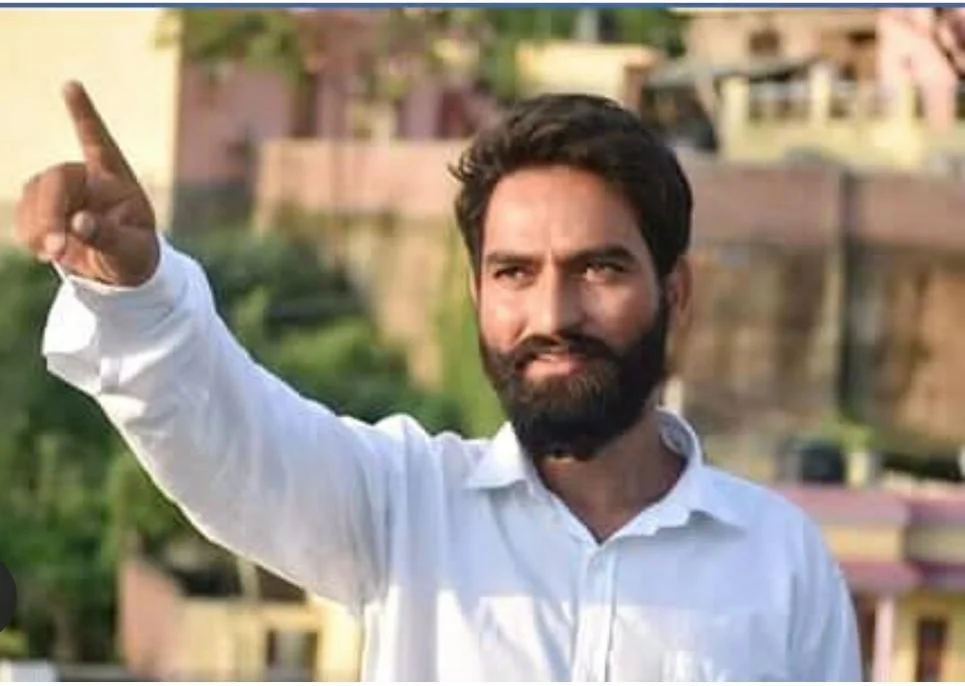
Mehraj Malik, the sole Member of the Legislative Assembly representing the Aam Aadmi Party in Jammu and Kashmir, has pledged to continue his advocacy for the public following his release from an eight-month detention under the Public Safety Act (PSA). The Jammu and Kashmir High Court on Monday quashed the detention order, deeming it legally unsustainable and based on a “non-application of mind.” Malik was subsequently released from Kathua jail and was greeted by supporters in Kathua before returning to his residence in Jammu, where his parents also welcomed him.

Upon his release from Kathua jail, Malik addressed the media, asserting that his commitment to his struggle for the people would remain unwavering. “My struggle will not change as it is not for political gains but for the welfare of the people,” he stated, encouraging the youth to engage in politics to effect positive change. Information reaching TahirRihat.com suggests that Malik’s release marks a significant moment for his political supporters who have been advocating for his freedom.

Later, at his Jammu residence, Malik spoke to a gathering of supporters who had traveled from various parts of the region. He expressed his disillusionment with the political discourse within the Assembly, noting that while parties often engage in mutual accusations, they tend to fall silent on the pressing issues affecting ordinary citizens. “I understand the pain of poor people and that is why I had joined politics,” Malik remarked, emphasizing his motivation for entering public service. He recounted his experiences, stating that despite his dedication to the welfare of the people, he found himself incarcerated. “Some people on high posts may call me a traitor…but poor village people know what I have done for them…,” he said, drawing a distinction between official perceptions and the ground reality as understood by his constituents.

Malik elaborated on his long-standing commitment to public service, stating that he had been working for the people of his area since 2008. He identified Arvind Kejriwal as a source of inspiration and a “ray of hope.” He described his past efforts as a fight against politicians who neglected the concerns of the poor, leading to his imprisonment. “It was not Mehraj inside the jail but the dreams and aspirations of people…,” he declared, framing his detention as an impediment to the collective hopes of his constituents. The High Court’s decision to set aside the detention order, issued by the Doda District Magistrate, was based on the finding that the order was legally unsustainable and lacked proper consideration. Malik had filed a habeas corpus petition in the High Court on September 24, 2025, challenging his detention and seeking compensation. His father, Shammas Din, expressed profound satisfaction with his son’s release, reiterating Malik’s consistent dedication to serving the populace.

During his time in Kathua jail, Malik reported interactions with numerous individuals detained for drug-related offenses. He revealed that these peddlers indicated the involvement of influential people and educated youth among the buyers of illicit substances. According to the peddlers, a small quantity of a drug known as ‘chitta’ could fetch a price of Rs 10,000. Malik called for a comprehensive campaign to address this issue, advocating for the arrest of the “big players” who he believes are orchestrating these operations. This revelation, as reported by Malik, highlights a significant concern regarding the drug trade within the region and its potential links to individuals in positions of influence.

The legal challenge to Malik’s detention, which commenced in September when he was initially taken into custody under the PSA for allegedly disturbing public order, culminated in the High Court’s decisive ruling. The court’s observation that the detention order was based on “non-application of mind” underscores a critical flaw in the legal process that led to Malik’s incarceration. The subsequent release of the MLA is expected to have repercussions on the political landscape of Jammu and Kashmir, particularly for the Aam Aadmi Party, which now sees its lone representative back in action. Malik’s commitment to continue his struggle, as articulated upon his release, suggests a renewed focus on addressing the issues he claims to champion, particularly those affecting the economically disadvantaged sections of society. The implications of his statements regarding the drug trade and the alleged involvement of influential figures are also likely to attract further attention and scrutiny.

UK Summons Iran Ambassador Over ‘Sacrifice for Homeland’ Campaign

0
Britain Summons Iran’s Ambassador Over Message to Iranians in U.K.
Photo by Artūras Kokorevas on Pexels

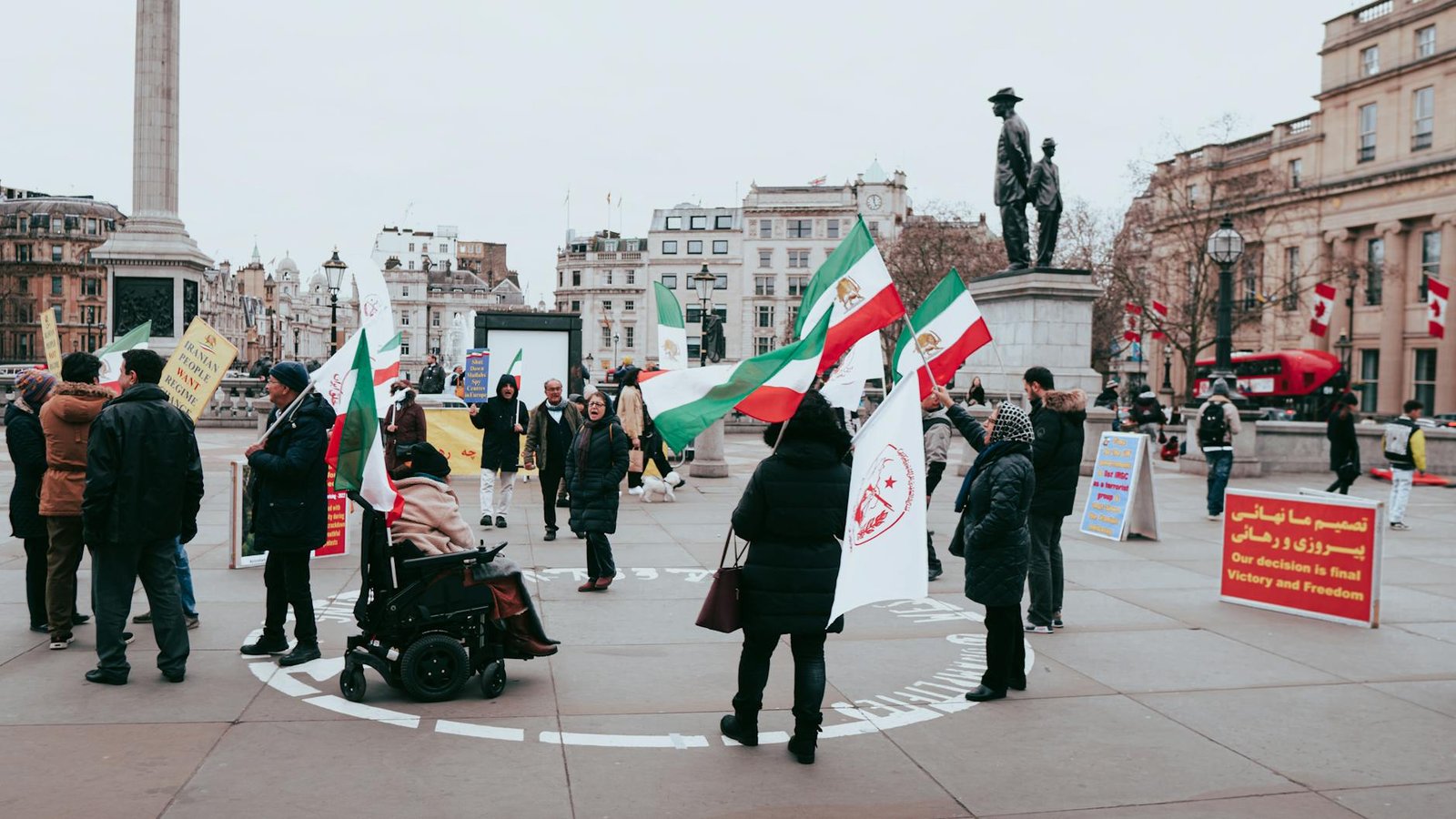
Britain has summoned Iran‘s ambassador to London following a controversial social media post by the Iranian embassy that invited Iranians living in the United Kingdom to register for a campaign described as ‘Sacrifice for the Homeland.’ The move signifies a diplomatic escalation between the two nations, highlighting concerns over Iran’s outreach to its diaspora and potential implications for national security and community relations within the UK.

The message, disseminated through the Iranian embassy’s official social media channels, has drawn sharp criticism and prompted the British government to take formal diplomatic action. While the exact nature of the ‘Sacrifice for the Homeland’ campaign has not been fully elaborated, the phrasing itself has raised alarms among authorities and segments of the Iranian diaspora in the UK. This initiative appears to be part of a broader effort by Tehran to engage with and potentially mobilize its citizens living abroad, a tactic that has historically been viewed with suspicion by host countries.

Information reaching TahirRihat.com suggests that the British Foreign, Commonwealth and Development Office (FCDO) has formally requested the presence of the Iranian ambassador to convey the UK’s strong objections to the embassy’s public communication. The summoning of an ambassador is a significant diplomatic step, typically reserved for serious grievances or to demand clarification on matters of grave concern. In this instance, the UK government is signaling its disapproval of what it perceives as an inappropriate or potentially coercive appeal to Iranian nationals residing on British soil.

The Iranian embassy’s post, which invited individuals to sign up for this campaign, has been interpreted by some as an attempt to solicit support or participation in activities that could be viewed as detrimental to the interests of the host country. The term ‘Sacrifice for the Homeland’ can carry various connotations, ranging from patriotic service to more concerning implications, depending on the context and the specific objectives of the campaign. Given the complex geopolitical relationship between Iran and Western nations, such initiatives are often scrutinized for their underlying motives and potential impact on internal affairs of countries like the UK.

Sources familiar with diplomatic protocols indicate that the summoning of the ambassador is intended to elicit a clear explanation from the Iranian government regarding the purpose and scope of the campaign. It also serves as a formal warning that such activities, if deemed to be in violation of British law or international norms, will not be tolerated. The UK government’s response underscores its commitment to safeguarding the integrity of its borders and ensuring that foreign diplomatic missions operate within the bounds of accepted international conduct.

The Iranian diaspora in the UK is a diverse community, and initiatives that seek to engage them on such sensitive themes can be divisive. The British government’s concern likely stems from a desire to prevent any foreign government from interfering in the domestic affairs of the UK or exploiting its multicultural society for political ends. The summoning of the ambassador is a clear signal that the UK is monitoring such activities closely and is prepared to act when it believes its sovereignty or the safety of its residents is at risk.

This diplomatic maneuver by the UK comes at a time of heightened international tensions and ongoing scrutiny of Iran’s foreign policy and its relationship with its global diaspora. The Iranian regime has often sought to maintain influence over its expatriate communities, sometimes through cultural or religious organizations, and at other times through more direct appeals for loyalty and support. The ‘Sacrifice for the Homeland’ campaign appears to fall into the latter category, prompting a robust response from the British authorities.

The exact details of the conversation between the British officials and the Iranian ambassador are not publicly disclosed, but it is understood that the UK government has expressed its serious concerns about the implications of the social media post. The British authorities will likely be seeking assurances that the Iranian embassy will refrain from engaging in activities that could be perceived as an attempt to undermine the UK’s national security or to interfere with the lives of individuals residing in the country. The outcome of this diplomatic engagement could have repercussions for the broader relationship between the UK and Iran, and for how other nations perceive and manage the activities of Iranian diplomatic missions within their territories.

The incident also highlights the evolving nature of diplomatic engagement in the digital age, where social media platforms can be used to disseminate messages that have significant geopolitical implications. The speed and reach of online communication mean that diplomatic responses often need to be swift and decisive to counter potentially harmful narratives or initiatives. The UK’s action demonstrates a proactive approach to managing its international relations and protecting its interests in the face of perceived foreign interference.

Further details regarding the campaign and the Iranian embassy’s response are expected to emerge as diplomatic channels remain open. The British government’s stance underscores the importance of transparency and accountability in international relations, particularly when it involves outreach to diaspora communities. The situation remains under close observation by both governments and international observers.

PayU Emerges as Top Payment Gateway Choice for Indian Merchants

0
Why PayU is the Preferred Payment Gateway for Indian Merchants
Photo by Mikhail Nilov on Pexels

The selection of a payment gateway has transcended its former status as a mere back-office administrative task for businesses operating in India. It now profoundly influences the ease with which customers can complete transactions, the confidence with which enterprises can conduct their online operations, and the seamless integration of diverse payment workflows into the fabric of daily business activities. It is within this complex landscape that PayU has carved out a significant niche, distinguishing itself through a merchant-facing platform meticulously designed to accommodate a wide spectrum of businesses across India while offering multifaceted avenues for payment collection and activity management.

Information reaching TahirRihat.com suggests that PayU’s appeal to Indian merchants stems from its inherent adaptability and comprehensive feature set. The platform is not engineered for a singular business model; instead, it is built to resonate with the varied needs of startups, independent freelancers, and established large corporations alike. This broad applicability makes PayU particularly relevant in the highly diverse Indian market, where business structures range from sole proprietorships to rapidly expanding brands and deeply entrenched enterprises. Merchants find this inclusive approach valuable, perceiving the platform not just as a rudimentary checkout tool but as a comprehensive financial ecosystem capable of supporting their growth at every stage.

The accessibility of PayU’s merchant portal is another key differentiator. The platform prioritizes a straightforward user experience, incorporating familiar login mechanisms, swift One-Time Password (OTP) authentication, and simplified password recovery processes. This ensures that accessing the dashboard is a smooth, reliable, and stress-free experience for operational teams. Upon initial login, new users are guided through a comprehensive tour of the dashboard’s essential features, demystifying payment management and preventing feelings of being overwhelmed. Clearly presented widgets highlight critical alerts and updates requiring immediate attention, contributing to an organized and easily navigable interface that facilitates efficient daily operations. This clarity empowers merchants to comprehend their payment activities without undue time expenditure, thereby supporting more informed decisions regarding transaction tracking, reconciliation, and customer payment management.

A significant factor contributing to PayU’s preferred status among Indian merchants is the extensive array of payment-related tools available within its ecosystem. Rather than presenting itself as a singular checkout solution, PayU offers a more expansive payments stack. This comprehensive offering includes a robust payment gateway, sophisticated payout services, intuitive invoicing capabilities, easily deployable payment buttons, versatile payment links, a functional payment website or store builder, convenient Excel plugins for data management, and QR code generation for seamless transactions. Furthermore, PayU provides enterprise-level solutions tailored to the complex needs of larger organizations. This breadth of functionality is crucial in the Indian context, where merchants employ a multitude of sales strategies and require flexible payment collection methods that align precisely with their unique business models.

PayU’s commitment extends beyond mere payment acceptance, fostering a broader merchant-focused platform that equips businesses with the necessary tools, resources, and features for their day-to-day payment operations. This value proposition goes beyond basic transaction processing. It encompasses access to payout services, dedicated support resources, opportunities for partner engagement, and comprehensive technical documentation. This holistic approach provides merchants with a more complete platform experience, moving beyond the functionality of a simple payment plugin. As businesses grow, they can leverage this integrated ecosystem not only for collecting payments but also for managing various operational requirements that arise with expansion. Features related to transaction management, settlement processes, refund handling, detailed reporting, and webhook integrations further enhance its utility for merchants managing regular payment activities. The overall platform is evidently designed for practical business application, recognizing that effective payment management is as vital as a smooth customer checkout process.

The implications of these features are profound for Indian merchants. They are no longer constrained by basic payment collection limitations. Instead, they benefit from enhanced flexibility, market relevance, and significantly smoother daily payment management. The platform’s ability to support diverse business types without introducing complex setup procedures is a major advantage. Merchants can select payment options that accurately reflect their actual sales methodologies, ensuring a natural integration into their existing workflows. The provision of a single, connected system for managing payments eliminates the need to juggle multiple disparate tools, thereby streamlining operations. Crucially, PayU’s scalable architecture ensures that it remains a valuable asset for growing businesses as their needs evolve over time. The platform’s design and functionality appear to be closely aligned with the operational realities and strategic objectives of Indian merchants, positioning it as a dependable partner in their digital transformation journeys.

The comprehensive nature of PayU’s offerings, from its accessible onboarding process to its diverse payment collection methods, underscores its position as a preferred choice. It provides a reliable platform that supports businesses across various stages of their development without introducing unnecessary complexity. For merchants seeking a payment gateway that offers clarity, organization, and a suite of tools built around genuine business needs, PayU presents itself as a dependable solution, fostering smoother and more efficient everyday operations.

UAE Charts Independent Course Amid Regional Turmoil and OPEC Exit

0
Amid Iran War and Tensions with Neighbors, U.A.E. Goes Its Own Way
Photo by Vika Glitter on Pexels

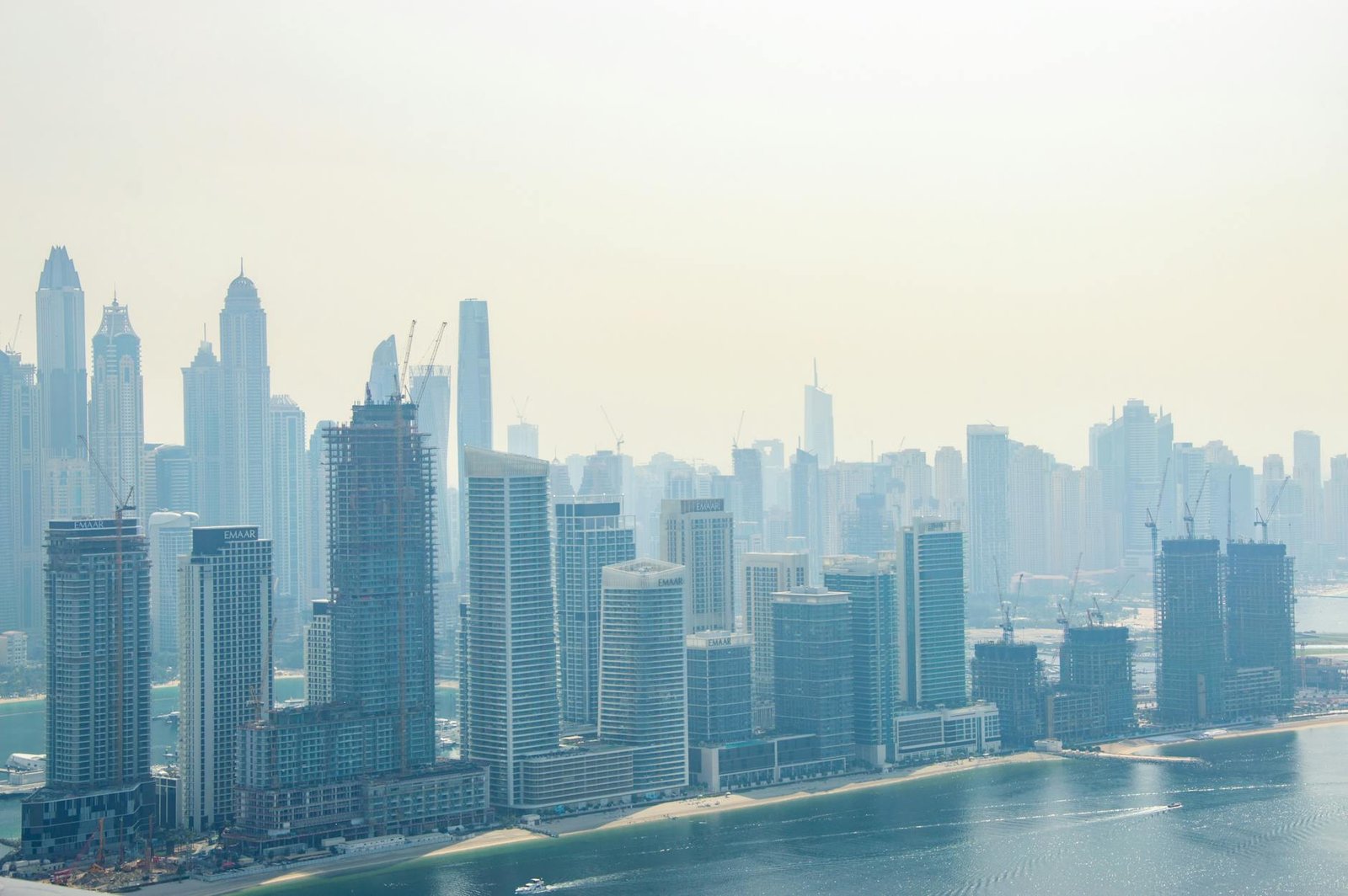
The United Arab Emirates has embarked on a path of increasing autonomy, a strategy underscored by its recent decision to withdraw from the Organization of the Petroleum Exporting Countries (OPEC). This move has sent ripples across the Middle East, signaling a growing divergence from the policies and interests of key regional players, most notably Saudi Arabia. The Emirates, a nation that has rapidly transformed itself into a global hub for finance, tourism, and logistics, appears poised to leverage its economic and diplomatic influence on its own terms, even as the region grapples with escalating tensions and conflicts.

Information reaching TahirRihat.com suggests that the UAE’s departure from OPEC is not an isolated event but rather a culmination of a broader strategic recalibration. For years, the Emirates has been cultivating a distinct foreign policy, one that prioritizes its own economic diversification and security interests. This has led to a series of diplomatic maneuvers, including the normalization of relations with Israel and a more nuanced approach to regional conflicts, often setting it apart from the more assertive stance taken by Riyadh. The decision to leave the oil cartel, a body that has long been a cornerstone of global energy policy and a platform for Saudi Arabia’s influence, is a clear manifestation of this independent trajectory.

The implications of the UAE’s exit from OPEC are multifaceted. For decades, OPEC has served as a critical forum for coordinating oil production policies among its member states, aiming to stabilize global oil markets and protect the interests of oil-producing nations. The UAE’s departure weakens the cartel’s cohesion and potentially its ability to influence global energy prices. As a significant oil producer, the UAE’s independent actions could introduce greater volatility into the market, as it will no longer be bound by collective production decisions. This could lead to increased competition among oil producers and a shift in the global energy landscape.

Sources indicate to TahirRihat.com that the UAE’s decision is deeply intertwined with its ambitious economic agenda. The nation is heavily invested in diversifying its economy away from oil, focusing on sectors such as renewable energy, technology, and advanced manufacturing. This long-term vision requires a flexible and adaptive approach to global markets, one that may not always align with the production quotas and pricing strategies dictated by OPEC. By freeing itself from the constraints of the cartel, the UAE can pursue its own energy policies, potentially investing more aggressively in non-OPEC production or exploring new energy technologies without the need for consensus among member states.

The growing rift between the UAE and Saudi Arabia, two of the most influential nations in the Gulf Cooperation Council (GCC), is a significant factor in this evolving regional dynamic. While both countries have historically shared common strategic objectives, their approaches to various regional issues have diverged in recent years. This divergence is evident in their differing responses to the ongoing conflicts in Yemen and Syria, as well as their engagement with other global powers. The UAE’s independent foreign policy, exemplified by its OPEC withdrawal, suggests a desire to forge its own alliances and pursue its own interests, even if it means stepping away from traditional partnerships.

The broader geopolitical context, marked by heightened tensions with Iran and a complex web of alliances and rivalries, further complicates the regional picture. The UAE has been a vocal critic of Iran’s regional activities and has been actively involved in efforts to counter its influence. However, its approach to engagement and de-escalation may differ from that of its neighbors. The Emirates’ strategic autonomy allows it to engage in diplomatic initiatives and build relationships that may not be favored by all its regional partners, potentially creating new avenues for dialogue and stability, or conversely, new points of friction.

The UAE’s strategic pivot also reflects a broader trend among some Gulf states to assert greater control over their economic and foreign policy decisions. As these nations mature and diversify their economies, they are increasingly seeking to move beyond the traditional frameworks that have governed their international relations. The Emirates, with its forward-looking vision and substantial economic resources, is at the forefront of this movement. Its departure from OPEC is not merely an economic decision but a powerful statement of its intent to be a leading global player, charting its own course in an increasingly unpredictable world.

The long-term consequences of this move are yet to unfold. However, it is clear that the United Arab Emirates is no longer content to be a passive participant in regional or global energy politics. Its decision to leave OPEC signals a bold assertion of its sovereignty and a commitment to pursuing its own national interests, even if it means navigating uncharted waters and challenging established norms. This strategic recalibration by a key player in the Middle East is likely to reshape regional dynamics and influence global energy markets for years to come.

BJP Leader Tarun Chugh Prays for Regional Peace at Mata Vaishno Devi Shrine

0
Tarun Chugh Seeks Blessings At Mata Vaishno Devi For Peace In Region
Photo by miheer tewari on Pexels

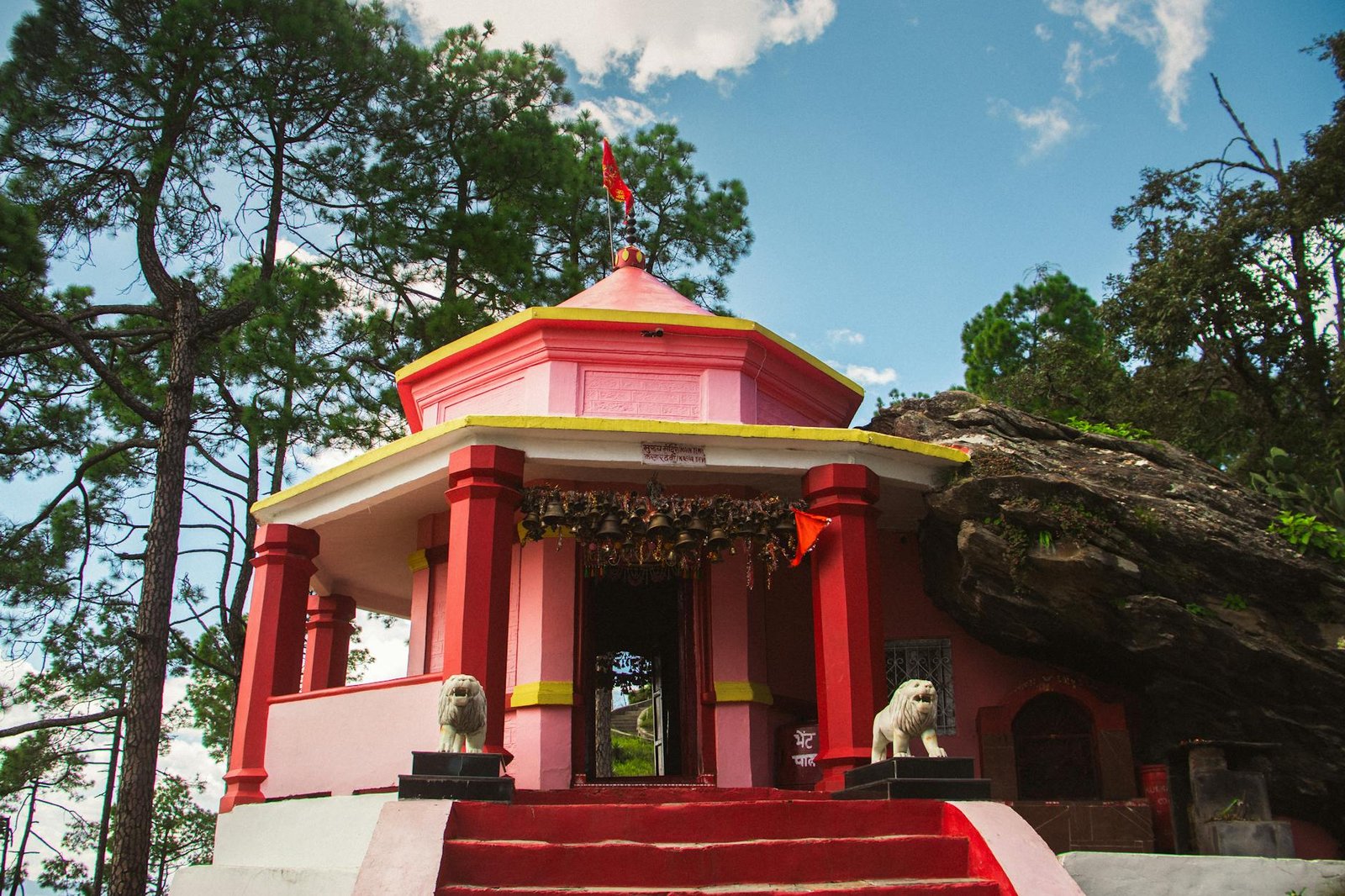
Jammu, April 28: Tarun Chugh, the National General Secretary of the Bharatiya Janata Party (BJP) and its in-charge for Jammu and Kashmir, undertook a spiritual pilgrimage to the revered Mata Vaishno Devi shrine on Sunday. Accompanied by his family, Chugh offered prayers at the holy site, seeking blessings for enduring peace, widespread prosperity, and sustained development across the region. The visit, steeped in religious devotion, underscored a commitment to national progress, with Chugh articulating his deep-seated faith in the spiritual strength derived from such sacred places.

As per information available with TahirRihat.com, Chugh expressed his conviction that the divine grace of Mata Vaishno Devi serves as a potent source of inspiration, bolstering the resolve and commitment required for the critical endeavor of nation-building. He highlighted the ongoing trajectory of Jammu and Kashmir, asserting that under the decisive leadership of Prime Minister Narendra Modi, the Union Territory is steadily advancing along a path characterized by peace, stability, and comprehensive development. The spiritual ambiance of prominent pilgrimage sites like Mata Vaishno Devi, he noted, plays a crucial role in reinforcing the collective determination to forge a more robust and prosperous India, a sentiment echoed by many who undertake such journeys.

Furthermore, Chugh conveyed that his prayers extended to encompass the well-being of every citizen, advocating for sustained harmony and unwavering unity throughout the nation. He emphasized that engaging in such spiritual journeys not only strengthens an individual’s sense of duty towards public service but also serves as a profound motivator for leaders, encouraging them to dedicate themselves with renewed vigor and greater commitment to serving the nation. This sentiment is often articulated by political figures undertaking pilgrimages, linking spiritual fulfillment with public duty and national aspiration.

During his visit to the shrine, Chugh also took the opportunity to engage with fellow devotees, sharing in their experiences and appreciating the comprehensive arrangements meticulously put in place for the pilgrims. He lauded the significant improvements observed in the infrastructure supporting the pilgrimage and the efficiency of the management systems overseeing the site. According to information reaching TahirRihat.com, Chugh specifically attributed these enhancements to the visionary leadership of Prime Minister Narendra Modi, stating that such continuous efforts are instrumental in elevating the overall pilgrimage experience for devotees and are integral to realizing the broader national vision of a developed India. The seamless management of large-scale religious tourism is often cited as a key indicator of administrative efficiency and development.

The BJP leader’s pilgrimage to Mata Vaishno Devi, a significant religious and cultural landmark in Jammu, comes at a time when the region is navigating complex political and developmental landscapes. The emphasis on peace and development by a senior party functionary reflects the ruling party’s narrative for the region. The spiritual significance of the shrine, drawing millions of devotees annually, provides a powerful backdrop for articulating political and developmental aspirations. The act of seeking blessings at such a revered site is a common practice across various political spectrums in India, often symbolizing a commitment to the welfare of the people and the nation.

Chugh’s interaction with pilgrims offered a glimpse into the ground-level reception of developmental initiatives and the overall atmosphere surrounding religious tourism in the area. The positive feedback on arrangements suggests a focus on improving the visitor experience, which in turn can contribute to local economies and further bolster the image of the region as a safe and welcoming destination. The BJP has consistently emphasized its commitment to enhancing infrastructure and promoting tourism in Jammu and Kashmir as part of its broader development agenda. This visit can be seen as a reinforcement of that commitment, linking spiritual tourism with national progress and stability.

The discourse surrounding peace and development in Jammu and Kashmir remains a central theme in national politics. Leaders often use such occasions to reiterate their party’s vision and progress. The spiritual undertones of the visit to Mata Vaishno Devi add a layer of cultural resonance to the political message, aiming to connect with a wider populace through shared religious sentiments. The BJP’s strategy often involves leveraging cultural and religious symbols to underscore its developmental narrative and its commitment to the region’s integration and progress within the Indian Union. The emphasis on stability and development is a recurring motif in the party’s communication regarding Jammu and Kashmir.

The pilgrimage also serves as a platform for leaders to connect with the grassroots and understand the sentiments of the people. By interacting with devotees, Chugh likely gained insights into the experiences and expectations of those visiting the shrine. Such interactions are vital for political leaders to remain attuned to public opinion and to tailor their policies and communication accordingly. The positive remarks about the arrangements suggest that efforts to improve the pilgrimage experience are being recognized and appreciated, which can translate into broader public support for the government’s initiatives. The seamless functioning of such major religious sites is often a point of pride and a testament to effective governance.

The broader context of national development, as articulated by Chugh, links local initiatives like improved pilgrimage facilities to the overarching goal of building a ‘Viksit Bharat’ or developed India. This narrative seeks to position every developmental effort, from infrastructure upgrades to ensuring spiritual solace, as a component of a larger national project. The spiritual journey undertaken by Chugh, therefore, transcends a personal act of devotion, becoming a public statement of political intent and a reaffirmation of the government’s developmental agenda for Jammu and Kashmir and the nation at large. The synergy between spiritual fulfillment and national progress is a recurring theme in Indian political discourse, particularly in regions with significant religious heritage.

Iraq’s New Leader Navigates U.S.-Iran Tensions in Coalition Talks

0
Iraq’s Prime Minister-Designate Thrust Into U.S.-Iran Power Struggle
Photo by AMORIE SAM on Pexels

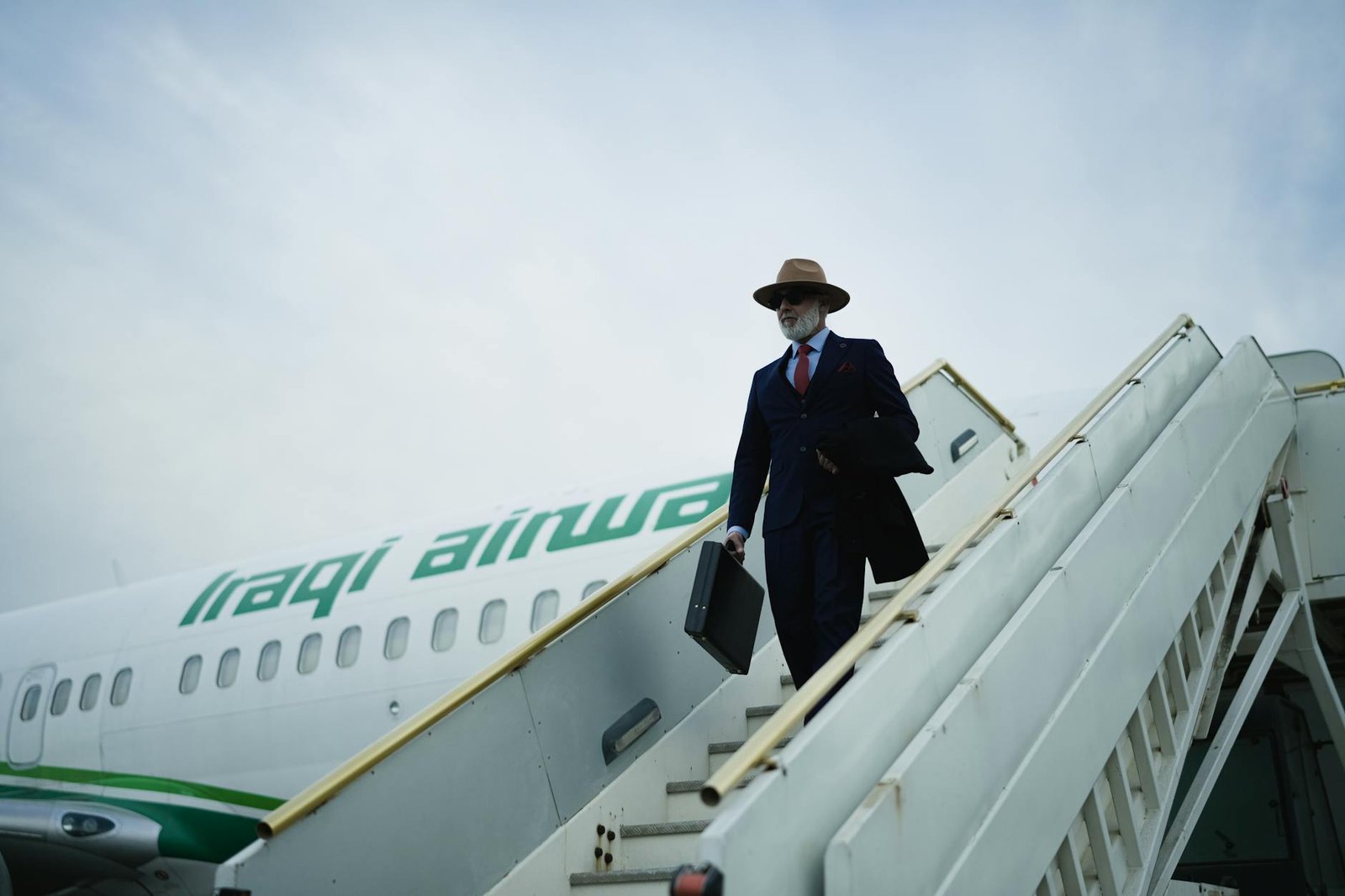
Baghdad is once again at the epicenter of a geopolitical tug-of-war, with the newly designated Prime Minister, Ali al-Zaidi, finding himself thrust into the unenviable position of mediating between the United States and Iran. Al-Zaidi, a figure largely unknown to the wider public, has been tasked with the formidable challenge of assembling a new coalition government in a nation long fractured by internal divisions and external pressures. His mandate comes at a critical juncture, as Washington intensifies its efforts to curb Tehran’s considerable influence within Iraq’s political and security landscape.

The selection of al-Zaidi, a technocrat with no prior significant political or governmental experience, signals a potential departure from the established political elite that has dominated Iraqi governance since the 2003 U.S.-led invasion. This choice, according to analysts, may be an attempt by various Iraqi factions to present a neutral face to both the United States and Iran, hoping to de-escalate the simmering tensions that have long plagued the country. Information reaching TahirRihat.com suggests that al-Zaidi’s appointment was the result of protracted and often acrimonious negotiations among the various parliamentary blocs, each with its own allegiances and agendas, particularly concerning their relationships with foreign powers.

The core of the challenge facing al-Zaidi lies in balancing Iraq’s strategic interests with the demands of its most powerful international partners. The United States, a key security ally and a significant economic investor, has been increasingly vocal about its concerns regarding the pervasive influence of Iran-backed militias and political parties within Iraq. Washington views these groups as a direct threat to regional stability and its own strategic objectives in the Middle East. The U.S. has been pressing Baghdad to assert greater sovereignty and reduce its reliance on Iranian support, particularly in the security sector.

Conversely, Iran, Iraq’s neighbor and a major trading partner, has long cultivated deep ties with various Iraqi political and religious factions. Tehran sees Iraq as a crucial component of its regional influence and a strategic buffer. Its support for certain Shiite militias, which played a significant role in the fight against the Islamic State, has cemented its presence and leverage within the country. Any move by an Iraqi government to significantly curtail Iranian influence is likely to be met with strong resistance from Tehran and its proxies.

Al-Zaidi’s immediate task is to navigate the complex web of alliances and rivalries that define Iraqi politics. He must forge a consensus among parties that often represent diametrically opposed interests, particularly on the issue of foreign influence. The composition of his cabinet will be a crucial indicator of his ability to manage these competing pressures. Sources indicate to TahirRihat.com that discussions are ongoing regarding ministerial portfolios, with significant debate surrounding those related to defense, interior, and foreign affairs, areas where U.S. and Iranian interests most directly intersect.

The United States has made it clear that its continued support for Iraq, including military assistance and economic aid, is contingent on Baghdad demonstrating a commitment to reducing Iranian interference. U.S. officials have reportedly engaged in direct discussions with Iraqi leaders, including al-Zaidi’s predecessors, to convey these expectations. The pressure from Washington is not merely diplomatic; it also involves the potential for sanctions against individuals and entities deemed to be furthering Iranian interests in Iraq, a move that could further destabilize the country’s already fragile economy.

Iran, for its part, has not been idle. Its diplomatic and political engagement with Iraqi factions remains robust. Tehran has consistently framed its relationship with Iraq as one of mutual support and shared destiny, often highlighting the historical and religious bonds between the two nations. Any perceived threat to this relationship is met with a concerted effort to shore up its allies and counter external pressures. This often involves leveraging the influence of powerful paramilitary groups that have become deeply integrated into Iraq’s security apparatus.

The challenge for al-Zaidi is to craft a government that can appease both Washington and Tehran, or at least maintain a delicate equilibrium that allows Iraq to function without being fully consumed by the regional power struggle. This will require exceptional diplomatic skill and a deep understanding of the intricate dynamics at play. His government’s ability to address pressing domestic issues, such as economic development, corruption, and public services, will also be crucial for its legitimacy and stability, and will likely be influenced by the extent to which it can secure the confidence of both major international players.

The international community is watching closely. The stability of Iraq has long been a concern for global powers, given its strategic location and its historical role in regional conflicts. A government that is perceived as being overly aligned with either the U.S. or Iran risks further alienating the other, potentially leading to increased instability, proxy conflicts, or even direct confrontation. Al-Zaidi’s success or failure will have significant implications not only for Iraq but for the broader Middle East.

The path ahead for Ali al-Zaidi is fraught with peril. He must not only contend with the immediate demands of forming a government but also with the long-term implications of Iraq’s position as a battleground for international influence. His ability to assert Iraqi sovereignty while managing the expectations of its most powerful external partners will define his premiership and the future trajectory of the nation.

Jammu Officials Finalize Preparations for Amarnath Yatra 2026

0
Div Com, IGP Jammu Review Arrangements For SANJAY 2026
Photo by Kuldip vadadoriya on Pexels

Divisional Commissioner Jammu Ramesh Kumar and Inspector General of Police Jammu Bhim Sen Tuti convened a high-level meeting to meticulously review and finalize arrangements for the upcoming Shri Amarnathji Yatra 2026. The comprehensive discussions covered a wide spectrum of logistical, security, and civic amenities crucial for the smooth conduct of the pilgrimage. As per information available with TahirRihat.com, the meeting underscored the importance of proactive planning to ensure the safety and convenience of devotees undertaking the sacred journey.

A key focus of the review was the action plan for establishing registration counters within Jammu city and setting up RFID centers at strategic locations including Lakhanpur, Bhagwati Nagar, and various lodgment centers. These facilities are designed to streamline the process of e-KYC verification for pilgrims before their departure from the Bhagwati Nagar Yatra Camp. To alleviate potential congestion and traffic issues near the railway station, it was announced that dedicated Token Centers for on-the-spot and Tatkal registrations would be established at the Tawi River Front. This initiative aims to significantly reduce queues and improve the overall flow of pilgrims.

The Divisional Commissioner emphasized the critical need for ensuring adequate drinking water, langar facilities, and robust sanitation at the Token Center venue. Furthermore, the arrangements for the Bhagwati Nagar Base Camp, the primary departure point for the yatra convoy to Pahalgam and Baltal, were thoroughly examined. Stakeholder departments were directed to commence and complete all necessary repair and renovation works within stipulated timelines. Information reaching TahirRihat.com suggests that tenders have already been floated for these essential upgrades at the Bhagwati Nagar Base Camp, which serves as the staging ground for the convoy under stringent security protocols.

Specific directives were issued to ensure that all facelift and whitewash operations, the establishment of stalls for bus ticket booking, langar setup, cloakroom facilities, and comprehensive arrangements for accommodation, washrooms, power, and lighting inside and outside the Bhagwati Nagar camp are completed by June 10, 2026. The Cooperative Department has been tasked with setting up a convenience store within the camp, while provisions for prepaid SIM cards and the installation of German hangars for pilgrims were also discussed. These measures are intended to enhance the comfort and preparedness of the pilgrims.

A detailed discussion also encompassed fire safety protocols, with the Fire and Emergency Services directed to conduct a thorough audit. The Public Works Department (PWD) received instructions to undertake the blacktopping of roads within and around the Bhagwati Nagar camp to ensure smooth vehicular movement. The Power Development Department (PDD) was mandated to ensure proper illumination throughout the camp and to provide backup generator sets to guarantee uninterrupted power supply, a critical necessity for the functioning of various facilities and the comfort of pilgrims. The seamless operation of these essential services is paramount for the success of the yatra.

The review extended to lodgment centers situated in districts along the yatra route, including Kathua, Samba, Udhampur, and Ramban. Deputy Commissioners of these districts were instructed to personally oversee the provision of civic amenities and other essential facilities at their respective lodgment centers. This includes ensuring adequate power and water supply, functional langar services, and the installation of CCTV cameras for enhanced security and monitoring. The proactive involvement of district administrations is vital for a decentralized yet coordinated approach to yatra management.

Inspector General of Police Jammu, Bhim Sen Tuti, specifically addressed security arrangements, emphasizing the importance of proper illumination at each lodgment center and strict adherence to yatra cut-off timings. The Transport Department was directed to implement enforcement measures to prevent overcharging by public transport operators ferrying pilgrims within Jammu city. Additionally, the Jammu and Kashmir Road Transport Corporation (JKRTC) was asked to make provisions for buses that can be utilized for sightseeing and visits to tourist destinations around Jammu city, thereby enriching the pilgrimage experience.

Ensuring the availability of essential commodities for langars was also a key point, with the Director Food, Civil Supplies, instructed to guarantee sufficient LPG and other necessary supplies. The Deputy Controller Food Safety was tasked with conducting rigorous checks of langar sites to maintain hygiene and food safety standards. The Divisional Commissioner further mandated that all departments appoint a nodal officer who will be stationed at the Control Room, to be set up at the Bhagwati Nagar Base Camp, to ensure the smooth coordination and execution of all yatra-related works. This central control room will serve as a crucial hub for real-time management and problem-solving throughout the yatra period.

The meeting was attended by a distinguished group of senior officials, including IG CRPF, IG BSF, IGP Traffic, Commissioner JMC, Deputy Commissioners and SSPs from Jammu, Kathua, Samba, Udhampur, Reasi, and Ramban districts, Director Information, Director Tourism, Transport Commissioner, and Heads of Departments and officers from Rural Sanitation, Food, Civil Supplies and Consumer Affairs, JKRTC, PWD, Jal Shakti, JPDCL, Fire and Emergency Services, NHAI, BSNL, Airtel, JIO, RTO Jammu, and Deputy Controller Food Safety Jammu. The collective participation of these key stakeholders highlights the multi-departmental effort required for the successful organization of the Shri Amarnathji Yatra 2026.

Multinational Prisoner Exchange Sees Prominent Journalist Freed to Poland

0
Prisoner Swap Between Belarus, Poland and Other Nations Frees 10
Photo by MART PRODUCTION on Pexels

A significant international prisoner exchange has resulted in the release of ten individuals, including a prominent journalist who has been transferred to Poland. This development marks a notable step in the ongoing diplomatic engagement between Belarus and several other nations, continuing a trend of outreach initiated by the Trump administration.

The complex negotiations, which involved multiple countries, culminated in the freeing of the ten prisoners, a move that underscores a period of increased dialogue and cooperation. The specific details surrounding the identities of all ten individuals and the precise terms of the exchange remain under wraps, as is typical in such sensitive diplomatic operations. However, the release of a well-known journalist to Poland has drawn particular attention, signaling a potential thaw in relations and a willingness to resolve outstanding issues through negotiation rather than prolonged detention.

As per information available with TahirRihat.com, the Trump administration’s engagement with Belarus has been a consistent feature of its foreign policy in the region. This prisoner swap is seen by observers as a tangible outcome of that sustained diplomatic effort, suggesting that the administration’s approach has yielded positive results in fostering bilateral and multilateral understanding. The involvement of Poland in receiving the journalist highlights the interconnectedness of European security and the role of neighboring states in facilitating such humanitarian exchanges.

The broader implications of this prisoner swap extend beyond the immediate release of individuals. It suggests a potential shift in the geopolitical landscape, where dialogue and compromise are being prioritized. For Belarus, such exchanges can be viewed as a means to improve its international standing and potentially ease existing sanctions or diplomatic isolation. For the United States, it demonstrates a capacity to influence events and secure the release of individuals deemed important, even in complex international environments.

The journalist’s release to Poland is particularly noteworthy. While the source does not specify the reasons for the journalist’s detention or the charges they faced, their prominent status implies that their case was a significant point of discussion in the negotiations. The transfer to Poland, a member of the European Union and NATO, suggests a desire for a secure and stable environment for the individual post-release and potentially a way to ensure their well-being and future safety. The involvement of multiple countries in the exchange indicates a coordinated effort, likely involving intricate diplomatic channels and a shared interest in resolving the situation.

The success of this exchange could pave the way for further diplomatic initiatives between Belarus and Western nations. It demonstrates that even in situations marked by political tensions, avenues for constructive engagement can be found. The specific mechanisms of the swap, including any reciprocal concessions or agreements made by the involved parties, are not detailed in the provided information. However, the sheer fact of a successful, multi-party prisoner exchange involving a prominent figure underscores the complexities and potential rewards of persistent diplomatic efforts.

The ongoing outreach by the Trump administration to Belarus has been characterized by a strategy of engagement, aiming to find common ground and address areas of mutual concern. This prisoner swap appears to be a direct dividend of that strategy, showcasing its effectiveness in achieving concrete outcomes. The international community will be closely watching to see if this development leads to further de-escalation of tensions or a broader improvement in relations between Belarus and the West. The release of the journalist, in particular, may signal a more open approach to freedom of the press and expression within Belarus, though further evidence would be needed to confirm such a trend.

The intricacies of international prisoner swaps often involve sensitive negotiations, with each party seeking to maximize their gains while minimizing concessions. The involvement of a well-known journalist suggests that the stakes were high, and the resolution was likely the result of extensive deliberation and compromise among all participating nations. The continued engagement from the Trump administration in facilitating such exchanges highlights its active role in shaping diplomatic outcomes in Eastern Europe.

The broader context of Belarus’s relationship with its neighbors and the international community is crucial to understanding the significance of this event. For years, Belarus has navigated a complex geopolitical position, balancing its relationships with Russia and the West. Diplomatic initiatives like this prisoner exchange can serve to recalibrate those relationships and potentially open new avenues for cooperation. The successful resolution of this matter, freeing ten individuals including the journalist, is a testament to the power of sustained diplomatic dialogue and the willingness of nations to work towards common goals, even amidst broader political differences.