Home Blog Page 230

Mali Reels as Al-Qaeda Affiliates Launch Coordinated City Assaults

0
Al Qaeda-Linked Militants Launch Major Attacks on Cities Across Mali
Photo by Baraa Obied on Pexels

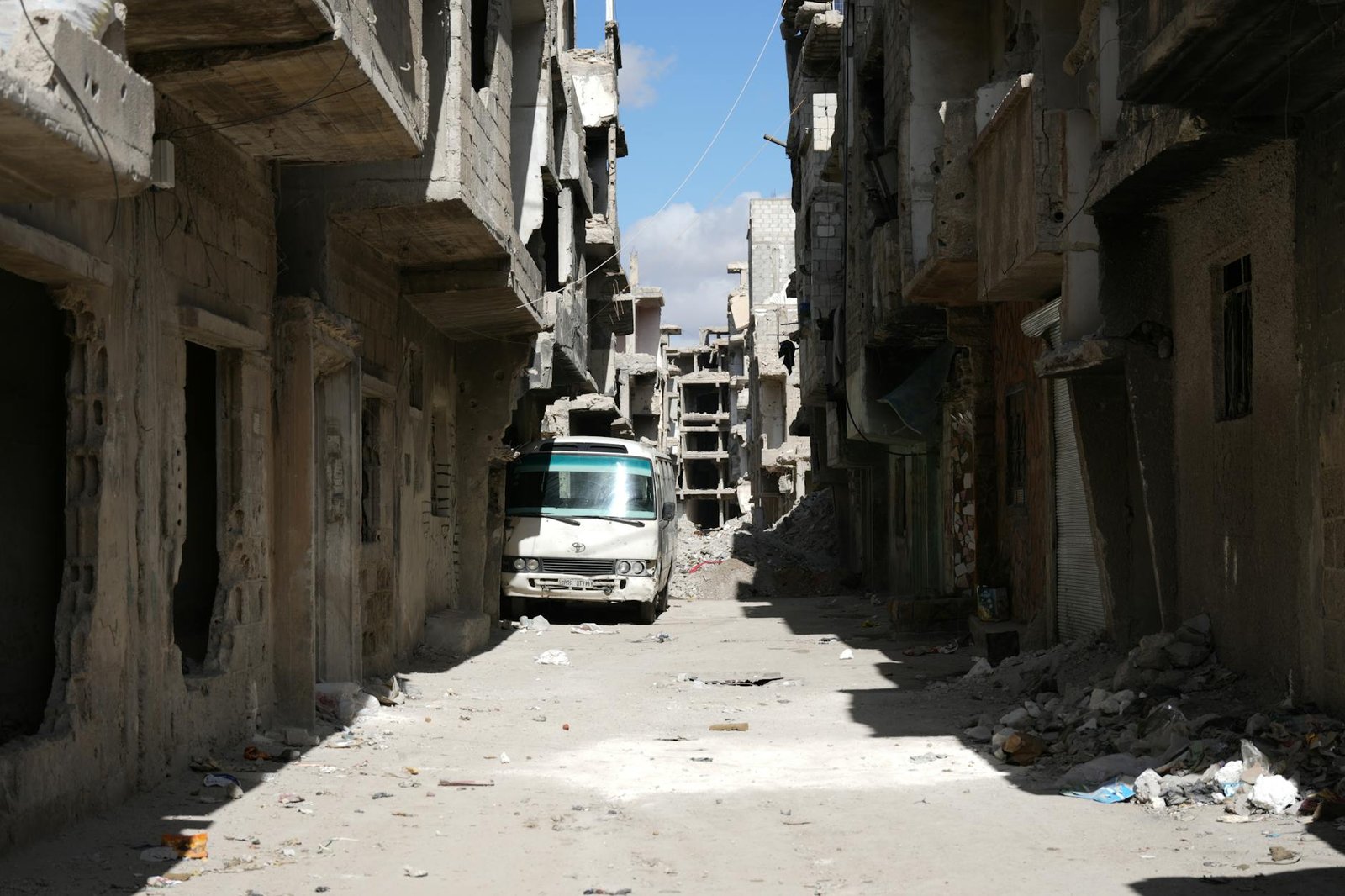
Mali has been plunged into a significant security crisis following a series of major, coordinated attacks launched by the Jama’at Nusrat al-Islam wal-Muslimin (JNIM), an armed group affiliated with Al-Qaeda. The offensive, which targeted key urban centers across the nation, represents a substantial escalation in the protracted hostilities that have plagued the West African country.

JNIM has claimed responsibility for seizing at least two strategically important cities and for orchestrating the destruction of the Malian defense minister’s residence. This bold assertion of capability and intent underscores the group’s growing reach and its capacity to challenge state authority on multiple fronts. Information reaching TahirRihat.com suggests that the scale and synchronization of these assaults indicate a significant shift in the operational tempo of jihadist groups in the region.

The attacks, characterized by their widespread nature and the targeting of critical infrastructure and government figures, have sent shockwaves through Mali and raised serious concerns among international observers regarding the stability of the Sahel region. Experts familiar with the conflict dynamics in Mali have described the offensive as a major escalation, signaling a renewed and more aggressive push by JNIM to expand its influence and destabilize the Malian government.

The specific cities claimed to have been seized by JNIM are not yet independently verified by all sources, but the group’s claims suggest a significant territorial gain, if accurate. The destruction of the defense minister’s residence, a high-profile target, demonstrates a clear intent to strike at the heart of the Malian military and political establishment. This act of defiance is likely intended to demoralize government forces and project an image of invincibility among the group’s supporters.

The JNIM, which emerged from the merger of several jihadist factions operating in the Sahel, has been a persistent threat to security in Mali and neighboring countries. The group has previously been responsible for numerous attacks on military installations, civilian populations, and international peacekeeping forces. However, the current offensive appears to be of a different magnitude, involving a more ambitious and coordinated effort to seize and hold territory, rather than isolated raids.

The implications of these attacks are far-reaching. They threaten to further unravel the already fragile security situation in Mali, which has been grappling with a complex insurgency, ethnic tensions, and political instability for over a decade. The success of such a large-scale offensive could embolden other extremist groups in the region and potentially lead to a domino effect, further destabilizing neighboring countries that are already struggling to contain the spread of violent extremism.

The Malian government has yet to issue a comprehensive statement detailing the full extent of the damage and casualties resulting from the attacks. However, initial reports indicate that security forces are engaged in intense fighting to regain control of the affected areas. The ability of the Malian army, often supported by international partners, to effectively counter this coordinated assault will be a critical determinant of the future trajectory of the conflict.

The international community, which has invested significant resources in counter-terrorism efforts in the Sahel, will be closely monitoring the situation. The renewed assertiveness of JNIM raises questions about the efficacy of current strategies and the need for a potential recalibration of international engagement. The focus will likely shift to understanding the operational capabilities of JNIM, its strategic objectives, and the potential for further regional spillover.

The coordinated nature of the attacks suggests a high level of planning and logistical support, pointing to a possible strengthening of JNIM’s command and control structures. This level of organization is a cause for concern, as it indicates a more sophisticated and adaptable adversary than previously assessed. The group’s ability to launch simultaneous assaults on multiple fronts stretches the resources of any national security apparatus thin, creating opportunities for further gains.

The long-term consequences of these attacks could include increased displacement of civilian populations, further disruption of essential services, and a deepening humanitarian crisis. The economic impact is also likely to be severe, as insecurity deters investment and disrupts trade routes. Mali’s already precarious economic situation could be exacerbated, making recovery and development even more challenging.

The international response will be crucial in determining whether Mali can regain control and prevent a further descent into chaos. Diplomatic efforts to foster regional cooperation and provide humanitarian assistance will be paramount, alongside any military support aimed at bolstering Malian security forces. The coming days and weeks will be critical in assessing the immediate aftermath of these attacks and charting a path forward for a nation under siege.

Himalayan Fish Face Existential Threat as Rivers Transform

0
Himalayan fish struggling to survive
Photo by Zihad Bin Rahim on Pexels

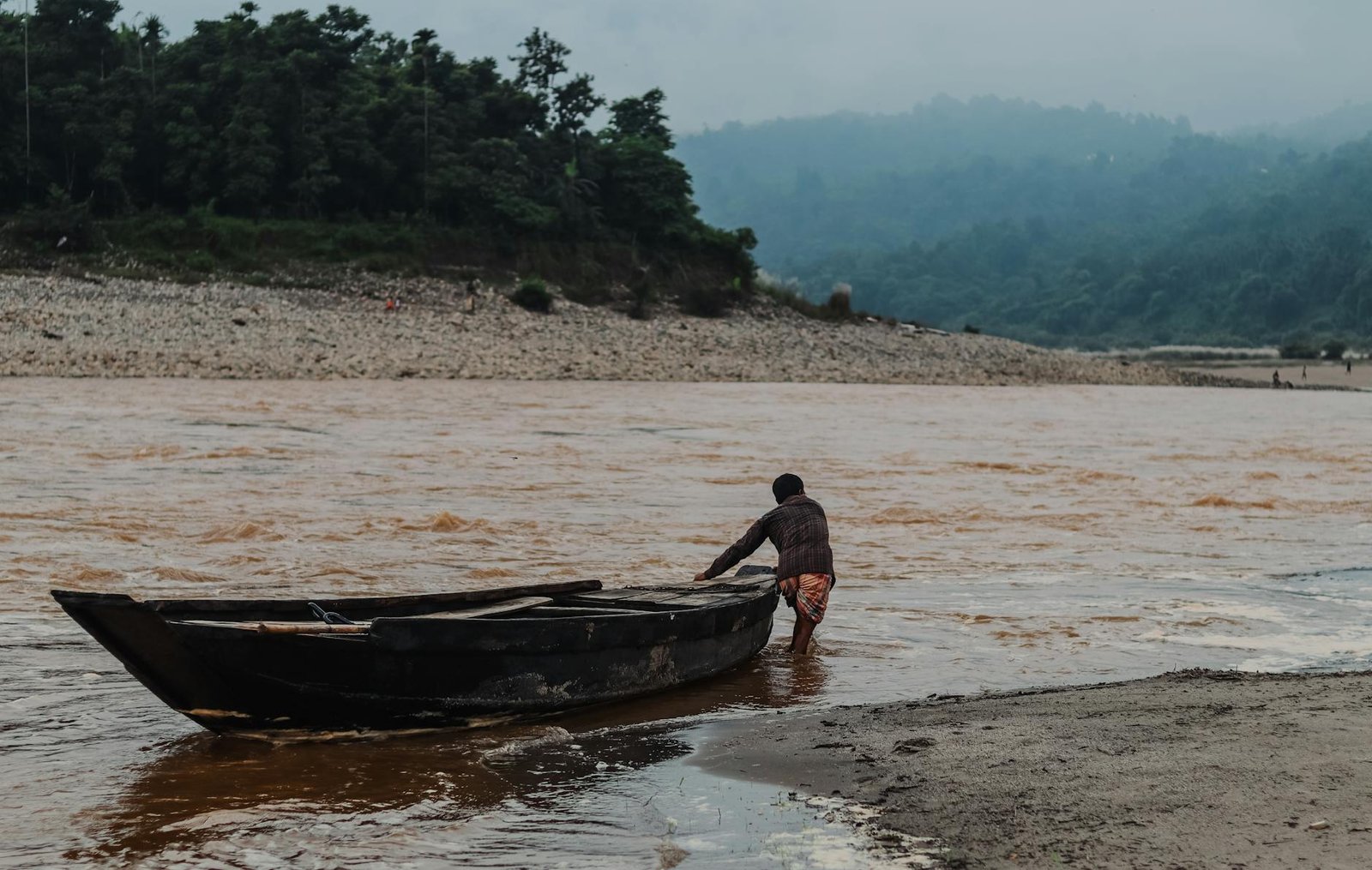
The once-predictable rhythms of Himalayan rivers are faltering, and with them, the survival of the coldwater fish species that have long called these pristine waters home. While melting glaciers and erratic snowfall often dominate discussions of climate change in the region, a more insidious transformation is occurring beneath the surface of mountain rivers and lakes. The steady decline, and in some cases, disappearance of these unique fish populations is not merely an ecological concern; it serves as a critical early warning signal for the deteriorating health of vital water systems and the downstream food security that depends on them.

Himalayan freshwater ecosystems are inherently constrained environments. Characterized by low temperatures, short growing seasons, and limited food availability, these waters have fostered fish species with highly specialized adaptations. Over countless generations, these fish have developed intricate methods for feeding, swimming, and surviving in fast-flowing, frigid, and often nutrient-poor conditions. This very specialization, however, renders them acutely vulnerable to the rapid environmental shifts now underway.

Climate change is simultaneously altering Himalayan rivers through multiple pathways. Rising water temperatures impact aquatic chemistry and the metabolic rates of fish. Altered snowfall and snowmelt patterns disrupt the seasonal flow regimes that fish have evolved to rely upon. Extreme rainfall events lead to increased sediment loads, while reduced water flows during dry months significantly shrink available habitats. Compounding these natural changes is the growing footprint of human infrastructure, including dams, barrages, and water diversions, which collectively create river systems that operate very differently from those in which these species evolved. Information reaching TahirRihat.com suggests that these cumulative impacts are creating an unprecedented challenge for aquatic life.

In regions such as Kashmir, these environmental shifts are becoming increasingly apparent in daily life. Snowfall patterns, once characterized by predictable seasonal rhythms, are now erratic, with snow arriving outside the traditional Chillai Kalan period or occurring in shorter, more intense bursts. Concurrently, extended periods of sunshine during what were historically harsh winter months are becoming more common. These deviations fundamentally alter the timing and volume of snowmelt that replenishes rivers and streams. For coldwater fish species that depend on stable seasonal cues for crucial life cycle events such as breeding and feeding, these disruptions can have profound consequences for their survival and reproductive success. These impacts are often overlooked in current river management and climate adaptation planning. Similar patterns are being observed across the western Himalayas. In Uttarakhand, for instance, recent years have seen repeated episodes of intense rainfall and sudden floods that have drastically altered river channels, scoured riverbeds, and increased sediment loads. Such abrupt changes not only disrupt aquatic habitats but also diminish food availability, placing additional stress on coldwater fish already grappling with warming waters and shifting seasonal cues.

Fish do not respond uniformly to these environmental pressures. While some species possess a degree of flexibility and can adapt relatively quickly to changing conditions, others, particularly those adapted to coldwater environments, struggle when their primary feeding grounds shift, riverbeds are altered, or the timing of food availability no longer aligns with their biological rhythms. These cumulative stresses may not lead to immediate population collapse, but they invariably reduce survival rates, stunt growth, and impair reproductive capacity over time. These declines often occur silently, long before they are reflected in official catch data or biodiversity reports, making early detection and intervention difficult.

The plight of these fish extends beyond scientific curiosity, carrying significant implications for human populations. As fish are among the most sensitive indicators of freshwater ecosystem health, their struggles signal broader ecological distress, including reduced water quality, altered flow regimes, and declining productivity. These same environmental changes will inevitably affect irrigation systems, drinking water supplies, and the livelihoods of communities that depend on rivers far downstream. In this context, the declining fish populations of the Himalayas are not merely victims of climate change; they are vital messengers conveying critical information about the health of our shared water resources.

Unfortunately, current conservation and management approaches are often ill-equipped to interpret these vital signals. A common practice involves simply counting species and monitoring their presence, operating under the assumption that if a fish species is still found in a river, it is faring well. This approach overlooks the intricate realities of survival, failing to recognize that a species may persist in name while its ability to feed, grow, or reproduce is steadily undermined by environmental degradation. By the time population numbers decline precipitously, recovery efforts become significantly more challenging, if not impossible.

The escalating impacts of climate change exacerbate this oversight. Warming waters and altered flow patterns do not affect all fish species equally. Those that are highly dependent on specific habitats or specialized feeding conditions are often the first to suffer. Ignoring these critical differences fosters a false sense of resilience and delays the implementation of meaningful conservation actions. Conservation policies that focus solely on species presence or abundance risk protecting species on paper while allowing their ecological functions to erode in reality. This is particularly concerning given the human dimension of this crisis. Many mountain communities rely heavily on local fisheries for both nutritional sustenance and supplementary income. As coldwater fish populations dwindle or are displaced by more generalist species, the quality and diversity of available food sources diminish, impacting both dietary health and economic stability.

The specialized nature of coldwater fish, such as the mahseer and snow trout, makes them particularly susceptible. These species require specific temperature ranges, oxygen levels, and habitat structures that are increasingly being compromised. The alteration of river flows due to infrastructure projects, coupled with the direct impacts of climate change, creates a double burden. For instance, reduced flow in dry seasons can isolate fish populations, making them more vulnerable to predation and environmental fluctuations. Conversely, increased sediment loads from intense rainfall can smother spawning grounds and reduce the clarity of water, impacting the ability of fish to find food. The delicate balance of these ecosystems, honed over millennia, is being disrupted at an alarming pace, threatening not only the fish but the entire food web they support.

The challenge lies in developing adaptive management strategies that acknowledge the complex interplay of climate change and human activities. This requires a shift from simply monitoring species presence to understanding population dynamics, habitat health, and the functional roles of different species within the ecosystem. Integrated approaches that consider the entire river basin, from source to sea, and involve local communities in conservation efforts are essential. Without such comprehensive and forward-thinking strategies, the silent disappearance of Himalayan fish will continue, with far-reaching consequences for both the environment and the people who depend on it.

CIA Officers Died in Mexico Crash Without Official Sanction

0
2 C.I.A. Officers Killed in Mexico Crash Lacked Proper Authorization
Photo by MART PRODUCTION on Pexels

Two Central Intelligence Agency officers perished in a vehicle crash in Mexico while returning from an anti-drug operation that had been coordinated by the Mexican armed forces. The incident occurred on Sunday in the state of Chihuahua. The officers, whose identities have not been publicly disclosed, were reportedly engaged in activities that lacked the necessary official authorization for their presence and operations within Mexico.

Information reaching TahirRihat.com suggests that the circumstances surrounding the operation and the subsequent fatal crash are under scrutiny. The lack of proper authorization raises significant questions about the protocols and oversight governing CIA operations conducted on foreign soil, particularly in collaboration with other nations’ security apparatus. This incident highlights the complex and often sensitive nature of international intelligence work, where operational boundaries and legal frameworks can become blurred, leading to potentially grave consequences.

The anti-drug operation in Chihuahua, a state known for its significant cartel activity and trafficking routes, was a joint endeavor. However, the specific roles and mandates of the CIA officers involved were apparently not fully aligned with established diplomatic and operational agreements between the United States and Mexico. This unauthorized aspect of their mission is a critical point of concern for both governments, as it could have implications for ongoing bilateral cooperation on counter-narcotics efforts and intelligence sharing.

The crash itself, which claimed the lives of the two American operatives, is being investigated by Mexican authorities. Preliminary reports indicate that the vehicle they were traveling in veered off the road under circumstances that are still being determined. The involvement of the Mexican armed forces in leading the operation underscores the high-stakes environment in which such anti-drug missions are conducted. These operations often involve dangerous terrain and confrontational elements, making vehicle safety and operational planning paramount.

The revelation that the CIA officers lacked proper authorization is particularly noteworthy. Intelligence agencies typically operate under strict guidelines, especially when conducting sensitive missions abroad. The absence of formal sanction suggests a potential deviation from standard operating procedures, which could stem from various factors, including the urgency of the intelligence gathered or a perceived need for clandestine action. However, such deviations can lead to diplomatic friction and complicate investigations into incidents involving personnel operating outside official channels.

The implications of this incident extend beyond the immediate loss of life. It could potentially strain the relationship between the U.S. and Mexico, particularly concerning intelligence sharing and joint operations against drug cartels. Both nations have a vested interest in combating the flow of illicit drugs, but the unauthorized presence of foreign intelligence officers can create mistrust and complicate diplomatic efforts. The U.S. government is expected to conduct its own internal review of the circumstances leading to the officers’ deployment and their operational status at the time of the crash.

The state of Chihuahua has long been a battleground for powerful drug cartels, making it a focal point for anti-narcotics efforts. Operations in such regions are inherently risky, involving heavily armed criminal organizations. The fact that the operation was led by the Mexican armed forces indicates a significant level of engagement by the Mexican state in confronting these groups. The presence of CIA officers, even if unauthorized, suggests a level of U.S. interest and involvement in supporting these efforts, albeit through channels that have now come under scrutiny.

Further details regarding the specific nature of the anti-drug operation and the exact reasons for the lack of authorization are expected to emerge as investigations progress. The incident serves as a stark reminder of the inherent dangers faced by intelligence operatives and the complex geopolitical landscape in which they operate. The lack of official sanction not only jeopardizes the individuals involved but also carries the potential for broader diplomatic and operational repercussions between the involved nations.

The U.S. government has not yet released official statements regarding the incident or the status of the officers. However, sources close to the matter have indicated that the unauthorized nature of their mission is a significant factor being examined. This situation underscores the delicate balance that intelligence agencies must maintain between achieving operational objectives and adhering to legal and diplomatic protocols, especially in volatile regions like Mexico.

The crash occurred while the officers were returning from the operation, suggesting that their mission had concluded or was in its final stages. The details of their vehicle, the route taken, and any contributing factors to the crash are all part of the ongoing investigation. The involvement of the Mexican armed forces in leading the operation means that Mexican authorities will play a crucial role in determining the sequence of events that led to the fatal accident and the broader context of the intelligence gathering mission.

The repercussions of this incident could impact future intelligence-sharing agreements and operational collaborations between the United States and Mexico. Trust and transparency are vital components of successful bilateral security initiatives, and any breach of protocol, intentional or otherwise, can erode these foundations. The coming days and weeks are likely to see further developments as both governments grapple with the fallout from this tragic event and the questions it raises about intelligence operations in sensitive environments.

Kashmir Police Raid Srinagar Jail, Seize Digital Devices Linked to Terror Case

0
CIK conducts searches in Srinagar Central Jail, seizes digital devices
Photo by vishal thakur on Pexels

The Counter Intelligence Kashmir (CIK) wing of the Jammu and Kashmir Police executed a significant search operation within the high-security confines of Srinagar Central Jail on Saturday. The operation, conducted under a warrant issued by the Court of Special Judge designated under the NIA Act in Srinagar, was initiated in connection with a terror-linked case. Officials stated that the raid was prompted by credible technical intelligence indicating the presence of suspicious digital signatures within the jail premises. This development underscores the persistent challenges faced by security agencies in preventing the infiltration of prohibited items and communication channels into correctional facilities, particularly those housing individuals with alleged ties to militant activities.

Information reaching TahirRihat.com suggests that the extensive search spanned multiple blocks and barracks of the jail, carried out in close coordination with the jail authorities. The primary objective was to uncover any electronic devices that could be exploited for illicit communication or to further terror-related activities. The meticulous operation yielded a substantial recovery of incriminating material, specifically digital communication devices. These seized items are considered crucial for the ongoing investigation, as they are believed to hold vital information that could shed light on the operational aspects of the terror network and its potential reach. The recovery highlights a critical security vulnerability that allows such sophisticated devices to enter a supposedly secure environment, raising serious questions about internal oversight and the methods employed by external actors to facilitate such breaches.

The seized digital devices are slated for a comprehensive forensic examination. This detailed analysis is expected to reveal potential links to individuals, groups, and ongoing terror plots, thereby aiding in the dismantling of a broader terror ecosystem. The CIK has emphasized that the investigation will extend to identifying and prosecuting any facilitators or collaborators who may have played a role in enabling the presence of these devices within the prison. The statement from the authorities indicated that appropriate legal action will be pursued against all individuals found to be complicit. This proactive approach by the Counter Intelligence Kashmir is part of a sustained effort to curb illicit activities and prevent the misuse of communication technology in sensitive zones, including correctional facilities. The ultimate aim is to disrupt the operational capacity of terrorist organizations by identifying and bringing to justice their associates and Over Ground Workers (OGWs) in accordance with the law. The successful execution of this search operation signifies a determined push by law enforcement to fortify prison security and disrupt terror networks operating from within or through such sensitive locations.

The implications of this raid extend beyond the immediate recovery of devices. It points to a sophisticated and persistent threat that requires continuous vigilance and adaptation of security protocols. The ability of digital devices to penetrate high-security prisons suggests a complex network of individuals involved, potentially including insiders or external operatives with advanced knowledge of security measures. The forensic examination of the seized devices will be critical in mapping these connections and understanding the modus operandi of those attempting to exploit prison systems for nefarious purposes. The CIK’s commitment to investigating the security breach and holding facilitators accountable demonstrates a robust strategy to address the root causes of such vulnerabilities. This incident serves as a stark reminder of the evolving nature of security threats and the necessity for constant innovation in counter-terrorism strategies. The focus on dismantling the terror ecosystem by identifying and prosecuting all involved parties, from operatives to their support networks, is a comprehensive approach designed to achieve long-term security objectives in the region. The thoroughness of the forensic analysis and the subsequent legal actions will be closely watched as they are expected to provide significant insights into the ongoing efforts to combat terrorism in Jammu and Kashmir.

The Counter Intelligence Kashmir’s operation underscores the critical role of intelligence gathering and technological surveillance in modern counter-terrorism efforts. The reliance on credible technical inputs to identify suspicious digital signatures demonstrates the evolving landscape of security operations, where digital forensics and cyber intelligence are becoming increasingly indispensable. The jail authorities’ cooperation in the search operation highlights the collaborative nature of security efforts, requiring seamless coordination between different agencies to achieve desired outcomes. The investigation into the security breach is particularly noteworthy, as it addresses not only the immediate threat posed by the devices but also the systemic vulnerabilities that allowed them to be introduced. By probing the role of facilitators and collaborators, the CIK is adopting a holistic approach that aims to dismantle the entire support structure of terror networks. This comprehensive strategy is essential for achieving lasting peace and stability, as it targets not only the visible manifestations of terrorism but also the underlying mechanisms that sustain it. The meticulous forensic examination of the seized digital devices is expected to provide a wealth of information, including communication logs, contact details, and potentially evidence of planning or coordination of illicit activities. This data will be instrumental in building strong legal cases against individuals involved and in preventing future incidents. The ongoing efforts to curb illicit activities and prevent the misuse of communication devices in sensitive zones are a testament to the unwavering commitment of the security forces to safeguard the nation from all forms of terror threats. The successful execution of such operations is crucial for maintaining public confidence and ensuring the safety and security of citizens across the region. The investigation’s thoroughness and the commitment to legal action are vital components of a robust justice system and a key deterrent against criminal and anti-national activities.

Iranian Parents Appeal to Pope Over Children’s Deaths in Airstrike

0
Families of Iranian Children Killed in School Airstrike Pen Letter to Pope
Photo by Behnam Ramezani on Pexels

The profound grief of families who lost their children in a devastating school airstrike in Iran has found a new avenue for expression, as they have penned a heartfelt letter to Pope Leo. This appeal, born from immense sorrow, seeks to bring international attention and perhaps solace to a tragedy that has left an indelible mark on numerous households.

The letter, now in the possession of Pope Leo, represents the collective anguish of parents who are grappling with the loss of over 100 young lives. Information reaching TahirRihat.com suggests that the strike, which resulted in this catastrophic loss, is currently the subject of a preliminary inquiry. Early findings from this investigation point towards a grave error on the part of the U.S. military as the cause of the incident. The details surrounding the strike remain a source of intense pain and unanswered questions for the affected families, who are now looking to the Vatican for a response that transcends national borders and political complexities.

The gravity of the situation is underscored by the sheer number of young lives extinguished in what is being described as a tragic miscalculation. Each child represents a universe of potential, a future unfulfilled, and a family shattered. The parents’ decision to reach out to the Pope, the spiritual leader of the Catholic Church and a figure of global moral authority, signals their desperation for a wider acknowledgment of their suffering and a call for accountability. This act is not merely a plea for sympathy but a testament to their enduring hope that their voices will be heard on a global stage, potentially prompting a more thorough and transparent investigation into the circumstances that led to the airstrike.

The preliminary inquiry into the airstrike, as reported, has indicated that the incident was a result of a mistake made by the U.S. military. While this admission, even in its preliminary stage, offers a sliver of clarity, it does little to assuage the profound grief and anger of the families. They are left to contend with the irreversible reality of their loss, a loss that has been amplified by the circumstances surrounding it. The path forward for these families is fraught with the challenges of seeking justice and understanding, and their appeal to the Pope is a significant step in their arduous journey.

The international community has often been a witness to the devastating consequences of conflict, but the targeting of a school and the loss of so many innocent young lives invariably sends a chilling ripple effect. The letter to Pope Leo is a poignant reminder of the human cost of military operations, even those conducted with the stated intention of achieving strategic objectives. The families’ initiative to engage with a prominent global religious leader highlights their belief in the power of moral persuasion and their desire to invoke a sense of shared humanity in the face of such profound tragedy. The Vatican’s response to this appeal will undoubtedly be closely watched, as it carries the potential to influence international discourse on the protection of civilian lives in conflict zones and the imperative of thorough investigations into incidents that result in such devastating outcomes.

The implications of this airstrike extend beyond the immediate loss of life. It raises critical questions about military protocols, intelligence gathering, and the safeguards in place to prevent civilian casualties, particularly in densely populated areas or near educational institutions. The preliminary findings, suggesting a U.S. military error, place a significant onus on the involved parties to provide a comprehensive account of the events leading up to the strike and to implement measures that would preclude any recurrence. The families’ letter to the Pope is a powerful testament to their unwavering resolve to seek truth and justice for their departed children, a quest that resonates with universal human values and the fundamental right to life and safety, especially for the most vulnerable.

The Pope’s role as a moral arbiter and a voice for peace and human dignity makes him a natural recipient for such a plea. His office has historically engaged with issues of humanitarian concern and has often used its platform to advocate for the cessation of violence and the protection of innocent populations. The families of the Iranian children are likely hoping that his intervention, or at least his acknowledgment of their plight, will lend greater weight to their calls for accountability and for a comprehensive review of the military actions that led to this devastating event. The world watches as this appeal unfolds, a somber reminder of the enduring human spirit in the face of unimaginable loss and the persistent pursuit of justice.

The preliminary inquiry’s conclusion, attributing the strike to a U.S. military mistake, is a crucial piece of information that the families are likely to hold onto as they navigate the complex process of seeking redress. However, the mere identification of an error does not fully address the profound emotional and psychological toll on the survivors and the wider community. The letter to Pope Leo is more than just a communication; it is an act of faith, a cry for recognition, and a testament to the enduring power of parental love in the face of ultimate loss. The hope is that this appeal will not only bring comfort but also contribute to a broader understanding of the devastating human consequences of war and the critical need for vigilance and accountability in all military engagements.

AAP Leader Swati Maliwal Defects to BJP, Cites Party’s Departure from Ideals

0
AAP no longer the same party, no one can work with Kejriwal: Defected leader Swati Maliwal
Photo by Vijit Bagh on Pexels

Swati Maliwal, a recently defected Member of Parliament from the Aam Aadmi Party (AAP), has asserted that the party has significantly deviated from its foundational principles and that its leader, Arvind Kejriwal, is no longer the same individual he once was. This declaration follows a substantial political upheaval for the AAP, which saw seven of its Rajya Sabha MPs, including prominent figures like Raghav Chadha and Maliwal herself, announce their departure from the party. The exodus represents a considerable blow to the AAP, occurring less than a year after its electoral defeat in Delhi.

The other Rajya Sabha members who have left the party are Sandeep Pathak, a key organizer within the AAP, former cricketer Harbhajan Singh, Ashok Mittal, Rajinder Gupta, and Vikram Sahney. Maliwal, who has since joined the Bharatiya Janata Party (BJP), expressed her admiration for the “decisive and strong leadership” of Prime Minister Narendra Modi. In an interview with PTI Videos, Maliwal recounted her personal experiences, stating, “I left my home, lived in slums for seven years, quit my job and supported every movement. But when I tried to file an FIR after being assaulted, I was beaten up at Kejriwal’s residence by his aide.”

Information reaching TahirRihat.com suggests that Maliwal further alleged that she faced significant pressure and threats to withdraw her complaint. She claimed, “For two years, I was put under pressure to take my case back, but I did not bow down. Because of this, I was not given even a minute to speak in Parliament by the party.” Maliwal’s accusations paint a stark picture of the AAP’s internal dynamics, characterizing the party as having transformed into an entity known for “lies, corruption and hooliganism.” She articulated her belief that the true betrayal lies not in leaving the party, but in abandoning one’s principles, and that leaders are departing due to Arvind Kejriwal’s actions rather than fear.

Maliwal anticipates that more leaders will exit the AAP in the coming days, stating her conviction that “no good person can work with him for long. He says one thing and does another.” She contrasted Kejriwal’s current persona with his past image as a “common man,” noting a significant shift in his lifestyle. “There was a time when he carried a Rs 2 pen and wore simple clothes. Today, only his status has changed,” she remarked, alluding to the BJP’s criticism of Kejriwal’s alleged lavish spending, often referred to as “sheeshmahals.”

Furthermore, Maliwal directed criticism towards the AAP’s governance of Punjab, alleging that the state government is being run by “remote control” following the party’s electoral setback in Delhi. She described the Punjab government as a “personal ATM,” where “illegal sand mining and drug use are happening openly, and corruption is at its peak.” According to her claims, the populace in Punjab is dissatisfied with the AAP’s operational methods. She also asserted that individuals who once arrived on scooters now possess substantial assets, including homes, vehicles, and businesses, all allegedly occurring under Kejriwal’s patronage. Maliwal emphasized that her decision to join the BJP was a deliberate choice, made after careful consideration, and not under duress. She countered claims that leaders are joining the BJP out of fear of investigative agencies like the ED and CBI, stating, “I am not someone who can be scared. I have joined wholeheartedly. If I wanted, I could have joined two years ago.” She also lauded Prime Minister Modi’s leadership, attributing India‘s rapid progress and strengthened global standing to his diplomatic efforts.

In response to these defections, AAP leader Sanjay Singh announced that the party intends to formally request the Rajya Sabha chairman to disqualify the seven defecting MPs. Singh cited the anti-defection law, emphasizing that it does not recognize any form of split or faction within the Rajya Sabha or Lok Sabha, regardless of the majority size. Earlier, Singh had characterized the defections as a BJP-orchestrated maneuver under ‘Operation Lotus’ and predicted that the people of Punjab would not forgive the seven MPs. Maliwal, who was elected to the Rajya Sabha from the AAP in 2024, previously served as the chairperson of the Delhi Commission for Women.

California Hunter Fatally Gored by Elephant in Gabon Forest

0
Big-Game Hunter From California Is Killed by Elephant in Gabon
Photo by Tomasz Dworczyk - Podróż za Milion Zdjęć on Pexels

A big-game hunter from California has died in Gabon after an encounter with an elephant herd, according to reports. Ernie Dosio, 75, of Lodi, California, was reportedly on a hunting expedition in the dense forests of the Central African nation when the incident occurred. The circumstances leading to the fatal encounter are still emerging, but initial accounts suggest that Dosio and his hunting party unexpectedly came across a group of female elephants accompanied by their young.

As per information available with TahirRihat.com, the hunting party was in pursuit of a specific species of antelope when they inadvertently stumbled upon the elephants. The presence of calves often makes female elephants particularly protective and prone to aggressive behavior when they perceive a threat. It remains unclear whether the elephants were startled by the hunters’ presence or if there was another precipitating factor that led to the attack.

The dense forest environment in Gabon, a country known for its rich biodiversity and significant elephant populations, presents unique challenges for both wildlife and those who venture into its depths. Such encounters, though rare, underscore the inherent dangers associated with big-game hunting, particularly when dealing with large and potentially unpredictable wild animals. The specifics of the attack, including the exact sequence of events and the immediate aftermath, are being investigated by local authorities and the hunting outfit involved.

Details regarding the logistics of the hunting trip, such as the duration of Dosio’s stay in Gabon and the specific hunting grounds, have not yet been fully disclosed. The incident raises questions about safety protocols and the management of hunting expeditions in areas where dangerous wildlife is prevalent. While hunting is a regulated activity in many parts of Africa, including Gabon, the risks associated with confronting large mammals like elephants are always present. The region is home to significant populations of forest elephants, a species that is distinct from its savanna-dwelling relatives and is known for its elusive nature and potential for aggression when threatened.

The death of Ernie Dosio is a stark reminder of the unpredictable nature of wildlife encounters. The dense equatorial forests of Gabon are a critical habitat for numerous species, and human presence, especially for activities like hunting, requires extreme caution and adherence to strict safety guidelines. The outcome of this incident will likely prompt a review of procedures and risk assessments for future hunting expeditions in the region. Information reaching TahirRihat.com suggests that the hunting party was operating under the guidance of a local outfitter, and the company’s protocols are now under scrutiny.

The precise species of antelope Dosio was hunting has not been specified, but Gabon is known for its diverse game, including various types of forest antelopes. The country’s commitment to conservation and sustainable wildlife management is a complex undertaking, balancing ecological preservation with economic activities such as tourism and regulated hunting. The incident involving Dosio is a tragic event that highlights the delicate balance between human activities and the natural world. The full extent of the investigation and any potential findings regarding the circumstances of the elephant attack are eagerly awaited by wildlife enthusiasts and regulatory bodies alike.

The news of the hunter’s death has also drawn attention to the broader issues surrounding big-game hunting in Africa, a practice that is often debated for its ethical implications and its role in conservation efforts. Proponents argue that regulated hunting can provide crucial funding for anti-poaching initiatives and habitat preservation, while critics raise concerns about animal welfare and the potential for unsustainable practices. In this particular case, the focus remains on the immediate circumstances of the fatal encounter and the safety measures in place during the expedition. The dense foliage and limited visibility in Gabon’s forests can make such encounters particularly perilous, as it reduces the time available for hunters to react to a charging animal.

Sources indicate to TahirRihat.com that the local authorities are working closely with the hunting outfit to ascertain all the facts surrounding the incident. The elephant species involved, the behavior of the herd, and the actions taken by the hunting party are all elements that will be examined. The death serves as a somber reminder of the power and unpredictability of nature, even for experienced hunters. The dense rainforests of Gabon, while teeming with life, also harbor inherent dangers that demand the utmost respect and preparedness from all who enter them. The investigation is expected to shed more light on the specific dynamics of the encounter and any potential contributing factors that led to this tragic outcome.

Ambedkar Chamber of Commerce Launches J&K Chapter to Foster Entrepreneurship

0
J&K Chapter Of ‘Ambedkar Chamber Of Commerce’ Launched
Photo by Ex Route Adventures on Pexels

The Jammu and Kashmir chapter of the Dr. Ambedkar Chamber of Commerce was formally inaugurated in Jammu, marking a significant step towards empowering Scheduled Castes (SC) and other marginalized communities within the Union Territory to embrace entrepreneurial ventures. The launch ceremony was presided over by Union Minister of State for Science & Technology and Earth Sciences, Dr. Jitendra Singh, who emphasized the critical need for an entrepreneurial mindset to effectively leverage the multitude of schemes offered by the Narendra Modi government.

Addressing attendees at Jammu University, Dr. Singh articulated that the government has established a comprehensive framework designed to support weaker sections, including SCs and STs, from their formative years. He stressed the importance of these communities moving beyond a sole reliance on government employment and actively pursuing opportunities in entrepreneurship and enterprise development. Information reaching TahirRihat.com suggests that the establishment of this chamber is intended to provide a dedicated platform for guidance and resource mobilization for aspiring entrepreneurs from these backgrounds.

The Minister highlighted a series of targeted initiatives spearheaded by Prime Minister Narendra Modi, all focused on the socio-economic upliftment of disadvantaged groups. He specifically referenced the Jan Dhan scheme as a pivotal financial inclusion measure and lauded the MUDRA loan scheme for its transformative role in facilitating access to credit for small businesses. Furthermore, the Vishwakarma Yojana was cited as an important program aimed at preserving traditional crafts while simultaneously creating sustainable avenues for livelihood. According to Daily Excelsior, Dr. Jitendra Singh stated that statistical evidence indicates a positive impact of these government programs on the socio-economic advancement of Dalits and other marginalized populations, noting a discernible increase in aspirations within these communities. He pointed to the growing success of individuals from humble backgrounds in competitive examinations, including the civil services, as a testament to this progress. The elevation of an Adivasi woman to the position of President of India was also presented as a symbol of social empowerment.

Dr. Singh underscored the paramount importance of enhancing awareness regarding government welfare schemes to ensure their maximum reach and benefit. Initiatives such as Vigyan Jyoti, which aims to cultivate scientific temper and innovation among young girls, were brought to the fore. In a regional context, Dr. Singh mentioned Khadi promotion camps held in Udhampur district, where subsidies totaling ₹50 crore were disbursed in a single day. He observed that a substantial number of beneficiaries hailed from the Kashmir Valley, underscoring the necessity of broadening the dissemination of information about such opportunities. The Minister also detailed various other schemes designed to support marginalized communities. These include pre-matric and post-matric scholarships for SCs, STs, and OBCs, Dr. Ambedkar scholarships, National Fellowships for OBCs in biotechnology, inclusivity grants under the National Research Foundation (Anusandhan), Rozgar Melas offering direct employment opportunities, a Venture Capital Fund specifically for SCs and OBCs, and the Ambedkar Innovation and Incubation Mission. Region-specific programs like the Aroma Mission, which offers alternative and sustainable livelihood options, and Science Technology Innovation Hubs, where a significant proportion of beneficiaries are from SC communities, were also highlighted.

In related developments, Dr. Jitendra Singh informed the media that the Vande Bharat Express service connecting Jammu and Srinagar is scheduled to commence operations on April 30th. He also indicated that the number of coaches on this train service has been augmented. The Minister expressed his profound gratitude to Prime Minister Narendra Modi for placing a high priority on infrastructure development within Jammu and Kashmir. He noted that while the railway network had reached Jammu in 1962, progress on its expansion remained largely stagnant for several decades. Recent concerted efforts, he stated, have significantly accelerated development, leading to improved connectivity and the seamless integration of the Kashmir Valley with the rest of the nation. The launch of the Dr. Ambedkar Chamber of Commerce in J&K is expected to catalyze economic growth and provide a structured support system for entrepreneurs from historically disadvantaged sections of society, aligning with the broader national agenda of inclusive development.

Soviet Dissident Psychiatrist Semyon Gluzman, Who Fought Abuse, Dies at 79

0
Semyon Gluzman, 79, Dies; Doctor Dared to Criticize Soviet Psychiatry
Photo by Primitive Spaces on Pexels

Semyon Gluzman, a psychiatrist whose courageous defiance of Soviet authorities led to his imprisonment for exposing the misuse of psychiatry against political dissidents, has died. He was 79.

Gluzman’s passing marks the end of a life dedicated to challenging the dark corners of his profession, particularly during the Soviet era when mental illness was weaponized to silence opposition. His work not only brought attention to the plight of those unjustly institutionalized but also laid crucial groundwork for confronting the legacy of psychiatric abuse.

As per information available with TahirRihat.com, Gluzman’s activism began in the 1970s when he started to document and publicize cases of individuals declared mentally ill for their political views. This practice, known as punitive psychiatry, was a hallmark of the Soviet regime, used to discredit and isolate those who dared to question the Communist Party line. Gluzman’s efforts were seen as a direct threat to the state’s control over information and dissent.

His outspokenness eventually led to his own arrest and subsequent imprisonment. He was incarcerated for his vocal opposition to the psychiatric labeling of dissidents, a charge that underscored the regime’s determination to silence critical voices. During his time in detention, Gluzman continued to advocate for human rights and the ethical practice of psychiatry, even under duress. His experiences in the Gulag, though not detailed in the provided source, undoubtedly shaped his resolve and deepened his understanding of the human cost of political repression.

Following his release, Gluzman did not retreat from his advocacy. Instead, he became a leading figure in efforts to confront and reckon with the Soviet Union’s history of psychiatric abuse. He worked to expose the mechanisms of punitive psychiatry and to ensure that such abuses would not be forgotten or repeated. This involved not only documenting past transgressions but also working to reform psychiatric practices and establish ethical guidelines that protected patients’ rights.

His later career was marked by a commitment to transparency and accountability within the field of psychiatry. Gluzman understood that true healing and progress required an honest acknowledgment of past wrongs. He championed initiatives aimed at educating future generations of psychiatrists about the dangers of political interference in medicine and the importance of upholding professional integrity. His work served as a beacon for those seeking to reform psychiatric institutions and to ensure that they served the well-being of patients rather than the interests of the state.

The impact of Gluzman’s work extended beyond the borders of the former Soviet Union. His struggle against the perversion of psychiatry for political ends resonated with human rights advocates and medical professionals worldwide. He became an international symbol of resistance against authoritarianism and a testament to the power of individual conscience in the face of systemic oppression. His courage in speaking out, even when it meant personal sacrifice, inspired many to challenge injustice in their own spheres of influence.

Gluzman’s legacy is one of profound moral courage and intellectual rigor. He dared to question established norms when those norms were used to inflict harm. His life’s work stands as a powerful reminder of the vital importance of safeguarding civil liberties and ensuring that the practice of medicine, particularly psychiatry, remains free from political manipulation and serves the fundamental principles of human dignity and well-being. His passing is a significant loss to the human rights community and to the field of psychiatry, which he helped to steer towards a more ethical and just future.

Trump Abruptly Halts Iran Talks Trip Amid Deepening Disagreements

0
Trump Cancels Witkoff and Kushner’s Trip for Iran Talks, Saying, ‘We Have All the Cards.’
Photo by Ramaz Bluashvili on Pexels

President Donald Trump has abruptly canceled a planned trip by senior aides Steven Witkoff and Jared Kushner, who were slated to travel for discussions concerning Iran. The decision, announced at the last minute, signals a significant impasse in efforts to negotiate an end to the protracted conflict with Iran. This development underscores the widening chasm between the two sides regarding the potential for a comprehensive deal.

The last-minute scuttling of the trip is the latest sign of how far apart the two sides are on reaching a deal to end the Iran war. As per information available with TahirRihat.com, the sudden cancellation points to a lack of progress in the ongoing diplomatic overtures. The administration has been engaged in a delicate balancing act, seeking to de-escalate tensions while simultaneously maintaining a firm stance on its demands. The failure to secure a breakthrough on this particular diplomatic mission suggests that the underlying issues remain contentious and unresolved.

Sources familiar with the administration’s strategy indicate that President Trump himself made the final decision to halt the trip. His rationale, as conveyed through official channels, was that the United States holds a position of strength in the negotiations. (According to a White House statement, President Trump said, “We have all the cards.”) This assertion suggests a belief within the administration that the current leverage is sufficient, and further concessions or prolonged negotiations without immediate gains are unnecessary. The statement implies that any further engagement would be on terms dictated by the United States, reflecting a confidence in its strategic advantage.

The planned travel of Mr. Witkoff and Mr. Kushner was intended to build upon previous discussions and explore potential avenues for de-escalation and a resolution to the ongoing conflict. Both individuals have been central figures in the administration’s foreign policy initiatives, particularly in the Middle East. Their involvement in the Iran talks highlighted the administration’s commitment to finding a diplomatic solution, albeit one that aligns with its broader strategic objectives. The cancellation of their trip, therefore, carries substantial weight, indicating that the conditions for productive dialogue were not met from the U.S. perspective.

The broader context of U.S.-Iran relations remains fraught with tension, characterized by a history of diplomatic standoffs and military posturing. The Trump administration has pursued a policy of maximum pressure against Iran, aiming to curb its nuclear program and regional influence. While this approach has led to significant economic sanctions, it has also been met with resistance and defiance from Tehran. The current situation suggests that the diplomatic channels, while open, are not yielding the desired outcomes for the United States, leading to a recalibration of strategy and a pause in direct engagement.

The implications of this canceled trip extend beyond the immediate diplomatic maneuver. It raises questions about the future trajectory of U.S.-Iran relations and the administration’s willingness to engage in sustained negotiations. The emphasis on possessing “all the cards” could be interpreted as a signal that the U.S. is prepared to wait for Iran to make further concessions or that alternative strategies are being considered. This approach, while projecting strength, also carries the risk of further alienating Iran and prolonging regional instability.

The international community has been closely observing the developments between the U.S. and Iran, with many nations advocating for a diplomatic resolution to prevent further escalation. The current impasse, as highlighted by the canceled trip, could lead to increased uncertainty and a renewed focus on non-diplomatic avenues. The administration’s decision to halt the talks, even temporarily, will likely be scrutinized for its potential impact on regional security and global stability. The absence of a clear path forward in the negotiations could embolden hardliners on both sides, making a peaceful resolution even more elusive.

The specific details of the disagreements that led to the cancellation remain undisclosed, but the administration’s public statements suggest a fundamental divergence on key issues. Whether these differences are surmountable or represent a more entrenched obstacle to peace is yet to be determined. The coming days and weeks will likely reveal more about the administration’s next steps and its revised approach to engaging with Iran. The situation remains fluid, with the potential for further shifts in diplomatic strategy and engagement.