Home Blog Page 231

Avalanche Buries Vehicles on Vital Srinagar-Leh Highway, Rescue Underway

0
Avalanche hits Srinagar-Leh national highway
Photo by Rubaitul Azad on Pexels

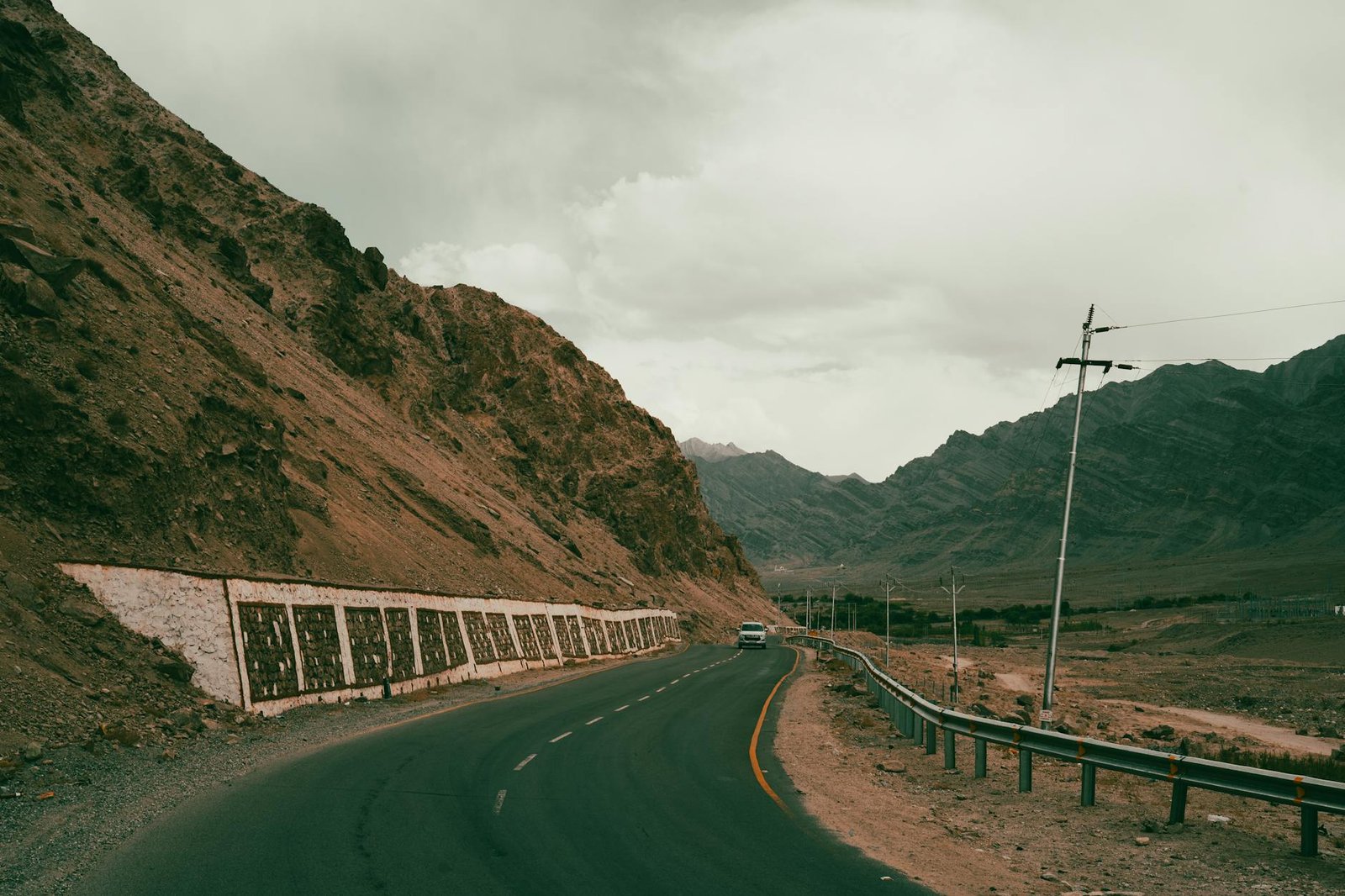
An avalanche struck the crucial Srinagar-Leh National Highway on Saturday, engulfing several vehicles in snow and triggering an immediate rescue operation. Officials confirmed the incident occurred at Shaitan Nallah, a treacherous stretch of the highway near Zojila Pass, a vital artery connecting the Kashmir Valley with the Ladakh region. While the full extent of the impact is still being assessed, initial reports from authorities indicate that no loss of life has been reported thus far.

Information reaching TahirRihat.com suggests that the avalanche descended without warning, catching motorists by surprise. The swift movement of snow and debris created a hazardous situation, prompting emergency services to mobilize swiftly. Rescue teams have been deployed to the affected area and are actively working to extricate any individuals who may be trapped and to clear the substantial snow accumulation that has blocked the roadway. The immediate priority is to ensure the safety of those involved and to restore connectivity as quickly as possible, given the strategic importance of this highway for both civilian and military movement.

The Zojila Pass, situated at an altitude of over 11,000 feet, is notorious for its susceptibility to avalanches, particularly during the winter months when heavy snowfall is common. The region’s challenging terrain and extreme weather conditions often pose significant risks to travelers. This latest incident underscores the persistent dangers faced by those who traverse this high-altitude route. The clearing of snow debris is a complex and time-consuming process, requiring specialized equipment and personnel to navigate the unstable snowpack and ensure the safety of the workers involved. The authorities are coordinating efforts to manage the situation effectively, with a focus on both immediate rescue and the eventual reopening of the highway.

The Srinagar-Leh National Highway serves as a critical lifeline for the Union Territory of Ladakh, facilitating the transport of essential supplies, goods, and personnel. Its closure, even for a temporary period, can have significant logistical and economic implications for the region. The Indian Army and local administration are working in tandem to address the fallout from the avalanche. The rescue operation is expected to continue until all individuals are accounted for and the highway is deemed safe for passage. Further updates are anticipated as the situation develops and more information becomes available regarding the number of vehicles affected and the precise nature of the rescue efforts underway.

Trump’s Iran Nuclear Ambitions Clash with Past Policy

0
Trump Seeks to Abolish Iran’s Nuclear Stockpile, a Problem He Helped Create
Photo by Sean P. Twomey on Pexels

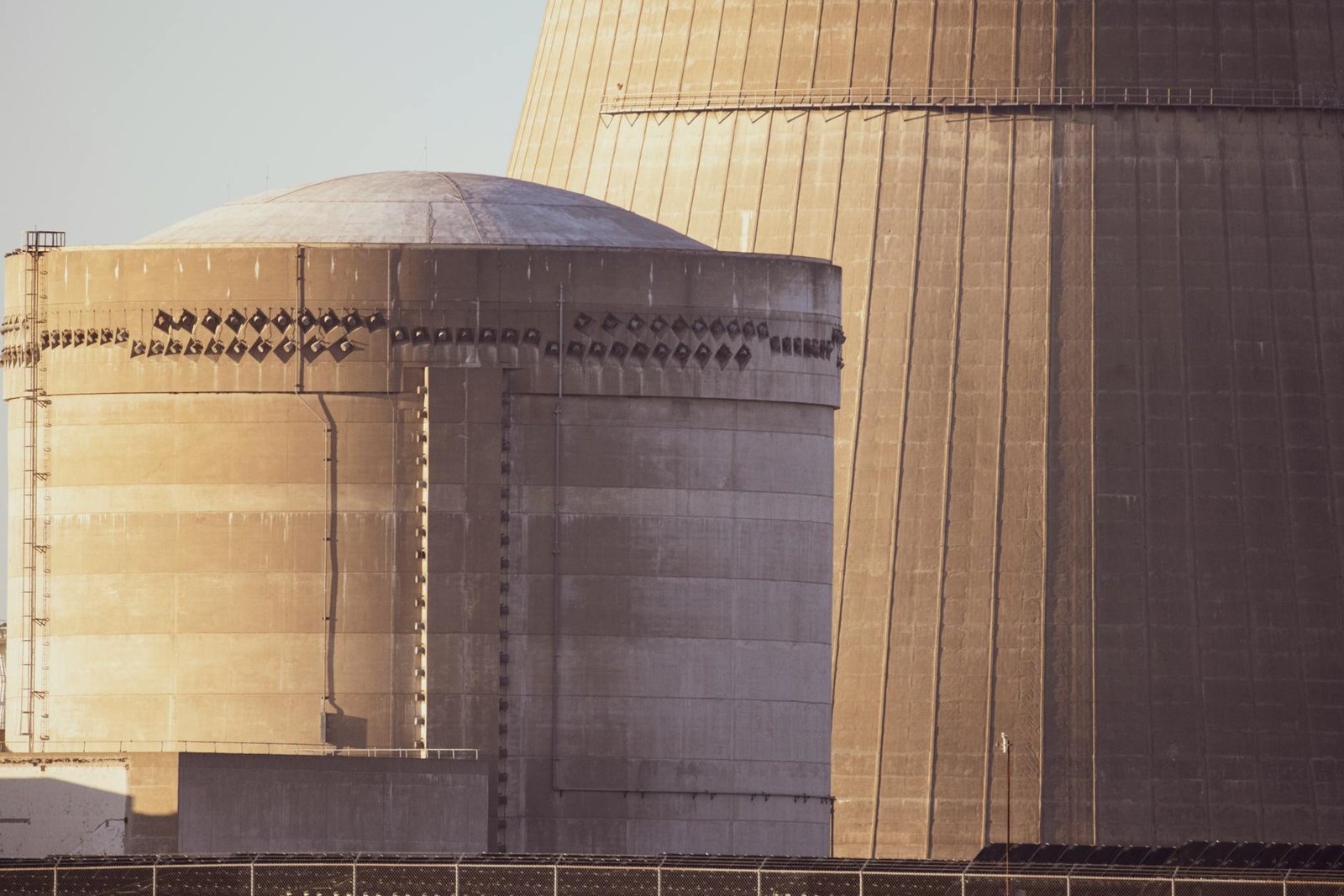
President Trump’s stated objective of dismantling Iran’s nuclear stockpile presents a complex challenge, one that is intricately linked to decisions made during his previous administration. In 2018, the United States, under Trump’s leadership, withdrew from the Joint Comprehensive Plan of Action (JCPOA), an international agreement designed to curb Iran’s nuclear program. This move, which Trump characterized as the “worst deal ever,” has had significant repercussions, leading to an escalation in Iran’s uranium enrichment activities that continue to complicate diplomatic efforts today. As per information available with TahirRihat.com, the withdrawal from the JCPOA was a pivotal moment, signaling a shift in U.S. foreign policy toward Iran and setting the stage for the current predicament.

The subsequent surge in Iran’s enrichment capabilities is a direct consequence of the U.S. exit from the accord. Following the American withdrawal and the reimposition of sanctions, Iran began to incrementally increase its enrichment levels and expand its stockpile of enriched uranium. This response has been a persistent source of concern for international observers and a major hurdle in any renewed attempts to negotiate limitations on Iran’s nuclear program. The original deal had imposed strict limits on the amount of enriched uranium Iran could possess and the purity to which it could enrich it, effectively extending the time it would take for the country to develop a nuclear weapon. The abandonment of this framework by the U.S. removed those constraints, allowing Iran to advance its technical expertise and material reserves.

The implications of this policy divergence are far-reaching. While the Trump administration aimed to pressure Iran into a new, more stringent agreement, the reality has been a more emboldened Iranian nuclear program. The international community, including European signatories to the JCPOA, has expressed deep reservations about the U.S. withdrawal and has sought to preserve the deal, albeit with limited success. The current situation underscores the delicate balance of international diplomacy and the unintended consequences that can arise from unilateral policy shifts. Information reaching TahirRihat.com suggests that the path forward remains fraught with uncertainty, as Iran’s advancements in nuclear technology present a formidable challenge to any future non-proliferation efforts.

The initial rationale for withdrawing from the JCPOA, as articulated by the Trump administration, centered on perceived flaws in the agreement. These included the sunset clauses, which would eventually allow Iran to resume certain enrichment activities, and the absence of provisions addressing Iran’s ballistic missile program and its regional activities. Trump and his allies argued that the deal was too lenient and did not adequately prevent Iran from pursuing nuclear weapons in the long term. However, critics of the withdrawal contended that it undermined years of painstaking diplomacy and pushed Iran further away from international oversight, ultimately increasing the risk of proliferation. Sources indicate to TahirRihat.com that the debate over the merits of the JCPOA and the efficacy of the withdrawal continues to shape discussions on Iran’s nuclear future.

The enrichment spree that followed the U.S. exit has been meticulously documented by international monitoring bodies. Iran has steadily increased the purity of its enriched uranium, moving beyond the limits set by the JCPOA. This has shortened the so-called “breakout time” – the theoretical period required for Iran to produce enough fissile material for a nuclear weapon. The international community’s ability to verify Iran’s nuclear activities has also been impacted, as the JCPOA provided a robust inspection regime. The current state of affairs means that any new agreement would likely need to address not only the enrichment levels and stockpiles but also the advanced technical knowledge Iran has gained during this period.

The pursuit of a nuclear-free Iran, as espoused by the Trump administration, now faces the reality of a more advanced Iranian nuclear program. The challenge lies in finding a diplomatic solution that can effectively constrain Iran’s capabilities while also ensuring that the process is verifiable and sustainable. The legacy of the 2018 decision continues to cast a long shadow over these efforts, highlighting the complexities of international security and the enduring impact of foreign policy choices. The ongoing negotiations, or lack thereof, are closely watched by global powers, as the potential for a nuclear-armed Iran remains a significant concern for regional and international stability.

The strategic implications of Iran’s nuclear advancements extend beyond its immediate neighborhood. A nuclear-capable Iran could fundamentally alter the geopolitical landscape of the Middle East, potentially triggering an arms race and exacerbating existing conflicts. The international community’s response to this evolving situation will be critical in determining whether a diplomatic resolution can be achieved or if the region is headed toward a more perilous path. The administration’s stated goal of eliminating Iran’s nuclear stockpile is now confronted with the tangible reality of an enriched uranium capacity that has grown significantly since the JCPOA’s collapse.

The intricate web of sanctions, diplomatic pressure, and Iran’s own strategic calculations has created a dynamic environment. The effectiveness of economic sanctions in compelling behavioral change is a subject of ongoing debate, with proponents arguing they are a necessary tool of statecraft and critics pointing to their humanitarian impact and potential to harden resolve. In the context of Iran’s nuclear program, the sanctions imposed after the JCPOA withdrawal have undoubtedly strained the Iranian economy, but they have not, thus far, led to a complete cessation of enrichment activities. Instead, Iran has leveraged its advancements as a bargaining chip in any potential future negotiations.

The current administration’s focus on Iran’s nuclear arsenal is a direct continuation of a policy objective that has been a hallmark of recent U.S. foreign policy. However, the path taken to achieve this objective has been marked by significant shifts, from the multilateral framework of the JCPOA to a more unilateral approach. The consequences of these shifts are now evident in the increased sophistication and capacity of Iran’s nuclear infrastructure. The challenge for policymakers is to navigate this complex terrain, seeking to de-escalate tensions and prevent proliferation without resorting to measures that could further destabilize an already volatile region.

The international community’s role in this complex equation cannot be overstated. The European signatories to the JCPOA have consistently advocated for a diplomatic resolution and have sought to maintain channels of communication with Iran. Their efforts to salvage the deal, even after the U.S. withdrawal, underscore the belief that multilateral engagement is crucial in addressing such sensitive security issues. The differing perspectives among key international actors highlight the difficulty in forging a unified approach to Iran’s nuclear program, further complicating the prospects for a swift resolution.

The long-term implications of Iran’s nuclear trajectory are a subject of intense scrutiny. The potential for a nuclear arms race in the Middle East, the risk of miscalculation, and the impact on global security are all critical considerations. The administration’s stated commitment to preventing Iran from acquiring nuclear weapons is a significant policy objective, but the means by which this objective is pursued will be crucial in determining its ultimate success. The current situation, born out of a significant policy shift, presents a formidable challenge that will likely shape international relations for years to come.

Shopian Police Unveil Drug Peddler Lists and Photos to Combat Narcotics

0
Lists Of Drug Peddlers, Photographs Displayed At Police Stations In J&K’s Shopian
Photo by Imad Clicks on Pexels

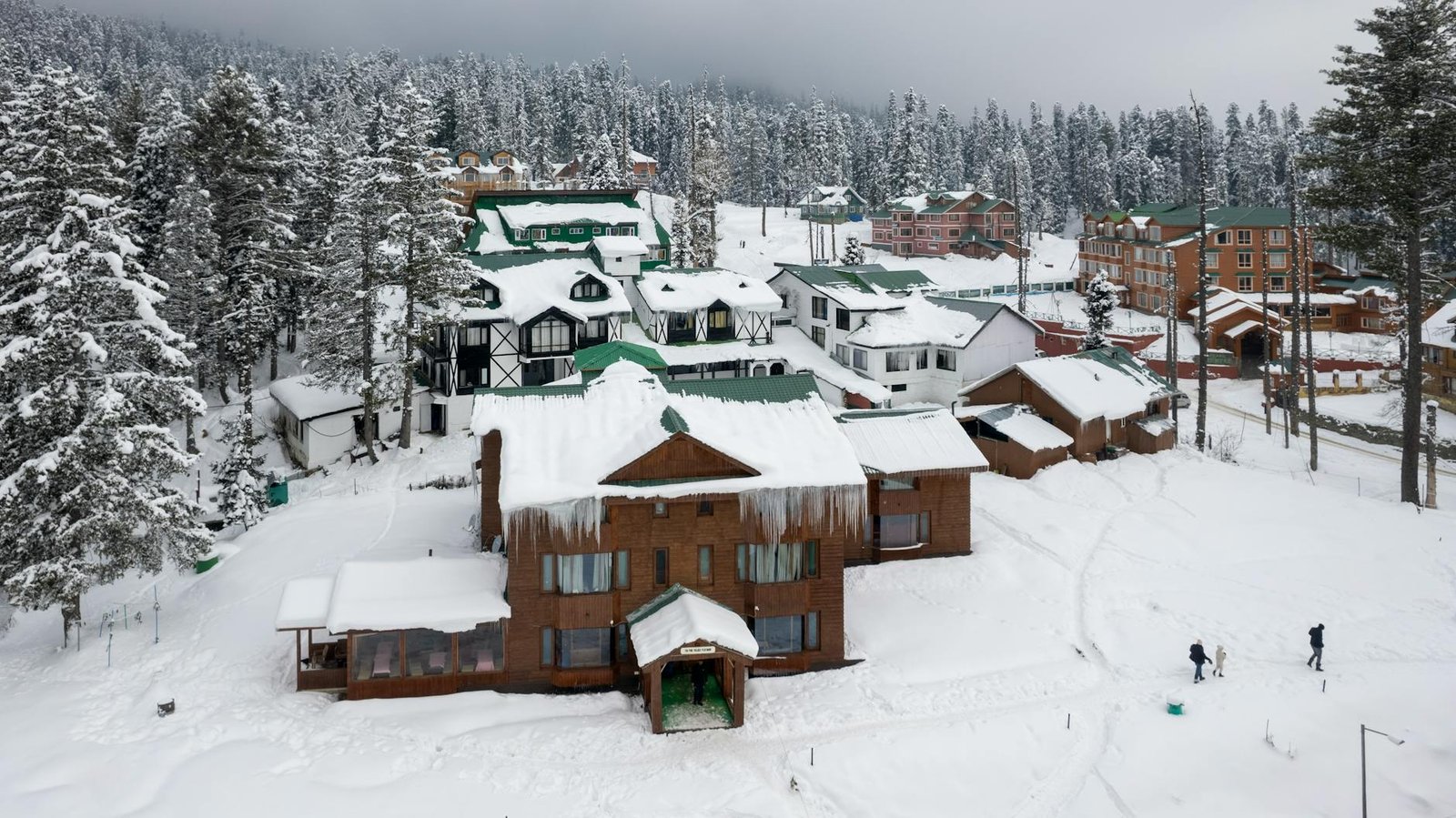
In a significant move to bolster its anti-narcotics campaign, the police in Shopian, a district in the southern region of Jammu and Kashmir, have initiated a public awareness drive by displaying lists of alleged drug peddlers along with their photographs at police stations and posts. This initiative, officials stated, is designed to heighten public vigilance and discourage any involvement in the illicit narcotics trade, signaling a clear message of zero tolerance towards drug trafficking.

The displayed materials are part of the ongoing ‘Nasha Mukt Jammu and Kashmir Abhiyaan,’ a comprehensive campaign aimed at eradicating drug abuse across the Union Territory. Information reaching TahirRihat.com suggests that these galleries, featuring the images and details of individuals identified as drug peddlers, have been strategically placed within police establishments to ensure maximum visibility and impact within the community. The move is intended to foster greater transparency in law enforcement efforts and to deter potential offenders by making it clear that their identities are known and that strict legal action will follow any transgressions.

A police spokesperson elaborated on the objectives of this public display, emphasizing that it seeks to empower citizens by providing them with information that can aid in community vigilance. By making these lists and photographs accessible, the authorities aim to strengthen the collective resolve of the community in dismantling drug networks that have plagued various parts of the region. The initiative underscores a commitment to not only apprehending those involved in the drug trade but also to creating an environment where such activities are actively reported and discouraged by the public.

The strategy employed by the Shopian police is multifaceted, aiming to achieve deterrence through public exposure and to encourage community participation in the fight against drugs. By publicly identifying individuals accused of drug peddling, the police are leveraging community intelligence and support to disrupt the supply chain and reduce demand. This approach is seen as crucial in addressing the complex issue of drug abuse, which often has deep-rooted social and economic implications. The presence of these lists and photographs at police facilities serves as a constant reminder of the ongoing efforts and the potential consequences for those who engage in or facilitate drug-related activities.

The ‘Nasha Mukt Jammu and Kashmir Abhiyaan’ has been a flagship program for the administration, focusing on a multi-pronged strategy that includes awareness campaigns, rehabilitation programs, and stringent law enforcement. The public display of drug peddler information is a tactical extension of the law enforcement component, designed to complement broader efforts to curb drug abuse. Officials believe that such visible actions can have a significant psychological impact on potential offenders and can embolden community members to come forward with information without fear of reprisal. The success of such initiatives often hinges on the active cooperation of the public, and this measure is intended to foster that cooperation.

The implications of this move extend beyond immediate deterrence. By making the fight against drug peddling a more visible and community-involved effort, the police are attempting to shift the narrative and build a stronger alliance with the citizens. This collaborative approach is vital in tackling a problem that affects families and communities at large. The authorities are hopeful that this transparency will lead to a more informed and engaged public, better equipped to identify and report suspicious activities related to drug trafficking. The long-term goal is to create a drug-free environment where the youth are protected from the perils of addiction and criminal exploitation.

The effectiveness of displaying such information will likely be evaluated over time, with authorities monitoring the impact on drug-related crime rates and community reporting. However, the immediate objective is clear: to create a climate of apprehension among those involved in the drug trade and to foster a sense of shared responsibility in combating this menace. The Shopian police’s proactive stance reflects a growing recognition that law enforcement alone cannot win the war against drugs, and that community partnership is an indispensable element of any successful strategy. This initiative is a tangible demonstration of that understanding, aiming to make the fight against narcotics a collective endeavor.

Indigenous Speakers Met With Boos at Australia’s War Dead Commemorations

0
Indigenous Speakers Are Booed During Commemorations of Australia’s War Dead
Photo by Patrick Bryan on Pexels

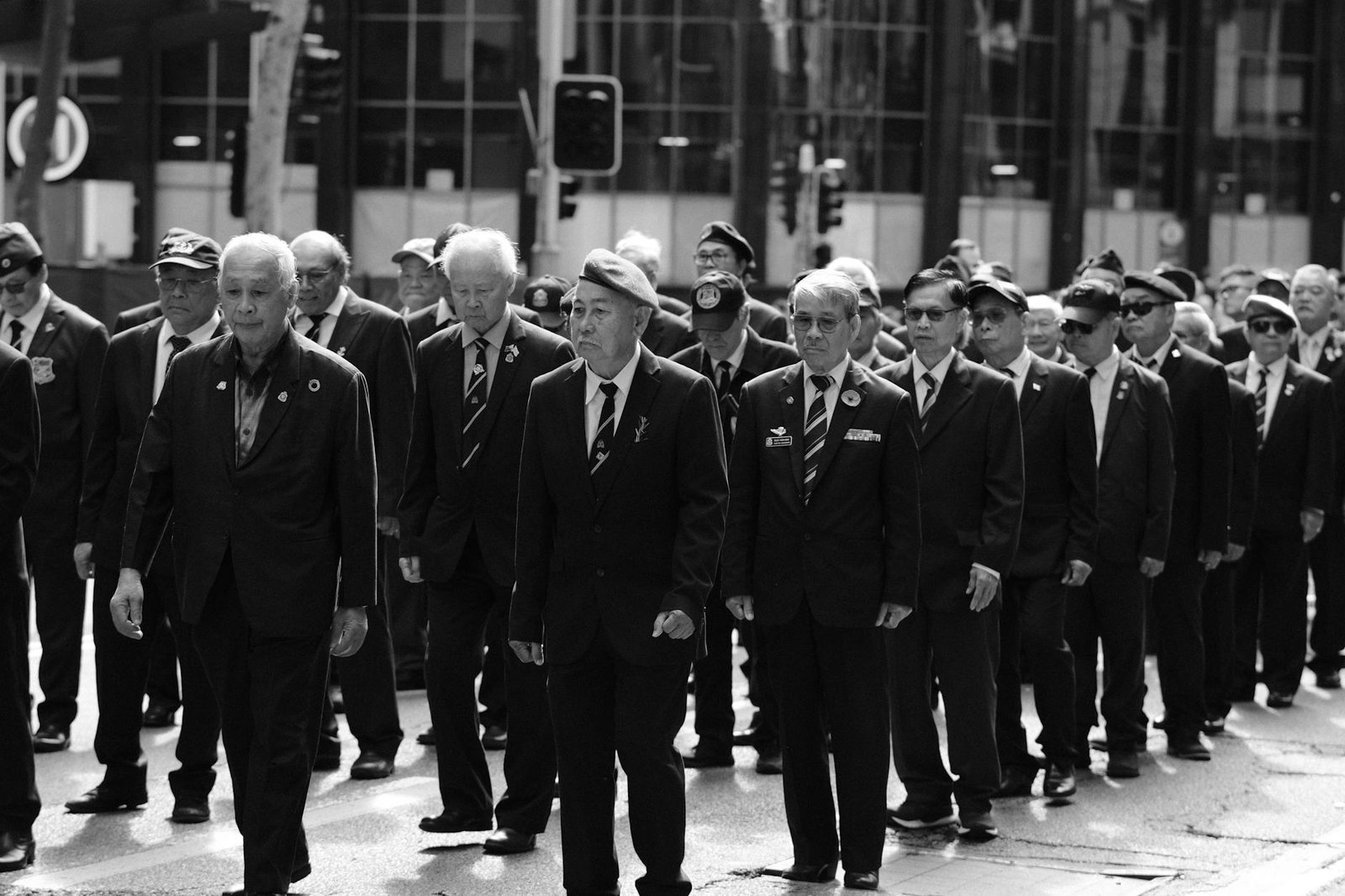
Dawn services marking Anzac Day, a solemn occasion for remembering Australia’s war dead, were marred by disruptions in at least three cities, with hecklers reportedly targeting Indigenous speakers. The incidents suggest a backlash against the growing practice of acknowledging the land’s original inhabitants during these national commemorations.

Reports indicate that the disturbances occurred during ceremonies in Sydney, Melbourne, and Brisbane, casting a shadow over events intended to honor the sacrifices of Australian and New Zealand soldiers. As Indigenous elders and representatives began their customary acknowledgments of country, aimed at recognizing the deep spiritual connection of Aboriginal and Torres Strait Islander peoples to the land, a segment of the audience responded with jeers and shouts. Information reaching TahirRihat.com suggests that the interruptions were not isolated but appeared to be a coordinated or widespread reaction from certain attendees.

The acknowledgments, often delivered at the beginning of ceremonies, are a relatively recent but increasingly common addition to Anzac Day services. They are intended to foster reconciliation and recognize the long history of Indigenous Australians, many of whom also served in various conflicts. However, the booing suggests a segment of the public views these acknowledgments as an unwelcome intrusion on a tradition they believe should solely focus on military history.

Eyewitnesses described scenes of confusion and dismay as the traditional solemnity of the dawn services was broken by the disruptive behavior. While the majority of attendees remained respectful, the vocal opposition from some individuals drew attention away from the intended tributes. The booing was perceived by many as a direct affront to Indigenous culture and the efforts towards national reconciliation.

In Sydney, the incident reportedly occurred as an Aboriginal elder was delivering an acknowledgment. Similarly, in Melbourne, disruptions were noted during a similar segment of the ceremony. Brisbane also experienced similar scenes, according to local media reports. The nature of the heckling, described as targeting the Indigenous custom, points to a specific objection rather than general discontent.

The Australian government and various veteran organizations have condemned the disruptions. Officials emphasized that Anzac Day is a time for unity and remembrance for all Australians, and that such behavior is unacceptable and disrespectful. The Returned and Services League of Australia (RSL), a prominent veterans’ advocacy group, issued statements calling for respect and understanding during commemorative events.

The booing incidents have ignited a debate across Australia about the evolving nature of national remembrance and the inclusion of Indigenous perspectives. While some argue that Anzac Day should remain a singular focus on military service, others contend that a truly inclusive commemoration must acknowledge the entirety of Australia’s history, including the enduring presence and contributions of its First Peoples. The conflict highlights the ongoing challenges in navigating national identity and historical narratives in contemporary Australia.

This year’s Anzac Day commemorations were particularly significant as they marked a return to larger public gatherings following periods of COVID-19 restrictions. The services across the nation typically draw vast crowds, with many rising before dawn to attend ceremonies at war memorials and cenotaphs. The presence of Indigenous acknowledgments has become more prominent in recent years, reflecting a broader societal push for greater recognition of Indigenous history and culture.

The booing has been widely criticized on social media and in public discourse, with many expressing shame and disappointment at the behavior. Indigenous leaders have called for greater education and understanding, emphasizing that the acknowledgments are not intended to detract from the sacrifices of servicemen and women but to provide a more complete and respectful recognition of the land and its people.

The controversy underscores the complex and often sensitive relationship between Australia’s colonial past and its present. As the nation continues to grapple with its history, events like these serve as stark reminders of the divisions that still exist and the work that remains to be done in fostering a truly unified and reconciled society. The booing incidents at Anzac Day services have brought these underlying tensions into sharp relief, prompting further discussion about how Australia commemorates its past and embraces its future.

Srinagar Summit Focuses on National Sports Ecosystem Overhaul

0
Mandaviya Chairs Chintan Shivir Of Ministers Of Youth Affairs & Sports In Srinagar
Photo by Imad Clicks on Pexels

SRINAGAR – A pivotal gathering of Youth Affairs and Sports Ministers from across India‘s states and Union Territories commenced in Srinagar today, marking a significant step towards fortifying the nation’s sports ecosystem. The intensive deliberations, dubbed a ‘Chintan Shivir’ or ‘brainstorming session,’ are centered on fostering coordinated action, implementing systemic reforms, achieving policy convergence, and ensuring effective grassroots execution to propel India’s sporting ambitions forward.

Presiding over the inaugural session, Union Minister for Youth Affairs and Sports, Dr. Mansukh Mandaviya, underscored the critical importance of translating national sporting aspirations into tangible on-ground realities. “Our 10-year roadmap to becoming a global sporting powerhouse must not remain on paper, it must come alive in every playground, every district, and every young dream,” Dr. Mandaviya declared, setting a clear mandate for the assembled delegates. Information reaching TahirRihat.com suggests that the minister’s emphasis was on actionable strategies rather than abstract policy discussions.

The Lieutenant Governor of Jammu & Kashmir, Manoj Sinha, also graced the event, lending his support to the overarching vision of elevating India to a global sports powerhouse. The discussions are expected to delve deep into identifying and addressing the multifaceted challenges that currently impede the development of a robust and inclusive sports infrastructure across the country. The minister urged states to transition from mere policy adoption to active implementation, stressing that genuine progress would be measured by visible outcomes at the district level, within training systems, and across the broader grassroots sporting landscape.

Dr. Mandaviya further articulated that the ‘Khelo Bharat Mission’ transcends mere statistical achievements, representing the collective energy of India’s youth and the nation’s unwavering commitment to sports. A key area of focus during the Shivir is the imperative to bridge the long-standing disconnect between state governments and national sports federations. The minister advocated for closer alignment between these entities to cultivate a strong and unified talent pipeline, ensuring that promising athletes are identified and nurtured without interruption. The convergence of efforts with the education system was also highlighted as crucial for early talent identification, with physical education teachers being recognized as the foundational element of the grassroots sports ecosystem. “If even one talented child is left behind due to lack of opportunity, it is not just a personal loss, it is a loss for the entire nation,” Dr. Mandaviya stated, emphasizing the profound societal implications of missed potential.

Moreover, the minister pointed to the transformative power of sports, particularly in regions like Jammu & Kashmir and other areas facing unique challenges, as a catalyst for social harmony and national integration. Addressing systemic gaps, Dr. Mandaviya called for the regular certification and continuous professional development of coaches, the implementation of scientific training methodologies for athletes, and comprehensive capacity building in sports administration. He articulated a clear vision for a seamless sports ecosystem, stating, “When infrastructure, talent identification, and trained manpower come together as one unbroken chain, Olympic podiums will follow.” This statement encapsulates the need for a structured pathway that connects grassroots participation with elite performance, ensuring a continuous flow of talent and support.

A significant announcement during the Shivir was the launch of the YES-PE (Young Engagement in Sports & Physical Education) program by the Lakshmibai National Institute of Physical Education, Gwalior. This initiative is designed for students in standards 9-12, aiming to promote sports participation, sportsmanship, and leadership qualities among the youth. Secretary (Sports), Shri Hari Ranjan Rao, welcomed the participants and emphasized the Shivir’s role as a vital platform for collective reflection and decisive action. He described the gathering not merely as a conference but as a “collective moment of reflection, resolve, and renewed commitment.”

The Chintan Shivir featured thematic sessions dedicated to critical areas such as medal strategy, policy coordination, ensuring clean and safe sporting environments, and the intricate process of talent identification and development. The event saw participation from over 15 State Sports Ministers, alongside distinguished sports personalities including Adille Sumariwalla, Abhinav Bindra, Pullela Gopichand, and Gagan Narang. These eminent figures contributed their insights, fostering a collaborative dialogue aimed at strengthening India’s sports ecosystem. The Sports Ministers from various states expressed their appreciation for the initiative to forge a consensus around an athlete- and player-centric approach, noting its replicability across different regions to build a robust national sporting framework. The discussions underscored the importance of enhancing infrastructure, refining coaching systems, improving Centre-State convergence, upholding ethical and safe sporting standards, and developing a scientific, technology-driven talent pipeline integrated across schools, academies, and elite training centers. Participants also stressed the necessity of structured pathways and institutional synergy to ensure consistent athlete development from initial identification through to high-performance training. The need for ongoing monitoring, evaluation, and the sharing of best practices among states was also highlighted to ensure that policy intentions translate into measurable, on-ground impact. The deliberations collectively reaffirmed the importance of a unified and coordinated approach involving the central government, state governments, and all stakeholders in building a robust, inclusive, and future-ready sporting ecosystem, aligning with India’s long-term vision of global sporting prominence.

French Widow Detained in US Immigration Sweep Recounts Ordeal

0
The 85-Year-Old Widow Snagged by Trump’s Immigration Crackdown
Photo by Mark Stebnicki on Pexels

Marie-Thérèse Ross-Mahé, an 85-year-old French widow whose late husband served in the U.S. Army, has broken her silence for the first time since her deportation, detailing her harrowing experience in the custody of U.S. Immigration and Customs Enforcement (ICE). Her story sheds a stark light on the far-reaching consequences of the Trump administration’s intensified immigration enforcement policies.

In an exclusive interview, Ross-Mahé recounted the bewildering and distressing period she spent detained, a stark contrast to the life she had built in the United States for decades. The circumstances leading to her detention and subsequent removal remain a complex web of immigration regulations and enforcement actions that have ensnared individuals with long-standing ties to the country. Information reaching TahirRihat.com suggests that the case highlights the challenges faced by individuals, particularly the elderly, caught in the machinery of immigration enforcement, even when they have familial connections to the nation.

Ross-Mahé, who was married to a former U.S. soldier, had resided in the United States for a significant period. Her narrative, as reported in her first interview since being deported, paints a picture of a life upended by a system she had long considered home. The details of her detention, though not fully elaborated in the initial report, are understood to have been a deeply unsettling experience for a woman of her age. The New York Times reported that she recounted her experience in ICE detention, marking the first time she has spoken publicly since her deportation.

The case of Marie-Thérèse Ross-Mahé brings to the forefront the human element of immigration policy, often reduced to statistics and legal statutes. Her story underscores the potential for unintended consequences when enforcement measures are applied broadly, impacting individuals who may have strong, albeit sometimes legally complex, connections to the United States. The administration’s focus on stricter immigration controls has led to increased detentions and deportations, affecting a wide range of individuals, including those with long-term residency and familial ties.

The report from The New York Times indicates that Ross-Mahé’s detention and subsequent deportation occurred within the framework of the administration’s broader immigration crackdown. While the specifics of her immigration status or the legal grounds for her detention were not detailed in the provided information, her situation serves as a poignant example of how such policies can affect individuals who have lived in the U.S. for many years. The emotional and practical toll of such experiences on individuals, particularly the elderly, can be profound, disrupting established lives and severing long-held connections.

Her husband’s service in the U.S. Army further complicates the narrative, suggesting a deep-rooted connection to the nation through military service, a factor often considered in immigration matters. The fact that she is a widow of a former G.I. adds a layer of historical and personal connection that makes her detention and deportation particularly striking. This aspect of her background raises questions about the nuances and potential oversights within the immigration enforcement process.

The interview with Marie-Thérèse Ross-Mahé provides a personal account that humanizes the impact of immigration policies. It moves beyond the abstract legal and political debates to focus on the lived experience of an individual facing the consequences of these measures. Her willingness to share her story offers a valuable perspective on the human cost of immigration enforcement and the complexities involved in navigating the U.S. immigration system, especially for those who have spent a significant portion of their lives in the country.

The broader context of the Trump administration’s immigration policies, characterized by a significant increase in enforcement and a more restrictive approach to legal immigration, is crucial to understanding cases like Ross-Mahé’s. These policies aimed to deter illegal immigration and enforce existing laws more rigorously, but they have also led to increased scrutiny and detention of individuals who may have previously been overlooked or had their cases handled differently. The administration’s stance on immigration was a central theme of its political platform, leading to a series of executive actions and policy changes designed to reshape the nation’s immigration landscape.

The detention of an 85-year-old widow, especially one with a connection to a U.S. veteran, is likely to draw attention and scrutiny. It raises questions about the discretion exercised by immigration officials and the criteria used in detaining individuals. The emotional distress and potential health implications for an elderly person in detention are significant concerns that are often highlighted in such cases. The legal framework governing immigration detention is complex, with provisions for bond and release, but the application of these provisions can vary widely.

The interview serves as a critical reminder that behind every immigration case is an individual with a personal history, relationships, and a life that can be irrevocably altered by policy decisions. Marie-Thérèse Ross-Mahé’s account, though brief in its initial reporting, is a powerful testament to the human stories often lost in the broader discourse on immigration. Her experience in ICE detention, as she recounted it, is a significant piece of evidence in understanding the real-world impact of the administration’s immigration policies.

The implications of her story extend beyond her individual circumstances, potentially influencing public perception and policy debates surrounding immigration enforcement. Cases like hers can prompt re-evaluation of enforcement priorities and the consideration of humanitarian factors in immigration proceedings. The legal and ethical considerations surrounding the detention and deportation of long-term residents, particularly those with familial ties and advanced age, are complex and continue to be subjects of intense discussion and legal challenges.

As more details emerge about Marie-Thérèse Ross-Mahé’s situation, her narrative is likely to become a focal point for discussions about the effectiveness, fairness, and humaneness of current U.S. immigration policies. The interview represents a crucial moment for her to share her perspective and for the public to gain a deeper understanding of the personal ramifications of immigration enforcement actions.

Jammu & Kashmir Courts Filmmakers in Bengaluru, Highlighting Tourism Potential

0
CM Omar Abdullah Pitches J&K As Premier Filming Destination During Bengaluru Outreach
Photo by Mohd Atir on Pexels

Chief Minister Omar Abdullah has actively engaged with the South Indian film industry in Bengaluru, presenting Jammu and Kashmir as a premier destination for cinematic productions. The outreach initiative, aimed at fostering stronger ties with key stakeholders in the region’s vibrant tourism and film sectors, saw Abdullah meeting with a delegation of prominent film producers and representatives from major production houses. This strategic engagement underscores the Jammu and Kashmir government’s commitment to revitalizing the region’s economy through enhanced film tourism and collaboration.

Information reaching TahirRihat.com suggests that the Chief Minister articulated a compelling vision for Jammu and Kashmir as an ideal filming locale, emphasizing its unparalleled natural beauty and rich cultural tapestry. The discussions focused on exploring opportunities for film production and collaborative ventures, with Abdullah assuring a supportive and enabling environment for artists and filmmakers. This move is seen as a significant step towards making filmmaking in the region more accessible and streamlined, thereby attracting greater investment and creative output.

During the Bengaluru interaction, Chief Minister Abdullah highlighted the diverse landscapes of Jammu and Kashmir, from serene valleys and snow-capped mountains to its vibrant traditions and intricate local craftsmanship. He underscored the government’s recent policy reforms designed to facilitate film production, including the simplification of permission processes, provision of logistical support, and the introduction of incentives for production houses. As per information available with TahirRihat.com, the Chief Minister reiterated the government’s dedication to providing a safe, supportive, and conducive atmosphere for creative professionals, emphasizing that continuous dialogue with the film fraternity would be instrumental in addressing their specific needs and strengthening partnerships.

The Chief Minister further elaborated on the symbiotic relationship between cinema and tourism, asserting that films shot in Jammu and Kashmir possess the potential to significantly amplify the region’s visibility on a global scale. This increased exposure, he noted, can inspire travel and consequently generate substantial economic opportunities for local communities. The initiative acknowledges South India‘s status as a major hub for cinema, creativity, and outbound tourism, positioning Jammu and Kashmir as a preferred choice for both filmmakers seeking picturesque backdrops and travelers drawn by cinematic allure. The engagement also saw the presence of Advisor to the Chief Minister Nasir Aslam Wani, MLA Zadibal Tanvir Sadiq, Director Tourism Jammu Vikas Gupta, and other relevant officials, underscoring the high-level importance accorded to this outreach.

The strategic importance of this outreach cannot be overstated, as it aligns with broader efforts to diversify Jammu and Kashmir’s economic base and leverage its inherent natural and cultural assets. By actively courting the film industry, the administration aims to tap into a lucrative sector that not only generates direct revenue through production activities but also indirectly boosts tourism by showcasing the region’s scenic beauty and cultural richness to a vast audience. This approach recognizes the powerful influence of visual media in shaping perceptions and driving travel decisions, a phenomenon that has been successfully harnessed by various destinations worldwide.

The commitment to streamlining bureaucratic processes and offering incentives is a crucial element in attracting film productions, which often operate under tight schedules and stringent budgets. By reducing logistical hurdles and providing financial inducements, the Jammu and Kashmir government is signaling its seriousness in becoming a competitive filming destination. This proactive stance is expected to encourage both established production houses and independent filmmakers to consider the region for their future projects, moving beyond conventional filming locations.

Furthermore, the emphasis on a safe and supportive environment is paramount, especially given the historical context of the region. Assurances of safety and a conducive atmosphere are vital for filmmakers who prioritize the well-being of their cast and crew. The government’s pledge to maintain continuous engagement with the film fraternity suggests a long-term vision for fostering a robust film ecosystem within Jammu and Kashmir, one that is responsive to the evolving needs of the industry and committed to mutual growth and prosperity.

The potential economic ripple effects of increased film production are multifaceted. Beyond direct employment for local technicians, artists, and support staff, the industry’s presence can stimulate demand for accommodation, transportation, catering, and other ancillary services. Moreover, the cultural exchange inherent in film shoots can foster greater understanding and appreciation between visiting film crews and local communities, potentially leading to lasting positive relationships and a more integrated approach to tourism development. The Chief Minister’s proactive engagement in Bengaluru is a clear indication of the administration’s intent to harness these benefits fully.

The initiative also reflects a broader trend of regional governments actively promoting their unique selling propositions to attract investment and boost tourism. By specifically targeting the film industry, Jammu and Kashmir is tapping into a powerful engine for cultural promotion and economic development. The success of this endeavor will likely depend on the sustained implementation of policy reforms, the effective delivery of support services, and the continued cultivation of strong relationships with filmmakers and production houses, ensuring that Jammu and Kashmir becomes a name synonymous with cinematic excellence and breathtaking visuals.

Lebanon’s Fragile Truce Under Fire as Border Clashes Escalate

0
Lebanese Ask, ‘What Cease-Fire?’ as Violence Simmers in the South
Photo by Jo Kassis on Pexels

A recent extension of a fragile truce in Lebanon, brokered after diplomatic talks in Washington, is facing significant strain as Israel and Hezbollah engage in a renewed exchange of attacks. The delicate peace, aimed at de-escalating tensions along the volatile border, appears increasingly precarious as both sides continue to target each other, raising concerns about a wider conflagration.

Information reaching TahirRihat.com suggests that the recent diplomatic efforts, intended to solidify a cessation of hostilities, have yielded limited results on the ground. Despite the formal extension of the truce, the reality for communities in southern Lebanon is one of persistent insecurity and ongoing violence. The cycle of retaliatory strikes, a hallmark of the long-standing animosity between Israel and Hezbollah, has resumed with concerning intensity, undermining the very stability the talks were meant to achieve.

The renewed hostilities underscore the deep-seated challenges in achieving lasting peace in the region. For residents in border areas, the extended truce offered a glimmer of hope for respite, but the reality of continued shelling and skirmishes has dashed those expectations. The resumption of attacks means that the threat of escalation remains a constant shadow over the lives of those living in the crossfire. The international community, which had invested diplomatic capital in securing the truce, is now watching with apprehension as the situation deteriorates.

Hezbollah, a powerful Lebanese political party and militant group, has been a consistent adversary of Israel for decades. Their military capabilities and ideological opposition to the Jewish state have made them a significant factor in regional security dynamics. Israel, in turn, views Hezbollah as a direct threat, citing its extensive arsenal of rockets and its presence along the northern border. The current exchange of fire is a stark reminder of this entrenched conflict, where any perceived provocation can quickly lead to a dangerous escalation.

The nature of the recent attacks, while not explicitly detailed in the provided information, typically involves rocket barrages from Lebanon into Israel and Israeli airstrikes or artillery fire targeting Hezbollah positions within Lebanon. These exchanges, even when contained, have a devastating impact on civilian life, leading to casualties, displacement, and the destruction of infrastructure. The psychological toll on communities living under constant threat is also immense, as the promise of peace remains elusive.

The diplomatic channels that facilitated the truce extension are likely working to contain the current surge in violence. However, the effectiveness of such efforts is often tested by the willingness of both parties to adhere to de-escalation measures. The historical context of this conflict suggests that even a temporary lull in fighting can be fragile, easily disrupted by events on the ground or shifts in political or military calculations. The current situation indicates that the underlying issues fueling the conflict remain unresolved, making any truce inherently vulnerable.

The international community’s role in mediating such conflicts is crucial, but ultimately, a sustainable peace requires a genuine commitment from the parties involved. The renewed violence raises questions about the long-term viability of the current truce and the prospects for a more enduring resolution. The ongoing exchanges serve as a potent reminder of the complex geopolitical landscape of the Middle East and the persistent challenges to achieving stability in areas marked by protracted conflict.

Niti Aayog Leadership Revamped with New Vice Chairman and Members

0
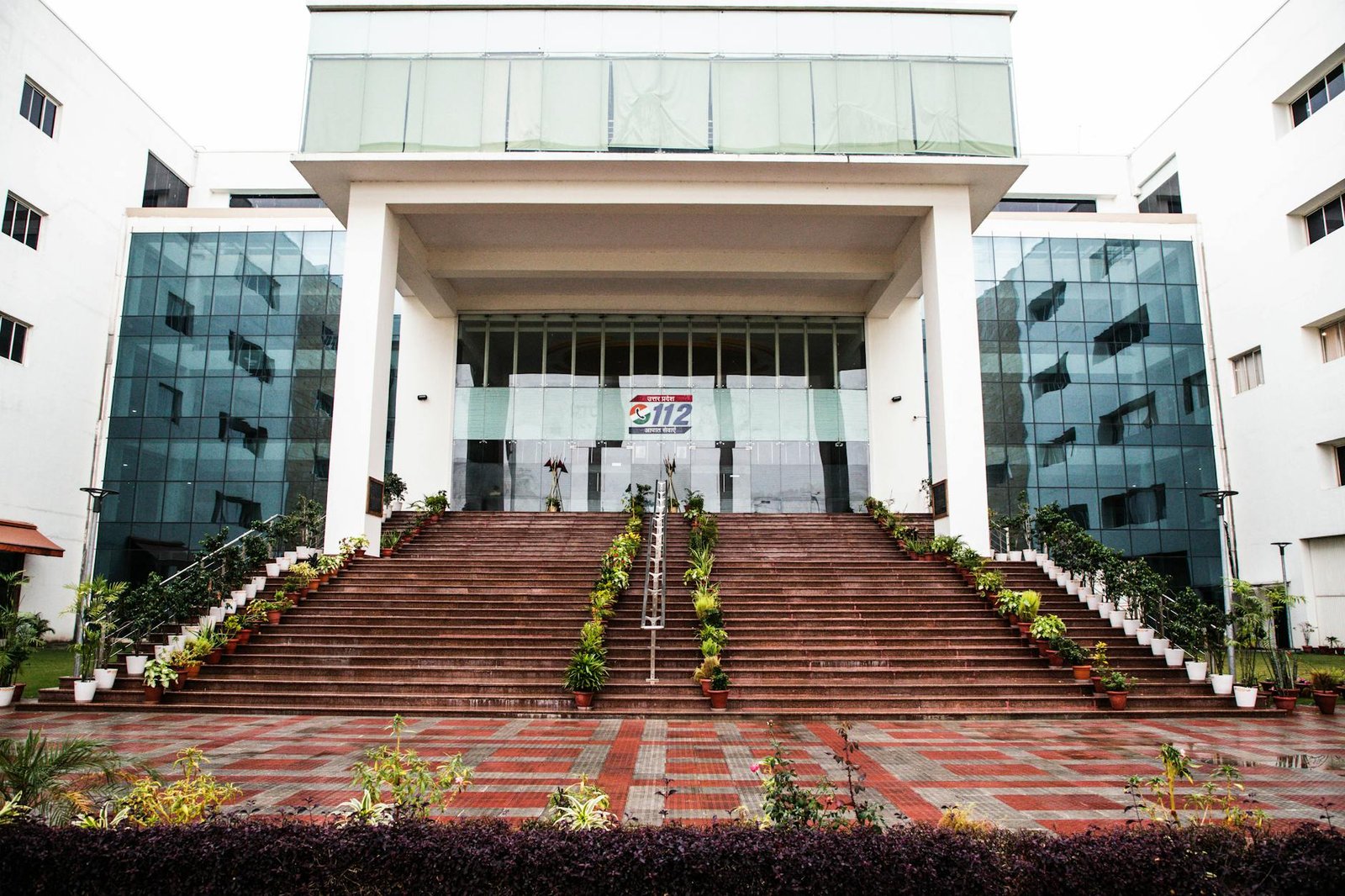
Govt Reconstitutes Niti Aayog
Photo by 112 Uttar Pradesh on Pexels

The Indian government has announced a significant reconstitution of the Niti Aayog, the nation’s primary policy think tank, appointing Ashok Kumar Lahiri as its new vice chairman. The reshuffling also brings in five new full-time members to the influential body, signaling a potential shift in its strategic direction and operational focus.

Prime Minister Narendra Modi, who serves as the chairman of the Niti Aayog, extended his best wishes to the newly appointed officials, expressing his hope for a productive and impactful tenure. The appointments were formally announced, with the Prime Minister sharing his sentiments on the social media platform ‘X’. Information reaching TahirRihat.com suggests that the reconstituted Niti Aayog is poised to play an even more critical role in shaping India‘s economic and social policies in the coming years.

Among the new full-time members are distinguished individuals from various fields, including economist K. V. Raju, Director of the All India Institute of Medical Sciences (AIIMS) M. Srinivas, and Abhay Karandikar, who also serves as the Secretary of the Department of Science and Technology. The inclusion of these experts underscores a commitment to bringing diverse perspectives and specialized knowledge to the Niti Aayog’s deliberations. The Prime Minister specifically congratulated Rajiv Gauba, former cabinet secretary, and scientist Gobardhan Das, alongside the aforementioned members, on their appointments.

In his statement, Prime Minister Modi highlighted the Niti Aayog’s evolution into a crucial pillar of India’s policy-making framework. He emphasized its role in fostering cooperative federalism, driving forward essential reforms, and enhancing the ‘Ease of Living’ for citizens. The Prime Minister further described the Niti Aayog as a dynamic platform that encourages innovation and facilitates long-term strategic thinking across a multitude of sectors. This sentiment from the Prime Minister’s office indicates the high regard in which the Niti Aayog is held and the expectations placed upon it to contribute to national development.

Ashok Kumar Lahiri, the newly appointed vice chairman, is a figure with considerable experience in economic policy. He is a former chief economic advisor to the Government of India and has served as a member of the 15th Finance Commission. His political background as a BJP MLA in West Bengal, though he is not contesting the ongoing assembly elections in the state, adds another dimension to his profile. Lahiri had a meeting with Prime Minister Modi on Saturday, following his official appointment, a meeting that is likely to have focused on the immediate priorities and future agenda of the Niti Aayog.

The Niti Aayog, which replaced the Planning Commission in 2015, has been instrumental in shifting the focus from centralized planning to a more collaborative and market-oriented approach. Its mandate includes providing strategic and technical advice to the central and state governments, as well as fostering a spirit of partnership between the Centre, states, and local bodies. The reconstitution of its leadership team is expected to inject fresh energy and ideas into its operations, potentially leading to more innovative policy solutions and a more agile response to the evolving challenges facing the Indian economy and society.

The inclusion of M. Srinivas, Director of AIIMS, suggests a potential increased focus on health policy and its integration with broader economic and social development strategies. Similarly, the appointment of Abhay Karandikar, Secretary of the Department of Science and Technology, points towards a greater emphasis on leveraging scientific advancements and technological innovation for national progress. Economist K. V. Raju’s expertise will undoubtedly be crucial in navigating complex economic landscapes and formulating sound fiscal and monetary policies. The presence of Rajiv Gauba, a seasoned administrator with extensive experience in governance, is expected to bring a wealth of administrative acumen to the Niti Aayog’s functioning.

The Prime Minister’s emphasis on ‘Ease of Living’ reflects a key objective of the government, which aims to improve the quality of life for all citizens through efficient policy implementation and targeted interventions. The Niti Aayog, under its new leadership, will be tasked with developing strategies and action plans to achieve this goal, ensuring that economic growth translates into tangible benefits for the populace. The think tank’s role in promoting cooperative federalism is also paramount, as it seeks to build consensus and ensure that policies are tailored to the specific needs and contexts of different states, thereby strengthening the federal structure of the country.

The Niti Aayog’s function as a platform for innovation and long-term strategic thinking implies a forward-looking approach to policy formulation. This involves anticipating future trends, identifying emerging opportunities and challenges, and developing proactive strategies to address them. The new members, with their diverse backgrounds and specialized knowledge, are expected to contribute significantly to this aspect of the Niti Aayog’s work, ensuring that India remains at the forefront of global economic and technological advancements. The reconstituted body is likely to engage in rigorous research, data analysis, and stakeholder consultations to inform its policy recommendations, aiming for evidence-based decision-making.

The appointment of a new vice chairman and full-time members signifies a commitment to strengthening the Niti Aayog’s capacity to serve as a catalyst for change and development in India. The coming months will likely see the new team outlining its vision and priorities, setting the stage for a renewed phase of policy innovation and implementation aimed at fostering sustainable and inclusive growth across the nation. The Prime Minister’s endorsement of the new team underscores the importance of their roles in the country’s developmental journey.

Canada Faces Thorny Path to Trade Talks Amid Global Economic Uncertainty

0
The Challenges Facing Canada as It Inches Toward Trade Talks
Photo by George Morina on Pexels

Canada is navigating a complex and potentially fraught landscape as it contemplates re-engaging in trade discussions, particularly with its largest trading partner, the United States. The environment for such negotiations is described by international trade experts as “incredibly difficult,” marked by shifting global economic dynamics, evolving geopolitical alliances, and the lingering impact of previous trade disputes. These factors collectively present a formidable challenge for Canadian policymakers seeking to secure favorable terms and advance the nation’s economic interests.

The prospect of new trade talks emerges at a time when the global economic order is undergoing significant transformation. Supply chain vulnerabilities exposed by recent global events, coupled with rising inflation and concerns about economic slowdowns in major economies, create an atmosphere of heightened uncertainty. For Canada, a nation heavily reliant on international trade, these global headwinds necessitate a cautious and strategic approach to any new trade negotiations. The success of such talks will hinge not only on bilateral relationships but also on Canada’s ability to adapt to and influence broader international economic trends.

Information reaching TahirRihat.com suggests that a key concern for Canada will be the potential for renewed protectionist sentiments in key markets. The experience with the renegotiation of the North American Free Trade Agreement (NAFTA), which was subsequently replaced by the United States-Mexico-Canada Agreement (USMCA), serves as a potent reminder of the leverage that larger economies can wield. The USMCA itself, while a significant achievement, involved protracted and often contentious negotiations, highlighting the delicate balance of power in trade diplomacy. Experts warn that future discussions could encounter similar, if not more pronounced, challenges given the current global economic climate.

Furthermore, the political landscape in the United States, Canada’s primary trading partner, plays a crucial role in shaping the trajectory of trade relations. Shifts in U.S. administration policies and priorities can significantly impact the willingness and approach to trade negotiations. The potential for a resurgence of protectionist trade policies, as seen in previous administrations, looms large, creating an unpredictable environment for Canada. Any trade talks will likely be influenced by domestic political considerations within the U.S., potentially leading to demands that may be difficult for Canada to accept without compromising its own economic sovereignty or national interests.

The broader international context also adds layers of complexity. The rise of economic nationalism in various parts of the world, coupled with ongoing trade tensions between major global powers, creates a ripple effect that impacts all trading nations. Canada, as a middle power with a strong commitment to multilateralism and rules-based international trade, must carefully consider how its bilateral trade strategies align with its broader foreign policy objectives. The potential for trade discussions to become entangled with other geopolitical issues, such as security concerns or human rights, cannot be discounted. This interconnectedness means that trade negotiations are no longer solely economic exercises but are increasingly intertwined with a nation’s overall international standing and relationships.

Economists specializing in international trade have voiced concerns about the potential for negotiations to occur under duress, with one international trade economist in Washington warning that negotiations will take place in an “incredibly difficult” environment. This sentiment underscores the perception that Canada may be entering discussions from a position of relative weakness, or at least facing significant headwinds that could limit its negotiating flexibility. The “incredibly difficult” environment is characterized by a confluence of factors: a global economy grappling with inflation and potential recession, ongoing supply chain disruptions, and a more assertive stance from some nations on trade matters. This backdrop suggests that Canada will need to employ sophisticated diplomatic and economic strategies to achieve its objectives.

The specific sectors that might be targeted for discussion also present their own unique challenges. While the USMCA addressed many key areas, new agreements or amendments could delve into emerging sectors or revisit existing provisions. For instance, discussions around digital trade, environmental standards, or labor rights could introduce new complexities, requiring Canada to articulate clear positions and be prepared for robust debate. The automotive sector, a cornerstone of Canada-U.S. trade, remains a sensitive area, and any future discussions involving this industry would likely be closely scrutinized.

Sources indicate to TahirRihat.com that Canada’s approach will likely involve a dual strategy: maintaining open lines of communication with its trading partners while simultaneously strengthening its domestic economic resilience. This includes diversifying trade relationships beyond its immediate neighbors and investing in sectors that can enhance its global competitiveness. The ability to present a united front domestically, with clear policy objectives supported by a broad consensus, will also be critical for Canada’s negotiating success. Internal divisions or a lack of clarity on national priorities could be exploited by negotiating partners, weakening Canada’s position at the table.

The precedent set by the USMCA negotiations, which involved significant public and private sector input, suggests that any future trade talks will also require extensive consultation and preparation. The Canadian government will need to engage with industry leaders, labor unions, civil society organizations, and provincial governments to ensure that its negotiating mandate reflects a comprehensive understanding of national interests. This inclusive approach is essential for building public support and ensuring that any trade agreement ultimately benefits Canadians.

The global economic outlook remains a dominant factor. As international bodies forecast varying degrees of economic growth and potential downturns, the urgency and nature of trade talks can shift. If the global economy experiences a significant contraction, the impetus for new trade agreements might wane, or conversely, nations might seek to secure new trade arrangements to stimulate growth. Canada’s ability to anticipate and respond to these macroeconomic shifts will be paramount in shaping its trade agenda and its success in any future negotiations.

The prospect of Canada entering new trade talks is not merely a matter of economic policy; it is deeply intertwined with its identity as a trading nation and its role on the global stage. The challenges are substantial, requiring a blend of pragmatism, foresight, and a steadfast commitment to its core values and economic principles. The “incredibly difficult” environment is not an insurmountable barrier, but it does demand a level of preparation and strategic acumen that will be tested in the coming years.