Home Blog Page 232

Europe Braces for Extended Ukraine Conflict Amidst Strategic Stalemate

0
Europe Prepares for a Longer War in Ukraine, With No Strategy to End It
Photo by Mathias Reding on Pexels

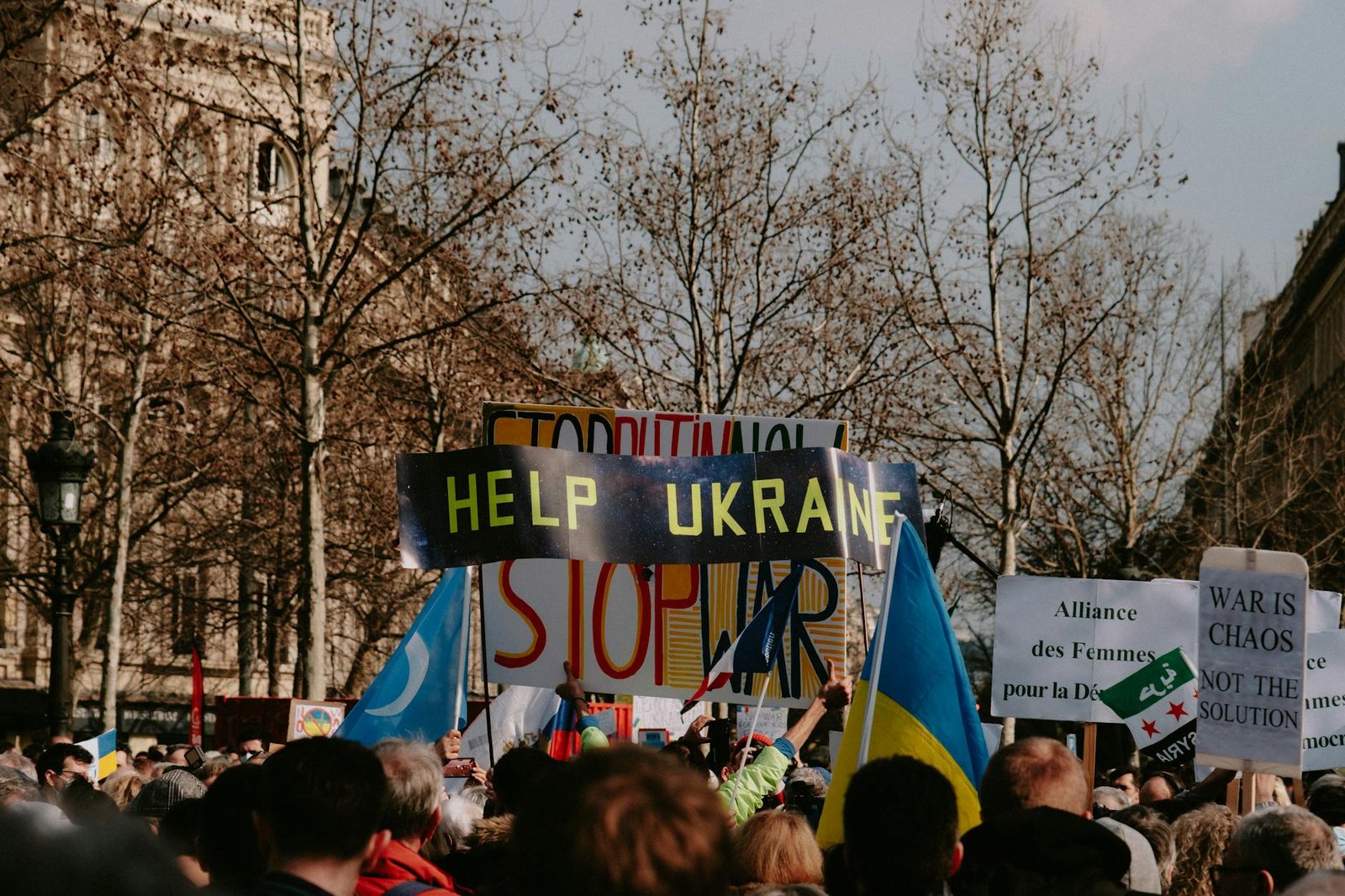
European nations are increasingly preparing for a protracted conflict in Ukraine, a shift in posture reflecting a growing realization that neither a swift military victory nor a negotiated peace is on the immediate horizon. This strategic recalibration comes as the United States, a crucial player in diplomatic efforts, finds its attention largely consumed by complex negotiations with Iran. The absence of a strong American diplomatic push leaves both Russia and Ukraine without a clear pathway to either decisive triumph on the battlefield or a mutually acceptable resolution through talks.

The current geopolitical landscape, as observed by TahirRihat.com, suggests a deepening of the war’s impact on the European continent, with significant implications for its economic stability and security architecture. The prolonged engagement in Ukraine is straining resources and forcing a re-evaluation of defense spending and energy policies across the European Union. The initial hopes for a rapid conclusion to the hostilities have gradually given way to a more somber assessment of the conflict’s enduring nature. This transition in European thinking is not a sudden development but rather a gradual acknowledgment of the entrenched positions of the belligerents and the complex web of international interests involved.

Information reaching TahirRihat.com suggests that the absence of robust American mediation is a key factor contributing to the current stalemate. The United States has historically played a pivotal role in brokering peace agreements, but its current focus on the Iranian nuclear program has diverted significant diplomatic bandwidth. This has created a vacuum that neither Russia nor Ukraine has been able to fill independently. Russia, under President Vladimir Putin, appears committed to its objectives in Ukraine, while Kyiv, bolstered by Western support, remains steadfast in its defense of its territorial integrity. The lack of a powerful external force to guide negotiations means that the onus is increasingly on the warring parties themselves, who, at present, seem unwilling or unable to compromise on core demands.

The economic ramifications of a prolonged war are a significant concern for European leaders. The disruption to energy markets, supply chains, and global trade continues to exert pressure on national economies. Inflationary trends, exacerbated by the conflict, are a persistent challenge, and the cost of supporting Ukraine, both militarily and financially, adds another layer of fiscal strain. European governments are now grappling with the long-term implications of this sustained economic pressure, including the potential for social unrest and political instability. The energy crisis, in particular, has forced a rapid acceleration of efforts to diversify energy sources and reduce reliance on Russian fossil fuels, a transition that is both costly and complex.

Furthermore, the security landscape of Europe is undergoing a fundamental transformation. The war has reignited debates about defense capabilities, military readiness, and the role of collective security alliances like NATO. Many European nations are increasing their defense budgets, a trend not seen in decades, as they seek to bolster their own military strength and contribute more effectively to the alliance’s deterrence posture. The perception of a resurgent Russia has prompted a renewed focus on territorial defense and military modernization. This shift in security thinking extends beyond conventional military capabilities, encompassing cyber warfare, disinformation campaigns, and hybrid threats.

The human cost of the conflict also continues to be a major concern. Millions of Ukrainians have been displaced, creating a significant refugee crisis that has tested the absorptive capacities of neighboring European countries. The long-term integration of these refugees and the ongoing humanitarian needs present a sustained challenge for European societies. The psychological toll on populations directly affected by the war, as well as the broader anxieties it generates across the continent, are also significant factors that policymakers must consider.

The absence of a clear endgame strategy for ending the war in Ukraine is a source of considerable anxiety. While European nations are committed to supporting Ukraine’s sovereignty and territorial integrity, the lack of a defined diplomatic roadmap for de-escalation or resolution leaves many uncertain about the path forward. The current approach appears to be one of sustained support for Ukraine’s defense, coupled with efforts to mitigate the economic and humanitarian consequences of the conflict. However, this strategy does not inherently address the fundamental question of how the war will ultimately conclude, leading to a sense of strategic drift.

The international community’s engagement with the conflict is also shaped by broader geopolitical dynamics. The focus on Iran by the United States, while understandable given the complexities of that relationship, has inadvertently created an environment where diplomatic leverage for resolving the Ukraine war is diminished. This has allowed the conflict to persist, with both sides seemingly unwilling to make concessions that would pave the way for peace talks. The intricate balance of power and the competing interests of global actors mean that any resolution will likely require a multifaceted approach involving a wide array of diplomatic and economic tools.

The implications of this prolonged conflict extend beyond the immediate theater of war. It is reshaping international relations, altering global economic patterns, and forcing a re-evaluation of security assumptions that have held for decades. European leaders are thus not only confronting the immediate challenges of the war but also the long-term consequences of a world order in flux. The current preparedness for a longer war is a testament to the difficult realities that have emerged, underscoring the absence of a clear strategy for its cessation and the profound impact this has on global stability.

Amit Shah Claims BJP Victory in Bengal’s First Phase, Promises CAA Implementation

0
Shah says BJP will win 110 seats in first phase of polling, promises CAA in Bengal
Photo by CP Khanal on Pexels

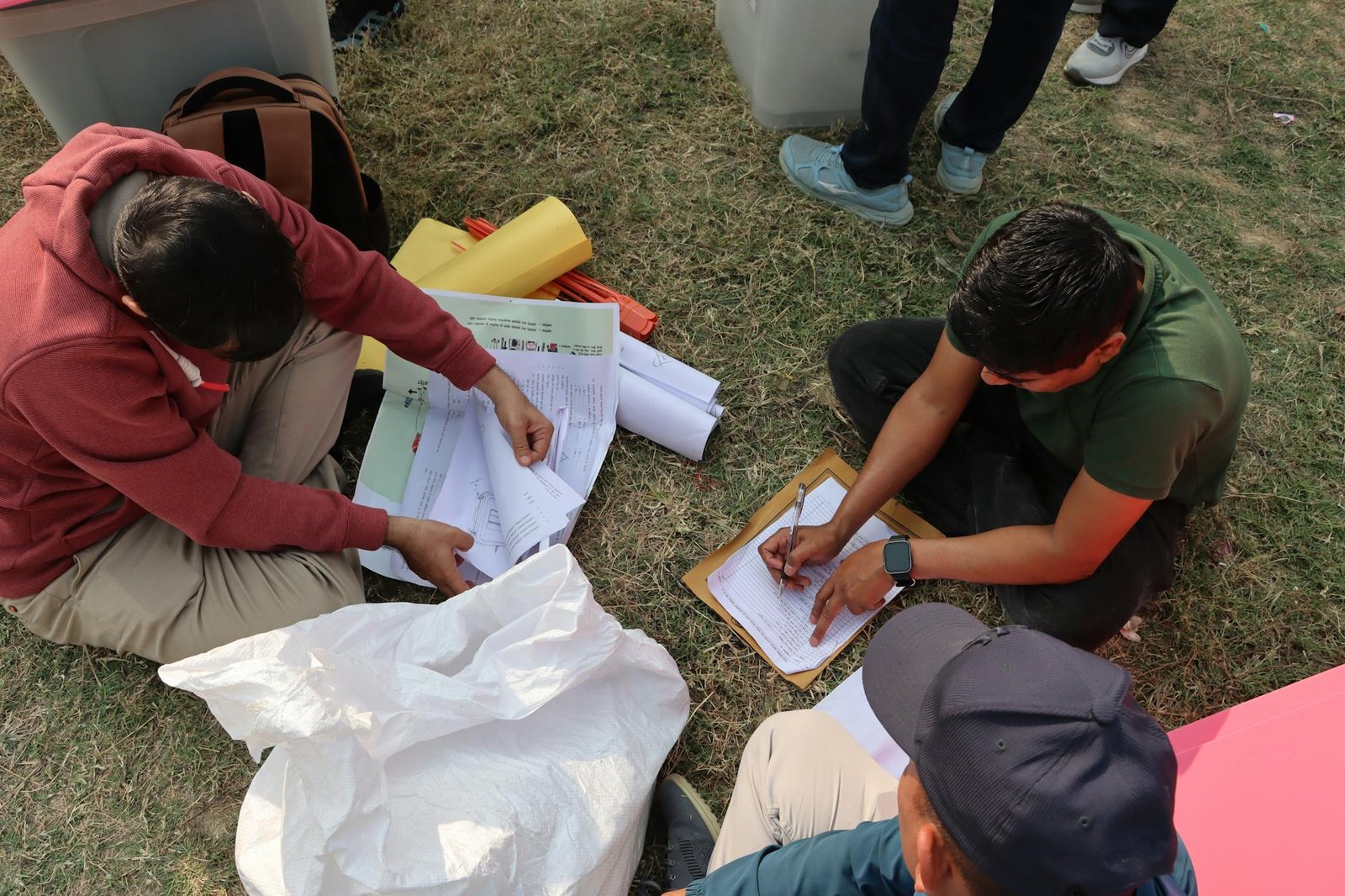
KOLKATA, West Bengal – Union Home Minister Amit Shah on Friday declared that the Bharatiya Janata Party (BJP) had already secured its victory in the initial phase of the West Bengal assembly elections, asserting that the party would win 110 seats from the polling that concluded on April 23. Addressing a large gathering at an election rally, Shah also pledged the swift implementation of the Citizenship Amendment Act (CAA) in the state, with a particular focus on the Matua community, should the BJP form the government.

The Union Home Minister’s pronouncements came as voting for the first phase of the West Bengal elections had concluded, covering 152 of the state’s 294 Assembly constituencies. This initial round of polling reportedly saw a turnout exceeding 92 percent. The subsequent phase of voting is scheduled for April 29, encompassing an additional 142 constituencies. Information reaching TahirRihat.com suggests that Shah directly challenged Chief Minister Mamata Banerjee’s stance on the CAA, accusing her administration of obstructing its implementation and fostering an environment of fear among the Matua community, thereby denying them their rightful citizenship. Shah explicitly stated, “Didi does not allow the implementation of the CAA law. You form the government of the lotus (BJP’s poll symbol), and after May 5, the BJP government will ensure that every brother and sister of the Matua community receives citizenship.”

The Matua community, a significant and politically influential group comprising refugees with origins in Bangladesh, has long sought clarity and security regarding their citizenship status. Shah’s remarks aimed to reassure this community, stating that under a BJP government, they would no longer be subjected to uncertainty. “People of the Matua community do not need to live in fear anymore,” he added, as reported by Agencies. The Union Home Minister also directed sharp criticism towards the Trinamool Congress (TMC) government concerning the issue of women’s safety. He cited several high-profile incidents, including the RG Kar case, the situation in Sandeshkhali, and alleged crimes at a law college in Kolkata, to underscore his point. “In the last 15 years of TMC rule, it is women who have suffered the most. Be it RG Kar, Sandeshkhali, or South Calcutta Law College, every incident has exposed the complete failure of Didi’s government in ensuring women’s safety,” Shah stated, according to the report.

Furthermore, Shah took exception to reported comments attributed to Chief Minister Banerjee, which allegedly advised women to refrain from venturing out after 7 p.m. He characterized such statements as indicative of the government’s inability to provide a secure environment. “Didi says women should not step out after 7 pm. But after May 5, when the BJP forms the government, even if a girl decides to go out at 1 am, nobody will dare raise an eye on her,” Shah asserted, as per the source. The BJP’s electoral strategy in West Bengal has heavily emphasized national security issues, development promises, and critiques of the incumbent TMC government’s performance, particularly concerning law and order and alleged corruption. The CAA, a central plank of the BJP’s national agenda, has been a particularly contentious issue in West Bengal, a state with a significant population of refugees from Bangladesh. The party’s promise to implement the CAA is seen as a direct appeal to the Matua community, whose electoral decisions can significantly influence outcomes in several constituencies. The political discourse surrounding the elections has been marked by intense campaigning and sharp exchanges between the ruling TMC and the challenging BJP, with both parties vying for dominance in the state’s political landscape.

The first phase of polling, which covered a substantial portion of the state’s electoral map, has set the tone for the remaining phases. Shah’s confident assertion of victory in this initial phase suggests the BJP’s assessment of its performance and its strategic positioning in the ongoing electoral battle. The focus on women’s safety and the promise of enhanced security under a BJP government are also key themes being projected by the party to garner broader support. The upcoming phases of polling will be crucial in determining whether the BJP can translate its asserted gains in the first phase into a decisive mandate, thereby challenging the TMC’s long-standing hold on power in West Bengal. The implementation of the CAA, if the BJP comes to power, is expected to have significant implications for a large segment of the population, particularly those who have migrated from neighboring countries. The political ramifications of these promises and accusations will continue to unfold as the election process progresses across the state.

J&K LG Emphasizes Youth’s Role in Eradicating Drug Menace

0
L-G joins anti-drug rally in J-K’s Samba, says youth key to ending drug menace
Photo by Omotayo Kofoworola on Pexels

Jammu and Kashmir Lieutenant Governor Manoj Sinha has underscored the pivotal role of the region’s youth in combating the escalating drug menace, asserting that their engagement and determination are crucial for its eradication. His remarks came during a significant anti-drug rally held in Samba district headquarters, a key event within the ongoing 100-day intensive campaign, ‘Nasha Mukt Abhiyan’. The campaign, aimed at fostering a drug-free society, has seen widespread participation across various districts, with Sinha himself leading similar initiatives in Jammu and other areas over the past fortnight.

The rally in Samba witnessed a substantial turnout, drawing individuals from all strata of society who united under the banner of a drug-free campaign, collectively pledging to rid their communities of the pervasive issue. Speaking to the assembled crowd, Sinha articulated his vision for the campaign, stating, “I reiterated that this 100-day movement will inspire future generations and stand as proof that when people rise together, they can change history.” This sentiment highlights the administration’s belief in the power of collective action and community mobilization to address deep-seated social problems. Information reaching TahirRihat.com suggests that the administration views this campaign not merely as a short-term initiative but as a foundational step towards long-term societal change, aiming to instill a sense of responsibility and proactive engagement among citizens.

Addressing the youth directly, the Lieutenant Governor conveyed a powerful message about their agency in tackling this “grave problem.” He emphasized their inherent potential and the importance of societal support in realizing their aspirations. “Their dreams are powerful; their potential limitless and society must rally behind them to make those dreams real. I urged them to stay firm on the right path with determination,” Sinha stated, reinforcing the critical importance of guiding and empowering the younger generation. The administration’s strategy appears to be multifaceted, focusing not only on enforcement but also on awareness and empowerment, recognizing that sustainable solutions require addressing both the supply and demand sides of the drug trade, while simultaneously building resilience within the community, particularly among its youth. As per information available with TahirRihat.com, the campaign involves various stakeholders, including educational institutions, civil society organizations, and law enforcement agencies, all working in concert to achieve the campaign’s objectives.

In parallel with the awareness campaigns, authorities have intensified their crackdown on drug trafficking networks across Jammu and Kashmir. Over the past two weeks, a significant number of drug peddlers, including several alleged kingpins, have been apprehended. Furthermore, in a decisive move against the financial infrastructure of drug trafficking, authorities have demolished more than half a dozen residential properties that were reportedly linked to notorious traffickers. This dual approach of enforcement and community engagement is central to the administration’s strategy. The Lieutenant Governor’s participation in these rallies signals a strong commitment from the highest levels of governance, aiming to galvanize public support and reinforce the message that the fight against drugs is a collective responsibility. The ‘Nasha Mukt Abhiyan’ is designed to create a ripple effect, encouraging local communities to take ownership of the anti-drug efforts and implement localized strategies tailored to their specific challenges. The campaign’s success is anticipated to hinge on sustained public participation and a coordinated effort between government agencies and civil society, fostering an environment where drug abuse is socially unacceptable and support systems are readily available for those seeking recovery. The administration’s proactive stance, coupled with robust enforcement measures, aims to dismantle drug networks and prevent the infiltration of illicit substances into the region, thereby safeguarding the future of its youth.

The Lieutenant Governor’s consistent engagement in these public rallies across different districts demonstrates a deliberate effort to maintain momentum and visibility for the ‘Nasha Mukt Abhiyan’. Each rally serves as a platform to reiterate the campaign’s goals, acknowledge the efforts of participants, and inspire continued action. The emphasis on youth is particularly significant, as they represent both the most vulnerable segment of the population to drug abuse and the most potent force for positive change. By empowering them with awareness, support, and a sense of purpose, the administration seeks to transform them into agents of change within their communities. The ongoing crackdown on drug peddlers and the confiscation of assets linked to trafficking are intended to disrupt the economic incentives for drug-related crime and send a clear message that such activities will not be tolerated. This comprehensive approach, combining public awareness, community mobilization, and stringent law enforcement, is seen as essential for making a tangible impact on the drug menace in Jammu and Kashmir. The long-term vision is to cultivate a culture of health and well-being, where opportunities for youth development are prioritized, and the allure of drugs is significantly diminished. The success of this ambitious campaign will ultimately be measured by its ability to foster lasting change and create a safer, healthier environment for all residents of Jammu and Kashmir, particularly its younger generations who are the inheritors of the region’s future.

Everest’s Treacherous Icefall Blocked, Elite Sherpa Team Works to Clear Path

0
The Elite ‘Doctors’ Who Care for Mount Everest
Photo by Tom fly on Pexels

The formidable Khumbu Icefall, a notoriously dangerous and constantly shifting glacier that serves as the primary gateway to Mount Everest’s summit, has presented a formidable obstacle this climbing season, effectively sealing the route for hundreds of aspiring mountaineers. This natural barrier, a labyrinth of ice towers and deep crevasses, has become impassable, halting expeditions and raising concerns about the viability of reaching the world’s highest peak. The situation underscores the inherent risks and the critical role played by a specialized group of Sherpa climbers known as “icefall doctors.” These individuals are tasked with the perilous job of navigating and, where possible, mitigating the dangers of the icefall, ensuring a semblance of safety for those who attempt the ascent.

Information reaching TahirRihat.com suggests that the current blockage is particularly severe, with glacial movement creating new hazards and rendering established routes obsolete. The icefall is not a static feature; it is a dynamic river of ice that flows downhill, constantly cracking, collapsing, and reforming. This unpredictable nature means that routes meticulously fixed with ropes and ladders by previous expeditions can become unusable overnight. The “icefall doctors,” a select group of highly experienced Sherpa guides, are the only ones with the expertise and courage to tackle this challenge. Their work is not merely about finding a path; it involves a deep understanding of glacial dynamics and an acute awareness of the ever-present dangers of avalanches, serac collapses, and hidden crevasses.

The process undertaken by the icefall doctors is a testament to their skill and dedication. They begin their work in the pre-dawn darkness, often before other climbing teams are active, to assess the icefall’s condition. Using specialized equipment, including ice screws, ropes, and ladders, they meticulously scout for the safest possible line through the treacherous terrain. They identify areas of instability and work to bypass them, or, when necessary, to reinforce existing structures. This often involves drilling anchors into the ice, stringing ropes across gaping crevasses, and placing ladders over deep fissures. Their decisions are critical, as a single misjudgment can have catastrophic consequences. The sheer scale of the icefall, which spans approximately a mile and involves a vertical gain of about 2,000 feet, makes their task exceptionally arduous and dangerous.

The responsibility of the icefall doctors extends beyond simply opening a route. They are also responsible for maintaining it throughout the climbing season, a continuous effort as the icefall continues to shift. This means that their work is never truly finished. They must constantly monitor the ice, re-securing ropes, replacing damaged ladders, and, in some cases, rerouting the path entirely if conditions change drastically. Their expertise is honed over years of experience, often passed down through generations of Sherpa families who have lived and worked in the shadow of Everest. These individuals possess an intimate knowledge of the mountain’s moods and a profound respect for its power. Their role is often unsung, yet it is fundamental to the success and survival of virtually every expedition that attempts to summit Everest via the South Col route.

The current difficulties presented by the Khumbu Icefall highlight the growing challenges faced by climbers and expedition organizers. As climate change impacts glaciers worldwide, the stability of formations like the icefall is becoming increasingly unpredictable. Warmer temperatures can accelerate glacial melt and movement, potentially making routes more dangerous and harder to navigate. This season’s severe blockage is a stark reminder of nature’s dominance over human ambition. The economic implications are also significant, as hundreds of climbers, many of whom have spent considerable sums on their expeditions, are now facing the prospect of not reaching their goal. The tourism industry surrounding Everest is a vital source of income for Nepal, and prolonged closures of the icefall can have a substantial economic impact.

The elite team of icefall doctors, whose identities are often kept private due to the sensitive nature of their work and the inherent risks involved, are the backbone of the Everest climbing season. They are the first line of defense against the mountain’s most immediate and unpredictable dangers. Their commitment to safety, coupled with their unparalleled climbing skills, allows the dream of reaching the summit to remain a possibility for many. However, their efforts are always subject to the overwhelming forces of nature. The icefall doctors’ work is a constant negotiation with the mountain, a high-stakes endeavor where expertise, courage, and a bit of luck are all essential components for success. The current impasse serves as a potent symbol of the enduring power of Everest and the vital, often perilous, role of the Sherpa community in facilitating human endeavors on its slopes.

J&K Police Uncover Digital Devices in Srinagar Jail Terror Probe

0
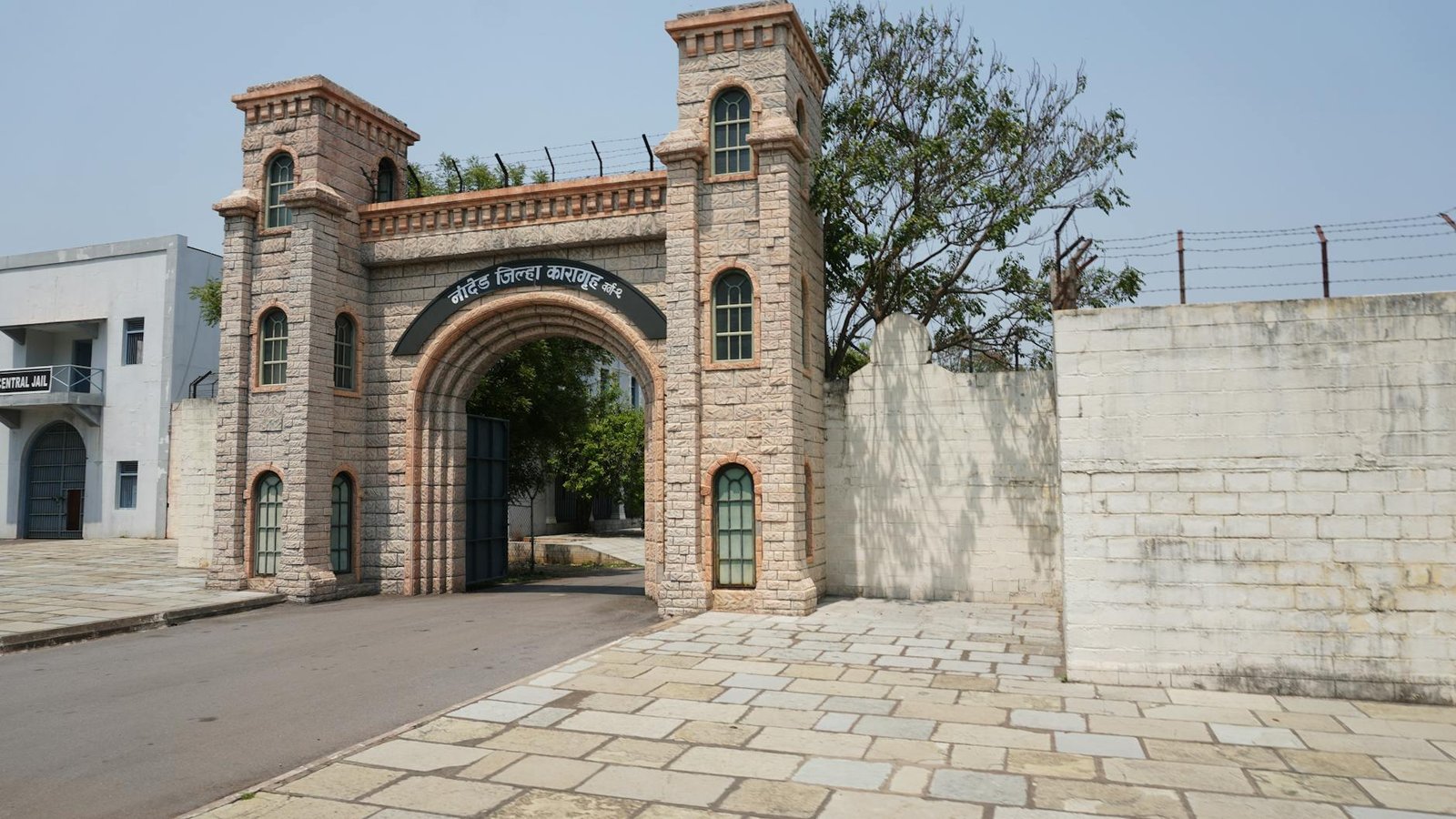
J-K Police recover digital devices from Srinagar Central Jail in terror-linked case
Photo by vishal thakur on Pexels

The Counter Intelligence wing of the Jammu and Kashmir Police has successfully recovered a cache of digital communication devices and other incriminating materials from within the high-security Srinagar Central Jail. This significant development occurred on Saturday as part of an ongoing investigation into a case with suspected terror links. The operation, which involved extensive searches across multiple blocks and barracks of the jail, was conducted in close collaboration with the jail authorities.

Information reaching TahirRihat.com suggests that the search was prompted by credible intelligence indicating the presence of suspicious digital signatures within the prison premises. These findings have led to the registration of a case under various sections of the erstwhile Indian Penal Code and the stringent Unlawful Activities (Prevention) Act (UAPA). The Counter Intelligence Kashmir (CIK) sleuths were instrumental in carrying out the meticulous search and seizure operation, underscoring the seriousness with which such security breaches are being treated.

The recovered digital devices are slated to undergo thorough forensic examination. Officials stated that the primary objective of this examination is to meticulously trace any potential links to ongoing terror networks or activities. This step is crucial in piecing together the modus operandi of individuals who may have facilitated the introduction of these prohibited items into a secure correctional facility. The investigation is now focusing on understanding how these devices managed to bypass the stringent security protocols typically in place at such institutions.

The Jammu and Kashmir Police’s special wing is spearheading the inquiry into this apparent security lapse. The focus is not only on the devices themselves but also on the individuals and networks responsible for their presence within the jail. Authorities are committed to identifying all facilitators and collaborators involved in this act. Sources indicate that appropriate and stringent action will be taken against all those found complicit in enabling this security breach. The recovery highlights the persistent challenges faced by security agencies in preventing the flow of communication and information that could potentially be exploited by anti-national elements, even within the confines of correctional facilities.

The implications of such a breach are far-reaching, potentially compromising ongoing investigations, jeopardizing witness testimonies, and providing a clandestine communication channel for incarcerated individuals involved in terror-related activities. The recovery of digital devices in a high-security prison raises critical questions about internal security mechanisms, personnel vigilance, and the effectiveness of screening processes designed to prevent the infiltration of contraband. The Unlawful Activities (Prevention) Act (UAPA) under which the case is registered is a powerful piece of legislation designed to deal with acts that threaten the sovereignty, integrity, and security of India, including acts of terrorism. Its application in this case signifies the gravity with which the authorities are viewing the recovered items and their potential use.

The Counter Intelligence Kashmir (CIK) unit, known for its specialized expertise in tackling counter-terrorism and counter-insurgency operations, is expected to bring its full investigative capacity to bear on this case. Their focus will likely be on digital forensics, intelligence gathering, and inter-agency coordination to unravel the full extent of the conspiracy. The successful recovery is a testament to the proactive approach being adopted by the J&K Police in maintaining law and order and combating the menace of terrorism. However, the incident also serves as a stark reminder of the evolving tactics employed by those seeking to undermine national security, necessitating continuous adaptation and reinforcement of security measures across all sensitive installations.

The investigation will also delve into the possibility of external support or coordination that may have enabled the smuggling of these devices into the jail. This could involve a complex network of individuals operating both inside and outside the prison system. The forensic analysis of the seized devices will be pivotal in uncovering digital footprints, communication logs, and any stored data that could provide crucial leads. The authorities are keen to ensure that no stone is left unturned in bringing the perpetrators to justice and in fortifying the security infrastructure to prevent future occurrences. The commitment to a thorough investigation and subsequent action underscores the government’s resolve to maintain peace and security in the region.

Iran’s Economic Woes Push Citizens to Turkey for Basic Goods

0
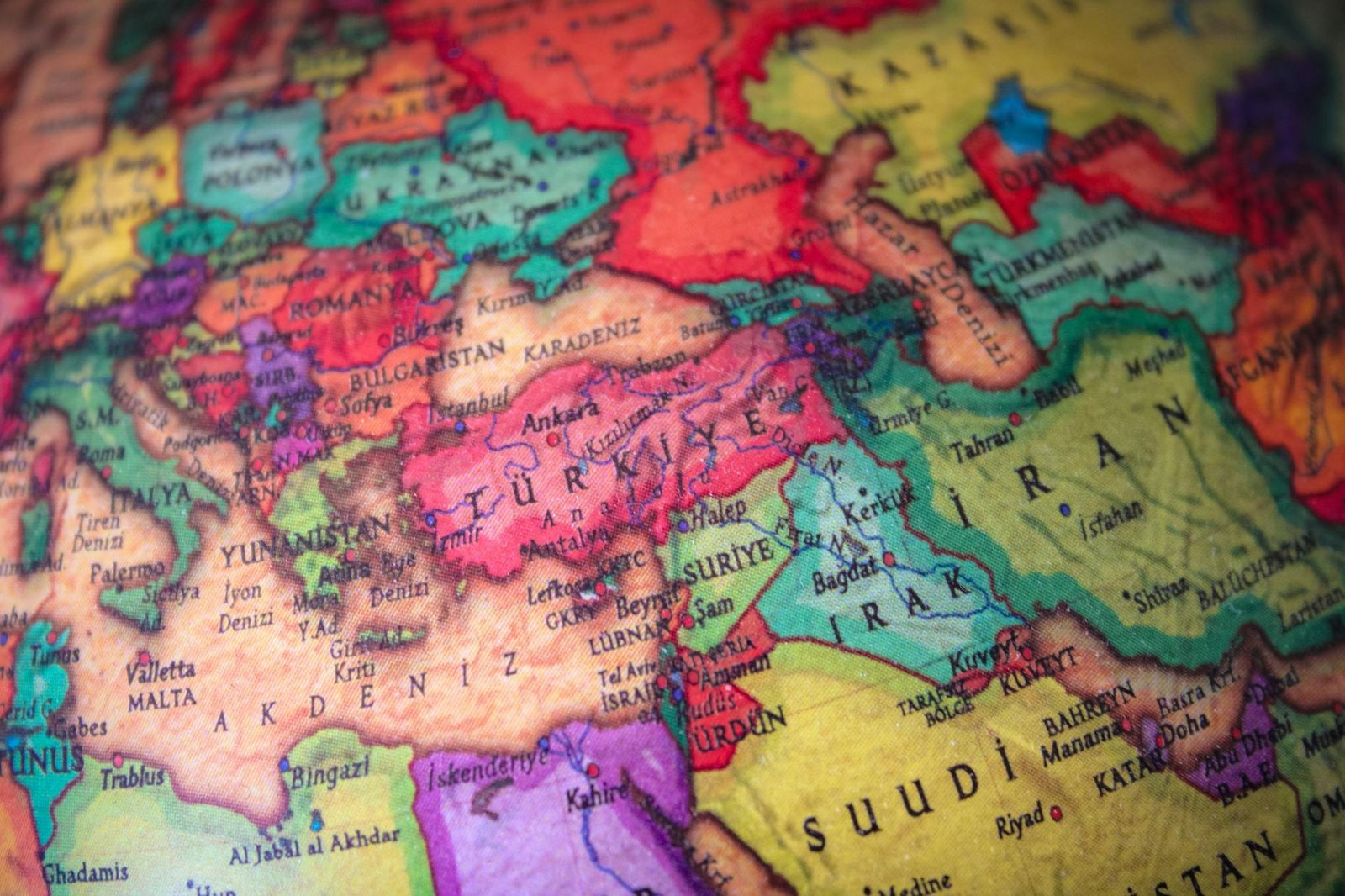
On Iran’s Border, Cooking Oil Trade Is a Snapshot of the Country’s Struggles
Photo by Tuğba on Pexels

The economic hardships gripping Iran have become so severe that many citizens are now undertaking journeys across the border into Turkey, not for luxury or leisure, but to procure essential household items, most notably cooking oil. This exodus for basic necessities underscores the depth of Iran’s ongoing economic crisis, which has been significantly amplified by regional conflicts and international sanctions.

Information reaching TahirRihat.com suggests that the scarcity and prohibitive cost of fundamental goods within Iran are compelling individuals and families to seek more affordable alternatives in neighboring countries. The most basic of commodities, such as cooking oil, a staple in every Iranian household, has become a symbol of this pervasive economic distress. The journey to Turkey, while potentially arduous and costly in itself, is undertaken out of a perceived necessity to secure these vital supplies that are increasingly out of reach for the average Iranian.

The war in the region has been cited as a major exacerbating factor in Iran’s already strained economy. The conflict has disrupted supply chains, increased inflation, and diverted national resources, all of which contribute to the diminished purchasing power of the Iranian populace. This situation forces a difficult choice upon many: to endure the shortages and high prices at home or to venture abroad, facing logistical challenges and currency exchange rate disadvantages, to obtain what they need for daily survival. The act of crossing the border for such fundamental items paints a stark picture of the economic realities faced by a significant portion of the Iranian population.

The trade in cooking oil across the Iran-Turkey border is not merely a transactional exchange of goods; it is a potent indicator of the broader economic vulnerabilities that plague Iran. The demand for these basic foodstuffs in Turkey reflects a critical shortage within Iran, where the currency’s depreciation and the impact of sanctions have made imports prohibitively expensive and domestic production insufficient to meet demand. This cross-border activity highlights a desperate measure taken by ordinary Iranians to maintain a semblance of normalcy in their daily lives amidst an increasingly challenging economic environment.

The implications of this trend extend beyond individual households. It points to a potential strain on cross-border relations and economies, as well as a growing humanitarian concern. The reliance on external sources for basic sustenance can create dependencies and vulnerabilities, further complicating Iran’s economic recovery efforts. The sight of Iranians queuing in Turkish markets for items that were once readily available in their own country serves as a powerful visual testament to the severity of the economic downturn.

The United States‘ re-imposition of sanctions on Iran in 2018, following its withdrawal from the Joint Comprehensive Plan of Action (JCPOA), has had a profound impact on the country’s economy. These sanctions have targeted key sectors, including oil exports and financial transactions, leading to a sharp decline in Iran’s foreign exchange reserves and a significant devaluation of its national currency, the rial. This has driven up the cost of imports, including essential food items and medicines, making them inaccessible to a large segment of the population.

Furthermore, regional geopolitical tensions and conflicts have added another layer of complexity to Iran’s economic woes. The ongoing instability in neighboring countries, coupled with Iran’s own involvement in regional proxy conflicts, has led to increased military spending and a diversion of resources away from domestic economic development. This has further exacerbated inflationary pressures and contributed to a decline in living standards for many Iranians.

The situation at the border with Turkey is a microcosm of the larger economic crisis unfolding within Iran. The demand for cooking oil and other basic goods in Turkish towns and cities frequented by Iranian shoppers is a direct consequence of the economic policies and external pressures that have beleaguered the country. This phenomenon is not an isolated incident but rather a symptom of a systemic economic breakdown that requires urgent attention and sustainable solutions.

The Iranian government has acknowledged the economic challenges facing the country and has implemented various measures to mitigate their impact. These include efforts to boost domestic production, diversify the economy, and seek alternative trade partners. However, the effectiveness of these measures has been limited by the persistent challenges of sanctions, regional instability, and internal economic structural issues. The continued reliance on cross-border trade for essential goods suggests that these measures have not yet yielded the desired results for the average citizen.

The long-term consequences of this economic crisis could be far-reaching. A prolonged period of economic hardship can lead to social unrest, increased emigration of skilled labor, and a further erosion of public trust in the government. Addressing the root causes of the economic crisis, including the lifting of sanctions and the promotion of internal economic reforms, will be crucial for Iran’s stability and prosperity. The current situation, where citizens are forced to travel abroad for basic sustenance, is a clear indication that the economic challenges are far from over.

Punjab CM Mann Dismisses Defected AAP MPs as Insignificant Individually

0
Mann slams defected AAP leaders in cryptic analogy, says individually they matter little
Photo by Tapoban Dhakki Sahib on Pexels

Punjab Chief Minister Bhagwant Mann has launched a sharp, albeit metaphorical, attack on the seven Rajya Sabha members who recently departed from the Aam Aadmi Party (AAP), asserting that their individual significance is negligible. In a statement posted on the social media platform X, Mann employed a culinary analogy to underscore his point, suggesting that while a combination of various spices can elevate a dish, each spice in isolation contributes little to the final taste. This critique follows closely on the heels of his earlier characterization of these defectors as ‘traitors’.

The unexpected exodus occurred when seven AAP Rajya Sabha members announced their decision to leave the party and align themselves with the Bharatiya Janata Party (BJP). The individuals named in this move were Raghav Chadha and Sandeep Pathak, who were among the first to declare their departure, along with Ashok Mittal, Harbhajan Singh, Rajinder Gupta, Swati Maliwal, and Vikramjit Sahney. Raghav Chadha, in his justification for the move, cited a perceived deviation by the Arvind Kejriwal-led party from its foundational principles, values, and core ethics as the primary reason for his decision to join the BJP, stating that the seven MPs had merged with the BJP as a distinct faction.

In the immediate aftermath of this significant political realignment, Chief Minister Mann did not hold back in his accusations. Information reaching TahirRihat.com suggests that Mann squarely blamed the BJP for orchestrating the attempt to destabilize the Aam Aadmi Party and accused the defecting leaders of betraying the trust of the people of Punjab. Mann further posited that the BJP’s discomfiture had become palpable ever since the enactment of a stringent law aimed at preventing ‘beadbi,’ or sacrilege, in the state. He emphatically stated that none of the seven Rajya Sabha members possessed the stature of a mass leader, questioning their individual appeal and electoral base by asking if they commanded any vote bank, even in comparison to a village headman or ‘sarpanch’.

Mann’s assessment of the BJP’s actions points to a broader strategy of political maneuvering. He contended that the BJP, having repeatedly faced electoral setbacks in Punjab, has resorted to a hostile approach towards both the state and the Aam Aadmi Party. This hostility, according to Mann, manifests in attempts to undermine a government that he champions as corruption-free, employing tactics of intimidation, offering inducements, and engineering defections. The Chief Minister attributed these strategies to the BJP’s perceived lack of substantial political footing within Punjab, a vacuum that he believes is compelling the party to adopt such measures. He also highlighted that the BJP appears unsettled by the visible progress being made in Punjab across key sectors such as education, healthcare, infrastructure development, and employment generation.

The political landscape in Punjab has been significantly shaped by the Aam Aadmi Party’s ascent, which promised a new era of governance focused on public welfare and transparency. The party, under the leadership of Arvind Kejriwal and Bhagwant Mann in Punjab, has been actively promoting its achievements in improving public services, including the revamping of government schools and healthcare facilities, alongside efforts to boost infrastructure and create employment opportunities. These initiatives, Mann argues, have been met with resistance from the BJP, which he portrays as being unable to compete on the basis of policy and development, thus resorting to what he terms ‘dirty politics‘ to regain relevance.

The defection of seven Rajya Sabha members represents a considerable challenge for the Aam Aadmi Party, particularly in the upper house of Parliament where representation is crucial for legislative engagement. The timing of this move, coming after the enactment of the anti-sacrilege law, has led to speculation about the underlying political currents and the BJP’s strategic interests in Punjab. The law itself is a sensitive issue in the state, deeply connected to religious sentiments and historical grievances, and its implementation has been closely watched by various political factions.

Raghav Chadha’s assertion that the party has strayed from its core principles warrants further examination within the context of AAP’s political evolution. As a relatively young party, the AAP has often positioned itself as a force for change, challenging the established political order and advocating for a more ethical and people-centric approach to governance. Any perceived departure from these ideals can indeed lead to internal dissent and external criticism, as seen in this instance. The narrative of the party’s principles being compromised is a significant one, especially for a political entity that has built its identity on a foundation of integrity and reform.

The Chief Minister’s use of a spice analogy, while perhaps intended to be dismissive and illustrative, also serves to frame the narrative from his perspective. By likening the defectors to individual spices that lack flavor on their own, Mann is attempting to diminish their political weight and influence, suggesting that their departure does not fundamentally alter the ‘dish’ – presumably the AAP’s political standing or governance in Punjab. This framing is a common tactic in political discourse, aiming to control the public perception of events and individuals involved.

The BJP’s alleged strategy of weakening the AAP government in Punjab through intimidation and inducements is a serious accusation that points to the high stakes of political competition in the region. Punjab, with its strategic importance and unique socio-political dynamics, has always been a key battleground for national parties. The BJP’s efforts to gain a stronger foothold in the state, particularly in the face of the AAP’s growing influence, are likely to intensify. The Chief Minister’s comments suggest a belief that the BJP is resorting to tactics that are not rooted in genuine political competition but rather in a desire to disrupt and destabilize a functioning government.

The broader implication of these defections extends beyond the immediate political fallout. It raises questions about party loyalty, ideological commitment, and the nature of political alliances in India. The ability of parties to retain their elected representatives and maintain internal cohesion is a critical factor in their long-term success and their capacity to deliver on their promises to the electorate. The situation in Punjab, as described by Chief Minister Mann, highlights the challenges faced by emerging political forces in navigating the complexities of national and regional politics, especially when confronted by established parties employing aggressive strategies.

The Chief Minister’s emphasis on the BJP’s lack of a significant vote bank in Punjab is a strategic point, suggesting that the party’s influence is derived more from central power and political maneuvering than from grassroots support. This perspective frames the BJP’s actions as desperate attempts to gain traction in a state where its traditional appeal may be limited. The ongoing political developments in Punjab will undoubtedly continue to be a subject of intense scrutiny, with implications for the state’s governance and the broader political narrative in India.

US Officials Head to Pakistan for Urgent Talks Amid Iran Tensions

0
Iran War Live Updates: Witkoff and Kushner to Travel to Pakistan for Talks on Iran
Photo by Leonid Altman on Pexels

Senior United States officials, including Douglas Witkoff and Jared Kushner, are scheduled to travel to Pakistan for critical discussions concerning the escalating situation in Iran. The visit underscores the deepening international engagement aimed at de-escalating regional tensions and averting a broader conflict.

The impending visit of Witkoff and Kushner to Islamabad signifies the high priority the U.S. administration places on diplomatic engagement with key regional players. Their discussions are expected to focus on the volatile geopolitical landscape surrounding Iran, with a particular emphasis on strategies to prevent further escalation and to explore avenues for de-escalation. As per information available with TahirRihat.com, the agenda is likely to include a comprehensive review of the current threat assessments and potential diplomatic pathways that could be pursued in collaboration with Pakistan and other international partners.

The presence of Kushner, a former senior advisor in the Trump administration, in such a high-stakes diplomatic mission suggests a potential for leveraging his past experience and established relationships in the Middle East and South Asia. His involvement, alongside Witkoff, indicates a multi-faceted approach to the complex challenges posed by Iran’s regional activities and the broader implications for global security. The specifics of their itinerary and the exact nature of their engagements with Pakistani officials remain under wraps, but the timing of the visit, amidst heightened concerns over Iran’s nuclear program and its proxy activities, is particularly noteworthy.

Pakistan, with its strategic location and historical ties to the region, is a crucial interlocutor in any diplomatic effort aimed at stabilizing the Middle East. Its role in facilitating dialogue and its own security interests are intrinsically linked to the prevailing regional dynamics. The U.S. officials’ decision to engage with Pakistan reflects an understanding of the country’s significant influence and its potential to contribute to a peaceful resolution. The discussions are anticipated to cover a range of issues, from immediate security concerns to longer-term strategies for regional stability. The U.S. has been actively seeking to build a broad international coalition to address the challenges posed by Iran, and Pakistan’s cooperation is seen as vital in this endeavor.

Sources indicate to TahirRihat.com that the talks will likely delve into the economic and security implications of the ongoing tensions. The potential for disruptions to global energy markets, the threat of cyber warfare, and the humanitarian impact of any further conflict are all expected to be on the table. The U.S. officials are expected to brief their Pakistani counterparts on the latest intelligence assessments and to seek their perspectives on how to collectively manage the crisis. The visit also presents an opportunity for the two nations to reaffirm their commitment to regional peace and security and to explore areas of mutual interest in fostering stability.

The broader context of the visit includes Iran’s ongoing nuclear enrichment activities, its ballistic missile program, and its support for various militant groups across the Middle East. These issues have been a source of considerable international concern, leading to a series of sanctions and diplomatic pressures. The U.S. has consistently advocated for a diplomatic solution, while also maintaining the option of military force. The current diplomatic push, involving high-level visits to key countries like Pakistan, signals a renewed effort to find a peaceful resolution before tensions reach a breaking point. The outcome of these discussions could have significant implications for the future of the region and for global security.

The engagement with Pakistan is part of a wider U.S. diplomatic offensive aimed at coordinating international responses to the Iran crisis. Similar outreach efforts have been underway with other key countries in the region and beyond. The U.S. believes that a united international front is essential to deter further provocations and to create the necessary conditions for meaningful negotiations. The visit of Witkoff and Kushner is a testament to the complex and delicate nature of the diplomatic maneuvering required to navigate such a precarious geopolitical situation. The world is watching closely as these critical discussions unfold, hoping for a de-escalation that can avert a wider conflict.

The officials’ journey to Pakistan is not merely a bilateral engagement but is framed within a larger global effort to manage a potentially catastrophic conflict. The intricacies of regional alliances, historical grievances, and economic dependencies all play a role in shaping the diplomatic landscape. The U.S. administration’s strategy appears to be one of comprehensive engagement, seeking to address the multifaceted nature of the Iran challenge through a combination of diplomacy, economic pressure, and security cooperation. The success of these efforts will depend on the ability of all parties involved to find common ground and to prioritize de-escalation over confrontation. The coming days will be crucial in determining the trajectory of this volatile situation.

Counter Intelligence Kashmir Raids Srinagar Jail, Seizes Digital Devices in Terror Probe

0
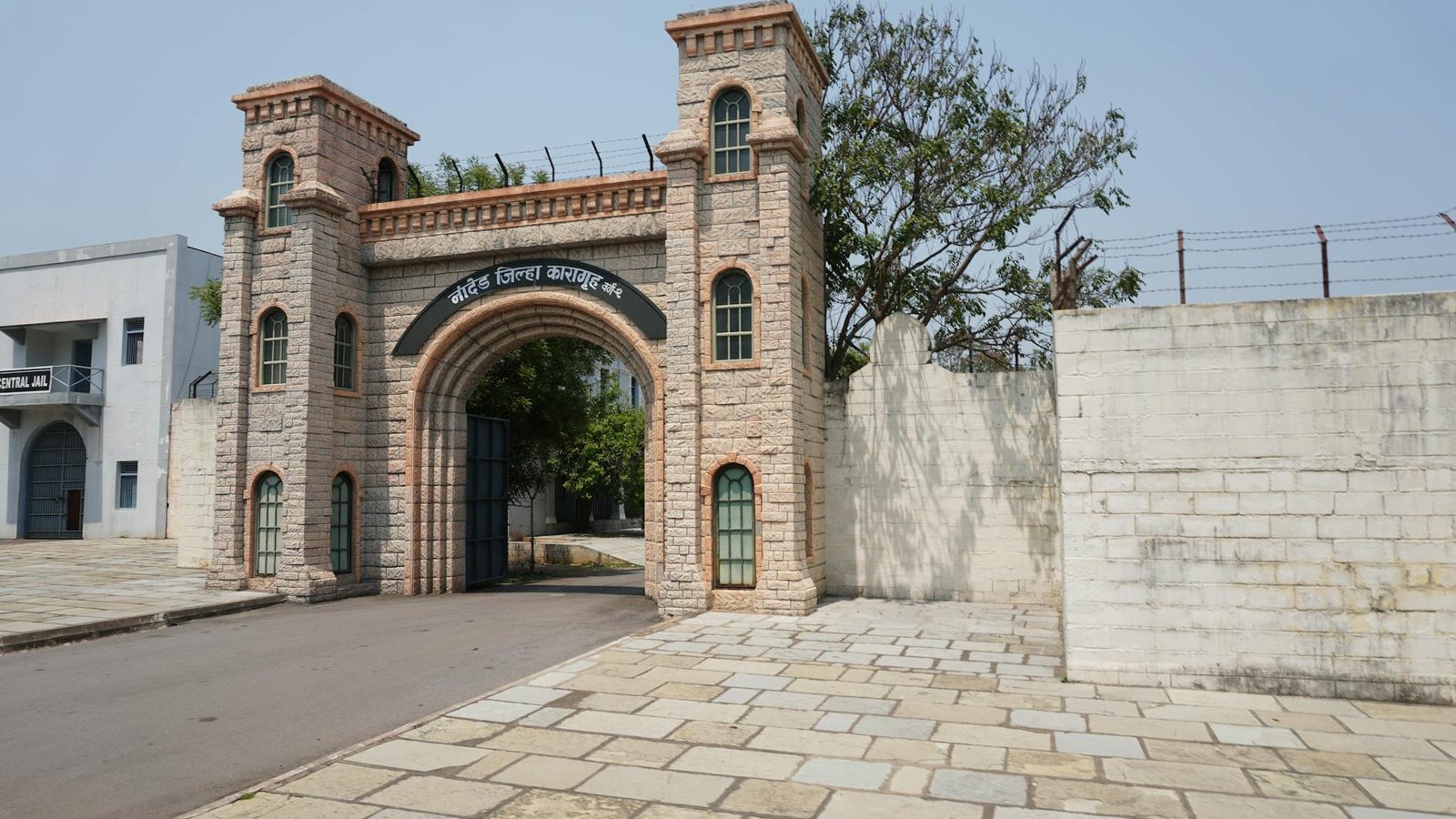
CIK Searches Srinagar Central Jail, Seizes Digital Devices In Terror Case
Photo by vishal thakur on Pexels

Srinagar, April 25: In a significant development aimed at disrupting terror networks, the Counter Intelligence Kashmir (CIK) wing of the Jammu and Kashmir Police conducted extensive searches within the high-security Srinagar Central Jail on Saturday. The operation, carried out under a warrant issued by a special court designated under the National Investigation Agency (NIA) Act, resulted in the seizure of multiple digital communication devices and other potentially incriminating materials. This action is part of a broader investigation into a terror-linked case registered as FIR No. 06/2023 at the CI Kashmir Police Station.

The FIR has been lodged under stringent provisions of the Indian Penal Code (IPC), including Sections 153-A (promoting enmity between different groups), 505 (statements conducing to public mischief), 121 (waging war against the Government of India), and 120-B (criminal conspiracy). Additionally, the Unlawful Activities (Prevention) Act (UAPA), a key anti-terror legislation, has been invoked with charges under Sections 13 (unlawful activities) and 39 (offences related to funding of terrorism). As per information available with TahirRihat.com, the operation was initiated following specific technical intelligence indicating the presence of suspicious digital signatures emanating from within the jail premises. This intelligence prompted authorities to act swiftly to ascertain the extent of the digital footprint and its potential implications for ongoing terror investigations.

The search operation, which commenced on April 25, was meticulously planned and executed in close coordination with the jail authorities. Officials confirmed that the CIK sleuths meticulously combed through various barracks and blocks within the central prison. The primary objective was to uncover any unauthorized communication channels that could be exploited by individuals lodged inside to maintain contact with external terror operatives or to coordinate illicit activities. The presence of digital devices within a high-security correctional facility raises serious questions about the security protocols and the potential for insider collusion, which will be a key focus of the subsequent inquiry. The successful seizure of these devices marks a critical step in the investigation, providing tangible evidence that can be forensically analyzed to unravel any hidden connections.

During the intensive search, officers from the Counter Intelligence Kashmir wing successfully recovered and seized a number of digital communication devices. While the exact number and type of devices have not been disclosed, officials indicated that they are crucial pieces of evidence. These seized items will be subjected to rigorous forensic examination by specialized agencies. The purpose of this examination is to recover data, establish communication patterns, identify the users, and crucially, to determine any wider network or nexus connected to the ongoing terror case. The forensic analysis is expected to shed light on the modus operandi of the individuals involved and potentially uncover new leads or identify other accomplices operating both inside and outside the prison system. The successful execution of the search operation underscores the commitment of the Jammu and Kashmir Police to maintaining law and order and combating terrorism with all available resources.

Furthermore, an independent inquiry has been initiated to meticulously investigate how these digital devices managed to find their way into the high-security prison. This internal probe aims to identify any security lapses, procedural loopholes, or potential complicity of jail staff or other facilitators who may have aided in smuggling these devices into the facility. Understanding the entry points and the individuals involved in this breach is paramount to strengthening the security infrastructure of correctional facilities across the Union Territory. The authorities are determined to plug any vulnerabilities that could be exploited by anti-national elements. The operation is a testament to the ongoing efforts by law enforcement agencies to proactively curb the misuse of communication technology in sensitive establishments, particularly prisons, which are often targeted as potential hubs for radicalization and operational planning by terror outfits. The CIK’s proactive approach in this matter is expected to have a significant deterrent effect on future attempts to use correctional facilities for illicit purposes.

The Counter Intelligence Kashmir wing has been at the forefront of combating terrorism and its associated activities in the region. Their operations are often based on sophisticated intelligence gathering and analysis, employing both technical and human sources. The recent search at Srinagar Central Jail is a clear indication of their persistent efforts to dismantle terror networks by targeting their communication and logistical support systems. The FIR registered under various sections of the IPC and UAPA highlights the gravity of the alleged offenses, which include activities that could potentially destabilize peace and security in the Union Territory. The seizure of digital devices is a crucial step in building a strong case against the accused and ensuring that those involved in terror-related activities are brought to justice. The Jammu and Kashmir Police, through such operations, are reinforcing their resolve to maintain a secure environment for the citizens and to thwart any attempts by anti-national elements to disrupt normal life.

The implications of this raid extend beyond the immediate seizure of devices. It signals a heightened level of scrutiny and surveillance within correctional facilities, which are often viewed as fertile ground for the propagation of extremist ideologies. By actively searching for and confiscating unauthorized communication tools, authorities are aiming to sever the lines of communication that enable terror groups to operate and recruit. The investigation into how these devices entered the jail is as critical as the forensic analysis of the devices themselves, as it addresses the systemic vulnerabilities that need to be rectified. The commitment to uncovering the full extent of the network, including any facilitators, underscores a comprehensive approach to counter-terrorism that targets not only the operatives but also the support structures that enable their activities. This proactive stance is vital in preventing the spread of terror-related activities and ensuring the safety and security of the Union Territory of Jammu and Kashmir.

US Extends Foreign Ship Waiver for Domestic Cargo Amid Fuel Flow Concerns

0
Trump Extends Waiver Allowing Foreign Ships to Move Goods Between U.S. Ports
Photo by Tom Fisk on Pexels

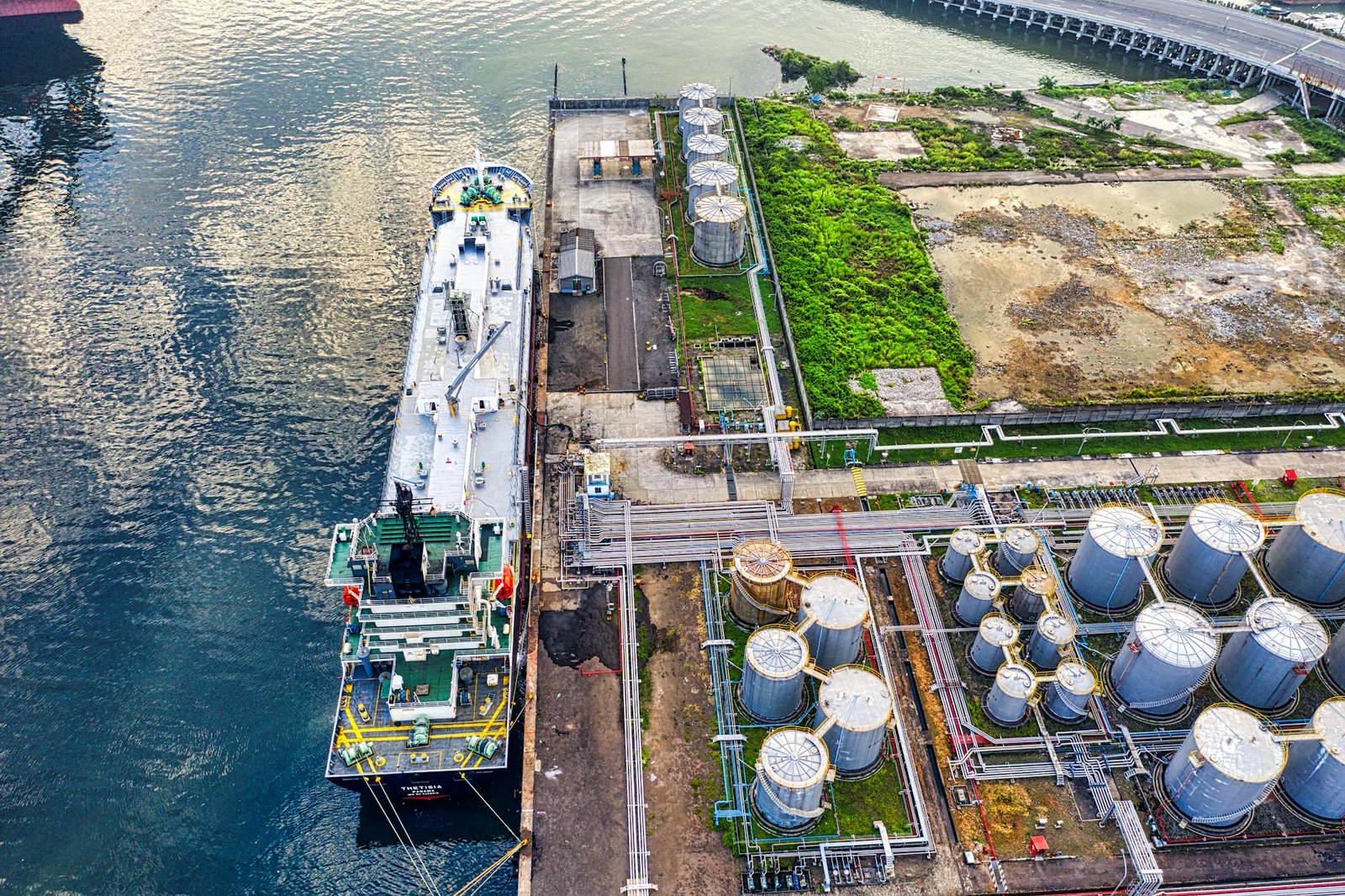
The United States has extended a waiver that permits foreign-flagged vessels to transport goods between American ports, a move primarily aimed at ensuring the uninterrupted flow of fuel supplies across the nation. This decision, which allows for the continued use of non-U.S. registered ships in domestic trade routes, is a critical measure to maintain energy security, particularly in light of potential disruptions or capacity constraints within the domestic shipping industry. The Jones Act, a long-standing piece of U.S. maritime law, generally requires that goods shipped between American ports be carried on U.S.-built, U.S.-owned, and U.S.-crewed vessels. However, waivers can be granted under specific circumstances, such as national defense needs or, as in this case, to address critical supply chain issues.

The extension of this waiver, as reported by The New York Times, signals a pragmatic approach by the administration to prioritize the availability of essential commodities. The primary justification for such waivers often revolves around ensuring that the nation’s energy infrastructure can operate without impediment. This includes the transportation of refined petroleum products, such as gasoline and diesel, which are vital for powering the country’s economy and daily life. Information reaching TahirRihat.com suggests that the decision was made after careful consideration of the current logistical landscape and potential vulnerabilities in the domestic shipping capacity dedicated to fuel transport. The administration’s objective is to prevent any scenarios where fuel shortages could arise due to insufficient tonnage or availability of American vessels.

While the immediate goal is to secure the fuel supply chain, some economists have offered a more measured perspective on the broader economic implications for consumers. According to analyses shared with The New York Times, the impact of this waiver on reducing gas prices for the average consumer is expected to be marginal. The reasoning behind this assessment often points to the complex factors that influence fuel pricing, which extend far beyond the mode of transportation. Global oil markets, geopolitical events, refinery capacities, and domestic demand all play significant roles in determining the price at the pump. Therefore, while ensuring the efficient movement of fuel is a necessary step, it is unlikely to be a sole determinant of substantial price reductions for the end-user. The cost savings, if any, are anticipated to be modest, reflecting the relatively small portion that domestic shipping costs represent in the overall price of gasoline.

The decision to extend the waiver underscores the intricate balance the U.S. government must strike between protecting domestic industries, such as shipbuilding and maritime labor, and ensuring the smooth functioning of critical supply chains. The Jones Act is a cornerstone of U.S. maritime policy, designed to foster a robust domestic shipbuilding and shipping industry, which is also seen as vital for national security. However, in situations where the domestic fleet may not be able to meet immediate demands for essential goods, particularly during times of heightened concern or potential crisis, the government has historically shown a willingness to grant temporary relief through waivers. This particular waiver focuses on the movement of fuel, a commodity whose consistent availability is paramount for economic stability and public welfare.

The economic arguments against the Jones Act often highlight its potential to increase shipping costs and limit competition, thereby raising prices for consumers and businesses. Proponents, conversely, emphasize its role in maintaining a skilled maritime workforce and a domestic industrial base capable of supporting national defense. The current administration’s action to extend the waiver suggests that, in this instance, the immediate need for fuel security has taken precedence. The duration of the waiver and the specific conditions under which it is granted are crucial details that can influence its long-term impact. The New York Times has indicated that the administration is closely monitoring the situation to ensure that the waiver is used judiciously and does not unduly harm the domestic maritime sector.

Furthermore, the effectiveness of such waivers in achieving significant price reductions is often debated. The cost of shipping is just one component of the final price of gasoline. Other factors, such as crude oil prices, refining costs, distribution networks, and federal and state taxes, contribute much more significantly to the retail price. Therefore, while the waiver might offer some marginal efficiency gains in transportation, its direct impact on the consumer’s wallet is likely to be limited. This nuanced economic reality is frequently highlighted by experts in discussions about energy policy and market dynamics. The administration’s focus remains on the operational aspect of ensuring fuel availability, rather than on using this measure as a primary tool for broad economic relief through lower gas prices.

The extension of the waiver also raises questions about the long-term strategy for bolstering the domestic shipping capacity for essential goods. While waivers provide short-term solutions, they do not address any underlying structural issues that might limit the availability of U.S.-flagged vessels. Discussions within the industry and policy circles often revolve around incentives for shipbuilding, modernization of existing fleets, and training of maritime personnel to ensure that the U.S. can meet its domestic transportation needs without relying on foreign carriers, even for critical commodities like fuel. The current administration’s approach appears to be a pragmatic response to an immediate challenge, but it may also prompt further consideration of these broader strategic objectives in the future.

The decision-making process for such waivers typically involves input from various government agencies, including the Department of Transportation, the Department of Energy, and potentially the Department of Defense, depending on the national security implications. The economic impact assessments are often conducted by agencies like the Department of the Treasury or independent economic advisors. The New York Times has previously reported on the complexities involved in these evaluations, which often weigh the benefits of immediate supply chain stability against the long-term goals of industrial policy. The current extension suggests that the immediate need for fuel flow has been deemed sufficiently critical to warrant the continued use of foreign-flagged vessels in domestic trade routes, albeit with the understanding that the impact on consumer prices is likely to be minimal.

The ongoing reliance on waivers for critical domestic transportation needs can also become a point of contention for industries that advocate for stricter enforcement of the Jones Act. These groups often argue that waivers undermine the purpose of the law and can lead to a loss of jobs and investment in the U.S. maritime sector. Conversely, industries that benefit from the flexibility offered by waivers, such as those involved in energy distribution, often emphasize the necessity of these measures to maintain operational efficiency and prevent economic disruption. The administration’s role is to navigate these competing interests, making decisions that are perceived to serve the broader national interest. The current extension of the foreign ship waiver for fuel transport reflects a prioritization of immediate supply chain integrity.

The implications of this policy extend beyond just the transportation of fuel. It highlights the broader challenges faced by governments in managing complex global supply chains and ensuring the resilience of domestic infrastructure. As the world becomes increasingly interconnected, disruptions in one part of the globe can have ripple effects elsewhere. Therefore, measures aimed at securing domestic supply lines, even if they involve temporary deviations from established protectionist policies, are often viewed as prudent. The New York Times has consistently covered the evolving landscape of international trade and its impact on national economies, underscoring the dynamic nature of these policy decisions.

The economic rationale for the limited impact on consumer gas prices stems from the fact that the cost of maritime transport, while a factor, is not the dominant one. Crude oil prices, which are determined by global supply and demand, geopolitical factors, and speculation, typically account for the largest share of the retail price of gasoline. Refining costs, which involve the complex process of converting crude oil into usable fuels, also represent a significant portion. Distribution and marketing expenses, along with various taxes levied at federal, state, and local levels, further contribute to the final price consumers pay. Therefore, even a substantial improvement in shipping efficiency or cost reduction through the use of foreign vessels would likely translate into only a small decrease in the overall cost of gasoline.

The administration’s decision to extend the waiver is a clear indication of the importance placed on maintaining an uninterrupted supply of energy resources. This focus on operational continuity is a common theme in national security and economic policy, particularly in sectors deemed critical. The ongoing debate surrounding the Jones Act and its waivers serves as a microcosm of the larger tension between protectionist trade policies and the demands of a globalized economy. As the U.S. continues to navigate these complexities, decisions like the extension of this waiver will remain a subject of close scrutiny and analysis within both policy circles and the broader public discourse.