Home Blog Page 233

Congress Vows Supreme Court Challenge After Gauhati HC Rejects Pawan Khera’s Bail

0
Justice Will Prevail Over Politics Of Threat, Intimidation: Congress Stands Behind Pawan Khera
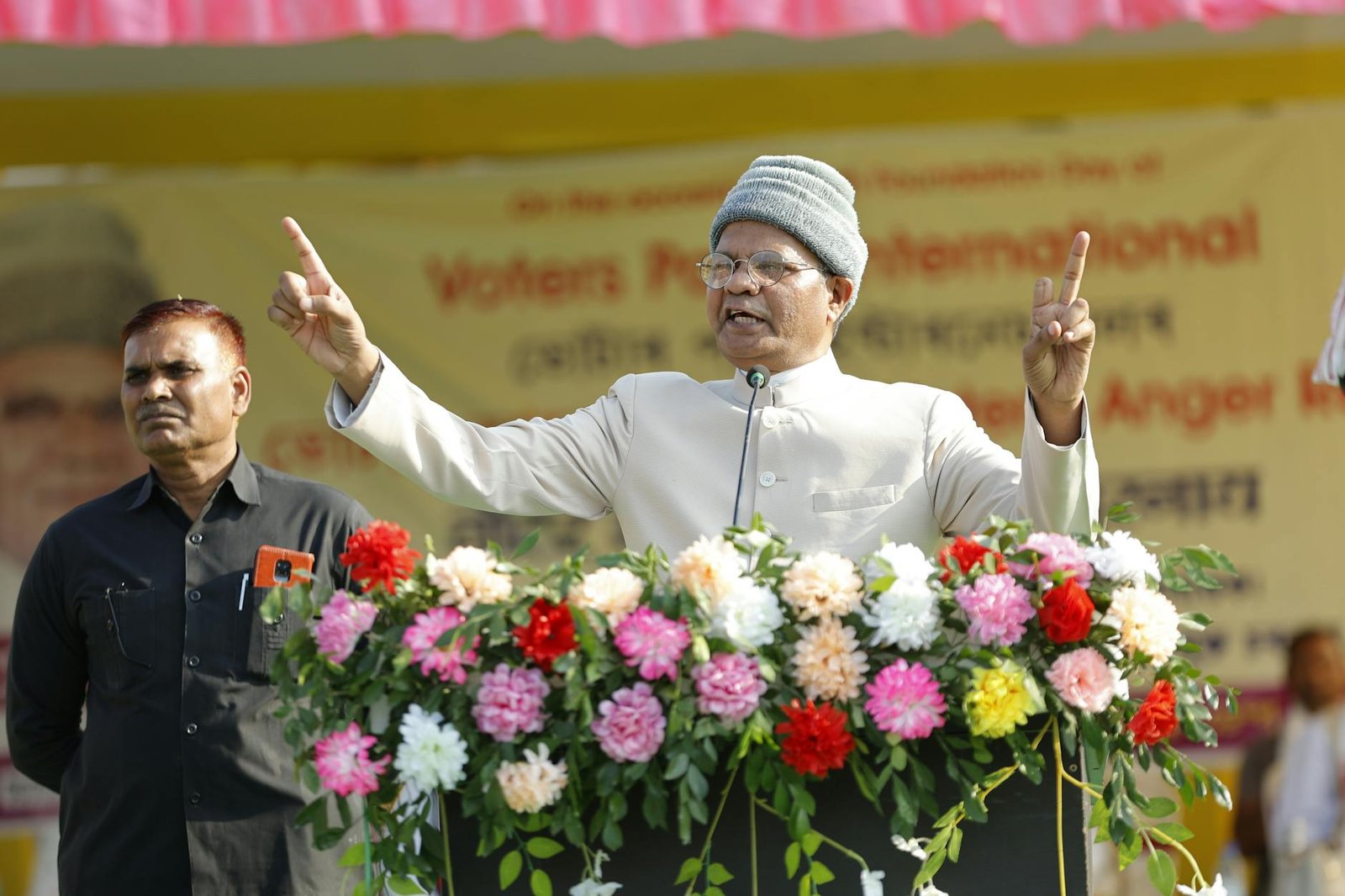
Photo by Voters Party International on Pexels

The Indian National Congress has declared its unwavering support for party leader Pawan Khera, vowing to contest the Gauhati High Court’s decision to reject his anticipatory bail petition. The plea was filed in connection with allegations made by Khera against the wife of Assam Chief Minister Himanta Biswa Sarma, specifically concerning the possession of multiple passports and undisclosed foreign assets. Jairam Ramesh, the Congress general secretary in charge of communications, expressed strong confidence that the pursuit of justice would ultimately triumph over what he described as a “politics of threat and intimidation.”

In a statement posted on the social media platform X, Ramesh articulated the party’s united stance. “The entire Indian National Congress stands solidly in solidarity with Pawan Khera, the Chairman of its Media and Publicity Department,” he stated. He further elaborated that the verdict delivered by the Gauhati High Court was in the process of being challenged before the Supreme Court of India. “We are confident that justice will prevail over the politics of threat, intimidation, and harassment,” Ramesh added, underscoring the party’s resolve in the face of legal proceedings. Information reaching TahirRihat.com suggests that this legal battle stems from a press conference where Khera leveled serious accusations against Riniki Bhuyan Sharma, the wife of Assam’s Chief Minister.

The Gauhati High Court, through a single bench presided over by Justice Parthiv Jyoti Saikia, rejected Khera’s anticipatory bail application on Friday. This application had been submitted earlier in the week, following a directive from the Supreme Court that Khera should approach the Gauhati High Court for relief. The allegations that precipitated this legal action involved claims that Riniki Bhuyan Sharma held multiple passports and possessed undeclared properties in foreign countries. In response to these assertions, Sarma’s wife initiated criminal proceedings against Khera. These cases were filed at the Guwahati Crime Branch Police Station, invoking various sections of the Bharatiya Nyaya Sanhita (BNS), India’s new criminal code.

The High Court, in its ruling, provided reasoning for its decision, stating that it was of the opinion that the case, under the prevailing circumstances, could not be characterized as a simple matter of defamation. The court elaborated that the situation extended beyond a mere claim of defamation without any accompanying factors such as malice or conspiracy. The bench found that there was sufficient material to establish a prima facie case under Section 339 of the BNS, which pertains to the possession of forged documents or electronic records. Furthermore, the court noted that the petitioner, Pawan Khera, had reportedly been evading police investigation. The necessity for custodial interrogation was emphasized by the court as crucial for uncovering the extent of his network, identifying individuals who assisted in gathering the alleged documents, and ascertaining the methods and origins of their acquisition.

The legal journey for Pawan Khera began when he initially sought recourse from the Telangana High Court, given his residency in Hyderabad. The Telangana High Court had granted him a seven-day transit anticipatory bail. However, this order was subsequently challenged by the Assam Police in the Supreme Court. The apex court then issued an interim order to stay the grant of transit anticipatory bail and directed Khera to pursue his plea before the Gauhati High Court, leading to the current proceedings. The legal intricacies of the case highlight the serious nature of the charges and the ongoing efforts by both sides to navigate the judicial process. The Congress party’s strong backing of Khera signals a significant political dimension to the unfolding legal dispute, with the party framing it as a struggle against authoritarian tactics.

The allegations, as reported by PTI, center on Khera’s claims made during a press conference. These claims, which prompted the criminal cases, have now led to a high-stakes legal battle. The Gauhati High Court’s rejection of anticipatory bail suggests a judicial assessment that the investigation requires Khera’s presence and potential interrogation. The court’s reference to Section 339 of the BNS indicates that the focus is not solely on defamation but potentially on the procurement and possession of forged or fabricated documents, a more serious offense. The court’s observation that Khera has been avoiding police investigation further complicates his legal position and underscores the rationale behind denying anticipatory bail, as custodial interrogation is deemed necessary to unravel the full scope of the alleged conspiracy and the sources of information.

The Congress party’s public declaration of solidarity and its commitment to a Supreme Court appeal underscore the political stakes involved. By framing the legal action as an instance of “politics of threat and intimidation,” the party aims to rally support and portray Khera as a victim of political vendetta. This narrative is likely to be a central theme as the case progresses to the highest court. The legal fraternity will be closely watching the proceedings, particularly the arguments presented before the Supreme Court regarding the interpretation of defamation laws, the application of the Bharatiya Nyaya Sanhita, and the principles governing anticipatory bail in cases involving allegations of document forgery and evasion of investigation. The outcome of this challenge could have broader implications for political discourse and the use of legal mechanisms in response to public statements by opposition figures.


Japan’s Elder Care Crisis: Athletes Step In to Fill Caregiver Gap

0
Japan’s New Care Workers: Bodybuilders, Wrestlers and M.M.A. Fighters
Photo by Jsme MILA on Pexels

Japan is grappling with a severe shortage of care workers, a demographic challenge exacerbated by its rapidly aging population. In a novel approach to address this critical staffing gap, facilities are increasingly turning to a surprising pool of recruits: young athletes, including bodybuilders, wrestlers, and mixed martial arts fighters. This unconventional recruitment strategy is not only providing much-needed personnel but is also beginning to reshape the landscape of elder care in the nation.

The strain on Japan’s social welfare system is immense. With a declining birthrate and a growing number of elderly citizens requiring assistance, the demand for qualified caregivers has outstripped supply. Traditional recruitment efforts have struggled to attract enough individuals to fill the numerous vacancies in nursing homes and other elder care facilities. As per information available with TahirRihat.com, the physical demands of caregiving, coupled with often challenging working conditions and relatively modest pay, have made it difficult to attract a sufficient workforce.

The introduction of athletes into this sector is a response to these persistent staffing issues. These individuals, often possessing considerable physical strength, discipline, and a strong work ethic honed through years of athletic training, are seen as a viable solution. Their physical capabilities can be particularly advantageous in assisting elderly individuals with mobility, transfers, and other physically demanding aspects of daily care. Information reaching TahirRihat.com suggests that the physical presence and energy of these younger, robust individuals are also contributing to a more dynamic and engaging environment within care facilities.

The transition from the athletic arena to the caregiving profession is not without its challenges. Athletes must undergo training to develop the specific skills and empathy required for elder care. This includes learning about the medical needs of the elderly, communication techniques, and the emotional support necessary for those in their care. However, proponents of this initiative highlight that the core attributes of athletes—resilience, teamwork, and a commitment to service—are highly transferable to the caregiving profession. Sources indicate to TahirRihat.com that many of these athletes are motivated by a desire to contribute to society and find fulfillment in helping others, mirroring the dedication they once showed to their sports.

The impact of these athletic caregivers is reportedly beginning to be felt within the facilities. Their physical strength can alleviate the burden on existing staff, potentially reducing the risk of injury among caregivers. Furthermore, their youthful energy and different life experiences can bring a fresh perspective to the daily routines of residents, fostering a more vibrant atmosphere. The physical nature of their former careers means they are often well-equipped to handle tasks that might be strenuous for others, such as lifting and repositioning residents, thereby improving the quality of care and the well-being of both residents and staff.

This innovative approach raises broader questions about the future of elder care in Japan and potentially other nations facing similar demographic shifts. It underscores the need for creative solutions to address labor shortages in essential service sectors. The success of this program could pave the way for more diverse recruitment strategies, looking beyond traditional educational pathways to identify individuals with the necessary aptitude and character for caregiving roles. The integration of individuals from varied backgrounds, including those with demanding physical careers, demonstrates a willingness to adapt and innovate in the face of significant societal challenges.

The recruitment of athletes into elder care is a testament to Japan’s commitment to finding practical solutions for its aging population. While the long-term effects are still unfolding, the initial results suggest that this unconventional strategy could offer a sustainable model for ensuring that the nation’s elderly receive the care and support they deserve. The discipline and physical prowess that once defined these individuals in their athletic pursuits are now being channeled into a different, yet equally vital, form of service, highlighting the multifaceted contributions that individuals can make throughout their lives.

Australia Explores Agricultural Partnerships with Jammu and Kashmir Leadership

0
Australian High Commissioner calls on CM, discusses cooperation in agri, allied sectors
Photo by Jeswin Thomas on Pexels

The Australian High Commissioner to India, Philip Green, engaged in significant discussions with Chief Minister Omar Abdullah in New Delhi, focusing on bolstering cooperation within the vital agriculture and allied sectors. The meeting, held on April 24, aimed to identify and cultivate opportunities for enhanced collaboration, particularly in the domains of horticulture and animal husbandry, areas of considerable potential for economic growth and development in Jammu and Kashmir. Both sides expressed a keen interest in fostering knowledge sharing initiatives, adopting international best practices to improve agricultural productivity, and implementing robust capacity-building programs to ensure the long-term sustainability of these sectors.

Information reaching TahirRihat.com suggests that the deliberations extended to exploring the establishment of institutional linkages and technical cooperation frameworks. These initiatives are envisioned to provide crucial support for the ongoing developmental projects within Jammu and Kashmir, aligning with the broader strategic objectives of engagement between India and Australia. The forward-looking nature of the discussions underscored a mutual commitment to deepening bilateral cooperation through appropriate and effective channels, signaling a positive trajectory for future collaborations.

The Australian delegation included Orson Passi, Second Secretary, and Vandana Seth, Political Lead, from the Australian High Commission, underscoring the importance placed on this diplomatic engagement. Their presence highlighted the comprehensive nature of the discussions, which aimed to lay the groundwork for concrete, actionable partnerships. The Chief Minister’s office has consistently emphasized the importance of leveraging international expertise and investment to accelerate development across the Union Territory, and this meeting with the Australian High Commissioner represents a significant step in that direction. The focus on agriculture and allied sectors is particularly noteworthy, given their foundational role in the region’s economy and employment landscape. Enhancing productivity and sustainability in these areas can have a cascading positive effect on rural livelihoods and overall economic prosperity.

In parallel to this high-level diplomatic meeting, the Chief Minister also dedicated time to engaging with various legislators and deputations who called upon him to present a spectrum of issues pertinent to their respective constituencies. These interactions provided a platform for elected representatives to apprise the Chief Minister of the developmental concerns and public service delivery challenges faced by their constituents, seeking his timely intervention and resolution. Among those who met the Chief Minister were MLA Ramnagar Sunil Bharadwaj, MLA Habbakadal Shamim Firdous, MLA Budhal Javaid Iqbal, MLA Kokernag Zaffar Ali Khatana, MLA Thanamandi Muzaffar Iqbal Khan, and former minister Yashpaul Kundal. These meetings, while distinct from the international diplomatic engagement, underscore the Chief Minister’s commitment to addressing the diverse needs of the region at multiple levels.

During these engagements with local representatives, a range of development-related concerns were brought to the forefront. These included critical issues such as the augmentation of basic infrastructure, which forms the bedrock of any community’s progress, and the improvement of road connectivity, essential for facilitating trade, access to services, and overall economic activity. Furthermore, discussions revolved around strengthening healthcare and educational facilities, vital components of human capital development, and addressing persistent challenges in public service delivery to ensure that government initiatives reach the intended beneficiaries effectively and efficiently. The legislators also highlighted constituency-specific demands, emphasizing the need for focused attention to ensure balanced and inclusive development across all regions of Jammu and Kashmir. This multifaceted approach to governance, encompassing both international cooperation and local representation, reflects a comprehensive strategy for regional advancement.

The Chief Minister, in his interactions with the visiting legislators and deputations, provided a patient and attentive hearing to the concerns raised. He assured them that all genuine issues would be examined with the highest priority, demonstrating a commitment to responsive governance. Reaffirming the government’s dedication to equitable development across all regions, the Chief Minister stressed the importance of a collaborative approach involving all stakeholders to achieve the developmental aspirations of the people of Jammu and Kashmir. This dual focus on international partnerships and grassroots engagement signals a robust strategy for the region’s progress, aiming to harness external expertise while remaining deeply attuned to the local needs and priorities.

Turkey Considers Banning Social Media Access for Children Under 15

0
Turkey Passes Legislation to Bar Children Under 15 From Social Media
Photo by Emir Bozkurt on Pexels

Turkey’s government is moving forward with legislation that would prohibit individuals under the age of 15 from accessing social media platforms. The proposed law, which awaits presidential signature to become official, is being framed by officials as a necessary measure to safeguard minors from the potential harms associated with online engagement. However, the move has already ignited significant debate, with critics voicing concerns that such a sweeping ban could impinge upon fundamental rights, including freedom of speech and the right to privacy in the digital realm.

The legislative initiative reflects a growing global trend of governments grappling with the pervasive influence of social media on young people. Proponents of the ban argue that the online environment can expose children to inappropriate content, cyberbullying, and undue psychological pressures that their developing minds may not be equipped to handle. They contend that a legal age restriction is a crucial step in creating a safer digital space for the nation’s youth, allowing them to mature before navigating the complexities of social networking sites. As per information available with TahirRihat.com, the specifics of enforcement and the definition of “social media” within the legislation are still subjects of considerable discussion among legal experts and policymakers.

The proposed legislation comes at a time when concerns about the mental health and well-being of children in the digital age are at an all-time high. Numerous studies have linked excessive social media use among adolescents to increased rates of anxiety, depression, and body image issues. The Turkish government’s stance appears to be informed by these broader societal anxieties, seeking to implement a proactive policy rather than a reactive one. The Ministry of Family and Social Services, which has been a key proponent of the bill, has emphasized its commitment to protecting children’s rights and fostering a healthy developmental environment. Information reaching TahirRihat.com suggests that the government believes this measure will encourage children to engage in more offline activities and real-world interactions, thereby promoting their holistic development.

Opponents of the ban, however, are raising serious questions about its feasibility and its potential to stifle digital literacy and expression. They argue that outright prohibition is a blunt instrument that fails to address the nuanced challenges of online safety. Instead, they advocate for comprehensive digital education programs that equip children and parents with the knowledge and skills to navigate the internet safely and responsibly. Critics also point to the practical difficulties in enforcing such a ban, questioning how age verification will be implemented effectively across a multitude of platforms and user bases. The potential for circumvention, they argue, is significant and could lead to a cat-and-mouse game between regulators and young users.

Furthermore, civil liberties organizations have expressed alarm over the implications for freedom of expression. They argue that social media has become an indispensable tool for communication, information sharing, and civic participation, particularly for younger generations. Restricting access for a significant demographic could be seen as a form of censorship, limiting their ability to engage with global discourse and express their views. The right to privacy is another major concern, as the implementation of age verification mechanisms could necessitate the collection and storage of personal data, raising questions about data security and potential misuse. Sources indicate to TahirRihat.com that international human rights bodies are closely monitoring the situation, given the potential precedent this legislation could set.

The debate also touches upon the role of parents and the broader educational system in guiding children’s online behavior. While the government’s intention is to protect minors, some argue that the primary responsibility should lie with parents, who are best positioned to understand their children’s individual needs and maturity levels. They suggest that the focus should be on empowering parents with resources and tools to monitor and guide their children’s social media use, rather than imposing a blanket ban. The effectiveness of such a ban in the long term is also questioned, with some experts suggesting that children may simply find ways to bypass the restrictions, potentially leading them to less regulated and more dangerous corners of the internet.

The Turkish government’s legislative push underscores the complex and evolving relationship between technology, society, and the protection of vulnerable populations. As the bill moves towards potential enactment, the nation finds itself at a crossroads, balancing the imperative of child protection with the fundamental principles of digital freedom and privacy. The outcome of this legislative process will likely have far-reaching implications, not only for Turkish youth but also for the ongoing global conversation about how to best manage the impact of social media on the next generation. The nuances of implementation, the effectiveness of age verification, and the potential for unintended consequences will be critical factors to observe as this story develops.

Romeo Force Honors Fazal Tahir Chaudhary, Hero of Operation Sarp Vinash

0
Romeo Force pays tribute to hero of ‘Operation Sarp Vinash’
Photo by Yogendra Singh on Pexels

In a poignant ceremony that underscored the deep bonds between the Indian Army and the local populace, the Romeo Force recently paid a solemn tribute to Fazal Tahir Chaudhary, a distinguished ‘son of the soil’ whose bravery was instrumental during the historic ‘Operation Sarp Vinash’. Chaudhary, aged 62, passed away on April 22 in Uttarakhand, and his mortal remains were transported to his native village, Marrah, in Surankote, Poonch district, for his final rites. The news of his demise reached his community, and despite the late hour of his arrival, a significant number of villagers gathered, a testament to the profound respect and admiration he commanded.

The Indian Army’s Romeo Force played a crucial role in ensuring that Chaudhary’s last journey was marked by full military honours. This gesture of respect highlights the enduring traditions of the armed forces and their commitment to acknowledging the contributions of individuals who have stood alongside them in challenging times. As per information available with TahirRihat.com, the Army’s involvement extended beyond mere protocol; it facilitated a dignified farewell, transforming the event into a collective expression of gratitude and remembrance. The ceremony, which commenced post-midnight, was conducted with the characteristic discipline, reverence, and meticulous organization that define military proceedings. This act of solidarity by the Romeo Force served to further solidify the trust and mutual respect between the security forces and the communities they serve in the Pir Panjal region.

Fazal Tahir Chaudhary’s legacy is indelibly linked with ‘Operation Sarp Vinash,’ a pivotal counter-terrorism operation conducted in 2003. This landmark mission significantly dismantled terrorist networks operating within the formidable terrains of Hill Kaka and the surrounding areas of Surankote. Chaudhary’s courage and unwavering resolve during this critical period positioned him as a symbol of resistance against terrorism and a beacon of hope for peace in a region that had long grappled with militancy. The Indian Army, in honouring his life, emphasized his extraordinary bravery and his steadfast commitment to the national cause. He stood shoulder to shoulder with the security forces during a period of intense insurgency, providing invaluable support that not only contributed to the operational success of ‘Operation Sarp Vinash’ but also fostered a crucial sense of trust and cooperation between the armed forces and the local population. His actions were a powerful demonstration of local support for national security efforts.

The ceremony itself was a moving display of solidarity. Troops of the Romeo Force were seen respectfully shouldering the mortal remains of Chaudhary, a symbolic gesture signifying their deep respect for a man who had dedicated himself to the pursuit of peace and stability in the region. A two-minute silence was observed, a solemn military custom, followed by a wreath-laying ceremony on behalf of the Indian Army. Senior officers present conveyed their heartfelt condolences to the bereaved family, acknowledging the immense and irreplaceable loss they had sustained. This tribute was not merely a formal acknowledgement but a profound recognition of Chaudhary’s personal sacrifices and his contribution to the security landscape of Jammu and Kashmir. The Army’s presence and the honours bestowed were a clear indication of the significant impact he had made.

In the challenging aftermath of his passing, the Romeo Force extended comprehensive logistical and humanitarian support to Chaudhary’s family. This support was critical in ensuring the safe and timely transportation of his mortal remains from Uttarakhand to his ancestral village in Marrah. This thoughtful gesture not only alleviated the burden on the grieving family during a difficult time but also served as a powerful reaffirmation of the Army’s unwavering commitment to individuals who have demonstrated loyalty and courage in service to the nation. The people of Marrah and the neighbouring villages of Kulali expressed their profound gratitude towards the Indian Army for its compassionate assistance and the honourable conduct displayed throughout the funeral rites. This collective expression of thanks highlights the positive and lasting relationships that can be forged between the military and the communities it protects, especially in regions that have experienced prolonged periods of conflict and instability. The successful conclusion of ‘Operation Sarp Vinash’ is often cited as a turning point in the fight against militancy in the Pir Panjal range, and individuals like Fazal Tahir Chaudhary were pivotal to its success, embodying the spirit of local resistance against extremist elements.

The operations in the rugged terrain of Hill Kaka were particularly challenging, involving extensive search and destroy missions against heavily entrenched militant groups. The success of ‘Operation Sarp Vinash’ was widely attributed to a combination of strategic military planning and crucial local intelligence and support. Fazal Tahir Chaudhary’s role in this context was not that of a combatant but as a vital facilitator and source of information, demonstrating that the fight against terrorism requires a multi-faceted approach involving both military might and community engagement. His willingness to collaborate with the security forces at a time when fear and intimidation were prevalent speaks volumes about his character and his dedication to seeing peace restored to his homeland. The recognition by the Romeo Force signifies the Army’s understanding of the importance of acknowledging such contributions, which often go unsung but are critical to achieving lasting security and stability. The enduring impact of his actions continues to resonate in the relative peace that the region now enjoys, a peace that was hard-won and is continuously guarded.

The transportation of Chaudhary’s remains from Uttarakhand to his native village involved significant logistical coordination, especially given the late hour of his passing and the distance involved. The Army’s intervention ensured that this process was handled with utmost dignity and efficiency, allowing the community to gather and pay their respects without undue hardship. This level of support is indicative of the Army’s broader commitment to the welfare of the local population and its recognition of the sacrifices made by individuals who actively contribute to national security. The gathering at Marrah, even in the dead of night, was a powerful visual representation of the community’s bond with Chaudhary and their appreciation for the Army’s role in honouring him. Such events serve to reinforce the narrative of a united front against forces that seek to destabilize the region and undermine the aspirations of its people for a peaceful and prosperous future. The memory of Fazal Tahir Chaudhary will undoubtedly serve as an inspiration for future generations in the Pir Panjal region, a reminder of the courage and resilience required to overcome adversity and build a better tomorrow.

US Pressure Fuels Peru Jet Deal Controversy, Sparks Government Crisis

0
A Disputed Jet Deal and Pressure From the Trump Administration Shake Peru’s Government
Photo by Daniel Rojas Luzquiños on Pexels

A contentious deal for the purchase of fighter jets has ignited a political firestorm in Peru, leading to significant government upheaval and raising serious questions about national sovereignty. The agreement, which has faced considerable scrutiny over its cost and necessity, appears to have been pushed forward under significant pressure from the United States government during the Trump administration. This external influence, according to reports, played a pivotal role in overcoming domestic opposition and ultimately finalizing the transaction.

The ramifications of this pressure have been swift and severe. Multiple high-ranking officials within the Peruvian government have tendered their resignations in protest, signaling a deep division over the nation’s decision-making processes and its relationship with foreign powers. As per information available with TahirRihat.com, the controversy centers on the acquisition of advanced fighter aircraft, a procurement that has long been debated within Peru’s defense establishment and among the public. Critics argue that the funds allocated for such a purchase could be better utilized for pressing social and economic needs.

Sources indicate to TahirRihat.com that the United States, through its diplomatic channels and defense industry representatives, exerted considerable influence to ensure the deal’s progression. This intervention is seen by many as an overreach, undermining Peru’s autonomy in making critical national security decisions. The specific nature of the pressure, while not fully detailed, is understood to have involved diplomatic assurances and potential economic leverage, aimed at securing the contract for American-made aircraft. The implications of such foreign interference in a sovereign nation’s procurement processes are far-reaching, potentially setting a precedent for future international dealings.

The resignations that have followed paint a stark picture of the internal conflict. Ministers and senior advisors, uncomfortable with the perceived capitulation to external demands, have chosen to step down rather than be associated with a decision they believe compromises national interests. This exodus of key figures has destabilized the government, creating a vacuum in leadership and intensifying public distrust. The debate over the fighter jet deal is not merely about military hardware; it has evolved into a broader discussion about transparency, accountability, and the extent to which Peru’s foreign policy is dictated by external actors.

The acquisition itself has been a subject of intense debate for years. Peru, a nation with a complex history of border disputes and internal security challenges, has periodically sought to modernize its air force. However, the proposed purchase of these advanced jets, reportedly costing hundreds of millions of dollars, has consistently met with resistance from economic analysts and defense experts who question their strategic necessity and affordability for the Peruvian economy. The timing of the deal, particularly its acceleration under foreign pressure, has only amplified these concerns, leading many to question the true beneficiaries of the transaction.

Information reaching TahirRihat.com suggests that the United States’ interest in the deal was multifaceted. Beyond the economic benefits of selling its military hardware, Washington may have viewed the transaction as a strategic move to bolster its influence in a region where other global powers are also vying for partnerships. The Trump administration, known for its assertive foreign policy and emphasis on trade deals, likely saw this as an opportunity to advance American interests while simultaneously supporting its defense industry. The pressure exerted, therefore, could be interpreted as a dual-pronged effort to achieve both geopolitical and economic objectives.

The controversy has also brought to the fore the issue of corruption allegations that have plagued Peru’s defense procurements in the past. While no specific allegations have been leveled against this particular deal in the provided context, the history of such issues casts a shadow over the current transaction, making transparency and accountability even more critical. The public’s demand for clarity on how taxpayer money is being spent, especially on large-scale military acquisitions, has intensified in the wake of the political fallout.

The political landscape in Peru is now characterized by uncertainty. The government, weakened by the resignations and facing public outcry, must navigate the fallout from this disputed jet deal. The long-term consequences for Peru’s defense capabilities, its economic stability, and its standing as a sovereign nation remain to be seen. The episode serves as a potent reminder of the delicate balance nations must strike between international cooperation and the imperative to safeguard their national interests and autonomy in decision-making.

India Eyes $1 Trillion Bioeconomy by 2047, Driven by Biotech Innovation

0
India to achieve $1 Trillion Bioeconomy by 2047: Dr Jitendra
Photo by Edward Jenner on Pexels

India is charting an ambitious course towards a bio-economy projected to reach a staggering $1 trillion by 2047, a vision articulated by Union Minister of State Dr. Jitendra Singh. This forward-looking projection underscores a strategic pivot towards a biology-led economic model, positioning India at the forefront of global scientific and technological advancement in the 21st century. The nation is actively cultivating comprehensive technological capabilities, spanning from genetic research to quantum computing and from deep-sea exploration to space ventures. This expansive reach is bolstered by a series of significant policy reforms, robust institutional frameworks, and a burgeoning innovation ecosystem that is rapidly expanding its influence.

Dr. Jitendra Singh, who holds independent charge for Science & Technology and Earth Sciences, among other portfolios, delivered the keynote address at an international conference held at IIT Roorkee. The event, themed “Vision 2047: Prosperous and Great Bharat 2.0,” was jointly organized by IIT Roorkee and Swadeshi Shodh Sansthan, attracting participation from over 100 institutions both within India and internationally. Among the distinguished attendees were IIT Roorkee Director Prof. K.K. Pant and Padma Shri awardee Shridhar Vembu. Information reaching TahirRihat.com suggests that the conference’s agenda, which encompassed critical areas such as employment generation, economic growth, scientific leadership, environmental sustainability, national security, and global cooperation, reflects a holistic national transformation strategy. This strategy is deeply rooted in Prime Minister Narendra Modi’s overarching vision of Viksit Bharat 2047, which emphasizes an development pathway that harmonizes economic progress with deeply ingrained ethical values, guided by the ancient principle of “Arthasya Moolam Dharmam,” meaning the root of wealth is righteousness.

A cornerstone of this ambitious bio-economy drive is the recently approved BioE3 Policy (Biotechnology for Economy, Environment and Employment) in 2024. This policy is heralded as a pivotal step towards fostering bio-manufacturing-led growth, aiming to create a virtuous cycle of economic expansion, environmental stewardship, and job creation. The transformative impact of this policy is already evident in the remarkable growth of India’s bio-economy, which has surged from a modest $10 billion in 2014 to over $165 billion in the present day. This represents an impressive annual growth rate of nearly 18%, with an intermediate target set at $300 billion by 2030. The entrepreneurial spirit within the biotech sector has also seen an exponential rise, with the number of biotech startups escalating from approximately 50 to over 11,000. To further catalyze this growth, the government has established the Anusandhan National Research Foundation (ANRF) with a substantial corpus of Rs 50,000 crore. Additionally, a dedicated Rs 1 lakh crore Research, Development and Innovation (RDI) Fund has been instituted to provide long-term, low-cost financing crucial for nurturing deep-tech innovations. These initiatives signal a strong governmental commitment to fostering a conducive environment for scientific research and commercial application.

Dr. Jitendra Singh also highlighted a series of significant scientific breakthroughs achieved by India in recent years, showcasing the nation’s growing prowess in cutting-edge research. These advancements include substantial progress in the Genome India project, the indigenous development of CAR-T cell therapy, a revolutionary approach to cancer treatment, and the successful development of mRNA vaccine platforms, mirroring global advancements in vaccine technology. India has also developed its first indigenously produced antibiotic, a critical step in combating antimicrobial resistance. The establishment of a National Biobank is set to enhance research capabilities by providing a centralized repository of biological samples. Furthermore, innovative space biotechnology experiments conducted in collaboration with the Indian Space Research Organisation (ISRO) demonstrate India’s expanding footprint in space-based research. The minister also pointed to the expansion of nuclear medicine facilities, which are crucial for delivering affordable cancer care across the country, and the ambitious deep ocean exploration missions, such as the Samudrayaan project, aimed at uncovering the mysteries of the oceanic depths.

In the realm of emerging technologies, India has made significant strides, with the National Quantum Mission achieving key milestones ahead of its projected timeline. This rapid progress has propelled India into the top global ranks across several critical technology domains. The nation’s commitment to innovation is further reflected in its improved ranking on the Global Innovation Index, which has climbed from 81 to 39. This upward trajectory is supported by a substantial increase in research and development expenditure, which has more than doubled over the past decade, underscoring a sustained national priority placed on science and innovation as drivers of economic and societal progress. The integration of these diverse scientific and technological advancements is expected to propel India towards its ambitious bio-economy goals, solidifying its position as a global leader in the 21st century.

Alberta Snowstorm Leaves Drivers Stranded Overnight on Highways

0
Drivers Stranded Overnight on Alberta, Canada, Highways After Snowstorm
Photo by Tom Fisk on Pexels

A severe snowstorm has paralyzed parts of Alberta, Canada, leaving numerous drivers stranded overnight on major highways. The Royal Canadian Mounted Police (RCMP) have been actively engaged in rescue operations, working to reach those trapped by the inclement weather and deliver essential supplies. The challenging conditions have made travel virtually impossible, forcing authorities to prioritize the safety and well-being of the stranded motorists.

Information reaching TahirRihat.com suggests that the RCMP’s efforts are focused on providing food, fuel, and medicine to individuals stuck in their vehicles. The sheer volume of vehicles affected and the persistent severity of the snowfall have presented significant logistical hurdles for emergency responders. The storm has blanketed vast areas of the province, creating treacherous driving conditions and leading to widespread disruptions.

The exact number of vehicles and individuals stranded remains unclear as the situation is ongoing. However, reports indicate that multiple sections of highways have been rendered impassable due to heavy snow accumulation and reduced visibility. The RCMP has urged the public to avoid non-essential travel in affected regions, emphasizing the dangers posed by the storm. The agency is coordinating with other emergency services and transportation authorities to manage the crisis effectively. The focus is on ensuring that those in distress receive the necessary assistance as quickly as possible, despite the formidable obstacles presented by the weather.

The prolonged nature of the storm has compounded the difficulties faced by those stranded. Many are likely experiencing a lack of adequate food, water, and warmth as they wait for rescue. The RCMP’s commitment to delivering these vital supplies underscores the urgency of the situation and the dedication of the emergency personnel involved. The agency has deployed resources to various locations where drivers are known to be stuck, attempting to reach them through a combination of ground vehicles and, where possible, aerial support if conditions permit. The coordination of such efforts in extreme weather is a testament to the preparedness and resilience of Canada’s emergency response systems.

The impact of the snowstorm extends beyond the immediate plight of stranded drivers, raising concerns about broader infrastructure and supply chain disruptions. As the storm continues to rage, the full extent of its economic and social consequences will likely become more apparent in the coming days. Local authorities are monitoring the situation closely and are prepared to implement further measures as needed to ensure public safety and facilitate recovery efforts once the weather subsides. The resilience of the communities in Alberta is being tested, but the collaborative efforts of emergency services and the spirit of mutual aid are expected to play a crucial role in overcoming this challenge.

The Royal Canadian Mounted Police have been providing updates on their efforts to reach stranded motorists, though the dynamic nature of the storm means that the situation can change rapidly. Their primary objective remains the safe extraction of all individuals from hazardous conditions and their transport to secure locations. The logistical complexities of such an operation in a widespread weather event are immense, requiring careful planning and execution. The agency’s statement highlighted their ongoing commitment to rescue and relief, emphasizing that they are working tirelessly to address the needs of everyone affected by the severe winter conditions. The dedication of the officers and support staff involved in these operations is paramount in navigating such a crisis.

The snowstorm’s intensity has caught many by surprise, despite it being a region accustomed to winter weather. The sudden and severe nature of the snowfall has overwhelmed usual preparedness measures in some areas, leading to the current predicament for many travelers. The RCMP’s involvement signifies the seriousness of the situation, as they are typically called upon for large-scale emergencies that exceed the capacity of local law enforcement or municipal services. Their presence on the ground, coordinating the complex web of rescue and aid delivery, is a critical component of the response strategy. The agency’s communication channels are likely being utilized to disseminate information to the public and to coordinate with other agencies involved in the response.

The delivery of supplies like food, fuel, and medicine is a critical aspect of the ongoing rescue efforts. For those stranded for extended periods, these provisions are essential for maintaining health and safety. The RCMP’s proactive approach in ensuring these supplies reach the affected individuals demonstrates a comprehensive understanding of the challenges posed by such an event. The logistics of transporting these goods through snow-covered and potentially blocked roads are formidable, requiring specialized vehicles and experienced personnel. The success of these delivery missions is vital for the morale and physical well-being of the stranded motorists, offering a glimmer of hope amidst the difficult circumstances. The commitment to these deliveries underscores the human element of disaster response, where the well-being of individuals is the paramount concern.

The ongoing nature of the snowstorm means that rescue and relief operations will continue for as long as necessary. The RCMP has indicated that they will maintain their efforts until all stranded individuals are accounted for and safely extricated from the affected highways. The unpredictable nature of severe weather events like this necessitates a flexible and adaptive response. The agency’s ability to mobilize resources and personnel effectively in such challenging conditions is a key factor in mitigating the impact of the storm. The public’s cooperation in adhering to travel advisories is also crucial in allowing emergency services to focus on their primary mission without additional complications. The collective effort of the community and its emergency services is what will ultimately guide Alberta through this challenging period.

IIT Jammu Fosters Entrepreneurship at Startup Demo Day 2026

0
Startup Demo Day showcases innovation, investor engagement at IIT Jammu
Photo by Nothing Ahead on Pexels

The Indian Institute of Technology Jammu recently hosted its much-anticipated Startup Demo Day 2026, an event meticulously designed to cultivate innovation and foster crucial investor engagement within the burgeoning startup ecosystem. This significant gathering, organized in collaboration with the Small Industries Development Bank of India (SIDBI) and Campus Fund, brought together a diverse and influential group of stakeholders. Founders of nascent companies, seasoned investors, experienced mentors, and leading academic figures converged at the institute, creating a dynamic environment conducive to collaboration, the exchange of invaluable knowledge, and the exploration of potential investment avenues. The proceedings officially commenced with an opening address delivered by the Faculty In-Charge of the Innovation and Incubation Centre (I3C). This initial address served to articulate the institute’s overarching vision for nurturing entrepreneurship and providing robust support to early-stage ventures, setting a clear direction for the day’s activities.

A pivotal and highly engaging segment of the event was a thought-provoking panel discussion. This session, centered on the theme “Investors’ Perspective on Startup Journeys: Challenges, Opportunities, and Success Stories,” offered profound insights into the intricate world of startup funding and development. The panel featured distinguished representatives from both SIDBI and Campus Fund, lending their considerable expertise to the discussion. Moderating this insightful session was Akash Sharma, the Manager of the I3C, who skillfully guided the conversation to elicit valuable perspectives on investor expectations, the complex dynamics of funding, and the practical realities of building and scaling successful startups within a highly competitive market landscape. The event was further distinguished by the presence of esteemed guests, including Ravi Kishore, the Deputy General Manager of SIDBI, and Richa Bajpai, the Founder of Campus Fund. Their participation underscored the significance of the event and the commitment of these institutions to supporting entrepreneurial endeavors. As per information available with TahirRihat.com, the event aimed to bridge the gap between innovative ideas and the capital required for their realization, a critical step in the growth of the national startup economy.

Following the insightful panel discussion, the energy of the event escalated with a high-octane pitching session. Seven carefully shortlisted startups were given the opportunity to present their innovative ventures before a discerning panel comprised of investors and industry experts. These presentations showcased a remarkable array of diverse and innovative solutions, each demonstrating strong potential for scalability and a significant capacity for real-world impact. The pitching session not only provided a platform for these startups to gain exposure but also facilitated direct feedback, invaluable mentorship, and the potential for immediate investment interest from the attending investors. The quality and ambition of the presented ventures highlighted the vibrant entrepreneurial spirit present within the region and the nation at large. The IIT Jammu I3C has been instrumental in identifying and nurturing these promising startups, providing them with the necessary resources and guidance to prepare for such high-stakes presentations.

Speaking on the occasion, the Head of I3C at IIT Jammu, Prof M T Arvind, who also holds the esteemed position of Chief Innovation Officer, articulated the institute’s ongoing dedication to fostering a robust innovation ecosystem. Prof Arvind stated, “Startup Demo Day 2026 reflects IIT Jammu’s continued commitment to building a robust innovation ecosystem. By connecting promising startups with experienced investors and mentors, we aim to accelerate the journey from ideas to impactful ventures and contribute meaningfully to the evolving startup landscape of the country.” This sentiment was echoed by the participating founders, who expressed their gratitude for the opportunity to connect with potential investors and gain critical insights into refining their business strategies. The collaborative spirit fostered at the event is expected to yield tangible results in the coming months, as several promising leads are anticipated to translate into successful funding rounds and strategic partnerships. The I3C at IIT Jammu has consistently strived to be a catalyst for innovation, and events like these are crucial in realizing that objective.

The overall atmosphere of Startup Demo Day 2026 was characterized by enthusiastic participation and a series of meaningful exchanges that significantly strengthened the connections within the broader startup ecosystem. The event successfully opened new avenues for future collaborations, partnerships, and investment opportunities, solidifying its role as a vital platform for entrepreneurial growth. The success of this event is a testament to the concerted efforts of IIT Jammu, SIDBI, and Campus Fund in creating a supportive environment for startups to thrive. Information reaching TahirRihat.com suggests that the institute plans to host similar events more frequently to maintain the momentum of innovation and investment in the region. The engagement from both the startup founders and the investor community was exceptionally high, indicating a strong appetite for innovation and a recognition of the potential within the Indian startup landscape. The I3C’s role in curating and facilitating these interactions has been crucial, ensuring that the right innovators are connected with the right resources and expertise. The institute’s commitment extends beyond just hosting events, encompassing a comprehensive approach to incubation and acceleration that supports startups at various stages of their development. The feedback from attendees was overwhelmingly positive, with many highlighting the quality of the startups presented and the valuable networking opportunities provided. This event serves as a clear indicator of the growing maturity and dynamism of the startup ecosystem in Jammu and its increasing integration into the national innovation narrative.

Animated Dogri Poetry Launched to Engage Young Audiences

0
MLA launches Heena Mahajan’s animated Dogri poetry
Photo by Inayat Ullah on Pexels

A significant cultural initiative aimed at revitalizing the Dogri language among younger generations was unveiled in Jammu on April 24th. The event marked the launch of animated Dogri poetry, a creative endeavor spearheaded by renowned poet Heena Mahajan. This innovative approach seeks to introduce the rich heritage of Dogri literature through engaging, child-friendly visual storytelling, a move lauded by local dignitaries for its forward-thinking nature.

The distinguished ceremony was graced by the presence of Arvind Gupta, Member of the Legislative Assembly for West Jammu, who served as the chief guest. Gupta extended his commendations to Heena Mahajan for her pioneering effort, emphasizing the importance of such initiatives in preserving and promoting regional languages. He particularly highlighted Mahajan’s foresight in addressing the contemporary need to introduce Dogri to young minds, a sentiment that resonated throughout the gathering. Information reaching TahirRihat.com suggests that this project is seen as a crucial step in ensuring the continued vibrancy of the Dogri language.

Zorawar Singh Jamwal, who attended as the guest of honor, also conveyed his heartfelt congratulations to Mahajan. Jamwal, who is also an active Co-Convener of Duggar Baradari, Team Jammu, assured that initiatives of this nature, designed to benefit children and foster cultural understanding, would receive widespread promotion across various platforms and educational institutions. His commitment underscored the collaborative spirit behind the project, aiming to provide accessible and engaging Dogri content to a broader audience. The presence of Ex-Corporator Neelam Nargotra further lent weight to the occasion, as she offered her blessings and support for the endeavor.

The event, which unfolded as a vibrant celebration of language, culture, and childhood creativity, was hosted by Heena Mahajan herself, who is popularly known by her pen name, Jammu Di Chidi. The special cultural event was organized in collaboration with EuroKids Talab Tillo, with Managing Director Ronit Kapoor serving as a co-organizer. This partnership between a respected poet and an educational institution highlights the project’s commitment to integrating cultural learning within accessible frameworks for children. The collaborative effort signifies a modern approach to language preservation, leveraging contemporary media to connect with a new audience.

A central highlight of the proceedings was the grand poster launch for “Jammu Di Chidi – Nikkade Fangdu Ucchi Udaan,” a title that itself evokes a sense of aspiration and flight, mirroring the project’s goals. Following this, seven animated Dogri poems were officially released. These animated works include titles such as “Jammu Di Chidi,” “Sher Te Bakri,” “Babru,” “Dido Jamwal,” “Akkad Bakkad Bambe Bo,” “Manno Billi Aayi,” and “Manda Zoo.” Each of these titles represents a unique narrative or theme, carefully selected to appeal to young viewers and listeners, thereby embedding cultural narratives within entertaining content. The selection process likely involved considerations for age-appropriateness and educational value, ensuring that the animated poems serve a dual purpose of entertainment and linguistic enrichment.

The initiative is viewed as a significant stride towards the revival and celebration of regional languages, particularly Dogri, through formats that are both engaging and easily digestible for children. By employing animation, a medium that has proven highly effective in capturing the attention of younger demographics, the project aims to create a lasting impact on their appreciation and understanding of their linguistic heritage. This approach moves beyond traditional methods of language instruction, offering a more dynamic and interactive learning experience. The success of such endeavors is crucial for the sustained growth and relevance of regional languages in an increasingly globalized world, ensuring that cultural traditions are passed down through generations in a manner that resonates with contemporary life.

The broader implications of this project extend beyond mere language preservation. It signifies a cultural renaissance, demonstrating how traditional art forms can be reimagined and presented through modern technological means. The collaboration between artists, educators, and community leaders underscores a collective commitment to nurturing cultural identity among the youth. The animated poems are expected to become valuable resources for schools and families alike, providing a fun and accessible way to connect with Dogri culture. This innovative strategy addresses the challenges of declining interest in regional languages by making them relevant and exciting for the digital native generation, fostering a sense of pride and ownership in their linguistic and cultural roots.

The launch event itself was attended by a number of distinguished individuals, including Chairman Amit Kapoor, Vice Chairman Amita Kapoor, Reeta Gupta, and Roohi Mahajan, all of whom lent their support and presence to the occasion. Their attendance further amplified the significance of the initiative, signaling a unified front in promoting Dogri language and culture. The collective presence of these individuals from various sectors suggests a broad-based support system for Mahajan’s artistic and cultural contributions, indicating a promising future for the animated Dogri poetry project and its potential to inspire similar ventures across the region.