Home Blog Page 234

Rail Officials Scrutinize Ravi River Bridge for Safety Amidst Monsoon Preparations

0
Railway team inspects Ravi bridge on Kathua-Madhopur section of Jammu Division
Photo by High Pixel on Pexels

A high-tier delegation from the Indian Railways convened on Friday to conduct an exhaustive safety and technical assessment of the rail bridges that traverse the Ravi River along the Kathua-Madhopur segment within the Jammu Division. The inspection, a critical undertaking ahead of the monsoon season, was spearheaded by prominent figures within the railway administration, underscoring the strategic importance of this vital transportation artery. Officials present included Divisional Railway Manager Vivek Kumar, Commissioner of Railway Safety Dinesh Chand Deshwal, and Alok Mishra, the Chief Administrative Officer overseeing the ambitious Udhampur-Srinagar-Baramulla Rail Link (USBRL) project. This collaborative effort aimed to ensure the continued integrity and operational readiness of the infrastructure.

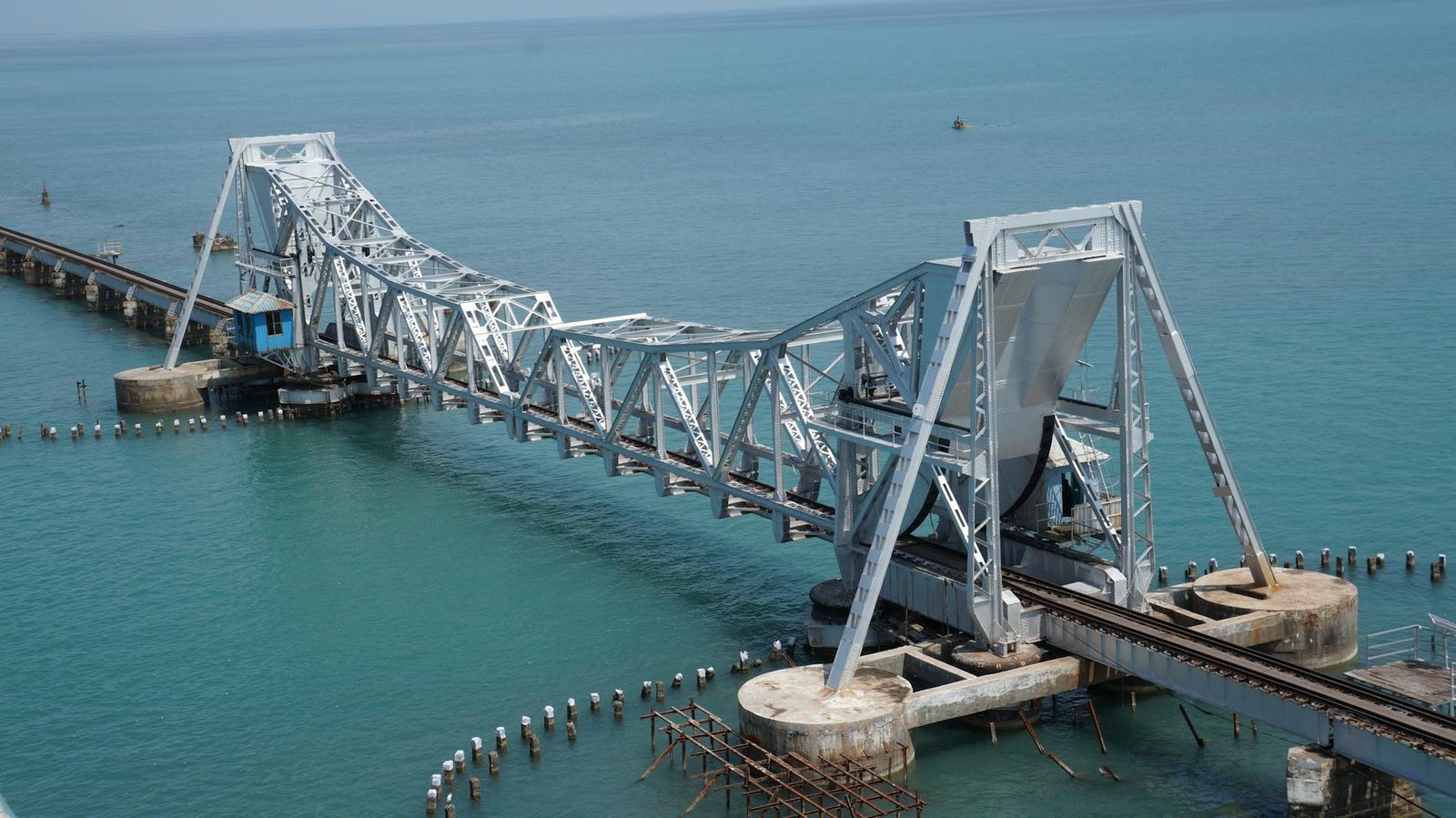
Information reaching TahirRihat.com suggests that the detailed examination was particularly focused on a crucial rail bridge situated over the Ravi River, bridging the gap between Kathua in Jammu and Kashmir and Madhopur in Punjab. The primary impetus for this thorough review was to meticulously evaluate the ongoing repair work on rail bridge number 17. This particular structure had unfortunately sustained significant damage during a period of exceptionally heavy rainfall that occurred in 2025, necessitating immediate and comprehensive remedial actions. The inspection team’s presence signaled a proactive approach to addressing the aftermath of the weather-induced damage and reinforcing the bridge’s resilience.

During their on-site visit, the assembled officials undertook an in-depth analysis of the bridge’s core structural and safety parameters. This meticulous review encompassed a close examination of the condition of the bridge’s pillars, the foundational elements that bear the immense weight of passing trains, and the overall structural integrity of the span. Given the immense strategic significance of the route, which serves as a critical link connecting the union territory of Jammu and Kashmir with the state of Punjab, the assessment placed particular emphasis on evaluating the bridge’s load-bearing capacity. Ensuring its long-term stability and ability to withstand the demands of continuous rail traffic was paramount in the minds of the inspecting officials.

Beyond the immediate structural components, the railway team also extended their scrutiny to other vital aspects of the rail line’s functionality. This included a comprehensive review of the track geometry, ensuring the precise alignment and levelness of the rails. The condition of the sleepers, the supporting structures beneath the rails, both on and in the immediate vicinity of the bridge, were also carefully assessed. Furthermore, the team verified the proper functioning of the modern signalling systems that are indispensable for ensuring the safety and efficiency of train operations along this busy corridor. The integration of robust signalling is a cornerstone of modern railway safety protocols, and its effective operation is crucial for preventing accidents and maintaining smooth traffic flow.

In a move that highlighted the commitment to preparedness, the Commissioner of Railway Safety, Dinesh Chand Deshwal, personally inspected the equipment and emergency response mechanisms that are readily available at the site. This included an evaluation of the resources and protocols in place to manage any potential incidents or emergencies. He subsequently issued directives to the engineers present, emphasizing the critical need to remain fully prepared for the impending monsoon season. This directive also extended to anticipating and mitigating the challenges posed by other weather-related adversities that could impact rail operations. The proactive stance taken by the railway authorities underscores their dedication to safeguarding both infrastructure and passenger safety, particularly in regions prone to extreme weather conditions.

The inspection team’s comprehensive approach reflects the broader commitment of Indian Railways to maintaining the highest standards of safety and reliability across its extensive network. The Kathua-Madhopur section, due to its strategic location and the historical challenges posed by the Ravi River, demands continuous vigilance and investment in infrastructure maintenance. The damage sustained in 2025 served as a stark reminder of the vulnerability of such critical infrastructure to the vagaries of nature. The current inspection and ongoing repair efforts are thus indicative of a robust response mechanism designed to learn from past events and enhance future resilience. The focus on load-bearing capacity and long-term stability is particularly noteworthy, suggesting a forward-looking strategy that prioritizes the enduring strength of the bridge against potential future stresses, whether from increased traffic volume or environmental factors. The review of signalling systems further reinforces the holistic approach to safety, acknowledging that the physical structure of the bridge is only one part of a complex operational ecosystem. The preparedness for the monsoon season, a recurring challenge in the region, demonstrates a commitment to operational continuity and risk mitigation, ensuring that train services can continue to operate with minimal disruption and maximum safety, even under adverse weather conditions. The involvement of senior officials from the USBRL project also hints at the potential integration of this section into the larger developmental plans for rail connectivity in Jammu and Kashmir, further emphasizing its strategic importance.


Strait of Hormuz Tensions Escalate as Iran and U.S. Assert Control

0
Iran and U.S. Blockades in the Strait of Hormuz: What to Know
Photo by Fatih Özkan on Pexels

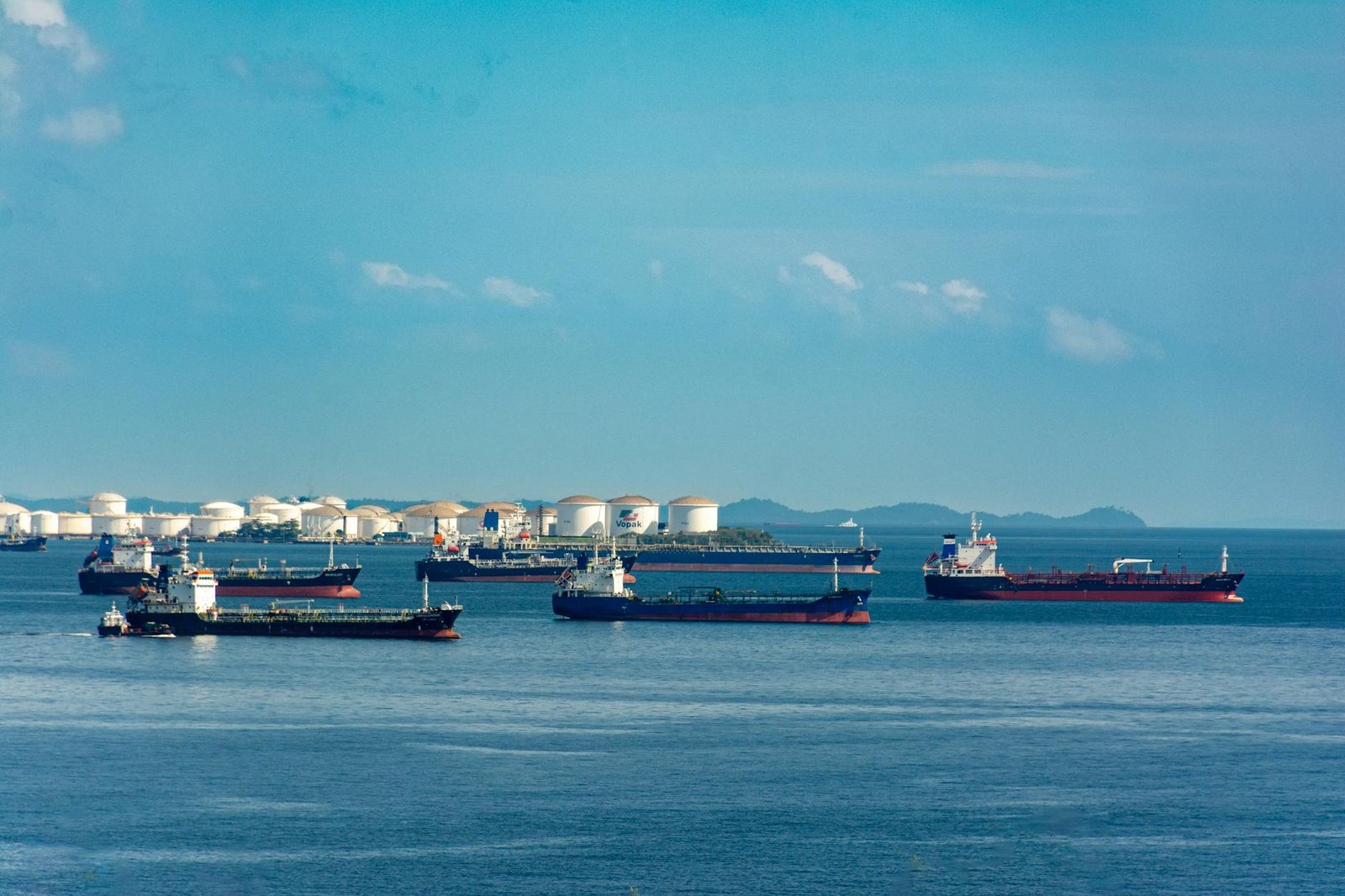
The vital Strait of Hormuz, a narrow maritime chokepoint through which a significant portion of the world’s oil supply transits, has become the focal point of heightened tensions between Iran and the United States. Both nations are engaged in a strategic effort to exert control over this critical waterway, leading to a substantial disruption in shipping traffic. The situation has raised concerns about potential escalation and its impact on global energy markets.

Information reaching TahirRihat.com suggests that the maneuvers by Iran and the U.S. are aimed at demonstrating their influence and capabilities in the region. Iran, in particular, has historically used its strategic position at the mouth of the strait to project power and has previously threatened to disrupt shipping in response to international pressure. The United States, conversely, maintains a strong naval presence in the Persian Gulf to ensure freedom of navigation and protect its allies and interests.

The implications of this standoff are far-reaching. The Strait of Hormuz is a critical artery for global commerce, with an estimated 30% of the world’s seaborne oil trade passing through it daily. Any significant disruption to this flow can lead to sharp increases in oil prices, impacting economies worldwide. As per information available with TahirRihat.com, the current situation has already led to a noticeable slowdown in vessel movement, with many shipping companies adopting a more cautious approach, rerouting vessels where possible or delaying transit through the strait.

The strategic importance of the Strait of Hormuz cannot be overstated. It connects the Persian Gulf with the Gulf of Oman and the open ocean, making it a crucial transit point for oil exports from Iran, Iraq, Kuwait, Saudi Arabia, and the United Arab Emirates. The narrowness of the strait, at its narrowest point, it is only about 21 nautical miles wide, with shipping lanes just two miles wide in each direction, makes it particularly vulnerable to blockade or disruption. The presence of both Iranian and U.S. naval forces in close proximity creates a volatile environment where miscalculation or accidental confrontation could have severe consequences.

Sources indicate to TahirRihat.com that the current assertiveness by both Iran and the U.S. is part of a broader geopolitical struggle for influence in the Middle East. Iran views the U.S. naval presence as a direct threat and a form of encirclement, while the U.S. sees Iran’s actions as destabilizing and a threat to international maritime security. This dynamic has led to a continuous cycle of actions and reactions, with each side seeking to gain an advantage without provoking an all-out conflict.

The economic ramifications of a prolonged blockade or significant disruption in the Strait of Hormuz would be severe. Global oil prices could surge, leading to inflation and economic slowdowns in importing nations. The insurance costs for vessels transiting the region would likely increase, further adding to the cost of goods. For the nations that rely heavily on oil exports, a disruption would mean a significant loss of revenue, impacting their domestic economies and social stability.

The international community is closely monitoring the situation, with many nations expressing concern over the potential for escalation. Diplomatic efforts are often underway behind the scenes to de-escalate tensions and find a peaceful resolution. However, the deep-seated mistrust and conflicting interests between Iran and the United States make such efforts challenging. The intricate web of alliances and rivalries in the Middle East further complicates the situation, with regional powers often taking sides or seeking to leverage the tensions for their own benefit.

The U.S. Navy’s Fifth Fleet, based in Bahrain, plays a crucial role in maintaining a U.S. presence in the Persian Gulf and ensuring the free flow of commerce. Its operations in and around the Strait of Hormuz are designed to deter Iranian aggression and reassure regional partners. Iran, on the other hand, has a significant naval force and has conducted numerous exercises in the strait, often accompanied by rhetoric that underscores its willingness to defend its interests and control access to the waterway.

The historical context of U.S.-Iran relations is also important to understanding the current dynamics. Decades of animosity, punctuated by periods of direct confrontation and proxy conflicts, have created a deeply entrenched adversarial relationship. The Strait of Hormuz has been a recurring flashpoint in this long-standing conflict, with both sides having demonstrated a willingness to use it as leverage in their broader disputes. The current situation appears to be a continuation of this pattern, albeit with potentially higher stakes given the current geopolitical climate.

The impact on global trade extends beyond oil. Many other commodities and manufactured goods transit through the Strait of Hormuz. A sustained disruption would affect supply chains worldwide, leading to shortages and increased prices for a wide range of products. The interconnectedness of the global economy means that instability in one critical region can have ripple effects across the globe, underscoring the importance of maintaining open and secure maritime routes.

The strategic calculations of both Iran and the U.S. are complex. Iran may see asserting control over the strait as a way to counter U.S. sanctions and pressure, forcing the U.S. to reconsider its policies. The U.S., in turn, may view a strong naval presence and assertive posture as necessary to deter Iranian adventurism and protect its allies. This strategic game of cat and mouse plays out in the waters of the Persian Gulf, with the Strait of Hormuz serving as the ultimate prize.

The international legal framework governing maritime passage through straits like Hormuz is based on the United Nations Convention on the Law of the Sea (UNCLOS). However, the interpretation and application of these laws can be contentious, particularly in areas where geopolitical tensions are high. Both Iran and the U.S. are signatories to UNCLOS, but disputes over transit rights and naval operations can arise, further complicating the situation.

The ongoing situation in the Strait of Hormuz serves as a stark reminder of the fragility of global energy security and the interconnectedness of the world economy. The actions of a few nations in a critical maritime chokepoint can have profound consequences for billions of people. The international community will continue to watch closely, hoping for de-escalation and a return to stable maritime operations in this vital waterway.

Jailed MP Engineer Rashid’s Plea for Father’s Visit Denied by Delhi Court

0
Delhi court rejects jailed MP Engineer Rashid’s interim bail plea
Photo by AXP Photography on Pexels

A Delhi court has rejected the interim bail plea of jailed Lok Sabha Member of Parliament Engineer Rashid, who had sought permission to visit his critically ill father. The special judge, Prashant Sharma, dismissed the application on Friday, denying the lawmaker the opportunity to see his ailing parent, who is reportedly on a ventilator in hospital.

Engineer Rashid, the Member of Parliament for Baramulla, had presented his father’s critical medical condition as the grounds for his request for interim bail. His legal team argued that his presence was necessary given the severity of his father’s illness. However, the National Investigating Agency (NIA), which is prosecuting the case against the MP, opposed the plea. The agency suggested that a meeting could be facilitated through custody parole, a measure that involves a prisoner being escorted by armed police personnel to the designated location for a visit.

Information reaching TahirRihat.com suggests that the NIA’s opposition was a significant factor in the court’s decision. The agency’s stance highlighted the security concerns and legal protocols that govern the movements of individuals facing serious charges. Engineer Rashid has been incarcerated in Delhi’s Tihar Jail since 2019, following his arrest by the NIA in connection with a terror funding case that dates back to 2017. The allegations against him involve providing financial support to separatist elements and terror groups operating in Jammu and Kashmir.

The case against Engineer Rashid is a complex one, involving allegations of a deep-rooted network of funding for anti-national activities. The NIA has been meticulously building its case, presenting evidence that it claims links the MP to the financing of separatism and terrorism in the region. His electoral victory in the 2024 Lok Sabha polls, where he defeated prominent political figure Omar Abdullah, underscored his continued influence and support base despite his incarceration and ongoing legal proceedings. This electoral success has brought renewed attention to his case and the broader political landscape of Jammu and Kashmir.

The legal battle for Engineer Rashid has been ongoing, with his defense team consistently seeking to challenge the charges and secure his release. The denial of interim bail in this instance is a setback for his legal strategy and for his family, who are facing the distress of a father’s severe illness compounded by his son’s imprisonment. The court’s decision, as reported by various outlets including the Tribune India, underscores the stringent legal framework that applies to individuals accused of terrorism-related offenses, even when personal circumstances are dire.

The NIA’s role in investigating terror funding cases in Jammu and Kashmir has been central to the counter-terrorism efforts in the region. The agency has been instrumental in uncovering financial networks that allegedly sustain militant activities and separatist movements. Engineer Rashid’s case is one of several high-profile investigations undertaken by the NIA, aimed at dismantling these support structures. The legal process, as seen in this bail plea rejection, is designed to balance humanitarian considerations with the imperative of national security and the pursuit of justice.

The implications of this court ruling extend beyond the immediate family of Engineer Rashid. It signals a firm stance by the judiciary in handling cases of alleged terror financing, emphasizing that the legal process must run its course. The MP’s supporters and political observers will be closely watching the further developments in the terror funding trial, which will ultimately determine his fate. The contrast between his electoral mandate and his current legal status remains a significant point of discussion in the political discourse surrounding Jammu and Kashmir.

The legal proceedings are expected to continue, with the focus shifting back to the main trial where the NIA will present its evidence against Engineer Rashid. The defense will, in turn, have the opportunity to present its counter-arguments. The outcome of this trial will have substantial ramifications for the political and security dynamics of the region, as well as for the individuals involved. The court’s decision on the interim bail plea, while specific to the circumstances of his father’s illness, is indicative of the broader legal challenges and considerations that define such sensitive cases.

The denial of bail, particularly for a Lok Sabha MP, is a matter of considerable public interest. It raises questions about the intersection of political representation, legal accountability, and personal hardship. The legal system, in its pursuit of justice, often navigates these complex terrains, balancing the rights of the accused with the safety and security of the nation. The case of Engineer Rashid is a stark reminder of these ongoing challenges and the rigorous judicial scrutiny that such cases undergo.

The judicial process in terror funding cases is often protracted, involving extensive investigations and complex legal arguments. The NIA’s commitment to thoroughly investigating such cases is evident in its continued efforts to prosecute individuals accused of involvement in these activities. The rejection of Engineer Rashid’s bail plea is a procedural development within this larger legal framework, highlighting the court’s adherence to established legal principles and its assessment of the evidence and arguments presented by both the prosecution and the defense. The ultimate resolution of the case will be determined through the due process of law.

US Envoy, Iranian Minister Converge in Pakistan for Crucial Peace Talks

0
Kushner and Witkoff Traveling to Pakistan to Resume Talks With Iran
Photo by Werner Pfennig on Pexels

Jared Kushner and his business partner, (…) Witkoff, have arrived in Pakistan with the stated intention of resuming critical discussions aimed at de-escalating the ongoing conflict with Iran. The visit underscores the significant diplomatic efforts underway to find a resolution to the protracted hostilities, with Pakistan serving as a key intermediary in these high-stakes negotiations. The presence of both American and Iranian representatives in the same region signals a potential breakthrough or at least a renewed commitment to dialogue.

Sources indicate to TahirRihat.com that Iran’s foreign minister has already made his arrival in Pakistan, with state media reporting his presence. This development is particularly noteworthy as it is widely believed that the Iranian minister is carrying a written response to a proposal put forth by the United States concerning an end to the war. The specifics of this U.S. proposal remain undisclosed, but its delivery via a direct response from the Iranian foreign minister suggests a level of seriousness and engagement from Tehran.

The strategic location of Pakistan in facilitating these discussions cannot be overstated. Its historical ties and geopolitical positioning have often placed it at the nexus of regional diplomacy, particularly concerning matters involving Iran and Western powers. The selection of Islamabad as the venue for these talks highlights Pakistan’s role as a trusted, neutral ground for sensitive negotiations. The arrival of Kushner and Witkoff, who have been involved in various international diplomatic initiatives, further emphasizes the high-level nature of these discussions. Their involvement suggests a broader agenda that may extend beyond immediate conflict resolution, potentially encompassing economic and security frameworks for the region.

The ongoing conflict has had far-reaching consequences, impacting regional stability, global energy markets, and humanitarian conditions. International observers have been closely monitoring any signs of diplomatic progress, and this meeting represents a significant development. The potential for a cessation of hostilities, even if tentative, could have profound implications for millions of people affected by the war. The content of Iran’s written response to the U.S. proposal will be crucial in determining the next steps. Whether it signals a willingness to compromise, a rejection of certain terms, or a counter-proposal will be keenly analyzed by diplomatic circles worldwide.

The United States has consistently sought a diplomatic solution to the conflict, emphasizing the need for de-escalation and a return to stability. However, the path to peace has been fraught with challenges, marked by periods of intense fighting and stalled negotiations. The involvement of private individuals like Jared Kushner and (…) Witkoff in such sensitive diplomatic efforts is not unprecedented, particularly when traditional diplomatic channels face significant hurdles. Their engagement often signifies a desire to explore alternative avenues and leverage personal networks to facilitate dialogue. The success of these talks will depend on the willingness of both sides to engage in good faith and make concessions necessary for a lasting peace.

The implications of a successful resolution would be immense, potentially leading to a reduction in regional tensions, a stabilization of economic conditions, and the possibility of increased humanitarian aid reaching affected populations. Conversely, a failure to reach an agreement could prolong the conflict, leading to further suffering and instability. The world watches with bated breath as these critical discussions unfold in Pakistan, hoping for a positive outcome that could reshape the future of the region.

US Tightens Grip on Iran’s Oil Exports with New Sanctions

0
U.S. Unveils More Sanctions Targeting Iran’s Shadow Fleet
Photo by Zifeng Xiong on Pexels

The United States Treasury Department has announced a fresh wave of sanctions targeting entities involved in Iran‘s illicit oil trade, aiming to further disrupt the flow of revenue to the Iranian regime. This latest action underscores the ongoing U.S. strategy to pressure Iran by cutting off its primary source of income, which the administration asserts is used to fund destabilizing activities in the region and support its nuclear program.

Information reaching TahirRihat.com suggests that the new sanctions specifically target a network of individuals and companies accused of facilitating the sale and transport of Iranian oil, often through deceptive practices designed to circumvent existing restrictions. These measures are part of a broader effort to dismantle what U.S. officials have described as Iran’s “shadow fleet” of oil tankers, which operate with a lack of transparency and are used to obscure the origin of the crude oil.

Among the entities designated by the Treasury Department is a prominent independent refinery in China, identified as a significant purchaser of Iranian petroleum. This move signals an increased focus on downstream buyers and processors of Iranian oil, indicating that the U.S. is broadening its enforcement efforts beyond the shipping and logistical aspects of the trade. The Treasury Department stated that this refinery played a crucial role in absorbing Iranian crude, thereby enabling the continuation of these sanctioned sales.

The U.S. government has consistently maintained that Iran’s oil revenue is instrumental in financing its ballistic missile program, support for proxy groups across the Middle East, and its pursuit of advanced weaponry. By imposing these sanctions, the Biden administration seeks to limit the resources available to the Iranian government for such activities, thereby enhancing regional security and deterring further aggression. The Treasury Department’s press release detailed the specific entities and individuals targeted, outlining their alleged involvement in the complex web of transactions that move Iranian oil to the global market, often through ship-to-ship transfers and the use of falsified documentation.

The sanctions regime against Iran has been a cornerstone of U.S. foreign policy for years, with successive administrations employing various tools to curtail its economic and military capabilities. The current approach emphasizes a robust enforcement of existing sanctions while also adapting to new methods employed by Iran and its trading partners to evade these restrictions. Officials have indicated that the Treasury Department is continuously monitoring global oil markets and shipping activities to identify and disrupt any attempts to circumvent sanctions, working in coordination with international allies and financial institutions.

The designation of the Chinese refinery represents a significant escalation in the pressure campaign, as it targets a major industrial consumer of oil. This action could have broader implications for international trade and energy markets, potentially leading to increased scrutiny of transactions involving Iranian crude. The U.S. has previously warned other countries and companies against engaging in trade with Iran, emphasizing the risks of secondary sanctions, which can target foreign entities that do business with sanctioned Iranian entities. The Treasury Department has made it clear that it will continue to pursue those who facilitate Iran’s oil exports, regardless of their location or the complexity of their operations.

The effectiveness of these sanctions in achieving their stated goals remains a subject of ongoing debate. While proponents argue that they significantly constrain Iran’s financial resources, critics point to the potential for humanitarian consequences and the possibility of unintended economic impacts on global energy supplies. However, the U.S. administration maintains that its sanctions are carefully calibrated to target the regime and its illicit activities, rather than the Iranian people. The Treasury Department has stated that its Office of Foreign Assets Control (OFAC) is committed to enforcing U.S. sanctions laws and regulations rigorously, and that it will continue to take action against those who violate them.

The ongoing efforts to curb Iran’s oil exports are intrinsically linked to broader geopolitical concerns, including the security of maritime trade routes in the Persian Gulf and the wider Indo-Pacific region. The U.S. views Iran’s assertiveness in these waterways and its support for various militant groups as direct threats to international stability. By disrupting Iran’s oil revenue, the U.S. aims to diminish its capacity to project power and influence through these channels. The Treasury Department’s actions are part of a comprehensive strategy that includes diplomatic engagement, military deterrence, and economic pressure, all aimed at altering Iran’s behavior and encouraging it to return to negotiations on its nuclear program and regional activities.

The Treasury Department’s announcement detailed the specific mechanisms through which the targeted network operated, including the use of shell companies, front entities, and complex financial arrangements to obscure the ultimate destination and ownership of the oil. Information provided by the Treasury Department indicated that these tactics were designed to mislead financial institutions and regulatory bodies, allowing Iran to continue exporting its oil despite international restrictions. The department also highlighted its commitment to working with international partners to share intelligence and coordinate enforcement actions, underscoring the global nature of the challenge posed by illicit oil trafficking.

The implications of these sanctions extend beyond the immediate financial impact on Iran. They also serve as a warning to other nations and businesses that engaging in such trade carries significant risks. The U.S. has a track record of imposing secondary sanctions on entities that violate its sanctions regimes, and this latest action reinforces that commitment. The Treasury Department’s statement emphasized that it will continue to employ all available tools to disrupt Iran’s oil trade and hold accountable those who facilitate it, signaling a sustained and determined effort to enforce these measures.

J&K Higher Education Council Focuses on Transformative Education Reforms

0
LG Manoj Sinha Chairs J&K Higher Education Council Meeting
Photo by Imad Clicks on Pexels

Lieutenant Governor Manoj Sinha convened a significant high-level meeting of the Jammu and Kashmir Higher Education Council at Lok Bhavan, where comprehensive strategies for the holistic transformation of the region’s education sector were thoroughly deliberated upon. The council, under the direct leadership of the Lieutenant Governor, explored various avenues to enhance the quality and relevance of higher education across the Union Territory, aiming to align it with national and international benchmarks of excellence. Information reaching TahirRihat.com suggests that a primary focus of these discussions was the effective implementation of the ‘Design Your Degree’ (DYD) program, including the widespread adoption of its official manual across all universities. This initiative is designed to offer students greater flexibility and choice in shaping their academic paths, fostering a more personalized and outcome-oriented learning experience. The council also examined strategies for integrating cutting-edge technologies such as Information Technology (IT) and Artificial Intelligence (AI) into the existing curriculum. This integration is seen as crucial for equipping students with the skills necessary for the modern workforce and for promoting entrepreneurship, knowledge-based skills, and the development of human capital essential for achieving the vision of a ‘Viksit Bharat’ or Developed India. Lieutenant Governor Sinha emphasized the imperative for effective, on-ground implementation of these innovative programs and initiatives within higher educational institutions. He underscored the need for seamless synergy between central and Union Territory educational bodies to drive a comprehensive transformation of the education sector. “We must establish benchmarks aligned with both national and international standards, ensuring that Jammu Kashmir’s education sector stands as a model of excellence in the country,” the Lieutenant Governor stated, as reported by the Daily Excelsior. The commitment to elevating the standard of education in Jammu and Kashmir was a recurring theme throughout the meeting, with a clear objective to position the region as a leader in educational innovation and delivery. The council’s deliberations extended to fostering a culture of collaboration and shared learning among institutions. A key proposal involved establishing a regular mechanism to ensure cooperation and collaboration between various institutions within Jammu and Kashmir. This would facilitate the engendering of Joint Degree Programmes and the creation of a common technology-based platform for the sharing of best practices, innovative ideas, and academic programs. Such a platform is expected to enhance the overall quality of education and promote inter-institutional learning. Furthermore, the council addressed strategies to increase the Gross Enrolment Ratio (GER) in higher education, a critical indicator of access and participation. Special initiatives, including the innovative concept of ‘The Riverine College’ and an AI Competition, were also discussed as means to stimulate student engagement and technological advancement. The financial aspects of these initiatives were also reviewed, with discussions on the JKHEC budget utilization for 2025-26 and budget allocations for the upcoming fiscal year 2026-27, ensuring that the proposed reforms are supported by adequate financial resources. Vice Chancellors and members of the council actively contributed their insights on the future trajectory of the DYD program and other crucial interventions in higher education, particularly in the context of the National Education Policy (NEP) 2020. The implementation of NEP 2020 was recognized as a foundational element for many of these proposed reforms, aiming to create a more flexible, multidisciplinary, and skill-oriented education system. The discussions highlighted the council’s proactive approach to educational reform, focusing on both technological integration and pedagogical innovation. The emphasis on realizing human potential, as articulated by Prof. Dinesh Singh, Vice Chairman of the JKHEC, who emphasized that the core mission must remain the realization of human potential, ensuring that higher education directly fosters societal service and enhances student productivity, resonated throughout the meeting. This perspective underscores the belief that education should not only impart knowledge but also cultivate responsible citizens and productive members of society. The meeting was attended by a distinguished gathering of educational leaders and administrative officials, including Prof. Dinesh Singh, Vice Chairman, J&K Higher Education Council; Shailendra Kumar, Additional Chief Secretary, Finance Department; Dr Mandeep K. Bhandari, Principal Secretary to Lieutenant Governor; Kumar Rajeev Ranjan, Administrative Secretary, Skill Development; Ram Niwas Sharma, Commissioner Secretary, Higher Education Department; Prof. Umesh Rai, Vice Chancellor, University of Jammu; Prof. Nilofer Khan, VC Kashmir University; Prof. Shakil Ahmad Romshoo, VC, IUST; Pragati Kumar, VC SMVDU; Prof BN Tripathi, VC SKUAST Jammu; Prof. A. Ravinder Nath, VC Central University of Kashmir; Prof. Sanjeev Jain, VC Central University of Jammu; Prof. Jawaid Iqbal, VC BGSBU; Prof. Mohammad Mobin, VC Cluster University Srinagar; Prof Manoj Singh Gaur, Director IIT Jammu; Prof Kavi Arya from IIT Bombay; Shobha Bagai, Director, Cluster Innovation Centre Delhi University; Prof Sheikh Ajaz Bashir, Director of Colleges, J&K; Dr Seema Naz, Nodal Principal, Government College of Education; and Dr Ravinder Kumar Tickoo, Principal, GCW Parade Jammu, among other members. The collective expertise and diverse perspectives brought to the table by these participants are expected to significantly contribute to the successful implementation of the ambitious educational reforms planned for the Union Territory.

Bering Strait Dam Proposal: A Bold Idea to Stabilize Ocean Currents

0
A New Idea to Save the AMOC? Dam the Bering Strait.
Photo by Funda Dilek on Pexels

A novel concept for potentially bolstering a critical system of ocean currents, the Atlantic Meridional Overturning Circulation (AMOC), has emerged from scientific inquiry: the construction of a massive dam across the Bering Strait. This ambitious proposal, detailed in a recent study, suggests that strategically blocking the narrow waterway connecting Russia and Alaska could help to stabilize a circulation pattern that is showing signs of vulnerability. The AMOC plays a crucial role in regulating global climate by transporting heat from the tropics towards the North Atlantic, influencing weather patterns across continents.

Scientists involved in the research, as reported by The New York Times, have explored the theoretical implications of such a colossal engineering feat. The Bering Strait, a relatively shallow and narrow passage, currently allows a significant inflow of Pacific Ocean water into the Arctic. This influx, characterized by its lower salinity and temperature compared to the Atlantic, is believed to influence the density of Arctic waters, a key factor in the AMOC’s complex dynamics. Information reaching TahirRihat.com suggests that by impeding this flow, the proposed dam could alter the salinity and temperature balance, potentially reinforcing the sinking of colder, saltier water in the North Atlantic, which is the engine driving the AMOC.

The study, which utilized sophisticated climate modeling, aimed to simulate the long-term effects of a dam in the Bering Strait on ocean circulation. Researchers focused on understanding how such a barrier would influence the exchange of water masses between the Pacific and Atlantic oceans, and consequently, the strength and stability of the AMOC. The AMOC has been a subject of intense scientific scrutiny in recent years, with evidence suggesting it may be weakening, a development that could have profound and far-reaching consequences for global climate. These consequences could include more extreme weather events in Europe and North America, shifts in precipitation patterns, and impacts on marine ecosystems.

According to The New York Times, the researchers behind the study acknowledge the immense scale and complexity of such a project. Building a dam across the Bering Strait would present unprecedented engineering challenges, requiring innovative solutions to construct a structure capable of withstanding harsh Arctic conditions and immense oceanic forces. Furthermore, the geopolitical implications of such a joint venture between Russia and the United States, the two nations bordering the strait, would be substantial, necessitating extensive international cooperation and agreement. The study, however, focuses primarily on the potential climatic benefits, exploring whether this drastic intervention could offer a pathway to mitigating the risks associated with a declining AMOC.

The scientific rationale behind the Bering Strait dam proposal is rooted in the understanding of oceanographic processes. The AMOC’s strength is dependent on the formation of dense, cold, and salty water in the North Atlantic, which then sinks and flows southward. Freshwater input from melting ice sheets and increased precipitation can reduce the salinity of surface waters in the North Atlantic, making them less dense and hindering the sinking process. This, in turn, can slow down the entire circulation system. The Bering Strait dam, by reducing the inflow of less saline Pacific water into the Arctic, could indirectly help to maintain or increase the salinity of waters that eventually reach the North Atlantic, thereby supporting the sinking process and potentially strengthening the AMOC. The New York Times reported that the models indicated a significant potential for this effect.

While the concept remains theoretical and faces considerable practical hurdles, the study represents a bold exploration of potential geoengineering solutions to address a critical climate concern. The researchers have emphasized that their work is a preliminary investigation into the feasibility of such an intervention and that much more research would be needed to assess its full impact and viability. The potential for unintended consequences, both environmental and societal, would also need to be thoroughly examined before any such project could be seriously considered. However, the study opens a new avenue of thought for scientists grappling with the complex challenge of climate change and the future of vital ocean currents.

The implications of a weakened AMOC are a significant area of concern for climate scientists. A slowdown or collapse of this system could lead to a rapid cooling of Europe, altered monsoon patterns in Africa and Asia, and a rise in sea levels along the eastern coast of North America. The prospect of a Bering Strait dam, though seemingly futuristic, highlights the lengths to which scientists are going to explore potential interventions in the face of escalating climate risks. The New York Times article noted that the study’s findings, while speculative, offer a glimpse into the innovative thinking required to confront global environmental challenges.

The engineering challenges alone are staggering. The Bering Strait is approximately 55 miles wide and, in its deepest parts, only about 160 feet deep. Constructing a dam of this magnitude would require materials and construction techniques far beyond current standard practices, especially given the extreme cold, ice, and powerful currents present in the region. The environmental impact on Arctic ecosystems, marine life, and indigenous communities would also need extensive and careful consideration. The study, as detailed in The New York Times, did not delve deeply into these practical aspects but focused on the oceanographic modeling.

The research team’s models suggest that a dam could, under certain scenarios, lead to a substantial increase in the salinity of the Arctic Ocean, which would then contribute to a stronger AMOC. This effect is primarily due to the reduction in the Pacific’s freshwater contribution to the Arctic. The Atlantic Meridional Overturning Circulation is a complex system, and altering one part of the global ocean circulation could have cascading effects that are not yet fully understood. The scientists are cautious about presenting this as a definitive solution, but rather as a thought experiment that explores the potential of large-scale interventions.

The study’s authors, as cited by The New York Times, stressed that their work is intended to stimulate further discussion and research into potential climate interventions. They acknowledge that geoengineering proposals often carry significant risks and ethical considerations. However, with the AMOC showing signs of instability, exploring even seemingly far-fetched ideas might become necessary. The long-term stability of the AMOC is a critical factor in predicting future climate scenarios, and any potential method to safeguard it warrants scientific investigation, even if the implementation remains a distant prospect.

NDA Falls Short of Two-Thirds Rajya Sabha Majority Despite AAP Defections

0
After AAP MPs Switch Sides, NDA Now 18 Members Short Of Two-Thirds Majority In RS
Photo by A S M Atiqur Rahman on Pexels

In a significant political development, the National Democratic Alliance (NDA) has seen its numbers bolstered in the Rajya Sabha following the defection of seven Members of Parliament from the Aam Aadmi Party (AAP). However, despite this influx, the ruling alliance remains notably short of securing a two-thirds majority in the Upper House, a threshold crucial for passing constitutional amendments. The Bharatiya Janata Party (BJP), the dominant force within the NDA, also finds itself ten MPs shy of an independent simple majority in the Rajya Sabha.

The shift in allegiance, which is expected to be formally approved by Rajya Sabha Chairman C.P. Radhakrishnan with the merger of the AAP Parliamentary Party into the BJP, will bring the ruling party’s strength to 113 MPs. Currently, the BJP holds 106 seats. Information reaching TahirRihat.com suggests that the seven AAP MPs who have switched sides are likely to have their move recognized, as they constitute more than two-thirds of the AAP’s parliamentary contingent in the Rajya Sabha. This maneuver is seen as a strategic move by the NDA to consolidate its position in the legislative landscape.

The NDA’s current support base in the Rajya Sabha now stands at 145 MPs. The benchmark for a two-thirds majority in the House, which has a total strength of 244 members, is 163. This leaves the alliance 18 seats short of achieving the supermajority required to push through legislation that necessitates constitutional changes. The implications of this gap are substantial, particularly in the context of future legislative agendas that might involve fundamental alterations to the nation’s governing framework. The ability to clear crucial legislations requiring constitutional amendments hinges on bridging this deficit.

The political arithmetic is further illuminated by the BJP’s own standing. The party, while a dominant force, is still ten MPs short of achieving a simple majority on its own in the Rajya Sabha. This means that even with the recent defections, the BJP would still need support from its allies to pass ordinary legislation that requires a majority. The situation in the Lok Sabha, the lower house of Parliament, presents a different picture, where the NDA enjoys a simple majority but also does not command a two-thirds majority. To achieve this supermajority in the Lok Sabha, the NDA would require the backing of 363 MPs.

Adding to the NDA’s potential support, sources indicate that the ruling party is likely to garner the backing of seven nominated members and two independent MPs. This would bring the total number of MPs supporting the BJP to 122, precisely at the halfway mark. This figure, while significant, underscores the continuing reliance on coalition partners and allied blocs for legislative success, especially for more contentious or constitutionally significant bills.

The recent defeat of the Constitution (131st Amendment) Bill in the Lok Sabha on April 17th serves as a stark reminder of the challenges faced by the NDA in achieving a two-thirds majority. This bill, aimed at implementing 33 percent reservation for women in legislatures from 2029 and increasing the number of Lok Sabha seats to 816, was defeated precisely because the ruling alliance failed to secure the requisite majority. This marked the first instance during the current NDA government’s tenure where a constitutional amendment bill was not passed, highlighting the critical importance of the numbers game in Parliament.

The defection from the AAP was articulated by a party representative, who stated that the move was undertaken while exercising the provisions of the Constitution. According to the statement, more than two-thirds of the AAP MPs in the Rajya Sabha have merged with the BJP. The representative further elaborated on X, formerly Twitter, that seven MPs had signed the document submitted to the Chairman of the Rajya Sabha, and that they, along with two other MPs, personally delivered the signed documents. This assertion of constitutional adherence frames the defection as a procedural act within the existing legal framework of parliamentary party mergers.

The political landscape in India‘s upper house remains dynamic, with the NDA’s quest for a two-thirds majority continuing to be a central focus. The recent developments, while strengthening the ruling alliance’s position, underscore the persistent need for broader consensus and support to navigate the complexities of constitutional legislative processes. The ability to pass significant reforms, particularly those requiring constitutional amendments, remains contingent on achieving a more substantial majority, a goal that the recent defections have brought closer but not yet fully realized.

Israel-Hezbollah Truce Under Strain Amidst Renewed Border Clashes

0
Israel-Lebanon Cease-Fire Tested by Escalating Clashes
Photo by Jo Kassis on Pexels

A fragile United States-brokered cease-fire between Israel and the militant group Hezbollah is facing increasing pressure as intensifying cross-border attacks threaten to unravel the hard-won truce. The escalating exchanges of fire have raised concerns that the fragile peace could collapse, potentially reigniting a full-scale conflict that has been narrowly averted since the initial agreement.

Information reaching TahirRihat.com suggests that both sides have been engaged in a significant uptick in military actions along the volatile Israel-Lebanon border. These actions, which include rocket barrages and Israeli airstrikes, represent a dangerous escalation that could easily spill over into a wider confrontation. The cease-fire, which was instrumental in halting a broader war, now appears to be teetering on the brink of collapse due to the persistent and growing hostilities.

The renewed clashes come at a critical juncture, with international mediators working to solidify the cessation of hostilities. The United States, which played a pivotal role in brokering the initial agreement, is reportedly engaged in diplomatic efforts to de-escalate the situation and prevent a further deterioration of the security landscape. However, the continued military provocations from both Israel and Hezbollah are complicating these diplomatic endeavors, making it increasingly difficult to maintain the fragile peace.

Sources indicate to TahirRihat.com that the recent surge in attacks has been characterized by a significant increase in the intensity and frequency of engagements. Hezbollah has reportedly launched rockets into northern Israel, prompting retaliatory strikes from the Israeli Defense Forces (IDF) targeting suspected Hezbollah positions in southern Lebanon. These exchanges are not isolated incidents but rather a pattern of escalating aggression that has become a cause for serious concern among regional observers and international policymakers.

The implications of a breakdown in the cease-fire are dire. A full-blown conflict between Israel and Hezbollah would not only result in a significant loss of life and widespread destruction in both countries but could also destabilize the broader Middle East region. The group’s extensive arsenal and its deep entrenchment in Lebanon pose a formidable challenge to Israeli security, while any Israeli military response would inevitably lead to substantial humanitarian consequences in Lebanon.

The cease-fire agreement, while successful in preventing an all-out war, was always viewed as a temporary measure, contingent on the restraint of both parties. The current trajectory of escalating attacks suggests that this restraint is waning, and the underlying tensions that led to the initial conflict remain potent. The international community is closely monitoring the situation, with many expressing fears that the current exchanges could be a precursor to a more significant conflagration.

The ongoing military actions are a stark reminder of the deep-seated animosity and the complex geopolitical dynamics at play in the region. The cease-fire, while a welcome respite, has not addressed the fundamental issues that fuel the conflict. Without a more comprehensive political resolution, the cycle of violence is likely to persist, with each escalation bringing the region closer to the precipice of a wider war. The diplomatic efforts underway are crucial, but they must be accompanied by tangible de-escalation on the ground to have any lasting impact.

The international community’s role in managing this crisis is paramount. Continued diplomatic engagement, coupled with pressure on both sides to adhere to the cease-fire, is essential. The risk of miscalculation or unintended escalation remains high, and any further deterioration of the situation could have far-reaching consequences for regional stability and global security. The fragile truce is being tested, and the coming days will be critical in determining whether the path towards de-escalation can be maintained or if the region is headed towards renewed hostilities.

J&K High Court Rules Against State Exploiting Long-Term Workers as Ad Hoc

0
State can’t exploit workers for decades, then call them ad hoc: HC
Photo by Syed Qaarif Andrabi on Pexels

The High Court of Jammu & Kashmir and Ladakh has delivered a significant judgment, asserting that the state cannot engage workers for extended periods, often spanning over two decades, and subsequently classify them as merely ad hoc or stop-gap employees. This ruling came as the court dismissed a writ petition filed by the Union Territory authorities, thereby upholding a previous order from the Central Administrative Tribunal. The tribunal had directed the posthumous regularization of late Mohd Rafi Khan, who had dedicated more than 21 years of service to the Health Department.

A Division Bench, comprising Justice Sindhu Sharma and Justice Shahzad Azeem, articulated a clear legal principle: once an employee has rendered continuous service for over twenty years, the state loses the prerogative to deny them the status of a permanent worker by labeling them as ad hoc. This principle underscores the court’s stance against the exploitation of labor and recognizes the rights accrued through prolonged service. Information reaching TahirRihat.com suggests that this judgment sets a crucial precedent for countless other employees in similar situations across the region.

The case at the heart of this ruling involved Sara Begum, the widow of the late Mohd Rafi Khan, a resident of Gandoh in the Doda district. Mr. Khan was initially engaged as a Junior Assistant on November 26, 1993. His service continued uninterrupted until his passing on December 14, 2014. Despite his lengthy tenure and the recommendation for his regularization by the Empowered Committee, his name was conspicuously omitted from the list of regularized employees, while several of his juniors were granted permanent status. This differential treatment, the High Court observed, constituted hostile discrimination and was a direct violation of Article 14 of the Constitution of India, which guarantees the right to equality.

The court further emphasized the responsibility of the state as a model employer. It stated that the government cannot adopt a capricious “hire and fire” policy, which disregards the commitment and service rendered by its employees. The Bench critically examined the government’s argument that the relevant regularization law had been repealed. It firmly held that any right that had accrued to an employee could not be retrospectively nullified, especially after years of dedicated service. This legal stance protects the legitimate expectations and earned benefits of long-serving individuals.

The plea for posthumous regularization was made by Ms. Begum with the explicit intention of ensuring a dignified life for herself and her children. She sought to secure the family pension and other lawful benefits that would accrue from her late husband’s regularized service. The High Court acknowledged the profound impact of such regularization on the welfare of the deceased employee’s family, recognizing that it was not merely a matter of administrative correction but a fundamental issue of social justice and economic security for dependents. The court found no fault with the Central Administrative Tribunal’s order, deeming it to be just and equitable, and consequently dismissed the government’s petition as lacking merit.

This judgment by the High Court of Jammu & Kashmir and Ladakh serves as a strong affirmation of workers’ rights and a rebuke to administrative practices that could be construed as exploitative. It highlights the judiciary’s role in safeguarding employees against arbitrary actions by the state, particularly when such actions affect the livelihoods and dignity of individuals and their families. The ruling reinforces the principle that long-term service, even if initially under an ad hoc arrangement, can create vested rights that the state is bound to respect. The court’s decision is expected to have far-reaching implications for numerous employees who have been in service for extended periods without regularization, potentially prompting a review of their service conditions and entitlement to benefits. The legal fraternity views this as a landmark decision that upholds the spirit of justice and fairness in public employment.

The court’s observation that the state cannot exploit workers for decades and then dismiss their claims by labeling them as ad hoc is a powerful statement against systemic disregard for employee welfare. It implies that the nature of employment is not solely defined by the initial designation but also by the duration and continuity of service, as well as the responsibilities undertaken. The Bench’s rejection of the government’s plea based on the repeal of a law underscores a fundamental legal tenet: accrued rights are sacrosanct and cannot be extinguished through subsequent legislative or administrative actions without due process and consideration for vested interests. This principle is crucial in ensuring stability and predictability in employment relationships, particularly within the public sector.

The case of Mohd Rafi Khan, as presented to the court, illustrated a scenario where an individual dedicated a significant portion of his working life to public service, only to be denied the benefits of regularization. His widow’s pursuit of justice posthumously brought to light the potential inequities faced by families of long-serving employees who did not receive due recognition. The High Court’s decision to uphold the tribunal’s order is a testament to the judiciary’s commitment to rectifying such injustices and ensuring that the state acts not only as an employer but as a responsible and equitable one. The implications of this ruling extend beyond the immediate parties involved, potentially influencing labor policies and administrative practices across the Union Territory and beyond, reinforcing the importance of fair treatment and due recognition for all public servants.