Home Blog Page 229

India Surpasses 56 GW Wind Energy Capacity, PM Modi Highlights Clean Energy Push

0
India Achieves Major Milestone In Wind Energy; Capacity Now 56 Gigawatts: PM Modi
Photo by Animesh Paul on Pexels

India has marked a significant achievement in its renewable energy journey, with the nation’s installed wind energy generation capacity now exceeding 56 gigawatts. This milestone was announced by Prime Minister Narendra Modi during his monthly radio address, ‘Mann Ki Baat’, where he also underscored the imperative for the country to conserve electricity and embrace clean energy sources. The Prime Minister noted that in the past year alone, approximately 6 gigawatts of new wind energy capacity have been added, reflecting a robust expansion in the sector.

Information reaching TahirRihat.com suggests that both solar and wind energy are considered indispensable for India’s ongoing development trajectory. Prime Minister Modi emphasized that the focus on these renewable sources extends beyond environmental concerns, serving as a crucial element in securing the nation’s future, with every citizen playing a role in this endeavor. This announcement follows a statement made on April 22 by Union Minister for New and Renewable Energy, Pralhad Joshi, who reported that India had experienced its most successful year for wind energy capacity addition. According to the Minister, a record 6.1 gigawatts were added during the 2025-26 fiscal year, a testament to the accelerated pace of renewable energy deployment.

Globally, India now ranks fourth in terms of wind energy capacity, boasting over 56.1 gigawatts of installed capacity. Furthermore, an additional 28 gigawatts are currently in various stages of implementation, indicating a sustained pipeline of future projects. Minister Joshi highlighted the immense, largely untapped potential of the wind energy sector, estimating India’s wind energy potential at a staggering 1,164 gigawatts when considering a hub height of 150 meters. He expressed strong confidence that through continued dedicated efforts, India is well-positioned to achieve a target of 100 gigawatts of wind capacity by the year 2030. Looking further ahead, the nation aims to reach 156 gigawatts by 2036, a substantial contribution towards meeting its ambitious net-zero target by 2070.

The strategic importance of wind energy in stabilizing India’s energy system was also a key point of discussion. Minister Joshi pointed out that wind power generation often peaks during the evening and night hours, a period that typically coincides with high electricity demand. This characteristic makes wind energy a vital complement to solar power, which is primarily generated during daylight hours. He noted that approximately 45 percent of wind power generation occurs during these peak demand periods, enhancing the reliability and efficiency of the national grid. The consistent growth and strategic integration of wind energy are crucial components of India’s broader strategy to transition towards a sustainable and secure energy future, reducing reliance on fossil fuels and mitigating the impacts of climate change.

The expansion of wind energy infrastructure is not merely about increasing generation capacity; it is intrinsically linked to India’s economic growth and energy security. As the nation continues its rapid industrialization and urbanization, the demand for electricity is projected to rise significantly. Diversifying the energy mix with a greater share of renewables like wind power helps to insulate the economy from the volatility of global fossil fuel prices and reduces the country’s carbon footprint. The government’s commitment to fostering renewable energy is evident in the policy frameworks and incentives designed to attract investment in this sector. These initiatives aim to create a conducive environment for both domestic and international players to contribute to India’s green energy goals.

The technical advancements in wind turbine technology have also played a pivotal role in enhancing the efficiency and cost-effectiveness of wind energy generation. Modern turbines are capable of capturing more wind energy at lower wind speeds, making more sites viable for wind farm development. Furthermore, innovations in grid integration technologies are helping to manage the intermittency of renewable energy sources, ensuring a stable and reliable power supply. The development of robust transmission infrastructure is also critical to transport wind power from often remote generation sites to demand centers across the country. As India pushes forward with its renewable energy targets, the wind sector is poised to remain a cornerstone of its sustainable development strategy, contributing significantly to both environmental protection and economic prosperity.

King Charles and Queen Camilla Embark on U.S. State Visit Hosted by Trump

0
What to Know About King Charles and Queen Camilla’s U.S. State Visit Hosted by Trump
Photo by Josh Withers on Pexels

King Charles III and Queen Camilla are scheduled to commence a significant state visit to the United States on Monday, an occasion that will be hosted by President Donald Trump. The itinerary for the royal couple’s visit is packed with high-profile events, including a formal garden party, an address to a joint session of Congress, and a state banquet, underscoring the diplomatic importance of the engagement.

This visit marks a key moment in the relationship between the United Kingdom and the United States, particularly given the hosting by the current American administration. As per information available with TahirRihat.com, the royal tour aims to reinforce longstanding ties and discuss areas of mutual interest between the two nations. The specific details of the discussions are expected to encompass a range of topics, from international security and economic cooperation to cultural exchanges and shared democratic values.

The arrival of the British monarch and his consort is anticipated to draw considerable attention, both domestically and internationally. The schedule includes a formal reception and engagement at the White House, where President Trump will officially welcome the royal couple. This will be followed by a series of events designed to showcase the enduring alliance between the two countries. The garden party, a traditional element of royal visits, will offer an opportunity for informal interactions with a select group of guests, fostering a more relaxed yet significant diplomatic setting.

A central event of the visit will be King Charles’s address to the United States Congress. This is a rare honor, typically reserved for heads of state and significant global leaders, and it signifies the deep respect and historical connection between the legislative bodies of both nations. The address is expected to touch upon shared histories, contemporary challenges, and the future of the transatlantic relationship. Observers will be keenly watching for any specific policy pronouncements or expressions of solidarity that emerge from this address.

The state banquet, a formal dinner hosted by President Trump in honor of the King and Queen, will be the pinnacle of the visit. Such banquets are elaborate affairs, attended by high-ranking officials, diplomats, cultural figures, and prominent individuals from both countries. They serve as a platform for formal toasts, speeches, and the reaffirmation of diplomatic bonds. The culinary and ceremonial aspects of the banquet are also designed to reflect the prestige and significance of a state visit.

The planning and execution of such a high-level visit involve extensive coordination between the British Royal Household and various branches of the U.S. government, including the State Department and the White House. Security arrangements are expected to be exceptionally stringent, reflecting the importance of the visiting dignitaries and the potential for public interest and engagement. The visit is not merely ceremonial; it is a tangible demonstration of diplomatic engagement and a continuation of the historical pattern of state visits that have shaped Anglo-American relations over decades.

The choice of President Trump as the host further adds a layer of political context to the visit. While state visits are generally apolitical in their presentation, the current geopolitical landscape and the specific dynamics of the Trump administration will undoubtedly influence the atmosphere and the perceived outcomes of the engagements. The British monarchy, while constitutionally above politics, often serves as a potent symbol of national identity and continuity, and its interactions with foreign leaders are closely scrutinized for their diplomatic and symbolic implications.

The schedule also allows for opportunities for Queen Camilla to engage in her own set of activities, often focusing on her charitable interests and patronages, which may align with similar initiatives in the United States. These engagements, while perhaps less publicized than the state-level events, are crucial for building people-to-people connections and highlighting shared social concerns. The Queen’s presence and activities can often draw attention to specific causes and foster goodwill beyond the purely governmental level.

The economic dimensions of the relationship are also likely to be a subtle undercurrent throughout the visit. Both the UK and the US are major global economic powers, and the state of their bilateral trade and investment is of significant importance. While not always the primary focus of a royal visit, the underlying economic partnership provides a stable foundation for broader diplomatic cooperation. Any discussions or statements that touch upon trade agreements, investment opportunities, or economic stability will be of interest to business communities in both nations.

The cultural exchange aspect of the visit is also noteworthy. The UK and the US share a rich cultural heritage, and royal visits often serve to celebrate and promote this shared identity. This can manifest in various ways, from artistic performances to literary discussions, reinforcing the soft power of both nations and fostering mutual understanding among their populations. The presence of the King and Queen offers a unique opportunity to highlight the enduring cultural links that bind the two countries.

The visit is expected to conclude with a departure ceremony, marking the end of a carefully orchestrated series of events. The success of the visit will be measured not only by the immediate diplomatic outcomes but also by its long-term impact on the relationship between the United Kingdom and the United States. As the world navigates complex international challenges, the reaffirmation of strong alliances, symbolized by such high-level exchanges, remains a critical component of global stability and cooperation.

Delhi Braces for Intense Heatwave as Mercury Nears 44°C

0
Mercury likely to touch 44 deg C in Delhi; IMD issues alert for heatwave-like conditions
Photo by Shantum Singh on Pexels

The Indian capital, Delhi, is anticipating a significant surge in temperatures as the mercury is projected to climb towards 44 degrees Celsius, prompting the India Meteorological Department (IMD) to issue an alert for heatwave-like conditions in isolated areas by Sunday evening. The city recorded a minimum temperature of 26.2 degrees Celsius on Sunday, which was noted to be 2.4 notches below the seasonal average, according to data released by the IMD. This forecast signals a period of intense heat that residents will need to prepare for.

As per information available with TahirRihat.com, the weather department has advised of a partly cloudy sky, but this is expected to be accompanied by the possibility of severe heat conditions affecting specific localities. The projected maximum temperature of approximately 44 degrees Celsius underscores the severity of the impending weather pattern. In addition to the rising temperatures, the relative humidity in the capital was measured at 43 percent at 8:30 AM. This combination of high temperatures and moderate humidity can exacerbate the feeling of heat and increase the risk of heat-related ailments.

The air quality in Delhi was also a point of concern, with readings at 9 AM indicating a ‘poor’ Air Quality Index (AQI) of 223, as reported by the Central Pollution Control Board (CPCB). The CPCB categorizes AQI levels, with readings between 201 and 300 classified as ‘poor’. This means that while the immediate focus is on the heatwave, the air quality adds another layer of environmental challenge for the city’s inhabitants. The implications of such high temperatures, especially when combined with poor air quality, can be significant for public health, particularly for vulnerable populations such as the elderly, children, and individuals with pre-existing respiratory or cardiovascular conditions. Authorities are likely to issue advisories on staying hydrated, avoiding prolonged exposure to the sun, and taking necessary precautions to mitigate the health risks associated with extreme heat. The IMD’s orange alert serves as a crucial warning, urging both the public and relevant agencies to be vigilant and prepared for the challenging weather ahead. The consistent monitoring of temperature, humidity, and air quality will be essential in managing the situation effectively. The anticipation of such high temperatures so early in the season also raises questions about the broader climate trends and their impact on urban environments like Delhi, which often experience amplified heat effects due to the urban heat island phenomenon. The coming days will be critical in observing the actual temperature fluctuations and the extent to which the heatwave conditions manifest across the city and surrounding regions. Public health departments are expected to activate their heat action plans to ensure adequate support and medical assistance are available should the need arise. The interplay between rising global temperatures and localized weather events like heatwaves is a growing concern, and Delhi’s experience will be a key indicator of the challenges faced by densely populated urban centers in adapting to a changing climate. The IMD’s proactive alert is a vital step in ensuring preparedness and minimizing the potential adverse effects on the population.

Japan Grapples with Tourist Overload as Local Residents Push Back

0
In Japan, the Fight Is on Against Unruly Tourists
Photo by 余鑫磊 on Pexels

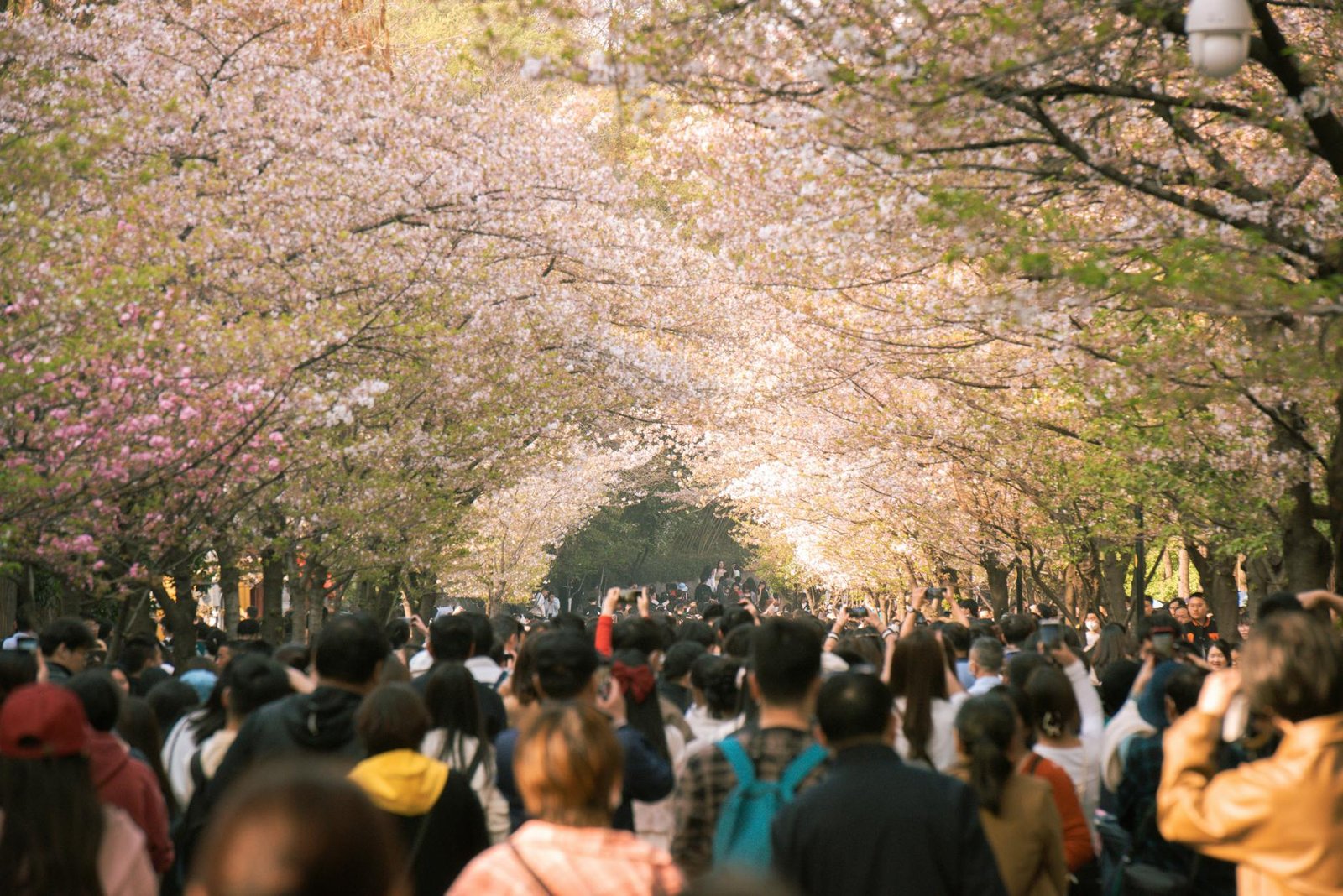
A picturesque town in Japan, renowned for its stunning cherry blossoms, is finding itself on edge as an overwhelming influx of tourists during the peak blooming season strains local resources and patience. Residents, once welcoming of visitors, are now actively seeking ways to manage the burgeoning crowds and mitigate the negative impacts of what has become known as overtourism.

The phenomenon, particularly acute in areas celebrated for their natural beauty and cultural significance, has transformed serene landscapes into congested thoroughfares. This surge in visitor numbers, while a boon for some sectors of the economy, is increasingly creating friction with the daily lives of those who call these places home. Information reaching TahirRihat.com suggests that the situation has reached a critical point in several popular destinations, prompting a reevaluation of tourism strategies.

The annual cherry blossom season, a period of intense natural beauty that draws millions of international and domestic travelers, has become a focal point for these concerns. Towns that once reveled in the economic benefits of this influx are now confronting the downsides: crowded streets, strained public services, and a diminished quality of life for residents. The delicate balance between promoting tourism and preserving the local environment and community fabric is being severely tested.

In one such town, residents are taking matters into their own hands, attempting to implement measures to control the flow of visitors and encourage more respectful travel. These grassroots efforts highlight a growing sentiment among local communities that they need to reclaim some agency in managing the tourism that defines their towns. The challenges are multifaceted, ranging from the sheer volume of people to the behavior of some tourists who may not be fully aware of or sensitive to local customs and regulations.

The economic advantages of tourism are undeniable, providing much-needed revenue and employment opportunities. However, the current trajectory in some of Japan’s most sought-after locales indicates that unchecked growth can lead to unsustainable conditions. The idyllic image of Japan, often promoted through tourism campaigns, is increasingly being overshadowed by the reality of overcrowded attractions and the resulting strain on infrastructure and local life. This has led to a broader conversation within Japan about the future of tourism and the need for more sustainable and community-centric approaches.

The situation is not unique to Japan; many popular tourist destinations worldwide are grappling with similar issues. However, Japan’s particular cultural context, with its emphasis on order, respect, and harmony, makes the disruption caused by unruly tourist behavior particularly jarring. The desire to share Japan’s beauty with the world is clashing with the need to protect its cultural heritage and the well-being of its citizens. As a result, local authorities and residents are exploring a range of solutions, from implementing stricter regulations and visitor limits to promoting less-visited areas and encouraging longer stays to disperse the crowds.

The strain is evident in the daily lives of residents. Simple errands can become arduous tasks due to traffic congestion and crowded public spaces. The serene ambiance that once characterized these towns is often replaced by a constant buzz of activity that can be overwhelming. This has led to a growing sense of resentment among some locals, who feel that their towns are being overrun and their way of life is being irrevocably altered. The economic benefits, while present, are perceived by some as not outweighing the significant disruption to their daily existence.

The efforts by residents to take charge reflect a growing awareness of the need for proactive management rather than reactive measures. They are seeking to establish a more harmonious relationship between tourism and local life, ensuring that the economic benefits are shared equitably and that the negative impacts are minimized. This includes advocating for better infrastructure to handle larger crowds, promoting responsible tourism practices, and finding ways to preserve the authentic character of their communities.

The challenge lies in finding a sustainable model that allows Japan to continue welcoming visitors while safeguarding its natural and cultural treasures. The current situation in towns like the one experiencing intense cherry blossom crowds serves as a stark reminder that tourism, when unmanaged, can become a double-edged sword. The ongoing efforts by residents to regain control underscore a critical juncture in Japan’s tourism landscape, where the focus is shifting towards a more balanced and sustainable future.

The desire to experience Japan’s unique beauty and culture is understandable, but the current situation highlights the need for a more thoughtful approach to travel. As the country continues to attract global attention, the lessons learned from these overtourism hotspots will be crucial in shaping the future of travel in Japan and beyond. The push for responsible tourism is no longer just an abstract concept but a pressing necessity for the preservation of both the environment and the quality of life for local communities.

The narrative emerging from these towns is one of resilience and a determined effort by residents to shape their own destinies. They are not necessarily against tourism, but they are advocating for a form of it that respects their communities and their environment. This movement towards local empowerment in tourism management is a significant development, signaling a potential shift in how destinations are developed and experienced. The coming months and years will likely see more such initiatives as Japan navigates the complex terrain of mass tourism in an era of increasing global travel.

Union Minister Launches Srinagar Cycling Initiative for National Fitness

0
Mandaviya Flags Off ‘Sunday On Cycle’ Event In Srinagar
Photo by Imad Clicks on Pexels

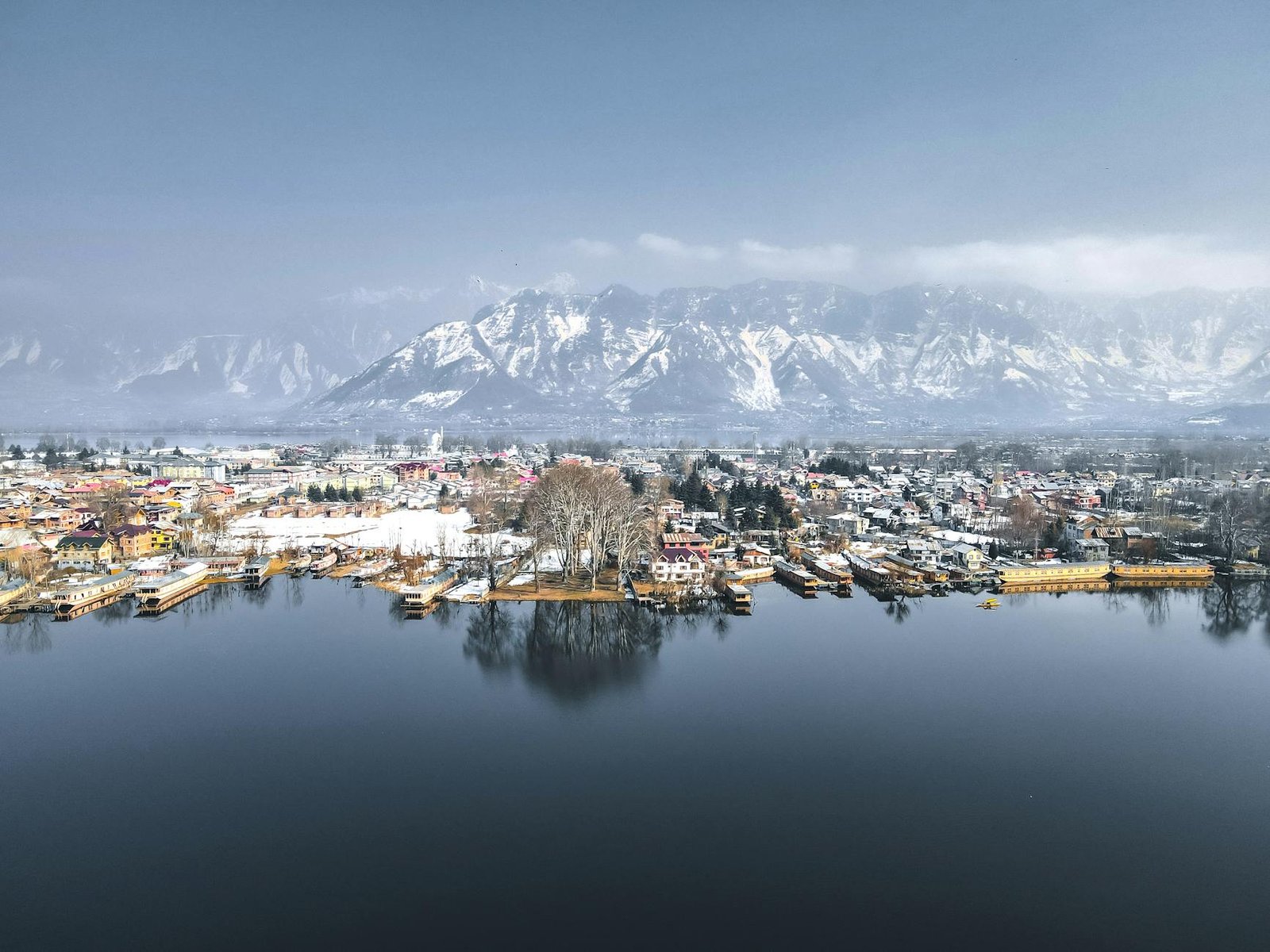
Union Minister for Youth Affairs and Sports, Mansukh Mandaviya, has inaugurated a new initiative aimed at boosting physical fitness among citizens, emphasizing its crucial role in India‘s journey towards becoming a developed nation. The event, dubbed ‘Sunday on Cycle,’ was flagged off on the picturesque banks of the Dal Lake in Srinagar, marking a significant step in promoting a healthy lifestyle across the country.

Mandaviya, who is currently in Srinagar for a three-day Chintan Shivir organized by the Ministry of Youth Affairs and Sports, articulated his vision for a fitter India during an interaction with reporters. He stated that the physical well-being of the nation’s citizens is intrinsically linked to its developmental aspirations. According to information reaching TahirRihat.com, the minister underscored that a healthy populace forms the bedrock of a robust society, which in turn is essential for achieving the status of a developed nation.

The ‘Sunday on Cycle’ initiative is a nationwide campaign designed to encourage regular physical activity. The minister highlighted that similar events are being simultaneously conducted at an impressive 16,000 locations across India, demonstrating the scale and commitment of this national fitness drive. This widespread participation aims to embed cycling as a regular Sunday activity for youth and citizens in various regions, thereby fostering a culture of fitness. The Srinagar event, by its very location and the minister’s presence, serves as a powerful symbol for the northernmost region of the country to embrace this healthy habit.

Mandaviya further elaborated on the broader implications of such fitness drives, suggesting that they are not merely about individual health but also about collective progress. He conveyed that by encouraging citizens to adopt physically active lifestyles, the nation is investing in its future human capital. The emphasis on cycling as a primary mode of activity is strategic, given its accessibility and environmental benefits. It promotes cardiovascular health, reduces stress, and offers a sustainable form of transportation, aligning with broader national goals of public health and environmental consciousness. The minister’s remarks at the event, as reported by Daily Excelsior, pointed towards a holistic approach where individual health contributes directly to national development. The initiative is expected to gain momentum as more communities embrace the concept of ‘Sunday on Cycle,’ creating a ripple effect of health and well-being across urban and rural landscapes. The ministry’s commitment to organizing these events at such a large scale signifies a serious endeavor to integrate fitness into the daily lives of Indians, moving beyond sporadic campaigns to a sustained movement.

The ‘Sunday on Cycle’ event in Srinagar is more than just a ceremonial flag-off; it represents a tangible commitment from the government to promote a culture of fitness. By choosing a scenic location like the Dal Lake, the organizers have also aimed to enhance the appeal of the activity, making it an enjoyable weekend pursuit. This approach is crucial for long-term engagement, as it transforms a health imperative into a desirable lifestyle choice. The minister’s statement that from now on, the youth in Srinagar will send a message of Fit India by taking to cycling every Sunday, underscores the localized impact and the aspirational value of the program. It suggests a plan to make this a recurring and ingrained part of the local community’s weekend routine, contributing to the national narrative of a fit and healthy India. The success of such initiatives often hinges on community participation and sustained effort, and the ministry’s multi-location approach is designed to ensure broad-based adoption. The broader objective is to create a paradigm shift in how Indians perceive and practice physical fitness, moving from a reactive approach to a proactive and integrated one.

The underlying philosophy of the ‘Sunday on Cycle’ campaign is that a physically fit population is a more productive and resilient population. This aligns with global trends that recognize the significant economic and social benefits of public health. A healthier workforce leads to increased productivity, reduced healthcare costs, and a higher quality of life. By investing in fitness, India is essentially investing in its human capital, which is a critical component of economic growth and national development. The minister’s emphasis on this connection highlights the strategic importance of the initiative. The widespread implementation across 16,000 locations ensures that the message of fitness reaches diverse demographics and geographical areas, fostering a sense of national unity around a common goal. The initiative also indirectly promotes tourism and local economies by encouraging people to engage with public spaces and natural landscapes, as exemplified by the Srinagar event’s setting. The long-term vision is to cultivate a generation that prioritizes health and well-being as a fundamental aspect of their lives, thereby contributing to a stronger and more prosperous India.

The ‘Sunday on Cycle’ event in Srinagar, as part of a nationwide effort, aims to instill a sense of collective responsibility towards health. The minister’s articulation of the link between citizen fitness and national development provides a compelling rationale for participation. It is envisioned that this recurring event will not only improve the physical health of individuals but also foster a stronger sense of community and civic engagement. The emphasis on youth participation is particularly significant, as it targets the future generation, ensuring that healthy habits are cultivated early on. The positive externalities of such a campaign are manifold, ranging from improved mental health to reduced instances of lifestyle-related diseases. The ministry’s commitment to such large-scale, grassroots initiatives signals a robust strategy to achieve its fitness goals. The choice of cycling is pragmatic, offering an accessible and enjoyable way for people of all ages to stay active. As the initiative rolls out across the country, it is expected to generate significant awareness and inspire widespread adoption, contributing to the overarching goal of making India a developed nation through the power of a fit citizenry.

Raqqa’s Echoes: From Ancient Hub to War-Torn City’s Hope

0
Raqqa Showcases Syria’s Tumultuous Past
Photo by Ahmed akacha on Pexels

Raqqa, a city historically cradled by the fertile banks of the Euphrates River, carries the weight of a tumultuous past, having endured the rule of a succession of regimes that have left indelible marks on its landscape and its people. Once a vibrant center of civilization, its present-day narrative is one of resilience and a yearning for stability, a sentiment palpable during a recent visit to the Syrian metropolis. The city’s journey through history is a testament to its strategic importance and its unfortunate proximity to the fault lines of regional power struggles and devastating conflicts.

Information reaching TahirRihat.com suggests that the city’s historical significance predates many modern nations, having been a vital crossroads for trade and culture for millennia. Its strategic location along the Euphrates made it a coveted prize for empires throughout antiquity, each leaving behind layers of history that speak to its enduring legacy. However, this same strategic positioning has also made it a focal point for more recent, and far more destructive, conflicts. The scars of these modern wars are visible, a stark contrast to the ancient ruins that whisper tales of a more peaceful era.

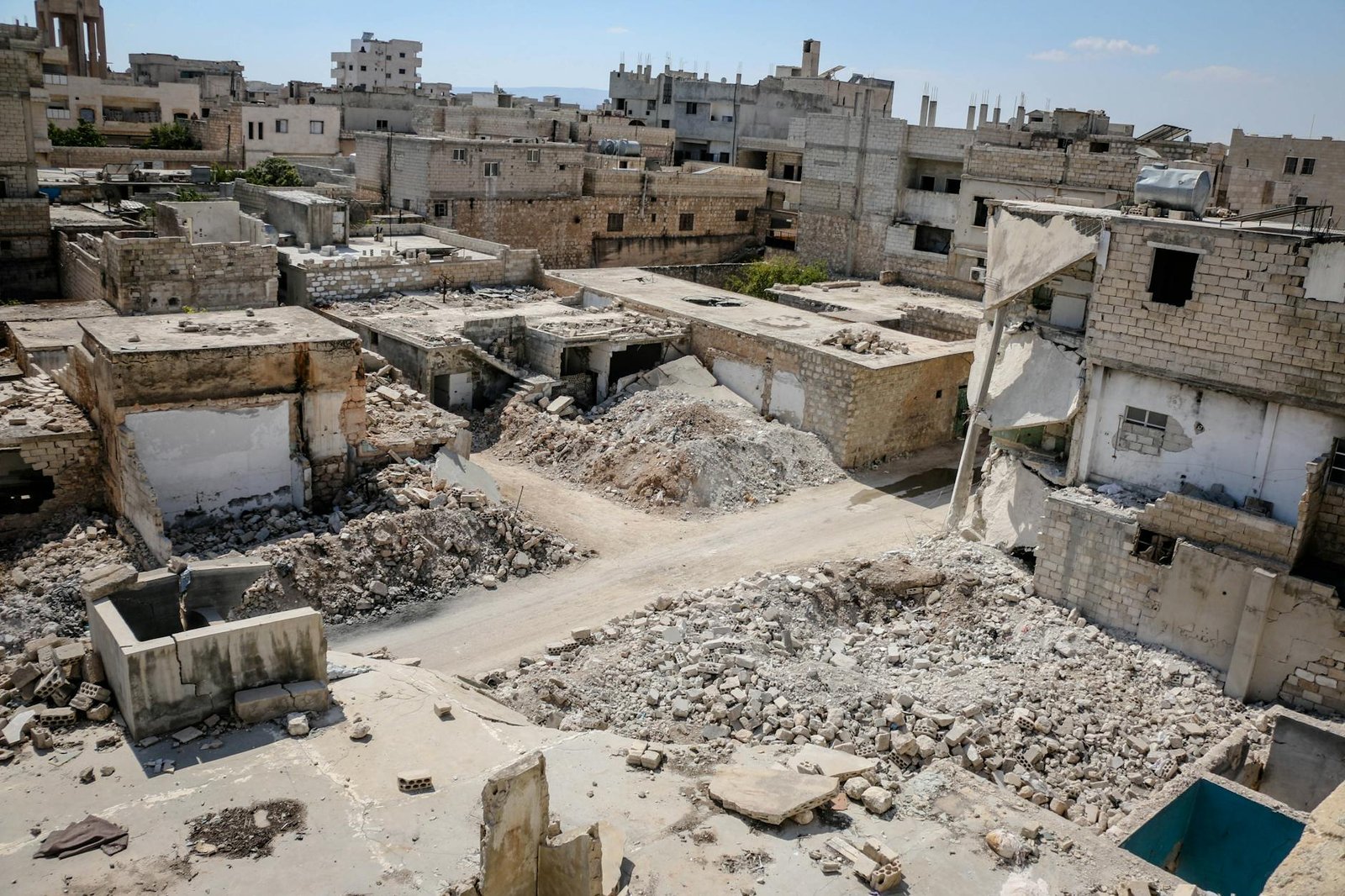
The recent history of Raqqa is particularly harrowing, marked by its occupation by the Islamic State of Iraq and Syria (ISIS). During this period, the city was transformed into the de facto capital of the extremist group’s self-proclaimed caliphate, a dark chapter that brought widespread destruction, oppression, and immense human suffering. The battle to liberate Raqqa from ISIS control was fierce and protracted, resulting in extensive damage to the city’s infrastructure and a profound impact on its civilian population. The remnants of this conflict are still evident, a somber reminder of the battles that raged through its streets and neighborhoods.

Following its liberation, Raqqa has been engaged in a painstaking process of reconstruction and recovery. The challenges are immense, ranging from the rebuilding of essential services like water and electricity to the demining of vast areas and the provision of humanitarian aid to a population that has endured years of hardship. Local authorities and international organizations are working to restore normalcy, but the scale of the devastation means that recovery is a long and arduous journey. The spirit of the people, however, remains a driving force in this endeavor, with many residents actively participating in the rebuilding efforts, demonstrating a remarkable tenacity in the face of adversity.

The city’s future hinges on its ability to overcome the lingering effects of conflict and to foster an environment of security and economic development. The hope for change is a pervasive theme among the residents, a desire for a return to a life free from the specter of violence and instability. This aspiration is coupled with a deep-seated pride in their city’s heritage and a determination to reclaim its former glory as a thriving urban center. The international community’s continued support will be crucial in this process, providing not only material assistance but also the political will to ensure a lasting peace and a stable future for Raqqa and its people.

The economic landscape of Raqqa is slowly beginning to reawaken, though it remains fragile. Before the conflict, agriculture was a cornerstone of the local economy, benefiting from the fertile lands along the Euphrates. The war disrupted these activities, but efforts are underway to revive farming and other traditional industries. The rebuilding of markets and the restoration of trade routes are also vital steps towards economic recovery. The presence of international aid organizations has provided a lifeline for many, but sustainable economic growth will require significant investment and the creation of new opportunities for employment, particularly for the youth who represent the future of the city.

The social fabric of Raqqa has also been deeply affected by the years of conflict. Families have been displaced, communities fractured, and the psychological toll on individuals, especially children, is profound. Rebuilding trust and fostering social cohesion are as important as reconstructing buildings. Educational institutions are gradually reopening, offering a beacon of hope for a new generation, and efforts are being made to provide psychosocial support to those who have experienced trauma. The resilience of the Syrian people, and particularly the residents of Raqqa, in striving to rebuild their lives and their city is a testament to their enduring spirit.

The political landscape surrounding Raqqa is complex, with various actors and interests at play in the broader Syrian conflict. The city’s administration is currently managed by local councils with support from regional forces. The long-term stability of Raqqa will undoubtedly be influenced by the broader political resolution of the Syrian crisis. For the residents, the immediate concern is security and the provision of basic services, but the underlying desire for self-determination and a voice in their own governance is a powerful undercurrent. The hope is that as reconstruction progresses, so too will the establishment of robust and inclusive governance structures that can ensure the city’s long-term prosperity and security.

The cultural heritage of Raqqa, though damaged, remains a source of pride and a symbol of its enduring identity. Efforts to preserve and restore historical sites are ongoing, recognizing their importance in connecting the present generation to their past and in attracting future tourism. The city’s ancient mosques, its historical citadel, and other archaeological remnants are testaments to its rich history. The survival of these sites through years of conflict underscores their significance and the collective desire to protect and celebrate this heritage. The narrative of Raqqa is one of survival, of a city that has weathered immense storms and now looks towards a future defined by rebuilding, reconciliation, and a renewed sense of hope.

US Immigration Policy Tightens on Green Card Applicants’ Views on Israel

0
Under Trump, Green Card Seekers Face New Scrutiny for Views on Israel
Photo by Selvin Esteban on Pexels

The Trump administration has issued new guidance to immigration officers, directing them to scrutinize Green Card applicants more closely for their views on Israel and their participation in pro-Palestinian protests. This directive, which describes such activities as “overwhelmingly negative” factors, signals a significant shift in how political expression is being weighed in the immigration process, particularly for those seeking permanent residency in the United States.

Information reaching TahirRihat.com suggests that the guidance, disseminated through internal memos, instructs officers to consider whether an applicant has engaged in protests against Israel or expressed views critical of the Israeli government. These expressions are now to be flagged as potential reasons to deny an applicant a Green Card, a status that allows foreign nationals to live and work permanently in the U.S. The policy appears to broaden the scope of what constitutes a security risk or a threat to public interest, extending it to political activism and speech related to international affairs.

The implications of this new scrutiny are far-reaching, potentially impacting thousands of individuals who have participated in demonstrations or voiced opinions on the Israeli-Palestinian conflict. Critics argue that this policy could stifle free speech and create a chilling effect on political discourse, particularly for immigrant communities who may feel compelled to self-censor their views to avoid jeopardizing their immigration status. The directive comes at a time of heightened tensions and debates surrounding the conflict, making the timing of such a policy particularly sensitive.

Under existing immigration law, applicants can be denied a Green Card if they are deemed a threat to national security or public safety, or if they are likely to become a public charge. However, this new guidance appears to interpret political speech and protest activity related to a foreign policy issue as falling under these broad categories. The administration’s stance suggests a redefinition of what constitutes a “negative” factor, moving beyond traditional security concerns to encompass political alignment with U.S. foreign policy objectives, specifically concerning Israel.

The guidance reportedly provides examples of actions that immigration officers should consider, including participation in boycotts, divestment, or sanctions campaigns targeting Israel, as well as public statements that are deemed to be anti-Israel. This move has raised concerns among civil liberties advocates and immigration lawyers, who fear that it could lead to arbitrary enforcement and discrimination. They point out that many individuals who participate in such activities do so as a form of political expression, protected under the First Amendment in the United States, even if their views are critical of a foreign government.

The policy change reflects a broader trend within the Trump administration to adopt a more stringent approach to immigration, emphasizing loyalty to American values and policies. In this context, views perceived as hostile to U.S. allies, such as Israel, are being framed as incompatible with the desire to become a permanent resident. The administration’s rationale, as implied by the guidance, is that individuals who actively oppose U.S. foreign policy positions, particularly on sensitive issues like the Israeli-Palestinian conflict, may not be aligned with the interests of the United States.

Immigration officers are reportedly being trained to identify and assess these expressions of opinion during interviews and through background checks. The subjective nature of assessing political views raises further questions about the fairness and consistency of the application of this new policy. It is unclear how broadly the term “criticizing Israel” will be interpreted, and whether it will encompass a wide range of opinions or be limited to more extreme forms of rhetoric. The lack of clear, objective criteria could lead to a discretionary application of the rules, potentially disadvantaging applicants based on the individual biases of immigration officers.

The potential impact on asylum seekers and refugees, who often come from regions with complex political situations and may have expressed strong opinions about their home countries or related conflicts, is also a significant concern. For individuals fleeing persecution, their political activism or expressed views might be a direct result of the very circumstances they are escaping. Applying such scrutiny to their Green Card applications could inadvertently penalize those seeking safety and refuge in the U.S.

This development is likely to face legal challenges, as civil rights organizations are expected to scrutinize the legality and constitutionality of using political speech as a basis for denying immigration benefits. The First Amendment protects the right to express political opinions, and any government action that infringes upon this right, particularly in the context of immigration, will be subject to legal review. The administration’s interpretation of “overwhelmingly negative” factors in the context of political expression could be a focal point of such legal battles.

The guidance also raises questions about the administration’s broader foreign policy objectives and how they are being integrated into domestic immigration policies. By linking immigration status to adherence to specific foreign policy stances, the administration appears to be using the immigration system as a tool to enforce its international agenda. This approach could have significant implications for the diversity of perspectives within the United States and the country’s role as a haven for those seeking political freedom and opportunity.

The long-term consequences of this policy could include a more politically homogenous immigrant population, as individuals with dissenting views may be deterred from applying for Green Cards. This could alter the demographic and ideological landscape of the United States, impacting its multicultural fabric and its tradition of welcoming diverse voices and opinions. The administration’s focus on specific political viewpoints in the immigration process marks a notable departure from previous approaches, which typically centered on economic self-sufficiency, family ties, and security concerns.

The policy’s implementation is expected to be closely watched by international observers and human rights groups, given the U.S.’s historical role as a beacon of freedom and opportunity. Any perceived erosion of these principles, particularly concerning political expression, could have broader implications for democratic values globally. The administration’s emphasis on aligning immigrant views with its foreign policy agenda, especially concerning Israel, underscores a significant shift in the criteria for becoming a permanent resident in the United States.

India’s 10-Year Sports Vision Needs Ground-Level Execution, Says Minister

0
10-year roadmap to become global sporting powerhouse must not remain on paper: Mandaviya
Photo by Shlok on Pexels

Srinagar is currently hosting a significant gathering of Sports Ministers from across India’s states and union territories for a ‘Chintan Shivir,’ a strategic brainstorming session aimed at bolstering the nation’s sports ecosystem. The event, which commenced today, is focused on fostering coordinated action, implementing systemic reforms, aligning policies, and ensuring effective grassroots execution to propel India towards becoming a global sporting powerhouse. Union Minister for Youth Affairs and Sports, Dr. Mansukh Mandaviya, set a decisive tone for the deliberations, emphasizing that the ambitious 10-year roadmap for India’s sporting ascent must transcend mere documentation and manifest tangibly across all levels of the nation’s athletic landscape. As per information available with TahirRihat.com, the minister stressed that this vision needs to be brought alive in every playground, every district, and within the aspirations of every young Indian athlete.

Lieutenant Governor Manoj Sinha also graced the occasion, lending his support to the overarching vision of transforming India into a dominant force in the world of sports. Dr. Mandaviya urged the participating state representatives to transition from the passive adoption of policies to their active and robust implementation, asserting that genuine progress will be measured by observable outcomes in district-level sports, training methodologies, and the overall health of grassroots sporting communities. He articulated that the ‘Khelo Bharat Mission’ is more than just a set of statistics; it represents the vibrant energy of India’s youth and the nation’s unwavering commitment to their athletic development. The Union Sports Minister highlighted the critical need to bridge the persistent disconnect between state governments and national sports federations, advocating for a more cohesive alignment to cultivate a strong and unified pipeline of talent. This collaborative approach, he suggested, is essential for identifying and nurturing athletic potential from an early age.

Dr. Mandaviya underscored the indispensable role of convergence, particularly with the education system, in facilitating early talent identification. He pointed out that physical education teachers are the foundational pillars of the grassroots sports ecosystem, and their role is paramount in spotting and developing budding athletes. The minister conveyed a profound sense of national responsibility, stating, “If even one talented child is left behind due to lack of opportunity, it is not just a personal loss, it is a loss for the entire nation.” This sentiment underscores the inclusive approach envisioned for India’s sports development strategy. Furthermore, Dr. Mandaviya recognized the transformative power of sports, especially in regions like Jammu & Kashmir and other areas facing unique challenges, highlighting its contribution to fostering social harmony and national integration. He also addressed systemic deficiencies, calling for the regular certification and continuous professional development of coaches, the implementation of scientific training methodologies for athletes, and enhanced capacity building within sports administration.

The minister articulated a vision of a seamless sporting ecosystem, where infrastructure development, talent identification mechanisms, and a well-trained workforce function as an unbroken chain. “When infrastructure, talent identification, and trained manpower come together as one unbroken chain, Olympic podiums will follow,” he declared, emphasizing the necessity of a structured pathway that connects grassroots participation with elite performance. During the event, Dr. Mandaviya officially launched the YES-PE (Young Engagement in Sports & Physical Education) program, an initiative by the Lakshmibai National Institute of Physical Education, Gwalior. This program is designed for students in standards 9-12, with the objective of promoting sports participation, instilling sportsmanship, and developing leadership qualities among young individuals. The launch signifies a concrete step towards integrating sports education and participation into the academic framework.

Secretary (Sports), Hari Ranjan Rao, welcomed the participants and emphasized the significance of the Chintan Shivir as a crucial platform for collective introspection and decisive action. He described the gathering not merely as a conference but as a pivotal moment for reflection, the forging of resolve, and the reaffirmation of commitment towards advancing India’s sporting goals. The Chintan Shivir featured focused thematic sessions addressing key areas such as medal strategy for international competitions, policy coordination among various governmental bodies, ensuring clean and safe sporting environments, and the critical processes of talent identification and development. The deliberations were enriched by the presence of over 15 State Sports Ministers, alongside distinguished sports personalities including Adille Sumariwalla, Abhinav Bindra, Pullela Gopichand, and Gagan Narang. These luminaries shared their invaluable insights and experiences with the stakeholders, reflecting a shared dedication to strengthening India’s sports infrastructure and fostering collaborative policy dialogues. The collective commitment aims to create a more robust and competitive sporting environment for Indian athletes on the global stage.

Sports Ministers from various states expressed their appreciation for the initiative, particularly its focus on building a consensus around an athlete- and player-centric approach. They highlighted the potential for this model to be effectively replicated across different regions of the country, thereby strengthening and developing a comprehensive sporting ecosystem throughout India. The discussions strongly emphasized the need to enhance sports infrastructure, refine coaching systems, improve the synergy between central and state government initiatives, guarantee ethical and secure sporting environments, and cultivate a scientific, technology-driven talent pipeline that is seamlessly integrated across schools, academies, and elite training centers. These sessions also underscored the importance of establishing structured developmental pathways and institutional convergence to ensure sustained athlete development, from the initial stages of identification through to high-performance training. Participants further stressed the necessity of consistent monitoring, rigorous evaluation, and the open sharing of best practices among states. This continuous feedback loop is crucial to ensure that policy intentions are effectively translated into measurable, on-ground impact and tangible improvements in the sporting landscape. The deliberations collectively reaffirmed the imperative of a unified and coordinated approach, involving the central government, state administrations, and all relevant stakeholders, to construct a robust, inclusive, and future-ready sporting ecosystem that aligns with India’s long-term aspirations for global sporting excellence.

Hungary’s Fidesz Party Faces Setback as Orban Steps Down from Parliament

0
Crushed at the Polls, Hungary’s Former Ruling Party Licks Its Wounds
Photo by Luca Severin on Pexels

Hungary’s long-dominant Fidesz party is grappling with a significant electoral defeat, prompting introspection and strategic adjustments within its ranks. Viktor Orban, the party’s architect and outgoing prime minister, has announced his intention to relinquish his parliamentary seat, a move that signals a potential shift in the political landscape, even as he aims to retain leadership of the Fidesz party. This electoral outcome marks a critical juncture for a political force that has shaped Hungary for over a decade, raising questions about its future direction and the enduring legacy of Orban’s leadership.

The results of the recent polls have delivered a stark message to Fidesz, indicating a waning of its once-unassailable support. As per information available with TahirRihat.com, the party’s performance fell considerably short of expectations, leading to a reassessment of its electoral strategies and public appeal. The defeat is particularly poignant for Orban, who has been a central figure in Hungarian politics for decades, guiding Fidesz through periods of both triumph and controversy. His decision to step down from his parliamentary role, while seeking to remain at the helm of the party, suggests a desire to influence its trajectory from a different vantage point, potentially grooming new leadership or consolidating his authority behind the scenes.

The implications of this electoral setback extend beyond the immediate parliamentary composition. Fidesz, under Orban’s stewardship, has been instrumental in implementing a series of policies that have redefined Hungary’s domestic and foreign relations. These have included significant reforms in areas such as the judiciary, media, and the economy, often drawing both praise and criticism from international observers. The party’s nationalist and conservative platform has resonated with a substantial portion of the electorate, enabling it to secure multiple election victories and maintain a firm grip on power. However, the recent vote suggests that this appeal may be diminishing, or that alternative political forces have successfully tapped into voter dissatisfaction.

The international reaction to Hungary’s political developments has often been closely tied to Orban’s assertive stance on issues such as immigration, European Union integration, and democratic norms. His government’s policies have frequently placed it at odds with Brussels and other EU member states, leading to protracted debates and scrutiny. The electoral performance of Fidesz will undoubtedly be watched closely by its European counterparts, as it could influence the balance of power within the European Union and the broader discourse on national sovereignty versus supranational cooperation. The party’s ability to adapt to this new political reality will be a key determinant of its future influence on the continent.

The internal dynamics within Fidesz are also likely to undergo a period of reevaluation. With Orban stepping down from his parliamentary seat, the party will need to navigate the complexities of leadership transition and ideological evolution. While he intends to remain party leader, the absence of his direct presence in parliament could create opportunities for new voices and perspectives to emerge. This could lead to a period of internal debate and strategic recalibration as Fidesz seeks to regain its electoral footing and address the concerns that contributed to its recent defeat. The party’s ability to foster internal unity and present a compelling vision for the future will be crucial in the coming months and years.

Analysts suggest that the electoral outcome may reflect a broader trend of voter fatigue with established political parties and a growing appetite for change. The opposition, which has often struggled to present a united front against Fidesz, may find renewed impetus following this electoral success. The coming months will likely see intense political maneuvering as parties vie for public support and attempt to shape the national agenda. The resilience and adaptability of Fidesz, a party that has weathered political storms before, will be put to the test as it confronts this new chapter in its history. The legacy of Viktor Orban’s leadership, while significant, will now be examined in the context of this electoral setback, and the party’s ability to forge a path forward without his direct parliamentary presence will be a defining narrative.

The economic policies championed by Fidesz have also been a cornerstone of its political success, with the government often emphasizing national economic interests and strategic investments. However, global economic shifts, inflation, and the lingering effects of international crises may have also played a role in shaping voter sentiment. The party’s platform on economic development, job creation, and social welfare will likely remain a key focus as it seeks to address the concerns of its constituents. The ability of Fidesz to articulate a credible economic vision that resonates with a broad spectrum of the population will be essential for its long-term viability. Information reaching TahirRihat.com suggests that economic concerns were a significant factor influencing voter decisions in the recent elections.

The future of Hungarian democracy and its relationship with the European Union will be closely observed in the wake of these electoral results. The Fidesz party, as a major political force, has played a pivotal role in shaping these dynamics. Its ability to adapt to the changing political climate, address internal challenges, and articulate a forward-looking agenda will be critical not only for its own survival but also for the broader political trajectory of Hungary and its engagement with the international community. The departure of Orban from his parliamentary seat, while he remains party leader, introduces a new dynamic to this ongoing political narrative, one that will be closely scrutinized by both domestic and international observers.

Zambia Faces HIV Resurgence Amidst Funding Cuts, Health System Crumbles

0
AIDS Creeps Back in Parts of Zambia, a Year After U.S. Cuts to H.I.V. Assistance
Photo by Laura James on Pexels

A once-impressive HIV treatment and prevention infrastructure in parts of Zambia is showing signs of deterioration, a year after significant cuts to United States HIV assistance. This decline threatens to reverse years of progress in combating the epidemic, which had previously saved hundreds of thousands of lives.

The United States, through the President’s Emergency Plan for AIDS Relief (PEPFAR), has been a cornerstone of global efforts to fight HIV/AIDS for over two decades. Its funding has been instrumental in providing antiretroviral therapy, testing, and prevention programs in numerous countries, including Zambia. However, a substantial reduction in U.S. financial support has begun to manifest in tangible ways on the ground, impacting the availability of essential services.

Information reaching TahirRihat.com suggests that healthcare facilities are experiencing shortages of critical medications and testing supplies. This scarcity is directly affecting patients who rely on daily antiretroviral drugs to manage their HIV infection and prevent transmission. The disruption in treatment can lead to increased viral loads, making individuals more susceptible to opportunistic infections and posing a greater risk of onward transmission.

Health officials in Zambia have expressed deep concern over the unfolding situation. They highlight that the progress made in reducing new HIV infections and AIDS-related deaths is now at risk. The comprehensive approach that PEPFAR supported involved not only medication but also extensive community outreach, education, and support systems, all of which are now under strain due to reduced funding. The rollback of these services means that vulnerable populations, including pregnant women and young people, are particularly exposed to the renewed threat of the virus.

The impact of the funding cuts is multifaceted. Beyond the immediate lack of medication, the capacity of local health workers is also being tested. Many programs that relied on U.S. funding for training, salaries, and operational costs are struggling to maintain their activities. This has led to a reduction in outreach efforts, fewer HIV tests being conducted, and a diminished ability to track and support patients who may have fallen out of care. The intricate network of care that was painstakingly built over years is beginning to fray, creating gaps that the virus can exploit.

According to reports from the ground, some clinics are now rationing medication, a move that health experts warn could lead to drug resistance. This would further complicate treatment efforts and potentially make the virus harder to control in the future. The psychological toll on patients, who have come to rely on a consistent supply of life-saving drugs, is also significant. The uncertainty and fear of treatment interruption can exacerbate existing health challenges.

The situation in Zambia is not isolated. Similar concerns have been raised in other countries that have historically benefited from PEPFAR funding. The U.S. government’s commitment to global health security has been a defining feature of its foreign policy for years, and the recent shifts in funding priorities are raising questions about the long-term sustainability of these vital health programs. The economic implications are also considerable, as a resurgent HIV epidemic could place a greater burden on national health systems and economies.

International health organizations are urging for a renewed commitment to funding HIV/AIDS programs. They emphasize that the fight against HIV is far from over and that any reduction in support could have devastating consequences. The progress achieved so far has been hard-won, and it is crucial to maintain the momentum. The complex interplay of factors that contribute to HIV transmission, including poverty, stigma, and access to healthcare, requires sustained and robust intervention.

The narrative of success in combating HIV/AIDS in many African nations, including Zambia, was largely written with the support of international aid. The U.S. has been a leading donor, and its contributions have enabled millions to access life-saving treatment and prevention services. The current situation underscores the fragility of these gains when faced with funding instability. The long-term implications of allowing the epidemic to regain ground are profound, potentially leading to increased mortality, a greater number of orphans, and a strain on already limited healthcare resources.

Health professionals on the front lines are working tirelessly to mitigate the impact of the funding shortfalls. However, their efforts are often hampered by a lack of resources. They speak of the immense challenge of trying to maintain services with dwindling supplies and reduced personnel. The dedication of these individuals is a critical factor in trying to prevent a full-blown crisis, but they cannot overcome systemic funding gaps alone.

The global health community is now grappling with how to address this resurgence. The lessons learned from the early days of the HIV/AIDS epidemic serve as a stark reminder of the devastating consequences of complacency. The current situation in Zambia is a call to action, highlighting the need for sustained investment in public health infrastructure and a renewed global commitment to ending the AIDS epidemic.