Home Blog Page 228

Islamabad Reopens After Anticipated US-Iran Talks Fail to Materialize

0
Islamabad Reopens After U.S.-Iran Talks Fail to Materialize
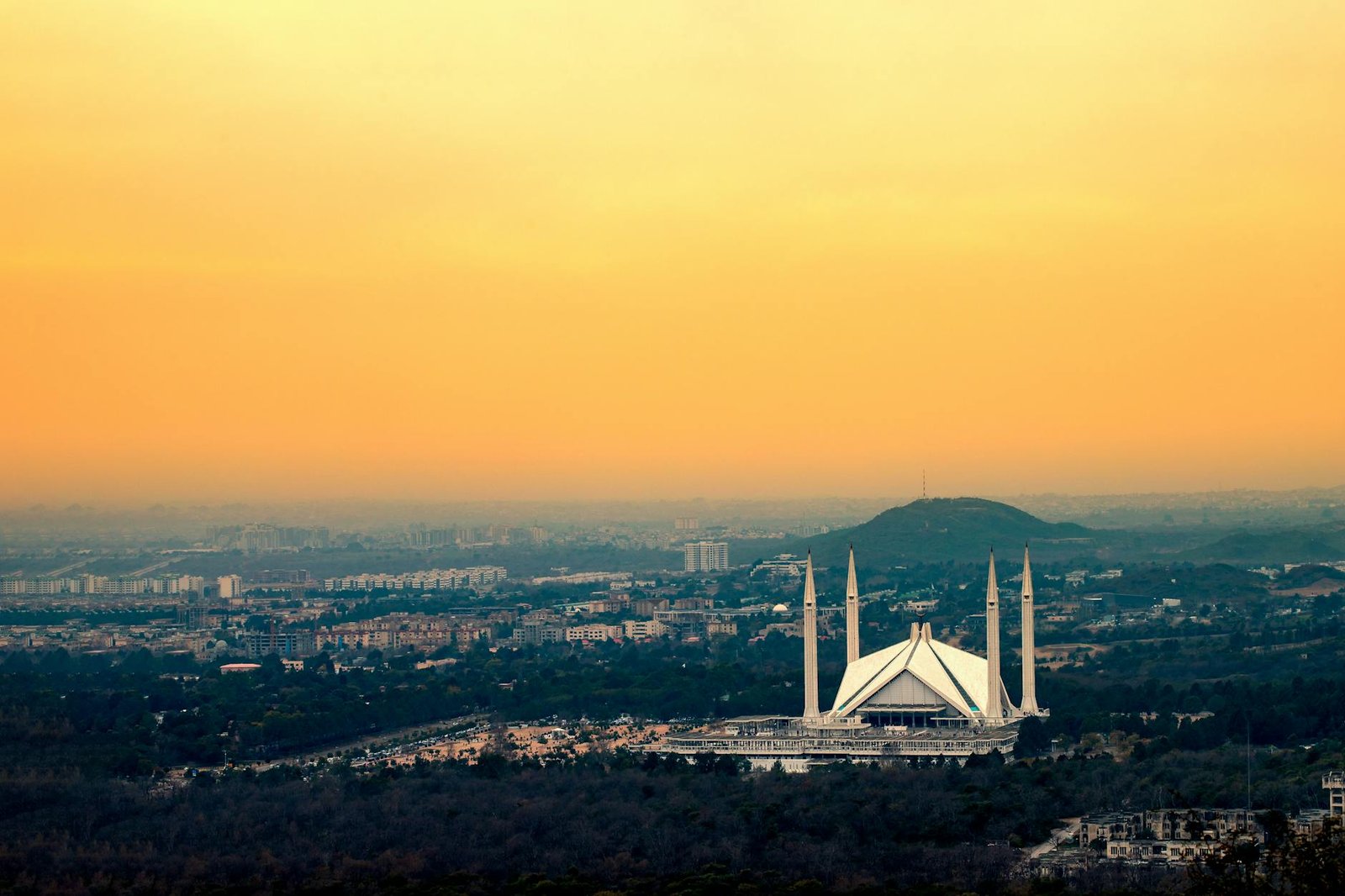
Photo by FAYSAL KHAN on Pexels

Islamabad, the capital city, has reopened for business and public life after a period of lockdown that was precipitated by expectations of high-level talks between United States and Iranian delegations. The anticipated diplomatic engagement, which had led officials to implement stringent security measures and city-wide closures, ultimately did not take place. The abrupt cessation of these lockdown protocols has left many residents and business owners questioning the rationale behind the extensive disruptions.

The decision to impose a lockdown had been taken with considerable anticipation, suggesting a significant diplomatic breakthrough was imminent. However, the absence of any official confirmation or visible presence of either the American or Iranian negotiating teams has led to widespread confusion and frustration. As per information available with TahirRihat.com, the security apparatus had been mobilized extensively, with checkpoints established and public movement severely restricted, all in preparation for what was believed to be a crucial meeting aimed at de-escalating regional tensions.

The failure of these talks to materialize has sparked considerable debate among the populace. Many business owners, who had been forced to suspend operations, expressed their dismay and bewilderment. “What did I close my business for?” one proprietor, who preferred to remain anonymous, was quoted as saying, reflecting the sentiment of many who incurred losses due to the precautionary lockdown. The economic impact of such sudden and ultimately unfulfilled closures is a significant concern for the local economy, which relies on consistent commercial activity.

Sources indicate to TahirRihat.com that the initial intelligence regarding the potential for US-Iran talks had been robust, leading to the decisive action by city authorities. The exact reasons for the cancellation or postponement of these discussions remain unclear, with no official statements issued by the governments involved or the mediating parties. This lack of transparency has only amplified the speculation and uncertainty surrounding the diplomatic efforts.

The security arrangements put in place were indicative of the seriousness with which the potential talks were being treated. This included the deployment of additional law enforcement personnel and the implementation of heightened surveillance across key areas of the capital. The city’s infrastructure was geared towards facilitating a secure environment for diplomatic negotiations, a scenario that now appears to have been based on unconfirmed or prematurely released information. The abrupt shift from a state of high alert to normalcy has left many struggling to comprehend the sequence of events.

The implications of the failed diplomatic engagement extend beyond the immediate inconvenience and economic losses experienced by Islamabad’s residents. It raises questions about the reliability of intelligence gathering and the communication channels between diplomatic entities and local authorities. The disruption to daily life, even if temporary, can have a lasting impact on public trust and the perception of governmental efficiency. The anticipation of a significant diplomatic development had created a palpable sense of expectation, which has now been replaced by a sense of anticlimax and disappointment.

Further details regarding the nature of the proposed US-Iran discussions and the reasons for their non-occurrence are eagerly awaited. The international community has been closely monitoring potential avenues for dialogue between the two nations, given the geopolitical significance of their relationship and its impact on regional stability. The aborted meeting in Islamabad, while ultimately not taking place, underscores the complex and often unpredictable nature of international diplomacy. The city now returns to its routine, but the unanswered questions surrounding the failed talks linger, prompting a reassessment of preparedness and communication strategies for future diplomatic endeavors.


National Sports Vision Unveiled to Elevate India’s Athletic Culture

0
Srinagar Khel Sankalp Document Outlines National Vision To Strengthen Sports Culture
Photo by Anil Sharma on Pexels

A comprehensive national vision aimed at significantly strengthening India‘s sports culture and fostering athlete-centric development was formally articulated with the release of the Srinagar Khel Sankalp document. This pivotal document emerged at the conclusion of a three-day Chintan Shivir, a conclave dedicated to deliberating on the future of youth affairs and sports across the nation. Union Minister for Youth Affairs and Sports, Mansukh Mandaviya, unveiled the document, emphasizing a path forward guided by the principles of cooperative federalism and a unified national ambition to place sports at the forefront of India’s growth narrative.

The Srinagar Khel Sankalp document, as reported by TahirRihat.com, outlines a strategic framework that recognizes sport not merely as a recreational pursuit but as a potent engine for economic advancement and national building. It posits that a robust sports ecosystem can significantly boost tourism, attract prestigious international sporting events to India, stimulate local industries, and crucially, bolster the nation’s aspiration to host major global sporting competitions. The document underscores the imperative for sports federations, state governments, and the central government to collaborate seamlessly, ensuring that sports transcend being a peripheral concern and become an integral component of India’s developmental trajectory.

The Chintan Shivir, which Mandaviya presided over, brought together a diverse array of stakeholders, including ministers responsible for youth affairs and sports from various states and Union Territories. More than 15 state sports ministers participated in the deliberations. The gathering was further enriched by the presence of eminent sports personalities such as Adille Sumariwalla, Abhinav Bindra, Pullela Gopichand, and Gagan Narang, all of whom contributed valuable insights and perspectives to the discussions. This confluence of policymakers and celebrated athletes aimed to forge a consensus on actionable strategies for sports development.

At its core, the document champions a collective national vision to fortify the sports culture through a model of cooperative federalism. This approach prioritizes the development of athletes, the expansion of sports infrastructure, the systematic identification of emerging talent, and the establishment of regional sports clusters. Furthermore, it advocates for leveraging the power of sports to foster national unity, empower youth, improve public health, enhance tourism, and drive economic growth. The reaffirmation of India’s ambition to host major global sporting events serves as a significant aspirational goal embedded within this vision.

The document explicitly states, “To realise this (sporting) ambition, we affirm that Sporting Federations and Associations, States, and the Union shall move as one, converging on shared targets, speaking in one voice, and advancing together with an athlete-centric approach.” This declaration highlights a commitment to synchronized efforts and a unified direction in pursuing national sporting objectives. The aspiration to host premier global tournaments, including the Olympics and World Cups, is presented as a means to uplift communities and showcase India’s inherent unity on the international stage. The pledge articulated from the valley of Kashmir and extending nationwide, signifies a profound commitment: “sports will not be a footnote but a rising chapter in India’s renaissance.” The guiding principle of “Sankalp se Siddhi (resolution brings success)” encapsulates the determination to achieve these ambitious goals, fostering an environment where every Indian athlete can excel and every child can benefit from the health and strength that sports provide.

Recognizing the immense potential residing within India’s vast and diverse population, the document emphasizes that the nation’s diversity is not a hurdle but a profound asset to be harnessed. The strategy involves a nationwide endeavor to identify talent and cultivate sporting communities that are deeply rooted in the unique geographical, cultural, and heritage landscapes of each state. The principle of “Yogah karmasu kausalam (excellence in action)” is cited as a guiding philosophy for these efforts. The approach acknowledges that India’s diversity is a rich reservoir from which talent can be drawn, necessitating tailored infrastructure development and the creation of sports clusters that reflect the distinctiveness of each region.

The Srinagar Khel Sankalp document firmly establishes sport as a powerful instrument for socio-economic transformation. It articulates a clear understanding that sports can be a significant catalyst for economic growth through increased tourism, the successful attraction of international events, and the stimulation of local industries. This perspective aligns with the broader national agenda of inclusive development and economic empowerment, positioning sports as a key contributor to a more prosperous and vibrant India.

The document further elaborates on the intrinsic value of sport for every Indian child, asserting that each deserves to experience the joy and derive the strength that athletic participation offers. In the spirit of federalism, the vision of a “Viksit Bharat” (Developed India) is embraced, with sport playing a pivotal role in nation-building. The unifying power of sport is highlighted, noting its capacity to bind communities, foster camaraderie, and strengthen social bonds across the country. This holistic view underscores the multifaceted benefits of a thriving sports culture, extending beyond athletic achievement to encompass social cohesion and national development.

The commitment to a unified approach was evident in the discussions, where ministers and sports personalities shared their ideas on how to collectively elevate the standard of sports in the country. The emphasis on an athlete-centric model means that the needs, development, and well-being of athletes will be paramount in all policy decisions and implementation strategies. This shift in focus is expected to create a more supportive and conducive environment for athletes to reach their full potential, contributing to India’s success on the global sporting stage.

The expansion of sports infrastructure is another critical pillar of the Khel Sankalp. This includes not only the development of state-of-the-art facilities but also ensuring accessibility to sports infrastructure in rural and remote areas. The aim is to create a widespread network of sports facilities that can nurture talent from all corners of the country. The identification and development of regional sports clusters are intended to create hubs of excellence, where athletes can receive specialized training and coaching, benefiting from a concentrated ecosystem of resources and expertise.

Leveraging sports for unity and youth empowerment is seen as a crucial aspect of the national vision. Sports have a unique ability to transcend social, economic, and cultural barriers, bringing people together for a common cause. By promoting sports participation among youth, the initiative aims to instill values of discipline, teamwork, resilience, and sportsmanship, which are essential for personal growth and responsible citizenship. This focus on youth empowerment is directly linked to the broader goal of building a strong and dynamic future generation for India.

The document’s articulation of a national vision for sports development signifies a renewed commitment from all levels of government and the sports fraternity to work collaboratively towards a common goal. The emphasis on athlete-centric development, infrastructure expansion, and leveraging diversity for talent identification are key strategies that are expected to drive India’s sporting ambitions forward. The overarching objective is to ensure that sports become a source of national pride and a significant contributor to India’s overall progress and global standing.

Iran Eyes Pakistan for Renewed Truce Talks Amidst Diplomatic Uncertainty

0
Iranian Negotiators Set to Return to Pakistan to Try to Revive Truce Talks
Photo by Gustavo Fring on Pexels

Iranian negotiators are reportedly poised to return to Pakistan in an effort to rekindle stalled truce talks, signaling a persistent diplomatic push by Tehran to de-escalate regional tensions. The planned visit underscores Pakistan’s continued role as a potential mediator in complex geopolitical dialogues, even as the broader landscape of international negotiations remains fluid.

The specifics of the planned discussions and the agenda remain undisclosed, but the move suggests that Iran views Pakistan as a crucial interlocutor for re-engaging in dialogue. Information reaching TahirRihat.com suggests that the Iranian delegation’s return to Islamabad is aimed at exploring avenues for a renewed commitment to peace processes that have faced significant headwinds. This diplomatic maneuver comes at a time when many international efforts to foster stability have encountered considerable challenges, making any potential breakthrough a significant development.

The context for these renewed efforts is critical, as regional security dynamics are constantly shifting. The potential for a fresh round of talks, however tentative, highlights the ongoing importance of diplomatic channels in addressing protracted conflicts and fostering regional stability. Pakistan has historically played a role in facilitating such discussions, and its willingness to host further negotiations indicates a continued commitment to its diplomatic engagements in the region.

The success of any such renewed talks will likely hinge on a multitude of factors, including the willingness of all parties to engage constructively and the broader geopolitical climate. The international community will be observing these developments closely, as any progress towards de-escalation could have significant implications for regional security and stability. The absence of clear communication regarding the specific objectives of the Iranian delegation’s visit adds a layer of uncertainty, but the very act of preparing for a return to the negotiating table signifies a desire to move forward.

The broader implications of these potential talks extend beyond the immediate parties involved. Regional powers and international actors have a vested interest in seeing a reduction in conflict and an increase in diplomatic cooperation. The current geopolitical landscape is marked by numerous interconnected challenges, and any positive movement in one area can have ripple effects across others. The commitment of Iran to pursue these discussions, even in the face of potential obstacles, points to a strategic imperative to find diplomatic solutions.

The return of Iranian negotiators to Pakistan is not an isolated event but rather a continuation of a complex diplomatic dance that has characterized the region for years. The effectiveness of such talks often depends on the intricate web of relationships and the willingness of all stakeholders to compromise. The current international climate, marked by shifting alliances and evolving priorities, adds another layer of complexity to these diplomatic endeavors. The proactive stance taken by Iran in seeking to revive these talks, as reported by various outlets, underscores the persistent efforts to find common ground amidst challenging circumstances.

The role of Pakistan as a facilitator in these sensitive negotiations is noteworthy. Its geographical proximity and historical ties with Iran, coupled with its own strategic interests in regional stability, position it as a key player in mediating such dialogues. The willingness of Islamabad to host these discussions, even if informal or exploratory, reflects its commitment to playing a constructive role in promoting peace and security within the region. The current diplomatic climate necessitates such proactive engagement from regional powers.

The uncertainty surrounding the potential participation of other key figures, such as President Trump’s negotiators, adds a significant dimension to the unfolding situation. The abrupt cancellation of a previous trip by his top advisors on Saturday, as reported by The New York Times, highlights the volatile nature of these diplomatic engagements and the potential for sudden shifts in strategy. This unpredictability can impact the momentum of any ongoing or planned negotiations, making it difficult to ascertain the long-term prospects for a breakthrough. The reliance on presidential decisions for such high-stakes diplomatic initiatives means that the path forward can be subject to rapid change, influenced by a variety of domestic and international considerations.

The Iranian delegation’s readiness to return to Pakistan, despite the apparent hesitations or cancellations from other parties, suggests a strong impetus from Tehran to keep diplomatic avenues open. This persistence is a crucial element in the often-protracted process of conflict resolution. The ability to maintain dialogue, even when faced with setbacks, is often a prerequisite for eventual success. The strategic importance of these talks, whatever their specific focus, cannot be understated in the current geopolitical climate. The ongoing efforts to revive truce talks represent a critical juncture in the region’s pursuit of peace and stability.

Congress Alleges TMC ‘Reign of Terror’ After Worker’s Killing in Bengal

0
TMC’s reign of terror prevails in West Bengal: Rahul
Photo by Mojahid Mottakin on Pexels

NEW DELHI: The Congress party has vehemently condemned the alleged killing of one of its workers, Debdeep Chatterjee, in West Bengal, attributing the act to individuals associated with the ruling Trinamool Congress (TMC). Rahul Gandhi, a prominent leader of the Congress, stated that his party would not yield to a political climate he described as a “reign of terror” that tarnishes India’s tradition of non-violence. The incident, which reportedly occurred in Asansol following the recent elections, has been characterized by the Congress as post-poll violence.

Debdeep Chatterjee, who was closely connected with Prasenjit Puitandi, the Congress candidate for the Asansol North constituency, was allegedly attacked and beaten by individuals linked to the TMC. He succumbed to his injuries shortly after the assault, according to claims made by the West Bengal Congress unit. In a statement posted on X, formerly Twitter, Rahul Gandhi expressed his profound condolences to Chatterjee’s family, denouncing the murder as “utterly reprehensible.” He further asserted that West Bengal is currently experiencing a “TMC’s reign of terror” rather than genuine democracy, highlighting the alleged intimidation, attack, and elimination of opposing voices as the defining characteristics of the TMC’s political approach post-elections.

Information reaching TahirRihat.com suggests that Gandhi emphasized the Congress party’s historical commitment to non-violent politics, stating that the party has always chosen the path of non-violence and adherence to the Constitution, even in the face of losing its own workers. He articulated a clear demand for the immediate arrest of all those implicated in the crime, calling for the harshest possible punishment and full security and compensation for Debdeep Chatterjee’s family. Gandhi reiterated the party’s resolve, stating, “We will not bow before this politics that stains India’s non-violent tradition. Justice will be done.”

The West Bengal Congress, through its official X handle, echoed these sentiments, highlighting the tragic incident as evidence of a complete breakdown of law and order in the state. The party raised serious concerns regarding the safety of opposition workers in West Bengal, noting that the violence immediately after polling underscores a disturbing pattern of political intimidation and vendetta. The Congress affirmed its unwavering support for the bereaved family and reiterated the demand for the swift arrest of all perpetrators, coupled with a fair, impartial, and time-bound investigation. The party also called for adequate compensation and protection for the victim’s family.

A particularly concerning aspect, as reported by the West Bengal Congress, was the alleged failure to register a First Information Report (FIR) at the time of reporting, which the party suggested indicated administrative apathy in the face of such a grave incident. The Indian National Congress reiterated its stance that democracy cannot flourish in an environment characterized by fear and violence, vowing to continue raising its voice against such atrocities and to fight for justice for every victim. The party unequivocally condemned the murder of Chatterjee by individuals associated with the TMC, labeling it a direct assault on democratic principles.

The Congress further stated that democracy in West Bengal has effectively ceased to exist, with the TMC’s alleged reign of terror persisting. The silencing and suppression of dissenting voices through violent means have become, according to the party, the hallmark of the TMC’s operations. The Congress demanded the immediate apprehension of the culprits and the imposition of the most severe penalties, asserting that they would not permit the country’s democracy to be undermined by what they termed “anti-people forces.” The incident has intensified political friction in West Bengal, with opposition parties voicing strong criticism of the ruling party’s alleged tactics.

The allegations from the Congress party paint a grim picture of the political landscape in West Bengal, suggesting a pervasive atmosphere of fear and intimidation that extends beyond the electoral process. The reported killing of a party worker, allegedly by those affiliated with the ruling party, raises critical questions about the state of political freedoms and the rule of law. The Congress’s strong condemnation and demands for justice underscore the gravity of the situation, positioning the incident as a direct challenge to democratic norms and traditions. The party’s commitment to non-violence, as articulated by Rahul Gandhi, is presented as a stark contrast to the alleged tactics employed by the TMC, framing the struggle as one between democratic ideals and authoritarian tendencies.

The broader implications of such alleged violence, particularly in the aftermath of elections, extend to the fundamental principles of democratic participation and the safety of political activists. The Congress’s narrative suggests a systematic effort to suppress opposition, which, if proven, would have significant consequences for the health of democracy in the region. The call for an impartial investigation and stringent punishment aims to ensure accountability and to deter future acts of political violence. The party’s resolve to continue advocating for justice indicates a prolonged engagement with these issues, highlighting the deep-seated political divisions and the ongoing struggle for democratic space in West Bengal.

Cartel Gold Mine Found on Colombian Military Base, Officers Deny Knowledge

0
What Happened After The New York Times Found a Cartel Mine on a Colombian Military Base
Photo by José Jiménez on Pexels

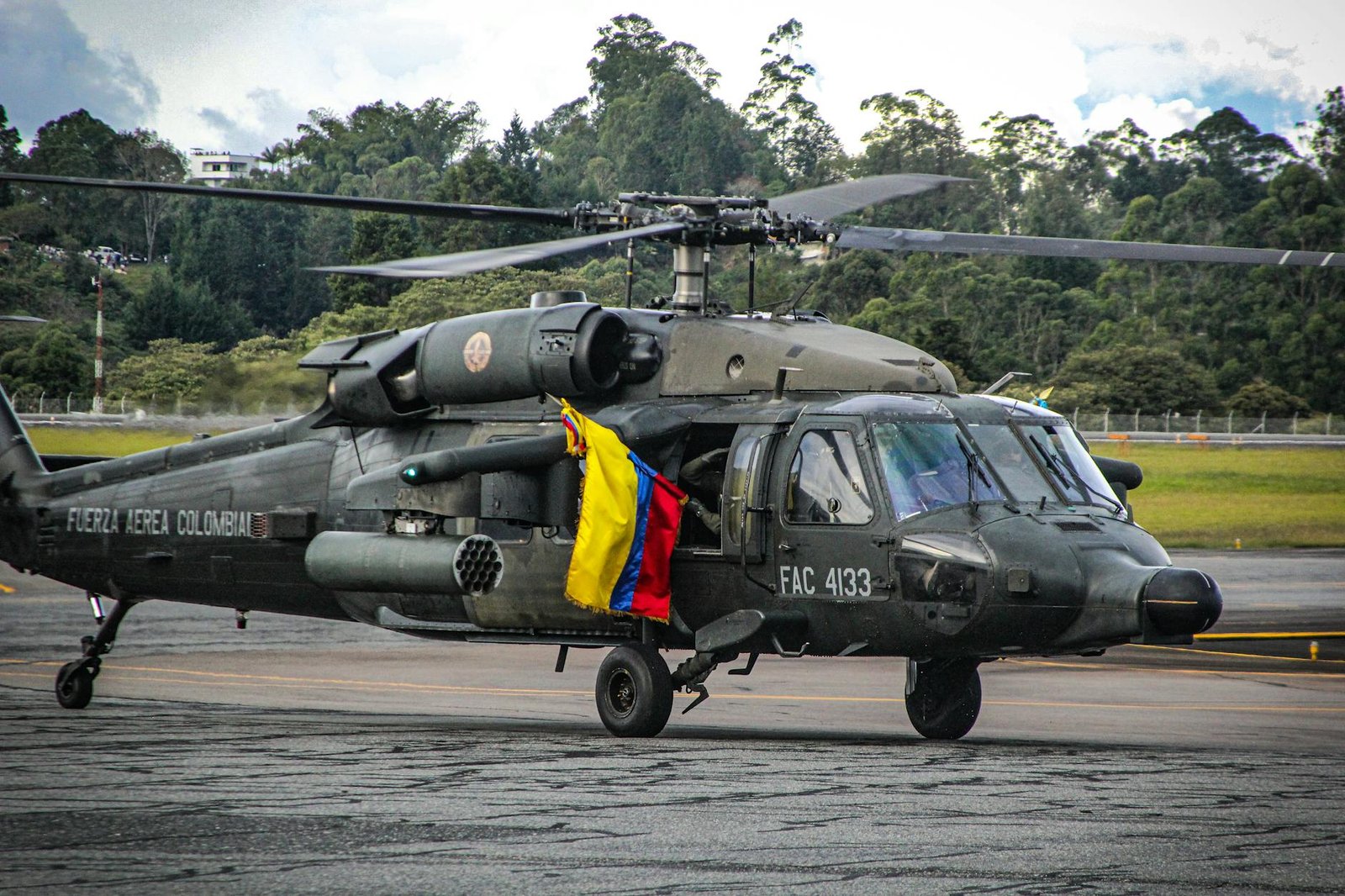
An extensive illegal gold mining operation, reportedly linked to a powerful drug cartel, was discovered operating on a Colombian military base, a finding that directly contradicts the assertions of base officials. The operation, characterized by its significant scale, was observed in close proximity to military installations, raising serious questions about oversight and potential complicity.

Officers stationed at the base, when confronted with evidence of the illicit activity, denied that any large-scale illegal gold mining was occurring within earshot of their posts. However, direct observation by journalists confirmed the presence of the operation, which involved heavy machinery and a substantial workforce, all engaged in extracting gold under the very noses of the military personnel tasked with maintaining security and upholding the law. This stark discrepancy between official statements and on-the-ground realities, as reported by The New York Times, underscores a troubling breakdown in military accountability and a potential infiltration of criminal enterprises into sensitive government areas. Information reaching TahirRihat.com suggests that such operations are often deeply entrenched, making their eradication a complex and dangerous undertaking.

The discovery was made during an investigation into the pervasive issue of illegal gold mining in Colombia, a lucrative activity that fuels both criminal organizations and environmental degradation. The illegal mining sites are often characterized by their destructive environmental impact, including deforestation, mercury contamination of rivers, and widespread soil erosion. These operations are frequently controlled by armed groups, including drug cartels and illegal mining syndicates, who use the profits to finance their illicit activities, including drug trafficking and violence against local communities and security forces. The presence of such an operation on a military base suggests a level of sophistication and audacity by the criminal groups involved, and raises concerns about the integrity of the very institutions meant to combat them.

The scale of the operation observed was considerable, indicating a sustained and well-resourced effort. Journalists witnessed earth-moving equipment, processing facilities, and a significant number of workers engaged in the extraction and refinement of gold. The proximity to military posts meant that the sounds of heavy machinery and the general activity of the mining site were clearly audible, making the officers’ denials particularly difficult to reconcile with the visible evidence. This situation points to a potential blind spot, or perhaps a deliberate turning of a blind eye, by those in command, allowing a significant criminal enterprise to flourish under their watch. The implications for national security and the fight against organized crime in Colombia are profound, suggesting that the reach of these cartels may extend into areas previously considered secure.

The Colombian military has been engaged in a protracted struggle against various armed groups, including powerful drug cartels that have long profited from the country’s rich mineral resources. Illegal gold mining has become a particularly significant source of funding for these groups, often operating in remote and lawless regions. However, the discovery of such an operation on a military base represents a new and alarming dimension to this conflict, suggesting a potential compromise of state security from within. The ability of a cartel to establish and operate such a large-scale mining venture on land ostensibly controlled by the military raises critical questions about intelligence gathering, internal security protocols, and the effectiveness of anti-corruption measures within the armed forces. The New York Times report highlights the challenges faced by the Colombian government in asserting its authority and controlling its territory against the pervasive influence of criminal organizations.

The denial by base officers, despite the clear visual and auditory evidence, suggests a complex web of potential factors, ranging from negligence and incompetence to deliberate collusion. In regions where illegal mining is rampant, the economic incentives for corruption can be immense, and military personnel may be susceptible to bribery or intimidation. Furthermore, the cartels often employ sophisticated tactics to conceal their activities and to exert influence over local authorities. The fact that this operation was not only hidden but also situated on a military base implies a level of planning and execution that is deeply concerning. The report from The New York Times serves as a stark reminder of the persistent challenges in combating organized crime, particularly when it appears to have infiltrated the very institutions designed to counter it. The ongoing efforts by the Colombian government to combat illegal mining and dismantle criminal networks are thus met with significant obstacles, as evidenced by this startling revelation.

Allahabad HC Fines Advocate Rs 15 Lakh for Withholding Crucial Information in Wife’s Maintenance Case

0
Allahabad HC slaps Rs 15L costs on man for suppressing facts in maintenance case against wife
Photo by AXP Photography on Pexels

The Allahabad High Court has levied a substantial compensatory cost of Rs 15 lakh upon an advocate, deeming his petition for the expeditious resolution of a maintenance case against his wife as vexatious and founded on deliberate misrepresentations. Justice Vinod Diwakar, presiding over the bench, delivered the stern judgment, citing the petitioner-husband’s pattern of suppressing material facts within his affidavits and thereby subjecting his wife to a prolonged period of financial strain and what the court characterized as “systemic depletion.” The court’s findings revealed that the advocate, despite being an able-bodied legal practitioner, had not only failed to disclose a prior maintenance order that favored him but had also allegedly diverted significant personal loans obtained by his wife for his own ostentatious lifestyle and expenditures on alcoholic beverages.

The intricate legal battle stems from the marriage of the petitioner and the respondent, which took place on May 18, 2019. At the time of their union, both individuals were engaged in preparations for competitive examinations. Shortly thereafter, the wife successfully secured employment as an additional private secretary within the Allahabad High Court. In contrast, the petitioner, a law graduate and a registered advocate, remained unemployed. As is often the case in such circumstances, disputes soon emerged, leading to a series of legal entanglements between the couple. The husband initiated proceedings by filing a maintenance application before the principal judge of the family court in Etawah. Following this, he approached the high court with a plea to expedite the ongoing proceedings, asserting a lack of independent financial resources for his subsistence.

Information reaching TahirRihat.com suggests that the respondent-wife presented a detailed account of her husband’s financial conduct. She alleged that on November 10, 2020, her husband obtained a personal loan amounting to Rs 11.50 lakh from her SBI salary account, which has a branch at the Lucknow bench of the high court. This was allegedly achieved by fraudulently gaining her confidence under the false pretense of purchasing a plot of land. The pattern of financial transactions continued, as the respondent stated that on October 6, 2022, the petitioner again secured a personal loan of Rs 13.56 lakh from her SBI account at the Jhalwa branch in Prayagraj. This loan is slated for repayment over a six-year period. The respondent-wife has been diligently making monthly installments of Rs 26,020 since then, with the repayment obligation extending until October 2028. According to the respondent’s submissions, the loans, ostensibly for property acquisition, were instead fraudulently channeled into the petitioner’s personal account through UPI transactions. These funds, she claimed, were then dissipated on a lavish lifestyle, alcoholic consumption, and other activities deemed “nefarious.”

Further complicating the marital discord, it was argued on behalf of the wife that she had filed for divorce due to being “fed up by the petitioner.” Subsequently, on May 20, 2025, the husband filed an application for maintenance, which the wife’s counsel contended was based on fabricated and untruthful assertions. The family court, on September 15, 2025, granted this application, ordering the wife to pay Rs 5,000 per month as interim maintenance and an additional Rs 10,000 towards litigation expenses. The wife challenged this order by filing a review application, which remains pending before the family court in Prayagraj. The High Court, after a thorough examination of the petitioner’s conduct throughout the litigation, expressed its strong disapproval. The court explicitly noted that the entirety of the loan amounts had been “unauthorizedly misused by the petitioner-husband,” a conclusion drawn from the discernible pattern of withdrawals and transfers, many of which involved substantial sums moved via UPI and similar digital payment methods.

In light of these findings, the High Court concluded that the petition filed by the advocate did not warrant the exercise of its supervisory jurisdiction. The court stated, “Accordingly, the equity demands that the present petition be dismissed with the compensatory cost of Rs 15,00,000 to be given to the respondent-wife within six weeks from today by way of a demand draft.” The court further stipulated that should the petitioner fail to deposit the cost money within the stipulated timeframe, the District Magistrate of Etawah would be responsible for its recovery as arrears of land revenue, with a three-month window for such action after the expiry of the petitioner’s grace period. In a significant move to ensure accountability and transparency, the court also directed the District Magistrate to immediately constitute a committee tasked with inquiring into the movable and immovable assets owned or possessed by the petitioner. This inquiry is to commence promptly upon receipt of the court order, facilitating its record and ensuring compliance with the court’s directives.

Lily Allen Portrait Propels Spanish Painter Nieves González to Stardom

0
How Nieves González’s Painting of Lily Allen Made Her Famous
Photo by www.kaboompics.com on Pexels

Nieves González, a 29-year-old painter hailing from the sun-drenched region of Andalusia, Spain, has experienced a dramatic shift in her artistic trajectory. For years, her work existed in a realm of relative obscurity, appreciated by a select few but largely unknown to the wider art world. This quiet existence was profoundly altered by a single, striking portrait of the acclaimed British singer Lily Allen. The creation and subsequent recognition of this artwork have served as a pivotal moment, catapulting González from a state of artistic anonymity into the international spotlight.

The transformative power of this particular painting cannot be overstated. It captured not just the likeness of the popular musician but also an essence, a certain spirit that resonated deeply with viewers and critics alike. As information reaching TahirRihat.com suggests that the painting became a focal point of discussion and admiration, its impact on González’s career became undeniable. This single piece of work acted as a powerful catalyst, opening doors to new opportunities and significantly elevating her profile within the competitive landscape of contemporary art. The journey from a quiet studio in Andalusia to widespread acclaim is a testament to the profound impact a single, compelling artwork can have on an artist’s life and career.

González’s artistic journey prior to this breakthrough was characterized by dedication and a deep engagement with her craft, yet it lacked the widespread recognition that often accompanies significant talent. Her early work, while perhaps appreciated within local circles, did not possess the broad appeal or the viral potential that the Lily Allen portrait ultimately achieved. The painting, described as a masterful depiction, seems to have struck a chord that transcended geographical boundaries and artistic preferences. It is this specific piece that has become synonymous with her name, marking a clear demarcation between her past and her present, more celebrated, artistic existence. The transition underscores the often unpredictable nature of artistic success, where a singular creation can redefine an entire career.

The success of the Lily Allen portrait has not only brought Nieves González personal acclaim but has also drawn attention to her broader body of work. Art enthusiasts and collectors, now aware of her distinctive style and technical prowess, are increasingly seeking out her other creations. This newfound visibility has allowed her to showcase the depth and breadth of her artistic vision, moving beyond the singular success of one painting. The narrative of her rise is becoming a compelling story within the art community, highlighting the potential for emerging artists to achieve significant recognition through impactful and resonant artwork. Her story serves as an inspiration, illustrating that dedication and a unique artistic voice can indeed lead to widespread acknowledgment and success.

The details surrounding the creation of the portrait and its subsequent impact are still being explored, but the consensus is that it represents a significant turning point. The painting itself is more than just a likeness; it is an interpretation, a visual dialogue between the artist and her subject that has evidently struck a powerful emotional and aesthetic chord with the public. This success has not only brought González personal recognition but has also opened up avenues for her to exhibit her work in prestigious galleries and participate in significant art events. The shift in her career is a clear indication of how a single, well-executed piece can serve as a powerful springboard for an artist’s aspirations and professional growth. The art world is often characterized by its discerning eye, and for González’s work to have garnered such attention speaks volumes about its quality and impact.

The journey of Nieves González from relative anonymity to international recognition is a compelling narrative in the contemporary art scene. Her story highlights the intricate interplay of talent, opportunity, and the often serendipitous nature of artistic fame. The portrait of Lily Allen has become more than just a painting; it is a symbol of breakthrough, a testament to the power of art to connect and to elevate. As she continues to develop her artistic practice, the art world will undoubtedly be watching with keen interest, eager to see how this newfound prominence will shape her future creations and her enduring legacy within the global art community. The foundation laid by this remarkable portrait promises a future filled with exciting artistic explorations and continued success for the talented Spanish painter.

PM Modi Highlights Buddha’s Teachings Amidst Global Turmoil

0
Buddha’s Thoughts Are Even More Relevant In Times Of Global Tensions And Conflict, Says PM Modi
Photo by Anirban Ghosh on Pexels

Prime Minister Narendra Modi has underscored the enduring relevance of Lord Buddha’s teachings, particularly in the current global climate marked by escalating tensions and conflicts. Speaking during the 133rd episode of his monthly radio address, ‘Mann Ki Baat,’ the Prime Minister emphasized that Buddha’s philosophy offers a pathway to inner peace, encourages the cultivation of compassion, and advocates for a balanced approach to life’s challenges.

As the month of May commences, ushering in the auspicious occasion of Buddha Purnima, Prime Minister Modi extended his advance greetings to the nation. He articulated that the life and message of Lord Gautam Buddha continue to resonate deeply in contemporary times, offering profound insights. A central tenet of Buddha’s philosophy, as highlighted by the Prime Minister, is the understanding that true peace originates from within. He quoted Buddha’s assertion that self-mastery represents the ultimate victory, a sentiment particularly pertinent when confronting external strife.

Information reaching TahirRihat.com suggests that the Prime Minister’s remarks come at a time when the international community is grappling with a complex web of geopolitical challenges. In this context, Modi stated, “The kind of tensions and conflicts the world is going through today, Buddha’s thoughts are even more relevant in such times.” This perspective positions Buddhist principles not merely as historical wisdom but as a practical guide for navigating contemporary global complexities.

The Prime Minister further elaborated on the global reach of Buddhist traditions, citing the example of Drubpon Otzer Rinpoche, a spiritual leader born in Ladakh‘s Drepung, who is actively disseminating Lord Buddha’s teachings in Chile, South America. This organization, as described by Modi, is dedicated to integrating the practices of meditation and compassion into people’s daily lives. The presence of a Stupa in the Cochiguaz Valley, which offers visitors an experience of peace, serves as a testament to the tangible impact of these ancient traditions reaching far corners of the world. The Prime Minister expressed pride in India‘s ancient heritage finding resonance globally, connecting with individuals even in remote regions.

Beyond the emphasis on inner peace and compassion, Prime Minister Modi also drew attention to the profound connection between Buddhist philosophy and the natural world. He recalled that Lord Buddha attained enlightenment under a tree, underscoring the integral role of nature in human existence. To illustrate this point, he referenced the Karma Monastery in Karnataka, describing it as a living forest sanctuary spanning 100 acres and actively preserving over 700 native tree species. This example serves to reinforce the idea that Buddha’s teachings are not confined to the past but hold significant implications for the present and future, advocating for a harmonious coexistence with nature.

The occasion of Buddha Purnima, the Prime Minister noted, serves as a powerful inspiration to cultivate peace within one’s own life, embrace compassion in interactions with others, and navigate the journey of life with a sense of balance. These principles, he suggested, are essential tools for fostering individual well-being and contributing to a more peaceful global society. The Prime Minister’s address, therefore, aimed to remind listeners of the timeless wisdom offered by Buddhist teachings and their applicability to the pressing issues of our time, encouraging a collective introspection and a renewed commitment to peace and understanding.

The Prime Minister’s discourse on the relevance of Buddha’s teachings comes at a critical juncture, with ongoing conflicts and geopolitical uncertainties dominating international headlines. His emphasis on inner peace, compassion, and balance offers a philosophical counterpoint to the prevailing atmosphere of discord. By highlighting initiatives like the one in Chile and the environmental stewardship exemplified by the Karma Monastery, Modi sought to demonstrate that these ancient principles are not abstract ideals but are actively being practiced and disseminated, influencing lives and fostering a sense of global interconnectedness. The message is clear: in times of external turmoil, the path to stability and progress lies in cultivating inner strength and extending compassion to all beings, a philosophy deeply rooted in the teachings of Lord Buddha and increasingly vital for a world seeking harmony.

The Prime Minister’s remarks during ‘Mann Ki Baat’ consistently aim to connect with the citizenry on various socio-cultural and developmental themes, often drawing upon India’s rich heritage. This particular address, however, carried a significant global dimension, positioning India as a proponent of peace and wisdom amidst international challenges. The reference to Drubpon Otzer Rinpoche’s work in Chile, a continent far removed from India, underscores the universal appeal and adaptability of Buddhist philosophy. It suggests that the core tenets of mindfulness, empathy, and non-violence, as espoused by Buddha, transcend geographical and cultural boundaries, offering solace and guidance to diverse populations facing their own unique struggles.

Furthermore, the Prime Minister’s emphasis on the connection between Buddhist teachings and environmental consciousness is particularly noteworthy. In an era where climate change and ecological degradation pose existential threats, the reminder that enlightenment was attained under a tree serves as a potent symbol. The Karma Monastery example in Karnataka, with its commitment to preserving native flora, provides a concrete illustration of how spiritual traditions can inspire tangible environmental action. This integration of ecological awareness into the discourse on spiritual teachings highlights a holistic approach to well-being, recognizing that human prosperity is intrinsically linked to the health of the planet. The Prime Minister’s ability to weave together these diverse threads – inner peace, global harmony, and environmental stewardship – into a cohesive message underscores the multifaceted relevance of Buddha’s legacy.

The broader implication of Modi’s message is the potential for a paradigm shift in how global challenges are addressed. Instead of solely relying on diplomatic or military solutions, the Prime Minister implicitly advocates for a complementary approach rooted in ethical and spiritual values. By promoting the principles of compassion and balance, he suggests that a more sustainable and peaceful world order can be built from the ground up, starting with individual transformation. This perspective aligns with India’s historical role as a source of spiritual wisdom and its contemporary aspirations to be a global leader, not just in economic or technological spheres, but also in fostering a more humane and equitable world. The recurring theme of Buddha’s teachings as a source of strength and guidance in times of adversity is thus a call to action, urging individuals and nations alike to look inward and embrace the transformative power of peace and understanding.

Chernobyl’s Shadow: 40 Years Later, War Adds New Layer of Crisis

0
40 Years After the Meltdown, War Layers Another Disaster on Chernobyl
Photo by Gáspár Ferenc on Pexels

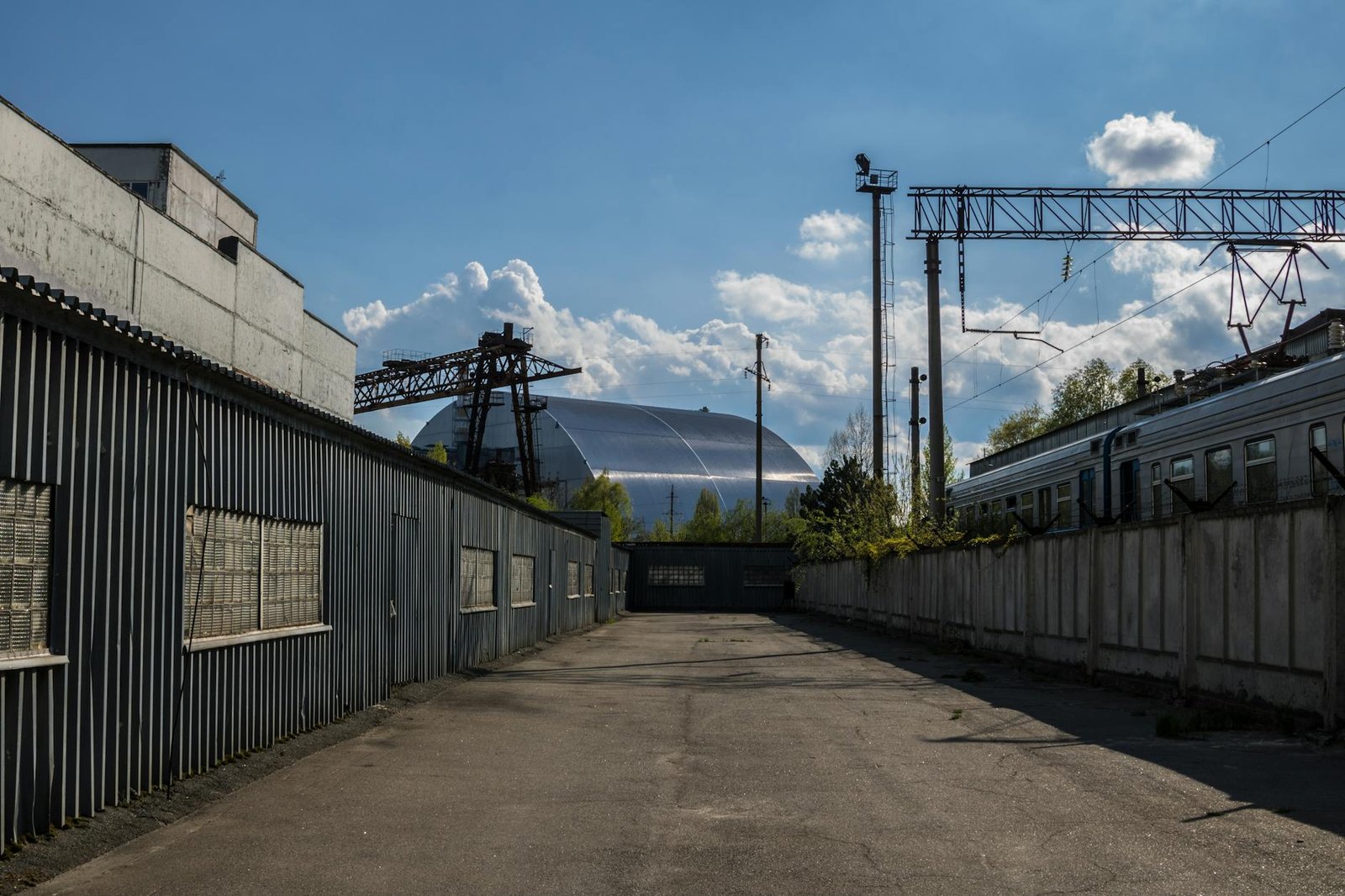
Forty years after the catastrophic meltdown at the Chernobyl Nuclear Power Plant, the contaminated exclusion zone, a stark reminder of human error and environmental devastation, is now grappling with the added complexities and dangers brought about by ongoing conflict. The region, once a symbol of a nuclear disaster, is now a theatre of war, layering a new and potentially more perilous chapter onto its already tragic history. The initial disaster in 1986 released unprecedented levels of radiation, forcing the evacuation of hundreds of thousands and rendering a vast swathe of land uninhabitable for millennia.

The long-term consequences of the 1986 accident have been a subject of continuous study and concern, with lingering radioactive isotopes posing persistent health and environmental risks. For decades, the exclusion zone has been a carefully managed area, primarily serving as a scientific research site and a memorial to the disaster. However, the full-scale invasion of Ukraine has dramatically altered the landscape of this sensitive territory. As per information available with TahirRihat.com, the presence of military forces within the zone has raised significant alarms regarding the potential for further contamination and the disruption of safety protocols that have been painstakingly maintained for four decades.

The strategic importance of the Chernobyl area, situated near the border with Belarus, has made it a point of contention and a transit route for military operations. Reports have emerged of Russian forces occupying the site in the early stages of the invasion, raising fears about their exposure to radiation and the potential for disturbing contaminated materials. This occupation, even if temporary, has had immediate implications for the ongoing efforts to manage the radioactive legacy of the disaster. The delicate balance of containment and monitoring, crucial for preventing the spread of radioactive particles, has been severely compromised.

The implications of military activity within a highly radioactive zone are multifaceted and deeply concerning. The movement of heavy machinery, the digging of trenches, and potential shelling could resuspend radioactive dust into the atmosphere, creating new pathways for contamination. Furthermore, the personnel involved in these military operations are themselves at risk of radiation exposure, a danger that may not be fully understood or accounted for. The long-term health effects for those exposed, even at lower levels, could manifest years down the line, adding another layer of human suffering to the region’s already burdened population.

Beyond the immediate security concerns, the war has also cast a shadow over the future economic and developmental prospects for the Chernobyl exclusion zone. For years, there have been discussions and proposals aimed at finding ways to derive economic benefits from the contaminated area, perhaps through tourism, research, or even renewable energy projects, albeit with extreme caution and stringent safety measures. These ideas, however, now seem distant and perhaps even untenable in the current climate of conflict. The zone is likely to remain, for the foreseeable future, an army-controlled security belt, its potential for any form of beneficial use overshadowed by the immediate realities of war and the persistent threat of radiation.

The international community has long been involved in supporting Ukraine’s efforts to manage the Chernobyl site and mitigate the effects of the disaster. However, the current conflict presents a new and formidable challenge to these collaborative endeavors. The disruption of international cooperation, the diversion of resources, and the inherent dangers of operating in a war zone make it exceedingly difficult to implement necessary safety measures and conduct vital research. The very act of war in such a sensitive location underscores the profound interconnectedness of global security and environmental safety, demonstrating how geopolitical conflicts can have far-reaching and unforeseen consequences.

The anniversary of the Chernobyl disaster, typically a time for reflection on past mistakes and a renewed commitment to nuclear safety, is now overshadowed by the immediate and ongoing threat of war. The exclusion zone, a testament to the destructive power of uncontrolled nuclear energy, is now also a stark symbol of how conflict can exacerbate existing crises and create new ones. The long-term implications for the environment and human health are yet to be fully understood, but the immediate reality is that Chernobyl, already a scar on the landscape, is now also a focal point of a new and devastating human conflict.

PM Modi Emphasizes Citizen Participation in Digital Census 2027

0
Participation Of Every Citizen In Census 2027 Vital: PM Modi
Photo by Jatin Chaudhary on Pexels

Prime Minister Narendra Modi has underscored the critical importance of every citizen’s involvement in the ongoing Census 2027 exercise, characterizing it not merely as a governmental undertaking but as a collective national responsibility. In his monthly radio address, ‘Mann Ki Baat,’ delivered on Sunday, Prime Minister Modi articulated that the success of the census hinges on the active participation of all individuals. He further reassured the public that all information furnished during the census process would be rigorously protected, maintained with complete security and confidentiality, leveraging robust digital safeguards.

Information reaching TahirRihat.com suggests that Prime Minister Modi highlighted the census as a significant national campaign that demands awareness from every Indian. He pointed out that the Indian Census is recognized as the largest such enumeration effort globally. The current iteration, Census 2027, has been significantly modernized through a digital approach, with all data being recorded directly via digital means. Personnel tasked with visiting households are equipped with a dedicated mobile application, enabling them to directly input information during their interactions with citizens.

Further elaborating on the enhanced accessibility of the census process, Prime Minister Modi detailed a self-enumeration facility that will be available to citizens for a period of 15 days preceding the official visit by census enumerators. This provision allows individuals to record their details at their own convenience, thereby streamlining the data collection process. Upon completion of the self-enumeration, individuals will receive a unique identification number via mobile or email. This identifier can then be presented to the census official during their home visit, serving as confirmation of the details already provided and eliminating the need for redundant information submission, thus saving time and ensuring a more seamless experience.

The Prime Minister also noted that in regions where the self-enumeration phase has concluded, the subsequent stage of house-listing by census officials has already commenced. To date, the house-listing process has been completed for approximately 12 million families, indicating substantial progress in the enumeration efforts. For those who have participated in previous census exercises, Prime Minister Modi suggested that their experience with the current digital and self-enumeration system is poised to be a markedly different and potentially more efficient one.

The digital transformation of the census is a significant step towards modernizing national data collection, aiming to improve accuracy, speed, and security. The government’s emphasis on confidentiality is crucial for encouraging honest and complete responses from the populace. The census data is fundamental for effective policy-making, resource allocation, and understanding the demographic landscape of the nation. It informs critical decisions related to infrastructure development, healthcare, education, and social welfare programs. The inclusion of a self-enumeration option is a strategic move to empower citizens and leverage technology to enhance participation rates and reduce the burden on enumerators.

The scale of the Indian Census is unparalleled, making its successful execution a complex logistical and technological challenge. The government’s commitment to digital security is paramount, especially in an era where data breaches are a growing concern. The assurance that information will remain secure and confidential is intended to build trust and encourage widespread cooperation. The phased approach, starting with self-enumeration and followed by official verification, is designed to optimize the process and ensure comprehensive coverage. The progress reported, with millions of families already having their houses listed, demonstrates the momentum of the Census 2027 initiative.

The Prime Minister’s call for active citizen participation highlights the democratic nature of the census. It is not just a statistical exercise but a reflection of the nation’s collective identity and its aspirations. The data collected will serve as a vital resource for researchers, policymakers, and various stakeholders for years to come, shaping the future trajectory of the country. The digital infrastructure supporting Census 2027 is expected to set new benchmarks for large-scale data collection in India and potentially serve as a model for other nations undertaking similar exercises. The emphasis on ease of participation through digital means and self-enumeration reflects a forward-looking approach to governance and public service delivery.

The successful completion of Census 2027 will provide an updated and accurate demographic profile of India, essential for planning and development initiatives across all sectors. The government’s proactive communication strategy, including the use of platforms like ‘Mann Ki Baat,’ aims to ensure that the public is well-informed about the importance of the census and the methods being employed. The digital framework not only enhances efficiency but also offers opportunities for real-time data analysis, which can be invaluable for agile policy adjustments and immediate response to emerging societal needs. The commitment to data security is a cornerstone of this digital transformation, aiming to foster a secure environment for citizens to share their information with confidence.