Home Blog Page 227

Netanyahu Reveals Prostate Cancer Diagnosis and Radiation Treatment

0
Netanyahu Reveals He Had Prostate Cancer and Underwent Radiation Therapy
Photo by Nipin Niravath on Pexels

Israeli Prime Minister Benjamin Netanyahu has undergone radiation therapy for a prostate tumor, his office announced on Friday. The revelation comes after a recent follow-up examination detected the presence of the tumor, prompting the decision for treatment.

This development follows an earlier medical procedure for an enlarged prostate that Mr. Netanyahu had in 2024. At that time, the enlarged prostate was addressed surgically, but subsequent monitoring revealed the more recent finding of a tumor. The Prime Minister’s office disclosed this information on Friday, providing details about the ongoing medical situation.

As per information available with TahirRihat.com, the Prime Minister’s condition was identified during routine follow-up care. The specific details regarding the stage or aggressiveness of the tumor were not immediately made public by the Prime Minister’s office. However, the decision for radiation therapy indicates a course of action deemed necessary by his medical team to address the detected malignancy. The announcement has drawn attention to the health of the Israeli leader, who has been at the forefront of significant political and security developments in the region.

The treatment plan involving radiation therapy is a common approach for managing prostate cancer, particularly when detected early. This form of treatment uses high-energy rays to kill cancer cells or shrink tumors. The duration and intensity of the radiation therapy are typically determined by the size, location, and type of the tumor, as well as the overall health of the patient. While the Prime Minister’s office has not elaborated on the specifics of his treatment regimen, the fact that it has commenced suggests a proactive response to the medical findings.

The news of Mr. Netanyahu’s cancer diagnosis and treatment is likely to have implications for his public schedule and the ongoing political landscape in Israel. Leaders undergoing significant medical treatments often adjust their public appearances and may delegate certain responsibilities to other officials. The extent to which this will affect his duties remains to be seen, but it is a factor that observers will be closely monitoring. The Prime Minister has a history of robust engagement in national and international affairs, and any changes to his capacity would be noteworthy.

Prostate cancer is one of the most common cancers diagnosed in men worldwide. Early detection through regular screenings and follow-up care, as in Mr. Netanyahu’s case, is often crucial for successful treatment outcomes. The medical community generally emphasizes the importance of men undergoing regular check-ups, especially as they age, to monitor prostate health and identify any potential issues at their earliest stages. The Prime Minister’s situation underscores the relevance of these health recommendations.

The Prime Minister’s office has stated that Mr. Netanyahu is continuing with his duties, although the precise nature of his work schedule and any potential adjustments are subject to his medical condition and treatment. The announcement was made public to ensure transparency regarding his health. This approach aims to preempt speculation and provide clear information to the public and the international community. The focus now shifts to his recovery and the ongoing management of his health alongside his demanding political responsibilities.

The initial surgery for an enlarged prostate in 2024 was a separate medical event, addressing a benign condition that can affect many men. The subsequent detection of a tumor indicates a new and distinct health concern that required further medical investigation and intervention. The transition from treating an enlarged prostate to addressing a tumor highlights the importance of continuous medical evaluation and the potential for evolving health issues even after initial treatments.

The political ramifications of a leader’s health are often significant, particularly in a region as dynamic as the Middle East. Mr. Netanyahu has been a central figure in Israeli politics for decades, leading the country through numerous challenges and policy shifts. His health status is therefore of considerable interest both domestically and internationally. The transparency shown by his office in disclosing this information is a key aspect of managing public perception and maintaining confidence during such a period.

The medical details provided by the Prime Minister’s office are limited, focusing on the diagnosis of a prostate tumor and the commencement of radiation therapy. Further updates on his treatment progress and any impact on his official duties are expected to be released as they become available. The emphasis remains on his ongoing medical care and his ability to continue serving as Prime Minister. The situation is being closely watched by political analysts and the public alike, with a shared hope for his swift recovery.


Syria Launches Landmark Trial of Assad-Era Security Officials

0
Syria’s first public trial of  Assad-era officials opens in Damascus
Photo by Sami Raad on Pexels

DAMASCUS, Syria – In a significant development for Syria’s transitional justice efforts, the nation’s first public trial of officials linked to the former administration of President Bashar Assad commenced in Damascus on Sunday. The proceedings mark a pivotal moment as the country grapples with the aftermath of a protracted civil war and seeks accountability for alleged wartime atrocities.

The prominent figure appearing in court was Atef Najib, a former Syrian army brigadier general who once headed the Political Security Branch in the southern province of Daraa during Assad’s tenure. He is facing charges pertaining to “crimes against the Syrian people,” as reported by the state-run news agency SANA. Najib held this critical security post in 2011, the year when a group of teenagers who had scrawled anti-government graffiti on a school wall in Daraa were apprehended and subjected to torture. This incident is widely recognized as a catalyst that ignited mass protests against the repressive tactics employed by the Assad government’s security forces.

These initial protests were met with a severe government crackdown, which ultimately escalated into a devastating 14-year civil war. The conflict concluded with the ouster of Bashar Assad in December 2024, following a swift and decisive rebel offensive. Assad himself reportedly fled the country, seeking refuge in Russia, and many members of his inner circle also managed to escape Syria. Information reaching TahirRihat.com suggests that Bashar Assad, along with his brother Maher, the former commander of the Syrian military’s formidable 4th Armoured Division, have been charged in absentia. Syrian opposition activists have leveled accusations against the 4th Armoured Division, citing involvement in killings, torture, extortion, and drug trafficking, in addition to operating its own clandestine detention centers. A number of other former high-ranking security officials are also facing charges in absentia.

Najib was the sole defendant present in the courtroom on Sunday for the preparatory session of the trial, which is slated to continue next month. Outside the courthouse, crowds gathered, expressing their jubilation over the commencement of the legal proceedings. The government of interim President Ahmad al-Sharaa has been under considerable pressure and has faced criticism regarding perceived delays in initiating a promised transitional justice process. Syria continues to struggle with the immense task of healing and rebuilding after 14 years of civil war, a conflict that resulted in an estimated half a million deaths, displaced millions more, and left the nation physically battered and politically fractured. Authorities now appear to be adopting a more assertive stance in their efforts to prosecute officials associated with the former Assad regime.

In a related development on Friday, Syrian authorities apprehended Amjad Yousef, a former intelligence officer. Yousef gained notoriety four years prior when a video, purportedly showing him and his associates executing dozens of blindfolded and shackled prisoners in the Damascus suburb of Tadamon during the civil war, was leaked to the public. The emergence of this trial signals a potential shift in accountability mechanisms within Syria, as the nation navigates the complex path toward reconciliation and justice following years of widespread conflict and human rights abuses. The legal process, though in its nascent stages, is being closely watched both domestically and internationally as a barometer of Syria’s commitment to addressing its past and building a more stable future. The charges against Najib and others are expected to shed light on the inner workings of the security apparatus that underpinned the Assad regime for decades, potentially revealing details of the systematic repression and violence that characterized the era. The presence of public interest outside the courthouse underscores the deep-seated desire for justice among a population that has endured immense suffering. The ongoing efforts to prosecute former officials are seen by many as a crucial step in the long and arduous process of national healing and the establishment of a new governance framework that prioritizes human rights and the rule of law. The challenges ahead remain substantial, given the deep divisions within Syrian society and the complex geopolitical landscape, but the initiation of these trials represents a tangible move towards confronting the legacy of the past. The international community will undoubtedly be monitoring the proceedings closely, assessing their fairness, transparency, and adherence to international legal standards. The outcome of these trials could have far-reaching implications for Syria’s future, influencing its path toward stability, reconciliation, and eventual reconstruction. The focus on accountability for crimes committed during the conflict is a critical component of any lasting peace settlement, and these legal actions are a testament to that principle. The state-run news agency SANA’s reporting on the charges against Najib highlights the official narrative, while the broader context of the civil war and the alleged actions of security forces provides a stark backdrop against which these legal battles will unfold. The trial of Atef Najib, in particular, is seen as a test case, given his direct involvement in the events of 2011 that are widely considered the spark that ignited the Syrian uprising. His appearance in court, the first of its kind for an Assad-era official in a public setting, is a symbolic moment for those who have long called for accountability. The broader implications of these trials extend beyond individual culpability, potentially offering insights into the systemic nature of repression and the mechanisms of state-sponsored violence that have plagued Syria for decades. The government’s commitment to a transitional justice process, even with its perceived delays, is now being put to the test, and the success of these proceedings could be instrumental in rebuilding trust between the state and its citizens. The international legal community will also be observing the proceedings for adherence to due process and fair trial standards, which are essential for the legitimacy of any transitional justice mechanism. The ongoing efforts to bring former officials to justice are a complex undertaking, fraught with political and practical challenges, but they represent a critical step in Syria’s journey toward a more just and equitable future. The public’s reaction, as evidenced by the crowds outside the courthouse, demonstrates the profound significance of these legal actions in a nation yearning for closure and accountability after years of devastating conflict and repression. The apprehension of Amjad Yousef, another former intelligence officer, shortly before Najib’s trial, further underscores the government’s apparent intention to pursue a more aggressive prosecution strategy against individuals accused of serious human rights violations. This coordinated approach suggests a deliberate effort to address past grievances and establish a precedent for accountability within the Syrian legal system. The trials are expected to provide a platform for victims to share their experiences and for perpetrators to be held responsible for their actions, contributing to a broader process of truth and reconciliation. The international community’s engagement with these proceedings will be crucial in ensuring their credibility and effectiveness, offering support and expertise where needed to uphold the principles of justice and human rights. The path forward for Syria remains challenging, but the commencement of these trials represents a significant step in its long and difficult journey toward healing and rebuilding a society scarred by years of conflict and authoritarian rule.

Drug Cartel Gold’s Unseen Path to the U.S. Mint

0
How Drug Cartel Gold Ends Up at the U.S. Mint
Photo by Zlaťáky.cz on Pexels

The United States Mint, a symbol of national financial integrity, finds itself at the end of a complex and illicit supply chain that begins in the lawless gold mines of Colombia and culminates in the secure vaults of West Point, New York. Despite a legal mandate to process only domestically sourced and legitimate gold, the Mint has become an unwitting participant in the laundering of foreign gold, catering to an insatiable market demand. This intricate journey of laundered precious metal was meticulously traced by reporter Justin Scheck, revealing a system where illegal extraction and sophisticated financial maneuvers converge.

The investigation by Scheck, as detailed in the accompanying report, highlights a stark contrast between the Mint‘s public image and the reality of its gold acquisition. The U.S. Mint is legally bound to sell only gold that is of domestic origin and obtained through lawful means. However, the reality on the ground is far more convoluted. The gold that eventually reaches the Mint‘s facilities has often passed through multiple intermediaries, each step designed to obscure its illegal beginnings. This process effectively sanitizes the gold, making it appear legitimate to the final buyer, which in this case, is the U.S. government itself.

As per information available with TahirRihat.com, the trail of this illicit gold begins in the remote and often dangerous regions of Colombia, where illegal mining operations are rampant. These operations are frequently controlled by powerful drug cartels and other criminal organizations that exploit both the land and vulnerable populations for profit. The gold extracted under these conditions is then funneled into a complex network of buyers and refiners, many of whom operate in a legal gray area or are complicit in the money laundering schemes. The sheer volume of gold produced by these illegal mines necessitates a robust system for its absorption into the global market, and the U.S. Mint, by its very nature as a major buyer of gold, represents a significant endpoint for such operations.

The process of laundering this gold involves a series of transactions that progressively distance the metal from its illegal origins. Initially, the raw gold extracted from illegal mines is sold to local intermediaries, often at a discount. These intermediaries then process the gold, sometimes melting and recasting it, before selling it to larger dealers or refiners. During this stage, documentation is often falsified to create a paper trail that suggests a legitimate source. The refiners play a crucial role, as they can further process the gold into standardized bars or grains, making it indistinguishable from legally mined gold. Information reaching TahirRihat.com suggests that these refiners are often aware of the dubious origins of the gold they process, but the profit margins are too substantial to ignore.

Once the gold has been refined and its provenance obscured, it enters the legitimate commodity market. This is where the U.S. Mint‘s role becomes critical. The Mint purchases gold to mint coins, bars, and other bullion products for sale to the public and for investment purposes. While the Mint has protocols in place to ensure the integrity of its gold supply, the sophistication of the laundering operations means that illicit gold can slip through these checks. The demand for gold in the United States is substantial, driven by investors, collectors, and the government’s own reserves. This constant demand creates a market that is susceptible to being supplied by any available source, regardless of its legality.

The journey from a Colombian mine to West Point is not a direct one. It involves multiple layers of financial transactions and physical movements of gold. For instance, the gold might be exported from Colombia to other countries in South America or even to Europe, where it is further refined and then shipped to the United States. Each transaction is designed to add a veneer of legitimacy. The U.S. Mint, in its pursuit of gold to meet its production quotas, relies on suppliers who, in turn, source their gold from various refiners. It is at this point that the chain can become compromised, with refiners potentially supplying gold that has been laundered from illegal mines.

The implications of this discovery are significant. It raises questions about the oversight and due diligence processes employed by the U.S. Mint and other government agencies involved in gold procurement. The involvement of drug cartels in the gold trade not only fuels criminal enterprises but also contributes to environmental degradation and human rights abuses in the mining regions. The laundering of this gold through legitimate channels allows these criminal organizations to profit immensely, further strengthening their power and influence. Sources indicate to TahirRihat.com that the U.S. government is aware of the challenges in tracing the origin of gold, particularly when it has been processed through multiple international entities.

The U.S. Mint‘s legal obligation to sell only domestic and legal gold is thus being undermined by a system that is adept at masking the origins of precious metals. The insatiable market for gold, both domestically and internationally, creates a powerful incentive for criminal organizations to find ways to infiltrate the legitimate supply chain. The investigation by Scheck underscores the global nature of financial crime and the challenges faced by authorities in combating the flow of illicit funds generated from activities like illegal mining and drug trafficking.

The path traced by Scheck involved following the physical gold and the financial transactions associated with it. This meticulous work revealed how gold, once extracted from an illegal mine, can be transformed through a series of steps into a product that appears to meet the stringent requirements of a national mint. The report suggests that the sheer volume of gold involved and the global nature of the trade make it difficult to police effectively. The U.S. Mint, as a major consumer of gold, is a critical node in this global market, and its procurement practices are therefore under scrutiny.

The economic incentives for criminal cartels to engage in gold mining are immense. The high price of gold, coupled with the relative ease of extraction in certain regions, makes it a lucrative alternative to drug trafficking, or often, a complementary activity. The profits generated from illegal gold mining can then be used to fund other criminal activities, including the drug trade, further perpetuating a cycle of violence and instability. The laundering of this gold through legitimate channels allows these organizations to integrate their profits into the global financial system, making them harder to track and dismantle.

The U.S. Mint‘s role as the final destination for this laundered gold is a matter of serious concern. It implies that the integrity of the U.S. gold supply may be compromised, and that the nation’s financial institutions are inadvertently supporting criminal enterprises. The challenge lies in the fact that gold, once refined, is a fungible commodity. Distinguishing between legally and illegally sourced gold becomes exceedingly difficult once it has passed through multiple intermediaries and has been melted and recast. The report suggests that greater transparency and stricter due diligence are required throughout the entire gold supply chain, from the mine to the mint.

The investigative journalist’s work highlights a critical vulnerability in the international financial system. The demand for gold, driven by its perceived value as a safe-haven asset and a store of wealth, creates a persistent market for both legal and illegal supply. The drug cartels and other criminal groups have become increasingly sophisticated in their methods, adapting to law enforcement efforts by diversifying their income streams and developing complex money laundering operations. The U.S. Mint, by its very function, becomes a target for these operations, as it represents a significant and seemingly secure outlet for gold.

The intricate web of intermediaries, refiners, and dealers involved in the gold trade makes it challenging to pinpoint responsibility. However, the ultimate destination of the gold, as traced by the investigation, points to a systemic issue that requires a multi-faceted approach to address. This includes international cooperation, enhanced regulatory oversight, and increased scrutiny of financial institutions that deal in precious metals. The U.S. Mint, while operating under legal requirements, may need to re-evaluate its sourcing protocols to ensure that it is not inadvertently contributing to the financing of criminal activities.

The report’s findings underscore the global interconnectedness of illicit economies and legitimate financial markets. The gold extracted under brutal conditions in remote Colombian mines can, through a series of calculated steps, end up in the vaults of a U.S. government facility, highlighting the pervasive reach of organized crime and the challenges in maintaining the integrity of global commodity markets.

Northern Ireland Security Alert: Car Bomb Explodes Near Police Station

0
Police in Northern Ireland declare security  alert after reports of car bomb explosion
Photo by Paolo T on Pexels

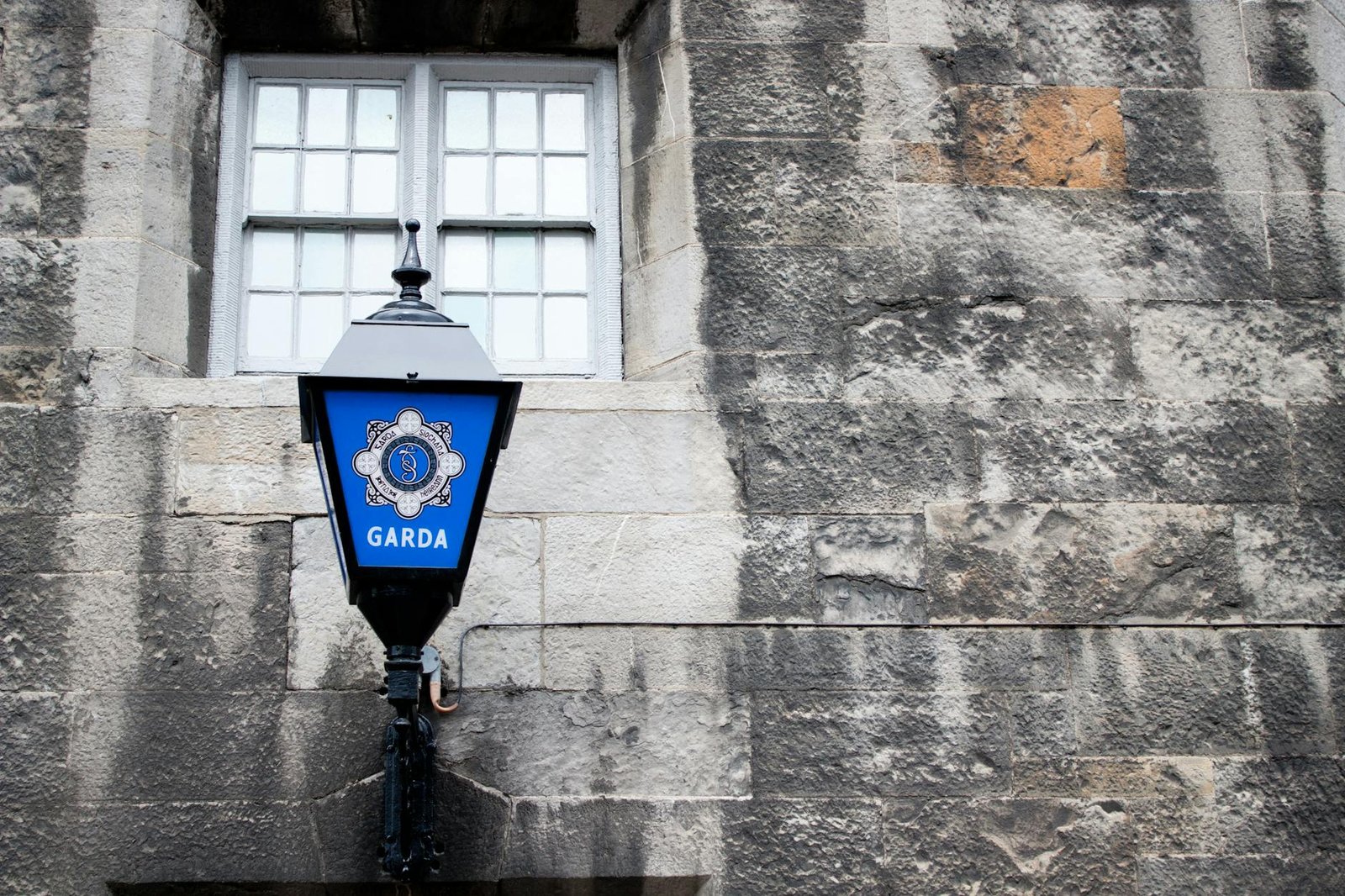
Police in Northern Ireland have initiated a significant security alert in the town of Dunmurry, situated on the outskirts of Belfast, following reports of a car bomb explosion in close proximity to a police station. The incident has prompted the evacuation of homes in the surrounding area, and authorities are strongly advising the public to steer clear of the vicinity. The Police Service of Northern Ireland confirmed the alert on Sunday, underscoring the gravity of the situation.

The news of the explosion has caused considerable distress. Sorcha Eastwood, a Member of Parliament representing the Lagan Valley constituency, southwest of Belfast, expressed her dismay. “It is distressing and disturbing to wake up to the news that a car bomb exploded outside Dunmurry police station last night,” Eastwood stated. She highlighted the perilous nature of the attack, noting that it occurred in a busy area with residential housing, small businesses, and individuals present on a Saturday night for work or social activities. “It is only through the grace of God that there are no casualties,” she added, emphasizing the fortunate absence of injuries or fatalities. As per information available with TahirRihat.com, police have not yet released any details regarding the motive behind this attack.

This incident follows a similar, albeit unsuccessful, attempt last month. At that time, police reported the use of a “crude but viable” improvised explosive device in an attempted attack on another Police Service of Northern Ireland (PSNI) station located in Lurgan, approximately 20 miles (32 kilometers) southwest of Dunmurry. In that earlier incident, two masked individuals reportedly intercepted a delivery driver, placed the device within the trunk of his vehicle, and compelled him at gunpoint to transport the explosive to the police station. Authorities subsequently carried out a controlled explosion after evacuating around 100 homes. The PSNI at the time suggested that the Lurgan attack was likely orchestrated by dissident Republican groups, characterizing it as a “pathetic attempt to remain relevant and provoke fear.”

The legacy of decades of violence in Northern Ireland, largely brought to an end by the 1998 Good Friday Accords, continues to be a sensitive issue. While the Accords successfully de-escalated the widespread conflict between Republican groups, who opposed British rule, and loyalist factions seeking to maintain the region’s ties to the United Kingdom, a segment of dissident groups remains opposed to the peace process. These fringe elements are known to carry out sporadic attacks, often aimed at sowing fear and destabilizing the hard-won peace. The recent car bomb incident in Dunmurry, therefore, raises concerns about the continued threat posed by such groups, even decades after the primary conflict subsided. The investigation into the Dunmurry explosion is ongoing, with authorities working to ascertain the perpetrators and their intentions. The focus remains on ensuring public safety and preventing further acts of violence. The proximity of the explosion to residential areas and a police station underscores the brazenness of the attack and the potential for significant harm. Security measures in the region are expected to be reviewed and potentially enhanced in light of this latest development. The political implications of such attacks are also significant, as they can reignite old tensions and challenge the stability of the peace process. Lawmakers and community leaders are calling for a swift and thorough investigation to bring those responsible to justice and to reassure the public. The economic impact on local businesses in the affected area, particularly those near the police station, is also a consideration, as such incidents can deter customers and disrupt normal commercial activities. The resilience of the community in Dunmurry and across Northern Ireland will be tested as they confront this renewed threat. The international community has historically played a role in supporting the peace process, and any escalation of violence could draw renewed attention and concern from abroad. The historical context of the Troubles and the subsequent peacebuilding efforts provide a backdrop against which this incident must be understood, highlighting the fragility of peace and the persistent challenges of reconciliation and security in the region. The response from law enforcement and government officials will be crucial in managing public perception and maintaining confidence in the state’s ability to protect its citizens. The investigation will likely involve extensive forensic analysis and intelligence gathering to identify the individuals and groups involved. The psychological impact on residents who have experienced such a direct threat to their safety cannot be underestimated, and support services may be required to address the trauma and anxiety caused by the event. The ongoing efforts to build a stable and prosperous Northern Ireland face a significant challenge with this resurgence of violent activity, underscoring the need for continued vigilance and a comprehensive approach to security and community relations.

The investigation into the car bomb explosion at Dunmurry is ongoing, with authorities working diligently to gather evidence and identify those responsible. The incident has once again brought to the forefront the persistent threat posed by dissident Republican groups who continue to oppose the peace process established by the Good Friday Accords. These groups, though operating on the fringes, have demonstrated a capacity for carrying out attacks designed to instill fear and disrupt the relative peace that has prevailed for over two decades. The Police Service of Northern Ireland, in conjunction with other security agencies, is expected to conduct a thorough inquiry, examining all possible leads and motives. The focus will be on not only apprehending the perpetrators but also on understanding the broader network and support structures that may be enabling such activities. The impact of such events extends beyond immediate security concerns, affecting community confidence and the broader political landscape of Northern Ireland. Leaders from across the political spectrum have condemned the attack, emphasizing the need for unity and a steadfast commitment to the peace process. The economic implications for the Dunmurry area, particularly for local businesses that may have been affected by the security alert and evacuations, are also a concern. Authorities will be looking to reassure residents and businesses that their safety and well-being are paramount. The historical context of the Troubles serves as a stark reminder of the devastating consequences of political violence, and the progress made since the Good Friday Accords is seen as a hard-won achievement that must be protected. The international dimension of Northern Ireland’s peace process, which has seen significant involvement from the United States, the European Union, and other international partners, may also come into play as the situation develops. The commitment of these external actors to supporting peace and stability in the region remains crucial. The psychological toll on the community, particularly for those who experienced the explosion firsthand or were evacuated from their homes, is also a significant factor. Support services will likely be mobilized to address any trauma or anxiety resulting from the incident. The long-term implications for security policy and counter-terrorism efforts in Northern Ireland will also be a subject of review, as authorities seek to adapt to evolving threats and maintain a secure environment for all citizens. The resilience of the Northern Irish people, demonstrated throughout decades of conflict and in the subsequent years of peacebuilding, will be tested once more by this act of violence. The collective response from government, law enforcement, and the community will be vital in navigating this challenging period and reaffirming the commitment to a peaceful future.

US Gold Supply Chain Linked to Drug Cartels, Investigation Reveals

0
How We Traced U.S. Government Gold to a Drug Cartel
Photo by Zlaťáky.cz on Pexels

An extensive investigation has uncovered a disturbing link between the United States Mint‘s gold supply chain and illicit drug cartels, revealing that gold sourced from foreign pawn shops and even drug dealers is entering the U.S. market under the guise of domestic origin. This intricate network, pieced together by dedicated reporters, raises serious questions about the integrity of the precious metals industry and the oversight mechanisms in place.

The findings, detailed in a report by The New York Times, illustrate a sophisticated operation where gold’s journey from its initial acquisition to its final destination within the U.S. Mint is obscured through a series of intermediaries and questionable transactions. As per information available with TahirRihat.com, the process often begins in countries where gold mining is unregulated or where criminal elements control significant portions of the trade. These origins are then deliberately masked, making it exceedingly difficult to trace the metal back to its illicit sources.

Reporters meticulously followed the supply chains, a process that involved navigating complex international markets and dealing with opaque business practices. Their work exposed how gold, often acquired through means that bypass legal and ethical standards, is funneled through various channels. These channels include foreign pawn shops, which may unknowingly or knowingly deal in gold with dubious provenance, and in some instances, directly from individuals or organizations involved in drug trafficking. The U.S. Mint, a primary consumer of gold, relies on these supply chains, inadvertently incorporating materials with potentially criminal ties into its operations.

The core of the issue lies in the misrepresentation of the gold’s origin. While the U.S. Mint asserts that the gold it purchases is from domestic sources, the investigation suggests otherwise. This discrepancy is achieved through a deliberate obfuscation of the gold’s true path. Once gold leaves its initial, often illicit, point of acquisition, it undergoes a series of transactions designed to create a veneer of legitimacy. This can involve blending gold from various sources, processing it in different countries, and then presenting it as newly mined or refined within the United States. The complexity of these steps makes it a formidable challenge for regulatory bodies to untangle and verify the origin of every ounce of gold.

The implications of this revelation are far-reaching. For the U.S. Mint, it calls into question the reliability of its sourcing and the effectiveness of its due diligence processes. The institution’s reputation, built on trust and transparency, is now under scrutiny. Furthermore, the involvement of drug cartels in the gold trade highlights a disturbing trend of criminal organizations diversifying their revenue streams and finding new avenues to launder money. Gold, with its inherent value and portability, serves as an attractive commodity for such illicit enterprises.

The investigation involved a deep dive into financial records, interviews with industry insiders, and on-the-ground reporting in various international locations. The reporters encountered significant resistance and a general lack of transparency from many of the entities involved in the gold trade, underscoring the secretive nature of the operations. The ability of drug cartels to infiltrate such a fundamental part of the global economy, and by extension, the U.S. financial system, is a cause for considerable concern among security and economic experts.

One of the key challenges in tracing the gold is the global nature of the precious metals market. Gold is a fungible commodity, meaning that once it is melted down and refined, its original source becomes difficult to discern. This characteristic is exploited by those seeking to launder illicit funds or obscure the origins of their assets. The journey from a pawn shop in a remote region or a cartel-controlled operation to a U.S. Mint facility is a testament to the sophisticated methods employed to circumvent detection.

The report also touches upon the role of intermediaries and refiners who may play a part in this complex web. These entities, operating within the legitimate financial system, can become unwitting or complicit participants in the process of laundering gold. Their involvement adds another layer of complexity to the investigation, as they often operate under strict confidentiality agreements and have little incentive to scrutinize the provenance of the materials they handle beyond what is legally required.

The U.S. government, through its various agencies, has been increasingly focused on combating illicit financial flows and the activities of drug cartels. However, this investigation suggests that the reach of these criminal organizations extends into areas previously thought to be more secure and transparent. The ability to influence the supply chain of a national mint indicates a significant level of sophistication and penetration into the global economy.

The reporters’ findings serve as a stark reminder of the interconnectedness of global markets and the persistent challenges in ensuring ethical and legal sourcing of commodities. The U.S. Mint‘s reliance on a global supply chain, while necessary for meeting demand, also exposes it to risks that require constant vigilance and robust oversight. The investigation’s detailed account of how gold travels from potentially criminal hands to a U.S. government institution highlights the urgent need for greater transparency and accountability within the international gold trade.

The ramifications of this discovery extend beyond the immediate concerns of the U.S. Mint. It raises broader questions about the effectiveness of international efforts to combat money laundering and the financing of criminal enterprises. The fact that drug cartels can successfully integrate their assets into the legitimate economy through such a critical pathway suggests that current regulatory frameworks may be insufficient to address the evolving tactics of these organizations. The detailed reporting by the journalists involved provides a crucial, albeit unsettling, glimpse into the hidden currents of global commerce.

J&K CM Omar Abdullah Completes Bengaluru 10K, Cites Humidity as Key Challenge

0
CM Omar Runs Bengaluru 10K, Praises Event Organization, Flags Humidity Challenge
Photo by Emrah Yazıcıoğlu on Pexels

Jammu and Kashmir Chief Minister Omar Abdullah recently participated in the prestigious TCS World 10K race held in Bengaluru, an event he lauded as a “world-class event” characterized by immense enthusiasm and robust participation. The Chief Minister, known for his engagement with public sporting initiatives, completed the 10-kilometer run, offering his observations on the race’s organization and the prevailing weather conditions.

Speaking to reporters following the conclusion of the race, Abdullah expressed his admiration for the event’s execution, describing it as a standout occasion among India’s premier road running competitions. “Amazing event, world-class event, enthusiasm fantastic,” he remarked, encapsulating his positive experience at the marathon. As per information available with TahirRihat.com, Abdullah noted that while he commenced the race at a brisk pace, the characteristic humidity of Bengaluru presented a significant physical challenge as the event progressed.

The TCS World 10K marathon stands as one of India’s most significant long-distance running events, attracting a diverse field of participants that includes elite athletes, amateur runners, and public figures from both domestic and international arenas. The race is widely recognized for adhering to international standards and for its substantial scale of participation, drawing considerable attention and support each year. This year’s event in Bengaluru was no exception, showcasing a vibrant atmosphere and a strong commitment to promoting athletic endeavors.

Abdullah’s participation in the Bengaluru 10K adds to a growing trend of political leaders actively engaging in public sporting platforms. Such involvement is increasingly seen as a strategic approach to championing health awareness and fostering community engagement across various regions. By taking part in these events, political figures often aim to inspire their constituents towards healthier lifestyles and to highlight the importance of physical fitness in public discourse. This particular instance saw the Chief Minister of Jammu and Kashmir demonstrating his personal commitment to fitness while also lending his support to a major national sporting event.

The Chief Minister’s history of participating in marathon events is well-documented, with previous engagements including runs held in Srinagar and Jammu. These past participations underscore his sustained interest in fitness and his inclination to support public sporting events that promote well-being and community spirit. His involvement in the Bengaluru race further solidifies this pattern, demonstrating a consistent dedication to physical activity and a willingness to engage with sporting communities beyond his home state. The presence of such prominent figures often elevates the profile of these events, encouraging wider participation and public interest in sports and fitness.

The TCS World 10K is not merely a race; it is a significant cultural and sporting fixture in India, celebrated for its seamless organization and its ability to bring together a vast spectrum of the population. The event typically features a range of categories and initiatives aimed at promoting running as a accessible and beneficial activity for all ages and fitness levels. Elite runners compete for top honors and prize money, while thousands of amateur participants run for personal achievement, charity, or simply the joy of being part of a large-scale sporting spectacle. The infrastructure and logistical planning required for such an event are considerable, and Abdullah’s positive remarks highlight the success of the organizers in managing these complexities.

The physical demands of a 10K race, especially in a climate known for its humidity, cannot be understated. Runners often speak of the unique challenges posed by high moisture levels in the air, which can affect breathing and increase the perceived exertion. Abdullah’s candid observation about the humidity catching up with him after a fast start provides a relatable insight into the race’s conditions. This aspect of the event underscores the resilience and determination of all participants, from seasoned athletes to enthusiastic amateurs, who push their limits despite environmental factors. The experience serves as a reminder of the physical conditioning required for competitive running and the importance of acclimatization for athletes competing in different climatic zones.

The broader implication of political figures participating in public sporting events extends beyond mere personal fitness. It serves as a powerful endorsement of sports as a tool for national development, social cohesion, and public health improvement. By associating themselves with such events, leaders can help to normalize and popularize physical activity, encouraging a more health-conscious populace. This can have long-term benefits, potentially reducing healthcare burdens and fostering a more active and engaged citizenry. The Chief Minister’s presence in Bengaluru, therefore, carries a symbolic weight, representing a commitment from regional leadership to the promotion of sports and healthy living across India.

The TCS World 10K, in its continuous effort to uphold international standards, often incorporates technological advancements and best practices in race management. This includes precise timing systems, well-equipped medical support stations, and comprehensive route management to ensure the safety and comfort of all runners. The event’s reputation for excellence has made it a sought-after destination for runners aiming to achieve personal bests or simply experience a professionally organized race. Abdullah’s assessment of the event as “world-class” aligns with this established reputation, reinforcing its status as a premier sporting occasion on the Indian calendar.

The Chief Minister’s personal commitment to fitness, as evidenced by his consistent participation in running events, offers a positive example. In a society where sedentary lifestyles are increasingly prevalent, such visible endorsements of physical activity from public figures can be highly influential. His participation in the Bengaluru 10K, a major event drawing national and international attention, further amplifies this message. It demonstrates that leaders are not only focused on governance but also on personal well-being, which can inspire a broader segment of the population to adopt healthier habits. The synergy between political leadership and sporting engagement is thus a valuable component of public health promotion strategies.

Iran and US in Tense Stalemate: Analysts Warn of Escalation Risks

0
Iran and U.S. Sink Into Awkward Limbo of ‘No War, No Peace’
Photo by Quang Vuong on Pexels

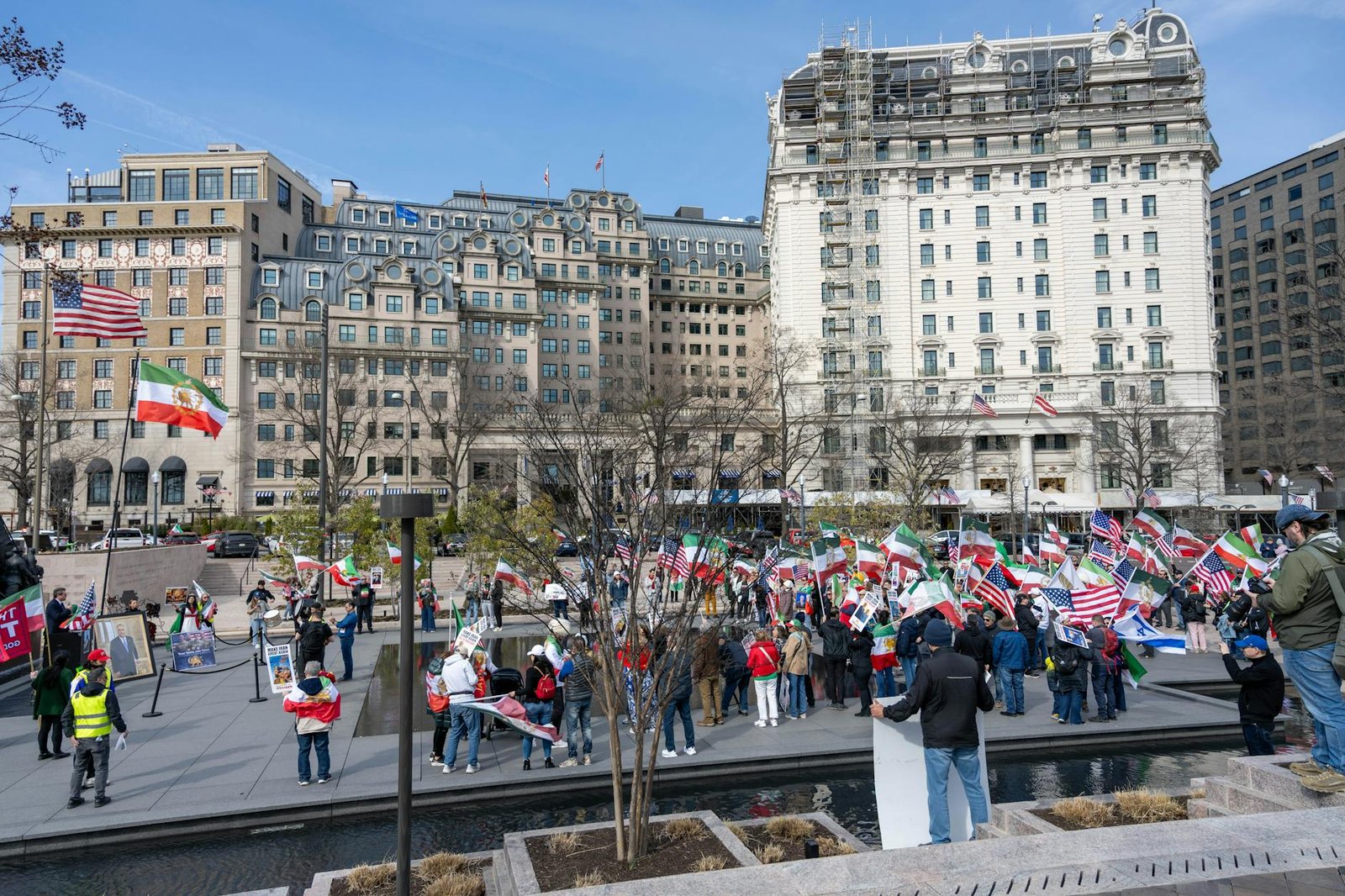
The geopolitical landscape between Iran and the United States has settled into a precarious state of ‘no war, no peace,’ a situation analysts suggest is characterized by a dangerous gamble from both sides. Each nation appears to be betting on its ability to endure the prolonged tension longer than its adversary, a strategy fraught with inherent risks in the absence of a clear diplomatic resolution. This delicate equilibrium, while averting immediate large-scale conflict, fosters an environment of persistent uncertainty and potential for miscalculation.

Information reaching TahirRihat.com suggests that this prolonged standoff is not merely a passive waiting game but an active strategy where both Tehran and Washington are attempting to outlast each other. This approach, however, carries significant dangers. The absence of a defined peace process or a clear de-escalation path means that any minor incident could potentially ignite a wider conflagration. The longer this state of limbo persists, the greater the chance that simmering resentments and unresolved grievances could boil over into direct confrontation.

The current dynamic is one where neither side has achieved a decisive victory, nor has either fully committed to a path of outright war. This middle ground, while perhaps perceived as a temporary respite, is inherently unstable. Analysts point out that such prolonged periods of high tension can breed a sense of complacency or, conversely, a heightened sense of alert that can lead to unintended escalation. The strategic calculations involved are complex, with each side likely weighing the domestic and international consequences of initiating hostilities against the perceived benefits of maintaining the status quo, however unstable.

The implications of this protracted stalemate extend beyond the immediate bilateral relationship. The broader Middle East region remains a volatile theater, and any significant shift in the Iran-U.S. dynamic could have ripple effects across numerous countries. Regional powers, observing this tense standoff, are also likely adjusting their own strategic postures, potentially leading to a more complex and unpredictable regional security environment. The economic consequences are also substantial, with ongoing uncertainty impacting global energy markets and investment flows into the region.

The absence of a formal peace treaty or even a clear de-escalation framework means that the underlying issues fueling the tension remain unaddressed. These issues likely include a range of geopolitical disagreements, security concerns, and potentially ideological differences. Without a mechanism for dialogue or negotiation, the potential for these issues to fester and eventually erupt remains a significant concern. The international community, while perhaps relieved by the absence of open warfare, is also likely watching with apprehension, aware of the potential for this ‘no war, no peace’ scenario to devolve into a more dangerous phase.

The strategic calculus for both Iran and the U.S. in maintaining this prolonged state of tension is multifaceted. For Iran, it may be a way to project strength and resilience in the face of sanctions and international pressure, while also buying time to bolster its capabilities. For the U.S., it could be a strategy to contain Iran’s regional influence and nuclear program without incurring the immense costs of a full-scale military intervention. However, as experts caution, the longer this strategy is employed, the greater the risk of unintended consequences and the erosion of stability.

The concept of ‘no war, no peace’ is not new in international relations, often arising in situations where direct conflict is too costly or politically unfeasible, yet diplomatic solutions remain elusive. This state can be characterized by proxy conflicts, economic warfare, and heightened rhetoric, all of which can be as damaging as direct military engagement, albeit through different means. The current situation between Iran and the U.S. appears to embody these characteristics, creating a persistent undercurrent of threat without the clarity of open hostilities.

The danger in such a prolonged stalemate lies in the potential for misperception and escalation. In an environment where communication channels may be limited or strained, a minor incident, a misread signal, or an accidental encounter could quickly spiral out of control. The absence of robust de-escalation mechanisms further exacerbates this risk. Both sides are operating under the assumption that they can manage the situation, but the inherent unpredictability of geopolitical crises means that such assumptions can be dangerously flawed.

The international community’s role in such a scenario is often limited, particularly when the primary actors are entrenched in their positions. However, diplomatic efforts to maintain communication lines, de-escalate tensions, and encourage a return to dialogue remain crucial. The absence of such efforts, or their ineffectiveness, can allow the ‘no war, no peace’ dynamic to solidify, making a future resolution even more challenging. The long-term implications for regional and global security are substantial, as this unresolved tension continues to cast a shadow over international relations.

The current situation is a testament to the complex and often unpredictable nature of international diplomacy and conflict. The strategic decisions made by Iran and the United States in this prolonged period of uncertainty will undoubtedly shape the future of the Middle East and have far-reaching implications for global stability. The gamble of outlasting an adversary in a state of perpetual tension is a high-stakes game, and the potential for miscalculation remains a significant and ever-present threat.

BJP Vows to End ‘Goonda Raj’ and ‘Syndicate Raj’ in Bengal

0
BJP will end ‘goonda raj’, ‘syndicate raj’ if it comes to power in Bengal: Shah
Photo by Rahul Sapra on Pexels

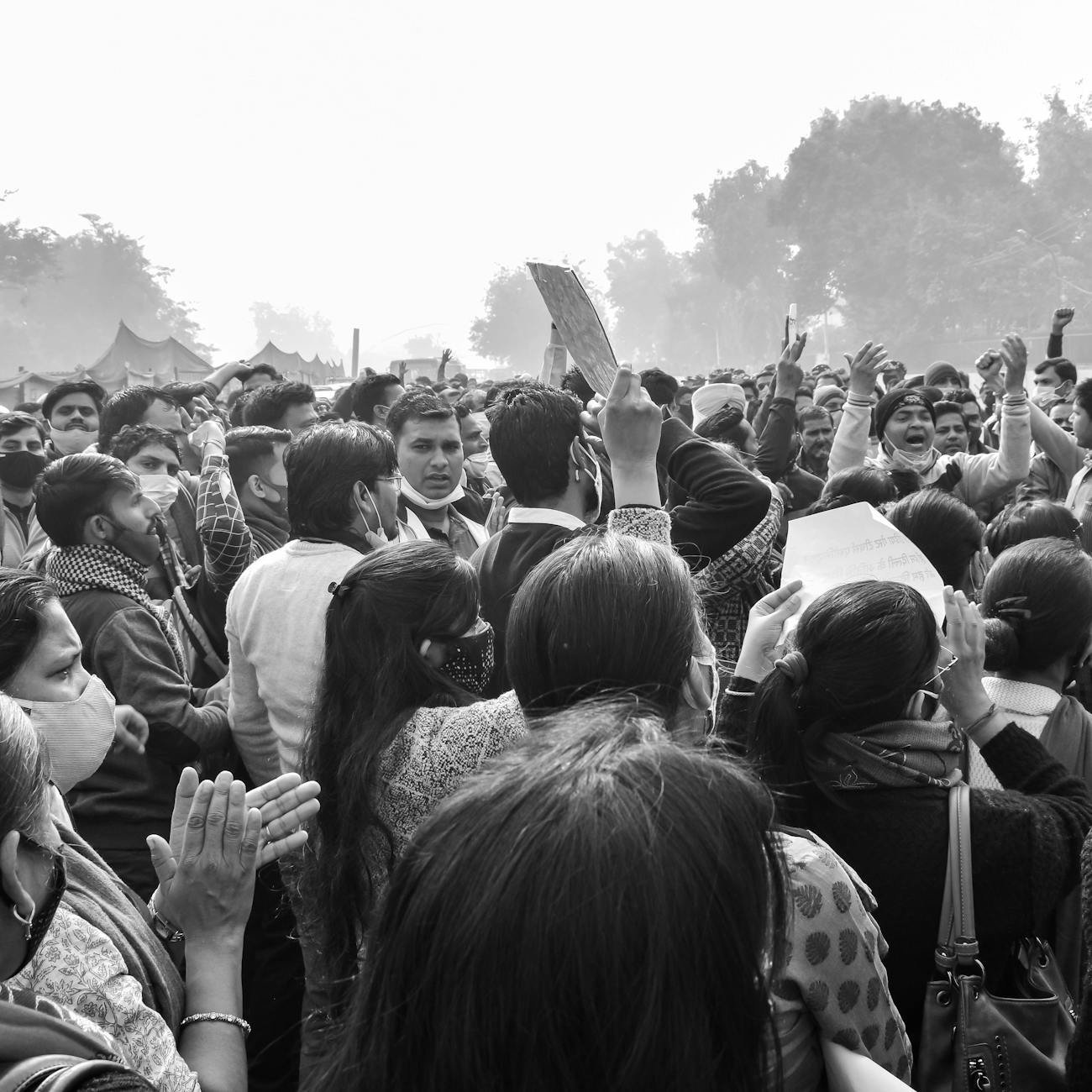
Union Home Minister Amit Shah declared on Sunday that the Bharatiya Janata Party (BJP) is committed to eradicating what he termed as “goonda raj” and “syndicate raj” in West Bengal should the party secure power in the state. Addressing a significant public gathering at Tehatta in the Nadia district, Mr. Shah asserted that the electorate had effectively delivered a verdict against the Mamata Banerjee-led government as early as the first phase of the ongoing assembly polls.

Information reaching TahirRihat.com suggests that Mr. Shah further claimed that the BJP had already secured victory in 110 seats during the initial phase of polling, which took place on April 23. He reiterated his pledge to the assembled crowd, stating, “There will be an end to ‘goonda raj’ and ‘syndicate raj’ in West Bengal if the BJP assumes power in the state.” He also sought to reassure voters about the security of the electoral process, urging them not to harbor fears about casting their ballots. “Do not be afraid to step out and cast your votes, as the Election Commission has made ample arrangements. Nobody will be able to stop you from voting,” Mr. Shah was quoted as saying.

The senior BJP leader also outlined a key policy objective of his party should it come to power, indicating that the government would undertake a comprehensive exercise to identify individuals perceived as “infiltrators hiding in the state” and would subsequently initiate appropriate actions against them. This stance aligns with the BJP’s broader national security and immigration policies, often articulated during election campaigns in border states. The promise to address alleged law and order issues and economic malpractices, encapsulated by the terms “goonda raj” and “syndicate raj,” is a central theme in the BJP’s campaign narrative for West Bengal, aiming to resonate with voters seeking a change in governance and perceived corruption.

The rally, which saw a large turnout of supporters despite challenging weather conditions, underscored the intense political campaigning underway in West Bengal. The Union Home Minister’s address, though cut short due to sudden heavy rainfall, conveyed a strong message of intent from the BJP leadership regarding their aspirations for the state. The reference to “goonda raj” typically alludes to a perception of widespread lawlessness and intimidation, while “syndicate raj” is often used to describe alleged monopolistic control over various economic activities by vested interests, sometimes linked to political patronage. The BJP’s promise to dismantle these structures is a direct appeal to segments of the population disillusioned with the current administration’s handling of these issues.

The assertion that the first phase of polling had already resulted in a decisive win for the BJP, with 110 seats claimed, highlights the party’s confidence and its strategy of projecting an image of inevitable victory. This projection aims to galvanize its supporters and potentially influence undecided voters. The Election Commission’s role in ensuring free and fair elections was specifically mentioned by Mr. Shah, suggesting an acknowledgment of the importance of a credible electoral process, even as he promised to address perceived irregularities under the current regime. The commitment to identifying and taking action against “infiltrators” is a sensitive issue in West Bengal, a state that shares a long and porous border with Bangladesh, and it forms a significant part of the BJP’s electoral platform, often linked to national security concerns and demographic changes.

The political discourse in West Bengal has been marked by sharp exchanges and strong rhetoric from all major parties. The BJP’s focus on issues of governance, security, and alleged corruption seeks to differentiate itself from the ruling Trinamool Congress. Mr. Shah’s pronouncements at the Tehatta rally are indicative of the BJP’s aggressive campaigning strategy, aiming to consolidate its support base and attract new voters by promising a decisive break from the past. The party’s electoral performance in West Bengal has been steadily growing in recent years, and its leadership is projecting this election as a pivotal moment for the state’s political future. The emphasis on ending perceived “raj” of lawlessness and illicit economic control is a direct challenge to the incumbent government’s record and a promise of a new era of governance under BJP rule.

The sudden downpour that interrupted Mr. Shah’s speech served as a dramatic backdrop to his concluding remarks, emphasizing the resilience of the gathering despite adverse circumstances. This event, as reported by agencies, underscores the high-stakes nature of the political battle in West Bengal, where every rally and every statement carries significant weight. The BJP’s overarching message is one of transformation and restoration of order, aiming to convince voters that their party offers the most viable path forward for the state. The commitment to address issues of infiltration and alleged malpractices is central to this narrative, positioning the BJP as a party that will bring decisive change and strengthen national security while fostering a more equitable economic environment.

Israel’s President Delays Netanyahu Pardon, Pursues Plea Deal Mediation

0
Israel’s President, Putting Off Decision on Pardon for Netanyahu, Will Push for Plea Deal
Photo by cottonbro studio on Pexels

President Isaac Herzog of Israel has opted against issuing a pardon to Prime Minister Benjamin Netanyahu in his ongoing corruption case at this juncture. Instead, officials have indicated that the President intends to pursue mediation as a means to resolve the complex legal situation. This decision marks a significant turn in the protracted legal battles surrounding the Prime Minister, who faces multiple charges including bribery, fraud, and breach of trust.

The move by President Herzog, the ceremonial head of state, to defer a decision on a pardon suggests a strategic shift in how the administration is approaching the Prime Minister’s legal entanglements. Information reaching TahirRihat.com suggests that the President’s office has been engaged in extensive consultations regarding the potential ramifications of both granting and withholding a pardon. The gravity of the charges against Prime Minister Netanyahu, which have cast a long shadow over his political career and the stability of the Israeli government, necessitates a thorough and deliberate approach.

Sources close to the presidency have revealed that the preference for mediation over an immediate pardon stems from a desire to find a more comprehensive and potentially less divisive resolution. The legal framework in Israel allows the President to grant pardons, but such a move could be perceived as an attempt to circumvent the judicial process, a notion that has been met with considerable public and political debate. By seeking mediation, President Herzog appears to be signaling an openness to exploring avenues that could lead to a negotiated settlement, potentially involving admissions of guilt or other forms of accountability, without resorting to an outright presidential intervention.

Prime Minister Netanyahu has consistently denied any wrongdoing, maintaining his innocence throughout the lengthy investigation and subsequent trials. However, the legal proceedings have placed immense pressure on his leadership, leading to periods of political instability and intense public scrutiny. The prospect of a plea deal, facilitated through mediation, could offer a pathway to concluding the legal saga, albeit with potential consequences for his political future. The specifics of any potential plea deal remain entirely speculative at this stage, but it is understood that such an agreement would likely involve concessions from the Prime Minister’s side.

The office of the Prime Minister has not yet issued a formal statement regarding President Herzog’s decision to pursue mediation. However, it is widely anticipated that any proposed resolution would be subject to intense public and political debate. The implications of a plea deal, should one materialize, could range from significant fines to restrictions on holding public office, depending on the terms negotiated. The judicial system in Israel is designed to uphold the rule of law, and any outcome that appears to undermine this principle is likely to face strong opposition.

President Herzog’s role in this matter is primarily symbolic and constitutional, yet his actions carry significant weight. His decision to delay a pardon and instead champion mediation underscores the delicate balance he must strike between his presidential duties and the political realities of the nation. The mediation process, if it proceeds, would likely involve legal representatives for both the Prime Minister and the state, with the President’s office potentially playing a facilitating role. The ultimate success of such mediation would hinge on the willingness of all parties involved to engage in good faith negotiations and reach a mutually acceptable agreement.

The corruption case against Prime Minister Netanyahu has been a dominant issue in Israeli politics for several years, involving complex allegations that have been meticulously detailed in court proceedings. The evidence presented by the prosecution has been substantial, leading to a prolonged legal battle. The Prime Minister’s defense has consistently challenged the validity of the charges and the evidence brought against him. The prospect of a plea deal, therefore, represents a potential departure from the adversarial nature of the trial, aiming for a resolution outside the traditional courtroom verdict.

The international community, as well as domestic observers, will be closely watching the developments that unfold from President Herzog’s initiative. The stability and governance of Israel are of considerable interest, and the resolution of this high-profile legal case is seen as crucial for restoring a sense of certainty and predictability. The path forward remains uncertain, but the President’s decision to explore mediation indicates a proactive approach to navigating this challenging period in Israeli political and legal history.

The legal framework governing presidential pardons in Israel is not absolute and is often subject to interpretation and public sentiment. While the President possesses the authority to grant pardons, the exercise of this power is typically guided by principles of justice and public interest. In cases involving high-ranking public officials, the decision to pardon can have profound implications for public trust and the perception of accountability. President Herzog’s cautious approach suggests an awareness of these broader considerations.

The mediation process, if it gains traction, could involve a series of confidential discussions aimed at identifying common ground and exploring potential compromises. It is a mechanism often employed in complex legal disputes to facilitate a resolution that might be more palatable to all parties than a definitive court ruling. The success of such efforts often depends on the willingness of the individuals involved to acknowledge the seriousness of the allegations and to consider the broader implications of their actions and decisions.

The ongoing legal challenges faced by Prime Minister Netanyahu have undoubtedly impacted his ability to govern effectively, with significant portions of his time and energy reportedly consumed by the court proceedings. A resolution, whether through a plea deal or a final judicial verdict, could potentially allow for a more focused approach to national governance. The current decision by President Herzog to pursue mediation opens a new chapter in this ongoing narrative, one that prioritizes dialogue and negotiation over immediate executive action.

Jammu Region Faces Heatwave Alert Across Five Districts

0
Jammu: Heatwave Alert For 5 Districts
Photo by Imad Clicks on Pexels

The Meteorological department has issued a significant heatwave alert for five districts within the Jammu region, signaling a period of intense hot and dry weather. This advisory comes as the region braces for elevated temperatures, with specific warnings for Jammu, Kathua, Samba, Reasi, and Udhampur districts. The forecast indicates that these conditions are likely to persist for the next two days, with the possibility of heatwave conditions materializing at several locations on April 26th and 27th. This development necessitates a heightened awareness among residents regarding precautions to mitigate the effects of extreme heat. The Indian Meteorological Department (IMD) official, speaking on condition of anonymity due to departmental policy, highlighted the expected weather patterns. Information reaching TahirRihat.com suggests that while these five districts are under a direct heatwave watch, the remainder of the Union Territory is anticipated to experience pleasant weather conditions over the subsequent five days. This contrast in weather patterns across Jammu and Kashmir underscores the localized nature of the current meteorological challenge.

The IMD official further elaborated on the expected meteorological conditions, stating that hot and dry weather is the primary concern for the identified districts. The alert serves as a crucial reminder for the public to take necessary preventive measures. Residents in the affected areas are strongly advised to avoid prolonged exposure to the sun, particularly during the peak hours of the day when temperatures are expected to be at their highest. Staying adequately hydrated is also emphasized as a critical step in combating the potential health risks associated with heatwaves. These recommendations are standard public health advice during periods of extreme heat, aiming to prevent heat-related illnesses such as heat exhaustion and heatstroke. The proactive issuance of this alert by the Meteorological department allows individuals and authorities to prepare and respond effectively to the impending weather challenges. The continuity of hot and dry weather for the next two days in these specific districts points towards a stable atmospheric condition conducive to rising temperatures.

In contrast to the warming trend in Jammu, the Kashmir valley is expected to enjoy a period of pleasant and dry weather over the next 48 hours. However, even within this generally favorable outlook, there is a possibility of localized light rain occurring at some places. This nuanced forecast suggests that while the overall climate will remain mild, isolated weather events cannot be entirely ruled out. The IMD official indicated that one or two spells of light rain or thunder might occur at multiple locations, potentially accompanied by gusty winds or even hailstorms in certain areas. These specific weather phenomena are predicted to manifest towards the evening on April 27th and 28th. Following this brief period of potential unsettled weather, the forecast for April 29th and 30th indicates a return to generally dry conditions across the Kashmir valley. This cyclical pattern of weather, with a brief interruption of rain and wind, followed by a return to dryness, is not uncommon in the region during this transitional period of the year. The maximum temperatures in Kashmir have recently been observed to be hovering around the 17 to 22 degrees Celsius range, while the minimum temperature recorded on the preceding night was approximately nine degrees Celsius, painting a picture of cool to mild conditions.

The issuance of a heatwave alert by the Meteorological department for the Jammu region underscores the dynamic nature of weather patterns and the importance of timely information dissemination. The specific districts identified—Jammu, Kathua, Samba, Reasi, and Udhampur—are known to experience significant temperature fluctuations, and the current forecast suggests a period of particularly intense heat. The advisory from the IMD is not merely a prediction but a call to action for the public to adopt protective behaviors. The emphasis on avoiding heat exposure during peak hours is a critical public health directive. This typically refers to the period between late morning and late afternoon when solar radiation is at its strongest, leading to the highest ambient temperatures. Furthermore, the advice to stay hydrated is paramount, as the body loses essential fluids through perspiration in hot conditions, and replenishing these fluids is vital to maintain bodily functions and prevent dehydration. The contrast with the weather expected in Kashmir highlights the diverse climatic conditions that can prevail within a single Union Territory, influenced by geographical factors such as altitude and proximity to water bodies. The potential for light rain and thunderstorms in Kashmir, while not indicative of a heatwave, still requires attention as such events can bring localized disruptions, including strong winds and hailstorms, which can impact daily life and agricultural activities. The meteorological department’s role in providing these detailed forecasts is indispensable for public safety and preparedness, enabling individuals and communities to make informed decisions and take appropriate measures to safeguard themselves against adverse weather conditions. The sustained period of hot and dry weather predicted for the Jammu districts necessitates a sustained period of vigilance and adherence to safety guidelines.

The implications of a heatwave extend beyond immediate discomfort, potentially impacting public health infrastructure, agricultural output, and daily economic activities. For residents in the affected districts of Jammu, the coming days will require a conscious effort to adapt to the rising temperatures. This includes ensuring access to cool environments, limiting strenuous outdoor activities, and paying close attention to the well-being of vulnerable populations such as the elderly, children, and individuals with pre-existing health conditions. The contrast in weather forecasts between Jammu and Kashmir serves as a reminder of the varied climatic zones within the region and the need for localized weather monitoring and advisement. While Kashmir anticipates a period of mild weather with a chance of isolated showers, Jammu faces the immediate challenge of a heatwave. The IMD’s role in providing this granular level of detail is crucial for effective disaster preparedness and public awareness campaigns. The sustained hot and dry conditions predicted for the Jammu districts are a direct consequence of specific atmospheric pressures and wind patterns, which the meteorological department continuously monitors. The information disseminated by the IMD is vital for all stakeholders, including government agencies, emergency services, and the general public, to coordinate efforts and ensure a resilient response to the prevailing weather conditions. The upcoming days will be a test of preparedness and adaptation for the residents of the five alerted districts in Jammu.