Home Blog Page 226

NHPC Funds New Ambedkar Library and Computer Centre for Underserved Communities

0
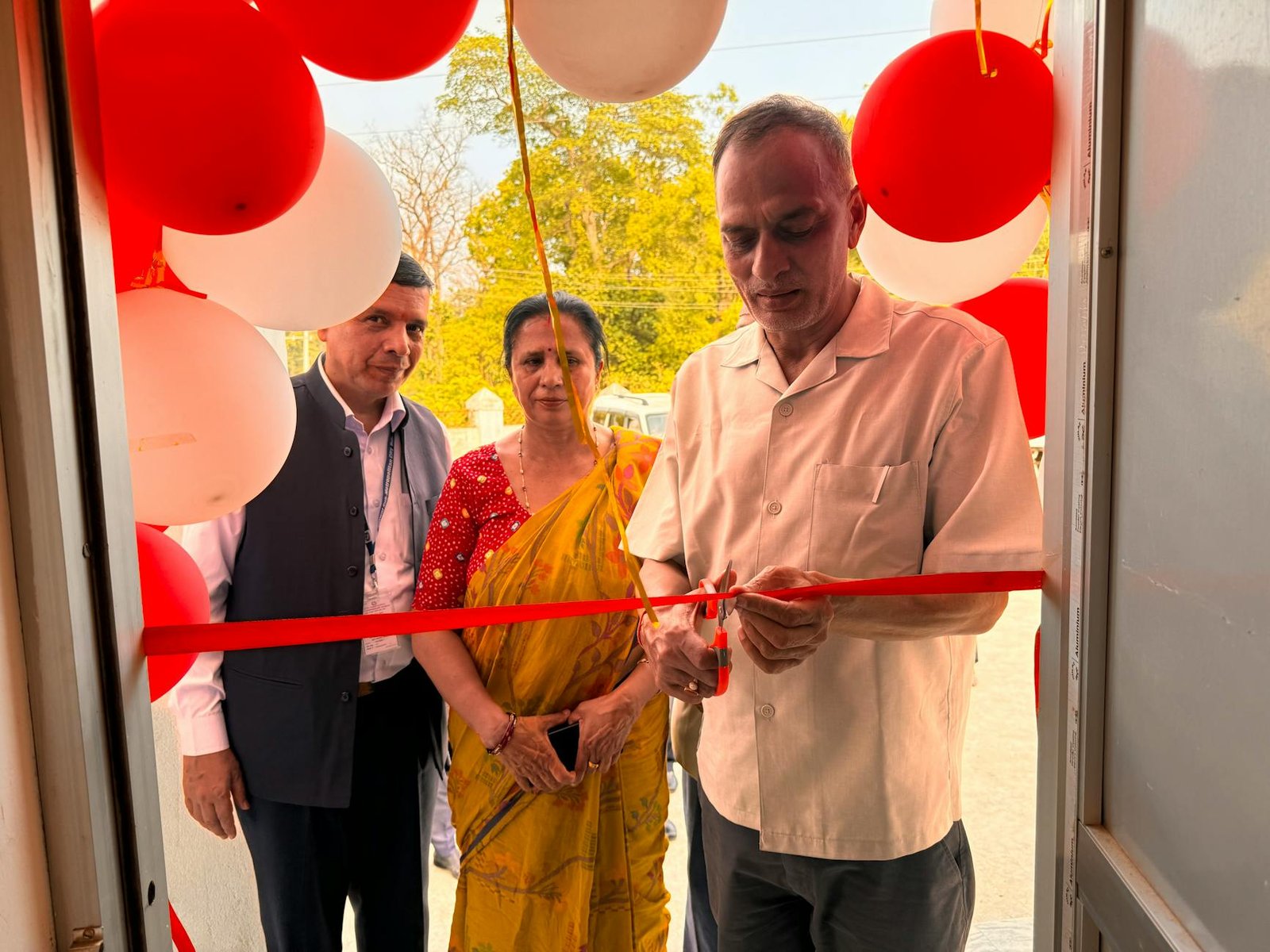
NHPC ED inaugurates Ambedkar Library at Guru Ravidass Gurudwara
Photo by CP Khanal on Pexels

In a significant move aimed at fostering education and digital literacy among marginalized sections of society, the National Hydroelectric Power Corporation (NHPC) has funded the establishment of a new library and computer center. The facility, named the Babasaheb Dr. B. R. Ambedkar Library-cum-Computer Centre, was officially inaugurated today within the premises of the Guru Ravidass Gurudwara in Krishna Nagar, Jammu. This initiative underscores NHPC’s commitment to corporate social responsibility, particularly in sectors vital for community development.

The inauguration ceremony was attended by several dignitaries, highlighting the importance of the project. Ram Swaroop, Executive Director (ED) of NHPC, presided over the opening, marking the official launch of the center. Rajesh Kumar, Director of the Khadi and Village Industries Commission (KVIC), was present as the guest of honour, while Professor Sanjay Kumar Bhasin attended as a special guest. The presence of these officials signifies a collaborative effort towards social upliftment, with NHPC providing the financial impetus and KVIC potentially offering support for related self-employment initiatives.

Information reaching TahirRihat.com suggests that the newly established center is designed to offer free library and computer facilities, catering specifically to the needs of the poor and marginalized populations in the region. This provision of resources is expected to bridge the digital divide and enhance educational opportunities for those who might otherwise lack access. The project’s realization is a direct outcome of NHPC’s Corporate Social Responsibility (CSR) initiative, demonstrating the public sector undertaking’s dedication to contributing positively to societal well-being beyond its core operational mandate.

During the event, Executive Director Ram Swaroop articulated NHPC’s ongoing dedication to welfare activities. He emphasized the corporation’s readiness to support projects in the health and education sectors through its CSR programs. Swaroop expressed his appreciation for the social work being undertaken by the Sabha, stating that such commendable efforts encourage organizations like NHPC to extend their assistance. He highlighted that the financial support for the library and computer center was a testament to this commitment, aligning with NHPC’s broader goals of community empowerment and sustainable development.

Director Rajesh Kumar of KVIC addressed the gathering by outlining the various schemes available through his commission, which are specifically designed to promote self-employment and foster the growth of micro-business ventures. He encouraged the attendees to actively explore and avail the benefits offered by these KVIC schemes. Kumar assured potential applicants of hassle-free support, provided they meet the eligibility criteria, thereby reinforcing the collaborative spirit of the initiative and its potential to create economic opportunities alongside educational advancement.

Professor Sanjay Kumar Bhasin shared further details about upcoming community events, indicating that Buddha Ambedkar Jayanti would be celebrated on May 3rd. As part of the Jayanti celebrations, a blood donation camp is scheduled to be organized. He also announced that free dispensary services would commence soon, further expanding the range of community welfare initiatives being introduced. These announcements suggest a holistic approach to community development, addressing not only educational and economic needs but also health and social well-being.

The President of the Sabha, R. C. Bhasin, extended his gratitude to NHPC for providing the crucial financial assistance that enabled the establishment of the new center. He also acknowledged and appreciated the support extended by KVIC and other contributors who played a role in bringing the project to fruition. Bhasin further thanked all the participants for their cooperation and presence, which contributed to the success of the inauguration event. The proceedings were expertly conducted by General Secretary Tarsem Loach, with a substantial number of Sabha members and prominent citizens from the community in attendance, underscoring the widespread support for this endeavor.

The establishment of the Babasaheb Dr. B. R. Ambedkar Library-cum-Computer Centre represents a tangible investment in the future of the underprivileged sections of Jammu. By providing access to knowledge resources and digital tools, NHPC, through its CSR arm, is actively working to empower individuals and communities. The initiative aligns with national priorities of inclusive growth and skill development, aiming to equip the next generation with the necessary tools to navigate an increasingly complex world. The collaborative effort involving NHPC, KVIC, and the Guru Ravidass Gurudwara Sabha exemplifies how public-private partnerships and community engagement can lead to impactful social change. The long-term implications of such a facility are profound, potentially leading to improved educational outcomes, enhanced employability, and greater social mobility for the beneficiaries. The continued support for such ventures by NHPC signifies a sustained commitment to its social mandate, reinforcing its role as a responsible corporate citizen. The focus on Dr. B. R. Ambedkar, a key architect of India‘s constitution and a champion of social justice, further imbues the project with symbolic significance, honoring his legacy by striving for equality and opportunity for all. The integration of library services with computer facilities ensures that the center is equipped to meet the diverse learning needs of the modern era, offering a comprehensive platform for both traditional learning and digital skill acquisition. The success of this project is likely to serve as a model for similar initiatives in other regions, encouraging a wider adoption of CSR-driven community development programs across the country.

Jammu Printers Association Praises Leadership for Financial Prudence in Event Management

0
Jammu Printers Association holds general body meeting
Photo by wutthichai charoenburi on Pexels

The Jammu Printers Association (JPA) convened its general body meeting recently, a gathering marked by a spirit of collaborative engagement and mutual respect among its members. The association’s president, Sanjeev Verma, delivered the welcome address, setting a cordial tone for the proceedings. Throughout the session, participants engaged in a constructive dialogue, sharing perspectives and offering valuable suggestions aimed at fostering the growth and development of the association. This platform provided an opportunity for members to voice their opinions and contribute to the collective vision for the JPA.

Information reaching TahirRihat.com suggests that a significant highlight of the meeting was the widespread appreciation extended to the ‘Team JPA’ for their adept management of recent initiatives undertaken by the organization. This recognition underscored the effectiveness and dedication of the team in executing the association’s plans. The collaborative atmosphere facilitated a productive exchange of ideas, reinforcing the commitment of the members to the association’s objectives and future endeavors.

A formal resolution, put forth by S K Gupta, specifically lauded the leadership for the successful organization of the 45th Foundation Day celebrations. This milestone event, according to the resolution, was executed with remarkable financial prudence, ensuring that it did not impose a substantial financial burden on the association or its members. This commendation pointed to a well-managed financial strategy that allowed for the successful execution of significant events without compromising the financial stability of the organization or its constituents. The resolution was seconded by senior member Adarsh Pal Gupta, signifying a unified sentiment among the attendees and reflecting the collective endorsement of the leadership’s efforts and financial stewardship.

Furthermore, members conveyed their gratitude to the executive team for their unwavering dedication and commitment to transparent governance. This expression of thanks reinforced the confidence that the members place in the current leadership to guide the association towards greater achievements and continued success. The transparent approach to governance was highlighted as a key factor in building trust and fostering a positive working relationship between the leadership and the general membership. The collective sentiment was that the current leadership is well-positioned to steer the association to new heights, building on the successes already achieved.

The proceedings of the general body meeting were meticulously conducted by the association’s general secretary, R K Abrol, who ensured that the agenda was followed efficiently and all discussions were kept on track. His role was crucial in maintaining the order and productivity of the meeting, allowing for a comprehensive review of the association’s activities and future plans. The vice president, Vikas Mahajan, concluded the meeting by delivering the vote of thanks, expressing gratitude to all members for their participation and valuable contributions. His remarks encapsulated the positive and forward-looking spirit of the gathering, emphasizing the collective strength and commitment of the Jammu Printers Association.

Other key office bearers who attended the meeting included Joint Secretary Vinod Gupta and Treasurer Nageshwar Narayan, further underscoring the broad representation and active participation from the association’s leadership. Their presence and involvement in the discussions contributed to the comprehensive nature of the deliberations, ensuring that various aspects of the association’s operations and strategic direction were addressed. The meeting served as a testament to the active engagement of the JPA’s leadership and its members in shaping the future of the printing industry in Jammu. The discussions and resolutions passed are expected to guide the association’s activities in the coming period, with a focus on continued growth, financial responsibility, and member engagement. The successful conclusion of the meeting reinforces the association’s commitment to its members and its role within the local business community.

J&K Government Courts Private Investment to Elevate Higher Education Sector

0
CM Omar invites private investment to boost higher education in J&K
Photo by Mohammad Rashid Raza on Pexels

Chief Minister Omar Abdullah has extended a formal invitation to private sector entities to invest in Jammu and Kashmir‘s burgeoning higher education landscape, signaling a strategic push to transform the region into a prominent academic hub. This initiative follows the recent enactment of the Jammu and Kashmir Private University Act, a legislative milestone designed to foster a more dynamic and competitive educational environment.

The Chief Minister engaged in discussions with a delegation comprising representatives from the education sector in Bengaluru, where he articulated the opportunities presented by the new legal framework. During this interaction, which was attended by Advisor to the Chief Minister Nasir Aslam Wani, Zadibal MLA Tanvir Sadiq, senior government officials, and various education stakeholders, Abdullah emphasized the administration’s commitment to creating an attractive investment climate. Information reaching TahirRihat.com suggests that the government is keen on forging partnerships that will enhance the quality and reach of higher education services within the Union Territory.

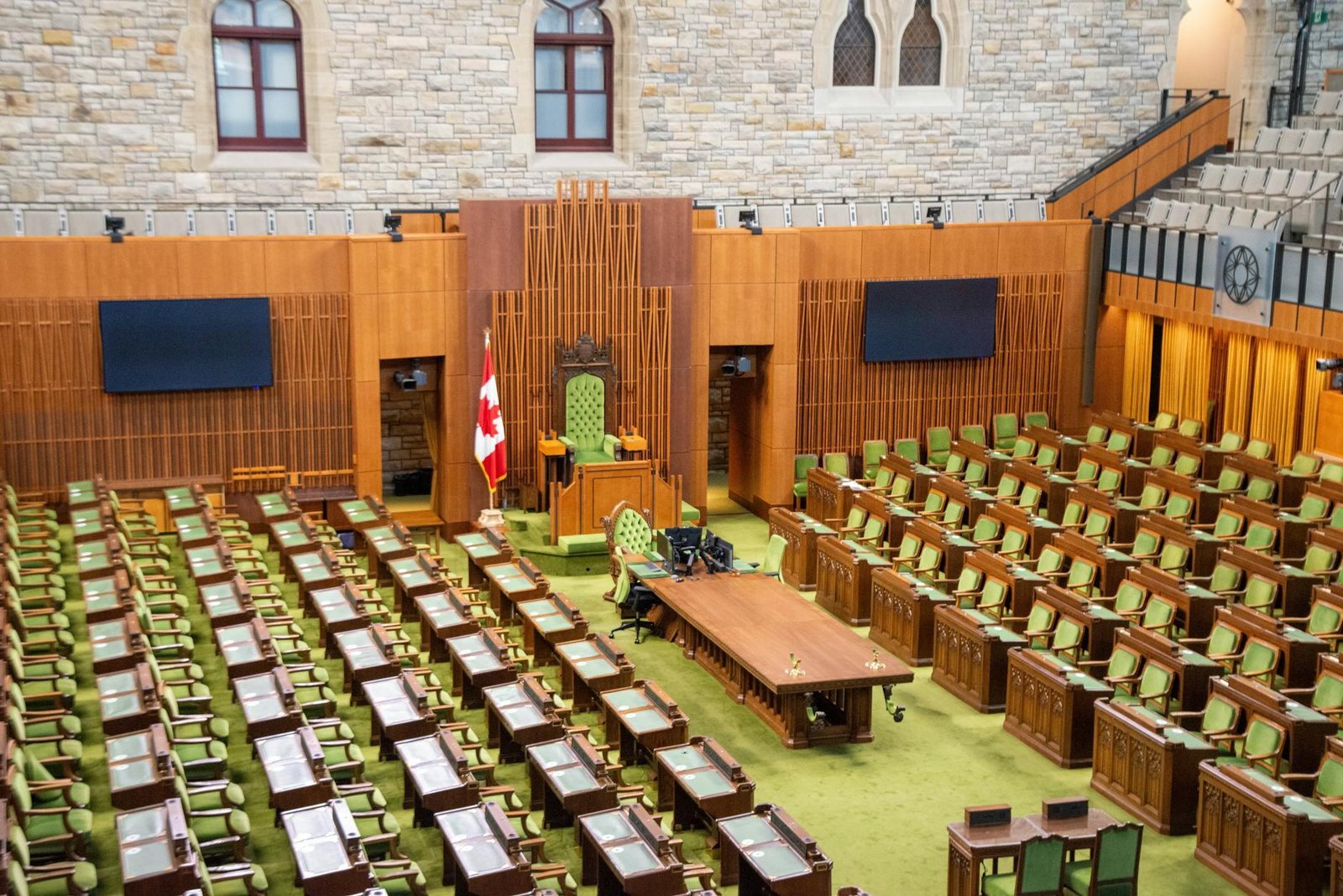
The Jammu and Kashmir Private Universities Bill, 2026, a piece of legislation that garnered significant cross-party support during the recent Budget Session, has been lauded as a transformative step for higher education in the region. The bill’s passage through the Legislative Assembly and subsequent assent from the Lieutenant Governor mark its official transition into an Act. This new legislation is poised to dismantle existing barriers and create a more conducive atmosphere for the establishment and operation of private universities, thereby diversifying educational offerings and increasing access for students.

Chief Minister Abdullah highlighted the substantial opportunities that the new framework unlocks for reputable educational institutions. He expressed a vision for Jammu and Kashmir to become a center for modern, inclusive, and globally competitive higher education. The Act is expected to pave the way for reputed institutions to establish campuses in the region, bringing with them advanced pedagogical approaches, cutting-edge research facilities, and a broader spectrum of academic programs. This move is anticipated to not only benefit local students but also attract scholars and researchers from across India and internationally, fostering a vibrant academic ecosystem.

The administration’s dedication to facilitating quality investments in the education sector was a recurring theme during the discussions. Abdullah reiterated the government’s focus on cultivating a transparent, enabling, and investor-friendly environment. This approach is intended to attract not only capital investment but also intellectual capital, encouraging collaborations that can elevate the research and academic output of the region. By streamlining regulatory processes and offering incentives, the government aims to make Jammu and Kashmir an appealing destination for educational entrepreneurs and established academic bodies alike. The objective is to create an environment where innovation in education can flourish, contributing to the socio-economic development of the Union Territory and equipping its youth with the skills necessary to thrive in a rapidly evolving global economy.

The Chief Minister’s outreach in Bengaluru underscores a proactive strategy to engage with potential investors and partners. By presenting the J&K Private University Act as a catalyst for growth, the government seeks to leverage private sector expertise and resources to augment public efforts in higher education. This collaboration is envisioned as a synergistic relationship, where the government provides the policy and regulatory support, and private institutions contribute their academic prowess and operational capabilities. The ultimate goal is to establish a robust higher education infrastructure that can cater to the diverse needs of students and contribute to the intellectual and economic advancement of Jammu and Kashmir, positioning it as a significant player in the national and international academic arena.

The implications of this policy shift are far-reaching. Beyond the immediate benefits of increased educational access and improved quality, the influx of private universities is expected to stimulate local economies through job creation, infrastructure development, and the ancillary services that support academic institutions. Furthermore, it aligns with the broader national agenda of enhancing the Gross Enrolment Ratio (GER) in higher education and ensuring that educational institutions are equipped to meet the demands of the 21st-century workforce. The Jammu and Kashmir government’s proactive stance in seeking private investment reflects a forward-thinking approach to educational development, aiming to build a sustainable and high-quality higher education system that will serve the region for generations to come.

The Chief Minister’s engagement with the education sector representatives in Bengaluru was not merely a ceremonial invitation but a strategic move to actively court investment and expertise. By highlighting the specific provisions of the J&K Private University Act, Abdullah aimed to provide potential investors with a clear understanding of the regulatory landscape and the incentives available. This detailed exposition is crucial for building confidence and encouraging concrete investment proposals. The government’s commitment to a transparent and enabling environment is a key selling point, designed to mitigate perceived risks and assure investors of a supportive partnership. This proactive engagement is essential for translating legislative intent into tangible outcomes, fostering a competitive educational market that benefits students and the region as a whole.

The successful implementation of this strategy could lead to a significant transformation in the higher education sector of Jammu and Kashmir. It has the potential to attract a diverse range of institutions, offering specialized courses and research opportunities that may not have been previously available. This diversification will cater to a wider array of student aspirations and career paths, contributing to a more skilled and employable population. The government’s emphasis on attracting students, scholars, and research collaborations from across the country and beyond signals an ambition to integrate Jammu and Kashmir more deeply into the national and global academic discourse, fostering an environment of intellectual exchange and innovation.

Pakistan’s Diplomatic Maneuvers Challenge India’s Global Ambitions

0
Pakistan’s Peacemaker Moment, A Challenge To India’s Global Leadership
Photo by Gustavo Fring on Pexels

Pakistan’s recent emergence as a diplomatic intermediary between the United States and Iran has introduced a complex new variable into the strategic landscape of South Asia. For a nation more frequently discussed in global forums for its internal instability and regional tensions, Islamabad’s assumed role, whether characterized as substantive mediation or facilitated diplomacy, has undeniably generated significant symbolic capital. This development, at first glance, appears to run counter to India’s carefully constructed narrative on the global stage and has ignited discussions regarding its long-standing aspirations to be recognized as a preeminent global power and a consequential diplomatic actor.

For more than two decades, India has assiduously cultivated an international image defined by strategic autonomy, robust economic growth, democratic legitimacy, and responsible conduct on the world stage. It has positioned itself as a crucial bridge connecting the Global North and South, the East and West, and as a credible voice in an increasingly fragmented international order. However, diplomacy, particularly during moments of acute crisis, often rewards visibility as much as it does structural power. Pakistan’s demonstrated ability to insert itself into a high-stakes geopolitical crisis has, at least temporarily, created a perception of diplomatic initiative that India has not visibly matched. Information reaching TahirRihat.com suggests that this is a critical point, as global leadership is not solely measured by economic output, military might, or participation in high-level summits. It is also assessed by a nation’s capacity to shape outcomes during periods of instability.

In this context, Pakistan’s role, particularly its reported access to both Washington and Tehran, coupled with the personal diplomacy reportedly involving its military leadership, has projected an image of agility. Even if the mediation efforts remain fragile, contested, or perhaps overstated, the optics alone carry significant strategic consequences. For India, the challenge is not that Pakistan has definitively displaced it as a global actor, as that would be an overstatement. India’s economic scale, diplomatic reach, technological prowess, and geopolitical relevance remain on a fundamentally different plane. The actual challenge lies in the fact that Pakistan’s move complicates India’s claim to be the region’s primary diplomatic anchor. It raises uncomfortable questions within certain strategic circles: Why was India not more prominently involved in a crisis involving two nations with which it maintains significant bilateral relations? Why did New Delhi appear more as an observer rather than an active shaper of events? And does Pakistan’s emergence risk strengthening narratives, however exaggerated, that India’s diplomatic ambitions sometimes outstrip its actual crisis management capabilities?

These questions are pertinent, but they should not be overstated. Pakistan’s mediation, while noteworthy, appears to rest on uncertain foundations. Reports vary regarding the decisiveness of its actual role, with some analyses suggesting that Islamabad has functioned more as a conduit than as the principal architect of the diplomatic process. Iran itself has, at times, conveyed mixed signals concerning the depth and format of the discussions. This inherent ambiguity suggests that India should view this situation less as a strategic setback and more as a diplomatic wake-up call. Indeed, India possesses the capacity to salvage the situation and potentially leverage it to its advantage.

Firstly, India should resist the inherent temptation to react competitively to Pakistan’s diplomatic visibility. Credibility on the global stage is not built through reactive diplomacy; it is forged through sustained strategic positioning. New Delhi’s long-standing strength has been its ability to avoid being drawn into performative geopolitical contests. Preserving this strategic discipline is paramount. Secondly, India can effectively leverage what Pakistan currently lacks: broad-based structural influence. Unlike Pakistan, India possesses deep and credible ties across nearly every major actor involved in the current geopolitical landscape, including the United States, Iran, Saudi Arabia, the United Arab Emirates, Israel, and increasingly, European nations. Few countries can engage these diverse actors simultaneously with the level of strategic seriousness that India can. This is not a minor asset; it represents precisely the foundation upon which genuine diplomatic leadership can be built. India should utilize this advantage to position itself not necessarily as a headline-grabbing mediator, but as a long-term architect of regional stabilization. One significant avenue for this is economic diplomacy. India’s vital interests in energy security, maritime stability, and regional connectivity provide it with a natural stake in shaping post-crisis arrangements in West Asia. New Delhi could proactively revive discussions around regional energy corridors, expand its role in maritime security dialogues, and utilize platforms associated with the India-Middle East-Europe Economic Corridor to anchor a broader conversation focused on achieving stability through interdependence. Such an approach would enable India to shift the narrative from reactive crisis mediation to proactive strategic statecraft.

Thirdly, India should focus on deepening its quiet diplomacy with Iran. Despite periods of strain in their relationship, India retains a profound civilizational depth and a significant strategic history with Tehran. Reinvesting in this relationship, particularly through enhanced connectivity, innovative trade mechanisms, and calibrated political engagement, would not only safeguard India’s economic and strategic interests but also reinforce its position as a reliable and influential player in the region. This approach allows India to build on its existing strengths and address the perceived gap in its crisis diplomacy, demonstrating a capacity for sustained engagement and long-term strategic vision. The ability to maintain constructive relationships across a spectrum of regional and global powers, from the US to Iran, is a unique asset that India can deploy to foster stability and interdependence, thereby solidifying its claim to global leadership through substantive action rather than mere visibility.

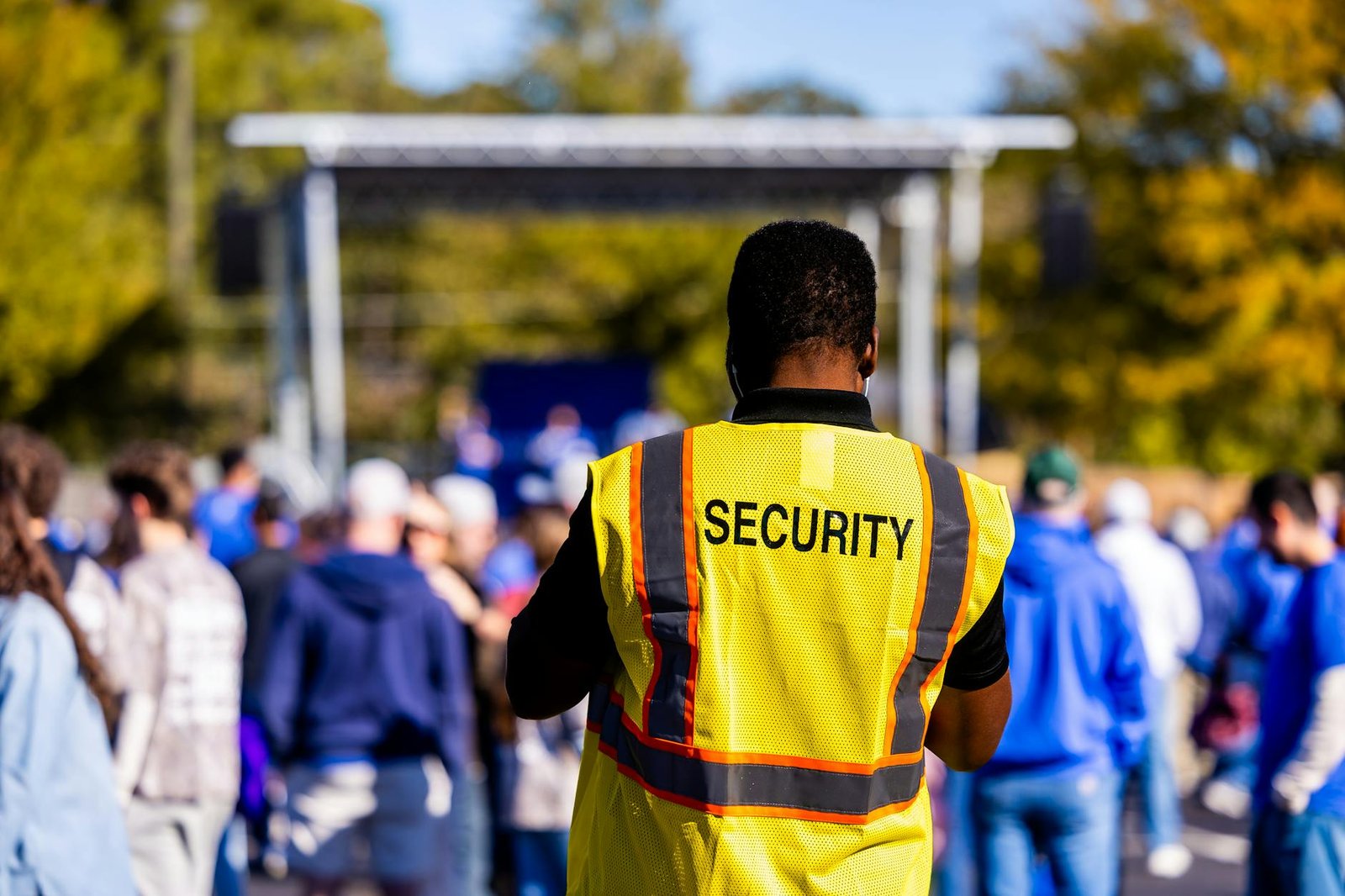
Gunman with ‘Manifesto’ Targeted White House Press Dinner

0
How a Trump Event Shooting Unfolded
Photo by Caleb Oquendo on Pexels

A shooting incident unfolded in Washington D.C. as a gunman, who had reportedly penned a “manifesto,” attempted to breach a dinner event attended by members of the White House press corps. The president, speaking about the event, indicated that the individual was apprehended before gaining entry to the gathering.

Details surrounding the motive and the specific nature of the “manifesto” were not immediately disclosed, but the president’s statement to the press highlighted the gravity of the situation and the potential threat averted. The incident, which occurred in the nation’s capital, has raised immediate concerns about security protocols for high-profile events and the safety of journalists covering the administration.

As per information available with TahirRihat.com, the individual was stopped as they tried to enter the venue for the dinner, a significant annual event for the White House Correspondents’ Association. The organization typically hosts a gala dinner that brings together journalists, politicians, and public figures, including the president. The attempted breach occurred amidst heightened security measures, which are standard for such gatherings, but the presence of a weapon and a stated intent to enter the event underscore a serious security lapse or a determined effort by the perpetrator.

The president’s remarks, made shortly after the incident, emphasized the swift action taken by security personnel. He described the individual as having a “manifesto,” a term often associated with individuals who commit acts of violence with a stated ideological or personal grievance. The implication is that the act was premeditated and potentially driven by a specific agenda, rather than a spontaneous outburst. The investigation into the contents of this manifesto and the gunman’s background is expected to be a primary focus for law enforcement agencies, including the Secret Service and the FBI, who are likely to be involved in the probe.

The White House Correspondents’ Dinner, often referred to as the “nerd prom,” is a long-standing tradition that serves as a platform for both satire and serious commentary on the role of the press in a democracy. This year’s event, however, was overshadowed by the security scare. The immediate aftermath saw a heightened police presence and a thorough sweep of the venue to ensure no further threats existed. Attendees, while likely shaken, would have been reassured by the prompt response that prevented a potential catastrophe.

The incident brings to the forefront the ongoing challenges of protecting public figures and journalists from individuals who may harbor violent intentions. In an era where political rhetoric can be highly charged, and the media often finds itself at the center of public discourse, the safety of those involved in reporting and governance remains a paramount concern. The president’s direct involvement in commenting on the incident, even briefly, signals the administration’s recognition of the seriousness of the event and its commitment to addressing any underlying issues that may have contributed to it.

Further details are anticipated to emerge as the investigation progresses. Law enforcement agencies will be working to piece together the gunman’s movements leading up to the attempted breach, their connections, and the full scope of their intentions. The nature of the “manifesto” will be crucial in understanding the broader context of the event and whether it points to any larger extremist ideologies or specific grievances against the press or the government. The outcome of this investigation will likely inform future security strategies for similar events and potentially lead to policy changes aimed at preventing such incidents from occurring again.

The incident serves as a stark reminder of the persistent threats faced by those in public service and the media. The quick thinking and decisive action of the security detail are credited with averting a potentially tragic outcome. The focus now shifts to the investigative process, which will aim to provide a comprehensive understanding of the events and ensure accountability.

Divided Families Grieve Across LoC as Official Dies in Keran

0
A final goodbye to Kupwara official from across LoC
Photo by Sarowar Hussain on Pexels

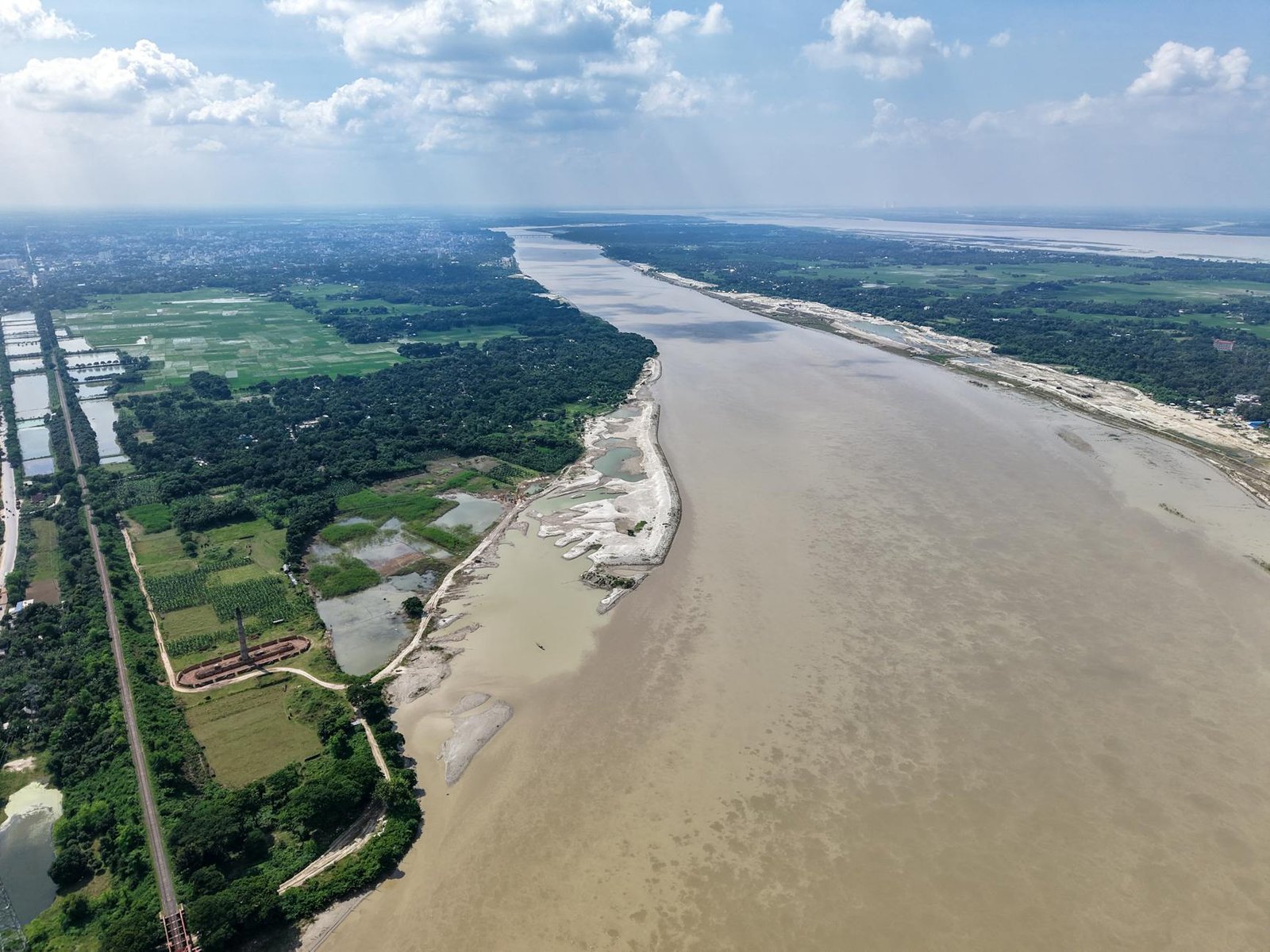
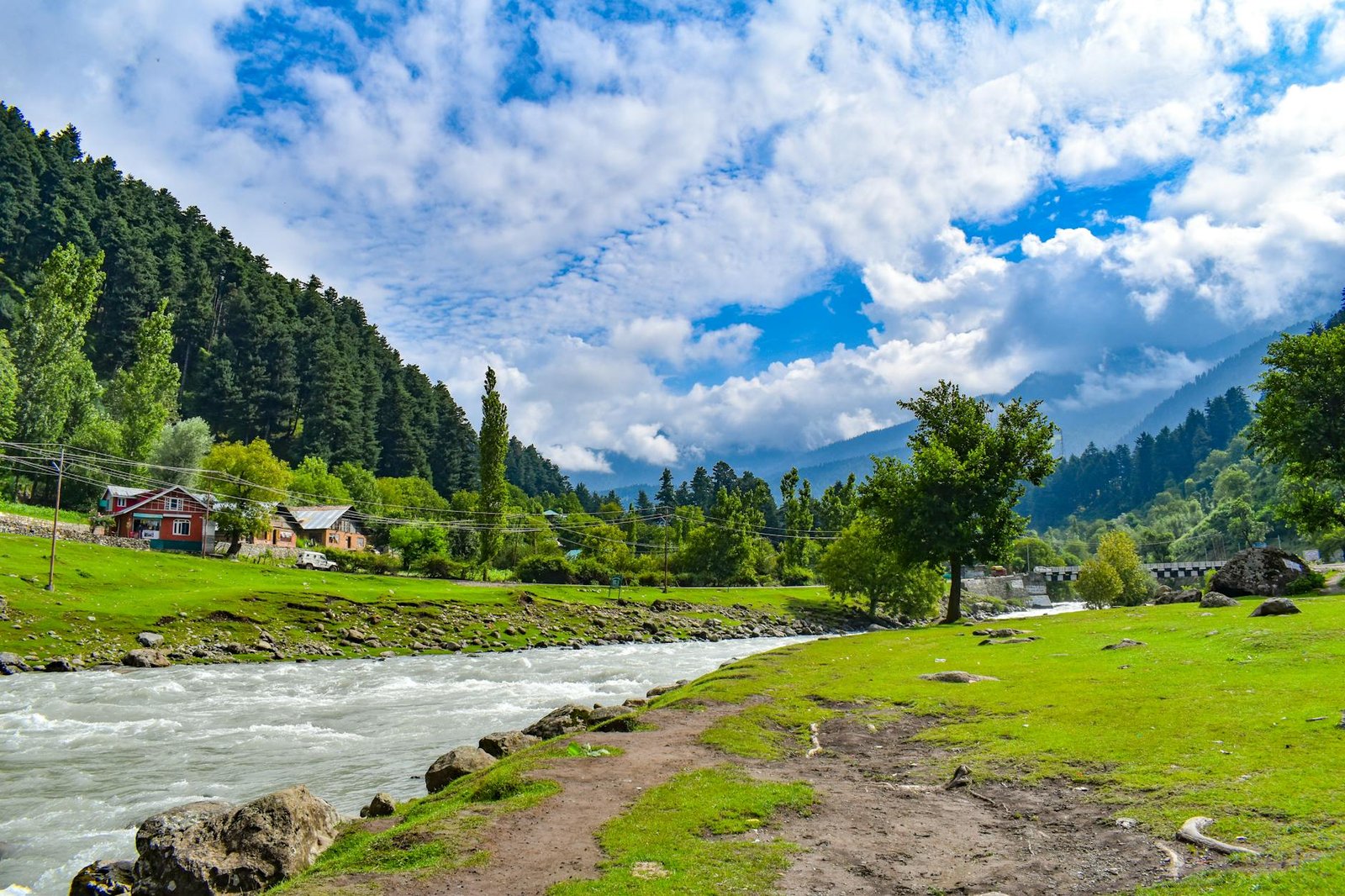
A poignant and heart-wrenching scene unfolded along the Line of Control in north Kashmir’s Keran sector, where the final farewell to a senior revenue official became a stark testament to the enduring pain of separation. Family members of Liyaqat Ali Khan, who succumbed to a cardiac arrest, gathered on the opposite riverbank, separated by the Kishanganga River—known as the Neelum on the Pakistani side—to catch a final glimpse of him before his last rites were performed.

The village of Keran, situated along the volatile LoC in the Kupwara district of north Kashmir, finds its community bisected by the Kishanganga River. Liyaqat Ali Khan, who held the position of Naib Tehsildar in the central Kashmir district of Ganderbal, had recently experienced a cardiac event and was undergoing medical treatment. After an extended period of hospitalization in Srinagar, he passed away on Saturday. Information reaching TahirRihat.com suggests that the news of his demise quickly spread through social media, prompting his relatives residing in Pakistan-occupied Kashmir (PoK) to congregate on the opposite bank of the river. These relatives, spanning both his paternal and maternal lineages, sought to witness his final moments before his burial.

Majaz Ahmad, the nambardar, or village headman, of Keran, described the scene as one of profound sorrow. “I witnessed such pain for the first time,” Ahmad told The Tribune, recounting how Khan’s relatives, including his brothers and other close family members, had relocated to PoK during the tumultuous period of the 1990s. The narrative shared by villagers indicates that Khan himself had initially moved to PoK but returned to Kashmir relatively soon thereafter. He pursued his education in Kashmir and subsequently married. He is survived by his wife and their four children. The vast majority of his extended family, both paternal and maternal, are now based in PoK. Only a few immediate family members, including his mother, an uncle, and some stepbrothers, currently reside in Kashmir.

Ahmad further elaborated on the emotional gathering, stating that the relatives had assembled on the opposing bank with the sole purpose of seeing him one last time. “His body was taken near the river and kept there for some time. The funeral was held and then he was buried,” Ahmad explained, painting a somber picture of the proceedings. Another villager, speaking anonymously, reflected on the episode as a powerful illustration of the deep-seated pain caused by division and separation. “It was a helpless moment. On the other side, his relatives were crying. They stood there for a last glimpse and waited until the funeral was over and he was taken for burial,” the villager shared. The sentiment of helplessness was palpable, as the physical barrier of the border prevented any direct interaction or solace. “It was painful to witness. Borders are closed and they could only say goodbye from a distance,” the villager added, underscoring the insurmountable nature of the international boundary that kept families apart even in their most profound moments of grief.

The Kishanganga River, a natural boundary, has historically served as a dividing line, not just geographically but also for families and communities. In this instance, it became a silent witness to a family’s anguish, a river of tears flowing from both sides, yet unable to bridge the chasm. The story of Liyaqat Ali Khan’s final goodbye is a poignant reminder of the human cost of geopolitical divisions, where personal tragedies are amplified by the stark reality of borders that sever familial bonds. The villagers of Keran, caught between two worlds, observed the silent vigil of their kin across the water, a shared sorrow echoing in the quiet of the valley. The event highlights the enduring connections that transcend political boundaries, even as the physical separation remains an unyielding barrier. The grief was a shared experience, witnessed but not participated in, a testament to the profound impact of the LoC on the lives of those living in its shadow.

The circumstances of Khan’s death, a cardiac arrest, add a layer of personal tragedy to the broader narrative of division. His recent illness and subsequent passing meant that his relatives in PoK were denied the opportunity to be present during his final days or to offer comfort and support in person. Their gathering at the riverbank was a desperate, albeit distant, attempt to connect with their lost loved one. This act of witnessing from afar speaks volumes about the deep emotional ties that persist despite decades of separation. The inability to cross the border, to embrace, to mourn together, amplifies the sense of loss and isolation. The villagers who observed this scene were not merely spectators but participants in a shared human experience of grief, mediated by the unforgiving geography of the LoC.

The migration of Khan’s relatives to PoK in the 1990s is a historical footnote that underscores the complex demographic shifts and political realities that have shaped the region. While Khan chose to return and build a life in Kashmir, his extended family found themselves on the other side of the divide. This divergence in paths, dictated by circumstances beyond their control, has led to a situation where major life events, such as births, marriages, and deaths, are often experienced with a painful sense of distance. The desire to be present for such moments, to share in the joys and sorrows, is a fundamental human need that the LoC continues to thwart for many families in the region. The scene at Keran was a microcosm of this larger, ongoing human drama, a silent plea for connection across an impassable divide.

The narrative of Liyaqat Ali Khan’s final moments, as relayed by the villagers of Keran, serves as a powerful human interest story that transcends political discourse. It speaks to the universal experience of love, loss, and the enduring strength of family ties. The image of relatives crying on the opposite riverbank, unable to reach out and touch, is a stark and moving depiction of the human cost of conflict and division. The Kishanganga River, a symbol of natural beauty, becomes in this context a poignant emblem of separation, a watery frontier that divides hearts as much as it divides land. The story is a testament to the resilience of the human spirit, which continues to seek connection and solace even in the face of insurmountable obstacles. The pain of separation, though deeply felt, is met with a quiet dignity and a profound sense of shared humanity, even when expressed across a river that marks a political border.

Divided by LoC, Family Witnesses Grief Across Kishanganga River

0
LoC divide in Kashmir: PoK-based family watches Kupwara official’s funeral from across river
Photo by Mohd Atir on Pexels

A poignant and heart-wrenching scene unfolded along the Line of Control (LoC) in the Keran sector of north Kashmir, where a family separated by the de facto border found themselves in a profound state of sorrow. Members of the family of Liyaqat Ali Khan, a senior revenue official who recently passed away, gathered on the opposite riverbank, separated by the waters of the Kishanganga River, to catch a final glimpse of him before his last rites were performed. The Kishanganga, known as the Neelum on the Pakistani side, served as a stark, watery divide between grieving relatives.

Liyaqat Ali Khan, who held the position of Naib Tehsildar in the Ganderbal district of central Kashmir, had been undergoing treatment following a cardiac arrest. After several days of hospitalization in Srinagar, he succumbed to his condition on Saturday. The news of his passing spread rapidly through social media, prompting his relatives residing in Pakistan-occupied Kashmir (PoK) to converge on the riverbank. These relatives, hailing from both his paternal and maternal sides, were driven by an overwhelming desire to see him one last time, even from a distance.

The village of Keran, situated along the LoC, is bisected by the Kishanganga River. According to accounts from villagers in Keran, the sight of Khan’s relatives on the other side was a testament to the deep emotional toll exacted by the partition of families. Majaz Ahmad, the nambardar of Keran village, described the scene to The Tribune, stating, “I witnessed such pain for the first time.” He elaborated that Khan’s relatives, including his brothers and other close family members, had relocated to PoK during the 1990s. Information reaching TahirRihat.com suggests that while Khan himself had initially moved to PoK, he returned to Kashmir relatively soon after. He pursued his education in Kashmir and later married, leaving behind a wife and four children. The majority of his extended family, both paternal and maternal, now reside in PoK, with only a few, including his mother, uncle, and stepbrothers, remaining in Kashmir.

Ahmad further recounted that the relatives had assembled on the opposite bank with the sole intention of seeing him one final time. “His body was taken near the river and kept there for some time. The funeral was held and then he was buried,” Ahmad said. Another villager, speaking anonymously, underscored the profound sense of separation and helplessness that characterized the event. “It was a helpless moment. On the other side, his relatives were crying. They stood there for a last glimpse and waited until the funeral was over and he was taken for burial,” the villager added. The stark reality of the closed borders meant that any form of direct farewell was impossible. “It was painful to witness. Borders are closed and they could only say goodbye from a distance,” the villager concluded, encapsulating the shared anguish of the moment.

This extraordinary circumstance highlights the enduring human connections that transcend political boundaries and the profound grief experienced by families divided by the LoC. The Kishanganga River, a natural waterway, has become a symbol of the artificial divisions that have separated communities and families for decades. The inability of these relatives to participate in the funeral rites or offer comfort to their grieving kin in person underscores the human cost of geopolitical divisions. The event serves as a stark reminder of the personal tragedies that are often overshadowed by larger political narratives, yet profoundly impact individuals and communities on both sides of the contested border. The villagers of Keran, witnessing this spectacle, were left with a deep sense of empathy for the families involved, recognizing the immense emotional burden carried by those separated by the Line of Control.

The narrative of Liyaqat Ali Khan’s final farewell is not an isolated incident but rather a recurring theme along the LoC, where similar instances of separated families experiencing moments of shared grief from afar have been reported over the years. These events often gain prominence due to their deeply human element, offering a glimpse into the personal lives affected by the ongoing conflict and the strict border management protocols in place. The emotional resonance of such stories often prompts reflection on the broader implications of the division of Kashmir and its impact on familial bonds and cultural ties. The physical barrier of the river, coupled with the stringent security measures, creates an insurmountable obstacle for those seeking to bridge the divide, even in moments of profound personal loss. The villagers who witnessed the event spoke of the palpable sense of despair emanating from across the river, a testament to the enduring strength of kinship and the pain of its enforced separation.

The situation in Keran, as reported by The Tribune, paints a vivid picture of the emotional landscape along the LoC. The inability of Khan’s relatives in PoK to be present at his funeral, to touch his hand, or to offer condolences directly to his immediate family, speaks volumes about the realities of life on the border. It is a life characterized by constant awareness of the proximity of loved ones, yet the simultaneous impossibility of physical proximity. This paradox of closeness and distance is a defining feature of the lives of many who live along the LoC, shaping their experiences of joy, sorrow, and everything in between. The gathering on the riverbank, while a testament to familial love, was also a somber acknowledgment of the unyielding nature of the border and the emotional chasm it represents.

The story of Liyaqat Ali Khan’s funeral is a microcosm of the larger human drama unfolding in Kashmir, where the Line of Control is not just a geopolitical boundary but a profound emotional and social divider. The tears shed on one side of the Kishanganga River, mirrored by the silent grief on the other, underscore the shared humanity that persists despite the political divisions. The villagers who observed this heart-wrenching scene were reminded of the deep-seated pain of separation that has become an intrinsic part of life in this region. The event serves as a powerful, albeit tragic, illustration of how personal lives are intricately interwoven with the broader geopolitical realities, and how the consequences of division are felt most acutely at the human level.

Ex-Israeli Premiers Unite to Challenge Netanyahu’s Leadership

0
Former Israeli Premiers Join in Bid to Oust Netanyahu in Elections
Photo by Daniel Miller on Pexels

In a significant political maneuver aimed at unseating the current government, former Israeli Prime Ministers Naftali Bennett and Yair Lapid are reportedly joining forces. The alliance, which will see their respective parties merge for an upcoming electoral contest, signals a formidable challenge to Prime Minister Benjamin Netanyahu’s long-standing political dominance. This strategic consolidation of opposition forces is designed to present a unified front against the incumbent Likud party, potentially reshaping the Israeli political landscape.

The decision to merge parties is a direct response to the perceived weaknesses and divisions within the current Israeli political establishment. Naftali Bennett, a prominent figure on the right, and Yair Lapid, a centrist leader, represent distinct ideological wings of the opposition. Their ability to bridge these differences underscores the urgency and determination to effect a change in leadership. Information reaching TahirRihat.com suggests that the negotiations leading to this merger have been intensive, driven by a shared objective to secure a majority in the Knesset and form a new government. The specifics of the party merger and the leadership structure of the combined entity are expected to be detailed in the coming days, but the overarching goal is clear: to present a cohesive and compelling alternative to the current administration.

This development comes at a critical juncture for Israel, with various domestic and international challenges demanding strong and unified leadership. The political climate has been characterized by a deep polarization, making consensus-building a difficult task. The alliance between Bennett and Lapid, therefore, is not merely a tactical electoral pact but a symbolic attempt to foster a broader sense of national unity. Their combined experience in high office, albeit from different perspectives, could offer a unique blend of security acumen and diplomatic pragmatism. The success of this union will hinge on their ability to maintain discipline within their new, expanded political bloc and to appeal to a wide spectrum of voters who may be disillusioned with the current political direction.

Naftali Bennett, who served as Prime Minister from June 2021 to June 2022, has historically advocated for a strong stance on security and settlement issues. His political base is largely rooted in the national religious and settler communities. Yair Lapid, a former journalist and television personality, has positioned himself as a secular, centrist leader, often emphasizing social issues and a more moderate approach to foreign policy. The fusion of these two figures and their respective movements is a testament to the fluid nature of Israeli politics, where ideological lines can blur in the pursuit of power and policy objectives. The formation of a united front is seen by many analysts as a necessary step to overcome the fragmentation that has plagued opposition parties in recent elections, often leading to a situation where no single bloc could form a stable governing coalition.

The electoral system in Israel, which employs a proportional representation model, often results in coalition governments that can be fragile and prone to collapse. The current political landscape has seen frequent elections and changes in government, reflecting the difficulty in forming stable parliamentary majorities. The merger of Bennett’s and Lapid’s parties is an attempt to circumvent this inherent instability by creating a larger, more viable political force capable of commanding a significant number of seats. This strategy aims to simplify the electoral choice for voters, offering a clear alternative to Netanyahu’s Likud and its allies. The implications of such a merger extend beyond the immediate electoral contest, potentially influencing the long-term trajectory of Israeli political parties and alliances.

The announcement of this impending merger has already generated considerable discussion within Israel and among international observers. It signals a potential shift in the balance of power and raises questions about the future of Benjamin Netanyahu’s premiership, which has been marked by both significant achievements and considerable controversy. The coming months will be crucial as the details of the alliance are finalized and the campaign begins in earnest. The ability of Bennett and Lapid to present a united vision and to effectively mobilize their supporters will be key to their success in challenging the established political order. The political future of Israel appears to be at a pivotal moment, with this unprecedented alliance poised to play a significant role in shaping its direction.

AAP Leader Denies Punjab MLAs Contact with BJP-Leaning Raghav Chadha

0
BJP spreading rumours of contact between Punjab AAP MLAs, Raghav Chadha: Sanjay Singh
Photo by Mikhail Nilov on Pexels

Senior Aam Aadmi Party (AAP) leader Sanjay Singh has vehemently refuted claims that AAP MLAs in Punjab are maintaining contact with Rajya Sabha MP Raghav Chadha, who recently switched allegiance to the Bharatiya Janata Party (BJP). Singh characterized these reports as deliberate misinformation and rumors orchestrated by the BJP and Chadha himself. Protests have reportedly erupted across Punjab, expressing public discontent over what is being described as a betrayal by Chadha and other Rajya Sabha members who have left the AAP to join the BJP.

Singh asserted that the public sentiment in Punjab is strongly against these individuals for their perceived abandonment of the AAP and the state. This development comes as a significant blow to the AAP, which saw Raghav Chadha, Ashok Mittal, Sandeep Pathak, Harbhajan Singh, Rajendra Gupta, Vikram Sahni, and Swati Maliwal depart from the party. The departing members cited that the Arvind Kejriwal-led party had deviated from its foundational principles, values, and core morals as the reason for their defection. Raghav Chadha, in his justification for the merger, referenced constitutional provisions, stating that two-thirds of a party’s total Members of Parliament can merge with another party. He pointed out that the AAP had a total of 10 MPs in the Rajya Sabha at the time of the merger, implying that the threshold for a valid merger was met. With the exception of Swati Maliwal, who is a Rajya Sabha MP representing Delhi, the other defecting MPs were elected from Punjab.

Information reaching TahirRihat.com suggests that Singh is confident that Chadha and the other AAP Rajya Sabha MPs who have joined the BJP are likely to face the termination of their parliamentary memberships. He expressed his belief that no elected representative would willingly jeopardize their political future by aligning with individuals perceived as having betrayed their party and constituents. Singh further elaborated that politicians are acutely aware of the political ramifications and the risks associated with such affiliations, implying that aligning with Chadha would be seen as a politically untenable move. He reiterated that the assertions about Punjab MLAs being in communication with Chadha are nothing more than a calculated attempt to disseminate false information and sow confusion.

In a significant move, Sanjay Singh has reportedly submitted a petition to the Chairman of the Rajya Sabha. This petition formally requests the termination of the memberships of the seven AAP Rajya Sabha MPs who have switched their allegiance to the BJP. The petition underscores the AAP’s stance that the actions of these MPs constitute a violation of parliamentary rules and party discipline. The legal implications of such a mass defection and merger are expected to be closely watched, as they could set a precedent for party-hopping and its consequences within the Indian parliamentary system. The AAP leadership appears determined to challenge the validity of the merger and hold the defecting members accountable for their actions, both politically and constitutionally. The party’s strategy seems to be focused on leveraging public sentiment and constitutional provisions to invalidate the defection and ensure that the MPs face disqualification.

The political landscape in Punjab has been significantly impacted by these defections, with the AAP accusing the BJP of engaging in political maneuvering to destabilize opposition parties. The protests reportedly occurring across Punjab are a testament to the strong emotional connection voters have with their elected representatives and the political parties they support. The narrative being pushed by the AAP is one of betrayal and a violation of the mandate given by the people of Punjab. The party aims to portray the defecting MPs as opportunists who have prioritized personal political gains over their commitment to the party’s ideology and the electorate’s trust. This political drama is unfolding against a backdrop of intense political competition in India, where party loyalty and ideological adherence are often tested.

The constitutional question surrounding the merger of MPs from one party to another is a complex one, often hinging on the interpretation of anti-defection laws. While the Tenth Schedule of the Indian Constitution, commonly known as the anti-defection law, outlines provisions for disqualification, it also allows for mergers under certain conditions. The key condition often cited is that at least two-thirds of the members of a legislature party must agree to merge with another party or form a new party. Raghav Chadha’s assertion about the constitutional validity of the merger, based on the number of AAP MPs in the Rajya Sabha, highlights the legal intricacies involved. However, the AAP’s challenge through a petition to the Rajya Sabha Chairman indicates that they believe the merger does not meet the legal or ethical requirements, particularly concerning the spirit of the anti-defection law and the original mandate of the elected members. The outcome of this petition could have far-reaching implications for political party dynamics and the integrity of elected representation in India.

The AAP’s strategy to counter the BJP’s alleged rumor-mongering also involves mobilizing public opinion and highlighting the perceived ethical breaches by the defecting MPs. Sanjay Singh’s press conference serves as a platform to articulate the party’s official position and to rally support among its base. The AAP has consistently positioned itself as a party committed to principles and values, and the current situation presents a challenge to this image. By accusing the BJP of spreading misinformation, the AAP aims to deflect criticism and maintain its narrative of being a victim of political machinations. The ongoing political tussle underscores the high stakes involved in Indian politics, where allegations of betrayal, opportunism, and constitutional impropriety are frequently leveled by competing parties. The public’s perception and the legal interpretations will ultimately shape the political fallout of this significant development.

US-Iran Talks Face Setback as Envoy Returns to Pakistan

0
What to Know About U.S.-Iran Peace Talks
Photo by August de Richelieu on Pexels

An Iranian negotiator has returned to Pakistan, a development that occurred on Sunday, even as the United States abruptly canceled a planned trip to the same country by its two lead negotiators. This turn of events casts a shadow over the ongoing, albeit delicate, peace talks between Washington and Tehran, which have been facilitated in recent times by Islamabad. The circumstances surrounding the abrupt cancellation of the U.S. delegation’s travel remain unclear, adding a layer of uncertainty to the diplomatic efforts aimed at de-escalating tensions and potentially resolving long-standing issues between the two nations. The presence of the Iranian envoy in Pakistan suggests that diplomatic channels, though strained, are still active, but the absence of their American counterparts signals a significant, albeit temporary, halt in direct engagement.

Information reaching TahirRihat.com suggests that the Iranian negotiator’s return to Pakistan indicates a continued commitment from Tehran to engage in dialogue, irrespective of the U.S. decision. This move underscores the complex and often unpredictable nature of international diplomacy, particularly in the context of U.S.-Iran relations, which have been fraught with challenges for decades. The United States’ decision to call off its negotiators’ trip, without immediate public explanation, has led to speculation about the reasons behind the sudden change of plans. These could range from internal policy reviews within the U.S. administration to specific disagreements or perceived lack of progress in the confidential discussions.

The broader implications of this development are significant for regional stability and the wider geopolitical landscape. Pakistan has often played a crucial role as an intermediary in sensitive diplomatic engagements, leveraging its historical ties and strategic position. The success or failure of these talks, even in their nascent stages, can have ripple effects across the Middle East and beyond. The U.S. and Iran have a complex history, marked by periods of intense hostility and intermittent attempts at communication. The current round of discussions, whatever their specific agenda, is believed to be focused on a range of issues, though details are typically kept confidential given the sensitive nature of the negotiations. The abrupt halt in direct U.S. participation, however, raises questions about the immediate future of these efforts and the willingness of both sides to continue the process under current circumstances.

The U.S. State Department has not provided extensive details regarding the reasons for the cancellation of its negotiators’ trip. Such communications are often handled with a degree of discretion to avoid jeopardizing ongoing diplomatic processes. However, the fact that an Iranian envoy proceeded with travel to Pakistan, as reported, while the U.S. delegation did not, highlights a potential divergence in the immediate priorities or perceptions of the two parties involved. The international community will be closely watching for any further developments or statements from either the U.S. or Iran, as well as from Pakistan, which is hosting these crucial discussions. The effectiveness of such diplomatic initiatives often hinges on sustained engagement and mutual trust, elements that can be easily eroded by sudden disruptions.

The role of Pakistan as a facilitator in these high-stakes negotiations cannot be overstated. Its government has consistently expressed its commitment to promoting peace and stability in the region. By providing a neutral venue and logistical support, Islamabad enables direct or indirect communication between parties that may not have formal diplomatic relations. The current situation, where one party continues its engagement while the other withdraws its direct representatives, presents a unique challenge for the host nation as well. It remains to be seen how Pakistan will navigate this delicate situation and whether it can help bridge the gap that has led to the U.S. delegation’s withdrawal. The broader context of U.S.-Iran relations involves a multitude of issues, including Iran’s nuclear program, regional security concerns, and economic sanctions, all of which contribute to the complexity of any dialogue.

The abrupt cancellation of the U.S. negotiators’ trip to Pakistan could be interpreted in various ways. It might signal a deliberate pause by the U.S. to reassess its strategy or to signal dissatisfaction with the pace or direction of the talks. Alternatively, it could be a tactical move designed to exert pressure on Iran. Without official statements clarifying the U.S. position, such interpretations remain speculative. However, the impact on the negotiation process is undeniable. The absence of direct U.S. negotiators could lead to a period of uncertainty and potentially a cooling of momentum. The Iranian side’s decision to still send an envoy, as reported, suggests a desire to maintain open lines of communication, a stance that could be crucial in reviving the talks should an opportunity arise.

The situation underscores the inherent fragility of diplomatic processes, especially those involving nations with deeply entrenched adversarial histories. The success of such talks often depends on a delicate balance of trust, communication, and a shared commitment to finding common ground. Any disruption, whether intentional or unintentional, can have a significant impact on the overall trajectory. The coming days and weeks will likely be critical in determining whether the current setback is a temporary pause or a more significant impediment to the U.S.-Iran dialogue. The international community, particularly those nations with vested interests in regional stability, will be looking for signs of renewed engagement and a clear path forward. The role of Pakistan in facilitating these discussions remains a key factor, and its ability to manage the current situation will be closely observed.

The intricate web of international relations means that developments like these are rarely isolated. The U.S.-Iran relationship is intertwined with numerous regional dynamics, including the ongoing conflicts and political realignments in the Middle East. Any shift in the dialogue between Washington and Tehran can have far-reaching consequences for these broader geopolitical equations. The decision by the U.S. to halt its negotiators’ travel, while Iran’s envoy proceeded to Pakistan, creates a complex scenario for diplomatic observers and analysts. It raises questions about the underlying causes of the U.S. withdrawal and the potential for future engagement. The commitment of both nations to resolving contentious issues through dialogue, however challenging, remains a critical factor in shaping regional and global security.