Home Blog Page 242

Iran Conflict’s Shadow Looms Over Pakistan Amidst Postponed Peace Talks

0
With peace talks postponed, Pakistanis feel the cost of the war in Iran.
Photo by Artin Bakhan on Pexels

The ongoing conflict in Iran, coupled with the abrupt postponement of crucial peace talks, is casting a long shadow over Pakistan, exacerbating existing economic strains and fueling a sense of unease among its citizens. The ripple effects of regional instability are becoming increasingly palpable, impacting daily life and raising concerns about the nation’s economic trajectory. The initial optimism surrounding potential diplomatic breakthroughs has been replaced by a growing apprehension as the conflict shows no immediate signs of de-escalation.

As per information available with TahirRihat.com, the decision to delay the peace negotiations has been met with disappointment and frustration by many Pakistanis who had pinned their hopes on a swift resolution to the protracted conflict. This delay not only prolongs the uncertainty but also intensifies the economic burden that Pakistan has been shouldering due to its proximity to the volatile region. The cost of maintaining security, managing refugee flows, and the disruption to trade routes are all contributing factors to the mounting pressure on the Pakistani economy.

The economic ramifications are multifaceted. Inflation, already a significant concern, is reportedly being further aggravated by supply chain disruptions and increased import costs stemming from the regional instability. Businesses are facing challenges in planning and investment due to the unpredictable geopolitical landscape. The government’s fiscal resources are also being strained as it allocates more funds towards defense and humanitarian aid, diverting attention and resources from crucial development projects. This economic strain is not an abstract concept for the average Pakistani; it translates into higher prices for essential goods, reduced purchasing power, and a general sense of economic insecurity.

The postponement of the peace talks, initially scheduled to address key issues of regional security and stability, has led to a renewed sense of anxiety. Analysts suggest that the failure to convene these critical discussions signals a deeper entrenchment of the conflict, making a swift resolution even more elusive. This prolonged period of tension is particularly concerning for Pakistan, given its historical ties and strategic importance in the region. The country has consistently advocated for a peaceful resolution and has often found itself on the front lines of managing the fallout from regional conflicts.

Sources indicate to TahirRihat.com that the international community’s engagement in resolving the Iranian conflict has also faced setbacks, contributing to the current impasse. The lack of a unified approach or a clear path forward in diplomatic efforts has emboldened hardline factions and diminished the prospects for immediate de-escalation. This international dimension is crucial, as Pakistan’s own ability to navigate the crisis is often influenced by the broader geopolitical dynamics and the level of international cooperation in seeking a peaceful settlement.

The human cost of the conflict, though primarily borne by those directly involved in Iran, has indirect but significant consequences for Pakistan. The potential for increased cross-border tensions, the risk of radicalization spreading, and the humanitarian challenges associated with displacement are all factors that weigh heavily on Pakistan’s security apparatus and its social fabric. The country’s leadership has repeatedly called for restraint and a commitment to dialogue, emphasizing the need for a peaceful and sustainable solution that respects the sovereignty and territorial integrity of all nations involved.

The economic impact is also being felt in sectors beyond basic commodities. The tourism industry, which could be a significant source of revenue, remains vulnerable to the perception of regional instability. Investors, both domestic and foreign, are likely to adopt a cautious approach, delaying significant capital infusions until a clearer picture of regional security emerges. This hesitancy can stifle economic growth and job creation, further compounding the challenges faced by the Pakistani populace.

The postponement of the peace talks has also raised questions about the effectiveness of current diplomatic channels and the willingness of all parties to engage in good-faith negotiations. The intricate web of alliances and rivalries within the region adds another layer of complexity, making any resolution a delicate balancing act. Pakistan, as a key player in the region, is acutely aware of these complexities and is working to maintain its neutrality while advocating for peace and stability.

The narrative surrounding the conflict and its impact on Pakistan is one of growing concern, underscored by the economic pressures and the stalled diplomatic efforts. The hope for a swift resolution has been tempered by the reality of a protracted conflict and the ensuing challenges. The coming weeks and months will be critical in determining how Pakistan navigates these turbulent times and whether a path towards de-escalation and renewed peace talks can be forged.

Fairdeal Motors Unveils New Tata Azura Truck Range in Jammu

0
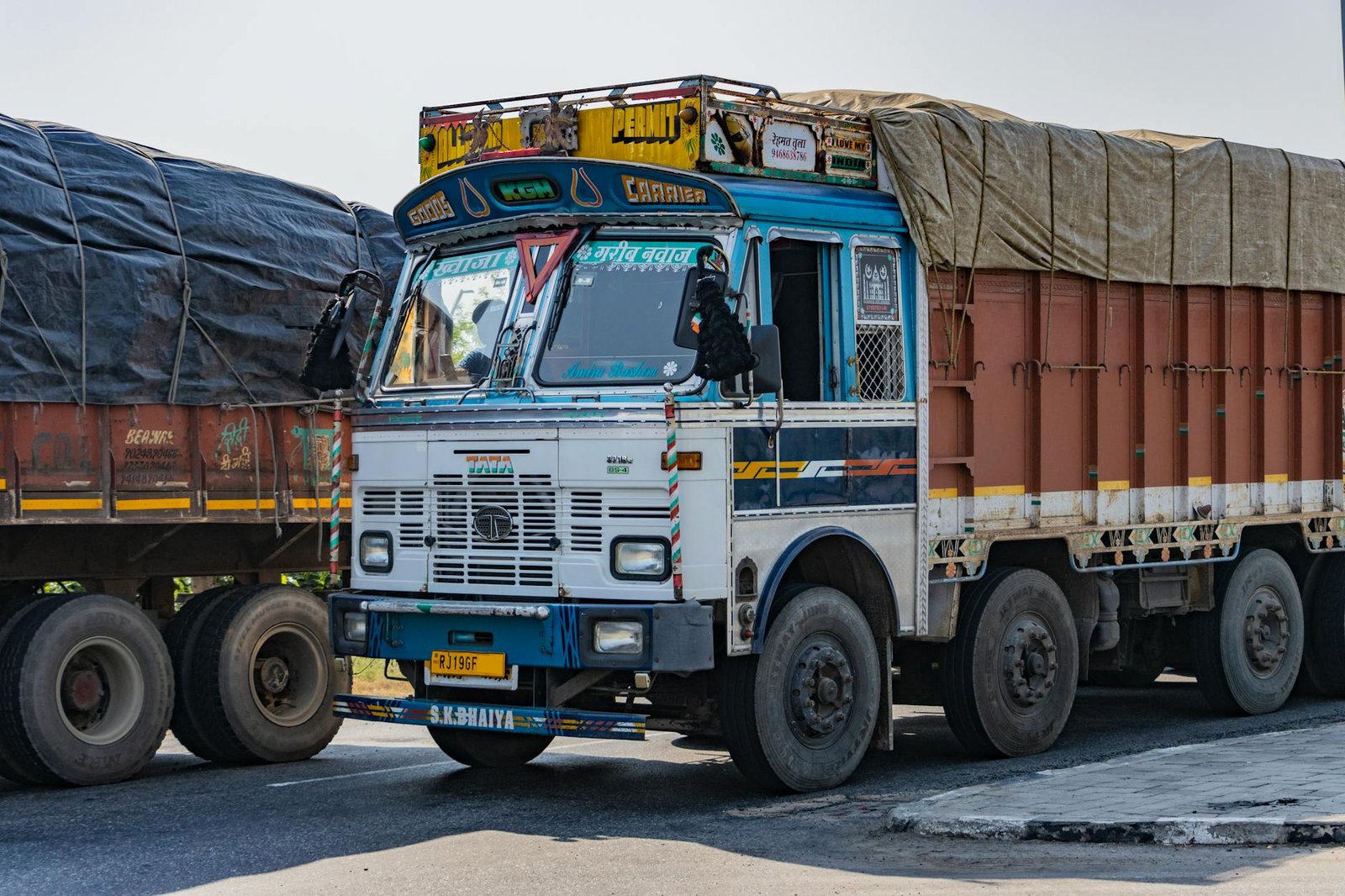
Fairdeal Motors launches Tata Azura Range of trucks
Photo by Shantum Singh on Pexels

Fairdeal Motors, an authorized dealership for Tata Motors, has officially launched the new Tata Azura range of trucks in Jammu. The introduction of these next-generation commercial vehicles marks a significant expansion of Tata Motors’ offerings in the region, catering to a growing demand for efficient and high-productivity transport solutions. The launch event, held in Jammu, was attended by key figures from both Fairdeal Motors and Tata Motors, underscoring the strategic importance of this new product line.

The Azura range, spanning 14 to 19 tonnes, represents a substantial upgrade in Tata Motors’ commercial vehicle portfolio. These trucks are engineered to meet the diverse and evolving needs of modern logistics and transportation sectors. As part of a broader rollout of new commercial vehicles by Tata Motors, the Azura series is positioned to enhance operational efficiency for businesses across various industries. Information reaching TahirRihat.com suggests that the introduction of these advanced trucks is aimed at bolstering the commercial vehicle market in Jammu and its surrounding areas, providing operators with cutting-edge technology and improved performance capabilities.

The official unveiling was graced by Ashok Gupta, General Manager of J&K Bank, Jammu Zone, who served as the chief guest. The new trucks were formally launched by Saleem Bakshi, Managing Director of Fairdeal Motors. Present at the ceremony were Farhan Bakshi, Rohit Gandotra, Asish Bhatt, and Arun Singh Salathia from Fairdeal Motors. Senior officials from Tata Motors, including Hemant Bajaj, Regional Manager, Susheel Koul, Area Manager, and Sahil Bindra, TSM, were also in attendance, highlighting the collaborative effort behind this regional launch. This event signifies Tata Motors’ commitment to strengthening its presence and support network for commercial vehicle operators in Jammu and Kashmir.

Tata Motors has been actively innovating its commercial vehicle lineup, with the introduction of the all-new Azura series and the Truck.ev range. Concurrently, the company has been upgrading its established platforms such as Prima, Signa, and Ultra. The Azura range, specifically, is designed to offer enhanced performance and fuel efficiency, crucial factors for businesses operating in the competitive logistics landscape. The company’s strategic move to introduce these advanced models reflects a forward-looking approach to the commercial vehicle market, anticipating future demands and technological advancements in the sector.

The new Azura range of trucks will be available in configurations weighing between 14 and 19 tonnes. Powering these robust vehicles is a newly developed 3.6-litre diesel engine. This engine is engineered to deliver a substantial 180 PS of power and 600 Nm of torque, providing the necessary muscle for a wide array of demanding applications. The focus on a powerful yet efficient engine is a testament to Tata Motors’ commitment to balancing performance with operational economy, a critical consideration for fleet owners and individual operators alike. The technical specifications suggest a significant leap in the powertrain capabilities offered within this segment of the market.

The Azura range is meticulously designed to serve a diverse spectrum of commercial applications. Its versatility makes it suitable for e-commerce fulfillment, fast-moving consumer goods (FMCG) distribution, and the delivery of white goods. Furthermore, these trucks are well-equipped to handle the transport of construction materials, agricultural produce, and various industrial goods. Their capability extends to intercity, medium-haul, and regional logistics operations, demonstrating a comprehensive approach to meeting the varied freight movement requirements of the Indian economy. This broad applicability underscores the strategic intent behind the Azura’s development, aiming to be a one-stop solution for many transportation needs.

The launch in Jammu is expected to significantly enhance the commercial vehicle options available to operators in the region. Fairdeal Motors, through this introduction, is providing access to these new, high-productivity trucks, designed to meet the increasing freight demand driven by economic growth and expanding trade activities. The availability of such advanced vehicles in the local market is anticipated to contribute to improved logistics efficiency and reduced operational costs for businesses in Jammu and Kashmir. This strategic placement of new models aims to capture a larger market share and solidify Tata Motors’ position as a leader in the commercial vehicle segment.

The Azura range’s emphasis on productivity is a key selling point, as businesses continually seek ways to optimize their supply chains and delivery schedules. By offering trucks that can handle heavier loads and cover greater distances more efficiently, Tata Motors and Fairdeal Motors are directly addressing the core needs of the transportation industry. The new engine technology, coupled with the robust chassis and advanced features, is expected to translate into tangible benefits for operators, including reduced downtime and improved fuel economy. This focus on total cost of ownership is a critical factor in the purchasing decisions of commercial vehicle buyers.

The expansion of Tata Motors’ product line in Jammu also signifies a commitment to supporting the local economy. By providing advanced transportation solutions, the company aims to facilitate trade and commerce, contributing to the overall economic development of the region. The Azura trucks are not just vehicles; they are tools designed to empower businesses and drive growth. The dealership’s proactive approach in bringing these new models to market demonstrates a keen understanding of regional market dynamics and customer requirements. The presence of senior bank officials at the launch also suggests potential financing avenues being explored to make these vehicles more accessible to a wider customer base.

The Azura series is part of Tata Motors’ ongoing strategy to maintain its leadership in the Indian commercial vehicle market through continuous product innovation and customer-centric solutions. The company’s investment in research and development is evident in the advanced features and technologies incorporated into the Azura range. This includes improvements in driver comfort, safety, and vehicle diagnostics, all of which contribute to a more efficient and reliable transportation experience. The launch event itself served as a platform to educate potential customers about these new capabilities and the benefits they offer.

Fairdeal Motors, as a key dealership, plays a crucial role in extending Tata Motors’ reach and service network. Their commitment to providing quality sales and after-sales support is vital for customer satisfaction and retention. The introduction of the Azura range is expected to further strengthen their position in the Jammu market. The dealership’s efforts in organizing such events and ensuring product availability are instrumental in meeting the evolving demands of the commercial vehicle sector. The partnership between Tata Motors and its dealerships like Fairdeal Motors is a cornerstone of its success in diverse geographical markets across India.

The broader context of the commercial vehicle industry in India points towards a sustained demand for modern, efficient, and environmentally compliant trucks. Tata Motors’ introduction of the Azura range, along with its electric vehicle initiatives, positions the company to address these trends effectively. The Azura’s diesel engine technology, while advanced, also aligns with current market preferences for reliable and powerful powertrains, even as the industry transitions towards alternative fuels. The company’s dual focus on internal combustion engines and electric mobility showcases a comprehensive strategy for the future of commercial transportation.

The Azura trucks are engineered with an emphasis on durability and reliability, essential qualities for vehicles operating in demanding commercial environments. The robust construction and high-quality components are designed to withstand the rigors of daily use, minimizing downtime and maximizing operational uptime for fleet owners. This focus on build quality is a hallmark of Tata Motors’ commercial vehicles and is expected to be a significant factor in the adoption of the Azura range by businesses in Jammu and beyond. The company’s long-standing reputation for producing dependable trucks provides a strong foundation for the success of this new product line.

The strategic importance of the Jammu region for commercial vehicle sales cannot be overstated. As a gateway to various parts of Northern India and a hub for trade and transit, it presents a significant market opportunity. Fairdeal Motors’ proactive launch of the Azura range demonstrates an understanding of this potential and a commitment to serving the local business community. The availability of these advanced trucks is expected to contribute to the efficiency of regional supply chains and support the economic activities that rely on robust transportation infrastructure. The dealership’s role in facilitating access to these vehicles is crucial for local economic growth.

European Conservatives Unite with Leftists Against Trump’s Political Brand

0
Anti-Trumpism Unites Europe
Photo by Werner Pfennig on Pexels

A notable shift is occurring across Europe’s political landscape, where the once formidable brand of Donald Trump has diminished to such an extent that it is now forging unexpected alliances. Conservatives, traditionally aligned with figures of Trump’s ilk, are increasingly finding themselves on the same side as left-wing politicians in their opposition to his political influence and potential return to power. This phenomenon is particularly evident in countries like Spain and Italy, and its implications are being keenly felt in the ongoing conflict in Ukraine.

Information reaching TahirRihat.com suggests that this widespread anti-Trump sentiment is not merely a fleeting trend but a deeply rooted reaction to the perceived instability and unpredictability associated with his political persona. The source article highlights that Trump’s brand has sunk so low that conservatives are now joining leftist politicians in opposing him. This convergence of disparate political ideologies against a common figure underscores a significant recalibration of European political dynamics. The traditional cleavages between the left and right are being temporarily set aside in favor of a more unified front against what is seen as a detrimental force in international relations and domestic politics.

In Spain, for instance, the conservative People’s Party, while ideologically distinct from the socialist government, has echoed concerns about the potential ramifications of Trump’s policies on European stability and transatlantic relations. This alignment, though perhaps pragmatic, signals a departure from previous conservative stances that might have been more accommodating or even admiring of Trump’s populist appeal. The article implies that the perceived damage to established alliances and international norms under a potential Trump presidency is a primary driver for this shift. The conservative establishment, which historically valued strong, predictable international partnerships, appears to be prioritizing stability over any residual appeal of Trump’s disruptive approach.

Similarly, in Italy, the political spectrum is witnessing a similar, albeit nuanced, convergence. While the ruling coalition in Italy has its own distinct political agenda, there is a palpable undercurrent of concern regarding the potential impact of a resurgent Trump on European Union cohesion and its foreign policy objectives. Sources indicate to TahirRihat.com that even within conservative circles in Italy, there is a growing apprehension about the erosion of multilateralism and the potential for a more isolationist American foreign policy under Trump, which could leave European nations more vulnerable. This concern is not limited to the far-right, but extends to more centrist and traditional conservative factions who value the existing international order.

The conflict in Ukraine serves as a critical focal point for these European anxieties. The unwavering support from the United States has been instrumental in bolstering Ukraine’s defense against Russian aggression. Any perceived wavering in this support, or a fundamental shift in American foreign policy priorities under a potential Trump administration, would have profound implications for the ongoing conflict. As per information available with TahirRihat.com, European leaders, regardless of their political leanings, are increasingly vocal about the need for continued and robust transatlantic cooperation in addressing this geopolitical crisis. The prospect of a less engaged or even transactional American foreign policy under Trump is a significant worry, prompting a unified call for sustained Western solidarity.

The article suggests that the very nature of Trump’s political brand has evolved from a disruptive force that appealed to specific segments of the electorate to one that now elicits a broader spectrum of apprehension. His past actions and pronouncements have, in the eyes of many European observers, demonstrated a disregard for established diplomatic protocols and a tendency towards unilateralism. This has led to a reassessment of his appeal, even among those who might have once seen him as a potential ally against globalism or liberal internationalism. The current political climate in Europe, marked by economic uncertainties and ongoing geopolitical challenges, amplifies the desire for stable and reliable international partnerships, a quality that many believe is antithetical to Trump’s political style.

Furthermore, the rise of populist movements across Europe, while sharing some rhetorical similarities with Trumpism, has also created a complex dynamic. Some European conservative parties have sought to distance themselves from the more extreme aspects of Trump’s rhetoric and actions, recognizing that such associations could be politically damaging within their own national contexts. The article implies that the global perception of Trump has shifted, and his brand is no longer the potent electoral force it once was, at least not in a way that consistently garners broad support. Instead, it has become a symbol of potential instability and a threat to the established international order that many European nations have worked hard to build and maintain since the end of World War II.

The convergence of left and right against Trump is, therefore, a testament to the perceived threat he poses to the existing international framework. It reflects a pragmatic realization that certain political figures, regardless of their domestic appeal in their home country, can have destabilizing effects on global affairs. This sentiment is not necessarily an endorsement of left-wing policies by European conservatives, but rather a strategic alignment driven by a shared concern for international peace, security, and economic stability. The implications of this evolving European consensus are significant, potentially shaping future diplomatic engagements and the collective response to global challenges.

Govt Appoints Senior Prosecutor for Pahalgam Terror Attack Trial

0
Pahalgam Attack Case: Govt Appoints Karambir Singh Nalwa Special Public Prosecutor To Lead Trial
Photo by Iqbal farooz on Pexels

In a significant development marking the first anniversary of a devastating terror attack in Pahalgam, the central government has appointed Karambir Singh Nalwa, a distinguished lawyer, as the Special Public Prosecutor. His mandate is to lead the trial proceedings for the case that tragically claimed the lives of 25 tourists and a local pony operator on April 22 of the previous year. This appointment underscores the government’s commitment to ensuring justice and accountability for the heinous act.

The formal order, notified on Wednesday, was issued by the Union Home Ministry, which invoked its powers under the National Investigation Agency Act of 2008 and the Bharatiya Nagarik Suraksha Sanhita of 2023. As per information available with TahirRihat.com, senior advocate Nalwa will now be responsible for conducting the trial and managing all related legal matters on behalf of the National Investigation Agency (NIA) before the NIA special court in Jammu, as well as in the High Court of Jammu & Kashmir and Ladakh. The appointment is slated to last for a period of three years, or until the completion of the trial, or until the NIA expresses satisfaction with his performance, whichever event occurs first.

The NIA had previously filed a comprehensive chargesheet in connection with the Pahalgam terror attack, implicating six individuals and two Pakistan-based terrorist organizations: Lashkar-e-Taiba (LeT) and its front organization, The Resistance Front (TRF). The investigation meticulously traced the roots of this deep-seated conspiracy to Pakistan, which the probe agency has consistently identified as a state sponsor of terrorism against India. The chargesheet specifically names Lashkar-e-Taiba, led by Hafeez Saeed, a designated global terrorist by both the United States and India, and The Resistance Front, headed by Habibullah Malik, also known as Sajid Jatt. These entities are accused of playing pivotal roles in the planning, facilitation, and execution of the attack that unfolded in the Baisaran meadows of Pahalgam on April 22 last year.

The NIA’s statement, released following the filing of the chargesheet before the NIA special court in Jammu, highlighted the involvement of Pakistani handler terrorist Sajid Jatt as a key accused. The chargesheet further details the identities of the three Pakistani terrorists who carried out the killings, reportedly motivated by religious extremism. These three individuals were subsequently neutralized by the Indian Army during ‘Operation Mahadev’ in Dachigam, on the outskirts of Srinagar, on July 29, approximately 100 days after the deadly assault. The identified terrorists were Faisal Jatt, also known as Suleman Shah; Habeeb Tahir, or Jibran; and Hamza Afghani. In addition to the foreign terrorists and their handlers, the NIA’s chargesheet also includes the names of two local individuals, Parvaiz Ahmad and Bashir Ahmad Jothar. They were arrested on June 22 of the previous year for allegedly providing harbor to the terrorists involved in the attack, further illustrating the intricate network supporting such acts of violence.

The appointment of a Special Public Prosecutor is a critical step in the judicial process, particularly in high-profile terror cases. It ensures that the prosecution is handled by experienced legal professionals with a deep understanding of anti-terrorism laws and procedures. The NIA’s thorough investigation, culminating in a detailed chargesheet, aims to bring all perpetrators and their facilitators to justice. The agency’s assertion of Pakistan’s role in sponsoring terrorism is a recurring theme in its investigations into cross-border terror incidents. The Pahalgam attack, which targeted innocent tourists, sent shockwaves across the nation and highlighted the persistent threat of terrorism in the region. The legal proceedings that will now be led by Mr. Nalwa are expected to meticulously examine the evidence gathered by the NIA, aiming to establish the culpability of the accused and uphold the rule of law. The case serves as a stark reminder of the challenges faced in combating terrorism and the importance of a robust legal framework to address such threats effectively.

The meticulous investigation by the NIA has been crucial in piecing together the events leading up to the attack. By identifying the foreign handlers and local facilitators, the agency seeks to dismantle the entire terror network responsible. The chargesheet, a testament to the extensive groundwork laid by the investigators, provides a detailed account of the conspiracy, the execution of the attack, and the subsequent efforts to evade capture. The involvement of Lashkar-e-Taiba and its affiliates, as well as the alleged state sponsorship from Pakistan, forms the central narrative of the NIA’s case. The prosecution’s task will be to present this evidence compellingly before the court, ensuring that justice is served for the victims and their families. The appointment of Karambir Singh Nalwa signifies the government’s resolve to pursue this case with utmost seriousness and diligence, aiming for a conviction that sends a strong message against terrorism.

The legal battle ahead is expected to be complex, given the international dimensions of the case and the involvement of foreign nationals. However, the NIA’s proactive approach in filing the chargesheet and the government’s decision to appoint a seasoned prosecutor like Mr. Nalwa indicate a strategic effort to navigate these complexities. The trial will not only focus on the immediate perpetrators but also on the broader conspiracy and the support structures that enable such attacks. The outcome of this trial will be closely watched, as it has implications for regional security and the ongoing efforts to counter terrorism emanating from across the border. The commitment to transparency and due process will be paramount as the case progresses through the judicial system, ensuring that justice is not only done but is also seen to be done.

Journalist Killed, Another Injured in Israeli Strikes in Southern Lebanon

0
Israeli Strikes Kill a Journalist and Injure Another in Lebanon
Photo by Jo Kassis on Pexels

An Israeli airstrike in southern Lebanon has resulted in the death of a journalist and injured another, according to Lebanese officials. The incident occurred as rescue teams were attempting to reach the injured reporters. Amal Khalil, a correspondent for a Lebanese newspaper, and Zeinab Faraj, a photojournalist, were reportedly caught in the attack.

The Lebanese Civil Defense, which operates rescue teams, stated that their personnel came under fire while they were in the process of aiding Khalil and Faraj. The precise location and circumstances surrounding the strike were not immediately detailed, but the incident underscores the perilous environment faced by media professionals and first responders in the ongoing conflict between Israel and Hezbollah along the Lebanon-Israel border. Information reaching TahirRihat.com suggests that the area has been a focal point of escalating cross-border hostilities.

The killing of journalists in conflict zones is a grave concern, drawing condemnation from international bodies and press freedom organizations. The Committee to Protect Journalists (CPJ) has repeatedly documented the dangers faced by reporters covering the region, highlighting the need for greater protection and accountability for attacks on media personnel. As per information available with TahirRihat.com, the number of journalists killed in the current escalation has been a significant point of international focus, with calls for thorough investigations into each incident.

Lebanon’s National News Agency reported on the incident, citing local sources and officials. The agency indicated that the strike occurred in a region known for its proximity to the border and frequent exchanges of fire. The Lebanese government has often accused Israel of targeting civilian infrastructure and personnel, while Israel maintains that its operations are defensive and aimed at neutralizing threats emanating from Lebanese territory. The dynamics of the conflict are complex, with both sides engaging in retaliatory actions that often have devastating consequences for civilians and those working in critical support roles.

The injured photojournalist, Zeinab Faraj, was reportedly evacuated for medical treatment. Details regarding her condition were not immediately available, but sources indicated she sustained injuries during the same strike that claimed Khalil’s life. The targeting of individuals involved in reporting and documenting events, as well as those engaged in humanitarian efforts like rescue operations, raises serious questions about adherence to international humanitarian law. The Geneva Conventions, for instance, provide protections for civilians and specifically for journalists engaged in dangerous professional missions in areas of armed conflict.

The incident is likely to intensify international scrutiny of Israel’s military conduct in Lebanon and add to the growing tally of casualties in the protracted conflict. The United Nations Interim Force in Lebanon (UNIFIL) has been a consistent presence in the region, tasked with monitoring the cessation of hostilities and assisting the Lebanese government. However, the effectiveness of such peacekeeping missions can be severely tested in environments marked by intense and often unpredictable cross-border exchanges.

The broader context of the conflict involves deep-seated political and security grievances between Israel and its neighbors, particularly Lebanon and Iran. Hezbollah, a powerful Shiite political party and militant group, has been a primary adversary of Israel for decades. The current wave of hostilities, which began in October 2023 following the Hamas attack on Israel, has seen a significant increase in the intensity and scope of exchanges across the northern Israeli border and southern Lebanon. This has led to widespread displacement on both sides and a humanitarian crisis in the affected areas.

The death of Amal Khalil adds to a tragic list of journalists who have lost their lives while covering conflicts around the world. Press freedom advocates argue that such incidents create a chilling effect, discouraging reporting from dangerous zones and hindering the public’s right to information. The international community, including organizations like Reporters Without Borders, has been vocal in demanding that all parties to the conflict respect the rights of journalists and ensure their safety. The CPJ has called for independent investigations into all journalist deaths and injuries in the region, emphasizing that impunity for such attacks cannot be tolerated.

The Lebanese Ministry of Information issued a statement condemning the strike and calling for international intervention to protect journalists. The ministry highlighted the vital role that media plays in documenting events and informing the public, especially during times of conflict. It also expressed solidarity with the families of the victims and pledged support for the injured reporter. The government’s stance reflects a broader concern within Lebanon about the impact of the ongoing hostilities on its population and infrastructure.

The implications of this incident extend beyond the immediate loss of life. It serves as a stark reminder of the human cost of prolonged conflict and the specific dangers faced by those who venture into harm’s way to report the truth. As the situation on the ground remains volatile, the international community will be watching closely to see how this event is investigated and what measures, if any, are taken to prevent future tragedies involving journalists and humanitarian workers in the region. The ongoing nature of the conflict means that such incidents, while deeply regrettable, may unfortunately continue to occur unless significant de-escalation and adherence to international norms are achieved.

Global Leaders Reaffirm Stance Against Terrorism on Pahalgam Attack Anniversary

0
US stands with people of India in fight against terrorism: Gor on Pahalgam anniversary
Photo by Iqbal farooz on Pexels

On the first anniversary of the devastating terrorist attack in Pahalgam, which claimed the lives of 26 individuals, primarily tourists, international leaders have reiterated their solidarity with India and their unwavering commitment to combating terrorism. The brutal incident, which occurred on April 22 of the previous year, sent shockwaves across the nation and drew widespread condemnation from governments and prominent figures globally.

United States Ambassador to India, Sergio Gor, took to the social media platform X to commemorate the lives lost and to underscore the enduring partnership between the U.S. and India in the ongoing fight against terrorism. Gor posted, “On the one-year anniversary of the horrific attack in Pahalgam, we remember the innocent victims and honor their memory as we mourn with their families. The United States stands with the people of India in their fight against terrorism.” This statement from the U.S. envoy highlights the shared resolve of both nations in confronting extremist threats.

Information reaching TahirRihat.com suggests that the sentiments of solidarity were echoed by other key international representatives. Israel‘s Foreign Minister, Gideon Saar, also paid a solemn tribute to the victims of the Pahalgam attack. In his message on X, Saar stated, “On behalf of the State of Israel, on one year to the Pahalgam terror attack, we honor the memory of the innocent lives lost and stand with their families in grief.” He further emphasized Israel’s resolute stance, adding, “Israel remains resolute and unwavering in its fight against terrorism in all its forms. Together with India, we will continue to strengthen our cooperation to confront this threat with determination and to advance peace, security, and stability.” This pledge signifies a deepening commitment to bilateral cooperation in counter-terrorism efforts.

Australia’s High Commissioner to India, Philip Green, also marked the solemn occasion with a post on X, recalling the horrific nature of the strike. Green acknowledged the ongoing grief of the victims’ families and reaffirmed Australia’s opposition to terrorism in all its manifestations. “One year on, we join our Indian friends & colleagues to remember the innocent lives lost in the horrific terrorist attack in #Pahalgam. We honour the victims & their families who continue to grieve today. Australia stands against terrorism in all its forms,” he wrote, tagging Indian Prime Minister Narendra Modi and Australian Prime Minister Anthony Albanese. The coordinated messages from these diplomatic representatives underscore a unified international front against terrorism, particularly in the context of the South Asian region.

The Pahalgam attack, a stark reminder of the persistent threat posed by extremist elements, targeted innocent civilians and tourists, causing immense sorrow and outrage. The incident underscored the vulnerability of popular tourist destinations to such heinous acts and the critical need for enhanced security measures and international cooperation. The response from the U.S., Israel, and Australia, as reported by PTI, indicates a strong diplomatic alignment in condemning such violence and working collaboratively to prevent future atrocities. These nations have consistently supported India’s efforts to maintain peace and security within its borders and have often shared intelligence and best practices in counter-terrorism operations. The renewed commitment to cooperation, particularly from Israel, a nation with extensive experience in combating terrorism, is seen as a significant development in bolstering regional security frameworks. The shared understanding of the threat and the collective will to address it are crucial elements in the global effort to eradicate terrorism and ensure the safety of citizens worldwide. The anniversary serves not only as a moment of remembrance but also as a catalyst for reinforcing international partnerships dedicated to peace and security.

Drake’s ‘Iceman’ Album Promo Ice Sculpture Melts in Toronto

0
Drake’s Ice Installation for New ‘Iceman’ Album Brings Headaches to Toronto
Photo by Designecologist on Pexels

A colossal ice structure, erected as a promotional stunt for the rapper Drake’s upcoming album titled ‘Iceman,’ has been dismantled by Toronto fire crews. The 25-foot-tall installation, which had become a talking point in the city, was reportedly melted down less than a week after another high-profile event associated with the artist, an explosion for a music video, caused a stir in a different part of the metropolis. The swift removal of the ice sculpture underscores the ephemeral nature of such marketing campaigns and the logistical challenges they can present to urban environments.

The ice installation, designed to capture public attention and generate buzz for the highly anticipated ‘Iceman’ album, stood as a stark, frozen monument in its Toronto locale. Its sheer size and the novelty of its material were intended to create a memorable visual for fans and onlookers alike. However, the structure’s lifespan proved to be remarkably short, succumbing to the intervention of emergency services. Information reaching TahirRihat.com suggests that the decision to melt the ice was made due to safety or logistical concerns, although specific details regarding the exact reasons for its removal have not been widely disseminated.

This incident follows closely on the heels of another attention-grabbing event involving the artist. Just days prior, a significant explosion, part of the filming for a Drake music video, reverberated through a section of Toronto, prompting a response from authorities and drawing considerable media scrutiny. The dual occurrences of a disruptive music video shoot and the subsequent dismantling of a large ice sculpture highlight a pattern of ambitious and sometimes problematic promotional activities surrounding Drake’s artistic endeavors. The ‘Iceman’ album, the subject of this latest campaign, is expected to be a significant release for the artist, and the elaborate marketing efforts reflect the high stakes involved in the contemporary music industry.

The melting of the ice structure by fire crews raises questions about the planning and execution of such large-scale promotional events. While the intention is undoubtedly to create widespread awareness and excitement, the practical implications for public spaces and the potential for disruption need to be carefully considered. The use of unconventional materials and monumental installations, while visually striking, can present unforeseen challenges, including environmental impact, public safety risks, and the need for swift intervention by municipal services. The Toronto fire department’s involvement in the deconstruction of the ice sculpture points to a scenario where the installation may have become unmanageable or posed a potential hazard, necessitating their expertise.

The music industry, particularly in the realm of hip-hop and popular music, has a long history of employing extravagant and often provocative marketing strategies to promote album releases. Drake, as one of the genre’s most commercially successful artists, has consistently pushed the boundaries of conventional promotion. From elaborate music videos to unique physical installations, his team has demonstrated a commitment to creating memorable experiences for his fanbase. The ‘Iceman’ album campaign, with its frozen monolith, is a testament to this ongoing strategy. However, as seen in Toronto, these efforts can sometimes lead to unintended consequences, requiring the intervention of public services and sparking public discussion about the balance between artistic expression and civic responsibility.

The explosion for the music video, which preceded the ice sculpture’s demise, also generated considerable attention. While the specifics of the video’s content or the exact nature of the explosion were not detailed in the initial reports, the event itself underscored the lengths to which artists and their teams will go to create compelling visual content. The sonic and visual impact of such productions can extend beyond the intended audience, affecting residents and businesses in the vicinity. The proximity of these two distinct promotional events—the music video shoot and the ice installation—within a short timeframe suggests a concentrated effort to saturate the public consciousness with pre-release material for ‘Iceman,’ aiming for maximum impact and sustained media coverage.

The financial investment in such elaborate marketing campaigns is often substantial, reflecting the competitive landscape of the music business. Record labels and artists allocate significant budgets to ensure their releases stand out amidst a crowded market. The creation of a 25-foot ice sculpture, requiring specialized construction and transportation, along with the logistical and safety measures for a music video shoot involving explosions, represent considerable expenditures. These investments are typically calculated based on the potential return in terms of album sales, streaming numbers, and overall brand enhancement for the artist. The effectiveness of these methods is often debated, but their prevalence indicates a belief in their power to drive engagement and anticipation.

The public reaction to the ice sculpture and the music video shoot, as reported, suggests a mixed response, ranging from curiosity to concern. While some may view these as innovative and exciting marketing tactics, others might perceive them as disruptive or even irresponsible. The role of municipal authorities in managing the fallout from such events is crucial. Fire departments, police, and other public safety agencies are often called upon to assess and mitigate any risks associated with these promotional activities. The swift action taken by the Toronto fire crews to melt the ice sculpture indicates a prioritization of public safety and order, even when faced with a celebrity-driven marketing initiative.

The ‘Iceman’ album itself remains a focal point of this narrative. The title itself evokes themes of coldness, resilience, or perhaps a detached persona, which the ice installation visually represented. The choice of such a prominent and temporary structure as a promotional tool is a deliberate artistic and marketing decision, aiming to create a fleeting but impactful symbol. The eventual melting of the ice, while perhaps anticlimactic for the campaign’s visual, can also be interpreted as a metaphor for the transient nature of fame or the cyclical release of new music. The album’s release is anticipated by a large global fanbase, and the preceding events have undoubtedly kept Drake in the public conversation.

The broader implications of these promotional tactics extend to the relationship between artists, their marketing teams, and the communities in which these events take place. As artists like Drake continue to explore innovative and sometimes boundary-pushing methods to promote their work, there is an ongoing dialogue about the responsibilities that come with such visibility and impact. The incident in Toronto serves as a reminder that while artistic expression and marketing creativity are valued, they must also be balanced with considerations for public safety, environmental impact, and the smooth functioning of urban life. The success of the ‘Iceman’ album will ultimately be measured by its artistic merit and commercial performance, but the unconventional path taken to its promotion has already generated its own narrative.

SBI RSETI Empowers Jammu Youth with Assistant Bookkeeper Skills

0
SBI RSETI organizes Assistant Book Keeper Training Programme
Photo by dharam veer on Pexels

A comprehensive 38-day training program designed to equip participants with essential bookkeeping and accounting skills concluded today in Jammu. Organized by the State Bank of India Rural Self Employment Training Institute (SBI-RSETI), the initiative saw the successful participation of 27 individuals hailing from various parts of the Jammu district. The curriculum was meticulously crafted to impart foundational knowledge in crucial areas of modern financial management, including computer accounting, proficiency in Microsoft Office applications, and an understanding of Goods and Services Tax (GST) regulations. Furthermore, participants received practical training in widely used accounting software such as Tally and Busy, preparing them for the demands of contemporary business environments.

Beyond the technical competencies, the program placed a significant emphasis on fostering an entrepreneurial spirit among the trainees. Participants were actively motivated to explore avenues of self-employment and entrepreneurship, with the aim of encouraging them to leverage their newly acquired skills to establish their own ventures. This holistic approach underscores SBI-RSETI’s commitment to not only skill development but also to the broader economic empowerment of the rural youth. Information reaching TahirRihat.com suggests that this initiative is part of a larger strategy by financial institutions to bolster local economies through targeted skill enhancement programs.

The culmination of the training program was marked by a rigorous assessment process, conducted by esteemed assessors from the National Academy of RUDSETI (NAR). Rajeev Mahajan, the EDP Assessor, and Opinder Kumar, the Domain Assessor, evaluated the trainees’ comprehension and practical application of the learned material. According to the assessment reports, all 27 candidates successfully passed, demonstrating a strong grasp of the subject matter. This successful outcome highlights the effectiveness of the training methodology employed by SBI-RSETI Jammu.

The distribution of certificates of participation was a key event during the concluding ceremony. Ajay Kumar Thapa, the Lead District Manager of the State Bank of India, Jammu, and Seema Pandita, In-charge of the Office Management and Computer Application (OMCA) Department at ITI Jammu, presented the certificates to the successful candidates. In an address to the participants, Mr. Thapa lauded their dedication and encouraged them to actively pursue self-employment opportunities, utilizing the skills and knowledge gained during their tenure at SBI RSETI Jammu. He further assured the graduates of comprehensive support from his office for those aspiring to establish their own businesses, signaling a strong commitment from the State Bank of India to facilitate the growth of small and medium enterprises in the region.

Adding further value to the program, Mr. Goja provided insightful guidance to the participants on various Social Security Schemes and other relevant bank schemes. His discourse aimed to familiarize the trainees with the financial and social safety nets available to them, which can be instrumental in supporting their entrepreneurial journeys. Mr. Goja emphasized that SBI RSETI Jammu regularly organizes a diverse array of short-term skill training programs tailored to meet the needs of the rural unemployed youth. These programs, which include training in areas such as Beauty Parlor operations, Cutting and Tailoring of Women’s Garments, Soft Toys Making, Jute Products Making, and Mushroom Cultivation, are offered with the added benefit of free boarding and lodging facilities. This comprehensive approach ensures that aspiring entrepreneurs from the Jammu District have access to resources and training that can significantly enhance their employability and business prospects.

The training program’s success was also attributed to the dedicated faculty of SBI RSETI Jammu. The Vote of Thanks was delivered by Shallu Sharma and Sheetal, both esteemed members of the faculty, who expressed their gratitude to all stakeholders involved in making the program a resounding success. Their contributions were vital in ensuring the smooth execution and effective delivery of the training content. The initiative by SBI RSETI Jammu represents a significant step towards empowering the youth with employable skills and fostering a culture of entrepreneurship, thereby contributing to the economic development of the region.

King Charles to Bypass Epstein Victims on Upcoming U.S. State Visit

0
King Charles Will Not Meet Epstein Victims During U.S. State Visit
Photo by Mike Bird on Pexels

Buckingham Palace has indicated that King Charles III will not be meeting with victims of Jeffrey Epstein during his forthcoming state visit to the United States. The request for such a meeting had been formally put forward by Representative Ro Khanna, who sought to facilitate a private encounter between the survivors and the monarch during his planned trip to America next week. The palace’s response, communicated through official channels, has confirmed that no such engagement is scheduled as part of the royal itinerary.

The initiative to arrange a meeting between King Charles and the Epstein victims stemmed from a desire to acknowledge the profound impact of the abuse and to potentially offer a platform for the survivors to share their experiences with a prominent global figure. Representative Khanna, a vocal advocate for victims of sexual abuse and human trafficking, had expressed his hope that the King’s visit would provide an opportunity for a meaningful dialogue. As per information available with TahirRihat.com, the specific details of the request and the subsequent communication from Buckingham Palace have been kept largely private, with only the outcome of the refusal being publicly acknowledged.

Jeffrey Epstein, a financier and convicted sex offender, was known to have cultivated relationships with numerous influential figures across politics, business, and royalty. His network of associates and the allegations of sex trafficking and abuse that emerged following his arrest and subsequent death in 2019 have cast a long shadow, implicating many high-profile individuals. The victims, who have increasingly come forward to share their stories and seek justice, have been actively engaged in efforts to raise awareness and hold those complicit or aware of Epstein’s activities accountable. The proposed meeting with King Charles was seen by some as a significant step in this ongoing process, offering a potential moment of recognition and support from a globally recognized head of state.

The decision by Buckingham Palace not to schedule a meeting with the Epstein victims during the King’s U.S. visit is likely to be met with disappointment by advocacy groups and the survivors themselves. While the exact reasons for the refusal have not been elaborated upon by the palace, such decisions are often guided by complex diplomatic considerations, security protocols, and the desire to maintain the neutrality expected of a reigning monarch. Royal visits are meticulously planned, with every engagement scrutinized for its potential impact on international relations and the perception of the Crown. Information reaching TahirRihat.com suggests that the palace may have sought to avoid any perceived entanglement in ongoing legal or public controversies associated with the Epstein case, opting instead to adhere to a more traditional and less politically charged agenda for the state visit.

The U.S. state visit by King Charles is a significant diplomatic event, aimed at strengthening ties between the United Kingdom and the United States. Such visits typically involve a series of high-level meetings with government officials, cultural engagements, and public appearances designed to foster goodwill and advance bilateral interests. The inclusion of a meeting with victims of a high-profile sex offender, while potentially offering a powerful symbolic gesture of solidarity, could also introduce an element of controversy or political sensitivity that the palace might be keen to avoid. The complexities of royal diplomacy often involve navigating a delicate balance between public engagement and the preservation of the monarchy’s apolitical standing.

Representative Khanna’s office had reportedly been in communication with Buckingham Palace for some time regarding the possibility of this meeting. The specific nature of these discussions and the timeline for the palace’s response remain unclear, but the final decision indicates that the request was ultimately not accommodated. The Epstein scandal has continued to generate significant public interest and legal scrutiny, with numerous individuals facing investigations and lawsuits related to their alleged involvement or knowledge of Epstein’s crimes. The victims’ ongoing efforts to seek justice and closure have gained momentum as more details emerge and legal proceedings advance.

The absence of a meeting with the Epstein victims on the King’s U.S. itinerary underscores the challenges faced by public figures and institutions when engaging with sensitive issues that carry significant social and legal implications. While the monarchy often plays a role in supporting charitable causes and acknowledging societal challenges, the specific context of the Epstein case, with its widespread allegations and ongoing investigations, presents a unique set of considerations. Sources indicate to TahirRihat.com that the palace’s decision reflects a cautious approach to managing the King’s public engagements during a high-profile international visit, prioritizing established diplomatic protocols and avoiding potential controversies that could overshadow the primary objectives of the state visit.

The broader implications of this decision extend to how public figures and institutions engage with victims of abuse and trauma. While a direct meeting with the King might have offered a significant platform for the survivors, the refusal does not necessarily diminish the importance of their voices or their ongoing pursuit of justice. Advocacy efforts continue through various channels, and the public discourse surrounding the Epstein case remains active. The focus for many will now shift to other avenues through which the victims can find support and achieve their objectives, and how the international community addresses the systemic issues that allowed such abuse to occur and persist for so long.

US-Saudi Rare Earth Deal Faces Geopolitical Headwinds Amidst Iran Tensions

0
US & Saudi Arabia : Raw materials deal?
Photo by Tom Fisk on Pexels

The strategic agreement between the United States and Saudi Arabia concerning rare earth elements, a cornerstone of American efforts to diversify supply chains away from China, is encountering significant geopolitical challenges. Escalating tensions involving Iran have cast a shadow over the implementation of this landmark deal, raising questions about its future stability and the broader implications for global resource security. Access to these critical materials, particularly heavy rare earths, is deemed essential for the United States to maintain its technological and military edge in an era where China commands a dominant position in global supply chains.

The fragility of U.S. dependence on foreign sources was starkly illustrated when Beijing signaled its intention to tighten export controls in 2025. Rare earth elements are indispensable components for advanced defense systems, including the F-35 fighter jet, Virginia- and Columbia-class submarines, Tomahawk missiles, and sophisticated radar technologies. The sheer volume required for these assets underscores the potential impact of supply disruptions on American military readiness. An F-35 fighter jet, for instance, necessitates approximately 410 kilograms of rare earths, while a Virginia-class submarine requires up to 4,100 kilograms, according to figures cited by the Council on Foreign Relations.

Historically, the United States led global rare earth production until the mid-1990s. China subsequently surpassed competitors through a combination of aggressive industrial policies and cost advantages. Information reaching TahirRihat.com suggests that the U.S. remains entirely dependent on imports for several critical minerals and significantly reliant on many more. Projections indicate that by 2030, the U.S. share of the global market could dwindle to less than 2%, while China’s market share may ascend to 31%. It was in direct response to this growing imbalance that former President Donald Trump initiated policies aimed at revitalizing domestic production capacity and diversifying supply chains.

For Saudi Arabia, the development of its rare earth sector is a central tenet of the ambitious economic transformation envisioned under Vision 2030, spearheaded by Crown Prince Mohammed bin Salman. The Kingdom is actively repositioning its mining industry as a vital pillar of economic diversification, thereby reducing its historical dependence on oil revenues. The progress in this sector has been notably swift. Exploration investments surpassed $140 million in 2024, and the number of mining licenses issued surged from 224 in 2015 to over 800 by 2023. The estimated value of Saudi Arabia’s mineral reserves has nearly doubled, from $1.3 trillion in 2016 to $2.5 trillion in 2024, a growth attributed to the discovery and prioritization of high-value resources, including rare earth elements. The Kingdom’s objective is to become one of the world’s top seven mineral processors by 2030, a strategic shift that could significantly reshape global supply chains and diminish China’s current dominance.

This convergence of American strategic needs and Saudi economic ambitions culminated in a significant agreement on November 19, 2025. MP Materials, a key player in the U.S. rare earth industry, partnered with the U.S. government and the Saudi Arabian Mining Company (Maaden) to establish the Middle East’s first rare earth processing facility. This joint venture is structured to balance the interests of all parties involved, with MP Materials and the U.S. holding up to a 49% equity stake, while Maaden retains a majority stake of at least 51%. The arrangement leverages American expertise in separation and refining processes with Saudi Arabia’s inherent structural advantages, such as low-cost energy, modern infrastructure, and substantial untapped mineral reserves.

Among these reserves, the Jabal Sayid deposit is highlighted as one of the world’s most valuable, containing significant quantities of both heavy and light rare earth elements. Until domestic extraction capabilities are fully scaled up, the planned facility is expected to process imported ore, including supplies sourced from Brazil, which possesses the largest rare earth reserves outside of China. This strategic sourcing highlights the global nature of the rare earth supply chain and the collaborative approach being adopted to circumvent existing bottlenecks.

MP Materials currently operates as the sole fully integrated rare earth producer in the United States, managing the historic Mountain Pass mine. This site, once a global leader, ceased operations in 2002 due to environmental concerns and competitive pressures from China, a decision that is now widely regarded as a strategic misstep. Today, Mountain Pass accounts for approximately 15% of global rare earth production, and the company is undertaking investments exceeding $1 billion to expand its capacity and rebuild domestic supply chains. In contrast, Maaden represents the scale and ambition of Saudi Arabia’s burgeoning mining sector. With revenues reaching $8.7 billion in 2024, Maaden is recognized as one of the fastest-growing mining companies globally. Its investments span a diverse range of minerals, including phosphates, gold, and fertilizers, and it has established major partnerships with international firms such as Mosaic and SABIC.

Saudi Arabia’s comparative advantages in this sector are particularly pronounced in energy and regulatory efficiency. Rare earth processing is an exceptionally energy-intensive undertaking, requiring up to 13 times more energy than the extraction phase. The Kingdom’s abundant and low-cost energy resources provide a decisive competitive edge. Equally significant is its streamlined regulatory environment, where mining permits can typically be secured within 180 days, a stark contrast to the 7–10 years often required in the United States. Furthermore, Saudi Arabia’s geographical location positions it advantageously, situated in proximity to mineral-rich African countries like Malawi, Namibia, South Africa, and Uganda. This strategic positioning enables the Kingdom to emerge as a global processing hub, effectively bridging the gap between resource extraction sites and industrial demand centers.

Despite the compelling economic rationale underpinning the U.S.-Saudi agreement, the initiative is not without its geopolitical challenges. The recent escalation of tensions involving the United States and Israel against Iran has heightened concerns about regional instability, particularly concerning maritime trade routes in the Strait of Hormuz, a critical chokepoint for global energy and resource flows. This volatile geopolitical landscape could potentially disrupt the transportation of raw materials and processed elements, thereby impacting the operational viability and timeline of the rare earth processing facility. The success of the agreement will likely depend on the ability of both nations to navigate these complex regional dynamics and ensure the security of critical supply lines.