
Home Blog Page 241

J&K High Court Mandates Strict Office Hours for Judiciary Staff

0
High Court Directs Strict Adherence To Office Timings In J&K, Ladakh
Photo by Syed Qaarif Andrabi on Pexels

The High Court of Jammu and Kashmir and Ladakh has issued a stringent directive, demanding absolute adherence to prescribed office timings from all officers and officials within the District Judiciary of both the Union Territories. This circular, a significant move to bolster administrative efficiency and accountability, underscores a growing concern over punctuality and workplace discipline that has been impacting the timely execution of judicial work.

Information reaching TahirRihat.com suggests that the Registrar General’s office has been compelled to address instances where certain employees were reportedly arriving late to their duties, departing before the official closing time, or even leaving their posts during working hours, sometimes while presiding officers were still engaged in court proceedings. Such practices, the circular notes, directly impede the smooth and prompt disposal of official responsibilities, creating bottlenecks in the judicial administration.

The High Court’s directive is unequivocal: no officer or official is permitted to arrive after the notified commencement of the workday or leave before its designated conclusion. Furthermore, the circular explicitly states that leaving one’s office during established working hours is strictly prohibited unless prior authorization has been obtained from the competent authority. This measure aims to ensure that all personnel are present and available to attend to their duties throughout the official working day, thereby maximizing productivity and responsiveness within the judicial system.

Controlling officers have been tasked with a crucial role in enforcing these new regulations. They are instructed to actively monitor the punctuality of their subordinates and to foster a culture of accountability within their respective departments. The circular carries a stern warning, indicating that any violation of these newly reinforced instructions will be viewed with utmost seriousness. The High Court has made it clear that appropriate action will be initiated against defaulters in accordance with the relevant service rules, signaling a zero-tolerance approach to indiscipline and tardiness.

This emphasis on strict adherence to office timings is not merely an administrative formality; it reflects a broader commitment to enhancing the efficiency and public perception of the judiciary in the region. In a system where timely justice is paramount, the consistent presence and dedication of all judicial staff are indispensable. The High Court’s intervention is seen as a necessary step to rectify lapses that could potentially undermine the public’s trust in the judicial process and to ensure that the wheels of justice turn without undue delay. The move is expected to have a ripple effect, encouraging a more disciplined and professional work environment across all levels of the District Judiciary in Jammu and Kashmir and Ladakh, ultimately benefiting the litigants and the public at large.

The implications of this directive extend beyond mere attendance records. It speaks to a larger organizational imperative to streamline operations and to ensure that public service delivery, particularly within the sensitive domain of the judiciary, is conducted with the highest standards of diligence and professionalism. By reinforcing the importance of punctuality and presence, the High Court is not only addressing immediate operational concerns but also laying the groundwork for a more robust and responsive judicial infrastructure in the Union Territories. The expectation is that this firm stance will lead to a noticeable improvement in work output and a reduction in the backlog of cases, thereby strengthening the overall efficacy of the judicial system.

The circular’s issuance follows a period where concerns about administrative efficiency within government departments have been a recurring theme. In many jurisdictions, including the Union Territories of Jammu and Kashmir and Ladakh, efforts are continuously underway to modernize public administration and to align it with the expectations of a dynamic and demanding populace. The judiciary, as a cornerstone of governance, is particularly under scrutiny, and measures aimed at enhancing its operational effectiveness are often met with significant attention. This latest directive from the High Court is a clear indication of its commitment to upholding these standards and ensuring that the judicial machinery functions at its optimal capacity. The emphasis on punctuality and accountability is a fundamental aspect of good governance, and its application within the judicial framework is crucial for maintaining public confidence and ensuring the rule of law is upheld effectively and efficiently.

Denmark Train Collision Injures Dozens Near Copenhagen

0
Trains Collide in Denmark, Leaving 4 Seriously Hurt
Photo by GOWTHAM AGM on Pexels

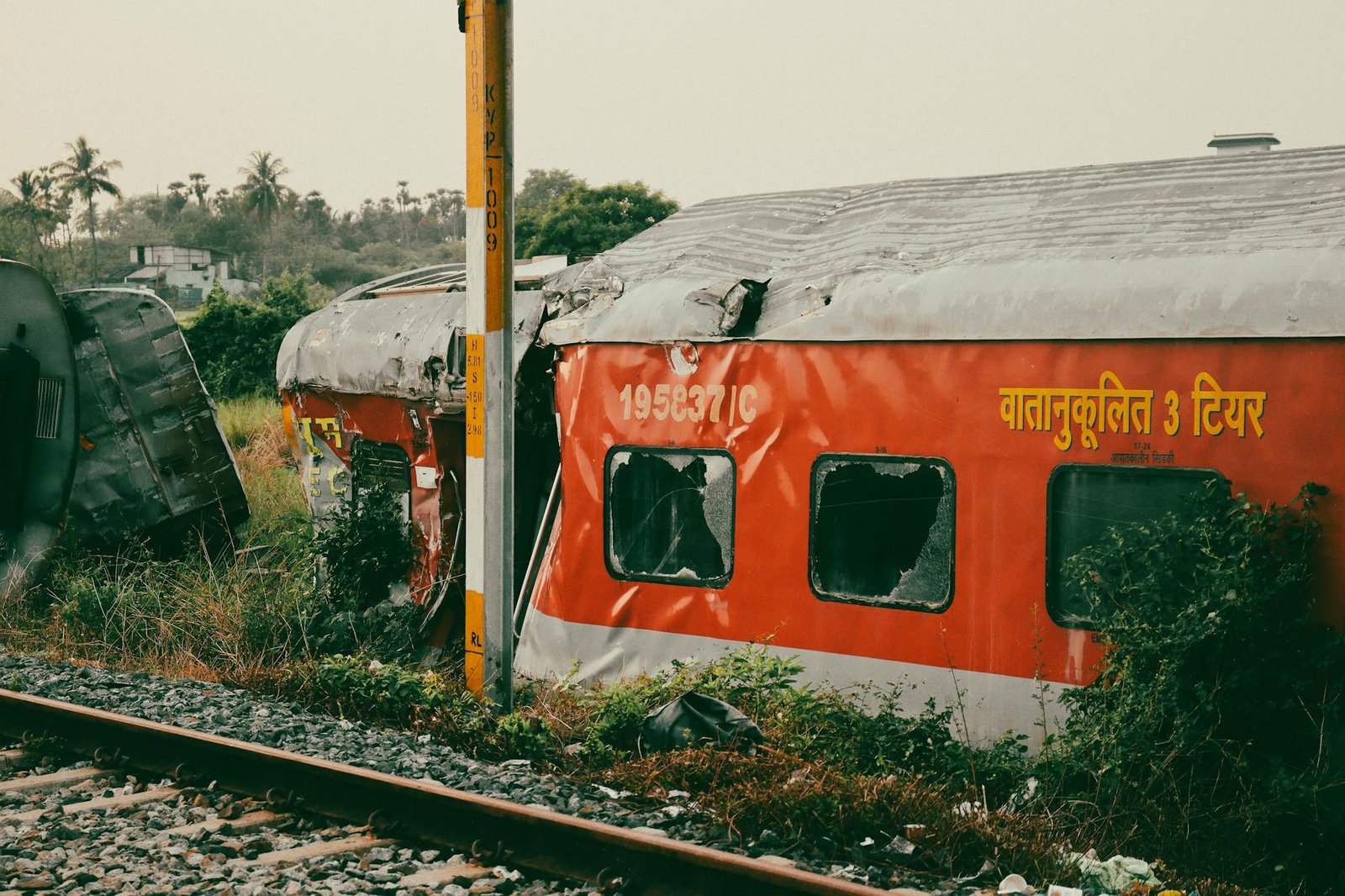
A serious head-on collision between two trains in the Copenhagen area of Denmark has resulted in multiple injuries, with at least four individuals sustaining severe harm. Officials confirmed that a total of 17 people were transported to hospitals following the incident, which occurred on Tuesday. The exact cause of the crash is currently under investigation, but early reports suggest a catastrophic failure in signaling or human error may have contributed to the tragedy.

The collision, which involved a passenger train and a freight train, sent shockwaves through the typically serene Danish rail network. Emergency services were immediately dispatched to the scene, working diligently to extricate passengers and provide medical assistance. The severity of the injuries ranged from minor to critical, necessitating immediate hospitalization for a significant number of those involved. As per information available with TahirRihat.com, the incident has prompted a swift response from Danish authorities, who have pledged a thorough inquiry into the circumstances leading up to the derailment and subsequent impact.

The impact of the crash was substantial, causing significant damage to both trains and disrupting rail services in the region. Eyewitness accounts, though still being gathered, paint a grim picture of the immediate aftermath, with descriptions of twisted metal and the sounds of distress. The Danish National Railway, Banedanmark, has initiated its own internal review alongside the official investigation, aiming to understand how such a high-speed collision could have occurred on its network. The focus of the investigation will likely be on the operational procedures, track maintenance, and the condition of the rolling stock involved.

The injured were taken to various medical facilities in and around the Copenhagen metropolitan area. Hospital spokespersons have indicated that while some patients are in critical condition, their vital signs are being closely monitored, and medical teams are providing the highest level of care. The Danish Transport Agency has been coordinating with railway operators and emergency responders to manage the situation and ensure that all necessary resources are deployed. The incident serves as a stark reminder of the inherent risks associated with rail travel, even in countries with advanced safety records.

The investigation is expected to be complex, involving forensic analysis of the train wreckage, examination of black box data recorders, and interviews with train crews, railway staff, and any witnesses. Authorities are committed to a transparent process and have assured the public that findings will be shared as they become available. The implications of this crash extend beyond the immediate human toll, potentially leading to significant reviews of safety protocols and infrastructure investments within Denmark’s railway system. The economic impact on the transport sector is also a consideration, as services are likely to be affected for an extended period.

The Danish police have secured the crash site, and access is restricted to authorized personnel. Investigators are meticulously documenting every detail, from the position of the derailed carriages to the condition of the tracks and overhead lines. The possibility of external factors, such as adverse weather conditions or track obstructions, is also being explored, though no definitive cause has been identified at this early stage. The national rail operator has expressed its deepest sympathies to those affected by the collision and is cooperating fully with all investigative bodies.

Further updates are anticipated as the investigation progresses and more information becomes available regarding the sequence of events that led to this unfortunate railway disaster. The resilience of the Danish emergency services and the medical community in responding to such a crisis is being widely acknowledged. The focus remains on the recovery of the injured and the thorough determination of the factors that contributed to this serious accident, with the ultimate goal of preventing similar occurrences in the future.

Brain’s Immune Cells Linked to Anxiety, New Study Reveals

0
Calcium in specialised immune cells could be key to anxiety behaviours, study in mice suggests
Photo by www.kaboompics.com on Pexels

A groundbreaking study has pinpointed high calcium levels within specialized immune cells in the brain as a potential key driver of anxiety behaviors. This discovery, emerging from research conducted on mice, could pave the way for novel therapeutic strategies targeting neuropsychiatric disorders.

Previous scientific investigations had already established that microglia, the brain’s resident immune cells, can play a dual role in modulating anxiety, acting as both accelerators and dampeners of such behaviors in rodent models. Building upon this foundation, researchers at the University of Utah have now identified calcium as a critical chemical signal that activates microglia during the manifestation of obsessive-compulsive and anxiety-related behaviors. This observation held true in both healthy mice and in a specific mouse model engineered to exhibit characteristics of obsessive compulsive spectrum disorder (OCSD) and chronic anxiety.

The findings, published in the esteemed journal Molecular Psychiatry, introduce a new conceptual framework for understanding the intricate mechanisms by which anxiety arises and persists. This framework centers on the role of calcium signaling within microglia. As first author Naveen Nagarajan, an assistant professor of pediatrics at the Pediatric Research Institute at the University of Louisville, explained, microglia are not merely passive participants in brain immunity. Instead, they actively influence anxiety, grooming, and obsessive-compulsive tendencies through specific molecular signals, with calcium being a prime example. Information reaching TahirRihat.com suggests that this revelation positions microglia as a crucial target for comprehending and treating a spectrum of neuropsychiatric conditions. Nagarajan further elaborated on the significance of this finding, stating that it makes microglia a key target to understand and treat neuropsychiatric disorders.

To elucidate the precise role of microglia, the research team employed a sophisticated combination of genetic tools and light-based cell stimulation techniques. This allowed them to temporarily activate a specific subset of microglia known as ‘Hoxb8’ cells in otherwise healthy mice. Upon activation, these mice exhibited behaviors indicative of grooming and anxiety. However, the underlying cellular event within the Hoxb8 microglia that triggered these behavioral changes remained an open question prior to this study.

The pivotal insight from the research team was the discovery that calcium signaling within microglia is central to this process. The study found that elevated levels of intracellular calcium act as a critical molecular signal, initiating both obsessive grooming and anxiety-like behaviors. The researchers posited that calcium ions are instrumental in enabling microglia cells to encode and transmit instructions that ultimately shape an organism’s behavioral output. Observations in normal mice revealed a direct correlation between the performance of grooming, freezing in place, and other anxiety-related behaviors and distinct spikes in calcium levels within the Hoxb8 microglia. Conversely, when these behaviors ceased, the calcium levels within these cells were observed to return to their baseline, normal state.

Further investigation revealed a consistent pattern in mice exhibiting chronic anxiety and OCSD. In these animals, calcium levels in the Hoxb8 mutant microglia were found to be perpetually elevated. The authors of the study explicitly demonstrated that the molecular signals responsible for inducing anxiety and/or grooming in response to optogenetic (light-based genetic) activation are indeed calcium ions. Conversely, the induction of grooming and anxiety in mice was found to produce transient increases in calcium within microglia. This research opens up promising avenues for the development of a new class of therapies. Such therapies would be designed to target the brain’s immune cells and precisely modulate calcium signaling pathways. The researchers expressed optimism that this approach holds the potential for developing more effective, targeted, and durable treatments for anxiety-related disorders.

The implications of this research extend beyond anxiety disorders, potentially influencing our understanding of other neuropsychiatric conditions where microglia and their signaling pathways are implicated. The intricate communication network within the brain, involving immune cells and their chemical messengers, is increasingly recognized as vital for maintaining mental well-being. By unraveling the specific role of calcium in microglia-mediated behaviors, scientists are gaining a deeper appreciation for the complex interplay between the immune system and neurological function.

The study’s methodology, combining advanced genetic engineering with precise light-based stimulation, represents a significant leap in the ability to probe cellular functions in vivo. This allows for a more nuanced understanding of how specific cell types contribute to complex behaviors. The ability to selectively activate and observe the consequences of microglial activity provides a powerful tool for dissecting neural circuits and identifying potential therapeutic targets.

The identification of calcium as a key mediator in anxiety behaviors underscores the importance of ion channels and their regulation in neurological health. Dysregulation of calcium homeostasis is implicated in a wide range of neurological and psychiatric disorders, and this study adds another layer of complexity to that understanding by linking it specifically to microglial function in anxiety.

Future research will likely focus on translating these findings from animal models to human conditions. Investigating whether similar calcium signaling patterns are present in human microglia associated with anxiety disorders will be a critical next step. Furthermore, exploring pharmacological agents that can safely and effectively modulate calcium levels in these specific brain cells could lead to the development of entirely new classes of anxiolytic medications, offering hope to millions suffering from these debilitating conditions.

South Korean Pilot Filmed Mission Before Fatal Jet Collision

0
Pilot Was Taking Pictures Before South Korean Fighter Jets Collided
Photo by Jaxon Matthew Willis on Pexels

A pilot in one of the two South Korean fighter jets that collided in mid-air in January 2021 was reportedly taking pictures and making a video to commemorate the mission shortly before the incident. This detail emerged from a government report investigating the crash, which involved two T-50B trainer jets during a training exercise. The accident, which occurred over Sacheon, South Gyeongsang Province, resulted in the tragic loss of three pilots but thankfully did not cause any civilian casualties on the ground.

Information reaching TahirRihat.com suggests that the crew member of the other aircraft was also engaged in recording the mission. The government’s findings, as detailed in the investigative report, shed light on the activities of the pilots in the moments leading up to the catastrophic event. The T-50B, a supersonic advanced jet trainer, is operated by the Republic of Korea Air Force for both training and aerobatic display purposes. The crash was a significant event for the South Korean military, prompting a thorough review of training protocols and flight safety procedures.

The investigation aimed to ascertain the precise cause of the collision, which remains a critical question for the air force and the families of the deceased pilots. While the report points to the pilots’ recording activities, the exact sequence of events and the contributing factors to the mid-air collision are central to the inquiry. The T-50B aircraft are known for their advanced capabilities, and their operation requires a high degree of skill and adherence to strict safety measures. The incident underscored the inherent risks associated with advanced aerial training exercises, even in controlled environments.

The South Korean government’s report, which has been made public, provides a detailed account of the findings. The focus on the pilots’ actions, specifically their use of cameras and video recorders, raises questions about situational awareness and adherence to flight safety regulations during critical phases of training. The investigation would have meticulously examined flight data recorders, radar information, and witness testimonies to piece together the events. The loss of life in such training accidents is always a profound concern for any military organization, and the findings are crucial for preventing future tragedies. The nature of aerobatic training, which often involves close proximity flying and complex maneuvers, demands unwavering concentration from all crew members involved.

The T-50B is a product of a joint venture between Korea Aerospace Industries (KAI) and Lockheed Martin, designed to meet the advanced training needs of modern air forces. Its capabilities include simulating combat aircraft and providing pilots with experience in high-performance flight envelopes. The aircraft involved in the collision were part of the Black Eagles aerobatic team, known for its spectacular displays. The accident cast a somber shadow over the team’s operations and led to the suspension of their activities pending the outcome of the investigation. The report’s emphasis on the pilots’ personal recording activities, while not necessarily the sole cause, is a significant detail that investigators would have considered in their analysis of the accident’s contributing factors. The psychological aspect of such missions, including the desire to document significant events, is a factor that can be examined in the context of operational discipline.

The government’s report, according to sources familiar with the investigation, would have delved into the specific flight paths, altitudes, and speeds of the two aircraft at the time of the collision. It would also have assessed the communication protocols between the pilots and air traffic control, if applicable, and the internal communications within the aircraft. The weather conditions on the day of the accident would have been another critical factor considered. The investigation’s thoroughness is paramount to ensuring that all lessons learned are incorporated into future training programs and operational procedures. The aim is always to enhance safety without compromising the effectiveness of the training. The use of personal electronic devices, including cameras and video recorders, during flight operations is typically governed by strict military regulations, and any deviation from these protocols would be a key area of scrutiny.

The implications of the report’s findings extend beyond the immediate investigation. They could lead to revised training curricula, updated safety guidelines, and potentially new technologies or procedures to monitor pilot activity and ensure undivided attention during critical flight phases. The South Korean Air Force, like all modern air forces, places a high premium on flight safety, and incidents like this serve as stark reminders of the challenges involved in maintaining that standard. The report’s disclosure of the pilots’ recording activities could also prompt a broader discussion within military aviation circles about the balance between mission documentation and operational safety. The goal of any investigation into such a serious incident is not only to assign responsibility but, more importantly, to prevent recurrence. The detailed analysis of the events leading up to the collision is crucial for identifying any systemic issues or procedural shortcomings that may have contributed to the tragedy. The loss of skilled pilots is a significant blow to any air force, and understanding the precise circumstances of their demise is essential for honoring their service and ensuring the safety of those who continue to serve.

Bombay HC Declares 2006 Malegaon Blasts Case at Dead End, Criticizes NIA

0
2006 Malegaon blasts case reached dead end: HC; raps NIA for overlooking evidence
Photo by General Kenobi on Pexels

The Bombay High Court has declared the 2006 Malegaon blasts case to be at a “dead end,” discharging four accused individuals and sharply criticizing the National Investigation Agency (NIA) for what it described as a complete disregard for evidence previously gathered by other investigative bodies. The court’s pronouncement leaves the fundamental question of who was responsible for the explosions that claimed 31 lives and injured 312 others unanswered, casting a long shadow over the protracted legal proceedings.

The four individuals who were discharged by the High Court are Rajendra Chaudhary, Dhan Singh, Manohar Ram Singh Narwaria, and Lokesh Sharma. Their discharge stems from the court’s finding that there was insufficient evidence to warrant their trial for the bombings. These individuals had been charged under serious sections of the Indian Penal Code, including those pertaining to murder and criminal conspiracy, as well as the stringent Unlawful (Activities) Prevention Act (UAPA), a powerful anti-terror legislation. The High Court’s decision also quashed a special court order from September 2025 that had framed charges against these four, with the bench noting that the special judge had not adequately applied their mind to the available material.

The devastating incidents occurred on September 8, 2006, when four bombs detonated in Malegaon, a town in Maharashtra’s Nashik district. The explosions took place shortly after Friday prayers, with three bombs detonating within the premises of Hamidia Masjid and Bada Kabrastan, and a fourth in Mushawarat Chowk. The blasts resulted in the deaths of 31 people and left 312 others injured, creating a significant security and humanitarian crisis.

A bench comprising Chief Justice Shree Chandrashekhar and Justice Shyam Chandak, in their judgment, highlighted the NIA’s alleged failure to consider the comprehensive investigation and chargesheet filed by the Anti-Terrorism Squad (ATS). The ATS’s initial probe, as per the court, provided a detailed account of the alleged planning by nine Muslim men who were apprehended early in the investigation. Information reaching TahirRihat.com suggests that the case has been marked by significant shifts in investigative focus, with initial agencies pointing towards Muslim perpetrators, while the NIA, which later took over the investigation, posited that right-wing extremists were behind the attacks.

The High Court’s order, made public on Thursday, stated, “The case seems to have reached a dead end. The diagonally opposite stories in the chargesheet filed by the ATS and the NIA lead nowhere.” The court further elaborated that the ATS had collected incriminating evidence from the blast sites, including forensic evidence that indicated the presence of RDX in soil samples from the occurrence site and a godown belonging to one of the initial nine accused. The court noted that “Both the samples were found to be the same.” The High Court emphasized that for framing charges in grave offenses like murder, which can carry the death penalty, a trial court must exercise extreme caution to ensure there is substantial material to proceed against the accused.

The bench observed that the special judge had overlooked critical contradictions and inherent improbabilities within the prosecution’s narrative as presented by the NIA. The court questioned the rationale behind the trial court’s apparent disregard for evidence collected by the ATS and the Central Bureau of Investigation (CBI). “The things as stand today give two contradictory versions of the incident and both stories as floated by the ATS and NIA cannot be reconciled by any stretch of imagination,” the High Court stated. The court asserted that evidence gathered by the two previous investigating agencies had not been invalidated and therefore had to be considered by the special court. The judgment clarified that a trial court possesses the authority to examine and weigh evidence for the limited purpose of determining if a prima facie case has been established against an accused.

The High Court pointed out that the prosecution’s case against the four discharged accused rested solely on circumstantial evidence. No eyewitnesses have come forward to testify that they saw the accused involved in the bomb blasts. The NIA’s case, according to the court, relied heavily on confessional statements from the accused, which had since been retracted, and purported statements made in other unrelated cases. The court expressed bewilderment as to why the NIA had not pursued the collection of fresh evidence. It was noted that the NIA, following its investigation, had presented an entirely new narrative based on the statement of Swami Aseemanand, which was later retracted. The NIA had also indicated that the investigation was ongoing and that further evidence was being collected, requesting the special court to permit continued investigation.

The materials presented by the NIA to suggest that the appellants had purchased bicycles used in the crime were characterized as hearsay evidence by the court. In its chargesheet concerning the 2006 case, the NIA had also named four individuals as wanted accused, two of whom were later identified as wanted in the September 2008 Malegaon blast case. Notably, former BJP MP Sadhvi Pragya Singh Thakur, then Lt Col Prasad Purohit, and five others were arrested and faced trial for their alleged involvement in the 2006 bombings. However, in July of the previous year, a special court acquitted all seven of these accused due to a lack of sufficient evidence. The NIA’s chargesheet in the 2006 case had referenced a statement by Swami Aseemanand, which suggested that the Malegaon blasts were carried out by associates of the late right-wing activist Sunil Joshi. Aseemanand subsequently retracted his statement.

Lost Indian Tribe’s Journey to Israel: A Modern Exodus

0
A Lost Tribe in India Makes Its Exodus to Israel
Photo by Soly Moses on Pexels

A community in India, identifying as the B’nei Menashe, is undertaking a significant migration to Israel, asserting their claim as descendants of an ancient Israelite tribe. This group, whose origins are traced back approximately 2,800 years to the biblical King Manasseh, a ruler of Judah who was exiled, is now being welcomed to the Jewish homeland. The historical evidence supporting their lineage is described as thin, yet the Israeli government has extended an invitation for them to return.

The B’nei Menashe, meaning ‘sons of Manasseh,’ have maintained oral traditions and a distinct identity that they believe connects them to the lost tribes of Israel. Their journey to Israel represents a profound fulfillment of a long-held spiritual aspiration, bridging millennia of separation and diaspora. The process of recognition and immigration has been complex, involving extensive verification and diplomatic efforts to facilitate their aliyah, or ascent, to Israel. As per information available with TahirRihat.com, the community’s deep-seated faith and cultural practices have played a crucial role in their continued assertion of their Jewish heritage, even in the absence of extensive written records that would satisfy more conventional historical scrutiny.

The B’nei Menashe primarily reside in the northeastern Indian states of Mizoram and Manipur, regions characterized by their unique tribal cultures and geographical remoteness. For generations, they have preserved a set of customs and beliefs that distinguish them from their neighbors, including adherence to certain Jewish observances that they believe were passed down through their ancestral line. Their rediscovery and subsequent connection with mainstream Jewish communities in the late 20th century marked a turning point, initiating a dialogue that has culminated in this ongoing migration. The narrative of their journey is one of resilience, faith, and the enduring power of collective memory.

The Israeli government’s decision to accept the B’nei Menashe is rooted in the Law of Return, which grants Jews worldwide the right to immigrate to Israel. While the historical documentation linking the B’nei Menashe directly to the ancient Israelites is not as robust as for other Jewish communities, their sincerity and the unique cultural markers they exhibit have been persuasive factors. This recognition underscores Israel’s commitment to gathering all Jews, regardless of the length of their separation or the clarity of their historical documentation. The process involves careful consideration of each community’s claims and their adherence to Jewish law and tradition, as reported by various news outlets covering the unfolding situation.

The B’nei Menashe community’s self-identification as descendants of Manasseh is a central tenet of their belief system. According to their traditions, they are among the ten lost tribes of Israel who were dispersed following the Assyrian conquest of the northern kingdom of Israel. Over centuries, their connection to their origins became obscured by geographical distance and cultural assimilation, yet a core of their identity persisted. The modern era, with increased global connectivity and the establishment of the State of Israel, provided an opportunity for them to re-establish that connection. Information reaching TahirRihat.com suggests that the community has actively engaged with Jewish scholars and organizations to validate their heritage and facilitate their immigration.

The immigration of the B’nei Menashe is not without its challenges. Integrating into Israeli society requires adaptation to a new language, culture, and climate. The Israeli government, along with various Jewish organizations, provides support services to assist with this transition, including housing, Hebrew language classes, and vocational training. The emotional and spiritual significance of this migration for the B’nei Menashe is immense, representing a return to a land that has been a focal point of their prayers and aspirations for millennia. Sources indicate to TahirRihat.com that the community views this as a divine calling, a fulfillment of prophecy and an affirmation of their enduring faith.

The historical context of the B’nei Menashe’s claim, while debated by some scholars, is deeply ingrained in their community’s consciousness. They point to specific customs, dietary practices, and a monotheistic belief system that they argue are remnants of their ancient Israelite heritage. The rediscovery of these practices by outsiders and the subsequent engagement with Jewish authorities have been instrumental in their path to immigration. The narrative of the lost tribes of Israel is a significant part of Jewish history and folklore, and the B’nei Menashe represent a contemporary chapter in this ongoing story of dispersion and return.

The welcoming of the B’nei Menashe by Israel highlights the nation’s inclusive approach to Jewish identity and its commitment to the principle of ingathering the exiles. While the criteria for recognition can be stringent, the case of the B’nei Menashe demonstrates a willingness to embrace communities whose claims are based on a strong tradition and a fervent desire to live in Israel. This ongoing migration is a testament to the enduring appeal of the Jewish homeland and the profound connection that Jewish communities, wherever they may be, feel towards it. The B’nei Menashe’s journey is a powerful illustration of this enduring bond, bridging continents and centuries in a quest for belonging.

Australia’s Natural Gas Tax Debate Intensifies Amidst Global Energy Tensions

0
War in Iran Gives New Fuel to a Tax Debate in Australia
Photo by Paul Uchechukwu on Pexels

A long-standing debate in Australia over the taxation of its substantial natural gas exports has been reignited, drawing fresh urgency from the geopolitical instability stemming from the conflict in Iran. Australia, recognized as the world’s third-largest exporter of natural gas, faces increasing domestic pressure to ensure its resource wealth is adequately contributing to the national economy. Many within the country contend that the current tax regime has been too lenient, failing to capture a fair share of the profits generated by these lucrative exports.

The global energy landscape, already volatile, has been further complicated by the escalating conflict in Iran. This situation has a ripple effect across international markets, influencing supply dynamics and price fluctuations for crucial energy commodities like natural gas. As nations scramble to secure stable and affordable energy sources, the spotlight has intensified on major producers like Australia, prompting a re-evaluation of their fiscal policies regarding resource extraction and export. Information reaching TahirRihat.com suggests that the current geopolitical climate is creating a sense of urgency among Australian policymakers and industry stakeholders to address the perceived shortcomings in the existing taxation framework. The argument is that a more robust tax structure could not only bolster government revenue but also ensure that the benefits of Australia’s natural gas bounty are more equitably distributed among its citizens.

The core of the debate revolves around the effectiveness and fairness of the Petroleum Resource Rent Tax (PRRT), a levy applied to profits from offshore petroleum projects. Critics argue that the PRRT, in its current form, allows many gas producers to pay little to no tax, often due to generous deductions and carry-forward losses. This has led to a situation where significant export revenues are not translating into proportional tax contributions. The Australian Treasury has acknowledged these concerns, and various proposals have been put forth to reform the PRRT, aiming to close loopholes and increase the tax take from the booming liquefied natural gas (LNG) export sector. The urgency is amplified by the fact that Australia’s LNG projects have been exceptionally profitable, particularly in recent years, driven by strong international demand and high global prices. The contrast between these record profits and the relatively low tax payments has fueled public and political discontent.

The conflict in Iran has inadvertently provided a new impetus for these discussions. The disruption of energy supplies from other regions, or the potential for such disruptions, elevates the strategic importance of reliable suppliers like Australia. However, it also highlights the economic vulnerability that can arise if a nation’s primary resource exports are not generating maximum benefit domestically. As per information available with TahirRihat.com, international energy market analysts are closely watching Australia’s response, recognizing that any significant changes to its gas tax policy could have broader implications for global energy trade and investment. The potential for increased government revenue from a reformed PRRT could fund critical public services, infrastructure projects, or provide a buffer against future economic uncertainties. Conversely, industry groups have voiced concerns that overly aggressive taxation could deter investment and stifle production, potentially impacting Australia’s standing as a reliable energy supplier.

The debate is not merely an economic one; it is also deeply intertwined with issues of national sovereignty and intergenerational equity. Proponents of tax reform argue that Australia’s natural resources are a finite asset, and it is imperative to maximize the benefits derived from them for the current generation and future ones. They point to other resource-rich nations that have implemented more stringent fiscal regimes to ensure greater returns from their natural wealth. The argument is that Australia, as a developed nation with significant social and environmental challenges, could greatly benefit from increased fiscal capacity derived from its gas sector. The complexity of the PRRT, with its intricate rules and accounting provisions, has made it a challenging system to reform effectively. However, the growing public and political will, bolstered by the current international energy climate, suggests that substantive changes may be on the horizon. The government is under pressure to demonstrate that it is effectively managing the nation’s resource wealth and ensuring that it contributes meaningfully to the broader economic prosperity of Australia. The ongoing conflict in Iran serves as a stark reminder of the unpredictable nature of global energy markets and the importance of a robust domestic economic framework to navigate such uncertainties.

The Australian government has been exploring various options to strengthen the PRRT, including adjusting the tax rate, modifying the depreciation rules for infrastructure, and potentially introducing a higher royalty component. The objective is to create a system that is both fair to taxpayers and ensures that the Commonwealth receives a commensurate return from the extraction of its non-renewable resources. The industry, while acknowledging the need for a fair tax system, has emphasized the importance of maintaining a stable and predictable investment environment. They argue that significant capital is required for exploration, development, and the construction of LNG facilities, and that any changes to the tax regime must be carefully considered to avoid unintended consequences that could impact long-term investment decisions. The current global energy crisis, exacerbated by the conflict in Iran, has underscored the critical role of natural gas in global energy security. This dual focus on maximizing national benefit while maintaining reliable supply presents a significant policy challenge for Australia. The coming months are expected to see intense negotiations and policy development as the government seeks to strike a balance that satisfies the demands for greater revenue from the gas sector while safeguarding Australia’s position as a key player in the global energy market.

Four Held in Srinagar for Alleged Terrorist Logistic Support

0
Four Held For Providing Logistic Support To Terrorists In J&K
Photo by Tanay Agrawal on Pexels

Authorities in Jammu and Kashmir have apprehended four individuals, including a woman, in the summer capital of Srinagar for their alleged involvement in providing logistical support to terrorist elements. The arrests were made on Wednesday night in the Hazratbal area of the city, according to officials who spoke on condition of anonymity. This development underscores the ongoing efforts by security forces to disrupt networks that facilitate terrorist activities in the region.

The individuals taken into custody have been identified as Zahoor Ahmad Mir, Bashir Ahmad Bhat, and Ghulam Mohammad Bhat, all reportedly residents of Hazratbal. The fourth individual arrested is Shazia Mohammad, also a resident of the same locality. Information reaching TahirRihat.com suggests that these arrests are part of a broader security operation aimed at dismantling the support infrastructure for militant groups operating in the Union Territory. The recovery of specific items from their possession further strengthens the case against them, according to preliminary reports.

During the apprehension, security forces reportedly recovered a hand grenade, a significant quantity of ammunition including 15 rounds for an AK-47 rifle, four mobile phones, and an undisclosed amount of cash. These items are considered crucial evidence in the ongoing investigation. The recovery of a hand grenade, in particular, points towards a direct link to operational capabilities that could have been utilized for nefarious purposes. The mobile phones are likely to be subjected to forensic analysis to uncover communication patterns and potential links to other individuals or groups involved in subversive activities.

A case has been registered against the four individuals under various stringent sections of the Unlawful Activities (Prevention) Act (UAPA) and the Arms Act. These legal provisions are typically invoked in cases involving terrorism and related offenses, indicating the seriousness with which the authorities are treating the alleged support network. The UAPA grants extensive powers to law enforcement agencies to deal with activities that threaten the sovereignty, integrity, and security of India, while the Arms Act addresses the illegal possession and use of weapons. The investigation is expected to delve into the extent of their involvement and the duration of their alleged support to terrorist organizations.

The arrests in Hazratbal, a densely populated area, highlight the challenges faced by security forces in maintaining law and order and preventing the infiltration of anti-national elements into urban centers. The ability of individuals to provide logistical support, such as weapons, ammunition, and communication devices, is critical for the sustained operations of any militant group. Therefore, disrupting these supply chains is a key strategy for security agencies in their counter-terrorism efforts. The involvement of a woman in such activities also points to the evolving tactics and recruitment strategies that may be employed by these groups.

Officials indicated that the investigation is in its initial stages, and further details are expected to emerge as the interrogation of the arrested individuals progresses. The focus will likely be on identifying the specific terrorist organizations they were allegedly supporting, the nature of the support provided, and the broader network involved. The recovery of cash could suggest financial facilitation, a critical component of any organized criminal or terrorist enterprise. The mobile phones, once analyzed, could provide vital digital footprints, including call records, messages, and contacts, which are often instrumental in unraveling complex plots and identifying accomplices.

The security apparatus in Jammu and Kashmir has been on high alert, with frequent intelligence-led operations being conducted across the Union Territory. These operations aim to neutralize threats, apprehend individuals involved in anti-national activities, and maintain peace and stability. The recent arrests are a testament to the continuous vigilance and proactive approach adopted by the security forces. The Hazratbal area, known for its historical significance and proximity to key institutions, being the site of these arrests, underscores the persistent security concerns in even well-established urban locales.

The legal proceedings that follow such arrests are often complex, involving thorough evidence collection, witness testimonies, and legal arguments. The UAPA, in particular, has been a subject of debate regarding its provisions and implementation, but it remains a primary tool for the government to combat terrorism. The successful prosecution of individuals involved in providing support to terrorists is crucial not only for deterring future acts of violence but also for restoring confidence among the populace regarding the state’s ability to ensure their safety and security. The ongoing investigation will likely involve collaboration between various security agencies to piece together the complete picture of the alleged support network.

The implications of such arrests extend beyond the immediate disruption of a support cell. They can serve as a deterrent to others who might consider engaging in similar activities. Furthermore, the information gleaned from these arrests can provide valuable intelligence for future operations, helping security forces to anticipate and thwart potential threats before they materialize. The commitment of the authorities to maintaining a secure environment in Jammu and Kashmir remains unwavering, with a multi-pronged strategy that includes both kinetic operations and efforts to address the underlying factors that contribute to radicalization and recruitment.

The recovery of a hand grenade is particularly concerning, as it represents a direct threat of explosive violence. The AK-47 rounds suggest a capacity for significant firepower. The presence of multiple mobile phones indicates a potential for coordinated communication and planning. The cash could represent payment for services rendered or funds for future operations. Each element recovered from the possession of the arrested individuals contributes to a larger narrative of alleged criminal conspiracy and support for terrorism. The thoroughness of the investigation will be key to establishing the full extent of their involvement and bringing all responsible parties to justice.

The ongoing security situation in Jammu and Kashmir necessitates constant vigilance and a robust response from law enforcement and intelligence agencies. The arrests in Hazratbal are a significant development in this regard, demonstrating the effectiveness of intelligence gathering and operational coordination. As the investigation unfolds, more details are anticipated regarding the modus operandi of the alleged support network and its connections to known or suspected militant outfits. The authorities are committed to ensuring that those who provide succor to terrorists are held accountable under the law, thereby reinforcing the rule of law and the security of the region.

Iranians Face Deepening Economic Woes Amidst Regional Instability

0
Whether for or Against the War, Iranians Say They’re Feeling Economic Pain
Photo by Emir Bozkurt on Pexels

Across the border in Turkey, the economic repercussions of regional tensions are acutely felt by ordinary Iranians. At a bustling border crossing, one woman, who spoke on condition of anonymity to protect her family, described the mounting hardship faced by her friends and relatives back home. She recounted how many were struggling to afford basic necessities like food, a stark indicator of the widespread economic distress gripping the nation. The scarcity of work opportunities has become a critical issue, leaving a significant portion of the population without a stable income. This lack of employment has been exacerbated by a wave of factory closures, a direct consequence of ongoing strikes that have paralyzed industrial production.

Information reaching TahirRihat.com suggests that the economic downturn is not confined to specific sectors but is a pervasive challenge affecting various segments of Iranian society. The closure of factories, often the backbone of local economies, has a ripple effect, leading to job losses and a subsequent decline in consumer spending. This creates a vicious cycle where reduced demand further pressures businesses, potentially leading to more closures and increased unemployment. The woman at the border crossing elaborated on the difficulties, noting that the inability to find work has pushed many families to the brink, forcing them to make difficult choices about their daily expenses. The strikes, while potentially aimed at addressing worker grievances, have inadvertently contributed to the broader economic instability, highlighting the complex interplay of social and economic factors at play.

The situation at the border crossing itself offers a microcosm of the broader economic pressures. Many Iranians are attempting to navigate these challenging times by seeking opportunities abroad or by engaging in cross-border trade, albeit on a smaller scale. However, the economic climate within Iran makes even these endeavors difficult. The lack of disposable income among the populace means that demand for goods and services has plummeted, impacting businesses of all sizes. This economic contraction is a significant concern for the Iranian government, which faces the dual challenge of managing domestic economic stability while navigating a complex geopolitical landscape. The interconnectedness of these issues means that solutions are unlikely to be simple or immediate, requiring a multifaceted approach that addresses both internal economic policies and external pressures.

The woman’s account underscores a growing sentiment among Iranians that the current economic climate is unsustainable. The struggle to afford food is a fundamental indicator of economic distress, suggesting that even the most basic needs are becoming a luxury for many. The closure of factories due to strikes points to underlying labor disputes and potentially broader dissatisfaction with working conditions and wages. These industrial actions, while a form of protest, have had a tangible and negative impact on the availability of goods and employment, further compounding the economic hardship. The lack of work is a pervasive theme, indicating a systemic issue rather than isolated incidents. This widespread unemployment is a significant driver of poverty and social unrest, creating a volatile environment.

The economic pain is not limited to those directly involved in the strikes or factory closures. The ripple effects extend to families, communities, and the broader national economy. As more people lose their jobs and struggle to find new ones, consumer spending declines, affecting businesses that rely on domestic demand. This can lead to a slowdown in economic growth and a further deterioration of living standards. The situation at the border crossing, where individuals are trying to make ends meet, is a testament to the resilience of the Iranian people but also a stark reminder of the severe economic challenges they are facing. The desire for work and the ability to provide for one’s family are fundamental human needs, and their denial due to economic circumstances can have profound social and psychological consequences. The ongoing regional dynamics and their impact on the Iranian economy are a critical area of concern for international observers and policymakers alike, as the economic well-being of millions hangs in the balance.

Kabir Chhillar Achieves Top Rank in JEE-Main 2026

0
Allen student Kabir Chhillar bags All India Rank-1 in JEE-Main 2026
Photo by RDNE Stock project on Pexels

Kabir Chhillar, a student at Allen Career Institute, has secured the All India Rank 1 in the Joint Entrance Examination (JEE)-Main 2026. The National Testing Agency announced the results for the second session of the examination, confirming Chhillar’s exceptional performance. This achievement marks another significant success for Allen Career Institute, a prominent coaching institution known for its consistent performance in competitive examinations.

Information reaching TahirRihat.com suggests that Chhillar, a classroom student at Allen Career Institute in Kota, achieved a perfect score of 300 out of 300 marks to clinch the top position. He has been a regular student at the institute for the past two years, dedicating his efforts towards rigorous preparation for the highly competitive engineering entrance examination. Prior to this academic milestone, Chhillar had demonstrated strong academic prowess by scoring 98 percent in his 10th-grade examinations.

The results for JEE-Main 2026 saw a record participation, with approximately 1.538 million students appearing across both sessions. The examination is a crucial gateway for admission to undergraduate engineering programs in various Indian Institutes of Technology (IITs) and National Institutes of Technology (NITs). The National Testing Agency’s declaration of results also highlighted the performance of other students from Allen Career Institute. Among the top performers, four Allen classroom students secured ranks within the top 10 All India Ranks (AIR). Arnav Gautam achieved Rank 5, Shubham Kumar secured Rank 6, and Rishi Premnath was awarded All India Rank 8, further underscoring the institute’s effectiveness in preparing students for national-level examinations.

Nitin Kukreja, CEO of Allen Career Institute, expressed his satisfaction with the results, stating that the institute continues to excel in both the quality and quantity of its student selections in JEE Main and Advanced examinations. He noted that for the past two years, Allen has consistently produced students within the top 100 ranks, including All India Rank-1 holders in JEE Main and Advanced. The institute has also seen a substantial number of its students qualifying within the top 100 overall. This year’s results further reinforce Allen’s reputation as a leading coaching provider in the country. The institute also reported that 21 state toppers are from Allen, indicating a broad spectrum of success across different regions.

The JEE-Main 2026 examination, conducted across two sessions, saw a total of 26 students achieving a 100 percentile score, a testament to the high level of competition and the caliber of students appearing for the exam. The National Testing Agency’s comprehensive results include a detailed list of state-wise toppers and category toppers, providing a granular view of the examination’s outcomes. The success of students like Kabir Chhillar not only reflects their individual hard work and dedication but also the structured and comprehensive coaching methodologies employed by institutions like Allen Career Institute. The institute’s consistent track record in producing top rankers highlights its significant role in shaping the aspirations of aspiring engineers in India.

The sheer volume of participants in JEE-Main 2026 signifies the immense pressure and competition that students face in securing a seat in premier engineering institutions. The examination is designed to assess a student’s understanding of fundamental concepts in Physics, Chemistry, and Mathematics, and their ability to apply these concepts to solve complex problems. The rigorous preparation required for JEE-Main often involves years of dedicated study, practice, and strategic guidance, making the success of students like Chhillar a culmination of sustained effort. The coaching industry plays a pivotal role in this ecosystem, providing structured learning environments and expert mentorship to help students navigate the challenging syllabus and examination pattern. Allen Career Institute’s sustained dominance in these results points to its adaptive strategies and effective teaching faculty, which have been instrumental in guiding thousands of students towards their academic goals over the years.

The performance of multiple students from a single coaching institute within the top echelons of the JEE-Main results often sparks discussions about the effectiveness of different preparation strategies and the role of coaching centers. While individual effort remains paramount, the support system provided by such institutions can be invaluable. The consistent success of Allen Career Institute in producing top rankers, including the coveted All India Rank 1, suggests a well-established curriculum, experienced faculty, and a strong focus on student development. As the landscape of competitive examinations evolves, institutions like Allen are continuously adapting their approaches to meet the changing demands of the academic and testing environment. The sheer number of students who appear for JEE-Main each year underscores its importance in the Indian educational framework, and the achievements of students like Kabir Chhillar serve as inspiration for future aspirants.