Home Blog Page 240

EU Commits $106 Billion to Ukraine, Signaling Long-Term Conflict Outlook

0
$106 Billion Loan Reflects E.U.’s View That Peace in Ukraine Is Far Away
Photo by Paolo Rossa on Pexels

The European Union has unveiled a substantial financial package for Ukraine, committing $106 billion in a move that underscores a growing conviction among bloc members that a swift resolution to the conflict is unlikely. This significant aid infusion, unlike previous assistance, is heavily weighted towards military expenditures, aiming to bolster Ukraine’s defense capabilities for what is anticipated to be a protracted struggle.

The scale and nature of this latest European support package signal a strategic shift in how the continent views the ongoing war. Information reaching TahirRihat.com suggests that the substantial allocation towards military spending reflects a pragmatic assessment of the battlefield realities and the long-term commitment required to support Ukraine’s sovereignty and territorial integrity. This approach moves beyond immediate humanitarian and economic relief, focusing on building a robust and sustainable defense infrastructure for the Ukrainian armed forces.

European leaders have been increasingly vocal about the need for sustained support, recognizing that the conflict’s duration will necessitate a consistent and substantial flow of resources. The $106 billion commitment is designed to provide Ukraine with the necessary means to not only defend itself but also to potentially regain lost territory. This includes funding for advanced weaponry, ammunition, training, and other critical military supplies. The emphasis on military aid is a clear indication that the EU anticipates a prolonged period of hostilities, requiring Ukraine to maintain a strong defensive posture.

The financial commitment is also intended to stabilize Ukraine’s economy amidst the ongoing war. While the military component is dominant, a portion of the funds is expected to be directed towards economic recovery and reconstruction efforts, albeit with a long-term perspective. The EU’s strategy appears to be one of enabling Ukraine to withstand the pressures of a protracted conflict while simultaneously laying the groundwork for its eventual rebuilding. This dual approach highlights the complexity of the situation and the multifaceted support required.

Sources indicate to TahirRihat.com that the discussions leading to this massive aid package involved extensive deliberation among member states, with a consensus emerging that a prolonged engagement was the most realistic scenario. The previous assistance packages, while significant, were often characterized by a more immediate focus on humanitarian needs and short-term economic stabilization. The current commitment, however, is framed within a longer strategic horizon, acknowledging that peace in Ukraine may be a distant prospect.

The European Union’s decision to allocate such a large sum, particularly with a strong military focus, is a testament to its unwavering support for Ukraine. It also reflects a broader geopolitical recalibration within Europe, as the continent grapples with the implications of a renewed conflict on its eastern flank. The bloc’s unified stance on this issue demonstrates a collective understanding of the stakes involved and a determination to see Ukraine emerge from this conflict with its sovereignty intact.

The implications of this financial commitment extend beyond the immediate battlefield. It signals to Russia that the European Union and its allies are prepared for a long haul, potentially influencing Moscow’s strategic calculations. The sustained flow of military aid is expected to enhance Ukraine’s capacity to resist further aggression and to project a credible defense. This long-term vision for support is crucial for maintaining morale within Ukraine and for deterring any further escalation of hostilities.

The economic impact of such a large financial commitment on the EU itself is also a consideration. However, member states appear to have concluded that the cost of inaction or insufficient support would be far greater, both in terms of regional stability and the broader principles of international law. The EU’s leadership in this matter underscores its commitment to European security and its role as a significant global actor.

The details of how the $106 billion will be disbursed are still being finalized, but it is understood that the funds will be channeled through various mechanisms, including direct budgetary support, military assistance programs, and potentially loans guaranteed by member states. The emphasis on transparency and accountability in the management of these funds is expected to be a key priority, ensuring that the aid reaches its intended recipients effectively and efficiently.

The European Union’s commitment represents a significant step in its ongoing efforts to support Ukraine. It is a clear message that the bloc is prepared to stand by Ukraine for the long term, providing the necessary resources to defend itself and to eventually rebuild. This strategic foresight in financial commitment is likely to shape the trajectory of the conflict in the coming years.

Panel Formed to Investigate Alleged Misconduct at Nowshera BDO Office

0
4-Member Panel Framed To Probe Alleged Irregularities In BDO Office Nowshera
Photo by Maahid Photos on Pexels

A four-member committee has been officially constituted to undertake a comprehensive investigation into allegations of irregularities that have surfaced within the Block Development Officer (BDO) Office located in Nowshera. The establishment of this panel signifies a formal step towards scrutinizing the operational integrity and financial probity of the local administrative unit.

The directive to form this investigative body, as detailed in an official order, mandates that the panel meticulously examine the specific allegations brought forth. A core objective of the committee will be to verify the factual basis of these claims through a process characterized by fairness and transparency. This approach is intended to ensure that all parties involved are treated equitably and that the inquiry adheres to the highest standards of due process.

Information reaching TahirRihat.com suggests that the committee has been given a defined period within which to complete its work and submit its findings. This stipulated timeframe is crucial for maintaining momentum and ensuring that any identified issues are addressed promptly. The urgency of the situation underscores the importance of a swift yet thorough examination of the alleged irregularities, which could have implications for public trust and the efficient delivery of services at the local level.

In furtherance of its mandate, the concerned BDO Office in Nowshera has been formally requested to provide all necessary documentation and records pertinent to the investigation. This includes financial statements, project approvals, expenditure reports, and any other relevant administrative files that may shed light on the alleged misconduct. Furthermore, the office has been instructed to extend its full cooperation to the committee members. This cooperation is deemed essential for facilitating a smooth and unobstructed investigation, enabling the panel to access information without delay and conduct interviews or site visits as required.

The formation of such a committee is a standard administrative procedure when serious allegations of financial impropriety or procedural misconduct arise within government offices. It serves as a mechanism for internal accountability and provides an avenue for objective assessment of the claims. The outcome of this investigation could lead to various actions, depending on the findings, ranging from administrative actions and disciplinary measures to, in cases of proven criminal intent, referral to law enforcement agencies for further legal proceedings. The public will be keenly observing the progress and eventual report of this four-member panel, as it holds significant implications for governance and accountability in the region.

China’s Tech Appeal Captivates Indonesia’s Youth, Shifting Brand Perceptions

0
As U.S. Brands Stumble, China Wins Over Young Indonesians
Photo by abs bob on Pexels

A significant shift is underway in Indonesia’s consumer landscape, with a new generation of young Indonesians increasingly gravitating towards Chinese brands. This evolving preference marks a departure from historical perceptions where “made in China” was often synonymous with low-cost, lower-quality goods. Today, these brands are being perceived as high-tech and of superior quality, a testament to their rapid advancement and strategic market positioning.

Information reaching TahirRihat.com suggests that this transformation is not merely anecdotal but is reflected in market trends and consumer sentiment across the archipelago. The allure of Chinese brands among Indonesian youth is being fueled by their perceived innovation and the integration of advanced technology into their products. This perception is a stark contrast to the past, when Western and Japanese brands dominated the market, often at higher price points.

The Indonesian market, with its vast and youthful population, represents a crucial battleground for global brands. Chinese companies have been particularly adept at understanding and catering to the preferences of this demographic. Their offerings often combine cutting-edge features with competitive pricing, creating a compelling value proposition. This strategy has allowed them to effectively challenge established players and carve out a significant market share.

The narrative surrounding Chinese manufacturing has undergone a profound metamorphosis. Once viewed as a hub for mass-produced, inexpensive items, China has increasingly become a powerhouse of technological innovation. This perception is now resonating with Indonesian consumers, who are actively seeking out products that reflect this new reality. The emphasis on technology and quality is a key differentiator that is helping Chinese brands shed their old image and build a new identity in the eyes of a discerning audience.

This trend is particularly evident in sectors such as consumer electronics, where Chinese brands have introduced smartphones, laptops, and other gadgets that boast impressive specifications and sleek designs. These products are not only meeting the functional needs of consumers but are also aligning with their aspirations for modern, technologically advanced lifestyles. The rapid pace of product development and the consistent introduction of new features by Chinese companies have kept them at the forefront of consumer interest.

Furthermore, Chinese brands have been investing heavily in marketing and brand building within Indonesia. They are employing sophisticated digital marketing strategies, leveraging social media platforms popular among the youth, and collaborating with local influencers to create a relatable and aspirational brand image. This proactive approach to consumer engagement has been instrumental in shaping positive perceptions and fostering brand loyalty.

The success of Chinese brands in Indonesia also highlights a broader global trend of shifting economic power and technological influence. As Chinese companies continue to invest in research and development and refine their manufacturing capabilities, their global competitiveness is expected to grow. This has implications not only for the Indonesian market but for economies worldwide, as consumers increasingly re-evaluate their choices based on innovation, quality, and value, rather than solely on origin.

The implications of this shift are far-reaching for both consumers and established international brands. For consumers, it offers a wider array of choices, potentially at more accessible price points, with access to the latest technological advancements. For existing market leaders, it presents a significant challenge, requiring them to innovate and adapt their strategies to remain competitive in a rapidly evolving marketplace. The ability to connect with the younger generation and address their specific needs and desires will be paramount.

The perception of “made in China” is no longer a monolithic descriptor of cheapness. Instead, it is increasingly being associated with innovation, technological prowess, and a keen understanding of emerging market demands. This rebranding effort, driven by product quality and strategic marketing, is reshaping consumer preferences in Indonesia and setting a new benchmark for global brands seeking to capture the attention of the next generation of buyers.

Poor Diet Fuels Global Heart Disease Deaths: Sodium, Low Fruit Intake Blamed

0
Diets high on sodium, low on fruits responsible for 5.9 mn heart disease deaths in 2023: Analysis
Photo by Viktoria Slowikowska on Pexels

A comprehensive analysis of global dietary habits has revealed that an overconsumption of sodium, coupled with insufficient intake of fruits and whole grains, was directly responsible for an alarming 5.91 million cardiovascular deaths in the year 2023. This stark finding emerges from a detailed study that meticulously examined dietary risk factors over a 33-year period, drawing upon data from the extensive Global Burden of Disease Study 2023. Researchers, including those affiliated with Beijing Children’s Hospital in China, meticulously evaluated thirteen distinct dietary risk factors to arrive at these conclusions.

The study, published in the esteemed journal The Innovation Nutrition, highlights the profound impact of what we eat on the health of our hearts and circulatory systems. It identified ischaemic heart disease and stroke as the primary and most devastating outcomes stemming from these poor dietary practices. Information reaching TahirRihat.com suggests that the sheer scale of these deaths is a critical global health challenge, underscoring the urgent need for widespread dietary reform.

The research also brought to light a significant gender disparity in the burden of diet-related cardiovascular disease. Across nearly all geographical regions analyzed, men consistently bore a higher proportion of these deaths compared to women. This observation points to potential differences in dietary patterns, lifestyle choices, or biological predispositions that warrant further investigation and targeted public health interventions.

Guoshuang Feng, an author of the study and a member of the Big Data Center at Beijing Children’s Hospital, emphasized the critical importance of improving dietary quality as a cornerstone of global heart disease prevention strategies. Feng stated, “Our findings underscore that improving dietary quality must remain a central pillar of global heart disease prevention.” He further elaborated on the complex interplay between medical advancements and population trends, noting, “While we are seeing a decline in age-standardised mortality rates due to better healthcare, the total absolute burden is staggering. We are essentially in a race against an aging population that is increasingly vulnerable to the harms of high-salt and low-nutrient diets.” This sentiment was echoed by the researchers, who indicated that despite medical progress leading to lower per-capita death rates, the absolute number of lives lost continues to escalate, driven by the identified trio of dietary risk factors.

Globally, the study pinpointed high sodium intake as the leading contributor to cardiovascular disease (CVD) mortality and disability-adjusted life years (DALYs). This was closely followed by a diet characterized by low consumption of fruits and whole grains, particularly in relation to ischaemic heart disease and stroke. The researchers further differentiated the impact based on socioeconomic development, noting that “High-middle and high SDI (sociodemographic index) regions experienced the greatest burden from high sodium intake, whereas low-middle and low SDI regions were more affected by low fruits intake.” This suggests that while affluent regions grapple more with excessive salt, less developed areas face greater challenges due to a scarcity of essential fruits.

When mortality rates were considered in proportion to population size, the burden was found to be heaviest in Pacific Island nations, including the Solomon Islands and Nauru. The researchers attributed this severe impact to a phenomenon they termed a “nutrition transition.” This transition involves the displacement of fresh, locally produced food by imported, highly processed alternatives, which are often laden with sodium and lack essential nutrients. This shift is a direct consequence of globalization and changing food supply chains, impacting the health of these vulnerable island economies disproportionately.

In response to these findings, the research team advocated for targeted, context-specific policy interventions. For populous nations such as China, they recommended structural measures like mandatory front-of-pack sodium labelling on food products and widespread food reformulation to reduce sodium content. These initiatives aim to empower consumers with information and to alter the food environment itself, making healthier choices easier to adopt.

For smaller, economically vulnerable island nations, the researchers stressed the necessity of shifting focus towards enhancing food sovereignty and increasing the availability of affordable, fresh fruits and vegetables. This approach aims to build resilience in local food systems and counteract the negative effects of reliance on imported processed foods. The study’s implications are far-reaching, calling for a global re-evaluation of food policies, agricultural practices, and public health campaigns to address the pervasive impact of diet on cardiovascular health.

Germany Expresses Growing Discontent with Israel Amidst Tensions

0
Germany, a Steadfast Ally of Israel, Now Voices Some Frustration
Photo by cottonbro studio on Pexels

In recent weeks, German officials have begun to voice a palpable sense of frustration with their long-standing ally, Israel. This shift in tone, marked by increasingly critical public comments, signals a notable strain in the usually robust diplomatic relationship between Berlin and Jerusalem. The evolving sentiment within the German government reflects a complex interplay of geopolitical considerations and a growing unease with certain Israeli actions and policies, particularly in the context of ongoing regional conflicts.

Information reaching TahirRihat.com suggests that this burgeoning discontent is not a sudden development but rather a culmination of weeks of carefully worded, yet increasingly pointed, remarks from various German officials. These statements, while still couched in diplomatic language, carry an unmistakable undertone of exasperation. The German government, historically one of Israel’s staunchest supporters on the international stage, appears to be navigating a delicate balance between its commitment to Israel’s security and its own evolving foreign policy objectives and concerns. The nuances of these public pronouncements indicate a deepening divergence on key issues, prompting observers to closely monitor the trajectory of this significant transatlantic alliance.

The critical comments from German officials have emerged in the wake of heightened regional tensions, particularly concerning the actions and rhetoric surrounding the ongoing conflict. While Germany has consistently reiterated its commitment to Israel’s security, the nature and frequency of its recent criticisms suggest a growing divergence in strategic perspectives. This is particularly evident in discussions surrounding Israel’s approach to its security challenges and its engagement with regional adversaries. The German government’s public expressions of concern are not merely rhetorical; they are indicative of a more profound re-evaluation of its diplomatic posture and its expectations from its key Middle Eastern partner. The implications of this shift could resonate across European foreign policy and international relations, particularly as Germany seeks to assert a more independent and principled stance on global security matters.

Sources indicate to TahirRihat.com that the German Foreign Ministry, in particular, has been the locus of these increasingly critical pronouncements. Officials there have, in recent times, articulated a growing impatience with what they perceive as a lack of sufficient consideration for international law and humanitarian concerns in certain Israeli military operations. While these statements have been carefully calibrated to avoid outright condemnation, they represent a significant departure from the traditionally unreserved support that Berlin has offered Jerusalem. The underlying message, conveyed through these diplomatic channels, is that Germany expects its ally to adhere more closely to international norms and to engage in a more constructive dialogue with its neighbors. This evolving stance underscores Germany’s commitment to multilateralism and its belief in the importance of a rules-based international order, even when it pertains to its closest allies.

The German government’s frustration appears to stem from a confluence of factors, including the perceived intransigence of the Israeli government on key issues and the escalating humanitarian crisis in conflict zones. Berlin has, on multiple occasions, called for de-escalation and a renewed focus on diplomatic solutions, sentiments that have not always been met with a receptive ear from Jerusalem. The German leadership, while acknowledging Israel’s legitimate security concerns, is increasingly emphasizing the need for a comprehensive and sustainable peace process that addresses the root causes of the conflict. This includes a greater emphasis on the rights and well-being of the Palestinian population, a dimension that some German officials feel has been inadequately prioritized by the current Israeli administration. The public airing of these concerns, therefore, represents a strategic attempt by Germany to influence Israeli policy and to encourage a more balanced approach to regional diplomacy.

Furthermore, the German government is also grappling with the domestic implications of its unwavering support for Israel, especially in light of growing international scrutiny and criticism. As a prominent member of the European Union and a key player on the global stage, Germany faces pressure to align its foreign policy with broader European values and international consensus. The increasing divergence between Germany’s stated commitment to human rights and international law and its historically uncritical support for Israel has created a complex diplomatic tightrope. The recent public criticisms can be interpreted as an effort to recalibrate its position, signaling to both domestic and international audiences that Germany is committed to upholding universal principles, even when it involves challenging its closest allies. This nuanced approach aims to maintain the alliance while also asserting Germany’s own foreign policy priorities and its dedication to a more just and equitable world order.

The shift in German rhetoric is not a sign of a complete rupture in the relationship, but rather an indication of a maturing and more assertive foreign policy. Germany, under its current leadership, is increasingly seeking to carve out its own distinct path on the international stage, one that is guided by a strong adherence to democratic values and international law. While the historical bonds and shared security interests between Germany and Israel remain significant, Berlin appears determined to ensure that its support for its ally does not come at the expense of its own principles. This evolving dynamic suggests that the future of the German-Israeli relationship will be characterized by a more open and frank dialogue, where disagreements are addressed directly and where both nations are held to account for their actions on the global stage. The coming months will likely reveal the full extent of this recalibration and its impact on broader Middle Eastern diplomacy.

Junk Food’s Toll: Experts Warn of Worsening PCOD and Hormonal Imbalances

0
ASK the EXPERT: Frequent eating of junk food can worsen PCOD symptoms
Photo by Andres Ayrton on Pexels

The frequent consumption of junk food, particularly items high in sugar and unhealthy fats, is being identified as a significant contributor to the exacerbation of Polycystic Ovary Syndrome (PCOS) symptoms and related conditions such as acne. This dietary pattern can lead to sharp spikes in insulin levels and increased inflammation within the body, both of which are recognized as primary drivers of hormonal imbalance. As detailed by Susmita, a nutritionist based in Bengaluru, elevated insulin levels can directly result in an increase in androgen levels, a hormonal shift that often manifests as acne and irregular menstrual cycles. Information reaching TahirRihat.com suggests that this connection between diet and hormonal health is a growing concern among medical professionals and patients alike.

The nutritionist further elaborated that a balanced diet, rich in whole grains, an abundance of fruits and vegetables, healthy fats, and adequate protein, plays a crucial role in mitigating these adverse effects. Such a dietary approach is instrumental in reducing inflammation, enhancing the body’s sensitivity to insulin, and thereby aiding in the effective management of both PCOS and acne. This expert advice underscores the critical importance of dietary choices in managing complex health conditions that affect a significant portion of the female population.

In a separate health query, Arunima Singh, a 35-year-old woman from Noida who recently married and is planning a pregnancy, sought guidance on reproductive health assessments for women over 35. Dr. Shanujeet Kaur, a Gynaecologist practicing in Chandigarh, provided insights into the utility of Anti-Müllerian Hormone (AMH) testing. This test is a valuable tool that can offer an estimation of a woman’s ovarian reserve, essentially indicating the number of remaining eggs available. While the AMH test does not definitively predict the likelihood of conception, it serves as a vital indicator for medical professionals to gauge fertility potential. This allows for more informed discussions regarding timely reproductive planning and potential interventions.

Dr. Kaur explained that the results of an AMH test can guide women in making proactive decisions about their fertility journey. Depending on the AMH levels, individuals may be advised to consider planning their pregnancy sooner, explore fertility preservation techniques such as egg freezing, or, if necessary, pursue assisted reproductive treatments. The overarching goal of AMH testing, according to the Chandigarh-based gynaecologist, is to empower women with the knowledge needed to make more informed and strategic choices about their reproductive future, especially as they approach or surpass the age of 35. The insights provided by Dr. Kaur highlight the advancements in reproductive medicine that offer support and options for women navigating fertility planning in their mid-thirties and beyond.

A third health concern addressed involved a two-day-old baby exhibiting yellowish skin and eyes, a condition commonly known as neonatal jaundice. Malika Singh, a 32-year-old mother from Ludhiana, inquired about the normal duration of jaundice in newborns and the criteria for initiating treatment. Dr. Rajat Grover, a Neonatologist at Cloudnine Hospital in East Delhi, clarified that mild jaundice is a frequent occurrence in newborns, typically appearing after the first 24 hours of birth. The condition often reaches its peak between the third and fifth day for full-term infants and usually resolves within one to two weeks as the baby’s liver matures and becomes more efficient at processing bilirubin.

However, Dr. Grover emphasized that certain signs warrant immediate medical attention. These include jaundice that appears within the first 24 hours of life, spreads rapidly across the baby’s body, persists for more than two weeks, or is accompanied by symptoms such as poor feeding, lethargy, or unusually high levels of bilirubin in the blood. The decision to commence treatment, which often involves phototherapy, is contingent upon a comprehensive assessment of the baby’s bilirubin levels, their age, and their overall health status. The expert’s explanation provides crucial guidance for parents to distinguish between normal physiological jaundice and potentially more serious conditions requiring medical intervention, ensuring timely care for newborns.

Bulgaria’s New Leader: Europe or Russia? Election Results Spark Uncertainty

0
Will Bulgaria’s New Leader Cast His Lot With Europe or Russia?
Photo by Nadejda Bostanova on Pexels

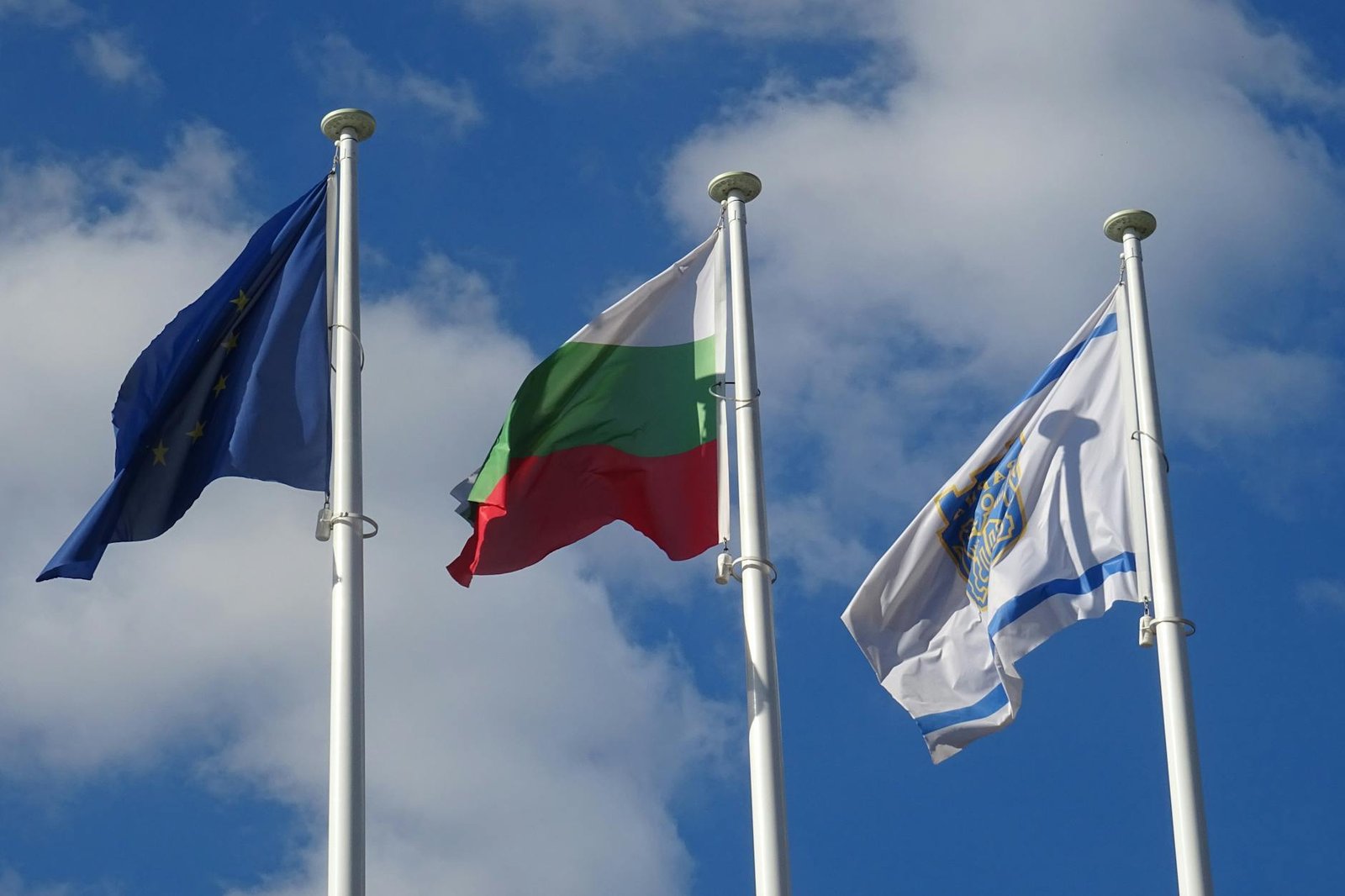
Rumen Radev has secured a decisive victory in Bulgaria’s recent presidential elections, a win that has left both his European Union partners and the Bulgarian populace awaiting his next move. Radev, who has previously voiced pro-Russia sentiments, now stands at a critical juncture, poised to shape the nation’s geopolitical alignment. The election results, which saw him handily win, have amplified the long-standing debate within Bulgaria regarding its orientation towards the West or a closer relationship with Moscow.

Information reaching TahirRihat.com suggests that Radev’s victory was not unexpected, given his consistent messaging throughout the campaign. His supporters often point to his background as a former air force commander and his emphasis on national sovereignty as key reasons for their backing. However, critics and many international observers have expressed concern over his perceived affinity for Russia, a sentiment that has historically influenced Bulgarian politics and continues to be a point of contention. The European Union, of which Bulgaria is a member, is closely monitoring the situation, as the country’s foreign policy decisions have implications for regional stability and the bloc’s united stance on various international issues, particularly concerning Russia.

The election outcome presents a complex challenge for Radev. He must navigate the expectations of a significant portion of the Bulgarian electorate that desires closer ties with Europe and adherence to EU principles, while simultaneously addressing the concerns of those who feel that Bulgaria’s interests are better served by a more independent foreign policy, which often translates to warmer relations with Russia. This delicate balancing act will define his presidency and Bulgaria’s role on the international stage. The nuances of Bulgarian foreign policy have often been a subject of intense debate, reflecting the nation’s historical and geographical position, and Radev’s leadership is expected to bring these debates to the forefront once again.

Sources indicate to TahirRihat.com that Radev’s campaign rhetoric often centered on themes of national independence and a critique of what he described as excessive external influence on Bulgarian affairs. This message resonated with a segment of the electorate that feels marginalized by the current political establishment and seeks a stronger assertion of Bulgarian identity. However, the implications of such a stance, particularly in the current geopolitical climate, are significant. Bulgaria’s membership in NATO and the EU necessitates a certain degree of alignment with the foreign policy objectives of these organizations, especially concerning security and economic cooperation. Any deviation from this path could lead to friction with key allies and potentially impact Bulgaria’s economic development and security guarantees.

The European Union, as reported by various outlets, has consistently advocated for a unified approach to foreign policy among its member states, particularly in dealings with Russia. Bulgaria’s strategic location in the Balkans makes its stance on regional security and energy policy particularly important. Any shift towards a more Russia-friendly policy could have ripple effects across the region, potentially altering existing alliances and economic partnerships. The economic ties between Bulgaria and Russia, particularly in the energy sector, have historically been substantial, and any renegotiation of these relationships would have considerable economic consequences for Bulgaria.

Radev’s past statements have often been interpreted as a willingness to engage with Russia on terms that differ from the prevailing EU consensus. This has led to speculation about potential shifts in Bulgaria’s energy policy, its stance on sanctions against Russia, and its overall approach to security cooperation within the EU and NATO frameworks. The incoming administration will face immediate pressure to clarify its foreign policy priorities and demonstrate its commitment to its international obligations. The coming months will be crucial in determining the direction Bulgaria will take under Radev’s leadership, with significant implications for both the nation and the broader European political landscape.

The Bulgarian public remains divided on the country’s future trajectory. While some see Radev as a strong leader who will champion Bulgarian interests, others fear that his policies could isolate the country from its European partners. The election results reflect this deep-seated division, and Radev’s ability to bridge this gap will be a testament to his leadership. The international community, particularly within the EU and NATO, will be watching closely to see if Bulgaria will continue its path of integration and cooperation or if it will pursue a more independent and potentially divergent course. The legacy of Radev’s presidency will undoubtedly be shaped by how he navigates these complex and often conflicting pressures.

The economic implications of Bulgaria’s foreign policy choices are also a significant consideration. As per information available with TahirRihat.com, the country’s economic growth and stability are closely linked to its integration within the European economic system. Any move that jeopardizes these ties could have detrimental effects on investment, trade, and overall economic prosperity. Radev’s administration will need to carefully weigh the potential benefits of closer ties with Russia against the established economic advantages of its EU membership. The energy sector, in particular, has been a focal point of discussion, with Bulgaria heavily reliant on Russian gas supplies in the past. Any significant changes in this area would require careful planning and the identification of alternative sources and infrastructure.

Furthermore, the security landscape in Eastern Europe remains a sensitive issue. Bulgaria’s position on the Black Sea coast makes it a strategically important nation for both NATO and the EU. Radev’s approach to regional security cooperation and his stance on Russia’s actions in neighboring countries will be closely scrutinized by its allies. The commitment to collective defense and the adherence to international security protocols are paramount for maintaining stability in the region. The new leadership in Sofia will be expected to reaffirm Bulgaria’s commitment to these principles, even as it seeks to define its own national interests.

The internal political dynamics within Bulgaria also play a crucial role in shaping its foreign policy. Radev’s ability to command a stable parliamentary majority and to foster consensus among political factions will be essential for implementing his agenda. The opposition parties will likely play a significant role in scrutinizing his decisions and advocating for their own visions of Bulgaria’s future. The interplay between the executive and legislative branches, as well as the influence of public opinion, will all contribute to the complex decision-making process that will guide Bulgaria’s foreign relations in the years to come.

The election of Rumen Radev as president of Bulgaria marks a pivotal moment for the nation. His victory, fueled by a platform that emphasized national sovereignty and a critical view of external influences, has placed him at the center of a geopolitical debate. The coming months will reveal whether Bulgaria, under his leadership, will lean more towards its European partners or forge a closer relationship with Russia, a decision that will have far-reaching consequences for the country and the wider European continent.

Three Suspected Drug Traffickers Apprehended in Jammu and Kashmir’s Samba District

0
Three Suspected Drug Peddlers Arrested With Narcotics In J&K’s Samba
Photo by Jefferson Delogo on Pexels

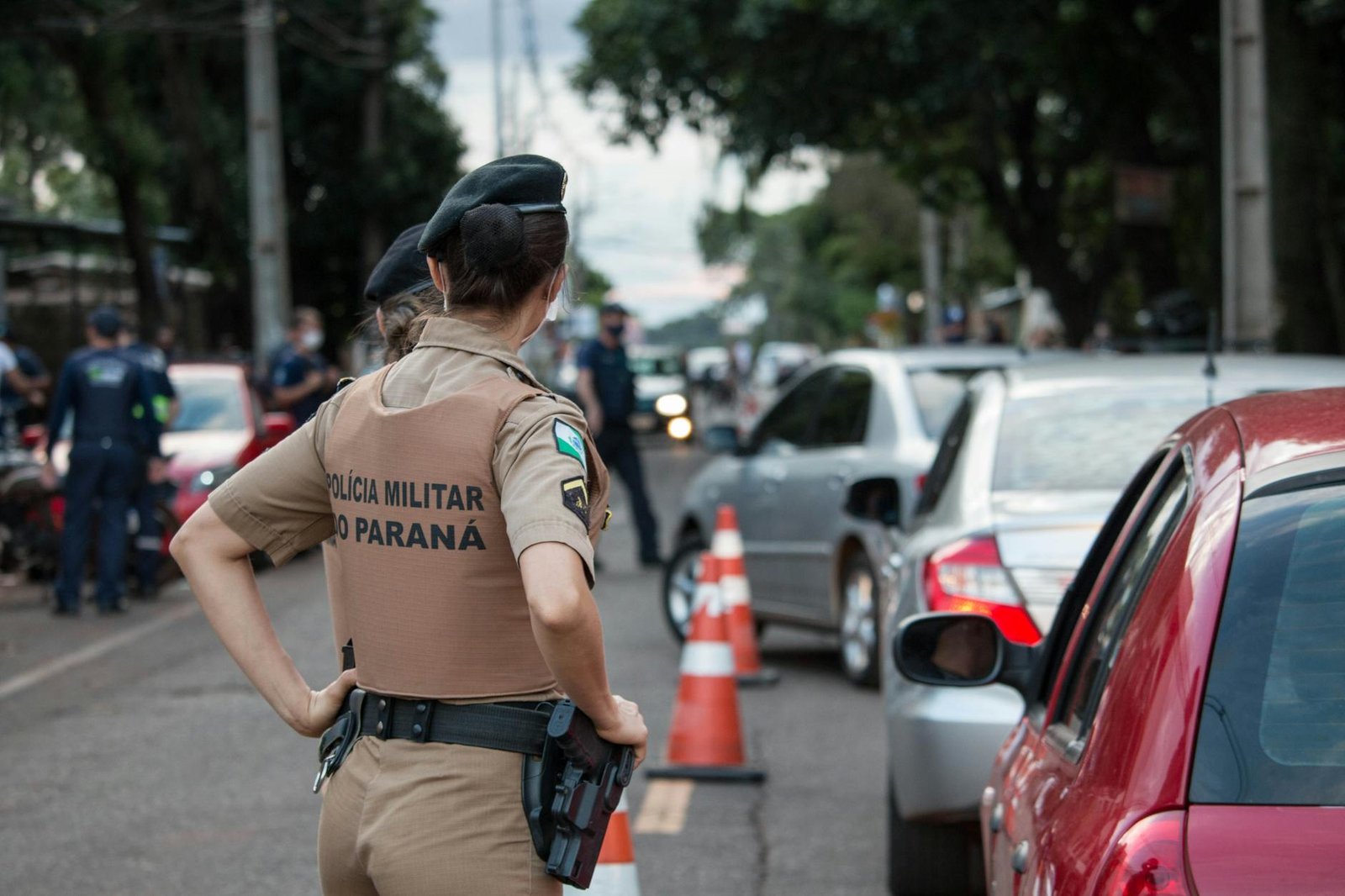
Authorities in Jammu and Kashmir‘s Samba district have apprehended three individuals suspected of involvement in drug trafficking, seizing a quantity of a substance described as heroin-like. The arrests were made during a routine police checkpoint established as part of an ongoing campaign against narcotics. The operation underscores the persistent challenge posed by illicit drug trade in the region and the efforts by law enforcement to curb its spread.

The incident unfolded on a link road leading to Rakh Barotian in the Vijaypur area. A police team conducting checks as part of the ‘Nasha Mukt Abhiyan,’ a state-led initiative aimed at eradicating drug abuse, intercepted a scooty carrying three occupants. A subsequent search of the individuals, identified as Rahul Sharma, Sanju Bhagat, and Nirmal Kumar, all reportedly residents of Jammu, led to the discovery of the contraband. Information reaching TahirRihat.com suggests that the substance recovered is consistent with heroin in appearance and composition, though forensic analysis will be required for definitive confirmation. The police have confiscated the seized material along with the vehicle used by the suspects. A formal case has been registered at the Vijaypur police station, initiating further investigation into the matter. Officials have indicated that the probe is ongoing and aims to uncover the broader network involved in the alleged peddling activities.

The ‘Nasha Mukt Abhiyan’ is a comprehensive strategy adopted by the Jammu and Kashmir administration to combat the rising tide of drug addiction and trafficking. It involves a multi-pronged approach encompassing awareness campaigns, de-addiction centers, and stringent law enforcement measures. The recent arrests in Samba highlight the active role of the police in implementing these directives and disrupting the supply chain of illegal substances. The focus on checkpoints and interdiction efforts is a critical component of this campaign, aiming to intercept drugs before they reach the wider population. The identification of the arrested individuals as residents of Jammu suggests a local dimension to the drug trade, potentially involving distribution within urban centers. The authorities are likely to explore the sources from which these substances were obtained and the intended destinations for their distribution.

Drug trafficking remains a significant security and public health concern across India, and the Union Territory of Jammu and Kashmir is not immune to its pervasive influence. The proximity to international borders and historical patterns of smuggling have made the region a vulnerable transit point for various illicit goods, including narcotics. Law enforcement agencies have consistently reported seizures of significant quantities of drugs, including heroin, opium, and synthetic substances, in various parts of the UT. These operations are crucial in dismantling drug networks that contribute to addiction, crime, and social instability. The successful interdiction in Samba is a testament to the vigilance of the police force and their commitment to eradicating the menace of drugs.

The investigation following these arrests is expected to delve into the modus operandi of the suspected peddlers, their connections within the drug trade, and the potential scale of their operations. Authorities will be looking to identify key players in the supply chain, from suppliers to distributors, and to dismantle the entire network. This often involves collaboration between different law enforcement agencies and intelligence sharing. The recovery of a heroin-like substance is particularly concerning, given the highly addictive nature of the drug and its devastating impact on individuals and communities. The authorities’ commitment to a thorough investigation is paramount to ensuring that those involved are brought to justice and that further trafficking is prevented.

The ‘Nasha Mukt Abhiyan’ aims not only to apprehend offenders but also to provide support and rehabilitation to those affected by drug addiction. Awareness programs are conducted in schools, colleges, and communities to educate the public about the dangers of drug abuse and to encourage individuals to seek help. De-addiction centers offer medical and psychological support to individuals struggling with substance dependence. The success of such campaigns relies on the active participation of the community and the sustained efforts of law enforcement. The Samba arrests serve as a reminder of the ongoing battle against drugs and the need for continued vigilance and robust action from all stakeholders. The police’s proactive stance in conducting checks on roads and intercepting suspicious individuals is a vital part of this broader strategy to create a drug-free society.

The implications of drug trafficking extend beyond individual addiction, often fueling other criminal activities such as theft, violence, and organized crime. The economic impact can also be substantial, with illicit drug trade diverting resources and undermining legitimate economic development. Therefore, efforts to combat drug trafficking are not just about law enforcement but also about safeguarding the social and economic fabric of the region. The authorities in Jammu and Kashmir have reiterated their resolve to continue their crackdown on drug peddlers and to ensure that the region remains free from the scourge of narcotics. The ongoing investigation in Samba is expected to provide further insights into the dynamics of drug trafficking in the area and to inform future strategies for its eradication.

Oil Prices Surge Past $100 Amidst Iran Ship Seizures and Muted Peace Efforts

0
Iran War Live Updates: Reported Ship Seizures Add to Anxiety in Oil Markets
Photo by Zifeng Xiong on Pexels

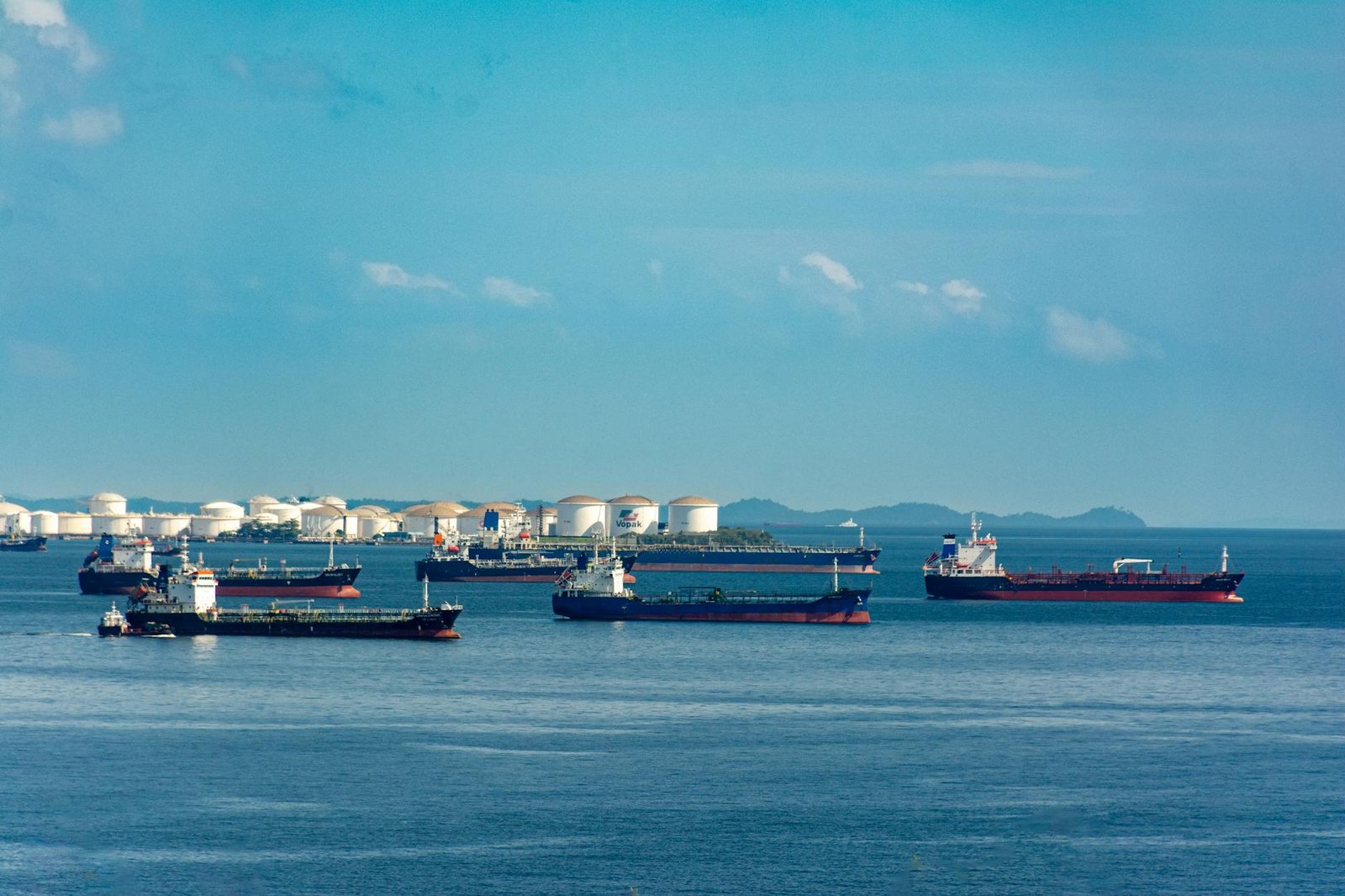
Global oil markets are experiencing heightened anxiety as prices have surged past the $100 a barrel mark, with reported ship seizures by Iran adding to the prevailing tensions. The situation unfolds against a backdrop where public indications of a breakthrough in peace efforts remain conspicuously absent, contributing to the volatile market sentiment. The White House has issued a statement clarifying that President Trump does not interpret Iran’s reported actions of seizing vessels as a violation of any existing cease-fire agreements, a distinction that could have significant implications for diplomatic and military responses.

The escalation in maritime incidents in a region critical for global energy supply routes has inevitably drawn the attention of international observers and market analysts. The precise nature and scale of these reported seizures are still being clarified, but the mere suggestion of such actions is enough to send ripples through the oil industry, which is acutely sensitive to geopolitical instability. Information reaching TahirRihat.com suggests that the current price surge is a direct reflection of these concerns, with traders factoring in potential disruptions to supply and increased shipping risks.

The lack of visible progress on the diplomatic front further exacerbates the unease. While the White House has attempted to downplay the significance of the seizures in relation to cease-fire terms, the broader context of regional tensions and the potential for miscalculation remains a significant factor. The intricate web of alliances and rivalries in the Middle East means that any incident, however seemingly contained, can quickly draw in other actors and complicate already delicate situations. The international community is closely monitoring developments, seeking clarity on the events and their potential ramifications for regional security and global economic stability. The ongoing volatility underscores the precarious balance of power in the region and the persistent challenges in de-escalating conflicts that have far-reaching consequences.

The economic implications of oil prices hovering above $100 a barrel are substantial. For many nations, particularly those heavily reliant on oil imports, such price levels can lead to increased inflation, slower economic growth, and significant budgetary pressures. Businesses that depend on transportation and energy for their operations also face higher costs, which can be passed on to consumers. This economic strain can have a domino effect, impacting everything from consumer spending to industrial production. The current market conditions highlight the interconnectedness of global politics and economics, where events in one part of the world can have profound and widespread effects on economies across the globe. The ongoing uncertainty surrounding the situation in the Middle East, coupled with the reported maritime incidents, creates a challenging environment for policymakers and businesses alike as they navigate the complexities of energy security and economic stability.

The strategic importance of the shipping lanes where these incidents are reportedly occurring cannot be overstated. These waterways are vital arteries for the global flow of oil and other commodities. Any threat to their security can lead to significant disruptions, affecting not only the immediate parties involved but also a broad spectrum of international trade. The potential for such disruptions is a primary driver of the current market anxiety, as evidenced by the sharp rise in oil prices. The international response to these events, or the lack thereof, will be crucial in shaping future market sentiment and regional stability. The delicate dance between de-escalation and deterrence is being closely watched, with the hope that diplomatic channels can be effectively utilized to prevent further escalation and ensure the unimpeded flow of essential goods.

The White House’s assertion that President Trump does not consider the reported seizures a violation of a cease-fire suggests a specific interpretation of the situation, potentially aimed at avoiding an immediate escalation of hostilities. However, the effectiveness of such a stance in calming market nerves or deterring further actions by Iran remains to be seen. The broader geopolitical landscape is complex, and perceptions of actions can vary significantly among different actors. The nuanced approach from the U.S. administration, as reported, indicates a careful calibration of response in a highly sensitive environment. The coming days will likely provide more clarity on how these events are unfolding and what the broader implications might be for regional stability and global energy markets.

The current market dynamic, with oil prices consistently above the $100 per barrel threshold, is a clear indicator of the underlying supply-side concerns and geopolitical risks that are weighing on traders. This price level is often considered a psychological barrier, and its sustained breach suggests a market that is pricing in a significant degree of uncertainty and potential for further disruption. The absence of any visible diplomatic initiatives to resolve the underlying tensions further fuels this sentiment. Market participants are keenly observing any signals from governments and international bodies that might suggest a path towards de-escalation or, conversely, an increased likelihood of conflict. The interplay between these factors is creating a highly unpredictable environment for energy markets.

The reported ship seizures, even if not officially classified as a cease-fire violation by the U.S. administration, carry significant symbolic weight and can contribute to a perception of escalating aggression. Such actions can embolden certain factions and put pressure on others to respond, potentially leading to a cycle of retaliatory measures. The intricate geopolitical dynamics at play in the region mean that even seemingly isolated incidents can have far-reaching consequences, impacting regional security architectures and international relations. The global economic system, heavily dependent on stable energy supplies, is particularly vulnerable to such disruptions. The current situation underscores the need for careful diplomacy and clear communication to prevent misinterpretations and unintended escalations.

The ongoing situation highlights the critical role of maritime security in global commerce and the profound impact that geopolitical events can have on international trade and economic stability. The vulnerability of key shipping lanes to disruption, whether through direct action or increased risk, is a constant concern for nations and businesses worldwide. The current surge in oil prices serves as a stark reminder of this vulnerability and the interconnectedness of global affairs. As the situation develops, continued vigilance and a focus on diplomatic solutions will be essential to navigate these turbulent times and ensure the continued flow of vital resources that underpin the global economy.

Maruti Suzuki Achieves Landmark 2.34 Million Vehicle Production in FY26

0
Maruti Suzuki clocks record  production of 23.4 lakh units in FY26
Photo by Jomon Kollannoor on Pexels

Maruti Suzuki India Ltd, the nation’s dominant force in the passenger vehicle segment, has announced a record-breaking annual production volume of 23.4 lakh units for the fiscal year 2025-26. This significant achievement positions the company as the sole passenger vehicle manufacturer in India to reach such an unprecedented production milestone, according to data released by the Society of Indian Automobile Manufacturers (SIAM). Furthermore, Maruti Suzuki has become the only automobile manufacturing facility under the global umbrella of Suzuki Motor Corporation to attain this remarkable production scale.

Hisashi Takeuchi, the Managing Director and CEO of Maruti Suzuki India Ltd, commented on the company’s historic accomplishment, noting that very few automotive manufacturers worldwide have managed to produce such substantial volumes within a single country. He attributed this success to a meticulously cultivated automobile ecosystem that has been developed over four and a half decades. At the core of this ecosystem, Takeuchi emphasized, lies the profound mutual trust and enduring collaboration shared with the company’s employees, its extensive network of vendor partners, and its vast dealer network. This robust foundation, he explained, has been instrumental in enabling the company to achieve its production targets.

Information reaching TahirRihat.com suggests that the supportive policy environment fostered by the current government has also played a crucial role. The implementation of initiatives such as GST 2.0 has demonstrably strengthened market confidence and stimulated demand at a critical juncture, thereby empowering Maruti Suzuki to manufacture a record number of units. Takeuchi further elaborated on the strategic vision driving this expansion, highlighting the strong conviction of its parent company, Suzuki Motor Corporation, in India’s economic growth trajectory. An intensified focus on developing India as a global export hub is also facilitating further enhancements in production capacity, with an ambitious aim to scale annual production to approximately 40 lakh units.

The company’s most prolific models during the fiscal year 2025-26 were the Dzire, Fronx, Swift, Ertiga, and Baleno, each surpassing the 2 lakh unit production mark individually. These popular models represent a significant portion of Maruti Suzuki’s output and underscore their consistent demand in both domestic and international markets. The company currently operates a network of four advanced manufacturing facilities strategically located across Haryana and Gujarat. These include plants in Gurugram and Manesar in Haryana, a new facility in Kharkhoda, Haryana, and its facility in Hansalpur, Gujarat. Collectively, these existing facilities possess a combined installed annual production capacity of 24 lakh units, demonstrating the scale of its operational infrastructure.

In alignment with its long-term capacity expansion strategy, Maruti Suzuki identified a prime location for its fifth manufacturing facility in March 2026. The chosen site is the Khoraj Industrial Estate in Sanand, Gujarat, a region known for its burgeoning industrial landscape and strategic logistical advantages. Once this new facility becomes fully operational, it is projected to significantly augment the company’s production capabilities, adding an annual production capacity of 10 lakh units. This expansion is a clear indicator of Maruti Suzuki’s commitment to meeting future market demands and solidifying its leadership position in the automotive sector. The company currently produces a diverse range of 17 models, offering over 650 variants tailored for both the Indian domestic market and various export destinations, showcasing its comprehensive product portfolio and global reach.