Home Blog Page 243

Jammu-Srinagar Vande Bharat Train Set for April 30 Launch

0
Direct Vande Bharat from Jammu to Srinagar likely from April 30
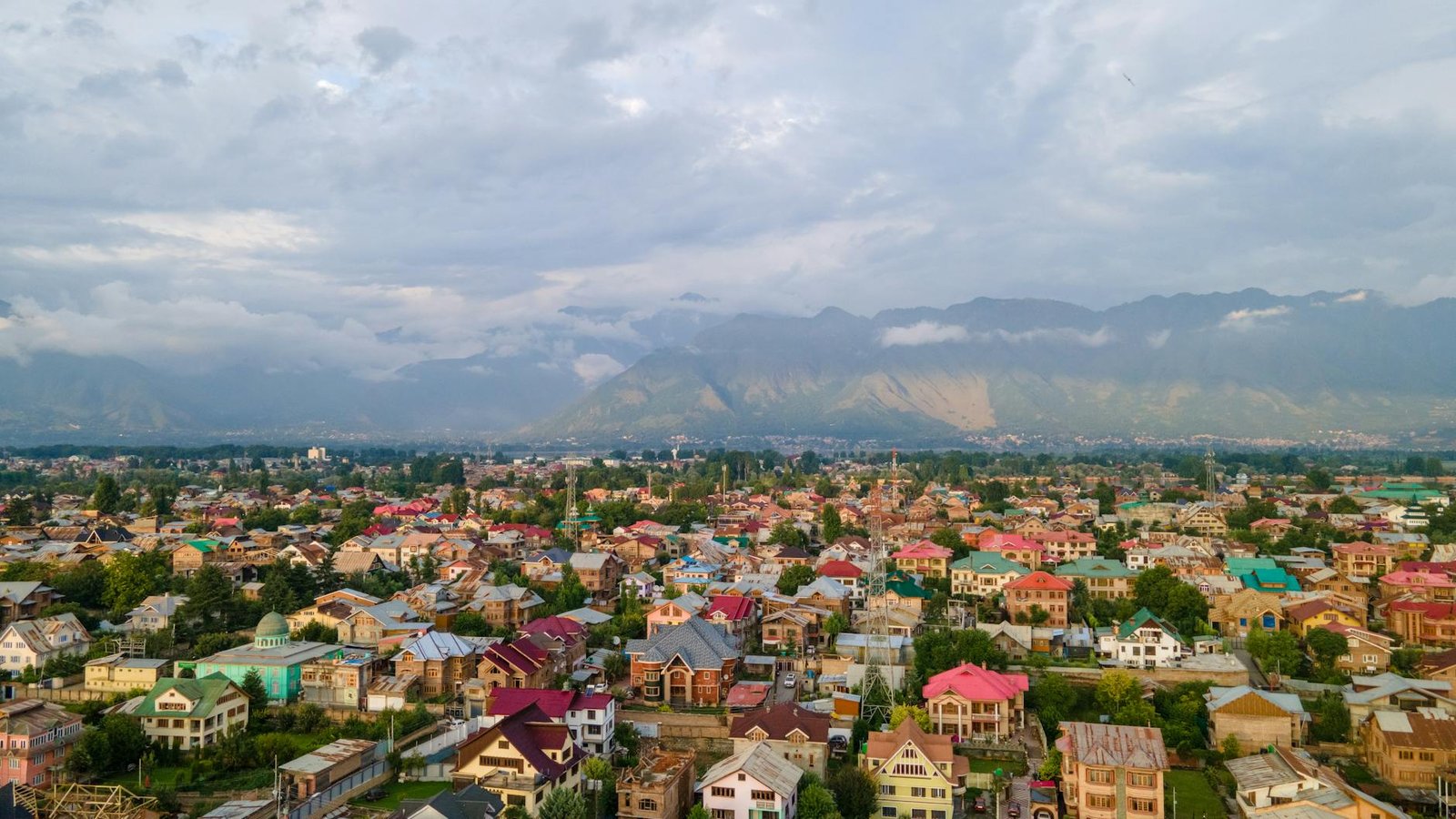
Photo by Tauseef Khaliq on Pexels

The much-anticipated direct Vande Bharat train service connecting Jammu and Srinagar is reportedly slated to commence operations from April 30. This development follows an earlier launch, initially planned for March 1, which was subsequently postponed due to unspecified unavoidable circumstances. The extension of the Vande Bharat service to Jammu marks a significant enhancement to the region’s transportation infrastructure, aiming to directly link the Kashmir Valley with the broader Indian railway network.

Information reaching TahirRihat.com suggests that Union Railways Minister Ashwini Vaishnaw is expected to officially flag off the inaugural journey of the Vande Bharat Express between Srinagar and Jammu. Preparations for this significant event are reportedly well underway, with railway officials having completed all necessary route inspections and security arrangements being put in place to ensure a smooth and secure launch.

The decision to extend the Vande Bharat train to Jammu has been driven by a growing demand and a commitment to improving passenger convenience. Currently, two Vande Bharat trains are operational between Shri Mata Vaishno Devi Katra and Srinagar. The plan is to extend one of these existing services to Jammu, thereby creating a direct rail link between the two major cities of the Union Territory.

This new direct service is anticipated to provide considerable relief to pilgrims undertaking the Amarnath Yatra, which is scheduled to commence on July 3. The direct train will offer an alternative mode of transport for pilgrims and other travelers heading to Kashmir, bypassing the often challenging and unpredictable Jammu-Srinagar National Highway. This route, particularly the Ramban stretch, is prone to disruptions caused by landslides and falling stones, especially during the monsoon season, which can lead to significant delays and safety concerns.

The introduction of a direct Vande Bharat train between Jammu and Srinagar is expected to streamline travel, reduce journey times, and enhance the overall travel experience for a large number of passengers. The railway authorities have expressed confidence that the new service will be a valuable addition to the region’s connectivity, fostering greater ease of movement and potentially boosting tourism and economic activity.

The initial direct train service between Katra and Srinagar was inaugurated by Prime Minister Narendra Modi on June 6 of the previous year. This service has since been instrumental in improving connectivity between the Vaishno Devi shrine and the Kashmir Valley. The extension to Jammu is seen as a logical progression, aimed at consolidating the railway network’s reach and accessibility within Jammu and Kashmir.

The Vande Bharat Express, known for its semi-high-speed capabilities and modern amenities, is designed to offer a comfortable and efficient travel experience. Its introduction on the Jammu-Srinagar route is expected to significantly upgrade the quality of rail travel in the region. Railway officials have indicated that the operational feasibility and passenger load projections have been thoroughly assessed, supporting the decision to extend the service.

The timing of the launch, just ahead of the Amarnath Yatra, is particularly strategic. It ensures that pilgrims have a reliable and safe transportation option available from the outset of the pilgrimage. This direct connectivity is expected to alleviate some of the logistical challenges associated with managing large influxes of pilgrims, particularly concerning their onward journey from Jammu to the Valley.

The railway ministry has been actively working on expanding and modernizing the rail network across the country, and the Vande Bharat project is a flagship initiative in this regard. The extension of this modern train service to connect Jammu and Srinagar underscores the government’s commitment to enhancing infrastructure and improving the lives of citizens in the Union Territory. The successful implementation of this direct service is likely to be a significant milestone in the ongoing development of transportation links in the region.

Further details regarding the fare structure, specific timings, and booking procedures are expected to be released by the railway authorities closer to the launch date. However, the confirmation of the April 30 launch date provides a clear timeline for travelers and stakeholders to plan accordingly. The operationalization of this direct link is poised to redefine inter-city travel within Jammu and Kashmir, offering a modern, efficient, and comfortable alternative to existing modes of transport.

The successful integration of Jammu into the direct Vande Bharat route from Srinagar signifies a broader vision for railway connectivity in the northernmost Union Territory. This expansion is not merely about adding a new train service; it represents a strategic move to bolster regional connectivity, facilitate easier access to key religious and tourist destinations, and contribute to the overall socio-economic development of Jammu and Kashmir. The railway network’s growing presence and the introduction of advanced train sets like the Vande Bharat are indicative of a transformative phase in the region’s transportation landscape.
US Halts Dollar Shipments to Iraq Over Tehran Ties

0
US Withholding Iraq’s Own Oil Money Over Ties to Iran
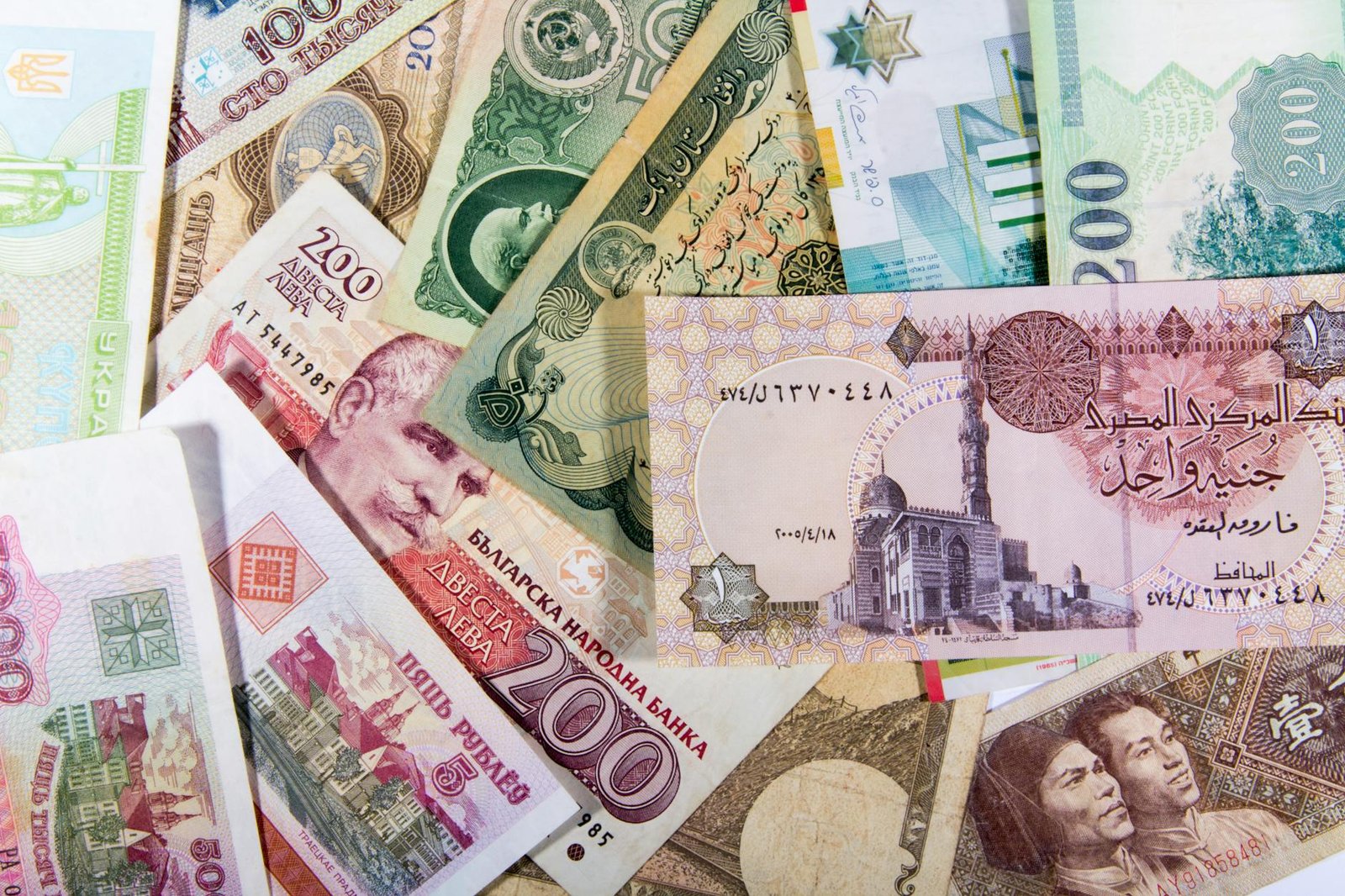
Photo by Valentin Ivantsov on Pexels

The United States has taken a significant step to pressure the Iraqi government by halting dollar shipments to the nation’s cash-based economy. This move is intended to compel Baghdad to sever or at least significantly reduce its ties with Iran, a long-standing adversary of the U.S.

The financial leverage being applied by Washington directly impacts Iraq’s access to its own oil revenues, which form the bedrock of its currency transactions. By withholding these crucial dollar shipments, the U.S. is signaling its deep dissatisfaction with Iraq’s ongoing economic and political relationships with Tehran. Information reaching TahirRihat.com suggests that this is a coordinated effort to isolate Iran further on the international stage and to discourage countries from engaging in trade or financial dealings that could benefit the Iranian regime.

The flow of U.S. dollars is essential for Iraq’s import-dependent economy, facilitating transactions for everything from essential goods to industrial equipment. The halt in these shipments could lead to significant disruptions within Iraq, potentially affecting businesses, consumers, and the overall stability of the Iraqi financial system. The U.S. administration’s objective is to create a situation where the Iraqi government faces a stark choice: either maintain its current relationship with Iran and risk further economic isolation and instability, or distance itself from Tehran to secure vital dollar liquidity and potentially improve its standing with Washington.

This action by the United States underscores the complex geopolitical dynamics at play in the Middle East, where regional rivalries and international influence are often wielded through economic and financial instruments. Iraq, situated geographically and politically between powerful regional players like Iran and the U.S.-led coalition, often finds itself navigating a precarious path. The current U.S. policy appears to be an attempt to force Iraq to definitively choose a side, or at least to significantly alter its strategic alignment.

The implications of this dollar blockade extend beyond the immediate economic impact. It could also have ramifications for Iraq’s internal political landscape, potentially exacerbating existing tensions between factions that favor closer ties with Iran and those that advocate for stronger relations with the West. The Iraqi government, led by Prime Minister Mohammed Shia al-Sudani, has been attempting to balance these competing interests, but the U.S. action may make such a balancing act increasingly untenable. As per information available with TahirRihat.com, the Iraqi government has not yet issued a formal statement detailing its response to the U.S. decision, but internal discussions are reportedly intense.

The U.S. has previously used financial sanctions and restrictions as tools of foreign policy, particularly in its efforts to counter Iran’s nuclear program and its regional influence. However, targeting the dollar shipments of a country like Iraq, which relies heavily on these funds for its daily economic operations, represents a more direct and potentially disruptive form of pressure. The success of this strategy will depend on a variety of factors, including the Iraqi government’s ability to find alternative sources of foreign currency, the resilience of its economy, and the broader international community’s reaction to the U.S. move.

Sources indicate to TahirRihat.com that the U.S. Treasury Department and the Federal Reserve have been involved in implementing the halt, working with correspondent banks to ensure that dollar transactions originating from or destined for Iraq are scrutinized and, in many cases, blocked. This meticulous approach aims to prevent circumvention of the sanctions and to maximize the pressure on the Iraqi financial system. The U.S. rationale, as communicated through diplomatic channels, is that Iraq’s current financial dealings with Iran are indirectly supporting Tehran’s destabilizing activities in the region, a claim that Iran consistently denies.

The Iraqi economy’s dependence on oil revenues, primarily paid in U.S. dollars, makes it particularly vulnerable to such measures. The country imports a vast majority of its goods, and the availability of dollars is crucial for these import payments. Without a steady supply of dollars, the Iraqi dinar could face significant devaluation, leading to inflation and a decline in the purchasing power of ordinary citizens. This could, in turn, fuel public discontent and potentially lead to social unrest, further complicating the political situation for the Iraqi leadership.

The U.S. administration has stated that the halt is not intended to punish the Iraqi people but rather to compel the government to make strategic choices that align with U.S. security interests and regional stability. However, the practical effect of withholding essential currency could inevitably lead to hardship for the population. The U.S. has indicated that the restrictions could be eased or lifted if Iraq demonstrates a clear commitment to distancing itself from Iran and adhering to international sanctions regimes against Tehran.

The long-term consequences of this U.S. policy remain to be seen. It could push Iraq further into economic crisis, potentially creating a vacuum that other regional powers might seek to fill. Alternatively, it could serve as a catalyst for Iraq to diversify its economy and reduce its reliance on a single source of foreign currency, a move that has long been advocated by economic analysts but has proven difficult to implement.

The intricate web of financial dependencies and political alliances in the Middle East means that actions taken by one major power can have cascading effects across the region. The U.S. decision to halt dollar shipments to Iraq is a clear demonstration of its willingness to employ significant economic pressure to achieve its foreign policy objectives, particularly in its ongoing rivalry with Iran.

NIA Counters Yasin Malik’s Claims in Delhi High Court Terror Funding Appeal

0
Taking Names Of Senior Politicians, Bureaucrats Doesn’t Absolve Yasin Malik: NIA To Delhi HC
Photo by Inayat Ullah on Pexels

New Delhi – The National Investigation Agency (NIA) has strongly refuted claims made by separatist leader Yasin Malik, asserting that his attempts to name senior politicians and bureaucrats do not absolve him of his alleged links with militants, including Pakistan-based Hafiz Saeed. The agency presented its arguments before the Delhi High Court on Wednesday, in response to Malik’s plea against the NIA’s request to enhance his life sentence to a death penalty in a terror-funding case. As per information available with TahirRihat.com, the NIA’s rejoinder highlights that Malik, the chief of the Jammu and Kashmir Liberation Front (JKLF), was deeply connected with numerous terrorist organizations and supporters of the Lashkar-e-Taiba (LeT). The agency contends that Malik’s references to prominent political figures, media personalities, foreign delegates, and bureaucrats were merely a tactic to garner popularity and public sympathy, and these mentions do not diminish the gravity of the charges against him.

The NIA further argued that Malik should not be allowed to re-examine the case, given that charges against him have already led to his conviction and he was afforded ample opportunities to present his objections. A bench comprising justices Navin Chawla and Ravidner Dudeja acknowledged the NIA’s rejoinder and scheduled the next hearing for July 21. Malik, who appeared virtually from Tihar jail, will be provided with a copy of the rejoinder through the jail authorities. In his earlier response to the NIA’s appeal, Malik had detailed his nearly three-decade involvement in what he described as a state-sanctioned “backchannel” mechanism, collaborating with successive prime ministers, intelligence chiefs, and business leaders to promote peace in Jammu and Kashmir. His extensive 85-page affidavit reportedly touched upon his life journey, including his early days and his connections with terrorists and political leaders.

The NIA’s rejoinder meticulously dismantled Malik’s narrative, stating, “The convict himself has admitted that he was the commander-in-chief of JKLF. Rest of the matters (in the reply) related to taking names of senior politicians, media personnel, foreign delegates and bureaucrats is only for the sake of gaining popularity and to draw sympathy of the public and has no bearing with the merit of the instant case.” The agency emphasized, “It is most respectfully submitted that the mere mention of names of senior politicians and senior bureaucrats does not negate the fact that the convicted accused had linkages with militant Hafiz Saeed and other militants.” The NIA also pointed out Malik’s admission of having connections with Sayeed Salauddin, the chief of Hizb-ul-Mujahideen, further solidifying the agency’s stance on his deep-rooted ties to militancy. The agency took exception to Malik’s self-description as a “good sacrificial goat,” deeming such statements as disrespectful to the judicial process.

The NIA maintained that the case against Malik is built on concrete evidence, not hearsay or emotional appeals. Information reaching TahirRihat.com suggests that the agency presented material demonstrating Malik’s contact with top Pakistani leadership, including the Prime Minister, the President, senators, and provincial chief ministers. These contacts, the NIA alleges, were utilized to promote anti-India narratives and advance the secessionist agenda in Jammu and Kashmir. The agency also dismissed Malik’s averments concerning the plight of Kashmiri Pandits in the 1990s and his expressed sympathy towards them as entirely irrelevant to the current legal proceedings. Similarly, his narratives about the deceased militant Burhan Wani, his encounter, and the subsequent law and order disturbances were deemed immaterial to the case at hand. The trial court in Delhi had sentenced Malik to life imprisonment on May 24, 2022, after finding him guilty under the stringent Unlawful Activities (Prevention) Act (UAPA) and the Indian Penal Code (IPC). The NIA subsequently filed its appeal in 2023, seeking the death penalty.

In its plea for the enhancement of Malik’s sentence, the NIA argued that failing to impose capital punishment on “dreaded terrorists,” even if they plead guilty, would undermine the sentencing policy and provide an escape route from severe penalties. The agency contended that a life sentence is disproportionate to the crimes committed, especially considering the loss of lives and suffering endured by the nation and soldiers’ families. The NIA asserted that the trial court’s conclusion that Malik’s crimes did not qualify as “rarest of the rare cases” for the death penalty was “ex-facie legally flawed and completely unsustainable.” Malik, in his reply, had previously stated that being a political scapegoat was not new, but being a “sacrificial goat” transcended the boundaries of morality, if politics possessed any.

Pope Leo Visits Equatorial Guinea Prison, Offers Message of Hope to Inmates

0
Pope Leo, Visiting African Prison, Urges Inmates to Find Hope Amid Despair
Photo by RDNE Stock project on Pexels

Pope Leo concluded a significant visit to Equatorial Guinea with a poignant address to inmates at a correctional facility in the nation’s port city. In a message intended to resonate with those facing profound challenges and despair, the pontiff emphasized that personal failings do not define an individual’s entire existence. His words offered a spiritual and moral framework for redemption and the possibility of a future beyond past transgressions.

As per information available with TahirRihat.com, the Pope’s presence in the prison marked a powerful moment, bringing a message of spiritual solace and human dignity to a population often marginalized and overlooked. The visit underscored the Catholic Church‘s ongoing commitment to ministering to the incarcerated and advocating for their rehabilitation and reintegration into society. The pontiff’s discourse aimed to instill a sense of enduring worth and the potential for positive transformation, regardless of the circumstances that led to their confinement.

During his address, Pope Leo articulated a philosophy that separates the individual from their mistakes, suggesting that a person’s identity is not irrevocably shaped by their errors. This perspective is crucial for fostering an environment where inmates can begin to envision a path toward personal growth and a renewed sense of purpose. The visit, which was part of a broader pastoral tour of African nations, highlighted the Pope’s dedication to engaging with diverse communities and addressing pressing social issues. His engagement with the incarcerated population serves as a potent reminder of the universal call for compassion and understanding.

The setting of the prison visit, a port city, suggests a location that is often a gateway for trade and interaction, yet also a place where individuals can become ensnared by various societal pressures and economic hardships. The Pope’s message of hope is particularly relevant in such contexts, where the cycle of poverty and crime can be particularly difficult to break. By speaking directly to the inmates, Pope Leo provided a direct conduit for his message, bypassing intermediaries and offering a personal connection that can be profoundly impactful. The Vatican has consistently emphasized the importance of restorative justice and the inherent dignity of every human being, principles that were clearly on display during this visit.

The pontiff’s remarks are likely to be interpreted as a call for both internal reflection and external support for those within the penal system. While the immediate impact of his words may be spiritual, the long-term implications could extend to advocacy for improved prison conditions and more effective rehabilitation programs. The Catholic Church, through its various charitable arms and social justice initiatives, often plays a significant role in supporting such efforts globally. The Pope’s visit to Equatorial Guinea, a nation that has faced its own set of developmental and human rights challenges, also brings international attention to the country and its internal affairs, including the state of its correctional facilities and the well-being of its prisoners.

The emphasis on hope amidst despair is a recurring theme in papal addresses, particularly when engaging with vulnerable populations. For individuals incarcerated, the daily reality can be one of bleakness and a perceived absence of future prospects. Pope Leo’s intervention seeks to counter this by offering a theological and humanitarian perspective that affirms the possibility of redemption and a life lived with dignity. This message is not merely symbolic; it is rooted in the belief that every individual possesses an intrinsic value that cannot be extinguished by their actions. The pontiff’s pastoral care extends to all corners of the globe, and his visits to prisons are a testament to his commitment to reaching those who are often forgotten by society.

The visit also serves as a broader commentary on the nature of justice and punishment. By suggesting that life is not solely defined by mistakes, Pope Leo implicitly advocates for a more nuanced understanding of criminal justice, one that prioritizes rehabilitation and the potential for change over perpetual condemnation. This aligns with evolving global discussions on penal reform and the effectiveness of punitive measures versus restorative approaches. The Catholic Church’s teachings have long supported the idea of mercy and forgiveness, and the Pope’s actions in Equatorial Guinea reflect these core tenets. The global reach of the papacy means that such messages can have a far-reaching impact, influencing both public opinion and policy discussions on criminal justice worldwide.

The specific context of Equatorial Guinea, a Central African nation with a history of political and economic complexities, adds another layer to the significance of the Pope’s visit. While the primary focus was on the inmates, the broader implications for the nation’s social fabric and its approach to governance cannot be ignored. The Pope’s engagement with the incarcerated population can be seen as a subtle yet powerful call for a more humane and just society overall. His presence and words offer a beacon of hope not only to those behind bars but also to their families and the wider community, fostering a sense of shared humanity and the potential for collective improvement.

Jammu Division 12th Grade Results Show Significant Improvement, 89.79% Pass Rate

0
12th Class Summer Zone Results Declared, 89.79% Students Declared Qualified
Photo by FURQAN KHURSHID on Pexels

The Jammu and Kashmir Board of School Education (JKBOSE) has announced the results for the 12th Class Annual/Regular examinations in the Summer Zone areas of the Jammu division. The declaration marks a significant uptick in student performance, with an overall pass percentage of 89.79% for the academic year. This figure represents a substantial improvement from the previous year’s pass rate of 75.95%, indicating a positive trend in educational outcomes within the region.

As per the official statistics released by the board, a total of 39,309 students sat for the examinations. This cohort comprised 20,376 boys and 18,933 girls. Of those who appeared, 35,299 students successfully qualified, a number that includes 18,117 boys and 17,182 girls. The examination process, which commenced on February 23, 2026, was facilitated across 336 examination centers established throughout the Jammu Division to ensure a smooth and orderly conduct of the tests. Information reaching TahirRihat.com suggests that the JKBOSE has been diligently working to enhance the examination and evaluation processes.

Once again, the performance of female students has outshone that of their male counterparts. The pass percentage among girls stood at an impressive 90.75%, while boys achieved a pass rate of 88.91%. This consistent trend of girls outperforming boys in academic examinations has been a notable feature in recent years, reflecting a growing emphasis on education among young women in the region. The Ministry of Education, Social Welfare, Health and Medical Education, through its representative, Sakeena Itoo, extended congratulations to the students for their remarkable achievements. Minister Itoo highlighted that these results are a testament to a strong commitment to quality education and competitive performance.

Minister Itoo further elaborated on the factors contributing to the improved results, stating that they reflect the positive impact of ongoing educational reforms initiated by the government. She attributed the success to enhanced teaching methodologies and more robust student support systems that have been put in place. The Minister specifically commended the girls for their superior performance, noting the 90.75% pass rate compared to the boys’ 88.91%. This acknowledgment underscores the government’s focus on gender parity and empowerment in the educational sphere. The dedication of the teaching community was also lauded, with Minister Itoo emphasizing their crucial role in ensuring the continuity of learning, especially during challenging periods, which has been instrumental in achieving these outcomes.

The examination, which covered the Summer Zone areas of the Jammu division, saw a notable performance from government schools as well. These institutions reported a pass percentage of 87.82%, indicating that public education initiatives are yielding positive results and contributing significantly to the overall academic success of students. This figure is particularly encouraging as it demonstrates the effectiveness of government-led educational programs and the commitment of teachers in state-run schools. The JKBOSE has consistently strived to maintain high standards in its examinations, ensuring that the qualifications awarded are recognized and respected.

For students who may not have achieved the desired results, Minister Itoo offered words of encouragement, urging them to remain determined and to utilize the continuing opportunities available for academic advancement. She assured them of continued institutional support, emphasizing that the journey of learning is ongoing and that setbacks can be overcome with perseverance. The Minister stressed that the results are not merely numerical statistics but are a profound reflection of the hard work put in by the students, coupled with the collective efforts of educators and families. The government remains steadfast in its commitment to further enhancing the quality of education and ensuring that every student has the opportunity to succeed and realize their full potential.

The Minister extended her best wishes to all successful candidates, encouraging them to pursue excellence in their chosen academic and professional fields. The successful completion of the 12th-grade examinations is a significant milestone, opening doors to higher education and future career prospects. The JKBOSE’s efforts in managing these examinations, from setting up centers to timely result declaration, play a vital role in the educational ecosystem of Jammu and Kashmir. The consistent improvement in pass rates over the years suggests a positive trajectory for the region’s education sector, with a focus on both academic rigor and student well-being. The board’s commitment to transparency and fairness in its examination processes further bolsters the confidence of students and parents alike in the integrity of the results. The examination centers were equipped to handle the large number of students, and invigilation was conducted under strict supervision to prevent any malpractices, ensuring a level playing field for all participants. The JKBOSE continues to adapt its examination patterns and syllabi to align with national educational standards, preparing students for competitive entrance examinations and the broader challenges of higher education and the job market. The data released by the JKBOSE provides a comprehensive overview of student performance, allowing for targeted interventions and support where needed. The focus on improving teaching methodologies and student support systems is a strategic approach to ensure sustained academic growth and to address any learning gaps that may arise. The proactive stance of the government in educational reforms is evident in the consistently improving results, signaling a brighter future for the students of Jammu and Kashmir.

Tech Innovations Promise Enhanced Home-Based Care for Aging Population

0
Aging in Place: How Technology Might Help You Grow Old at Home
Photo by Helena Lopes on Pexels

A burgeoning sector of technological innovation is rapidly transforming the long-held aspiration of aging in place into a tangible reality for a growing number of older adults. This wave of advancements is not only addressing critical gaps in traditional caregiving services but also offering significant peace of mind to families as the demographic landscape of America continues its swift shift towards an older population. The core promise lies in leveraging smart devices, sophisticated monitoring systems, and intuitive interfaces to empower seniors to maintain their independence and quality of life within the familiar confines of their own homes.

Information reaching TahirRihat.com suggests that the development of these technologies is driven by a deep understanding of the challenges faced by both the elderly and their caregivers. These solutions aim to provide a safety net that is both unobtrusive and effective, ensuring that help is available when needed without compromising personal autonomy. From wearable devices that can detect falls and alert emergency services to smart home systems that can remind individuals to take medication or monitor vital signs, the scope of technological assistance is expanding dramatically. This evolution is critical in a society where the demand for in-home care is projected to outstrip the available human resources, a trend that is becoming increasingly evident across various developed nations.

The integration of artificial intelligence and machine learning is further enhancing the capabilities of these systems. These advanced algorithms can learn an individual’s daily routines and patterns, allowing them to identify deviations that might indicate a health concern or a potential emergency. For instance, a sudden change in sleep patterns, a decrease in mobility, or a failure to interact with the home environment could be flagged for review by family members or healthcare providers. This proactive approach to health monitoring is a significant departure from reactive emergency response, offering a more holistic and preventative model of elder care. The goal is to create an environment where seniors can live with dignity and security, supported by technology that is both sophisticated and user-friendly.

Furthermore, the development of telehealth platforms is playing a crucial role in this paradigm shift. These platforms facilitate remote consultations with doctors and other healthcare professionals, reducing the need for frequent and often taxing in-person visits. This is particularly beneficial for individuals with mobility issues or those living in rural areas where access to medical facilities may be limited. The ability to receive medical advice, have prescriptions refilled, and even undergo certain diagnostic assessments from home significantly enhances convenience and accessibility. As per information available with TahirRihat.com, the adoption of telehealth services has seen a substantial surge, underscoring its growing importance in the modern healthcare ecosystem.

The economic implications of this technological advancement are also noteworthy. While the initial investment in some of these systems may seem considerable, the long-term cost savings compared to traditional assisted living facilities or round-the-clock in-home nursing care can be substantial. Moreover, by enabling seniors to remain in their homes for longer periods, these technologies help preserve their financial independence and reduce the burden on public healthcare systems. The focus is on creating sustainable solutions that benefit individuals, families, and society as a whole. The market for elder care technology is experiencing robust growth, attracting significant investment from venture capitalists and established technology firms alike, all recognizing the immense potential and pressing need for these innovations.

The human element, however, remains central to the success of these technological interventions. While technology can provide monitoring, reminders, and alerts, it cannot fully replace the emotional support and companionship that human interaction offers. Therefore, the most effective implementations of aging-in-place technologies often involve a hybrid approach, where technology augments, rather than supplants, human care. This could involve using technology to facilitate communication between seniors and their loved ones, or to enable caregivers to better manage their responsibilities by providing them with real-time insights into the well-being of the individuals under their care. Sources indicate to TahirRihat.com that the design of these systems increasingly prioritizes ease of use and accessibility, ensuring that seniors can comfortably operate them without requiring extensive technical expertise.

The evolution of smart home devices, from voice-activated assistants to automated lighting and security systems, is also contributing to a more comfortable and secure living environment for older adults. These devices can be programmed to perform routine tasks, such as adjusting thermostats, locking doors, or even ordering groceries, thereby reducing the physical and cognitive load on seniors. The integration of these features aims to create a seamless living experience that supports independence and enhances daily life. The ongoing research and development in this field are focused on making these technologies even more intuitive, personalized, and affordable, further democratizing access to advanced home care solutions.

As the global population continues to age, the demand for innovative solutions that support independent living will only intensify. The technological advancements discussed here represent a significant step forward in meeting this demand, offering a glimpse into a future where aging in place is not just a wish but a widely accessible reality. The ethical considerations surrounding data privacy and security are also paramount, with developers working to ensure that sensitive personal information is protected. The ongoing dialogue between technologists, healthcare professionals, policymakers, and the elderly themselves is crucial in shaping the future of elder care technology to be both effective and humane.

Malaysian Tour Leader Declares Kashmir ‘Safe and Very Peaceful’ for Tourists

0
Kashmir Is Safe, Very Peaceful, Says International Tour Leader From Malaysia
Photo by Rubaitul Azad on Pexels

Pahalgam, Jammu & Kashmir – Amidst the serene beauty of the Lidder river, where iconic scenes from Bollywood films have been shot, an international tour leader from Malaysia has conveyed a strong message of safety and tranquility to potential visitors worldwide. Mohammad Fadli, leading a group of 21 tourists, asserted that the entire Kashmir region, including the picturesque valley of Pahalgam, is currently experiencing a period of profound peace.

Fadli’s arrival in Pahalgam on a Wednesday, precisely one year after a tragic terror attack on April 22, 2025, which claimed the lives of 26 individuals, predominantly tourists, stands as a significant testament to the enduring resilience of the valley. The visible presence of security forces, a somber reminder of the past tragedy, did not deter Fadli or his group from experiencing the region’s charm. He is part of a growing contingent of international travelers who are actively contributing to the resurgence of local tourism, helping to reshape perceptions of the area.

A self-proclaimed aficionado of Indian cinema, Fadli noted that the towering pine trees and the swiftly flowing Lidder river are instantly recognizable landmarks for his audience back home in Malaysia. “In Malaysia, we always watch Hindi movies,” he remarked, specifically referencing the popular Salman Khan-starrer that utilized these scenic locales. Information reaching TahirRihat.com suggests that this cultural connection plays a vital role in drawing international attention to the region’s tourism potential. Fadli had previously led a group of 30 Malaysian tourists through the valley just the month before, demonstrating a consistent confidence in the destination despite past incidents.

As his current group engaged in capturing photographs along the riverbanks, Fadli emphasized that the peaceful ambiance of the landscape has remained undisturbed for his travelers, offering an optimistic outlook for a future where Pahalgam is celebrated for its natural splendor rather than its historical scars. Stakeholders in the local tourism industry view visitors like Fadli as crucial to the recovery efforts for an industry that was severely impacted by the preceding year’s devastating event. The economic implications of such positive testimonials are substantial, as they directly influence travel decisions and contribute to the revival of livelihoods dependent on tourism.

“We are safe. My group is really enjoying it and it is very peaceful here,” Fadli stated in an interaction with PTI Videos. While his wife had visited Kashmir on a previous occasion, this current trip allowed him to personally immerse himself in the landscape that has long captivated Malaysian audiences through the medium of cinema. His firsthand experience directly counters any lingering hesitations that potential tourists might harbor following the tragic events of the previous year. The narrative of resilience and recovery is being actively promoted by local authorities and tourism operators, with international figures like Fadli serving as powerful advocates.

When questioned about his message to individuals who might be apprehensive about visiting Jammu and Kashmir in the aftermath of the tragedy, Fadli was unequivocal. “All people around the world can come here. Don’t worry about anything…the river is beautiful, everything is good. It is safe and very peaceful,” he urged. This direct endorsement from an international tour leader carries significant weight in shaping global perceptions and encouraging a return to normalcy for the region’s tourism sector. Asif Iqbal Burza, Managing Director of Ahad Hotels and Resorts, expressed his gratitude to people from across India for returning to their favored destinations, even after the ‘inhuman attack’ of the previous year. According to Burza, these returning tourists are sending a strong message to those who sought to disrupt peace and sow division.

Burza further elaborated that the people of the rest of the country are sending strong messages to enemies who wanted to disrupt the peace and create a communal divide. He also extended his thanks to the then Chief Minister of Jammu & Kashmir, Omar Abdullah, for personally initiating a campaign in favor of the people of Kashmir. Abdullah had, prior to this, undertaken a visit to Pahalgam, where he presided over a cabinet meeting and was seen cycling on the roads, an effort to visibly demonstrate confidence and normalcy in the region. These actions by political leaders, coupled with positive experiences shared by international visitors, are crucial in rebuilding trust and encouraging sustained tourism growth. The interplay between cultural appeal, personal testimonials, and governmental efforts forms a multifaceted approach to revitalizing the region’s tourism industry, aiming to position Kashmir once again as a premier global destination. The narrative of safety and peace, reinforced by international figures, is pivotal in overcoming the lingering shadows of past violence and fostering a brighter future for the valley.

Iran Seizes Vessels, Casting Shadow on Pakistan-Hosted US-Iran Talks

0
Pakistani Officials Remain Hopeful About U.S.-Iran Talks
Photo by Fatih Özkan on Pexels

Plans for a second round of high-stakes talks between the United States and Iran, intended to be hosted in Pakistan’s capital, have been cast into doubt following Iran’s seizure of two cargo vessels in the Strait of Hormuz on Wednesday. The incident, which occurred amid ongoing diplomatic efforts to de-escalate regional tensions, has introduced a significant complication into an already delicate negotiation process. Pakistani officials, who have been actively facilitating these discussions, expressed a degree of continued hope that the dialogue could still proceed, underscoring the importance of maintaining channels of communication even in the face of such provocations.

The seizure of the vessels represents a stark reminder of the volatile security situation in the Persian Gulf and the potential for miscalculation to derail diplomatic initiatives. While the specifics of the cargo and the reasons for the seizure have not been fully elaborated, the timing is particularly sensitive, occurring just as momentum was building for further engagement. As per information available with TahirRihat.com, Pakistan has been working diligently behind the scenes to broker a conducive environment for these talks, viewing them as a crucial opportunity to foster stability in a region vital to global energy supplies and international trade.

The Pakistani government has consistently advocated for a diplomatic resolution to the complex relationship between Washington and Tehran, recognizing the broader implications of their standoff for regional security and economic predictability. Islamabad’s role as a mediator stems from its historical ties and its strategic position, allowing it to engage with both parties. The hope among Pakistani policymakers is that the current setback, while serious, will not permanently derail the broader diplomatic process. There is an understanding that such incidents, unfortunately, are part of the complex geopolitical landscape, and resilience in diplomatic engagement is paramount.

Sources indicate to TahirRihat.com that the Pakistani foreign ministry is likely engaged in urgent consultations with both the U.S. and Iranian sides to assess the impact of the vessel seizure on the planned discussions. The objective will be to ascertain whether the incident is a temporary disruption or a more significant hardening of positions that could jeopardize the entire negotiation framework. The success of the initial round of talks, which reportedly laid some groundwork for future dialogue, had generated optimism that a path toward de-escalation was indeed possible. This latest development, therefore, represents a significant challenge to that nascent optimism.

The Strait of Hormuz, a narrow waterway through which a significant portion of the world’s oil supply passes, is a perennial flashpoint. Any disruption in this critical chokepoint has immediate and far-reaching economic consequences, impacting global markets and exacerbating existing inflationary pressures. The seizure of commercial vessels, regardless of the specific circumstances, inevitably raises concerns about freedom of navigation and the potential for escalation. This underscores the high stakes involved in the U.S.-Iran dialogue, which aims to address a range of contentious issues, including Iran’s nuclear program and its regional activities.

Pakistani officials, while acknowledging the gravity of the situation, are likely to emphasize the need for continued engagement. Their approach is often characterized by a pragmatic understanding of the complexities of international diplomacy, particularly in volatile regions. The expectation is that Pakistan will continue to use its good offices to encourage both sides to exercise restraint and to find ways to overcome this latest hurdle. The success of such efforts will depend on the willingness of both the U.S. and Iran to look beyond immediate provocations and to prioritize the long-term benefits of dialogue and de-escalation.

The international community will be closely watching how this situation unfolds. The U.S.-Iran talks, even with their inherent difficulties, represent one of the few avenues for direct communication between two nations with a deeply adversarial relationship. Any breakdown in these discussions could lead to a further entrenchment of positions and a potential increase in regional tensions. Pakistan’s commitment to facilitating these talks, therefore, is not just a matter of regional diplomacy but also of contributing to broader global stability. The diplomatic machinery, though facing a significant test, is expected to remain active in seeking a way forward.

The incident serves as a potent reminder of the intricate web of geopolitical factors that influence international relations. The Strait of Hormuz has long been a symbol of both strategic importance and potential conflict. The seizure of vessels there is not merely a bilateral issue between Iran and the ships’ owners but a signal that reverberates across global trade routes and diplomatic channels. For Pakistan, the challenge lies in navigating these turbulent waters and ensuring that the pursuit of peace and stability remains the overarching objective, even when faced with such immediate and concerning events.

The Pakistani government’s persistent efforts to foster dialogue underscore its strategic vision for regional peace. By offering its capital as a neutral venue, Islamabad has positioned itself as a key facilitator in a critical geopolitical standoff. The success of these initiatives, however, is contingent upon the cooperation and commitment of all parties involved. The recent maritime incident, while a setback, will likely be viewed by Pakistani diplomats as another challenge to be overcome through persistent, patient, and principled engagement, aiming to keep the lines of communication open and the possibility of de-escalation alive.

The implications of this development extend beyond the immediate U.S.-Iran relationship. A failure to de-escalate tensions in the Persian Gulf could have ripple effects across the Middle East, potentially emboldening hardline factions and further complicating efforts to resolve other regional conflicts. Pakistan’s role in facilitating these talks is therefore crucial, not only for its own security interests but also for its broader commitment to regional and global stability. The coming days will be critical in determining whether the diplomatic momentum can be salvaged or if the region is headed for a period of heightened uncertainty.

J&K Lab Tech Seeks Sweeper Role Amidst Growing Unemployment Crisis

0
J&K | ‘Unemployed’ Lab Technician Seeks Sweeper Job At Former Workplace
Photo by Imad Clicks on Pexels

In a stark illustration of the deepening employment challenges in Jammu and Kashmir, a trained lab technician has reportedly applied for a sweeper position at the very primary health centre where he previously served. The unusual plea, brought to light by a regional political party, underscores the desperation faced by educated youth in the Union Territory as they struggle to find suitable work.

The individual, whose identity has been withheld, submitted an application for the sweeper role at the Primary Health Centre (PHC) in Awantipora, Pulwama district. In his letter, he identified himself as a resident of Beighpora Village and stated that he had previously been employed as a lab technician at the same facility. Information reaching TahirRihat.com suggests that the application was made after the applicant learned of recruitment for sweeper posts on an outsourced basis at the PHC. He expressed his current unemployment and urgent need for work, humbly requesting consideration for the position.

The application letter was shared on social media by Mohit Bhan, a spokesperson for the Peoples Democratic Party (PDP). Bhan, in his post, conveyed his profound dismay upon seeing the letter, describing it as having “shattered” him. He highlighted the incongruity of a trained professional being compelled to seek such a low-skilled job merely to make ends meet. The PDP spokesperson directly addressed those in power, questioning the efficacy of their promises of job creation, particularly the pledge to generate “one lakh jobs and more.” He posited that this single story is indicative of a broader systemic failure in accountability.

Bhan articulated that the youth of Jammu and Kashmir deserve opportunities that offer dignity rather than forcing them into situations of desperation. He raised a pertinent question about the sustainability of such conditions, implying that the current trajectory is untenable. The situation brings into sharp focus the official acknowledgment of the unemployment crisis in the region. On March 31 of this year, the Jammu and Kashmir government confirmed in the assembly that the Union Territory’s unemployment rate stood at 6.7 percent. This figure is nearly double the national average of 3.5 percent, according to data presented during the legislative session.

The application letter itself, as shared by Bhan, stated, “Respected Sir/Madam, I am (name redacted), a resident of Baighpora Awantipora, Pulwama. I have previously worked at Primary Health Centre Awantipora as a lab technician.” The applicant further elaborated, “I came to know that recruitment on an outsourced basis is being conducted for sweeper posts at PHC Awantipora. As I am currently unemployed and in need of work, I humbly request you to kindly consider my case for this opportunity.” The letter did not provide specific details regarding the circumstances under which the applicant left his previous role as a lab technician, nor did it indicate whether his departure was voluntary or due to dismissal. This lack of explicit information leaves room for speculation about the precise reasons for his current predicament.

The incident has ignited a debate about the effectiveness of government employment schemes and the overall economic health of Jammu and Kashmir. Political analysts suggest that such cases, while anecdotal, represent a significant segment of the population facing underemployment and a lack of career progression. The promise of substantial job creation has been a recurring theme in political discourse, yet the reality on the ground, as exemplified by this lab technician’s plea, suggests a significant gap between aspiration and achievement. The outsourced nature of the sweeper position also raises questions about job security and the quality of employment being offered in the region.

The PDP spokesperson’s public sharing of the application letter serves as a deliberate attempt to draw attention to what he perceives as a governance failure. By highlighting the plight of a skilled individual forced to seek menial work, Bhan aims to put pressure on the administration to address the unemployment issue more effectively. The narrative of educated individuals being compelled to accept jobs far below their qualifications is a recurring theme in regions grappling with high unemployment rates and limited economic opportunities. The comparison of the local unemployment rate to the national average further emphasizes the severity of the situation in Jammu and Kashmir.

The PHC in Awantipora, like many public health facilities in rural and semi-urban areas, relies on a mix of permanent and outsourced staff to maintain its operations. The availability of sweeper positions, often filled through contractual or outsourced arrangements, provides a safety net for those desperately seeking any form of employment. However, for individuals with specialized training, such as a lab technician, accepting these roles signifies a significant compromise and a potential setback in their professional lives. The long-term implications of such a trend could include a loss of skilled personnel from critical sectors and a growing sense of disillusionment among the educated youth.

The broader economic context of Jammu and Kashmir, including its post-reorganisation development trajectory and the impact of various economic policies, is crucial to understanding the roots of this unemployment crisis. While official figures provide a quantitative measure of the problem, individual stories like that of the lab technician offer a qualitative insight into the human cost of job scarcity. The demand for dignity in employment, as articulated by the PDP spokesperson, resonates with a widespread aspiration for meaningful work that utilizes one’s skills and provides a sense of purpose and financial stability. The coming months will likely see continued scrutiny of the administration’s efforts to tackle this pressing issue.

Iran Seizes Two Cargo Ships in Strait of Hormuz Amid Heightened Tensions

0
Strait of Hormuz Dangers Escalate as Iran Says It Seized 2 Cargo Ships
Photo by Fatih Özkan on Pexels

Hours after President Trump announced an extension of a cease-fire, Iran asserted its control over the strategically vital Strait of Hormuz, reportedly seizing two cargo ships in the contested waters. This action escalates existing tensions in a region that serves as a critical chokepoint for global oil shipments.

The reported seizures occurred in the vicinity of the strait, a narrow waterway separating the Persian Gulf from the Gulf of Oman. The incident follows a period of heightened naval activity and diplomatic maneuvering in the Middle East. The United States and its allies have expressed concerns over Iran’s growing assertiveness in the region, particularly its naval operations and alleged interference with maritime traffic.

As per information available with TahirRihat.com, the exact circumstances surrounding the seizure of the two cargo ships remain unclear. Details regarding the vessels’ ownership, their cargo, and the specific Iranian authorities involved have not yet been fully disclosed. However, the timing of the incident, coming shortly after a presidential announcement regarding a cease-fire, suggests a deliberate demonstration of power by Tehran. This move could be interpreted as a response to perceived provocations or as an attempt to influence ongoing regional dynamics.

The Strait of Hormuz is of paramount importance to the global economy, with a significant portion of the world’s oil supply transiting through its waters daily. Any disruption or threat to shipping in this area can have immediate and far-reaching consequences, including volatility in oil prices and potential impacts on international trade. The United States Navy maintains a significant presence in the region to ensure freedom of navigation and deter any hostile actions.

The incident is likely to draw further scrutiny from international bodies and global powers. The United States, in particular, has been engaged in a complex relationship with Iran, marked by sanctions, diplomatic disputes, and military posturing. The extension of the cease-fire by President Trump, as reported, suggests an effort to de-escalate certain conflicts, making Iran’s actions in the Strait of Hormuz a potentially significant counterpoint to those efforts. The international community will be closely watching for further developments and official statements from both Tehran and Washington.

Sources indicate to TahirRihat.com that the Iranian Revolutionary Guard Corps (IRGC) may have been involved in the operation. The IRGC has a history of conducting naval exercises and operations in the Persian Gulf and has been a key player in Iran’s regional security strategy. Their involvement would underscore the strategic significance Iran places on controlling maritime activity in its territorial waters and the approaches to the Strait.

The broader geopolitical context of the Strait of Hormuz is one of ongoing rivalry between Iran and several of its regional neighbors, often supported by Western powers. Incidents involving the seizure of vessels or attacks on shipping have occurred in the past, leading to accusations and counter-accusations, and raising fears of a wider conflict. The international maritime community has repeatedly warned of the dangers posed by such actions to commercial shipping and the stability of global energy markets.

The reported seizure of the cargo ships is likely to reignite debates about maritime security in the Persian Gulf and the effectiveness of international efforts to maintain open sea lanes. The United States has previously led multinational efforts to protect shipping in the region, deploying naval assets and coordinating with allies. The response from the international community, including the United Nations and key trading nations, will be crucial in determining the immediate impact of this event and its potential to shape future regional security arrangements.

Information reaching TahirRihat.com suggests that the vessels seized may have been operating in international waters or within Iran’s claimed territorial waters, a distinction that could be critical in the legal and diplomatic fallout from the incident. International maritime law governs navigation in such areas, and any alleged violations are typically subject to international scrutiny. The nature of the cargo itself could also be a factor in the Iranian government’s decision to intercept and seize the ships.

The United States has consistently advocated for the unimpeded flow of commerce through the Strait of Hormuz and has previously responded forcefully to actions perceived as threats to this principle. The specific nature of President Trump’s cease-fire extension and its implications for regional stability remain to be fully understood in light of these new developments. The coming days are expected to bring further clarification from official sources and potentially increased diplomatic engagement as the international community assesses the implications of Iran’s assertive posture in this critical waterway.