Home Blog Page 273

Major Narcotics Ring Busted in Jammu; Kingpin Gulzar Ahmad Apprehended

0
Cross-border narcotics network busted in Jammu; drug kingpin Gulzar Ahmad arrested
Photo by MART PRODUCTION on Pexels

A significant narcotics network with connections spanning across state and international borders has been dismantled, according to the Jammu and Kashmir Police. The operation culminated in the arrest of Gulzar Ahmad, also known as Lau Gujjar, identified as the primary figure in the drug trafficking operation, along with several associates.

Senior Superintendent of Police (SSP) Jammu, Joginder Singh, stated that Gujjar has been a major supplier of narcotics throughout the region, successfully avoiding capture for over two decades. The SSP described the arrest as a substantial breakthrough in the fight against drug trafficking. Information reaching TahirRihat.com suggests that Gujjar’s network has been identified and dismantled, marking a significant victory for law enforcement.

SSP Singh further elaborated that Gujjar’s entry into the criminal underworld began in 2006 with bovine smuggling. Around 2016, he transitioned to drug trafficking, significantly scaling up his operations by 2019. During his arrest on April 4, a Pakistan-made pistol was recovered, and three of his accomplices were also taken into custody. Authorities seized over 700 grams of heroin during the operation.

Currently, approximately ten more individuals suspected of being linked to the network are being interrogated, with about two dozen additional suspects identified and placed under surveillance. Law enforcement is actively pursuing all leads to fully expose the extent of the network and bring all involved parties to justice.

To ensure a comprehensive investigation, a Special Investigation Team (SIT) has been established, headed by a superintendent of police. The SIT’s mandate includes examining both the forward and backward linkages of the narcotics network. This involves tracing financial transactions and identifying assets acquired through the illicit drug trade. The goal is to dismantle the entire infrastructure supporting the drug trafficking operation and prevent its resurgence.

Authorities are working to determine the precise origins of the narcotics and the routes used to transport them into India. Investigations are focusing on potential entry points through Punjab, Jammu and Kashmir, and other border regions. The location of the narcotics’ source is a crucial element in understanding the scope and international connections of the drug trafficking network.

The recovery of a Pakistani-made weapon from Gujjar’s possession has prompted further investigation into a possible Pakistan link. (SSP Singh stated, “We are investigating that aspect as well, pointing towards broader narco-terror angle.”) This suggests a potentially deeper connection between drug trafficking and terrorist activities, requiring a comprehensive and coordinated response from national security agencies.

Gujjar has a long history of criminal activity, with at least 28 cases registered against him in Jammu district alone. Dozens more First Information Reports (FIRs) have been filed against him in other states, often under different identities. This extensive criminal record underscores the scale of Gujjar’s operations and the challenges faced by law enforcement in tracking and apprehending him.

The police have been actively cracking down on drug syndicates, resulting in the registration of 103 cases related to drug peddling in Jammu district this year. Of these, nine cases involve commercial quantities of contraband. These statistics highlight the severity of the drug problem in the region and the ongoing efforts to combat it. The Jammu and Kashmir Police are committed to eradicating drug trafficking and ensuring the safety and security of the region’s residents.

Law enforcement has seized nearly 11 kg of heroin, along with poppy husk, ganja, controlled medication capsules, and other contraband. In addition to arrests and seizures, authorities have taken administrative actions to disrupt drug-related activities. Approximately 20 driving licenses have been revoked, and nearly 200 vehicles linked to drug activities have been blacklisted, preventing their use in future criminal enterprises.
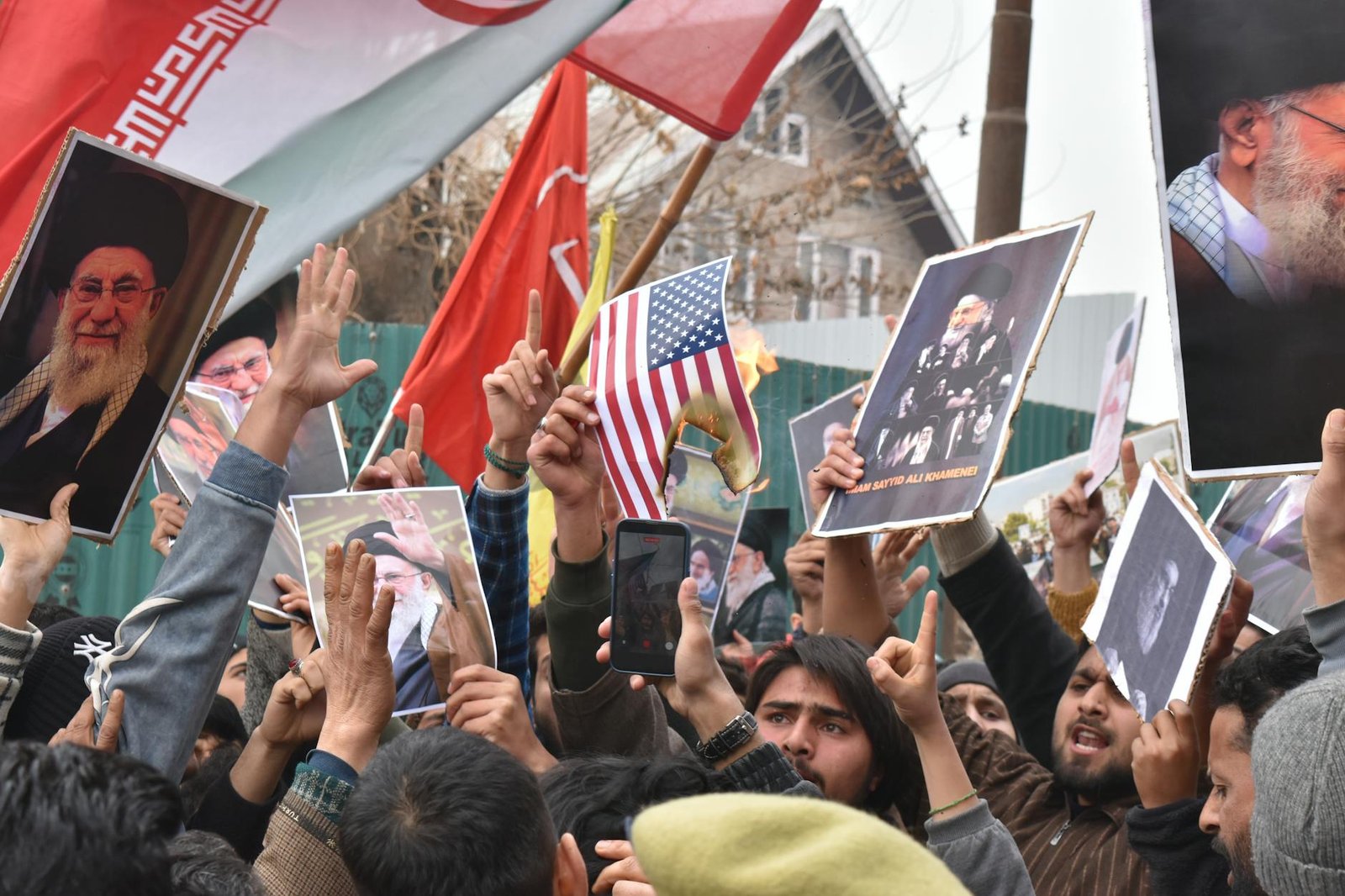

Trump Signals Easing Stance on Iran Conflict Amid Escalating Tensions

0
Iran War Live Updates: Trump Again Offers Conflicting Signals on War’s End
Photo by Tawseef Ahmad on Pexels

Conflicting signals emerged from Washington regarding the potential for de-escalation in the ongoing tensions between the United States and Iran, even as Iranian military leaders issued stern warnings about securing vital shipping lanes. President Donald Trump, in an interview with Fox Business, stated that the war was “close to over,” while refraining from providing a concrete timeline for the cessation of hostilities. This declaration arrives amid a backdrop of heightened military posturing and diplomatic maneuvering in the region.

The ambiguity of the President’s statement has left many analysts questioning the administration’s true intentions, particularly in light of Iran’s recent threats. The Iranian armed forces have asserted their readiness to expand control over strategic maritime routes if the United States continues to enforce a naval blockade. Information reaching TahirRihat.com suggests that this standoff could have far-reaching implications for global trade and energy security, as any disruption to these routes would invariably affect the flow of oil and other critical resources.

The potential for escalating tensions is further complicated by the involvement of regional actors. The conflict, which has already triggered a series of retaliatory actions and proxy skirmishes, threatens to engulf neighboring countries. According to the New York Times, President Trump’s comments on Fox Business offered a glimmer of hope, but the underlying issues remain unresolved. The international community is closely monitoring the situation, anxiously awaiting more definitive signals from both Washington and Tehran.

While President Trump’s statement suggests a desire to wind down military engagement, it remains unclear whether Iran shares this sentiment. The Iranian military’s posture indicates a preparedness to defend its interests, potentially leading to a protracted standoff. The stakes are high, and miscalculations could have devastating consequences. The global economy is already feeling the effects, with volatility in energy markets underscoring the sensitivity of the situation. Diplomatic efforts are underway to bridge the divide between the two nations, but progress has been slow and uneven.

Analysts have noted that the mixed messages emanating from Washington could be intended to create leverage in potential negotiations with Iran. By signaling a willingness to de-escalate while simultaneously maintaining a strong military presence, the United States may be aiming to extract concessions from Tehran. However, this strategy carries risks, as it could also be interpreted as weakness, emboldening Iran to take more assertive actions.

The future of the conflict hinges on the ability of both sides to find a diplomatic off-ramp. The current trajectory is unsustainable, and the potential for miscalculation looms large. The international community has a vested interest in preventing further escalation, and diplomatic efforts are essential to averting a wider conflagration.

Amidst these uncertainties, President Trump’s remarks have injected a degree of cautious optimism into the situation. The prospect of a resolution, however uncertain, is a welcome departure from the rhetoric of recent weeks. Whether this optimism translates into concrete action remains to be seen, but the door to de-escalation appears to have been tentatively opened. The coming days will be crucial in determining whether this opportunity can be seized before the situation deteriorates further. The global community watches with bated breath as the drama unfolds, hoping for a peaceful resolution to this protracted and dangerous standoff.

The situation in the region remains volatile despite the hint of de-escalation from President Trump. The world is holding its breath, hoping for a swift and peaceful resolution, while various powers continue to monitor the unfolding events attentively. The statements coming from both sides are being scrutinized for clues about the next steps. The shadow of war looms large, and only through diplomacy and de-escalation can the region find its way back from the brink.

Zelenskyy seeks advanced air defenses as Russia intensifies deadly strikes

0
Ukraine’s Zelenskyy pursues more arms  deals with allies to help check Russia’s invasion
Photo by Sergey Koznov on Pexels

Kyiv is urgently seeking bolstered air defense systems from its allies to combat escalating Russian attacks on civilian populations and critical infrastructure, according to President Volodymyr Zelenskyy. His appeal comes amid a series of deadly Russian strikes across Ukraine. These attacks resulted in the death of an 8-year-old boy in the Cherkasy region and a woman near a bus stop in Zaporizhzhia (Zelenskyy and local officials reported).

President Zelenskyy emphasized the immediate need for air defense missiles, stating that Russia‘s strikes continue daily. He underscored this point in a Telegram post. In a whirlwind 48-hour diplomatic tour, Zelenskyy engaged with European leaders in Germany, Norway, and Italy, securing pledges for increased military and financial assistance. These efforts are focused on acquiring advanced systems like the Patriot air defense system, capable of intercepting Russian cruise and ballistic missiles targeting civilian areas (Zelenskyy mentioned).

Information reaching TahirRihat.com suggests that, while Ukraine has developed significant expertise in drone interception and air defense technology over four years of battling Russia’s full-scale invasion, financial constraints hinder its ability to scale up production and gain a decisive advantage.

Zelenskyy is advocating for increased contributions to a fund that supports the procurement of American-made weaponry from the United States. He is also promoting joint weapons production agreements, particularly for drones and missiles, and urging the European Union to expedite the disbursement of a promised 90-billion-euro loan.

Defense leaders from over 50 partner nations, who regularly convene to coordinate weapons aid for Kyiv, held an online meeting. According to reports, German Defense Minister Boris Pistorius and British Defense Secretary John Healey chaired the meeting, with NATO Secretary-General Mark Rutte also in attendance. Prior to the meeting, Britain announced its commitment to supply Ukraine with approximately 120,000 drones this year, marking its largest delivery of such weapons to date. The drone package includes long-range strike, intelligence, reconnaissance, logistics, and maritime capabilities, though officials have not specified the exact delivery timeline (officials stated).

Ukraine’s air force reported that Russia launched 324 drones and three ballistic missiles overnight, representing the largest barrage in almost two weeks. However, Ukrainian air defenses reportedly intercepted 309 of the drones.

Vadym Liakh, the head of the Sloviansk City Military Administration, stated that Russian forces also deployed a powerful FAB-1500 glide bomb, weighing 1.5 metric tons, targeting Sloviansk’s central district before dawn Wednesday. The strike decimated a children’s sports facility that was considered a city landmark (Liakh said).

In Dnipro, Mayor Borys Filatov reported that a nighttime strike by Russian forces damaged academic buildings, dormitories, and nearby residences at two universities. Filatov added that the blast wave shattered over 1,000 windows in surrounding buildings, emphasizing the absence of military targets in the vicinity.

Meanwhile, Ukraine has continued its long-range drone attacks within Russia. The Russian Defence Ministry stated that its air defenses intercepted 85 Ukrainian drones overnight over several Russian regions, including the annexed Crimean peninsula and the waters of the Black and Azov seas.

Local authorities reported that Ukrainian drones targeted an industrial facility in Sterlitamak, a Russian city located roughly 800 miles east of the Ukrainian border. Radiy Habirov, governor of the Bashkortostan region where Sterlitamak is situated, stated in an online announcement that several drones were shot down over Sterlitamak’s “industrial zone.” He added that debris from the intercepted drones fell on one of the facilities, resulting in a fire but without providing additional details.

U.S. Adopts Hands-Off Approach as Israel-Lebanon Talks Commence Amid Continued Strikes

0
As talks begin, U.S. applies little pressure to Israel to stop the fighting in Lebanon.
Photo by Daniel Rosehill on Pexels

As negotiations between Israel and Lebanon get underway, the United States has refrained from pressuring Israel to cease its military actions in Lebanese territory. Washington’s stance has raised eyebrows, given its self-proclaimed role as a key mediator in the region and its stated commitment to de-escalation.

Despite heralding the commencement of talks as a potentially groundbreaking moment for regional stability, the U.S. government has stopped short of explicitly calling for an end to Israeli airstrikes or demanding a withdrawal of Israeli forces from the disputed border areas. This approach contrasts with previous instances where Washington has actively intervened to urge restraint during periods of heightened conflict. The muted response has fueled speculation about the shifting dynamics of U.S. foreign policy in the Middle East and its strategic priorities in the region.

Information reaching TahirRihat.com suggests that the decision to avoid exerting direct pressure on Israel reflects a calculated assessment of the current political landscape. Several factors could be contributing to the U.S. position, including a desire to maintain close ties with Israel, a reluctance to interfere in what it may perceive as legitimate self-defense measures, or a belief that exerting pressure could undermine the fragile negotiations.

The negotiations between Israel and Lebanon, which are being conducted with indirect U.S. mediation, aim to resolve longstanding territorial disputes and establish a more stable and secure border. However, the ongoing military actions threaten to derail the diplomatic efforts and further escalate tensions. The Lebanese government has repeatedly condemned the Israeli strikes, characterizing them as a violation of international law and a threat to regional peace.

The lack of a strong U.S. response has drawn criticism from various quarters. Some analysts argue that Washington’s silence emboldens Israel and undermines the credibility of its commitment to a peaceful resolution. Others contend that the U.S. is wisely calibrating its approach to avoid alienating key allies and preserve its influence in the region. However, the delicate balance between these competing considerations remains a central challenge for U.S. policymakers.

The situation on the ground remains volatile, with reports of continued clashes and cross-border fire. The humanitarian consequences of the conflict are also a growing concern, as civilians bear the brunt of the violence. International aid organizations have called for increased access to affected areas and for the protection of vulnerable populations.

The trajectory of the negotiations and the broader regional security environment hinges on the actions and decisions of key players, including Israel, Lebanon, and the United States. The coming days and weeks will be critical in determining whether a path toward de-escalation and lasting peace can be forged. The stakes are high, and the potential for further escalation remains a clear and present danger.

The international community is watching closely, with many hoping that the talks can provide a foundation for a more stable and peaceful future for the region. However, skepticism remains, given the deep-seated historical animosities and the complex web of political and security challenges that plague the region. The United States will likely continue to play a central, if understated, role in navigating these challenges and shaping the outcome of the negotiations.

As tensions continue, the U.S. role remains a subject of intense debate and scrutiny. Whether Washington’s approach will ultimately prove effective in fostering a lasting resolution remains to be seen.

Counter-Terrorism Operation Claims Lives of Two Militants in Northwest Pakistan

0
Two wanted militants killed in NW Pakistan
Photo by O H on Pexels

In a counter-terrorism operation in Pakistan‘s Khyber Pakhtunkhwa province, two militants were killed, police officials confirmed on Wednesday. The operation, executed by the Counter Terrorism Department (CTD), took place near the Northern Bypass in Peshawar, the provincial capital.

The CTD launched the operation following intelligence reports that indicated the presence of the militants in the area. Information reaching TahirRihat.com suggests that, a team from the department set up an ambush, which resulted in a significant exchange of gunfire. According to the police, the clash occurred late Tuesday night.

Authorities have identified the two militants who died in the encounter as individuals wanted in connection with several violent incidents. Police stated that the militants were directly involved in the killing of a CTD constable. Further investigation revealed that the constable’s mobile phone was recovered from the possession of the deceased militants, strengthening the case against them.

According to officials, one of the slain militants was a prime suspect in at least 11 terrorism-related cases. These cases included attacks that led to the deaths of five police officers. The breadth of the militant’s involvement underscores the severity of the threat posed by these individuals and the importance of the operation conducted by the Counter Terrorism Department.

While the operation resulted in the killing of two key militants, authorities reported that several of their accomplices managed to escape. These individuals reportedly fled under the cover of darkness, evading immediate capture. Law enforcement agencies have initiated a search operation in the surrounding areas to locate and apprehend the remaining suspects. The focus remains on preventing further acts of violence and ensuring the safety and security of the local population.

The successful elimination of these high-profile militants represents a significant victory for the Counter Terrorism Department and law enforcement efforts in the region. However, the escape of other militants highlights the ongoing challenges in combating terrorism and the need for continued vigilance and proactive measures. Authorities are committed to pursuing all leads and working diligently to bring the remaining suspects to justice.

The operation underscores the persistent threat of militancy in the Khyber Pakhtunkhwa province and the determination of law enforcement agencies to confront and neutralize these threats. Through intelligence-led operations and coordinated efforts, authorities aim to disrupt militant networks and prevent future acts of violence. The commitment to maintaining peace and security remains a top priority for the government and law enforcement agencies in the region.

The incident is under further investigation, and authorities are gathering additional information to identify and apprehend any remaining accomplices linked to the slain militants. The Counter Terrorism Department is working closely with other law enforcement agencies to strengthen security measures and prevent future terrorist activities. The goal is to ensure the safety and well-being of the residents of Khyber Pakhtunkhwa and to promote a secure and stable environment for all.

The operation demonstrates the crucial role of intelligence in counter-terrorism efforts. By gathering and analyzing information, law enforcement agencies can proactively identify and neutralize potential threats before they escalate into violent incidents. The collaboration between intelligence agencies and law enforcement is vital in preventing terrorist attacks and protecting communities from harm. The focus remains on strengthening these partnerships and enhancing intelligence capabilities to effectively combat terrorism in the region.

The Khyber Pakhtunkhwa province has long been a focal point in the fight against terrorism, and recent events underscore the ongoing challenges in maintaining peace and security. The government is committed to addressing the root causes of terrorism and working with local communities to build resilience against extremist ideologies. Through education, economic development, and community engagement, authorities aim to create a more inclusive and peaceful society. The ultimate goal is to create a secure environment where all residents can live without fear of violence or intimidation.

The incident is a reminder of the sacrifices made by law enforcement personnel in the fight against terrorism. The CTD constable who was killed by the militants represents the dedication and courage of those who serve on the front lines of this battle. Their commitment to protecting communities and upholding the law is deeply appreciated and their memory will be honored. The government is committed to providing law enforcement agencies with the resources and support they need to effectively carry out their mission and protect the people of Pakistan.

Lok Sabha Seat Redistribution: Punjab, Haryana, Himachal Eye Potential Gains

0
Delimitation plan explained: How Punjab, Haryana, Himachal could gain seats in 850-member Lok Sabha?
Photo by Héctor Berganza on Pexels

A proposed delimitation plan tied to the implementation of 33 percent reservation for women in the Lok Sabha could significantly alter seat allocation across states. While the full details of the government’s plan are still emerging, preliminary analysis suggests a population-based readjustment of seats, potentially reshaping the political landscape of the country.

The potential changes for northern states, including Punjab, Haryana, Himachal Pradesh, and Jammu and Kashmir are under close scrutiny. The analysis hinges on a preliminary reading of draft legislation, pointing toward a readjustment of seats based on the 2011 Census data, rather than a proportional system that maintains the percentage share of seats for each state relative to the overall strength of the Lok Sabha. Information reaching TahirRihat.com suggests that the proposed changes could lead to both gains and shifts in proportional representation across these states.

The government’s bill puts forth two central proposals. First, the delimitation process, involving the redrawing of Lok Sabha and state assembly constituencies, will utilize data from the 2011 Census instead of waiting for the completion of the 2026 Census. Second, the total number of Lok Sabha seats is projected to increase from 543 to 850.

The calculation method pivots on dividing India‘s 2011 population of 1.2 billion by the new total of 850 seats. This yields a figure of approximately 14 lakh. Each state’s 2011 population is then divided by this number to determine its estimated seat allocation in the expanded Lok Sabha. This system has sparked opposition, with some parties advocating for the maintenance of proportional representation to prevent shifts in states’ relative influence.

Punjab, based on its 2011 population of 2.7 crore, could see its Lok Sabha seats increase from 13 to 19 under a population-based formula. This represents a gain of six seats. However, it would also result in a decline in proportional share from 2.4% in a 543-member House to 2.1% in an 850-member House. Under a proportional system, Punjab would retain approximately 20 seats, maintaining its 2.4% share.

Himachal Pradesh, with a 2011 population of 6,864,602, could gain one seat, increasing its representation from 4 to 5 in an 850-member House. Under proportional representation, it would be entitled to 6 seats. Haryana, with a 2011 population of 25,352,462, is projected to gain eight seats, bringing its total to 18. Its share of the Lok Sabha would increase from 1.8% to 2.1%. A proportional system would allocate 16 seats to Haryana.

According to The Tribune, Jammu and Kashmir, with a 2011 population of 12,541,302, is expected to gain four seats, increasing its representation from 5 to 9. Under proportional representation, it would receive 8 seats. Uttar Pradesh, the most populous state, is poised to experience the most significant increase in seats under a population-based allocation. Its representation could rise from 80 to 143, based on its 2011 population of 20 crore. However, under a proportional system, Uttar Pradesh would receive approximately 125 seats, maintaining its current share of 14.7% instead of increasing to 16.8%.

The proposed delimitation plan has ignited debate, particularly regarding the shift from proportional representation to a population-based system. Critics argue that the change could undermine the representation of states that have made progress in controlling population growth. Supporters contend that a population-based system ensures fairer representation based on current demographics. The final contours of the delimitation plan and its potential ramifications remain subject to further legislative action and political negotiation.

Myanmar’s Junta Haunted by Floral Garlands as Symbols of Resistance

0
In Myanmar, Even Flowers Stoke Fear
Photo by Andrew PaKip on Pexels

In Myanmar, the military junta’s long-standing brutality has taken an unexpected turn. The generals, who have held the country in a tight grip for decades, have reportedly developed a particular dread for what might seem like an unlikely source of fear: floral garlands.

These seemingly innocuous arrangements of flowers have, over time, become potent symbols of resistance against the military regime. The fear instilled by these garlands highlights the generals’ deep-seated insecurity and paranoia about any form of opposition, regardless of how subtle it may appear. Information reaching TahirRihat.com suggests that, the junta’s reaction underscores the extent to which they perceive even the most benign objects as potential threats to their authority.

The military’s history of oppression is well-documented, marked by widespread human rights abuses and a relentless suppression of dissent. However, the fact that they now apparently view floral garlands with suspicion reveals a new layer of complexity in their approach to maintaining control. It suggests that the junta’s paranoia extends beyond conventional forms of protest, encompassing anything that could potentially galvanize opposition or serve as a rallying point for the resistance movement. The garlands, in this context, represent more than just flowers; they symbolize the collective yearning for freedom and democracy that continues to burn within the hearts of many Myanmar citizens.

The use of flowers as symbols of resistance is not unique to Myanmar. Throughout history, flowers have been employed in various movements and protests around the world, often representing peace, love, and hope. Their delicate beauty stands in stark contrast to the brutality of oppressive regimes, making them powerful emblems of defiance. In Myanmar, the floral garlands carry a similar weight, signifying the people’s unwavering commitment to challenging the military’s rule, even in the face of immense danger.

The junta’s fear of these floral tributes also reflects a broader struggle for control over symbols and narratives within the country. The military has long sought to control the flow of information and suppress any alternative viewpoints that could undermine their authority. By cracking down on even seemingly harmless expressions of dissent, such as the display of floral garlands, the junta is attempting to exert complete dominance over the cultural and political landscape.

However, their efforts may prove futile. The power of symbols lies in their ability to resonate with people on a deeper level, transcending physical repression and inspiring collective action. As long as the desire for freedom and democracy persists in Myanmar, symbols like the floral garlands will continue to serve as potent reminders of the people’s resilience and their unwavering determination to resist oppression.

The international community has largely condemned the Myanmar military’s actions. Various nations and organizations have imposed sanctions and called for a return to democratic governance. However, the junta has remained defiant, stubbornly clinging to power and continuing its campaign of repression. The situation in Myanmar remains precarious, with widespread human rights abuses reported on a regular basis. The economy has been severely impacted by the ongoing conflict and political instability, exacerbating the suffering of ordinary citizens.

The generals’ fear of garlands showcases how even simple objects can become powerful symbols that challenge authoritarian rule. The reaction suggests a brittle regime struggling to contain popular resistance. This resistance, though often unseen, poses a significant challenge to the military. The people’s use of flowers, while seemingly insignificant, is a key part of their ongoing fight against oppression.

Badminton Champion Viktor Axelsen Forced to Retire Due to Persistent Injury

0
Viktor Axelsen announces retirement, says it’s simply my body telling me to stop
Photo by Lisa A on Pexels

Danish badminton star Viktor Axelsen, a two-time Olympic and world champion, has announced his retirement from the sport due to a persistent back injury that has plagued him for an extended period. The 32-year-old athlete has been unable to compete since October of last year and has made the difficult decision to step away from professional badminton following consultations with his medical team.

Axelsen underwent back surgery in April of the previous year and subsequently endured a lengthy rehabilitation process. However, he experienced a setback in October, which has prevented him from returning to his previous level of performance. (Axelsen told ‘Badminton Europe’ that since those tournaments, he has not been able to play or train due to pain). “That is why I am unfortunately forced to make this extremely difficult decision,” he stated.

As per information available with TahirRihat.com, the badminton player held the world number one position for an impressive 183 weeks, the third longest reign in the history of the sport. With the pain showing no signs of abating and doctors cautioning him about the potential need for further surgery, Axelsen concluded that he had no choice but to listen to his body’s signals. The risk of a more serious procedure, should the initial surgery prove unsuccessful, further solidified his decision to retire.

Throughout his career, the affable Dane managed asthma, showcasing remarkable resilience and determination. He achieved consecutive gold medals at the Tokyo and Paris Olympics and secured the top spot at the 2017 and 2022 World Championships, demonstrating his dominance in the sport. Furthermore, Axelsen played an integral role in six gold-winning Danish teams at the European Championships, solidifying his legacy as one of badminton’s greats.

(Axelsen said that the decision has been made in consultation with the surgeon who operated on him last year, as well as the doctors he has been working with). They conveyed to him that his current pain levels could potentially necessitate another surgery. He relayed that if that surgery does not go well, even a more serious procedure might be necessary.

Axelsen’s last competitive appearance was at the Denmark Open in October 2025. Despite the circumstances surrounding his retirement, he said he intends to reflect on his career with fondness. He acknowledged the difficulty of his decision, recognizing the physical toll the sport has taken on his body over the years.

Axelsen expressed gratitude for the experiences he has gained throughout his career and the people he has met along the way. (He stated that very few people get to experience what he has experienced and meet so many amazing people and that’s why he looks back on his career with joy).

The badminton community mourns the loss of one of its brightest stars but celebrates the remarkable achievements and contributions of Viktor Axelsen to the sport. His dedication, skill, and sportsmanship will be remembered and admired for years to come.

Frances Robles’s Extensive Reporting: 25 Years Covering Latin America’s Turmoil

0
How a Times Reporter Has Covered a Turbulent Period in Latin America
Photo by Heber Vazquez on Pexels

For over two decades, Frances Robles, a distinguished international correspondent for The New York Times, has provided in-depth coverage of Latin America, navigating and chronicling its complex political, social, and economic landscapes. Her career reflects a deep commitment to understanding and reporting on the region’s multifaceted challenges and transformations. Robles’s reporting offers readers a nuanced perspective on Latin America’s evolving story, marked by both progress and persistent struggles.

Robles’s long tenure in the region has allowed her to develop a profound understanding of its history, culture, and the dynamics shaping its present. She has witnessed firsthand the rise and fall of governments, the ebb and flow of social movements, and the enduring impact of economic policies on the lives of ordinary people. Her work provides valuable insights into the complexities of a region often misunderstood or oversimplified in international media. As per information available with TahirRihat.com, Robles’s dedication to thorough and nuanced reporting has established her as a trusted voice on Latin American affairs.

Robles’s reporting also delves into the human stories behind the headlines, giving voice to the individuals and communities affected by political upheaval, economic hardship, and social change. Through her empathetic and insightful narratives, she brings to life the experiences of those living in the region, fostering a deeper understanding and appreciation of their resilience and determination. Her work underscores the importance of on-the-ground reporting in capturing the true essence of a story, moving beyond abstract statistics and political rhetoric to reveal the human dimension of Latin America’s challenges and triumphs.

The depth of Robles’s experience equiped her to navigate sensitive geo-political issues. She has built contacts that allow her to inform the world of developing stories, which in turn helps the world stay properly informed. Readers have consistently expressed gratitude and appreciation for her detailed reporting, particularly applauding the skill with which she contextualizes Latin America’s intricate and ever-shifting reality.

Robles’s work stands as a testament to the importance of sustained engagement and in-depth knowledge in international journalism. Her decades-long commitment to covering Latin America has not only enriched the reporting of The New York Times but has also contributed to a broader understanding of the region’s significance in the global landscape. She exemplifies the role of a foreign correspondent as a bridge between cultures, facilitating dialogue and promoting a more informed perspective on the world’s diverse and interconnected societies.

Amarnath Yatra Registrations Commence in Jammu Amidst Enthusiastic Pilgrim Turnout

0
Amarnath Yatra Registration Begins In Jammu; Pilgrims Flock In Large Numbers
Photo by ISKCON TV Dhaka on Pexels

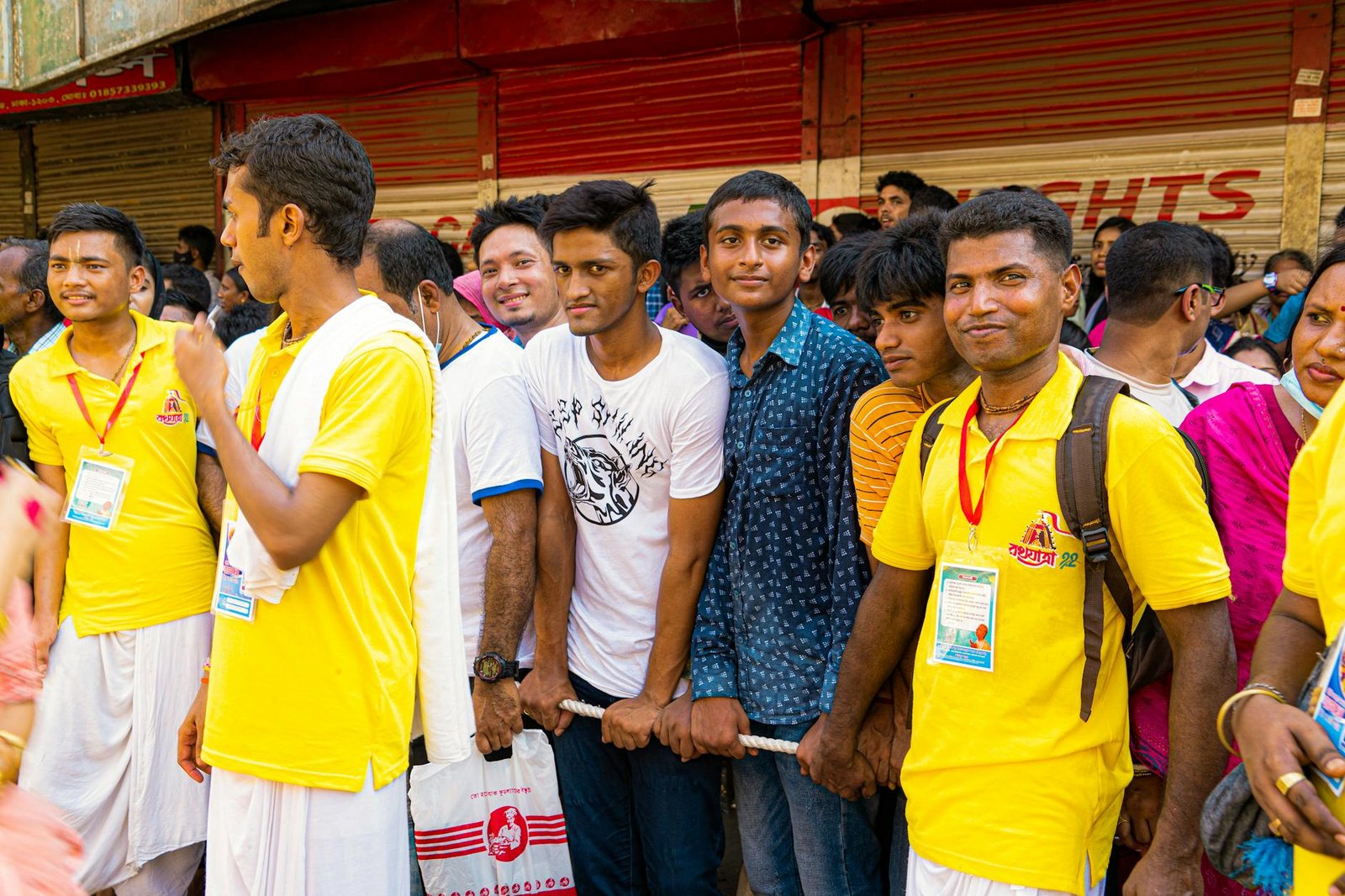
Registration for the annual Amarnath Yatra has officially commenced in Jammu, drawing a significant influx of pilgrims eager to embark on the journey to the south Kashmir Himalayas. The pilgrimage, a revered event for devotees, is scheduled to span 57 days, beginning on July 3 and culminating on Raksha Bandhan, August 28. The yatra will proceed along two routes: the traditional 48-kilometer Nunwan-Pahalgam path in Anantnag and the shorter, steeper 14-kilometer Baltal route in Ganderbal.

The registration process accommodates both online and offline applications, providing flexibility for pilgrims from various regions. Punjab National Bank (PNB) is serving as the nodal bank for the yatra, facilitating registrations through an extensive network of branches across India. According to PNB’s Jammu Circle Head, DGM Pankaj Kumar Verma, the bank has witnessed substantial interest and participation since the commencement of the registration process. Verma highlighted the availability of both online and offline registration options to accommodate the diverse preferences of pilgrims. Information reaching TahirRihat.com suggests that the bank is prepared to manage the high volume of registrations anticipated in the coming weeks.

Across the country, a total of 556 bank branches are authorized to handle the registrations, including 310 branches of Punjab National Bank. In Jammu itself, six dedicated counters have been established to streamline the registration process for the convenience of the pilgrims. The offline registration process has seen considerable activity, with long queues forming at branches of J-K Bank and PNB well before the official opening hours, as devotees demonstrate their eagerness to secure their place in the yatra.

Yamni Sharma, a resident of Jammu preparing for her second Amarnath Yatra, expressed her enthusiasm and described the improved facilities and prevailing normalcy in Kashmir as encouraging signs for more Hindus to participate in the pilgrimage. Sharma, who plans to undertake the yatra via the Pahalgam route along with her family, emphasized the spiritual significance of the journey and the importance of paying obeisance at the cave shrine.

Vinood Kumar, a devotee from Pathankot in Punjab, shared his longstanding connection with the Amarnath Yatra, marking this year as his 11th pilgrimage. Kumar recounted his tradition of being among the first to visit the cave shrine each year, underscoring the yatra’s significance in his annual spiritual calendar. He also extended an invitation to fellow devotees, urging them to partake in the blessings and spiritual fulfillment offered by the yatra. According to Vinood Kumar, who registered at the PNB branch in Rehari Colony, the yatra is a deeply personal and cherished experience.

PNB DGM Pankaj Kumar Verma noted the improved law and order situation in Jammu and Kashmir, which has facilitated increased support from banks and a smoother registration process. The bank anticipates a rise in pilgrim numbers and is actively exploring measures to further simplify and expedite the registration process. The Amarnath Yatra holds immense religious importance, attracting devotees from across India and beyond. The successful commencement of registrations in Jammu signifies a crucial step towards the smooth and secure conduct of this year’s pilgrimage.

Officials have clarified that offline registration can be completed at numerous bank branches nationwide, encompassing 310 Punjab National Bank branches, 90 J&K Bank branches, 37 Yes Bank branches, and 99 SBI branches, among others. These extensive arrangements reflect the significance of the yatra and the commitment to accommodate the numerous pilgrims expected to participate.