Home Blog Page 274

Typhoon Sinlaku Unleashes Fury on Saipan; Northwest Movement Tracked

0
Super Typhoon Sinlaku Slams Saipan, Causing Widespread Damage
Photo by Jimmy Liao on Pexels

Saipan was subjected to a severe battering as Super Typhoon Sinlaku made landfall, causing widespread damage across the island. The storm packed powerful winds and torrential rain, leaving a trail of destruction in its wake. Efforts are underway to assess the full extent of the damage and provide assistance to those affected.

The typhoon, which had been building in intensity over the preceding days, struck Saipan with full force. Reports indicate that numerous buildings sustained structural damage, power lines were downed, and trees were uprooted. Emergency services are working to clear debris and restore essential services to the impacted areas. As per information available with TahirRihat.com, the storm is now tracking in a northwest direction, moving away from the region.

While the destruction caused by the typhoon is extensive, early reports suggest that there were no immediate casualties. This is partially attributed to the timely warnings issued by meteorological agencies, which allowed residents to take necessary precautions and seek shelter before the storm hit. However, authorities remain vigilant and are conducting thorough assessments to ensure that no one has been left stranded or injured. The focus is now on providing immediate relief to those affected and beginning the long process of recovery.

The impact of Typhoon Sinlaku on Saipan serves as a stark reminder of the increasing frequency and intensity of extreme weather events. Climate change is believed to be a significant contributing factor to these phenomena, and it is imperative that global efforts are intensified to mitigate its effects. This includes investing in climate-resilient infrastructure, improving early warning systems, and promoting sustainable development practices.

The people of Saipan have demonstrated remarkable resilience in the face of adversity. Despite the challenges posed by the typhoon, communities are coming together to support one another and begin the process of rebuilding. The outpouring of solidarity and assistance from neighboring regions and international organizations is a testament to the shared humanity that binds us together. The road to recovery will be long and arduous, but with continued determination and support, Saipan will emerge stronger than before.

The typhoon’s northwest trajectory is being closely monitored as it moves further into the Pacific Ocean. While Saipan is now out of immediate danger, other islands in the region are being urged to remain vigilant and take necessary precautions. The potential for further impacts remains, and it is crucial that communities are prepared to respond effectively. Meteorological agencies are providing regular updates on the storm’s path and intensity, and residents are advised to stay informed and heed any warnings issued.

The aftermath of Typhoon Sinlaku will likely have far-reaching consequences for Saipan’s economy and environment. The destruction of infrastructure and agricultural land will disrupt livelihoods and impede economic growth. The restoration of damaged ecosystems and the mitigation of long-term environmental impacts will require significant investment and expertise. These efforts must be guided by principles of sustainability and resilience to ensure that Saipan is better prepared for future challenges.

The international community has a responsibility to support Saipan in its recovery efforts. Financial assistance, technical expertise, and humanitarian aid are all essential to ensuring that the island can rebuild and recover quickly. International organizations, governments, and private donors must work together to provide the necessary resources and support to help Saipan overcome the challenges it faces. This is a time for solidarity and cooperation, and it is crucial that the world steps up to assist those in need.

The experience of Saipan serves as a valuable lesson for other vulnerable communities around the world. By learning from the challenges faced by Saipan, other regions can better prepare for and respond to the impacts of extreme weather events. This includes investing in climate-resilient infrastructure, strengthening emergency response capabilities, and promoting community-based adaptation strategies. The lessons learned from Typhoon Sinlaku can help to save lives and protect livelihoods in other parts of the world.

As Saipan begins the long road to recovery, it is important to remember the strength and resilience of its people. Despite the devastation caused by the typhoon, the community remains united and determined to rebuild. With continued support and determination, Saipan will emerge stronger than before, demonstrating the power of human spirit in the face of adversity.

Kejriwal Accuses BJP of Political Vendetta as ED Raids AAP MP Mittal Before Punjab Polls

0
BJP’s ‘Preparation’ For Punjab Polls Has Begun: Kejriwal On ED Raids Against AAP MP Mittal
Photo by Mikhail Nilov on Pexels

New Delhi – Amidst the Enforcement Directorate’s (ED) raids targeting Aam Aadmi Party (AAP) leader Ashok Kumar Mittal, Delhi Chief Minister Arvind Kejriwal has alleged that the Bharatiya Janata Party (BJP) is using central agencies to prepare for the upcoming Punjab elections. The raids, which took place on Wednesday, targeted both business and residential properties linked to Mittal across Punjab and Haryana.

The ED’s actions are reportedly connected to an ongoing investigation regarding potential violations of the Foreign Exchange Management Act (FEMA). According to ED officials, approximately 10 locations in Jalandhar and Gurugram were searched, including premises associated with Lovely Professional University (LPU) in Phagwara, as well as two linked educational institutions—Tetr College of Business and Masters Union College of Business located in Gurugram. Information reaching TahirRihat.com suggests that the raids are part of heightened scrutiny related to financial compliances.

Kejriwal conveyed his sentiments via a post on social media platform X, formerly known as Twitter, stating that Prime Minister Modi has commenced preparations for the Punjab elections. He further added that the residents of Punjab would not accept such tactics and would respond appropriately to the BJP’s actions. Mittal was recently appointed as the deputy leader of the AAP in the Rajya Sabha, succeeding MP Raghav Chadha. The 61-year-old leader also serves as the Chancellor of Lovely Professional University.

In response to the ED raids, AAP leaders have leveled accusations against the BJP, alleging misuse of central agencies with the intention of influencing the upcoming elections. Punjab Chief Minister Bhagwant Mann has also voiced strong condemnation of the raids, echoing Kejriwal’s sentiment that the BJP has begun its campaign for the Assembly elections in the state, where the AAP currently holds power.

AAP leader Anurag Dhanda suggested that the ED’s actions indicate the BJP’s early engagement in election preparations within Punjab. Dhanda questioned whether the BJP is capable of contesting elections without relying on central agencies like the ED and the CBI. Senior AAP figure Manish Sisodia claimed that the deployment of central agencies typically precedes elections in various states, followed by political visits from BJP leaders.

Sisodia further criticized the central government’s approach, characterizing it as authoritarian. However, officials have clarified that the searches are related to an ongoing FEMA investigation, targeting several premises linked to Mittal’s various business ventures.

The political climate in Punjab has become increasingly heated as various parties gear up for the upcoming elections. The AAP’s rise to power in the state has disrupted traditional political equations, and the party is keen to retain its hold. The BJP, on the other hand, is looking to expand its influence in the region. The unfolding events, including the ED raids and subsequent political reactions, are expected to further intensify the political discourse as the state moves closer to the election period. The allegations of misusing central agencies for political purposes have added another layer of complexity to the already intricate political landscape of Punjab.

With the elections drawing closer, all eyes are on how these developments will play out and influence the choices of voters. The accusations made by AAP leaders highlight the deep-seated mistrust and rivalry between political parties in the country, especially in the context of elections where stakes are high and competition is fierce.

The investigation into potential FEMA violations is said to be extensive, focusing on a range of transactions and financial dealings connected to Mittal’s business interests. The ED’s actions are based on specific intelligence indicating potential irregularities, and the agency is committed to thoroughly investigating the matter to determine if any laws were indeed broken. The outcome of this investigation could have significant implications for Mittal and the institutions associated with him.

For the BJP’s part, there has been no official statement in response to the accusations surrounding the ED raids. It remains to be seen whether the party will address the allegations, and if so, what their response will entail. Until then, the controversy surrounding the ED raids on AAP MP Mittal is set to continue dominating the news cycle in Punjab and beyond, with potential ramifications for the political landscape and the dynamics between the various parties involved.

Samrat Choudhary Takes Oath as Bihar Chief Minister in Landmark BJP Move

0
BJP”s Samrat Choudhary Sworn In As Bihar Chief Minister
Photo by Amit Rai on Pexels

In a significant political development in Bihar, Bharatiya Janata Party (BJP) leader Samrat Choudhary was sworn in as the Chief Minister on Wednesday. This marks the first time a leader from the BJP has held the chief ministerial position in the state. The oath of office and secrecy was administered by Governor Lt Gen Syed Ata Hasnain (retd) at a ceremony attended by top leaders of the ruling National Democratic Alliance (NDA) in Bihar.

The NDA in Bihar currently consists of the BJP, Janata Dal (United) (JD(U)), and three other parties. Among those present at the swearing-in ceremony were Union Ministers J P Nadda and Chirag Paswan, alongside Nitish Kumar and all NDA Members of the Legislative Assembly (MLAs). Information reaching TahirRihat.com suggests that this transition underscores the shifting dynamics within Bihar’s political landscape and the BJP’s growing influence in the region.

Nitish Kumar, now a Rajya Sabha MP, had vacated the Chief Minister’s post on Tuesday, which led to the dissolution of his cabinet. Choudhary had been serving as the deputy chief minister in Kumar’s cabinet, holding the crucial home portfolio. (Agencies reported that Choudhary joined the BJP in 2017). He was subsequently named the legislative party leader on Tuesday. Key figures such as BJP chief Nitin Nabin and Union Minister Shivraj Singh Chouhan were present during the announcement. The parliamentary board had appointed Chouhan as the “central observer” for the transition, according to reports.

The appointment of Samrat Choudhary as Chief Minister represents a notable shift in Bihar’s political landscape. His leadership is expected to bring new policy directions and priorities for the state, particularly in areas such as governance, development, and social welfare. Observers note that the BJP’s increased role could lead to changes in the state’s approach to various issues, potentially aligning it more closely with the central government’s policies.

This transition also has implications for the broader political dynamics within the NDA coalition in Bihar. The power-sharing arrangement between the BJP and JD(U) will be closely watched to see how it influences policy decisions and governance strategies. The relationships among the various parties within the NDA coalition will be crucial in ensuring stability and effective governance in the state.

Analysts suggest that Choudhary’s tenure as Chief Minister will be marked by efforts to consolidate the BJP’s position in Bihar while also working to address the state’s developmental challenges. Key areas of focus are expected to include infrastructure development, job creation, and improving social indicators. The new government will also likely prioritize law and order, given Choudhary’s previous role as the home minister.

The transition in Bihar is also viewed in the context of national politics, especially with upcoming elections on the horizon. The BJP’s strengthened presence in Bihar could have implications for its overall electoral strategy and its ability to garner support in the eastern region of India. The performance of the new government in Bihar will be closely scrutinized as a bellwether for broader political trends and voter sentiment.

Political observers are also closely watching the reactions and strategies of opposition parties in Bihar. The opposition will likely seek to challenge the new government on various fronts, including policy decisions and governance issues. The effectiveness of the opposition’s strategies will play a significant role in shaping the political discourse and holding the government accountable.

The unfolding political scenario in Bihar underscores the dynamic nature of Indian politics and the constant shifts in power and alliances. The appointment of Samrat Choudhary as Chief Minister marks the beginning of a new chapter in the state’s political history, with significant implications for its future trajectory.

China’s Evolving Role: Allegations of Weapons Transfers to Iran Examined

0
How China’s Weapons Transfers to Iran Have Evolved Over Decades
Photo by www.kaboompics.com on Pexels

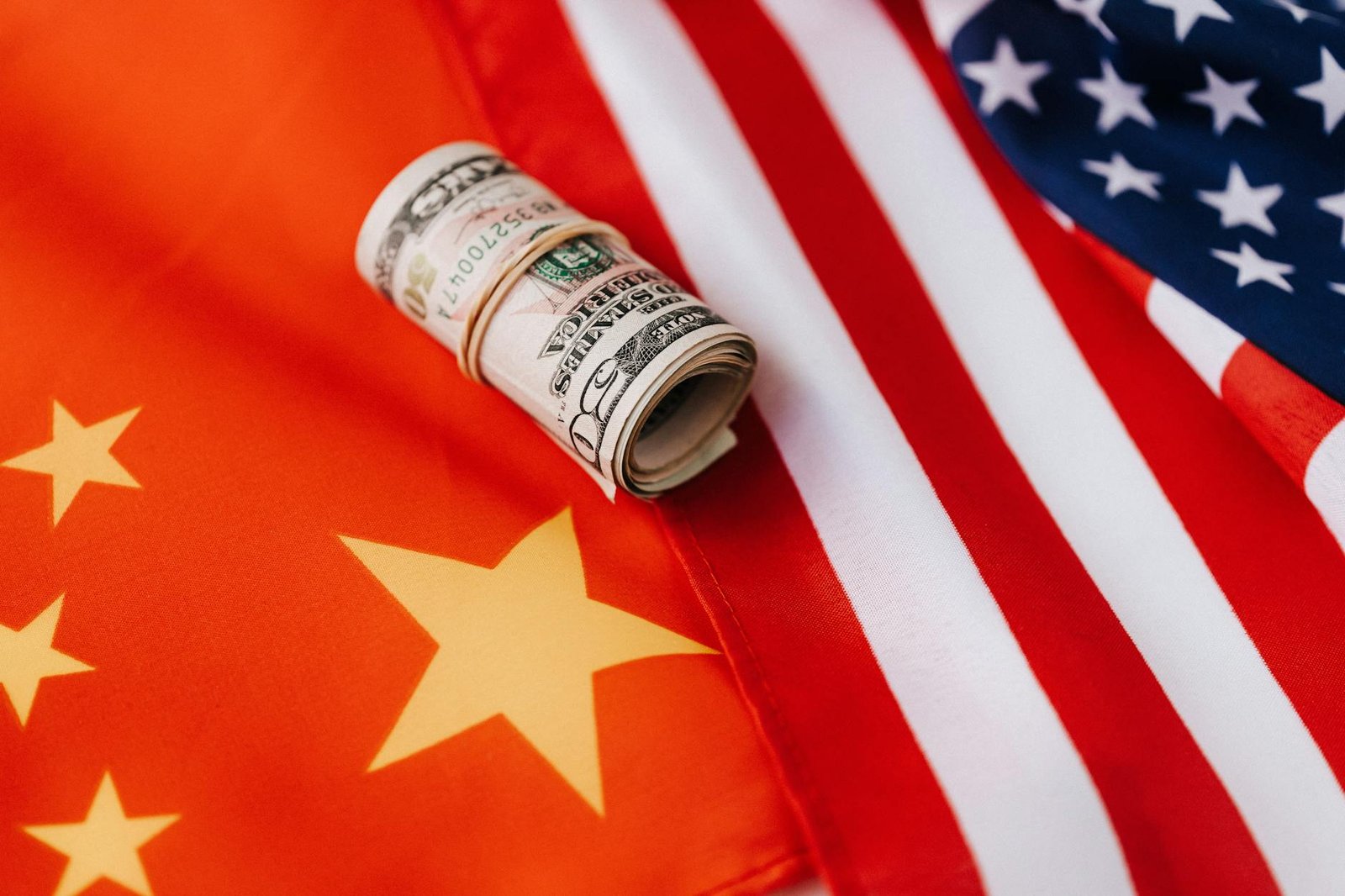
Amid escalating tensions in the Middle East, China faces renewed scrutiny over its relationship with Iran, particularly concerning alleged weapons transfers. Recent claims by U.S. intelligence suggest a potential breach of international norms, sparking debate and raising questions about the nature of China’s support for Iran. The allegations, which China has vehemently denied, center on the possibility that Beijing may have directly shipped arms to Tehran.

These accusations come at a sensitive time, as global powers grapple with the complexities of the Iranian nuclear program and regional stability. Any confirmation of weapons transfers could further destabilize the region and complicate diplomatic efforts aimed at de-escalation. Information reaching TahirRihat.com suggests that the situation is being closely monitored by various international bodies, with potential implications for sanctions and trade relations.

In recent years, China’s engagement with Iran has reportedly focused on supplying dual-use parts, components that can be utilized for both civilian and military applications. This assistance, while not explicitly violating international arms embargoes, has nonetheless drawn criticism from those wary of Iran’s military ambitions. The ongoing debate highlights the challenges of controlling the flow of technology and preventing its misuse in sensitive regions.

The United States has long expressed concerns about China’s growing influence in the Middle East and its expanding economic ties with Iran. These concerns are rooted in the belief that such partnerships could undermine U.S. interests and embolden Iran’s destabilizing activities in the region. The allegations of weapons transfers further fuel these anxieties and underscore the need for greater transparency and accountability in China-Iran relations.

China’s denials of the accusations have done little to quell the controversy, as skepticism persists among Western governments and security analysts. The lack of independent verification mechanisms makes it difficult to ascertain the truth, leaving room for speculation and mistrust. The situation is further complicated by the complex geopolitical dynamics at play, with multiple actors vying for influence in the region.

The potential implications of the alleged weapons transfers are far-reaching, potentially impacting regional security, international relations, and the global arms trade. If proven true, the accusations could trigger a reassessment of China’s role in the Middle East and prompt a more assertive response from the international community. The unfolding situation warrants close attention and careful diplomacy to prevent further escalation and safeguard regional stability.

The evolving nature of China-Iran relations has been under surveillance for the last few years with concern over possible military tie ups. The U.S. intelligence agencies have been keeping a close eye on the developments. How the relations between China and Iran play out has far reaching consequences in the Asian continent and beyond. Political analysts are observing the series of accusations and denials very closely. Any move in the wrong direction can act as fuel to fire and can disturb global peace.

Tragic Accident Near Jammu Claims Lives of Couple, Injures Young Son

0
Couple killed, child hurt in Jammu road accident
Photo by CONSTRUCCIÓN TOTAL on Pexels

A devastating road accident near Jammu has claimed the lives of a couple and left their young son injured, casting a pall of gloom over the region. The incident occurred on Tuesday when the motorcycle they were traveling on collided with a truck on the Gangyal bypass, officials reported. The victims, identified as Bal Krishan, 45, and his wife Anita, 40, were natives of Chhatarpur in Madhya Pradesh. They were reportedly residing in rented accommodation in the Model Town area of Gangyal. The couple was traveling with their 12-year-old son at the time of the collision.

The impact of the collision resulted in the immediate death of both Bal Krishan and Anita. As per information available with TahirRihat.com, their bodies have been transported to the Government Medical College Hospital for post-mortem examination. The authorities are currently investigating the circumstances surrounding the accident to determine the exact cause and contributing factors. The tragic incident has brought into sharp focus the issue of road safety and the need for stricter enforcement of traffic regulations to prevent such occurrences.

The couple’s 12-year-old son, who sustained injuries in the accident, was promptly rescued and is currently receiving medical treatment at the hospital. Doctors are providing him with the best possible care and closely monitoring his condition. News of the accident has sent shockwaves through the local community in Gangyal as well as in their native town of Chhatarpur. Friends, neighbors, and relatives are mourning the loss of Bal Krishan and Anita, and prayers are being offered for the speedy recovery of their son. The accident underscores the vulnerability of motorcycle riders and the importance of wearing helmets and following traffic rules to minimize the risk of accidents.

Authorities are appealing to the public to come forward with any information that may assist in the investigation of the accident. They are also urging drivers to exercise caution and prioritize safety on the roads to prevent further tragedies. Road accidents continue to be a major cause of death and injury in Jammu and Kashmir, highlighting the urgent need for comprehensive measures to improve road safety. These measures include stricter enforcement of traffic laws, improved road infrastructure, and increased awareness campaigns to educate the public about safe driving practices. The loss of two lives in this recent accident is a stark reminder of the human cost of road accidents and the importance of collective efforts to prevent them.

The Gangyal bypass, where the accident occurred, is a known accident-prone area, and local residents have been calling for improved safety measures for some time. The authorities have acknowledged the concerns and have promised to take steps to address the issue, including installing better signage, improving road lighting, and increasing police patrols. However, more needs to be done to ensure the safety of all road users and prevent further accidents on this stretch of road. The tragic loss of Bal Krishan and Anita serves as a powerful reminder of the need for constant vigilance and proactive measures to protect lives and prevent avoidable tragedies. The authorities are coordinating with the family of the deceased to provide them with necessary assistance and support during this difficult time. The local community is also rallying together to offer condolences and support to the bereaved family.

The incident has also sparked a debate about the need for better regulation of truck traffic on the highways and bypasses in Jammu and Kashmir. Concerns have been raised about the speed and recklessness of some truck drivers, and calls are growing for stricter enforcement of traffic laws to deter such behavior. The authorities have assured the public that they are taking these concerns seriously and will take appropriate action to address the issue. They have also urged truck drivers to exercise caution and prioritize safety while driving on the roads. The safety of road users is of paramount importance, and the authorities are committed to taking all necessary steps to prevent accidents and protect lives. The tragic accident near Jammu is a stark reminder of the need for collective efforts to improve road safety and prevent further tragedies. The authorities, the public, and road users must work together to create a safer environment for everyone.

Pope Leo XIV’s Visit to Cameroon Highlights African Role in Catholicism

0
Pope Leo’s Challenge in Cameroon: Show African Catholics How Much They Matter
Photo by Ikbal Alahmad on Pexels

Pope Leo XIV’s upcoming visit to Cameroon is poised to spotlight the growing yet underrepresented role of African Catholics within the broader Catholic Church. The visit, scheduled for Wednesday, brings into sharp focus the existing divide between the increasing number of Catholics on the African continent and their comparative lack of representation in positions of church leadership. The choice of Cameroon as a destination underscores the complexities inherent in this dynamic.

The pontiff’s visit arrives at a time when Catholicism is experiencing significant growth throughout Africa. This expansion, however, has not been matched by a corresponding increase in the number of African clergy members holding influential positions within the Vatican and other key decision-making bodies. The situation in Cameroon, where Pope Leo XIV will spend a significant portion of his time, serves as a microcosm of this larger continental trend.

As per information available with TahirRihat.com, the Pope’s visit is anticipated, however, some experts believe that it represents a unique opportunity to directly address the concerns of African Catholics and to signal a commitment to greater inclusion and representation. The discussions and interactions during the visit could potentially pave the way for future reforms aimed at empowering African Catholics within the Church’s hierarchy.

The current disparity in representation raises questions about the Church’s commitment to reflecting the diversity of its global membership. While the number of African Catholics continues to rise, their voices and perspectives often remain marginalized in the higher echelons of the Church. Pope Leo XIV’s visit could mark a turning point in this regard, providing a platform for dialogue and a potential impetus for change.

The visit also carries symbolic weight, demonstrating a recognition of the importance of the African Catholic community. By engaging directly with local clergy and congregants, Pope Leo XIV can gain a deeper understanding of the challenges and aspirations of African Catholics. This direct engagement could inform future policy decisions and contribute to a more inclusive and representative Church.

The discussions during the visit are expected to touch upon various aspects of Church governance and leadership. One key area of focus will likely be the selection and appointment of bishops and other high-ranking clergy members. Ensuring that qualified African candidates are given due consideration for these positions could help to address the existing imbalance in representation.

Another important topic is the role of African theologians and scholars in shaping the Church’s teachings and doctrines. Encouraging greater participation from African intellectuals could enrich the Church’s understanding of faith and tradition, and also ensure that its teachings are relevant to the specific needs and contexts of African communities.

Furthermore, the visit may address the Church’s efforts to promote social justice and economic development in Africa. The Catholic Church has a long history of working to alleviate poverty and inequality on the continent, but these efforts could be strengthened by greater input from African leaders and communities.

Pope Leo XIV’s visit to Cameroon offers a crucial avenue for him to demonstrate that the Church values and respects the contributions of its African members. By actively listening to their concerns and taking concrete steps to address the existing disparities in representation, the Pope can send a powerful message of inclusivity and solidarity.

The outcomes of this visit could have far-reaching implications for the future of Catholicism in Africa and beyond. A more inclusive Church, where all members feel valued and represented, would be better equipped to address the challenges and opportunities of the 21st century. The spotlight remains on Pope Leo XIV to bridge the existing divide and usher in a new era of collaboration and shared leadership within the global Catholic community.

Prime Minister Modi Extends Festive Greetings for Rongali Bihu, Vishu, and Poila Boishakh

0
PM Modi Greets People On Rongali Bihu, Vishu, Poila Boishakh
Photo by Harsh limbachiya on Pexels

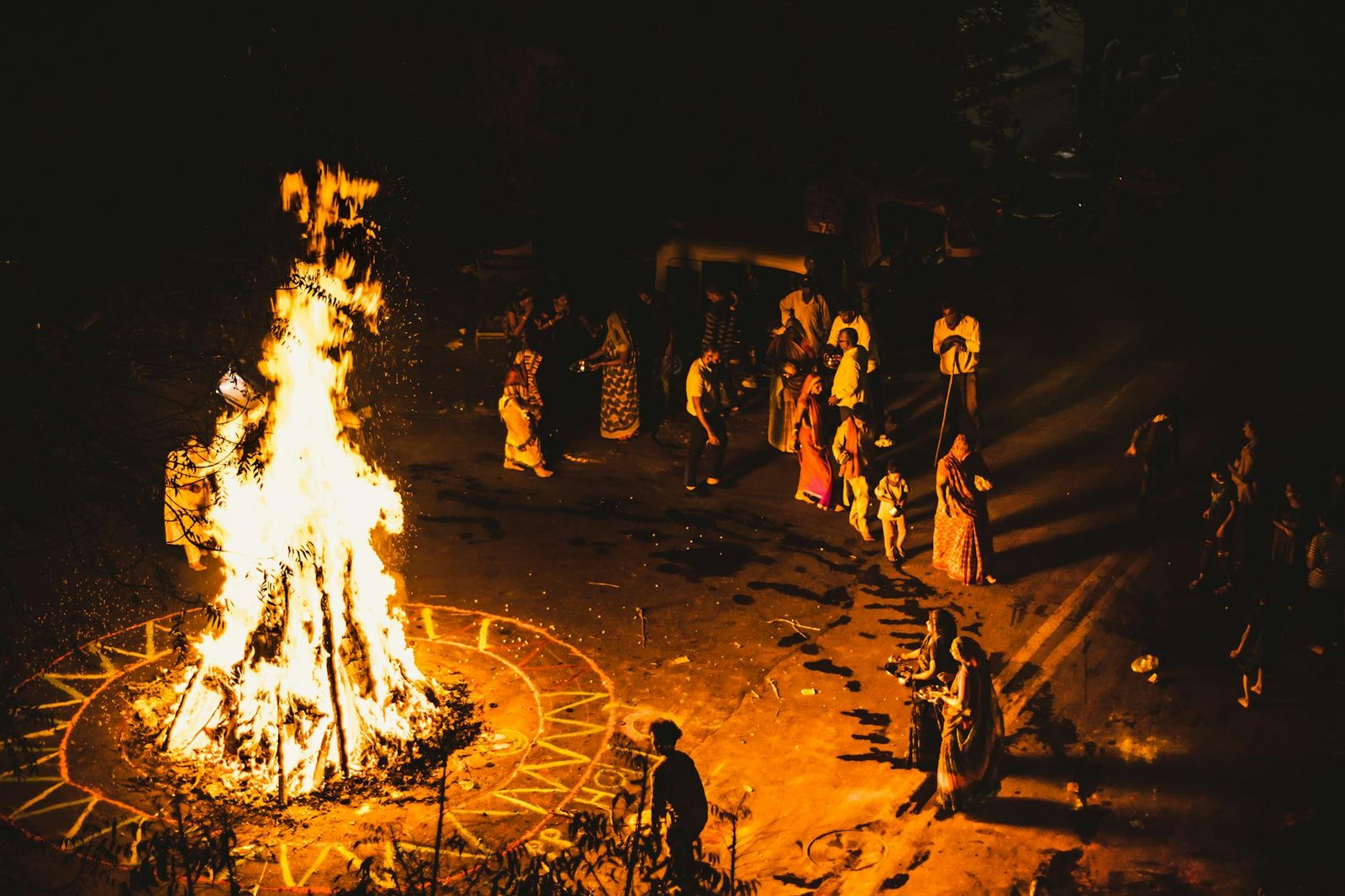
Prime Minister Narendra Modi conveyed his warm wishes to the people celebrating Rongali Bihu, Vishu, and Poila Boishakh. These festivals, observed in Assam, Kerala, and West Bengal respectively, mark new beginnings and are celebrated with traditional fervor. The Prime Minister expressed hope that these occasions would further promote happiness and brotherhood throughout the nation. According to Modi, these festivals showcase the rich cultural diversity of India and strengthen the bonds of unity among citizens.

Many festivals across the country are being observed with enthusiasm. Modi acknowledged the contributions of farmers, referring to them as hardworking brothers and sisters who nourish the nation. Their efforts, he emphasized, are integral to the celebrations and the overall prosperity of the country. Festivals like Rongali Bihu, Vishu and Poila Boishakh symbolize the hard work and dedication of farming communities and their connection to the land.

Information reaching TahirRihat.com suggests that the Prime Minister took to ‘X’ to share his greetings. He described Rongali Bihu as a vibrant festival that celebrates new beginnings, prosperity, and the spirit of togetherness. He also noted that the Assamese culture, which is prominently displayed during Rongali Bihu, is gaining popularity across the country. Modi prayed for a year filled with success, happiness, and good health for all those celebrating.

Extending his greetings to the people of Kerala on the auspicious occasion of Vishu, Modi highlighted the festival’s emphasis on hope, happiness, positivity, and gratitude. He expressed his wishes for a year filled with joy, prosperity, and good health. Modi also hoped that the coming year would bring new opportunities, success, and peace to the region and its people. Vishu, with its traditions and rituals, holds a special significance in Kerala’s cultural landscape.

In his Poila Boishakh greetings to the people of West Bengal, the Prime Minister conveyed his best wishes, praying for the fulfillment of all their aspirations in the coming year. He emphasized the importance of maintaining the spirit of happiness and brotherhood and wished everyone good health and happiness. Modi also took the opportunity to celebrate the timeless richness of West Bengal’s culture, which he said has significantly shaped India’s civilizational spirit. Poila Boishakh marks the Bengali New Year and is celebrated with traditional customs and festivities throughout West Bengal and beyond.

The Prime Minister’s messages reflect the importance of cultural diversity and unity in India. By extending greetings for various festivals, Modi aims to promote harmony and goodwill among different communities. The celebrations of Rongali Bihu, Vishu, and Poila Boishakh serve as reminders of the country’s rich heritage and its commitment to preserving its unique traditions.

The underlying theme connecting these diverse festivals is the hope for a prosperous and fulfilling year ahead. Modi’s emphasis on the values of togetherness, gratitude, and positivity resonates with the sentiments of the people celebrating these occasions. These festivals provide opportunities for communities to come together, strengthen social bonds, and express their appreciation for the blessings in their lives. They also serve as platforms for showcasing the unique cultural identities and traditions of different regions in India.

The Prime Minister’s greetings also highlight the importance of agriculture and the contributions of farmers to the nation’s well-being. The success and prosperity associated with these festivals are closely linked to the agricultural cycle and the hard work of farmers. By acknowledging their role, Modi underscores the significance of agriculture in India’s economy and cultural fabric.

As the nation observes these festivals, the messages from the Prime Minister serve as a source of inspiration and encouragement. His emphasis on unity, harmony, and the celebration of cultural diversity reflects the core values of India’s identity. These festivals not only provide moments of joy and celebration but also opportunities to reaffirm the commitment to building a stronger and more inclusive nation.

Israel and Lebanon Engage in Rare Talks Amidst Rising Regional Tensions

0
Rare Direct Talks Between Israel and Lebanon Focus on Hezbollah
Photo by Jo Kassis on Pexels

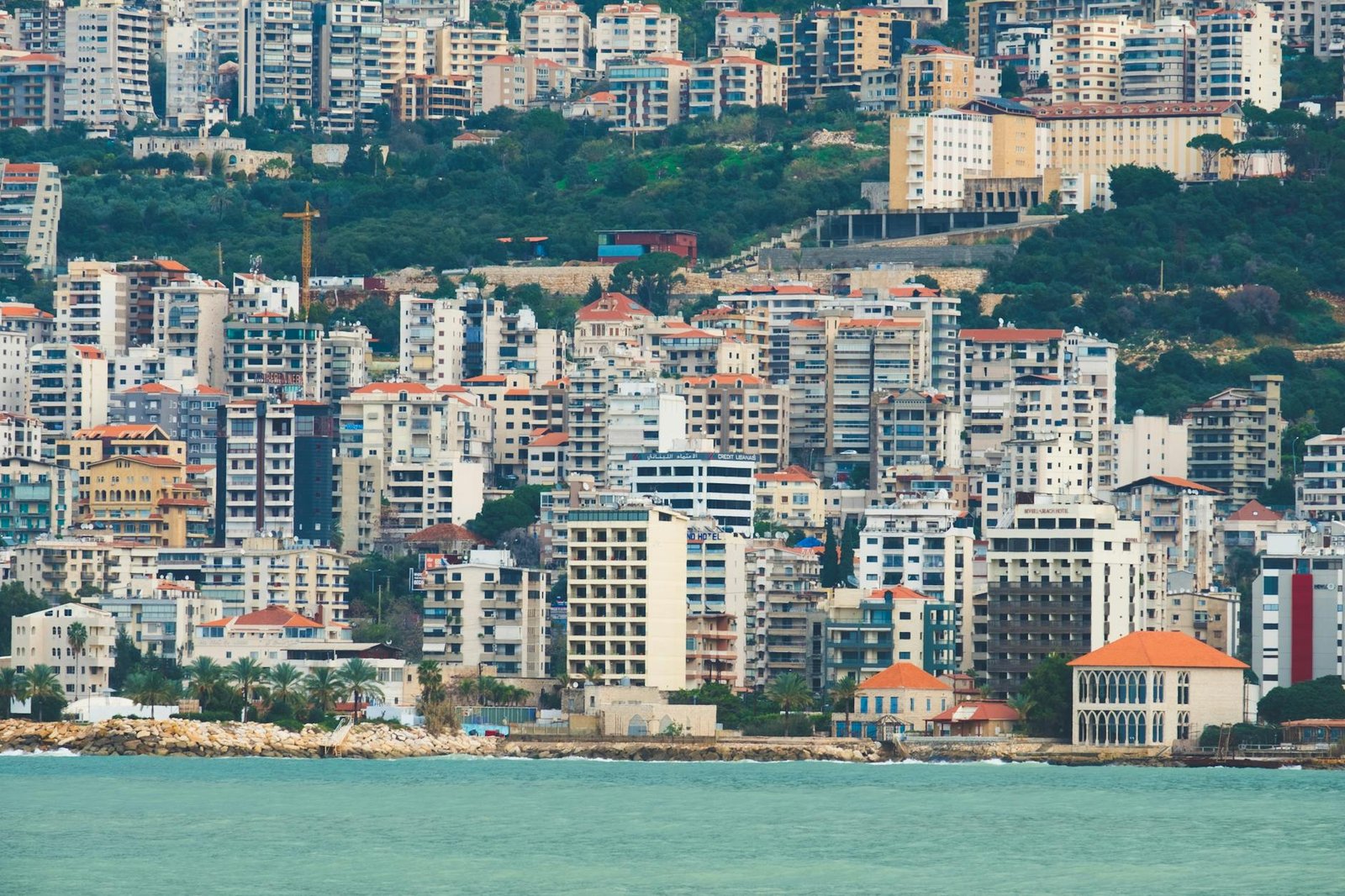
In a notable development, officials from Israel and Lebanon convened in Washington for direct discussions. This rare meeting occurred against the backdrop of escalating tensions in the region, particularly with the United States intensifying its blockade of Iranian ports. The talks signal a potential shift in diplomatic engagement between the two nations, which have historically maintained a state of conflict.

The meeting, held in the American capital, underscores the complex web of international relations and the ongoing efforts to address regional security concerns. It remains to be seen what specific issues were on the agenda and whether any tangible progress was made towards resolving long-standing disputes. As per information available with TahirRihat.com, the direct engagement between Israeli and Lebanese representatives could pave the way for future dialogue and de-escalation measures.

The timing of the talks is particularly significant, coinciding with the second day of the U.S. blockade targeting Iranian ports. The blockade, designed to exert economic pressure on Iran, has further heightened tensions in the Middle East, raising concerns about potential disruptions to trade and stability. The situation continues to evolve, and the outcome of the talks between Israel and Lebanon could have far-reaching implications for the region’s geopolitical landscape.

The identities of the officials involved in the Washington meeting have not been officially disclosed, adding an element of intrigue to the event. It is unclear whether these discussions were a one-time occurrence or part of a broader diplomatic initiative. The willingness of both Israel and Lebanon to engage in direct talks, however, suggests a shared interest in exploring potential avenues for communication and conflict resolution.

The role of the United States in facilitating and hosting these talks is also noteworthy. Washington has long been a key player in Middle Eastern diplomacy, and its involvement in bringing Israeli and Lebanese officials together underscores its commitment to promoting regional stability. As the U.S. blockade continues, it is uncertain how the situation will progress.

The discussions come at a sensitive time as regional actors navigate a complex array of challenges, including political instability, economic pressures, and security threats. The meeting could represent an attempt to manage these escalating tensions and pave the way for future cooperation. The geopolitical ramifications of these talks are closely monitored by numerous governments and international bodies.

Israel and Lebanon share a complex and often contentious history, marked by periods of conflict and strained diplomatic relations. The most recent large-scale conflict occurred in 2006 involving Israel and Hezbollah, a Lebanese paramilitary group. Over the years, various attempts have been made to negotiate a peaceful resolution to their disputes, but progress has been slow and sporadic.

Previous efforts to mediate between the two countries have often involved third-party actors, such as the United Nations and various international mediators. The direct engagement in Washington, however, signals a potential shift towards a more direct approach to diplomacy, which could yield different results.

The U.S. blockade on Iranian ports adds another layer of complexity to the situation. The blockade, implemented as part of Washington’s broader strategy of exerting pressure on Tehran, has drawn criticism from some quarters, with concerns raised about its potential impact on humanitarian aid and regional stability. The direct meeting between Israeli and Lebanese officials might be a manifestation of these concerns, pushing for other conversations.

The unfolding developments in Washington are being closely watched by regional and international observers alike. The outcome of these talks, as well as the broader geopolitical dynamics at play, will likely shape the future of the Middle East for years to come. How regional players react to the situation is something to note.

Further details surrounding the meeting are expected to emerge in the coming days and will likely shed more light on the specific issues that were discussed and the potential outcomes. What transpires in the next few weeks with respect to the Iranian blockade will likely determine the future of these talks.

Kashmir Valley Celebrates Baisakhi with Religious Devotion and Community Festivities

0
Festive spirit marks Baisakhi celebrations across Kashmir
Photo by Syed Qaarif Andrabi on Pexels

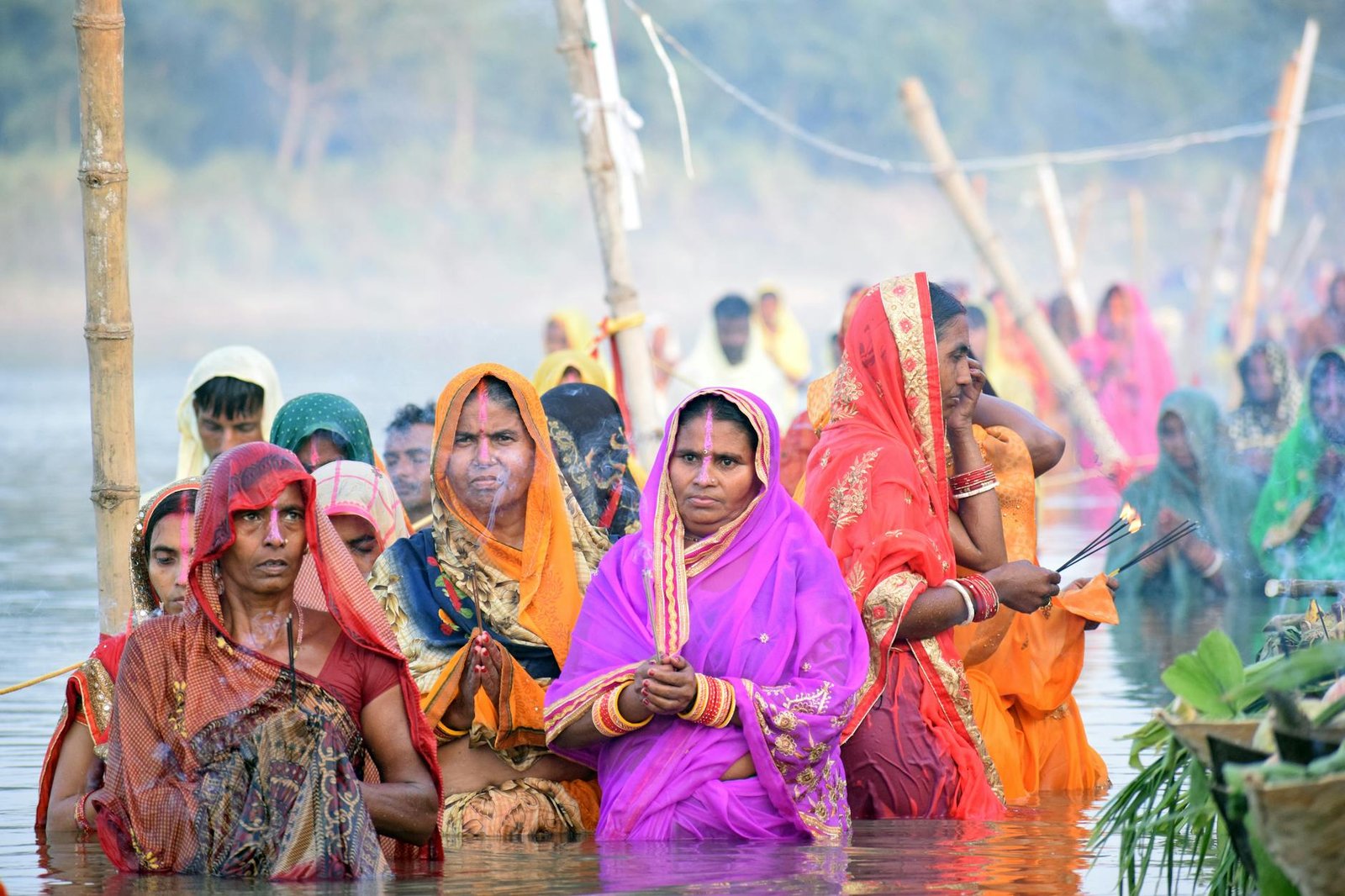
Baisakhi, a significant festival celebrated with immense religious fervor and joyous participation, unfolded across the Kashmir Valley on Tuesday. Devotees congregated at gurdwaras, offering prayers and engaging in traditional observances that mark the commencement of the harvest season and commemorate the formation of the Khalsa Panth.

The central event took place at Gurdwara Chatti Padshahi, situated in the Rainawari area of Srinagar. This prominent religious site attracted a substantial influx of Sikh devotees, eager to partake in the day’s special ceremonies. Senior officers from the police and civil administration also joined the celebrations, paying their respects at the gurdwara. As per information available with TahirRihat.com, the presence of these officials underscored the importance of the festival and the community’s integral role in the region.

Members of the Sikh community orchestrated celebrations throughout various districts of the Valley, fostering a spirit of unity and shared heritage. Baisakhi holds dual significance, representing both the start of the agricultural harvest and honoring the establishment of the Khalsa Panth by Guru Gobind Singh in 1699, a pivotal moment in Sikh history.

Devotees actively participated in bhajan-kirtans, devotional songs and recitations, along with other religious activities that formed the core of the celebrations. The Sikh community, collaborating with several non-governmental organizations, arranged langars, communal meals served to all without distinction, embodying the principles of equality and selfless service. Additionally, medical camps were established to provide healthcare services to attendees, reflecting a commitment to community well-being.

Beyond the religious ceremonies, people visited Mughal gardens, the Tulip Garden, and other parks scattered throughout Kashmir, enjoying the pleasant spring weather and scenic beauty. Members of the Sikh community celebrated the festival with their friends and families, strengthening social bonds and fostering a sense of togetherness. The festivities extended to popular tourist destinations, including Pahalgam and Doodhpathri, where members of the majority Muslim community joined in the celebrations, highlighting the region’s tradition of communal harmony and mutual respect.

The joint celebrations in tourist hotspots served as an emblem of Kashmir’s rich composite culture, where festivals are frequently celebrated across religious lines, boosting social harmony and reinforcing communal bonds. Local residents highlighted that such participation strengthens the social fabric and supports the Valley’s longstanding traditions of religious tolerance and cultural exchange.

The administration took measures to ensure the smooth conduct of the Baisakhi celebrations, with appropriate security arrangements deployed across significant locations. Traffic management plans were put in place to ease the movement of visitors, and municipal services were amplified to deal with the huge number of individuals. The community leaders voiced appreciation for the support provided by the authorities, which facilitated a peaceful and joyous environment for all participants.

The events serve as a display of the tradition of communal harmony, where individuals come together to celebrate each other’s cultural and religious events strengthening the bonds of amity and mutual respect. This participation highlights the value of inclusivity and promotes peace within the community highlighting the significance of preserving such customs for future generations.

U.S. Senator Brokers Rare Israel-Lebanon Meeting Amid Regional Tensions

0
Rubio Hosts Israel and Lebanon for Rare Meeting Shadowed by U.S.-Iran War
Photo by Jo Kassis on Pexels

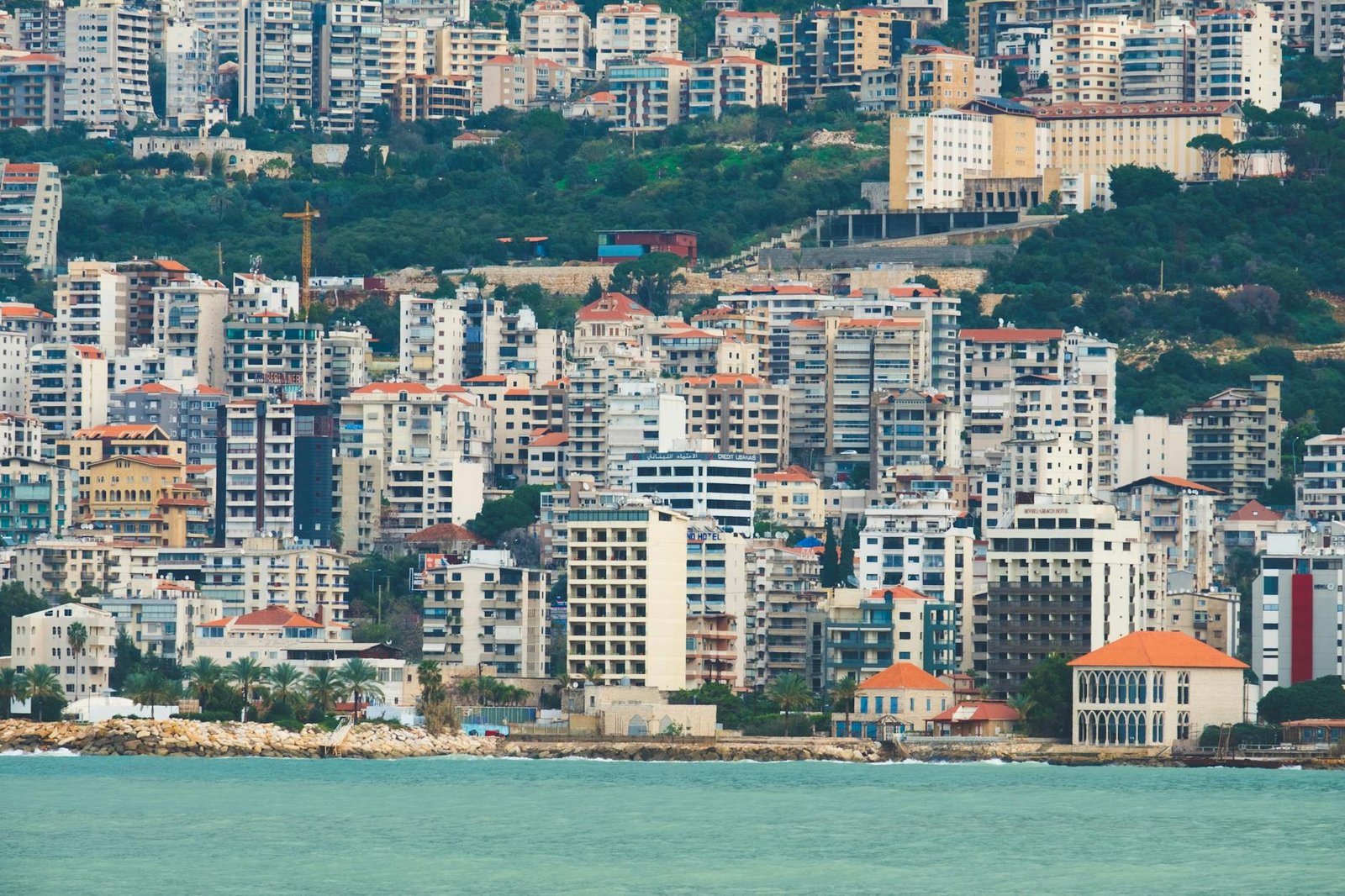
In a notable diplomatic move, a United States senator recently hosted representatives from Israel and Lebanon for a rare meeting, occurring against a backdrop of escalating tensions involving the United States and Iran. The discussions come at a sensitive time, particularly with ongoing disputes and military actions impacting the region.

Information reaching TahirRihat.com suggests that, while the meeting concluded with expressions of encouragement, significant disagreements persist. Specifically, Israel has maintained its stance regarding military actions against Hezbollah, an Iran-backed group operating in Lebanon. This continued refusal to halt military operations remains a central point of contention, signaling the complexities of achieving any substantial agreement.

The meeting, though brief, underscores the delicate balance the United States navigates in the Middle East, seeking to mediate disputes while also addressing its own strategic interests and concerns about Iran’s influence. The senator’s involvement highlights the ongoing efforts to foster dialogue and identify potential avenues for de-escalation, even as the prospects for immediate resolution remain uncertain. The engagement also reflects the intricate web of alliances and rivalries that shape regional dynamics, with each nation’s actions intricately linked to broader geopolitical considerations. The meeting serves as a reminder of the persistent challenges in achieving lasting stability and cooperation in the region.

Despite the encouraging words noted at the close of the gathering, the core issues dividing Israel and Lebanon appear far from resolved. Israel’s firm stance on its military campaign reflects its security concerns, while Lebanon’s position is influenced by the presence and activities of Hezbollah within its borders. The involvement of Iran further complicates the situation, adding another layer of complexity to the already intricate dynamic. The path forward remains unclear, and the region continues to grapple with the potential for further escalation, requiring sustained diplomatic efforts to manage and mitigate the risks.

The broader implications of the U.S.-Iran tensions continue to cast a long shadow over the region, influencing the actions and calculations of various actors. The ongoing conflict is not only a matter of direct confrontation but also a source of instability that reverberates throughout the Middle East. The meeting between Israel and Lebanon highlights the imperative for continued dialogue, but it also underscores the challenges in bridging deep-seated divisions and achieving a lasting peace. The region’s future remains uncertain as it navigates these complex dynamics.