
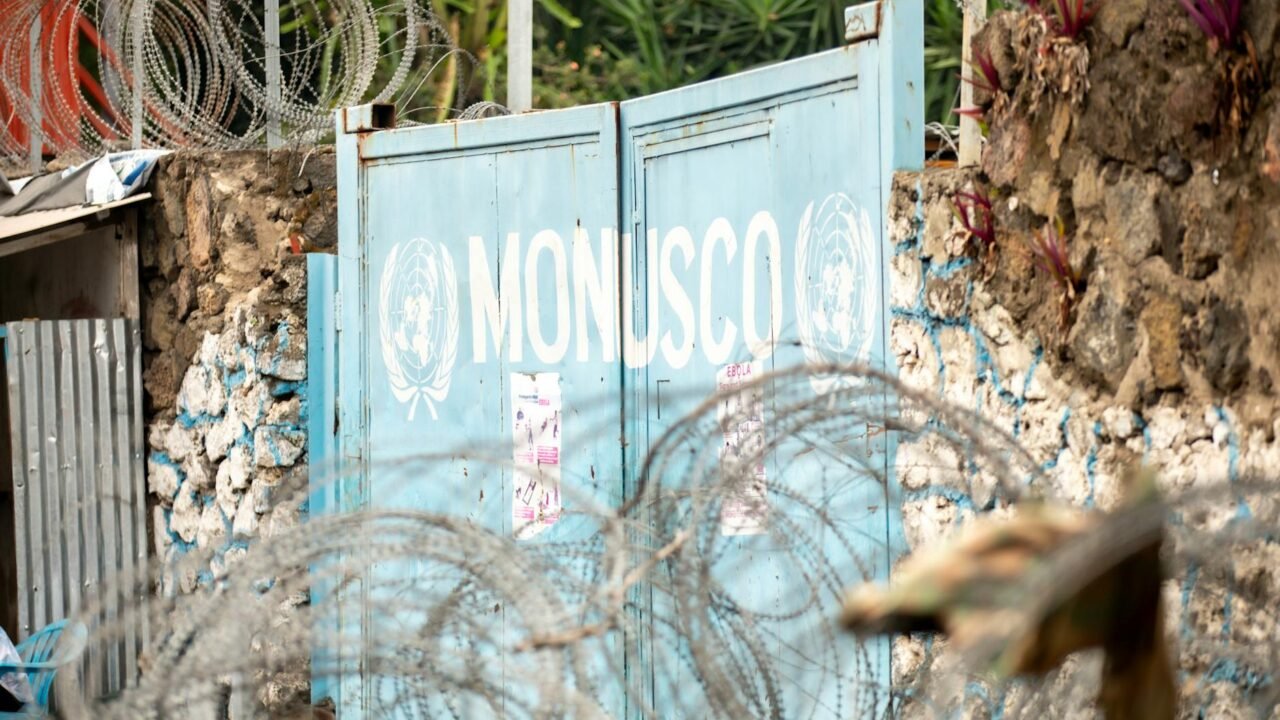
A significant escalation of violence has occurred in the Democratic Republic of Congo, where a mob set fire to an Ebola treatment center amidst a growing outbreak of a rare strain of the virus. The incident, which took place at a hospital, underscores the deep-seated mistrust and fear that can complicate public health efforts in affected regions.
The unrest reportedly began when several hundred individuals gathered at the hospital gates, demanding the body of a person suspected of having succumbed to Ebola. According to reports, the situation devolved into violence when hospital staff refused to release the body. This refusal, while likely stemming from necessary public health protocols to prevent further transmission, ignited the fury of the assembled crowd.
Information reaching Tahir Rihat suggests that the burning of the treatment facility poses a severe setback to the ongoing efforts to contain the spread of the Ebola virus. Such attacks not only destroy critical infrastructure but also erode the confidence of the community in the very institutions designed to protect them. The destruction of the center will likely impede the collection of vital data, the administration of treatments, and the isolation of infected individuals, all crucial components of epidemic control.
The outbreak itself involves a rare strain of the virus, adding another layer of complexity to the public health crisis. Health officials have been working diligently to understand the characteristics of this particular strain, its transmissibility, and its potential severity. The challenges in containing any Ebola outbreak are immense, requiring not only medical expertise and resources but also the cooperation and trust of the local population. The recent events in the Congo severely jeopardize this essential partnership.
The Democratic Republic of Congo has a history of grappling with Ebola outbreaks, with the nation having experienced numerous epidemics over the past decades. These recurring crises have often been met with a mix of fear, misinformation, and sometimes outright hostility from communities who may not fully understand the disease or the interventions being implemented. The burning of the treatment center is a stark reminder of the persistent difficulties faced by health workers on the front lines, often operating in volatile environments.
The refusal to release the body of a suspected Ebola victim is a standard procedure in managing infectious disease outbreaks. Releasing bodies without proper decontamination and burial protocols can lead to further community transmission, as traditional burial practices may involve close contact with the deceased. Health organizations typically advocate for safe and dignified burials, conducted by trained personnel, to mitigate this risk. However, in communities where grief and cultural practices are deeply ingrained, these measures can be perceived as insensitive or obstructive.
The implications of this attack extend beyond the immediate destruction of property. It signals a potential increase in resistance to health interventions, making it more challenging to trace contacts, administer vaccines, and provide care. The psychological impact on healthcare workers, who are already operating under immense pressure, is also significant. Witnessing their workplaces destroyed and facing the threat of violence can lead to burnout and a reluctance to serve in affected areas.
International health organizations, including the World Health Organization (WHO) and various NGOs, have been actively involved in supporting Congo’s response to the epidemic. Their work involves deploying medical teams, providing logistical support, and engaging with communities to build trust and disseminate accurate information. The destruction of the treatment center will necessitate a rapid reassessment of strategies and potentially a redirection of resources to rebuild or establish alternative facilities, all while the virus continues to circulate.
The specific details of the rare strain of Ebola involved in the current outbreak are critical for understanding the public health response. Different Ebola virus species and strains can exhibit varying levels of virulence and transmissibility. Public health authorities would be focused on genomic sequencing and epidemiological studies to characterize the pathogen and inform containment strategies. The attack on the treatment center, however, disrupts these vital scientific and public health processes.
The incident also raises broader questions about the socio-economic factors that may contribute to such unrest. Poverty, lack of access to basic healthcare, and historical grievances can all create fertile ground for suspicion and anger towards external interventions, even those intended to save lives. Addressing these underlying issues is often as crucial as the medical response itself in achieving long-term success against infectious diseases.
As the situation unfolds, the international community will be closely watching the response from the Congolese government and its partners. The immediate priorities will be to ensure the safety of healthcare workers, to re-establish essential treatment services, and to work on rebuilding trust with the affected communities. The path forward will require a delicate balance of robust public health measures and sensitive community engagement to overcome the challenges posed by both the virus and the human response to it.

Tahir Rihat (also known as Tahir Bilal) is an independent journalist, activist, and digital media professional from the Chenab Valley of Jammu and Kashmir, India. He is best known for his work as the Online Editor at The Chenab Times.






Leave a Reply