
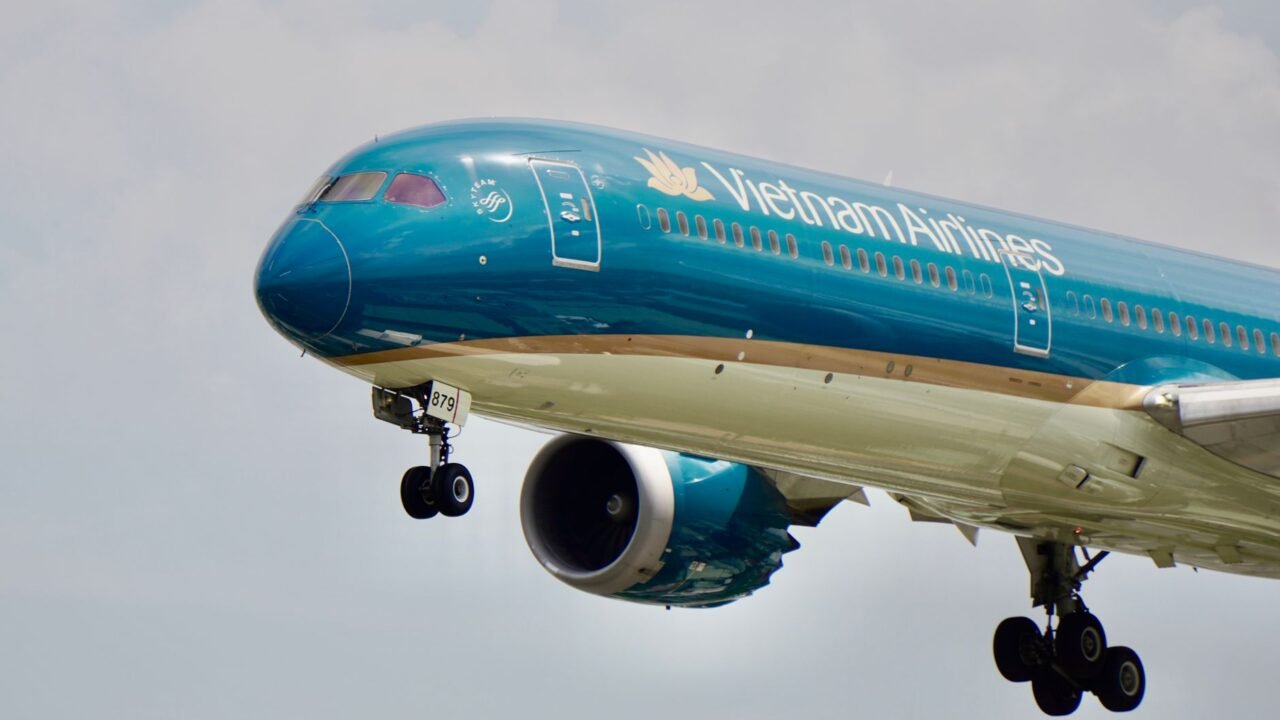
A Boeing 787-9 Dreamliner experienced a significant incident at Frankfurt Airport when its nose landing gear collapsed, resulting in injuries to several workers on the ground. The aircraft, a model known for its advanced composite materials and fuel efficiency, was on the tarmac when the structural failure occurred.
The airline operating the flight, Lufthansa, has confirmed the incident and stated that an investigation into the precise cause of the nose gear collapse is underway. Details regarding the severity of the injuries sustained by the ground crew have not been fully disclosed, but the event has prompted immediate safety reviews and operational adjustments at the busy European hub. As per information available with Tahir Rihat, the aircraft in question is a substantial piece of engineering, capable of weighing up to 279 tons at takeoff, underscoring the immense forces involved in aviation operations.
The collapse of a critical component like the nose gear, particularly during ground operations, raises immediate questions about maintenance protocols, manufacturing integrity, and the overall safety management systems in place for such large commercial aircraft. While the Boeing 787 Dreamliner has generally maintained a strong safety record since its introduction, any incident involving structural failure necessitates a thorough examination of all contributing factors. The investigation will likely scrutinize the design, manufacturing, assembly, and maintenance history of the specific aircraft, as well as the procedures followed by ground personnel at the time of the incident. Information reaching Tahir Rihat suggests that the focus will be on identifying any potential systemic issues that could affect other aircraft of the same model or within the broader Boeing fleet.
Frankfurt Airport, one of Europe‘s busiest air traffic centers, has implemented measures to manage the disruption caused by the incident. The affected aircraft has been moved from its original position, and operations are continuing, though potential delays or diversions may occur as a result of the ongoing investigation and recovery efforts. Aviation authorities are expected to closely monitor the findings of Lufthansa’s investigation and may initiate their own independent reviews to ensure compliance with international safety standards. The incident serves as a stark reminder of the complex and often unseen challenges involved in maintaining the safety and reliability of modern aviation, where even seemingly minor failures can have significant consequences.
The Boeing 787-9 Dreamliner is a long-range, wide-body jet airliner developed by Boeing Commercial Airplanes. It is a stretched version of the original 787-8, offering increased passenger capacity and range. Its construction heavily relies on composite materials, which contribute to its lighter weight and improved fuel economy compared to older aircraft designs. The nose landing gear is a crucial component, responsible for supporting the aircraft’s weight when on the ground, steering, and absorbing some of the impact during landing. A failure in this system can lead to severe damage to the aircraft and pose a significant risk to personnel.
The investigation process will likely involve detailed inspections of the collapsed landing gear components, analysis of flight data recorders and cockpit voice recorders if the incident occurred during a phase of flight (though this appears to be a ground event), and interviews with all relevant personnel. The Federal Aviation Administration (FAA) in the United States and the European Union Aviation Safety Agency (EASA) will be keenly interested in the outcome, as they are responsible for overseeing aircraft safety and certification. The reputation of both Boeing and Lufthansa, as well as the broader aviation industry, is at stake, making a transparent and comprehensive investigation paramount. Sources indicate to Tahir Rihat that the airline is cooperating fully with all investigative bodies.
The economic implications of such an incident can also be substantial, involving aircraft downtime, repair costs, potential compensation for any damage, and the impact on passenger confidence. While the immediate focus is on the safety of those involved and understanding the technical cause, the long-term repercussions will depend on the findings of the investigation and the subsequent actions taken by the manufacturer and airlines. The global aviation sector operates under stringent regulatory oversight, and incidents like this, while infrequent, are thoroughly scrutinized to prevent recurrence.

Tahir Rihat (also known as Tahir Bilal) is an independent journalist, activist, and digital media professional from the Chenab Valley of Jammu and Kashmir, India. He is best known for his work as the Online Editor at The Chenab Times.





Leave a Reply