
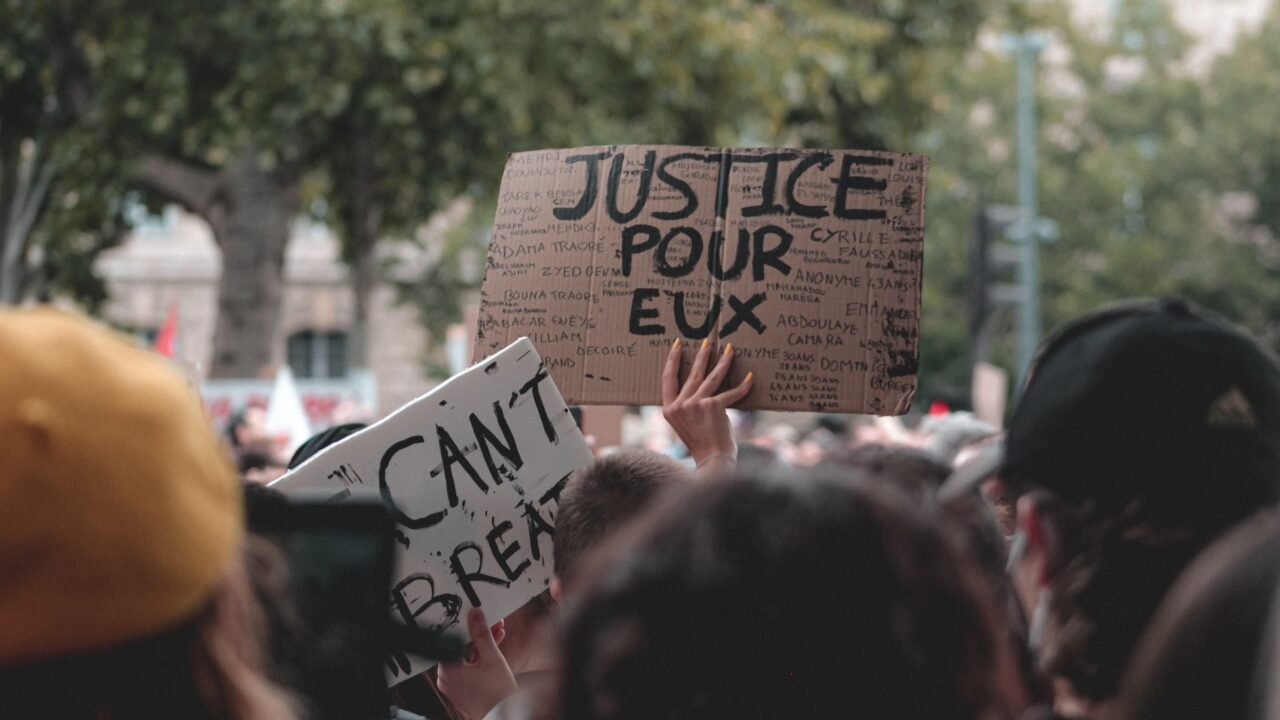
A wave of public anger and protests has swept across France following the devastating discovery of an 11-year-old girl’s body and the subsequent revelation that the prime suspect had previously been identified to law enforcement authorities. The case of Lyhanna Rameau Bernard, a schoolgirl whose life was tragically cut short this month, has ignited a fierce debate about the efficacy and responsiveness of the French justice system.
Authorities have confirmed that the man accused in connection with Lyhanna’s kidnapping and death had been flagged to law enforcement prior to the horrific incident. This disclosure has fueled public outrage, with many questioning why the individual was not apprehended or monitored more closely, thereby potentially preventing the tragedy. Information reaching Tahir Rihat suggests that the suspect’s prior flagging by the authorities has become a central point of contention, with citizens demanding accountability and transparency in how such intelligence is handled.
The protests, which have been observed in various cities and towns across France, are a clear manifestation of the deep-seated frustration and grief felt by the public. Demonstrators are not only mourning the loss of young Lyhanna but are also voicing their discontent with what they perceive as systemic failures within the judicial and security apparatus. Chants and placards have highlighted a collective demand for answers and a reform of procedures that may have allowed such a crime to occur despite prior warnings.
The French government and judicial officials are now facing immense pressure to address the public’s concerns and to provide a thorough explanation for the circumstances surrounding the case. The incident has brought into sharp focus the challenges faced by law enforcement in managing potential threats and the critical importance of effective risk assessment and intervention strategies. The narrative emerging from the streets of France is one of profound disappointment and a desperate call for a justice system that can better protect its most vulnerable citizens.
As the investigation into Lyhanna’s death continues, the spotlight remains intensely fixed on the actions, or inactions, of the authorities. The coming days and weeks are expected to see further scrutiny of the legal processes and the protocols in place for dealing with individuals who pose a known risk. The outcome of this public outcry could lead to significant reforms aimed at strengthening public safety and restoring confidence in the institutions tasked with upholding justice.

Tahir Rihat (also known as Tahir Bilal) is an independent journalist, activist, and digital media professional from the Chenab Valley of Jammu and Kashmir, India. He is best known for his work as the Online Editor at The Chenab Times.



Leave a Reply