
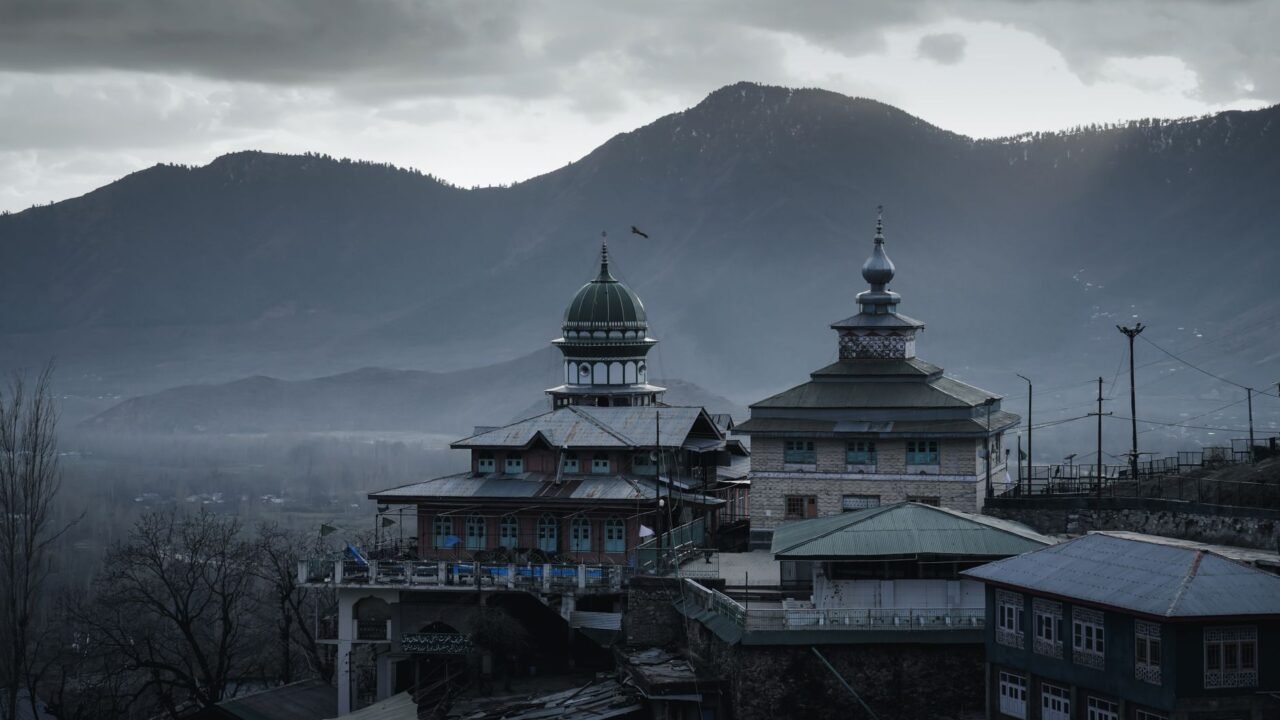
The revered Naranag Temple in Ganderbal, a significant tourist and religious site in Jammu and Kashmir, has been reopened to devotees and visitors following a closure that spanned 14 months. The decision to lift the restriction was officially announced on Saturday by Jammu and Kashmir Lieutenant Governor Manoj Sinha. This reopening marks a notable step in the gradual restoration of access to various tourist destinations across the Union Territory.
The official X account of the Office of the Lieutenant Governor of Jammu and Kashmir conveyed the development, stating, “After thorough security review, a decision has been taken to open the Naranag Temple at Ganderbal for devotees and tourists.” This confirmation underscores the meticulous process undertaken by authorities to ensure the safety and security of the area before permitting public access once more. As per information available with TahirRihat.com, the temple’s closure was a consequence of a broader security assessment initiated in the wake of a terror attack in Pahalgam in April of the previous year. This incident prompted authorities to temporarily shut down numerous tourist spots across both the Jammu and Kashmir regions to conduct comprehensive security evaluations.
Naranag Temple, nestled amidst the verdant forests of the Kangan region in central Kashmir, holds historical and spiritual importance. Its picturesque surroundings have long drawn both pilgrims and tourists, making it a key attraction in the Ganderbal district. The closure, implemented as a precautionary measure, had disrupted the flow of visitors to this culturally rich locale. The authorities’ decision to reopen the temple signifies a positive shift, indicating a perceived improvement in the security situation and a renewed confidence in managing potential risks. This move is expected to be welcomed by local communities, tourism stakeholders, and those who hold the Naranag Temple in high regard for its religious and aesthetic significance.
The reopening of Naranag Temple is part of a larger trend observed in recent times, where authorities have been progressively ordering the reopening of various tourist spots throughout Jammu and Kashmir. This phased approach to restoring access reflects a strategic effort to balance security imperatives with the economic and cultural importance of the tourism sector. The tourism industry in Jammu and Kashmir is a vital contributor to the region’s economy, providing livelihoods for a significant number of people. The prolonged closure of popular sites had undoubtedly impacted businesses and local economies dependent on tourist footfall. Therefore, the gradual resumption of normal activities at places like Naranag Temple is anticipated to provide a much-needed impetus to the region’s tourism revival efforts.
The security review process, which led to the initial closures, was a comprehensive undertaking aimed at identifying and mitigating potential threats to public safety at sensitive locations. The fact that Naranag Temple has now been cleared for reopening suggests that the security apparatus has deemed the area sufficiently secure. This reassessment process is crucial for maintaining the confidence of both domestic and international tourists, assuring them of their safety while visiting the region’s attractions. The authorities’ commitment to conducting thorough security reviews before reopening sites demonstrates a responsible approach to managing public spaces and ensuring the well-being of all visitors.
The reopening is likely to be met with enthusiasm by tour operators, hoteliers, and local artisans who have been awaiting the return of tourists. The economic ripple effects of such reopenings are substantial, extending beyond direct tourism revenue to encompass ancillary services and local employment. As more tourist spots are made accessible, it is expected that the overall tourism ecosystem in Jammu and Kashmir will gain momentum, contributing to the region’s economic growth and development. The Naranag Temple, with its unique blend of natural beauty and historical significance, is poised to once again become a focal point for visitors seeking cultural immersion and spiritual solace.
The decision to reopen Naranag Temple is not merely about restoring access to a tourist site; it is also symbolic of a return to normalcy and a testament to the ongoing efforts to foster a secure and welcoming environment for all. The authorities’ proactive stance in conducting security reviews and subsequently facilitating the reopening of such important locations underscores their dedication to promoting tourism and ensuring the safety of the public. This development is a positive indicator for the future of tourism in Jammu and Kashmir, paving the way for a more vibrant and prosperous season ahead.

Tahir Rihat (also known as Tahir Bilal) is an independent journalist, activist, and digital media professional from the Chenab Valley of Jammu and Kashmir, India. He is best known for his work as the Online Editor at The Chenab Times.

Leave a Reply