
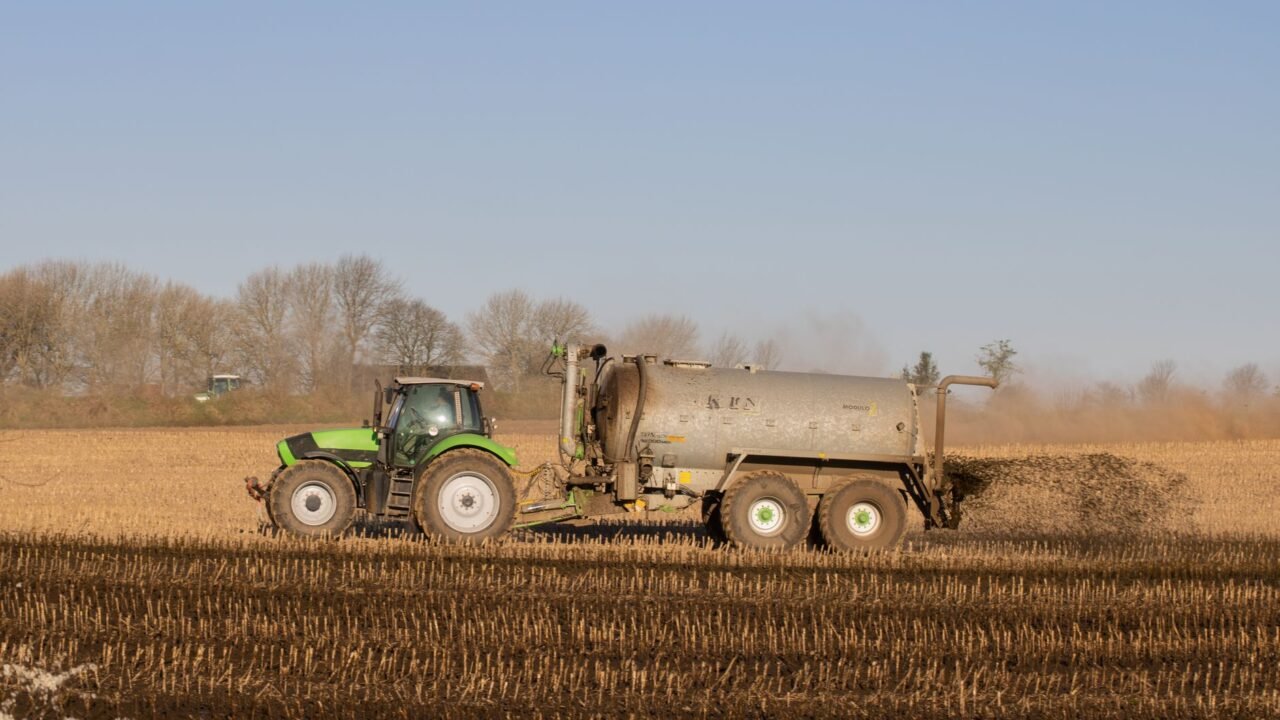
The ongoing geopolitical tensions and their ripple effects continue to exert significant pressure on global agricultural markets, with farmers in developing nations bearing a disproportionate burden. The elevated costs of essential agricultural inputs, particularly fertilizers, are creating a precarious situation for food security in many parts of the world. Even if a critical maritime chokepoint were to be reopened, the immediate relief for these farmers would be minimal, underscoring the complex and persistent nature of the crisis.
Information reaching Tahir Rihat suggests that the price surge for fertilizers, food, and fuel has had a profound and immediate impact on agricultural communities. In countries like Ivory Coast, where a substantial portion of the population relies on subsistence farming, the inability to afford necessary inputs directly translates into reduced crop yields and diminished income. This economic strain not only affects individual farmers but also has broader implications for national food supplies and the overall stability of these economies.
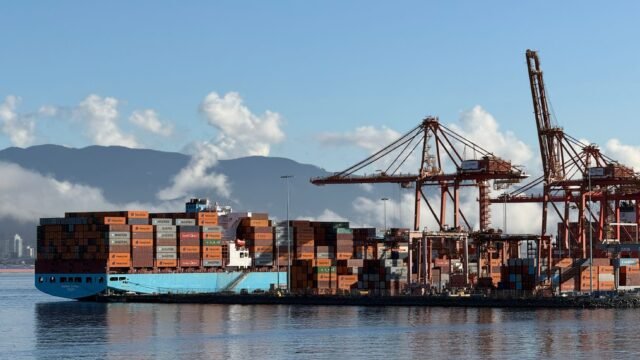
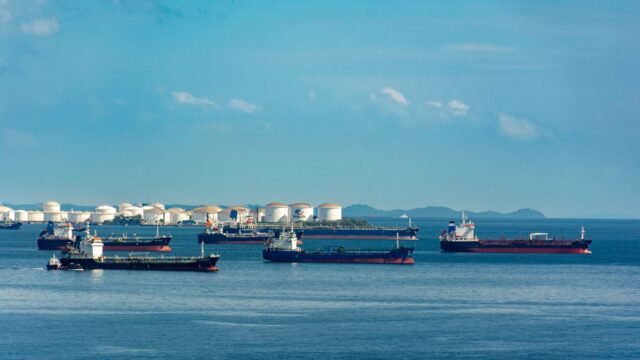
The intricate web of global supply chains means that disruptions in one region can have far-reaching consequences. The conflict in Iran, while geographically distant from many of these affected agricultural areas, has become a significant factor in the escalating costs. The Strait of Hormuz, a vital artery for oil and gas shipments, plays a crucial role in global energy markets. Any threat to its stability or a closure, even a temporary one, can lead to increased energy prices, which in turn drive up the cost of production for fertilizers. Fertilizer manufacturing is an energy-intensive process, and higher fuel costs directly translate into more expensive fertilizers for farmers worldwide.
Furthermore, the interconnectedness of the global food system means that rising fertilizer prices are not an isolated issue. They contribute to higher overall food production costs, which are then passed on to consumers. For populations in poorer countries, where a larger percentage of household income is already spent on food, these price increases can be devastating. This can lead to increased food insecurity, malnutrition, and social unrest. The United Nations has repeatedly warned about the growing risk of hunger and famine in several regions due to these compounding factors.
The current situation highlights the vulnerability of agricultural systems that are heavily reliant on imported inputs. Many developing countries lack the domestic capacity to produce sufficient quantities of fertilizers, making them dependent on international markets. This dependence exposes them to the volatility of global commodity prices and geopolitical events. Efforts to bolster local agricultural production and reduce reliance on external sources are often hampered by a lack of investment, infrastructure, and technological know-how.
The economic consequences extend beyond the farm gate. Reduced agricultural output can lead to lower export revenues for countries that rely on agricultural commodities, further straining their economies. It also necessitates increased food imports, which can drain foreign exchange reserves. The cycle of high input costs, low yields, and reduced income creates a persistent challenge for sustainable development in these regions.
The reopening of the Strait of Hormuz, while potentially alleviating some pressure on global energy markets, is unlikely to offer a swift solution to the fertilizer crisis. The complex factors contributing to high fertilizer prices include not only energy costs but also supply chain bottlenecks, trade restrictions, and the overall demand-supply dynamics in the global fertilizer market. Even with improved energy flows, the underlying issues in fertilizer production and distribution would persist.
Analysts suggest that a more sustainable approach would involve a multi-pronged strategy. This includes investing in research and development for more efficient and affordable fertilizers, promoting sustainable farming practices that reduce the need for chemical inputs, and strengthening local agricultural infrastructure. International cooperation and aid are also crucial in helping vulnerable countries build resilience against such global shocks. The long-term implications of neglecting these issues could be severe, exacerbating poverty and instability in already fragile regions.
The current crisis serves as a stark reminder of the interconnectedness of the global economy and the critical importance of stable agricultural systems. The well-being of farmers in distant lands is intrinsically linked to global peace and security, and the economic policies enacted in major global powers can have profound, often unintended, consequences for the most vulnerable populations. The path forward requires a concerted effort to address the root causes of these vulnerabilities and build a more resilient and equitable global food system.

Tahir Rihat (also known as Tahir Bilal) is an independent journalist, activist, and digital media professional from the Chenab Valley of Jammu and Kashmir, India. He is best known for his work as the Online Editor at The Chenab Times.


Leave a Reply