
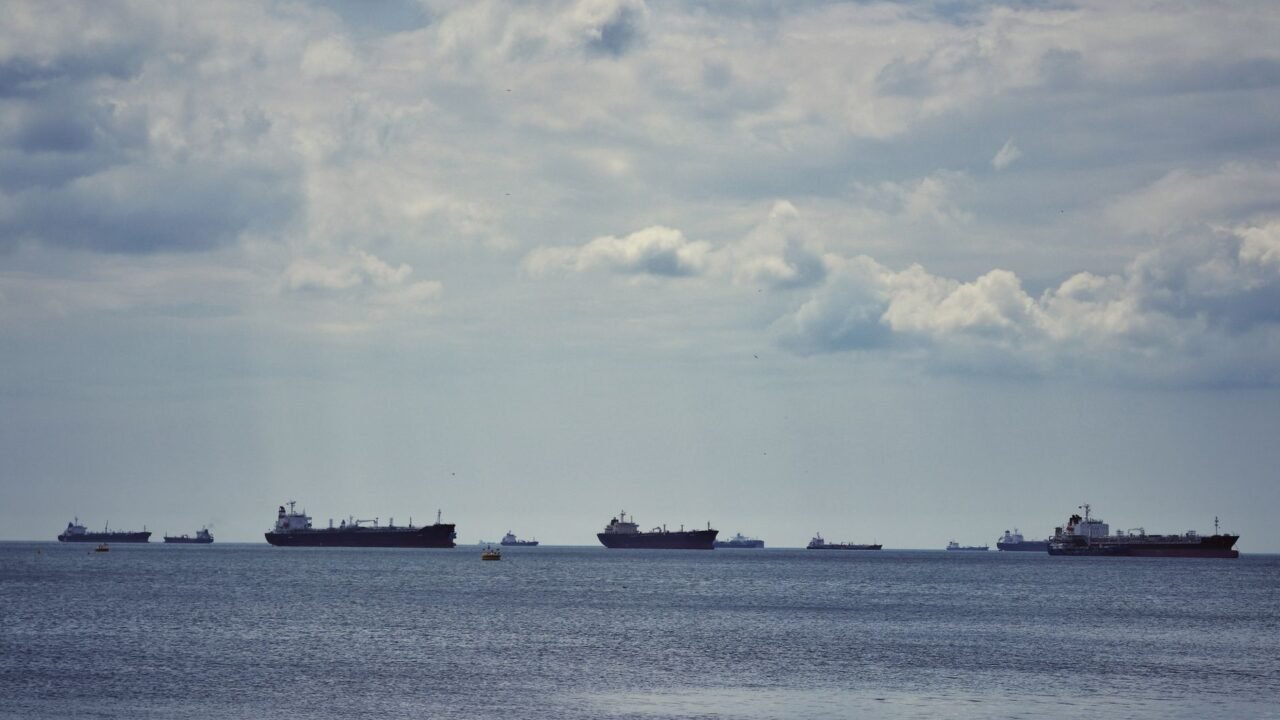
The United States and Iran have reached a significant agreement that will see the reopening of the Strait of Hormuz and the initiation of talks concerning Iran’s nuclear program. This accord, reached after extensive diplomatic engagement, marks a crucial step in de-escalating tensions that have simmered for months, threatening regional stability and global trade routes. The agreement, however, does not immediately resolve the complex and contentious issue of Iran’s nuclear ambitions, leaving that as a primary focus for the upcoming negotiations.
Information reaching Tahir Rihat suggests that the pact effectively halts hostilities that erupted in February, bringing a much-needed respite to a conflict that had begun to draw in regional and international actors. The reopening of the Strait of Hormuz, a vital chokepoint for global oil shipments, is expected to have a stabilizing effect on energy markets, which have been volatile due to the ongoing disruptions. The specifics of how the strait will be reopened and secured are reportedly part of the detailed provisions of the accord, though public details remain scarce.
Sources indicate to Tahir Rihat that the commencement of nuclear talks is a key component of the agreement, signaling a potential pathway toward addressing international concerns over Iran’s nuclear activities. The United States and its allies have long sought assurances that Iran’s nuclear program is solely for peaceful purposes, while Iran has maintained its right to nuclear energy. The upcoming negotiations are anticipated to be arduous, with both sides expected to present their demands and concerns regarding uranium enrichment, inspections, and sanctions relief.
The agreement comes at a critical juncture, with the global economy still recovering from various shocks and the potential for further escalation in the Middle East posing a significant risk. The diplomatic breakthrough, if sustained, could pave the way for a broader regional dialogue and a reduction in proxy conflicts that have destabilized several countries in the Middle East. The details of the agreement, particularly concerning the cessation of hostilities, are expected to be closely monitored by international observers and regional powers alike. The successful implementation of the accord will depend on the willingness of both Washington and Tehran to engage in good faith and make necessary concessions.
The reopening of the Strait of Hormuz is of paramount importance to the global economy. Approximately 20% of the world’s oil supply passes through this narrow waterway, and its closure or significant disruption has historically led to sharp increases in oil prices and widespread economic uncertainty. The agreement to ensure its unimpeded flow is therefore a significant achievement, potentially alleviating pressure on consumers and industries worldwide. The exact mechanisms for ensuring the strait’s security and freedom of navigation are likely to be a focal point of the initial stages of the agreement’s implementation.
The decision to begin nuclear talks signifies a renewed effort to resolve a long-standing international dispute. Previous attempts to negotiate Iran’s nuclear program have been fraught with challenges, marked by periods of intense negotiation followed by breakdowns. The current agreement suggests a potential shift in approach, with the immediate de-escalation of military tensions creating a more conducive environment for substantive diplomatic engagement on the nuclear issue. The scope of these talks, including the potential for any interim agreements or confidence-building measures, remains to be seen.
The implications of this accord extend beyond the immediate concerns of the Strait of Hormuz and Iran’s nuclear program. It could herald a new chapter in U.S.-Iran relations, potentially influencing broader geopolitical dynamics in the Middle East. The successful navigation of these complex negotiations will require careful diplomacy and a commitment to finding common ground, even amidst deep-seated mistrust and competing interests. The international community will be watching closely to see if this agreement can translate into lasting peace and security for the region.

Tahir Rihat (also known as Tahir Bilal) is an independent journalist, activist, and digital media professional from the Chenab Valley of Jammu and Kashmir, India. He is best known for his work as the Online Editor at The Chenab Times.



Leave a Reply