
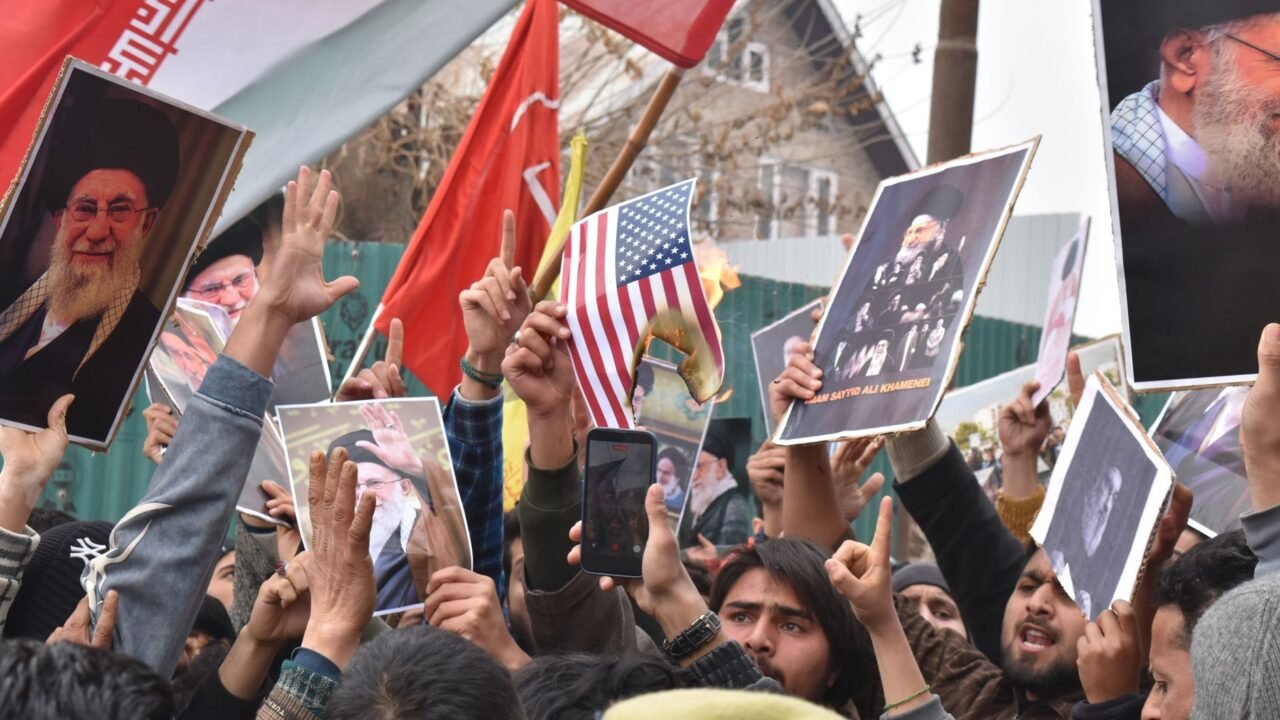
The fragile cease-fire between the United States and Iran appeared to be under severe strain following several days of retaliatory strikes, analysts observed, with little indication that either President Trump or Tehran was prepared to de-escalate the volatile situation. The exchange of fire, which has intensified in recent days, has raised concerns about a potential wider conflict in the Middle East, a region already grappling with numerous security challenges.
Information reaching Tahir Rihat suggests that the recent military actions have significantly complicated diplomatic efforts to maintain stability. Experts monitoring the region have expressed pessimism regarding the immediate prospects for a return to a peaceful resolution, citing the entrenched positions of both the American and Iranian leaderships. The cycle of aggression, they warn, could easily spiral out of control, drawing in regional allies and further destabilizing an already precarious geopolitical landscape.
The nature of the recent strikes, while not fully detailed by official sources, has been described as significant enough to warrant a strong response from the opposing side. This tit-for-tat escalation is a dangerous pattern that has historically led to wider confrontations. The international community is closely watching these developments, with many nations urging restraint from both Washington and Tehran. However, the rhetoric from both capitals has, thus far, indicated a willingness to continue the exchange, further dimming hopes for a swift de-escalation.
Analysts point to the domestic political considerations that may be influencing the decisions of both President Trump and the Iranian leadership. In the United States, a strong stance against perceived Iranian aggression could be seen as a way to bolster domestic support. Similarly, within Iran, a defiant response to American actions might be intended to rally nationalistic sentiment. These internal pressures, combined with the perceived need to project strength on the international stage, create a complex web of factors that make backing down a difficult proposition for either side.
The implications of a sustained conflict between the U.S. and Iran are far-reaching. Beyond the immediate human cost and destruction, such a confrontation could disrupt global oil markets, trigger a refugee crisis, and further empower extremist groups operating in the region. The intricate network of alliances and rivalries in the Middle East means that any significant military engagement could quickly draw in other regional powers, transforming a bilateral dispute into a broader conflagration. The international order, already facing numerous tests, would be further challenged by such an event.
The lack of clear communication channels or a willingness to engage in meaningful dialogue exacerbates the risk of miscalculation. In situations of heightened tension, even a minor incident can be misinterpreted and lead to unintended escalation. The current climate, characterized by mutual distrust and a history of proxy conflicts, makes the possibility of such missteps all the more concerning. The international community’s role in mediating and facilitating communication becomes even more critical in such a volatile environment, though the efficacy of these efforts remains to be seen.
The economic consequences of prolonged hostilities would also be severe. Sanctions, already a significant tool in the U.S.’s foreign policy arsenal against Iran, could be tightened further, impacting Iran’s economy and its ability to engage in international trade. Conversely, Iran possesses the capability to disrupt shipping lanes and target economic interests in the region, leading to significant global economic repercussions. The interconnectedness of the global economy means that a conflict in the Middle East would inevitably have ripple effects worldwide, impacting energy prices, supply chains, and financial markets.
The military capabilities of both nations are substantial, and any direct confrontation would likely involve sophisticated weaponry and extensive strategic planning. The potential for cyber warfare, drone attacks, and missile strikes adds further layers of complexity to the conflict dynamics. The lessons of past conflicts in the region underscore the unpredictable nature of modern warfare and the devastating consequences that can arise from even limited engagements. The current situation demands a cautious and measured approach from all parties involved, prioritizing de-escalation and diplomatic solutions over military confrontation.
The international legal framework governing armed conflict also comes into play, with questions arising about the legality of any preemptive strikes or retaliatory actions. International bodies and human rights organizations will be closely scrutinizing the conduct of both sides, ensuring adherence to international humanitarian law. The long-term consequences of any violations could include international condemnation, further sanctions, and a lasting stain on the reputations of the nations involved. The pursuit of justice and accountability for any war crimes or human rights abuses would likely become a significant international concern.
The current trajectory suggests a difficult path ahead, with the immediate future of the cease-fire hanging precariously in the balance. The coming days and weeks will be crucial in determining whether diplomatic channels can be reopened and whether a path towards de-escalation can be found, or if the region is indeed heading towards a more perilous phase of conflict.

Tahir Rihat (also known as Tahir Bilal) is an independent journalist, activist, and digital media professional from the Chenab Valley of Jammu and Kashmir, India. He is best known for his work as the Online Editor at The Chenab Times.
Leave a Reply