
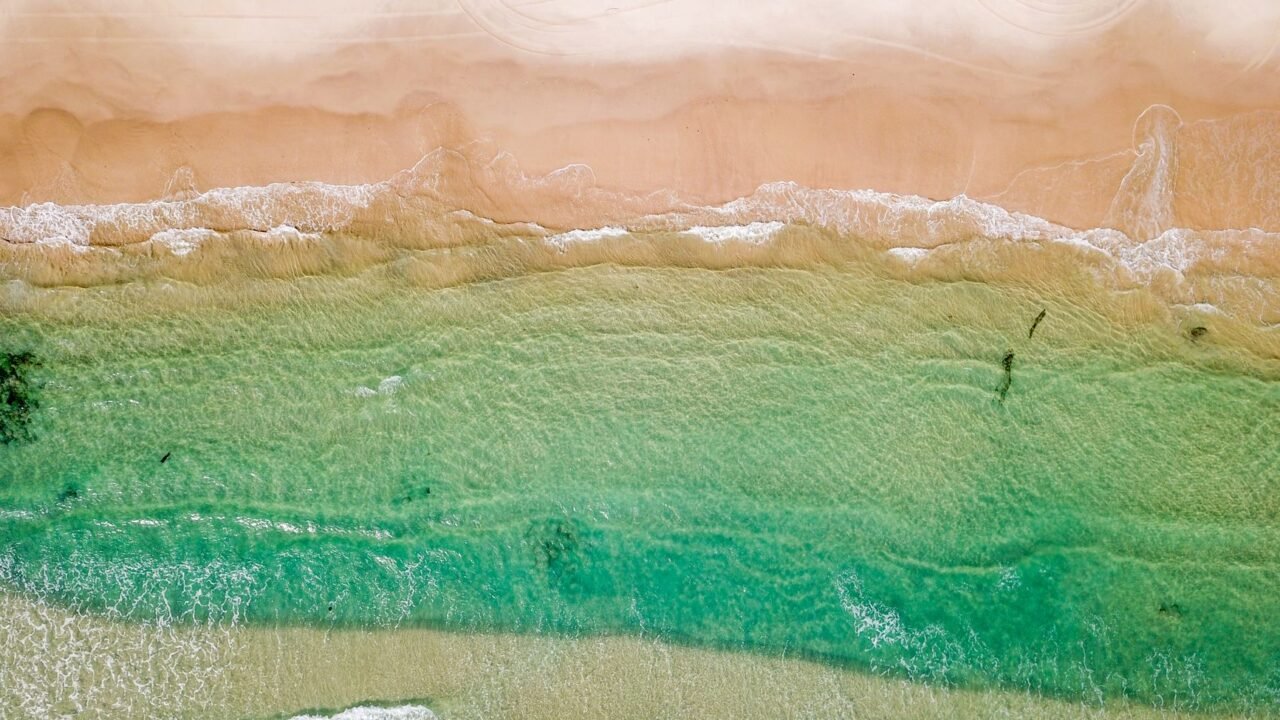
Australia is intensifying its efforts to protect swimmers and surfers from shark encounters by increasing the deployment of drones along its coastline. This enhanced surveillance measure comes in the wake of a recent spate of shark attacks, including a significant incident where a teacher was mauled by a great white shark at Coogee beach.
The decision to expand drone usage signifies a proactive approach by Australian authorities to mitigate the risks associated with marine predators in popular coastal areas. These unmanned aerial vehicles are equipped with advanced technology designed to detect sharks in the water, providing early warnings to beachgoers and lifeguards. Information reaching Tahir Rihat suggests that the drones will operate in conjunction with existing shark mitigation strategies, such as drumlines and aerial patrols, to create a more comprehensive safety net for those enjoying Australia‘s renowned beaches.
The recent attack at Coogee beach, a well-known Sydney surf spot, has underscored the urgency of the situation. While details of the teacher’s condition were not immediately available, the incident has amplified public concern and prompted swift action from regulatory bodies. Coastal patrols and surf lifesaving organizations are reportedly working closely with technology providers and government agencies to integrate the drone surveillance systems effectively. The aim is to provide real-time information about shark presence, allowing for timely closures of swimming and surfing areas when necessary.
Experts in marine biology and wildlife management have been consulted to ensure the drone technology is both effective and minimally disruptive to marine ecosystems. The drones are expected to cover vast stretches of coastline, offering a wider field of vision than traditional methods. Their ability to hover and provide continuous monitoring makes them a valuable asset in identifying potential threats before they escalate. The data collected by these drones will also contribute to a broader understanding of shark behavior and migration patterns, which could inform long-term conservation and safety strategies.
The deployment of drones is part of a broader national strategy to enhance beach safety, which has seen increased investment in research and technology. Australia has a long history of dealing with shark interactions, and while attacks remain relatively rare given the number of people using the water, each incident carries significant emotional and social impact. The government has emphasized that the safety of the public is paramount and that all available resources are being mobilized to address the current concerns. This includes not only technological solutions but also public awareness campaigns to educate beachgoers about safe practices and how to respond in the event of a shark sighting.
The effectiveness of drone surveillance in shark detection has been a subject of ongoing research and development. Early trials have shown promising results, with drones capable of distinguishing between various marine life and identifying sharks with a high degree of accuracy. The integration of artificial intelligence and sophisticated imaging software is enhancing the capabilities of these drones, allowing them to operate autonomously and transmit critical data to monitoring centers in real-time. This technological advancement is seen as a significant step forward in the ongoing effort to coexist safely with marine predators.
The expansion of drone usage is not without its challenges. Ensuring consistent operation across diverse weather conditions, maintaining the technology, and training personnel to operate the systems are all critical factors. However, the perceived benefits in terms of enhanced safety and the potential to reduce the frequency and severity of shark-related incidents are driving the rapid implementation of these measures. The Australian government has indicated that this is a dynamic and evolving situation, and they will continue to adapt their strategies based on the latest scientific advice and operational feedback.
The incident at Coogee beach, as reported by The New York Times, serves as a stark reminder of the inherent risks associated with ocean activities. The deployment of drones is a direct response to this heightened risk, aiming to provide a more robust and technologically advanced layer of protection. The long-term implications of this increased surveillance could include a reduction in shark attacks, greater public confidence in beach safety, and a more comprehensive understanding of the marine environment. The authorities are committed to a multi-faceted approach, combining technology, education, and ongoing research to ensure the safety of Australia’s cherished coastal environments.

Tahir Rihat (also known as Tahir Bilal) is an independent journalist, activist, and digital media professional from the Chenab Valley of Jammu and Kashmir, India. He is best known for his work as the Online Editor at The Chenab Times.



Leave a Reply