
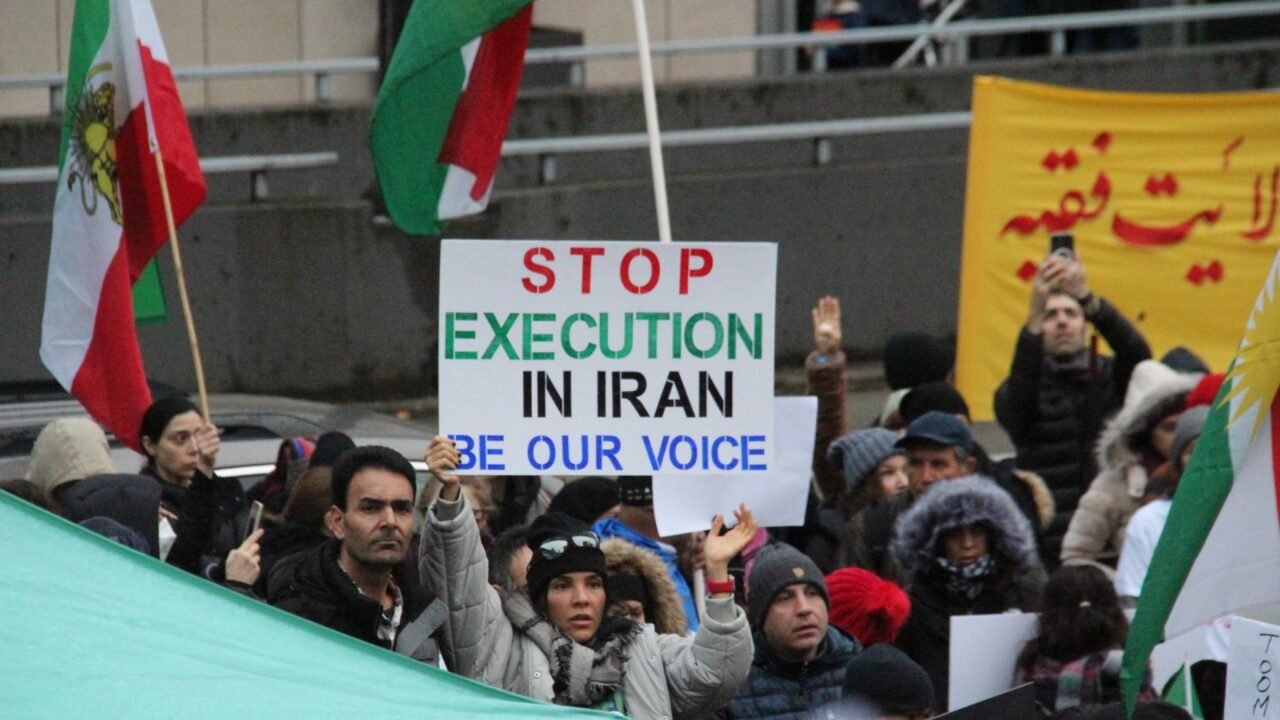
Human rights organizations have reported a significant and accelerating surge in executions carried out by the Iranian government, a trend that appears to be fueling public protest, according to visual evidence that has emerged. The escalating number of death sentences and their swift implementation are drawing international condemnation and increasing pressure on the regime.
The latest wave of executions follows a period of widespread demonstrations that have gripped Iran for months, with activists and observers linking the intensified state response to the ongoing dissent. Information reaching Tahir Rihat suggests that the government is employing capital punishment as a primary tool to quell opposition and reassert control. Videos circulating online, though unverified by independent media, appear to depict public gatherings in response to these executions, indicating a continued and potentially emboldened public outcry against the state’s actions.
These reports come at a critical juncture for Iran, which has been grappling with internal dissent stemming from a range of grievances, including economic hardship, social restrictions, and political repression. The use of the death penalty, particularly against individuals involved in protests, has been a recurring point of contention between the Iranian authorities and international human rights bodies. The scale of the current surge, however, is described by activists as unprecedented in recent times, raising alarms about the systematic nature of the crackdown.
The specific charges leading to these executions vary, but many are reportedly linked to offenses such as endangering national security, spreading propaganda against the state, and engaging in acts of vandalism during protests. Human rights groups, however, argue that the legal processes leading to these convictions are often deeply flawed, lacking due process and fair trial guarantees. They point to reports of coerced confessions and the use of vague charges that can be broadly interpreted to encompass legitimate dissent.
The international community has largely condemned Iran’s use of the death penalty, with many countries and organizations calling for an immediate moratorium. These calls have intensified with the latest reports of increased executions. The United Nations Human Rights Office has previously expressed grave concerns over the human rights situation in Iran, including the widespread use of capital punishment. The current escalation is expected to prompt further statements and potential diplomatic actions from these entities.
The Iranian judiciary has, in the past, defended its use of the death penalty as a necessary measure to maintain public order and deter crime. State media often highlights executions as a means of delivering justice for victims and upholding the rule of law. However, these justifications are widely disputed by rights advocates, who argue that the state is using the legal system to silence and punish political opponents and activists.
The surge in executions is also seen by some analysts as a strategic move by the Iranian government to demonstrate its resolve and deter any future challenges to its authority. By carrying out swift and public punishments, the regime may be attempting to create a climate of fear and discourage further participation in protests or any form of organized opposition. The effectiveness of this strategy in the long term remains to be seen, especially in light of the apparent public reaction documented in emerging videos.
The implications of this intensified crackdown extend beyond Iran’s borders. The human rights situation within the country has long been a point of friction in its international relations. The current trend is likely to further strain diplomatic ties with Western nations and human rights-focused international organizations, potentially leading to increased sanctions or other forms of pressure. The ongoing events underscore the deep divisions within Iran and the government’s commitment to maintaining its grip on power through stringent measures.
The focus on executions as a means of control highlights the challenges faced by those advocating for reform and greater freedoms within Iran. The bravery of individuals who continue to speak out and protest, even in the face of such severe repercussions, is noted by human rights observers. The international spotlight on these events is crucial for documenting abuses and advocating for accountability, even as the situation on the ground remains volatile and dangerous for many Iranians.

Tahir Rihat (also known as Tahir Bilal) is an independent journalist, activist, and digital media professional from the Chenab Valley of Jammu and Kashmir, India. He is best known for his work as the Online Editor at The Chenab Times.



Leave a Reply