
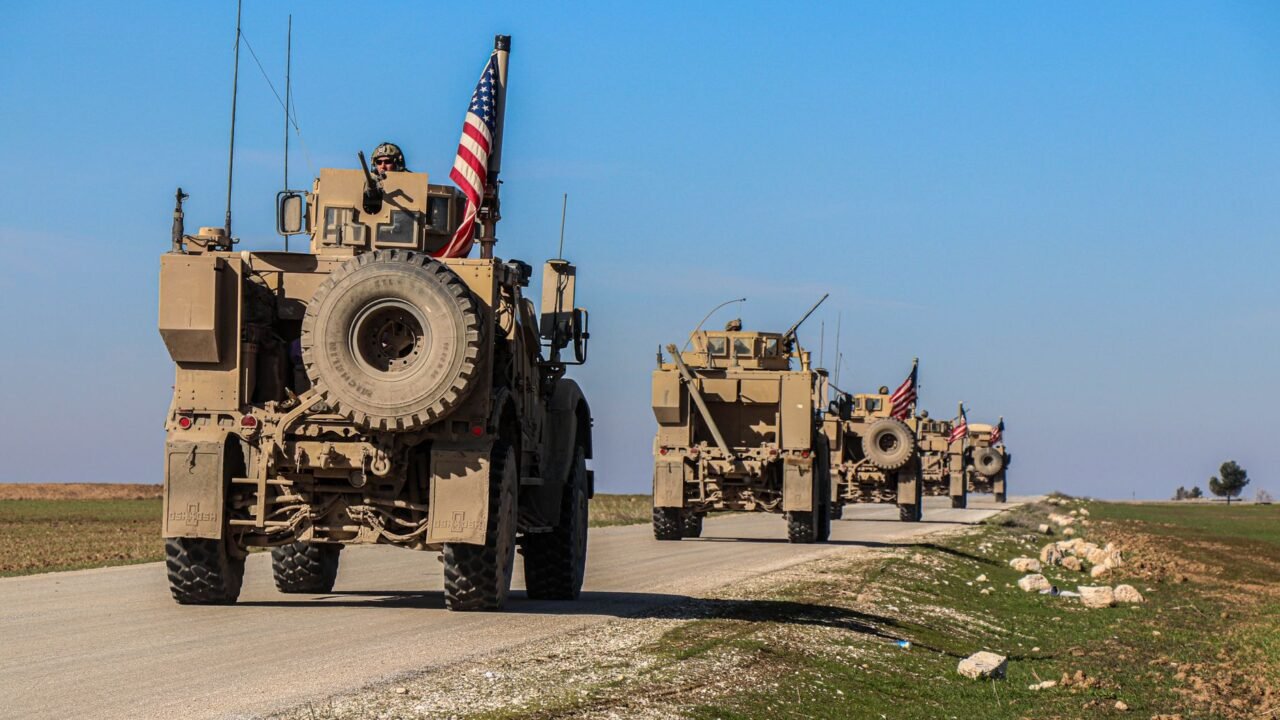
Suspected Iranian strikes have targeted United States military installations in at least four countries, marking a significant escalation in regional tensions. The attacks, which have not been officially claimed by Iran, have raised alarms among international observers and prompted heightened security measures across U.S. military facilities in the Middle East and beyond.
Information reaching Tahir Rihat suggests that the coordinated assaults, believed to be carried out by Iran or its proxy forces, have occurred in Iraq, Syria, Yemen, and a fourth, undisclosed location. These incidents represent a broadening of the conflict zone, indicating a potential shift in Iran’s strategy to project power and retaliate against perceived U.S. aggression. The nature of the strikes varied, with reports indicating a mix of missile and drone attacks, as well as other forms of assault.
The United States has been on high alert amid ongoing geopolitical friction with Iran, particularly concerning the Strait of Hormuz and broader regional security dynamics. U.S. officials have been investigating the incidents, seeking to confirm Iranian involvement and assess the extent of damage and any potential casualties. The Pentagon has not yet released a detailed statement on the specific targets or the impact of these attacks, but sources indicate that a full assessment is underway. The involvement of multiple countries in these strikes underscores the complex web of alliances and proxy relationships that characterize the current Middle Eastern security landscape.
The implications of these attacks are far-reaching, potentially triggering a wider regional conflict. The United States has a significant military presence across the Middle East, with bases and personnel stationed in numerous countries to counter threats from extremist groups and maintain stability. Any direct or indirect confrontation with Iran carries the risk of drawing in other regional powers and exacerbating existing conflicts. The international community is closely monitoring the situation, with calls for de-escalation and diplomatic solutions being voiced by several nations.
The timing of these strikes is also significant, occurring at a period of heightened political and military activity in the region. Analysts suggest that Iran may be seeking to demonstrate its capabilities and deter further U.S. actions, while also signaling its resolve to its domestic audience and regional allies. The response from the United States is expected to be carefully calibrated, balancing the need to protect its forces and interests with the desire to avoid a full-blown military confrontation. The ongoing investigations into the incidents are crucial for determining the appropriate course of action and for understanding the full scope of Iran’s intentions.
The international response has been cautious, with many countries urging restraint from all parties involved. The United Nations and other international bodies are likely to play a role in mediating any potential escalation and in facilitating dialogue. The economic impact of such a conflict could also be substantial, particularly given the importance of the Strait of Hormuz as a global oil transit route. Any disruption to oil supplies could have significant repercussions for the global economy.
The United States has a history of responding forcefully to attacks on its personnel and interests, and the coming days and weeks will be critical in determining the trajectory of this developing situation. The focus remains on gathering intelligence, assessing the threat, and formulating a strategic response that prioritizes the safety of American citizens and allies while seeking to de-escalate tensions and prevent further conflict. The global implications of any miscalculation or escalation are immense, underscoring the need for careful diplomacy and measured action.

Tahir Rihat (also known as Tahir Bilal) is an independent journalist, activist, and digital media professional from the Chenab Valley of Jammu and Kashmir, India. He is best known for his work as the Online Editor at The Chenab Times.


Leave a Reply